In high-capacity combustion environments, the connecting rod bearing (conrod bearing) serves as the primary hydrodynamic link between the crankshaft and the connecting rod. The 3306R engine platform, celebrated globally for its robustness in earthmoving machinery, heavy marine propulsion, and backup power generator systems, demands an exceptional standard of component endurance. Operating under severe cyclic mechanical loading, bearing shells must tolerate fluctuating peak cylinder pressures while preserving the integrity of the lubricating oil film.
Modern industrial applications require more than off-the-shelf standard parts. Increased fuel efficiency guidelines, combined with heavy-duty operations in dust-choked construction environments, force fleet managers and OEM suppliers to seek out high-spec custom bearing designs. The modern 3306R conrod bearing is a structural masterpiece engineered to balance hardness, embeddability, and fatigue resistance, preventing catastrophic seizure and oil starvation-induced failures.
The operation of a 3306R conrod bearing depends on complex parameters:
Through continuous investments in metallurgy research and robotic machining centers at our Xiangyang facility, we keep critical tolerances within micrometer limits, guaranteeing reliable field performance.
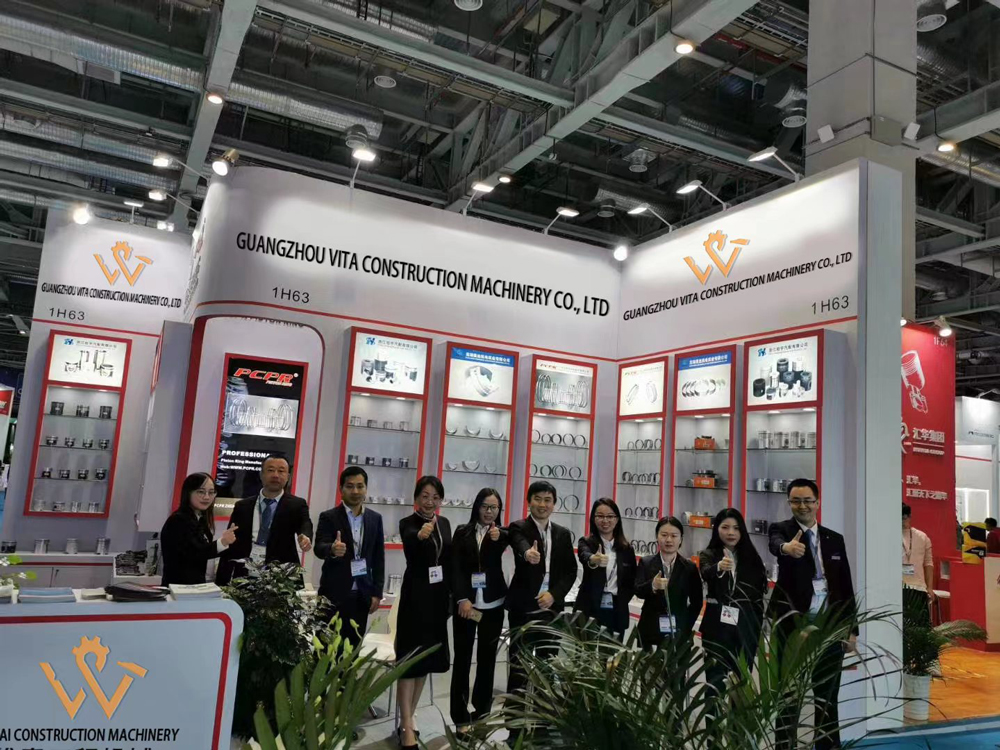
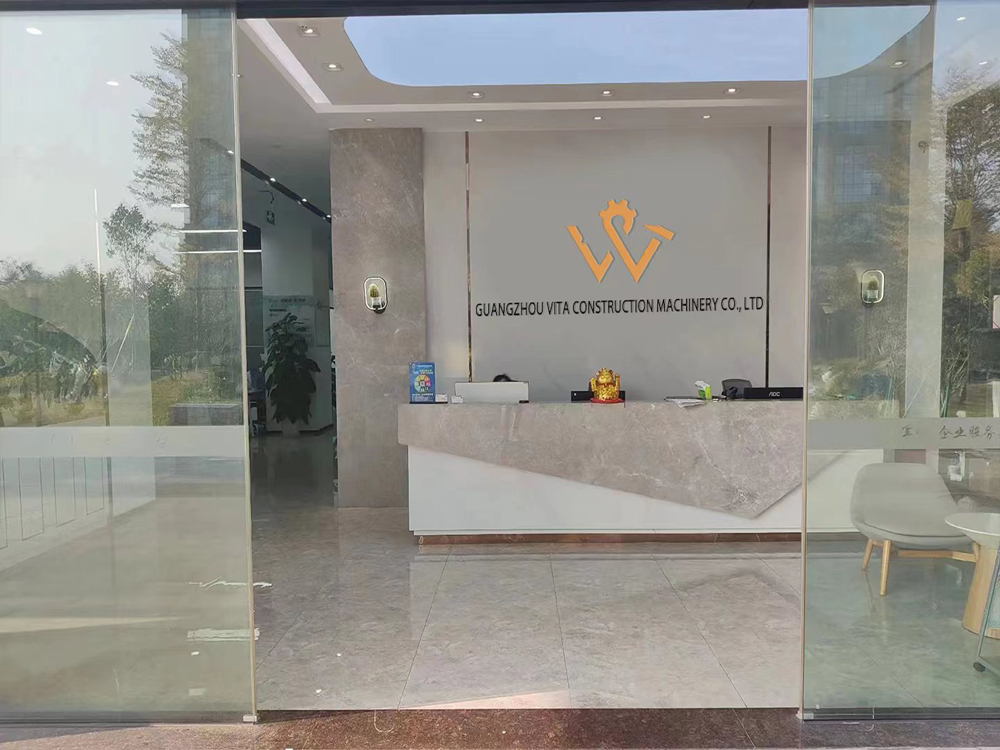
Guangzhou Vita Construction Machinery Co., Ltd.
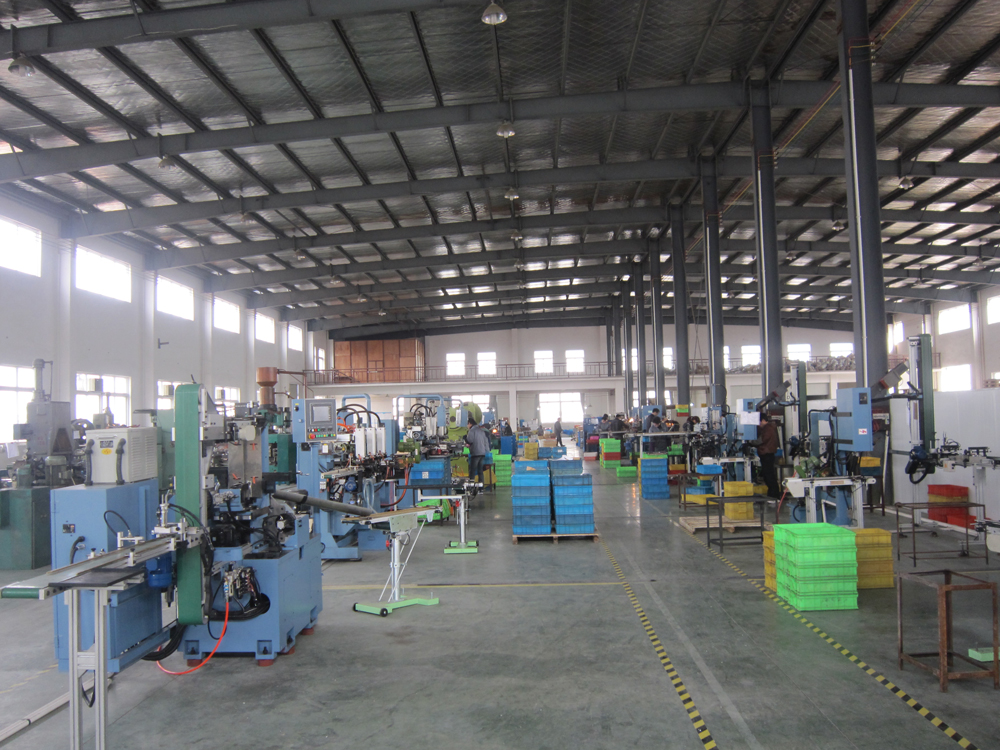
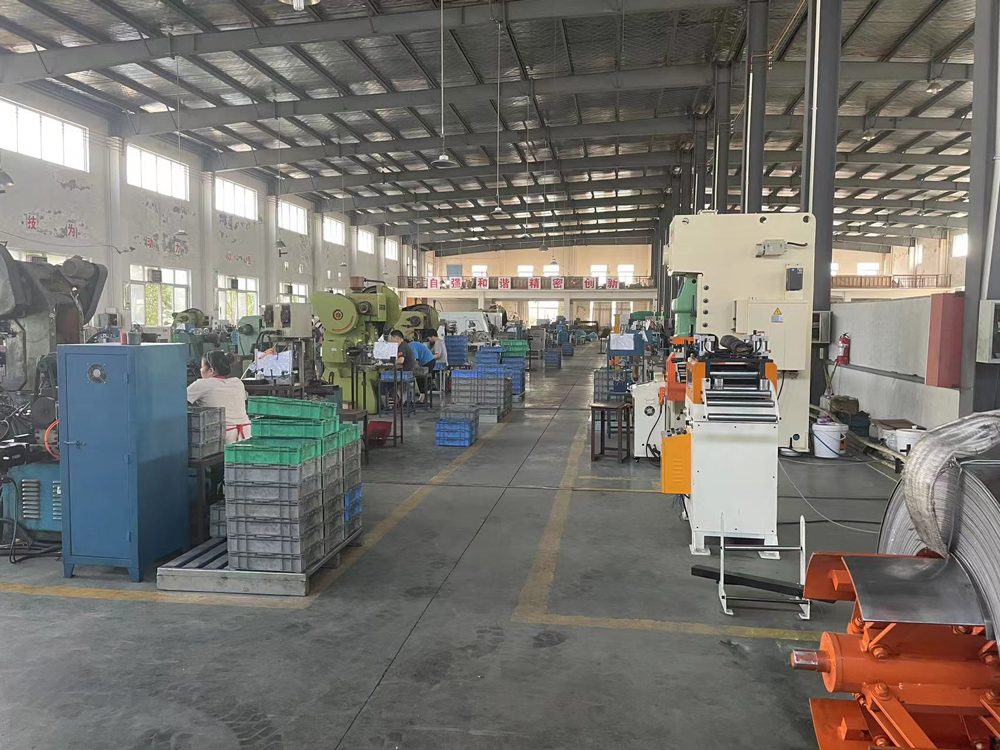
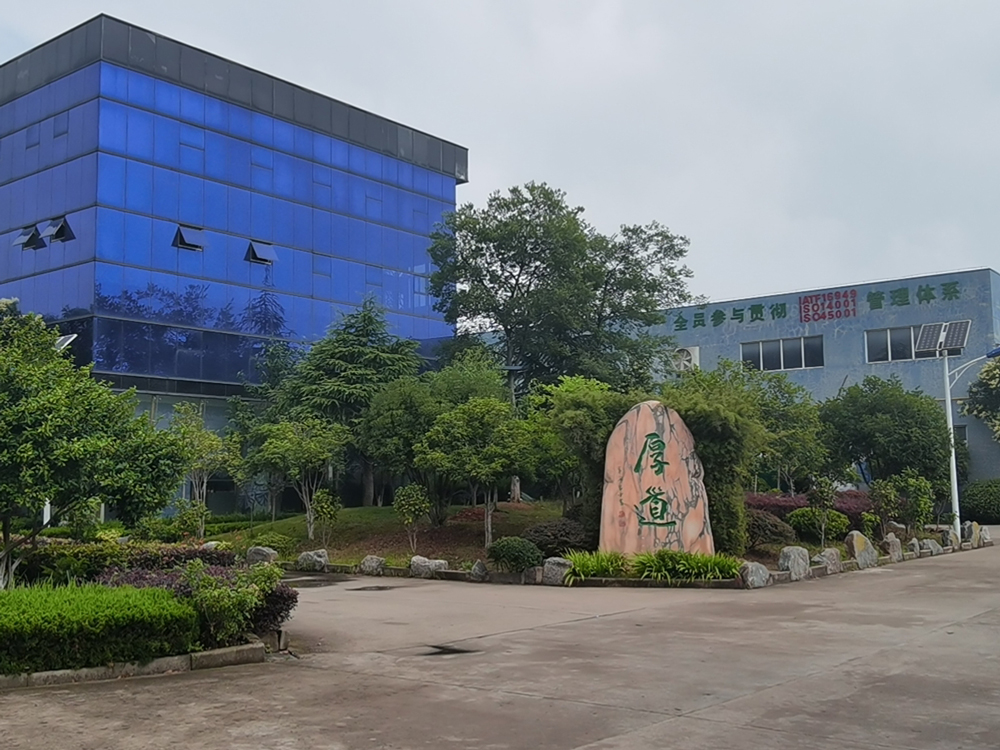
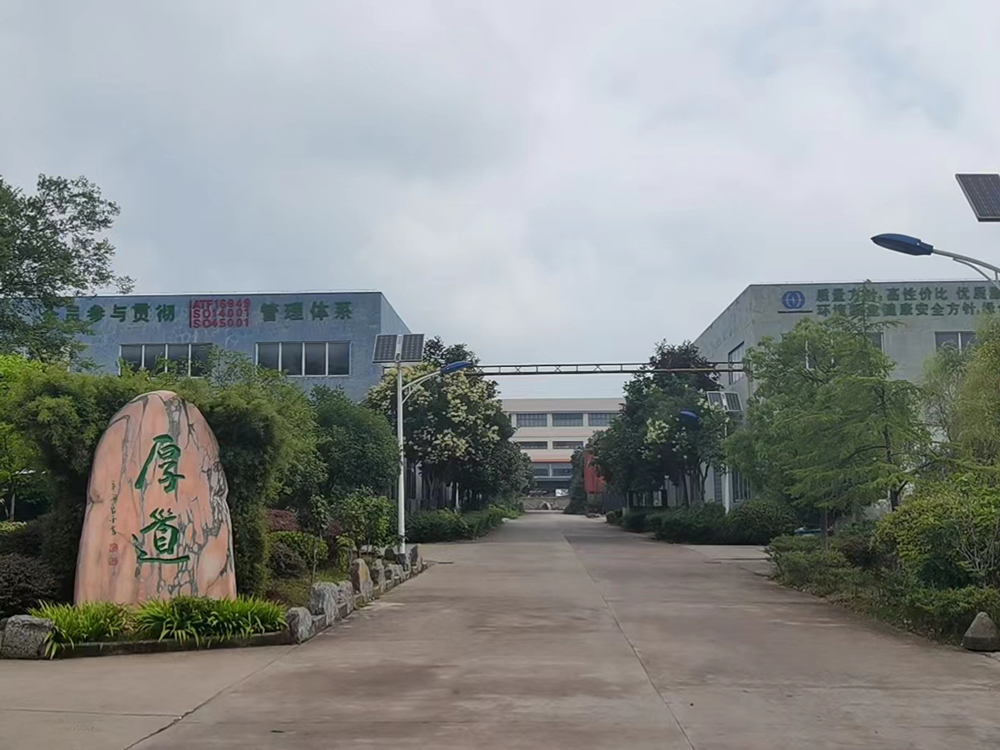
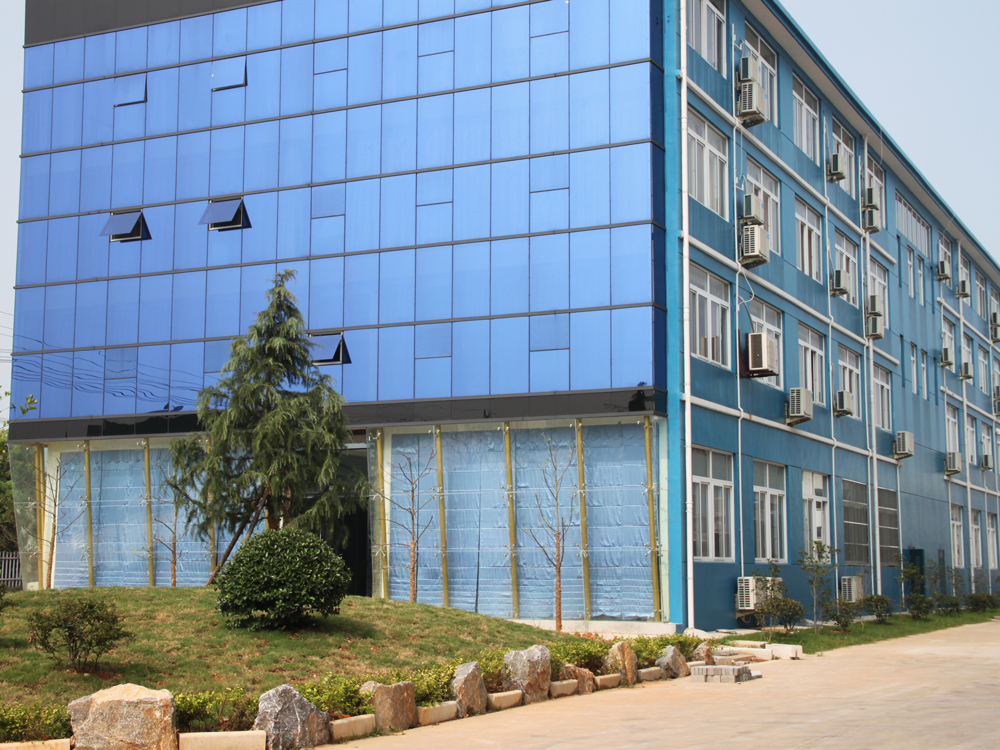
We are a major industrial group that combines production facilities and international trade operations. Our main factory is located in Xiangyang City, Hubei Province, where our team operates an advanced 18,000 square meter workshop. Modern production machinery, a highly trained workforce, and a dedicated engineering department ensure that all parts meet or exceed OEM performance criteria.
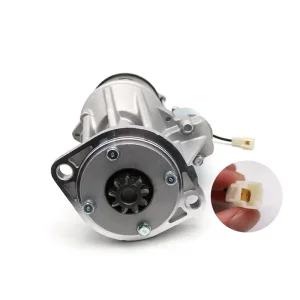
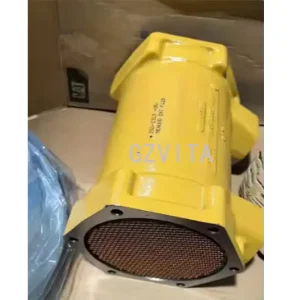
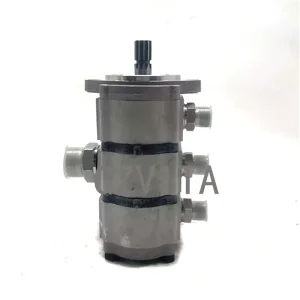
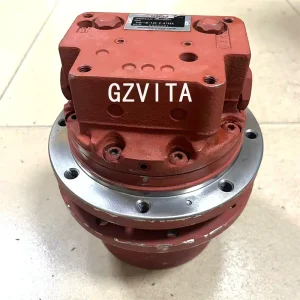
We develop and supply a complete selection of construction machinery parts. This includes engine assemblies, hydraulic pumps, final drives, electric generators, and engine bearings (including Main bearings and Conrod Bearings). We also offer crankshafts, engine valves, gear pumps, cylinders, industrial filters, excavator buckets, and undercarriage components for machinery brands like Komatsu, Volvo, Sumitomo, Caterpillar, Kubota, Hitachi, John Deere, Kobelco, Hyundai, Kato, Sany, XCMG, and Sunward.
In the construction and mining sectors, machine downtime directly impacts project profitability. We focus on providing high-quality replacement parts, ensuring that major engine components operate with maximum reliability and longevity.
Our dedicated development department supports clients with complex installation challenges. We help field engineers diagnose assembly issues and resolve operational bugs to optimize engine rebuild quality.
We maintain an active travel team of technicians ready to assist with on-site engine rebuilding. This hands-on field support helps heavy-duty operators minimize downtime during major overhauls.
Heavy load limits necessitate advanced bearing metallurgy. Standard bi-metal aluminum bearings can crack or fail when subjected to the extreme combustion pressures of turbocharged 3306R engines. We utilize a high-performance tri-metal construction, incorporating multiple layers for optimal durability:
High-tensile carbon steel forms the outer structure of the bearing shell. This backing maintains the structural shape of the shell under heavy clamping forces, ensuring it remains securely fitted within the connecting rod bore.
An intermediate layer (copper-lead-tin alloy) provides strong resistance to heavy fatigue forces. This matrix acts as the primary load-bearing layer, transferring forces from the piston pin through the rod to the crankshaft journals.
A thin nickel barrier prevents tin migration between layers. The outer lead-tin-copper electroplated overlay offers excellent conformability and embeddability, trapping abrasive debris to protect the crankshaft journal from wear.
Understanding bearing wear patterns helps field engineers identify the root cause of engine failures. Our research engineers categorize common failure modes to improve custom components:
Abrasive Contamination: Foreign dirt or metallic particles entering through the oil line bypass the filter. The soft babbitt layer is designed to embed these particles, but excessive debris can cause scoring on the journal surface.
Fatigue Spalling: Continuous cyclic overload causes micro-cracking in the lining. Over time, these cracks expand, causing sections of the lining material to flake off the copper-lead substrate.
Corrosive Degradation: Acidic oil degradation products attack the lead phase in the copper-lead matrix. This weakens the bearing structure, leaving it vulnerable to delamination under normal operating pressures.
The 3306R engine serves in a variety of challenging operating environments. Our custom conrod bearings are optimized to handle the specific operational demands of different sectors:
In high-dust quarrying environments, heavy machinery operates under variable, shock-loading conditions. Our bearings feature deep micro-groove profiles designed to maintain oil flow, helping flush away particulate matter and prevent wear.
Marine propulsion engines operate continuously for long periods under steady thermal loads. The tri-metal formulation provides high thermal stability, resisting corrosion caused by condensation and fuel-related acid buildup.
Large excavators and graders experience frequent duty cycle changes. Our bearings are engineered with a flexible babbitt layer that conforms to minor rod deflections, distributing stress evenly across the journal.
As global regulations restrict heavy metals and demand lower emissions, we are developing new bearing designs to meet future environmental and performance standards:
Developing bismuth and tin-based replacements for lead overlays, achieving similar embeddability and fatigue performance while complying with environmental standards.
Applying physical vapor deposition (PVD) to coat bearings with a diamond-like carbon layer, reducing friction during dry starts before oil pressure builds.
Integrating thin-film temperature sensors within the bearing backing to provide real-time oil film temperature data, helping prevent failures before they occur.
Using additive manufacturing to print custom composite bearings, allowing precise control of layer composition for highly specialized engine applications.
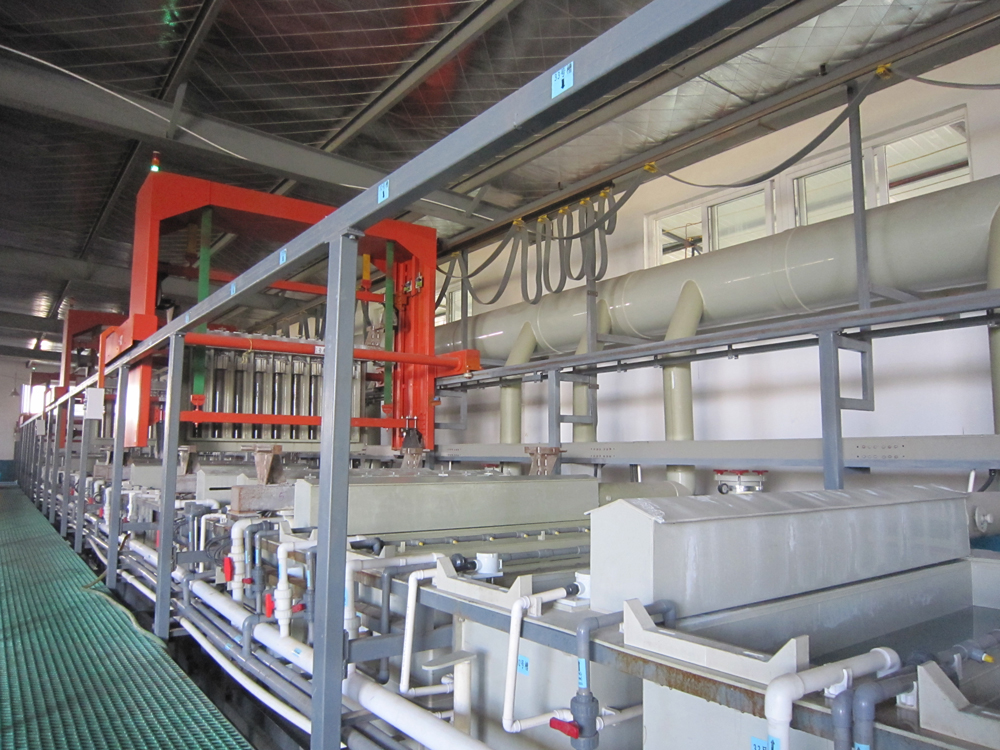
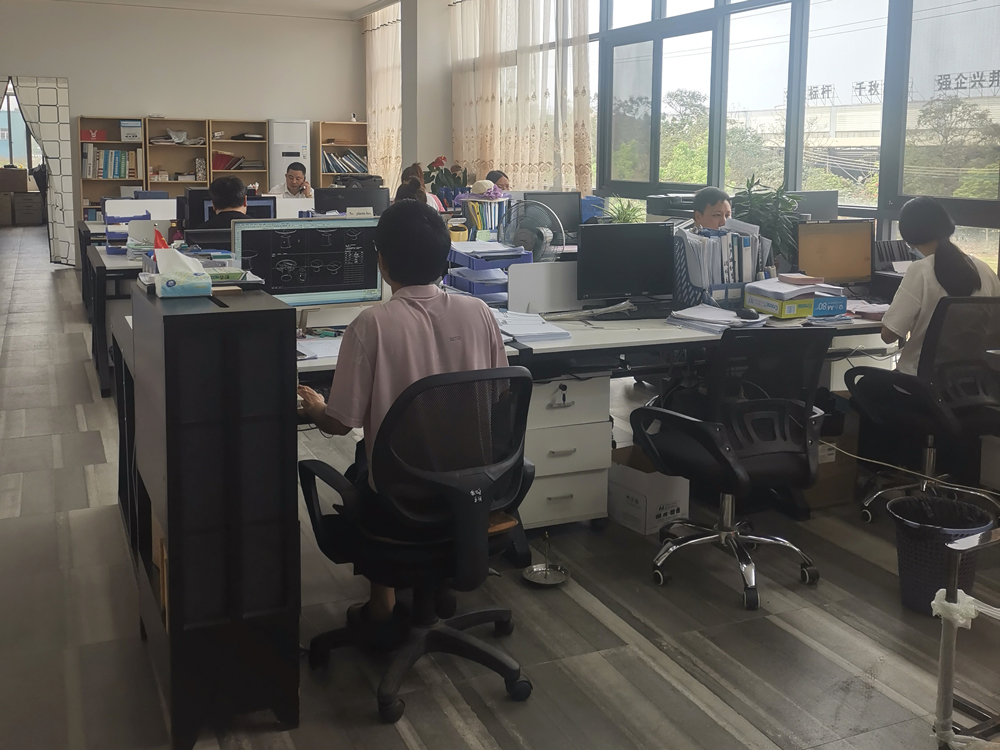
Explore our advanced manufacturing facility, where specialized production machinery, automated line monitoring, and clean assembly bays support our quality standards.
Industrial operators require rapid spare parts delivery and consistent product quality. Our team supports maintenance schedules with efficient global supply operations and compliance standards:
Our parts are manufactured using dimensions and raw material standards equivalent to original specifications. Our processes follow ISO 9001 and ISO/TS 16949 quality guidelines to ensure consistent sizing across production runs.
We coordinate shipping logistics through primary transportation hubs, helping clients minimize delays for urgent engine repairs. Standard size and common undersize bearings are maintained in inventory for prompt order fulfillment.
Every bearing kit is supplied with clear installation specifications, detailing critical values like bolt torque sequences, assembly stretch limits, and required clearance dimensions to help technicians prevent installation errors.
Find technical answers regarding clearance settings, materials, and troubleshooting for 3306R conrod bearings:
 Vita Construction