 Vita Construction
1 / 4
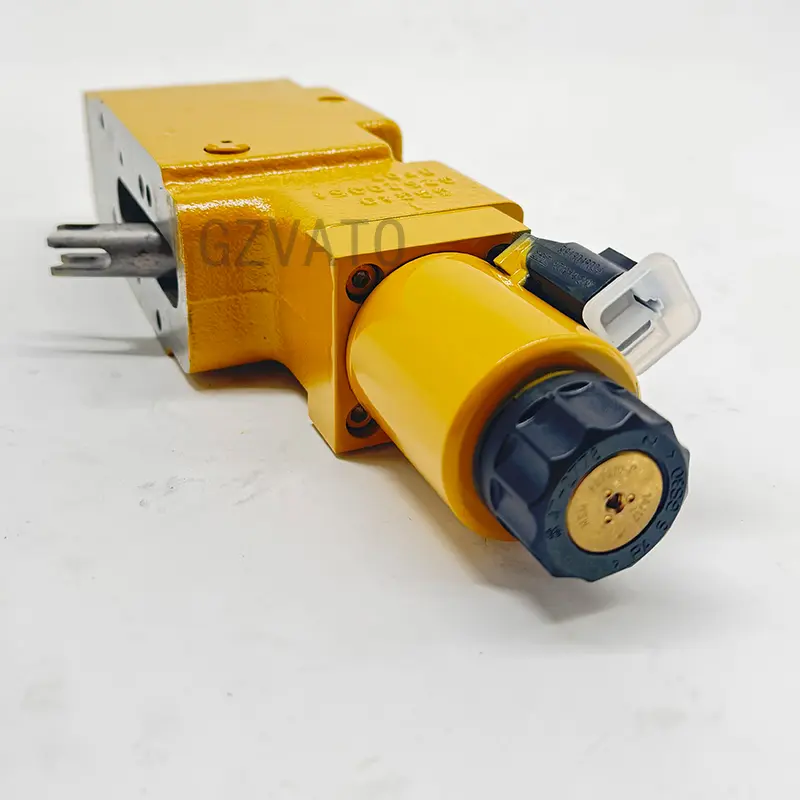
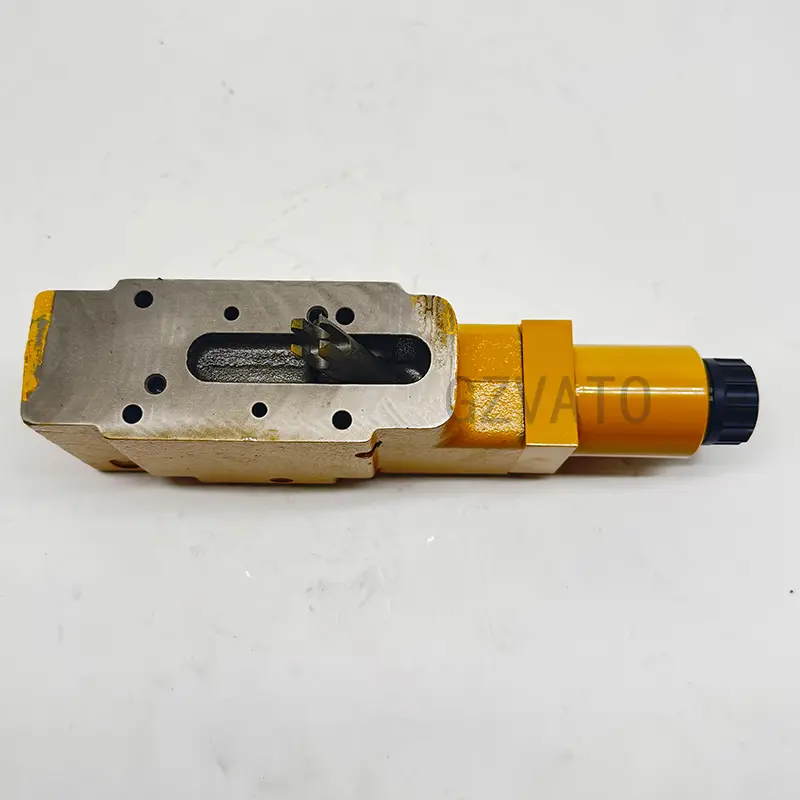
In various industrial and agricultural applications, the efficient management of fluid flow is crucial for optimal performance and safety. Pump control valve heads and pump regulators play a vital role in this process by ensuring that pumps operate within their designed parameters, maintaining desired flow rates, and protecting the system from potential damage due to pressure fluctuations.
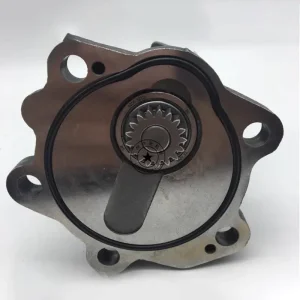
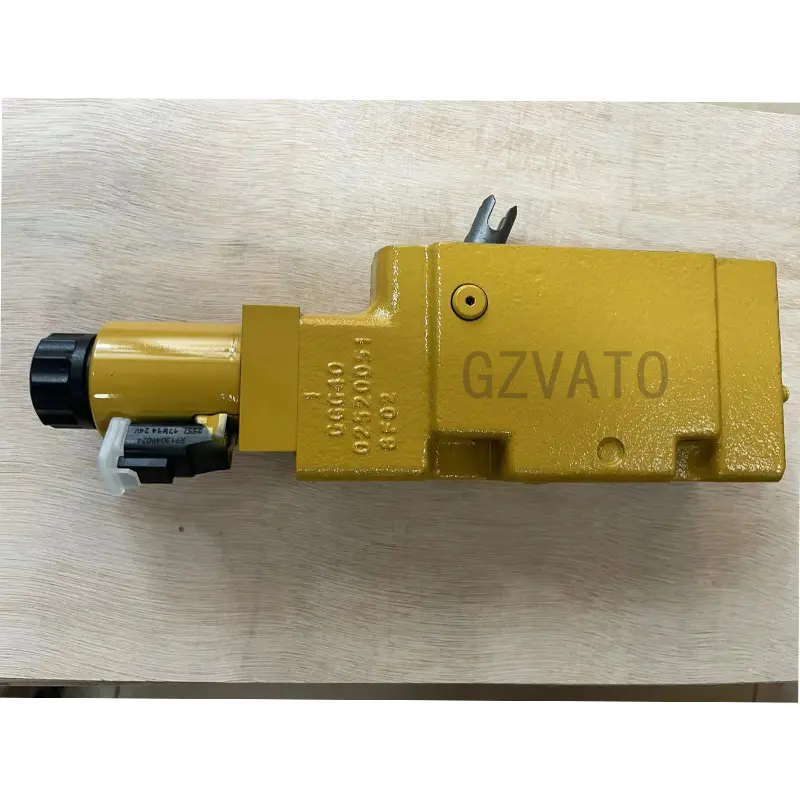
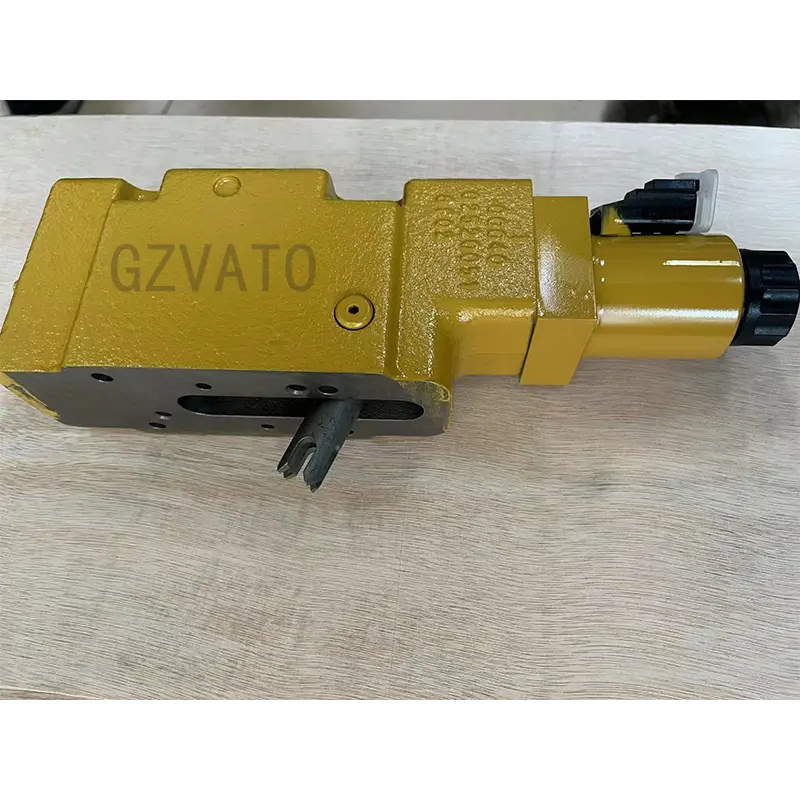
A pump control valve head is a device that regulates the flow of fluid from a pump to the system it serves. It typically includes a combination of valves, sensors, and control mechanisms that work together to manage the pressure and flow rate of the fluid. The primary functions of a pump control valve head include:
It adjusts the flow rate of the fluid based on the system's requirements, ensuring that the pump delivers the right amount of fluid at the right time.
The valve head monitors and maintains the pressure within the system, preventing overpressure conditions that could lead to equipment failure or safety hazards.
Many modern pump control valve heads are equipped with sensors that provide real-time data on flow and pressure, allowing for automated adjustments and improved efficiency.
A pump regulator is a specific type of control device that focuses on maintaining a consistent output pressure from a pump. It is designed to automatically adjust the flow of fluid to ensure that the pressure remains within a specified range, regardless of variations in demand or supply conditions. Key features of pump regulators include:
Pump regulators can automatically respond to changes in system pressure, adjusting the flow to maintain the desired output without manual intervention.
By regulating pressure, these devices help protect downstream equipment from sudden pressure surges that could cause structural or functional damage.
By optimizing the flow and pressure, pump regulators contribute to energy savings, reducing overall operational costs and system wear.
Pump control valve heads and regulators are utilized across diverse industries to maintain stability, security, and efficiency. Some of the most common applications include:
A pump control valve head manages multiple factors such as overall fluid flow, pressure, and feedback integration. In contrast, a pump regulator specifically focuses on maintaining consistent system output pressure regardless of supply fluctuations.
They utilize internal valves, sensors, and control mechanisms to automatically adapt and modify flow rates, meeting the precise demands of the system dynamically.
Consistent pressure control prevents overpressure events that can lead to hazardous system leaks, line ruptures, and expensive downstream equipment damages.
Yes. By optimizing flow and keeping pressure strictly within standard operating parameters, the regulator reduces excess work done by the pump, leading to energy savings.
Modern pump control valve heads use smart sensors that relay real-time flow and pressure data, allowing for automated and highly precise system adjustments.