The Cummins 6CT engine series, with its robust 8.3-liter displacement and legendary reputation for reliable torque delivery, remains a cornerstone of the global industrial, construction, marine, and agricultural sectors. At the heart of this internal combustion workhorse is the crankshaft, which translates vertical piston forces into rotational energy. The critical components managing this high-friction interface are the main bearings and connecting rod (con rod) bearings. Undergoing extreme pressures, thermal loads, and fluctuating hydrodynamic shear stress, these bearings are critical failure points if not engineered to exact metallurgical and physical tolerances.
Within heavy industry applications, the demand for custom Cummins 6CT crankshaft bearings has grown exponentially. Standard aftermarket configurations often fail to account for specialized operational stresses, such as high-altitude construction, continuous-load marine propulsion, and heavy excavator operations with persistent vibration profiles. Industrial engineers, fleet managers, and engine rebuilding facilities require a higher grade of reliability, making factory-customized bearings with advanced overlays (tri-metal and bi-metal compositions) the industry standard for commercial viability.
"Information Gain Insight: Customizations in bearing overlays—such as thin-film sputter coatings and precise polymer-resin enhancements—can increase fatigue resistance by up to 35% under extreme boundary lubrication conditions, directly preventing premature crankshaft scoring."
In a standard Cummins 6CT configuration, the crankshaft bearing is subjected to high combustion pressures that compress the oil film. During the peak firing pressure of the cylinders, the hydrodynamic lubrication film thickness can drop below 1 micron. In these momentary periods of boundary lubrication, the bearing material must exhibit outstanding conformability and embeddability to prevent localized hot spots. Customized manufacturing processes enable specific design alterations (e.g., modified clearance levels, optimized oil grooving, and custom locating tabs) to accommodate localized operational realities, protecting the physical integrity of the forged steel crankshaft.
Modern manufacturing of Cummins 6CT crankshaft bearings centers around two primary metallurgical designs: Tri-metal and Bi-metal compositions. Choosing the correct specification depends entirely on the operating environment and performance goals of the engine.
| Specification Parameter | Tri-Metal (Copper-Lead) Alloy | Bi-Metal (Aluminum-Tin) Alloy | Custom Optimization Options |
|---|---|---|---|
| Base Material Structure | Steel Back + Copper-Lead Intermediate + Nickel Barrier + Lead-Tin-Copper Overlay | Steel Back + Aluminum-Tin-Silicon Alloy Layer | Polymer resin matrix coatings / Diamond-like Carbon (DLC) overlays |
| Load Capacity (Max) | Up to 90-100 MPa | Up to 70-80 MPa | Sputtered coatings extend capacity to 120+ MPa |
| Embeddability & Conformability | Excellent (soft overlay absorbs micro-particles) | Moderate to High (rely on silicon particles for wear) | Optimized overlay thickness for high debris environments |
| Corrosion Resistance | Moderate (sensitive to acidic oil degradation) | Outstanding (inert to chemical attack) | Electroplated lead-free coatings |
| Typical Application | Heavy-duty mining, high-performance earthmovers | Standard commercial transport, static gensets | Customized for marine propulsion & continuous load generators |
To maintain a proper hydrodynamic lubrication regime, the oil clearance must be held within extremely tight parameters—typically between 0.038 mm and 0.114 mm for the Cummins 6CT. Direct customization during manufacturing allows for "undersize" and "oversize" iterations (+0.25mm, +0.50mm, etc.) to compensate for crankshaft journal regrinding. Additionally, customized bearing shells can feature eccentricity profile optimization. The wall thickness is designed to be slightly thinner near the parting line compared to the crown, which compensates for housing bore distortion under peak dynamic loading, ensuring that the oil film remains stable and continuous.
For international procurement agents, purchasing managers, and industrial distributors, sourcing Cummins 6CT engine components is a balancing act between initial cost, lead times, and Total Cost of Ownership (TCO). In markets spanning South America, Southeast Asia, the Middle East, and Africa, Cummins 6CT engines power critical municipal infrastructure and heavy machinery fleets. A single day of downtime on an excavator or generator set can result in tens of thousands of dollars in lost productivity.
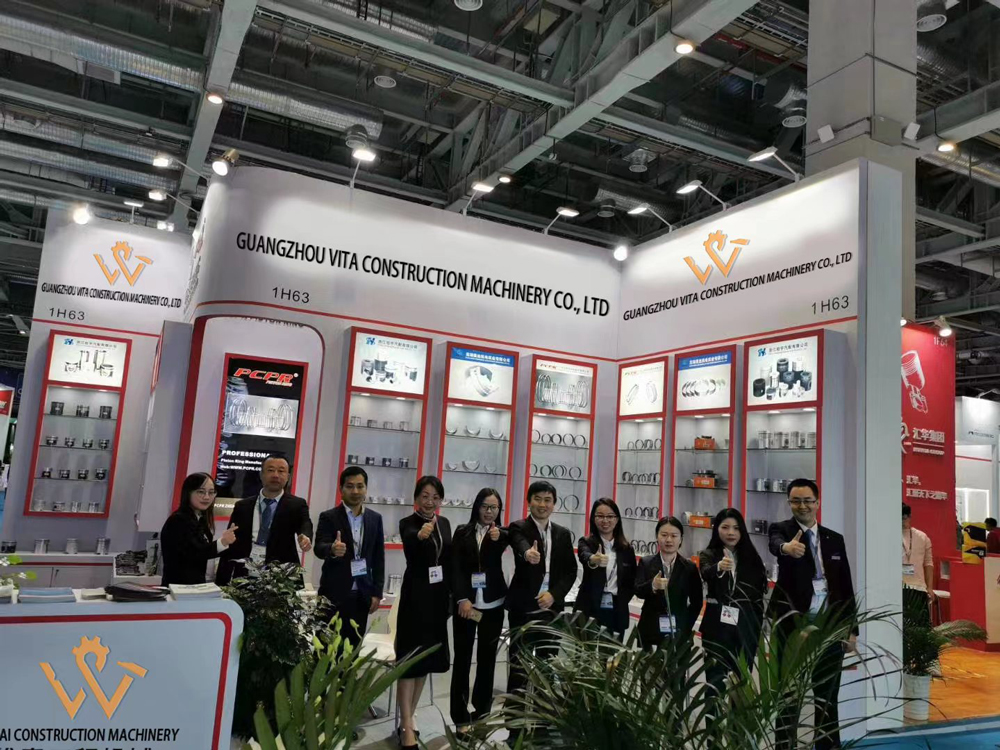
Choosing customized aftermarket manufacturing over traditional OEM channels presents a major economic opportunity. While OEM parts guarantee a base level of quality, they lack localized performance optimization options and carry high premiums. Reliable custom factories, like Guangzhou Vita Construction Machinery Co., Ltd., provide the exact metallurgical characteristics and geometric modifications needed for specific applications at a fraction of the cost. This economic advantage enables distributors to capture significant market share by offering tailored, reliable solutions to their end-user networks.
Understanding why crankshaft bearings fail is critical for engineering customized, long-term solutions. Through forensic analysis of failed engines worldwide, three primary failure modes dominate the Cummins 6CT landscape:
Rapid pressure drops in the engine's oil passages can cause vapor bubbles to form and implode violently against the bearing surface. This micro-implosion fatigue strips away the soft lead-tin overlay of traditional tri-metal bearings. To mitigate this, custom factories apply a hard nickel barrier or upgrade to a hardened aluminum-silicon alloy matrix that withstands cavitation impact forces.
In dusty environments like mining and quarry operations, airborne particulates inevitably contaminate the lubrication system. If the bearing material is too hard, the debris remains trapped between the crankshaft journal and the bearing surface, causing rapid scoring. A customized tri-metal bearing solves this by optimizing the thickness of the soft overlay, allowing contaminants to safely sink (embed) into the bearing material away from the spinning journal.
Heavy vibration from excavator operations can bend the main crankshaft, shifting the load concentration to the edges of the bearing. Custom manufacturers offset this wear pattern by producing bearings with an optimized crowning profile. This ensures that even when the crankshaft experiences slight dynamic misalignment, the load is distributed evenly across the bearing face.
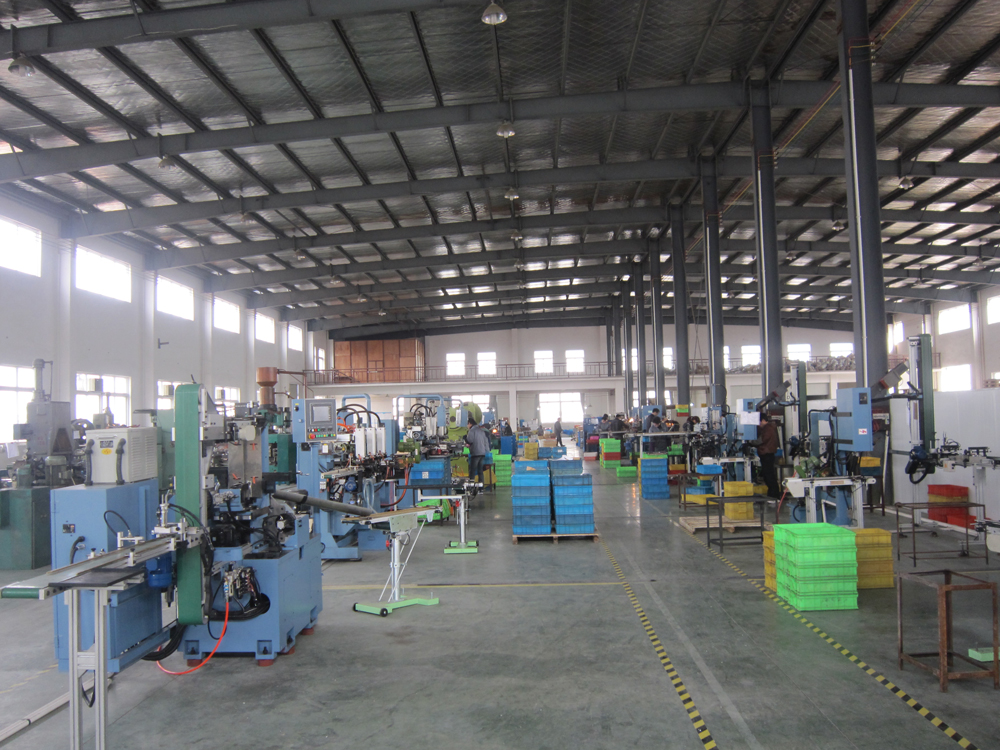
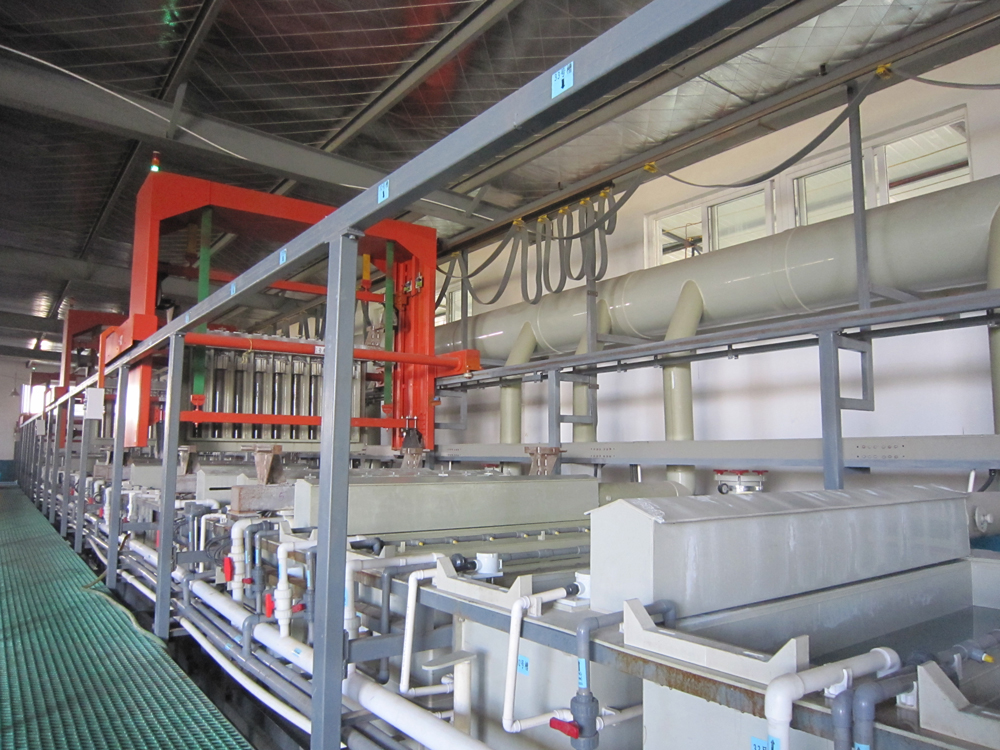
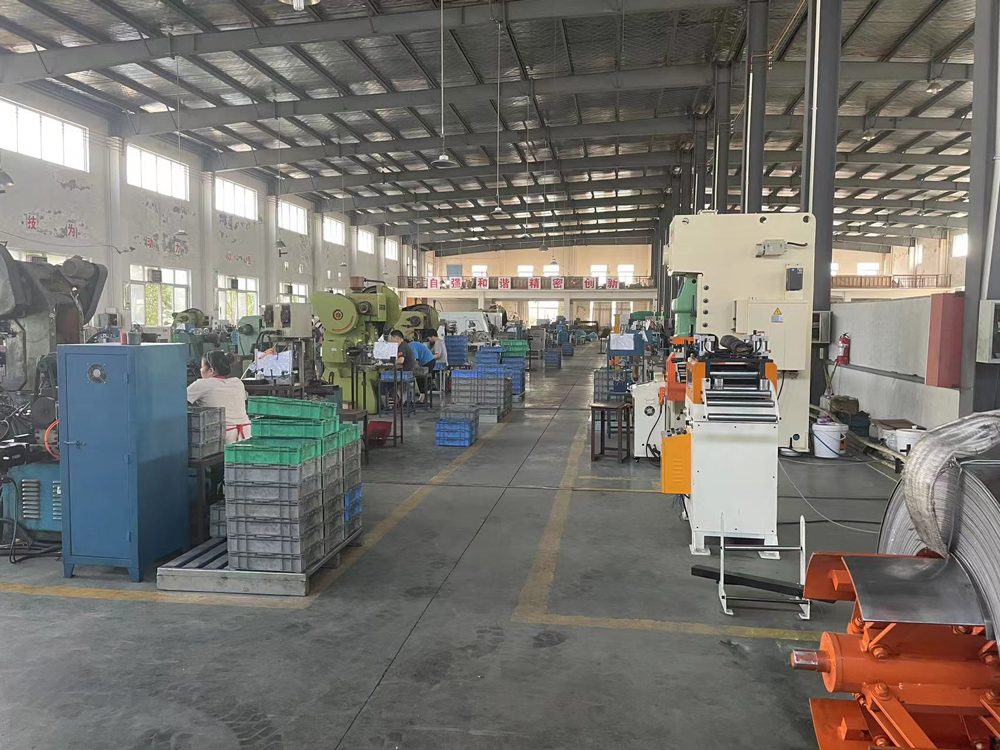
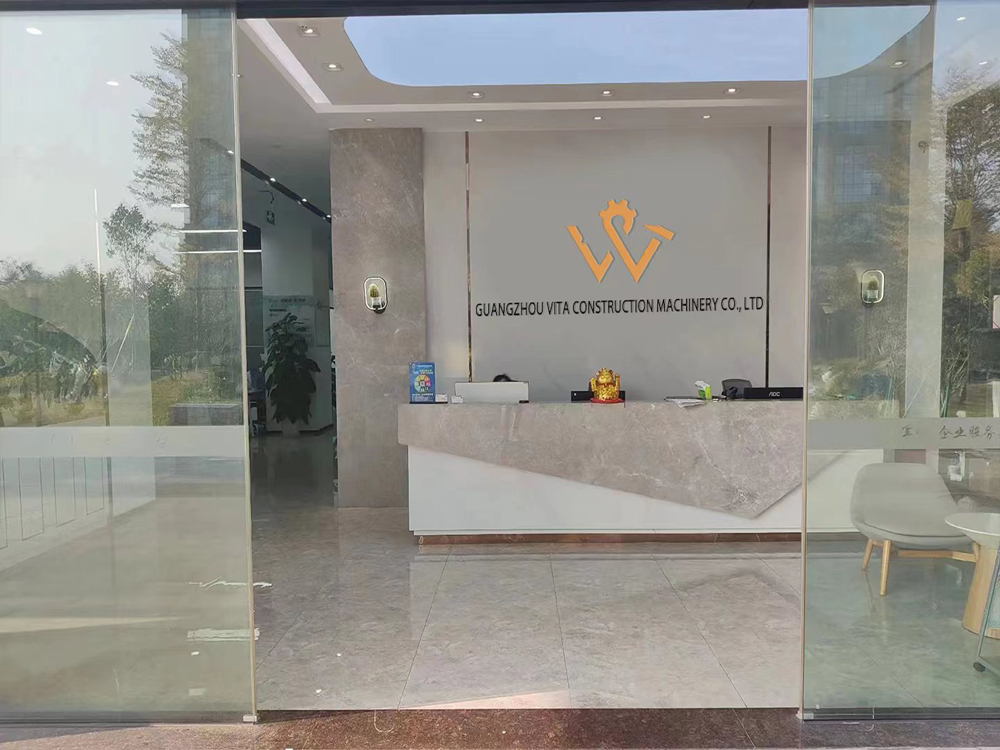
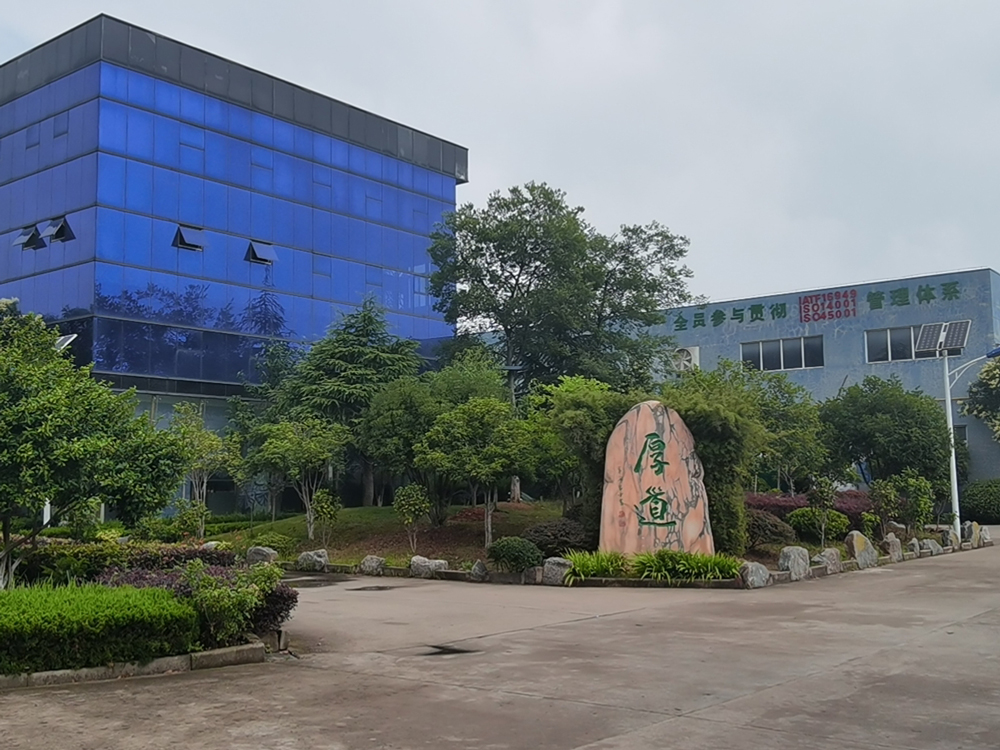
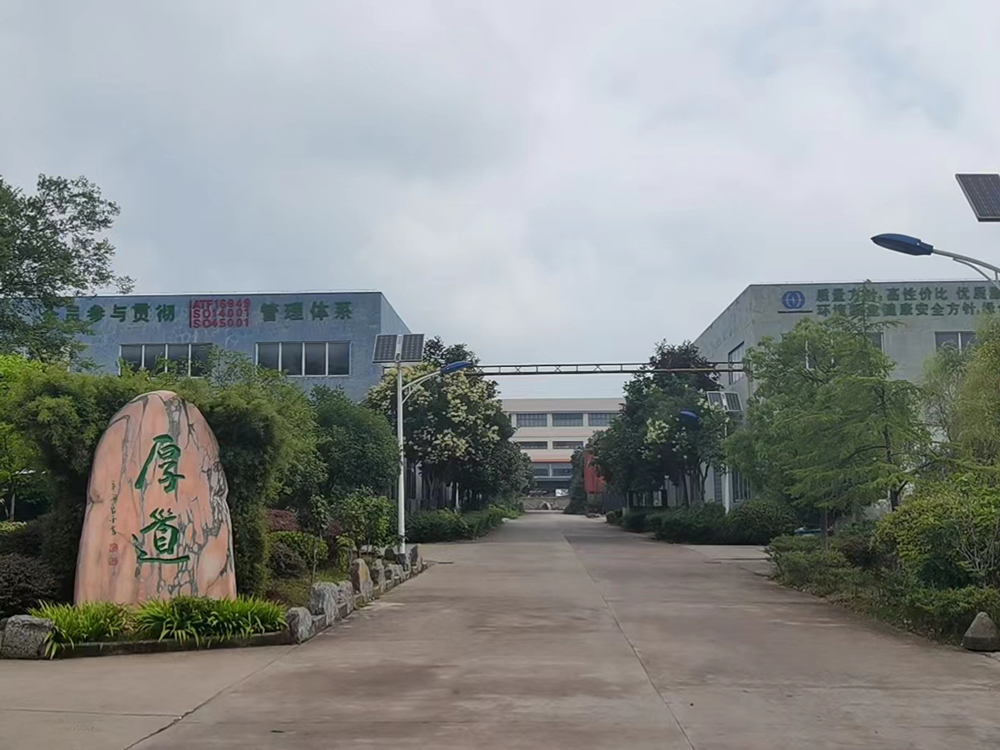
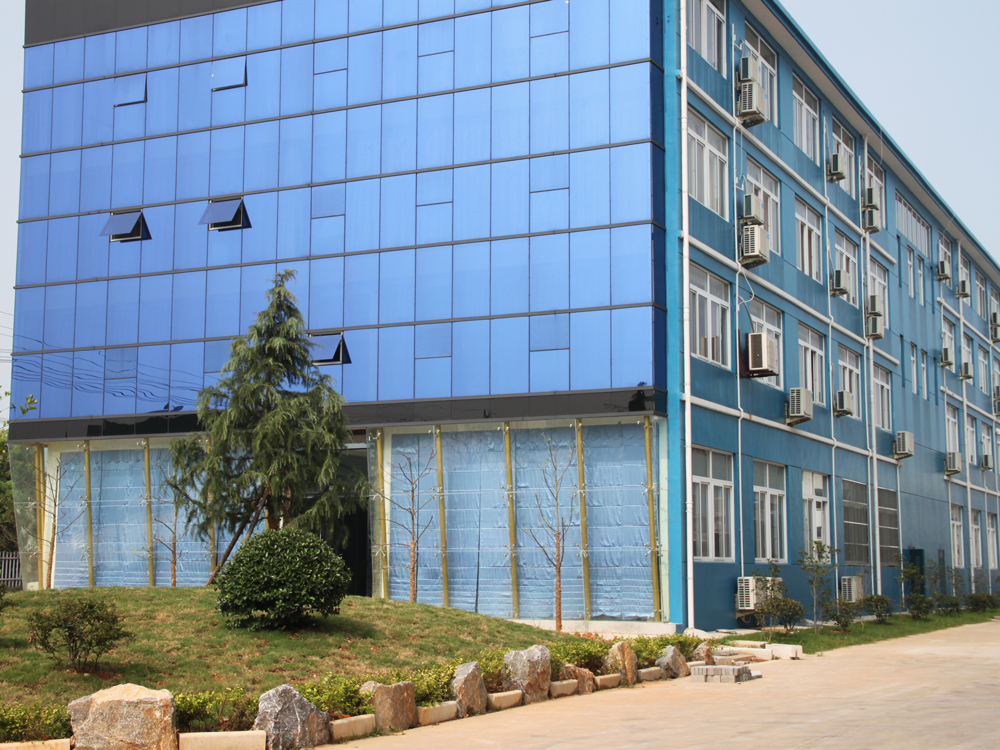
Guangzhou Vita Construction Machinery Co., Ltd. stands as an industry-leading manufacturer and international trading hub specializing in high-performance construction machinery parts. Our state-of-the-art production facility, located in Xiangyang City, Hubei Province, spans a modern 18,000 square meter workshop. Equipped with precision machining centers, automated electroplating lines, and advanced metallurgical analysis labs, our facility is engineered to deliver high-volume, defect-free production.
Backed by a dedicated workforce of over 278 skilled technicians and an elite team of 8 veteran R&D engineers, we specialize in the design, development, and global distribution of engine bearings (main bearings, connecting rod bearings, thrust washers), crankshafts, engine valves, cylinder heads, final drives, and hydraulic pumps. Our engineering group has extensive experience solving specialized vibration, thermal, and tribological wear issues for heavy machinery worldwide.
In the fast-paced world of construction, the reliability and efficiency of your machinery can make or break a project. We understand that high-quality parts are essential for optimal performance. So we aim to provide top-notch construction machinery parts to keep customers' machinery running smoothly under the most demanding conditions.
To improve our service, we set up an engine maintenance development program. In addition to providing customers with top-tier engine assemblies and components, we help our partners solve complex technical problems encountered during field operation and system assembly.
We maintain a dedicated, professional engine maintenance and repair team. Our engineering experts are regularly dispatched internationally at the request of our global clients to support on-site heavy-duty engine troubleshooting, overhaul, and preventative maintenance projects.
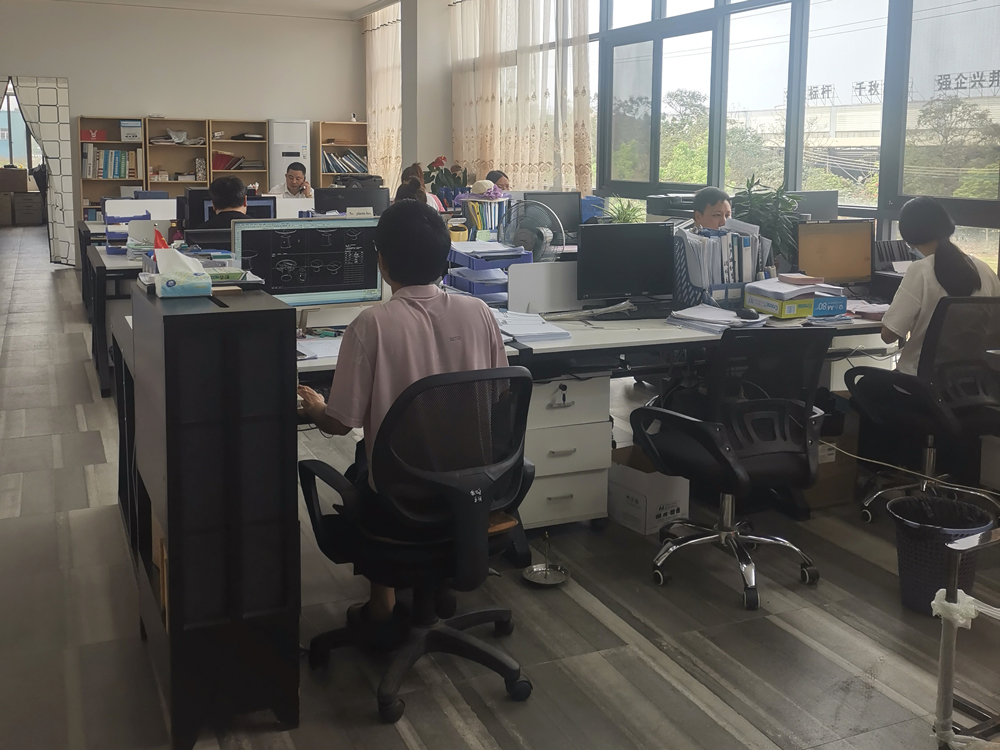
Take a virtual walk through our advanced production halls in Xiangyang. Our facility combines state-of-the-art automation with strict quality testing to ensure every crankshaft bearing meets standard specifications.
Heavy-duty replacement parts must meet strict compliance and quality standards. Engine bearings are highly regulated, especially concerning lead-based alloys under international environmental directives (such as RoHS and REACH regulations). Guangzhou Vita Construction Machinery Co., Ltd. addresses this with a dual-compliance production strategy:
For regions with strict environmental regulations like North America and the European Union, we supply custom-engineered lead-free bi-metal bearings. These components utilize aluminum-tin-silicon matrices that deliver high fatigue limits and conformability without using harmful heavy metals.
Our manufacturing facility operates under the IATF 16949 automotive quality management system. Every batch of custom Cummins 6CT main bearings undergoes strict quality control checks, including ultrasonic flaw detection, thickness testing (accurate to ± 2 microns), and surface roughness analysis. This level of quality verification ensures every part performs reliably, even in the most demanding commercial applications.
Under regular operating conditions with clean lubrication and recommended maintenance, a high-quality main and con rod bearing set typically lasts between 10,000 to 15,000 operating hours. For heavy-duty construction machinery or marine operations, we recommend inspecting or replacing the bearings during scheduled overhauls (typically every 8,000 to 10,000 hours) to prevent unplanned downtime.
Tri-metal bearings feature a soft lead-tin-copper overlay that provides excellent conformability and embeddability. This overlay captures fine abrasives and debris, preventing them from scratching the crankshaft journal. In harsh mining environments, where oil contamination risks are higher, tri-metal bearings offer an essential layer of protection for the engine's core components.
Yes. When a crankshaft is reground to clean up wear marks, the journal diameters decrease. To maintain the original oil clearances, you must install thicker, custom undersize bearings (typically available in +0.25mm, +0.50mm, and +0.75mm options). Our engineering team can manufacture these custom sizes to match your reground specifications.
Our factory in Xiangyang utilizes automated raw material strip casting, inline thickness measurement gauges, and modern CNC boring mills. Every batch of bearings is tested using computerized wall-thickness scanners and laser marking systems to ensure complete compliance with global engineering specifications.
 Vita Construction