Explore our premium machinery parts designed for high-stress industrial applications. Engineered to prevent mechanical wear and maintain thermal equilibrium.
Understanding micro-welding, lubrication breakdown, and wear kinetics in modern heavy-duty internal combustion engines.
In heavy-duty diesel engines and industrial construction equipment, the interaction between the piston rings and the cylinder liner constitutes one of the most critical tribological systems. Cylinder liner scuffing (often termed adhesive wear or micro-seizure) is a catastrophic failure mode characterized by localized surface damage, welding, and transfer of material between sliding metal interfaces. Under intense pressure, temperature, and speed variations, the thin hydrodynamic lubrication film breaks down, causing direct asperities contact.
Global logistics, mining, and heavy-excavation fleets face immense challenges with premature liner failure. Mitigating this problem requires customized metallurgical design, precise honing patterns (such as plateau honing), and robust surface treatments. Dedicated factories and companies are focusing on engineering solutions that sustain harsh boundary lubrication conditions and prevent critical downtime.
How structural shifts in machinery usage and stringent emissions protocols influence the demand for heavy-duty components.
As regulations tighten around carbon emissions, modern diesel engines are forced to operate at much higher peak cylinder pressures (PCP) and temperatures. This pushes components to their absolute physical limits. To counteract the heightened risk of adhesive wear, custom cylinder liner factories are developing advanced alloys featuring high silicon content and gray cast iron structures integrated with flake graphite. These microstructures act as a natural dry lubricant during transient contact phases.
Moreover, the rise of regional infrastructure projects across North America, Southeast Asia, and Europe has escalated the operational duty cycle of heavy machinery. Fleet managers can no longer afford standard replacement components that lack optimization. The market has shifted towards specialized components that integrate thermal barrier coatings (TBC) and plasma-transferred wire arc (PTWA) thermal spray treatments to dramatically lower friction coefficients.
A technical assessment of cylinder liner materials, coatings, and surface finishing technologies manufactured by global leaders.
| Material / Surface Technology | Tensile Strength (MPa) | Wear Coefficient (Ka) | Thermal Conductivity (W/m·K) | Scuffing Resistance Rating |
|---|---|---|---|---|
| Standard Gray Cast Iron (Grade 250) | 250 | 1.2 × 10^-5 | 46.0 | Moderate (Baseline) |
| Phosphorus-Alloyed Gray Iron | 310 | 8.5 × 10^-6 | 48.5 | High |
| Compact Graphite Iron (CGI) | 450 | 6.1 × 10^-6 | 37.5 | Very High (Optimal for high pressure) |
| Laser Structured Plateau Honed Iron | 320 | 3.2 × 10^-6 | 47.0 | Outstanding (Enhanced oil retention) |
| Plasma Coated (PTWA) Liners | 600+ (coating) | 1.8 × 10^-6 | 52.0 | Maximum Wear Protection |
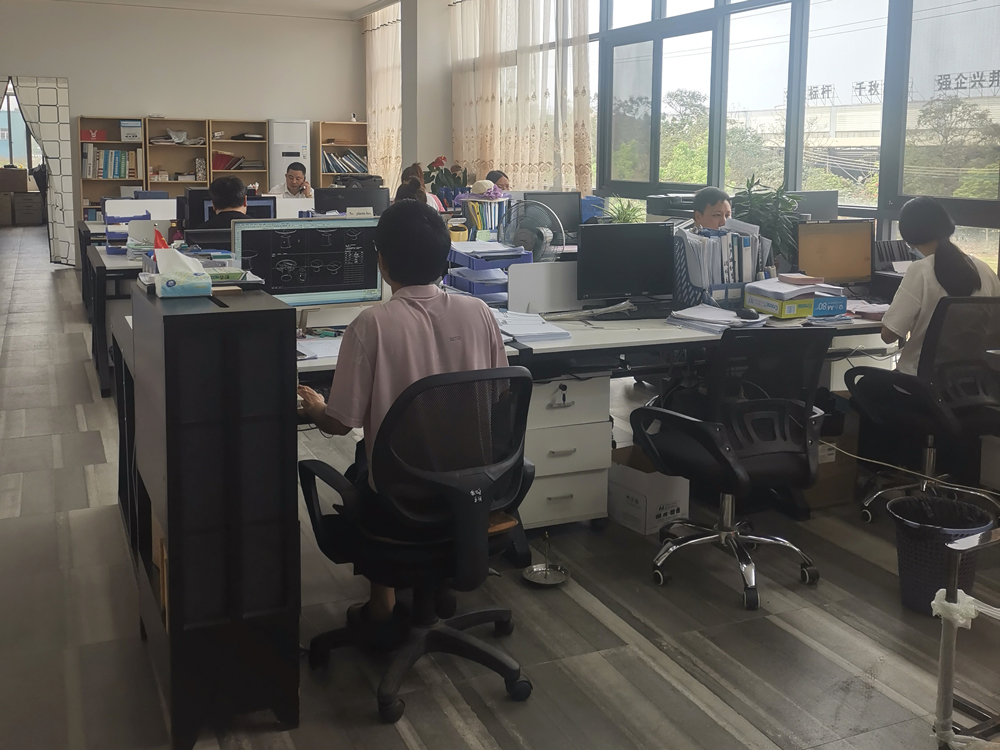
Guangzhou Vita Construction Machinery Co., Ltd. is one of the largest companies combining manufacturing prowess and international commerce. With a specialized factory in Xiangyang City, Hubei Province, our facility covers over 18,000 square meters of state-of-the-art workshop layout. Equipped with advanced automated production systems, our workforce of over 278 well-trained, skilled operators and 8 experienced engineering specialists guarantees exceptional product quality, prompt lead times, and flawless execution.
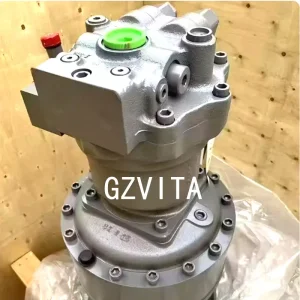
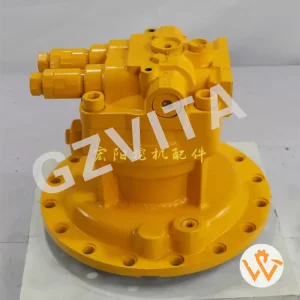
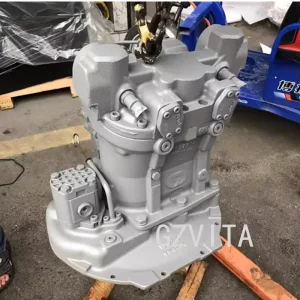
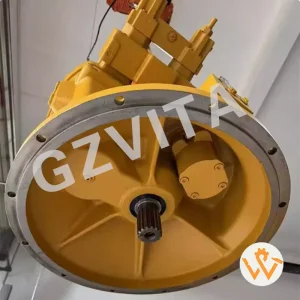
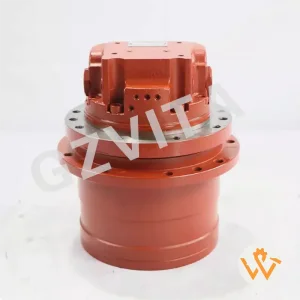
We focus extensively on developing and supplying a comprehensive matrix of construction machinery replacement components. Our product portfolio spans engine assemblies, hydraulic systems, cylinder blocks, cylinder-liner-piston kits, and electric generator units optimized for globally recognized brands such as Komatsu, Volvo, Sumitomo, Caterpillar, Kubota, Hitachi, John Deere, Kobelco, Hyundai, Kato, Sany, XCMG, and SUNWARD.
How we maintain structural and mechanical integrity in replacement components.
In heavy duty construction, machinery uptime defines project profitability. We ensure precision tolerances and apply strict inspection gates to reduce the risk of structural scuffing.
We help customers address structural and engineering complications, offering holistic solutions for complex operations and heavy engine rebuilds.
Observe the physical infrastructure behind our engineering superiority. Precision machining, honing, and assembly operations in Hubei, China.
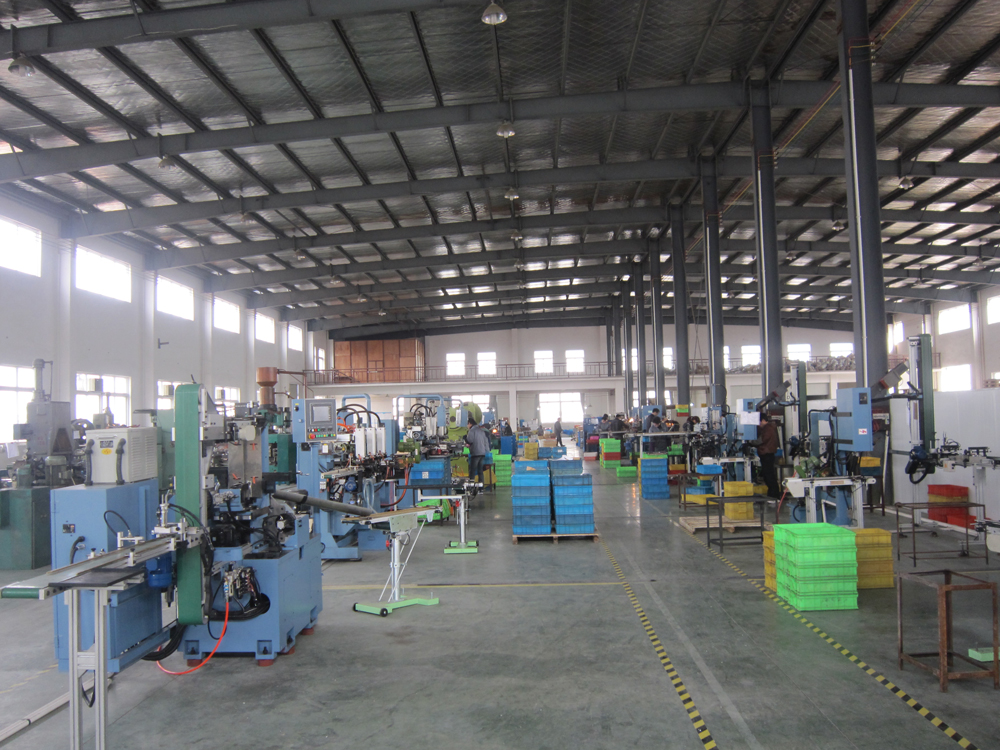
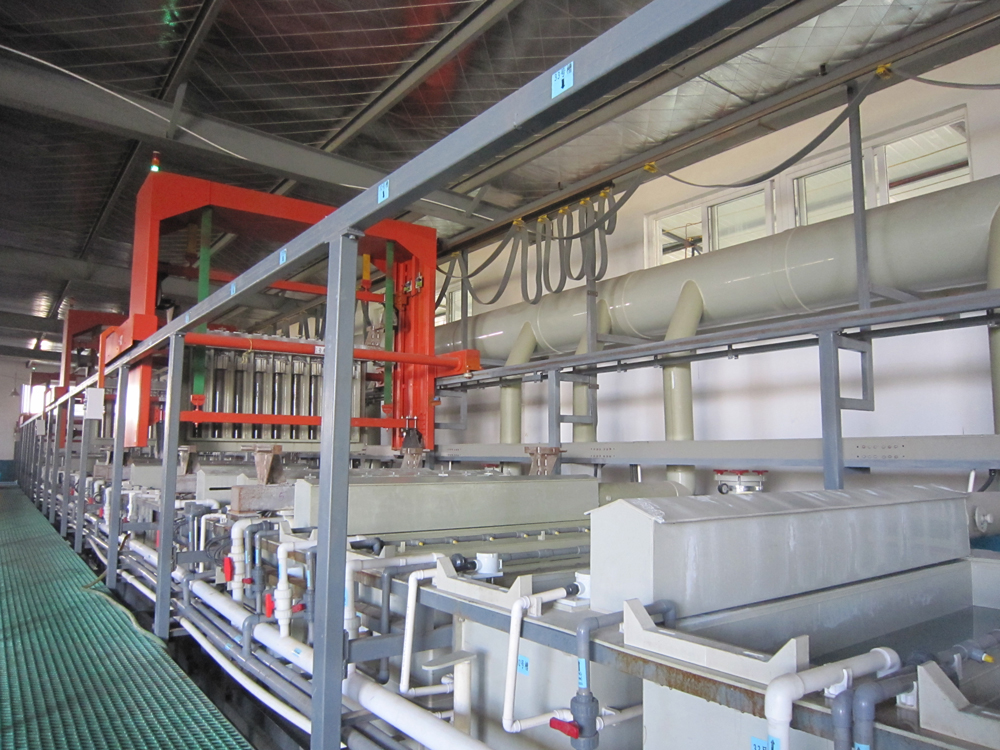
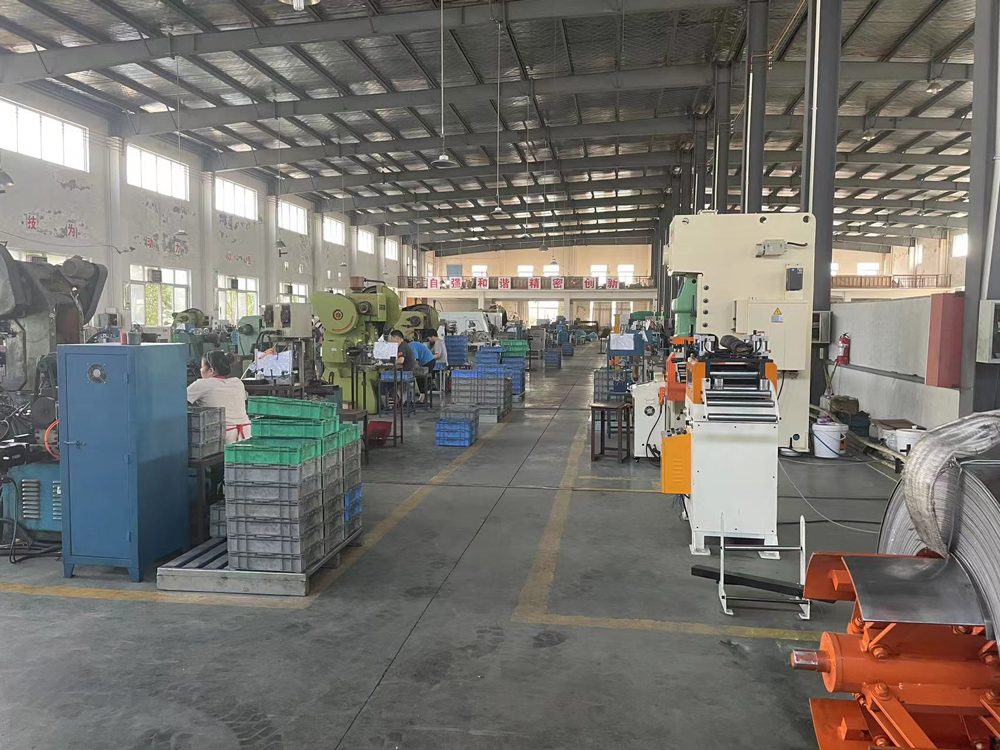
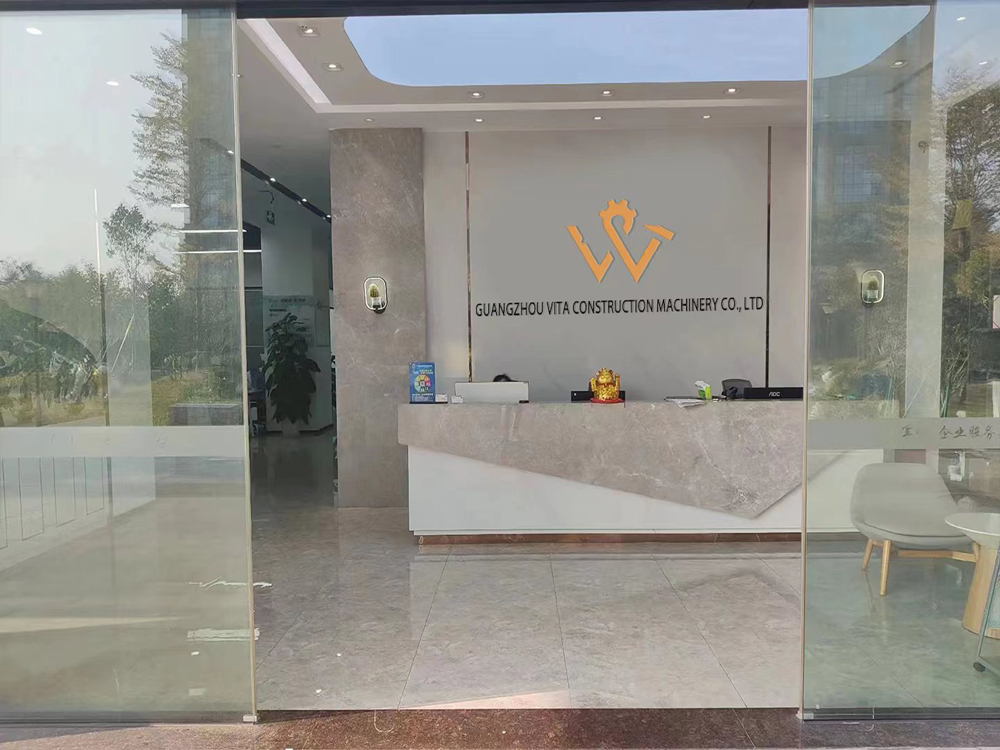
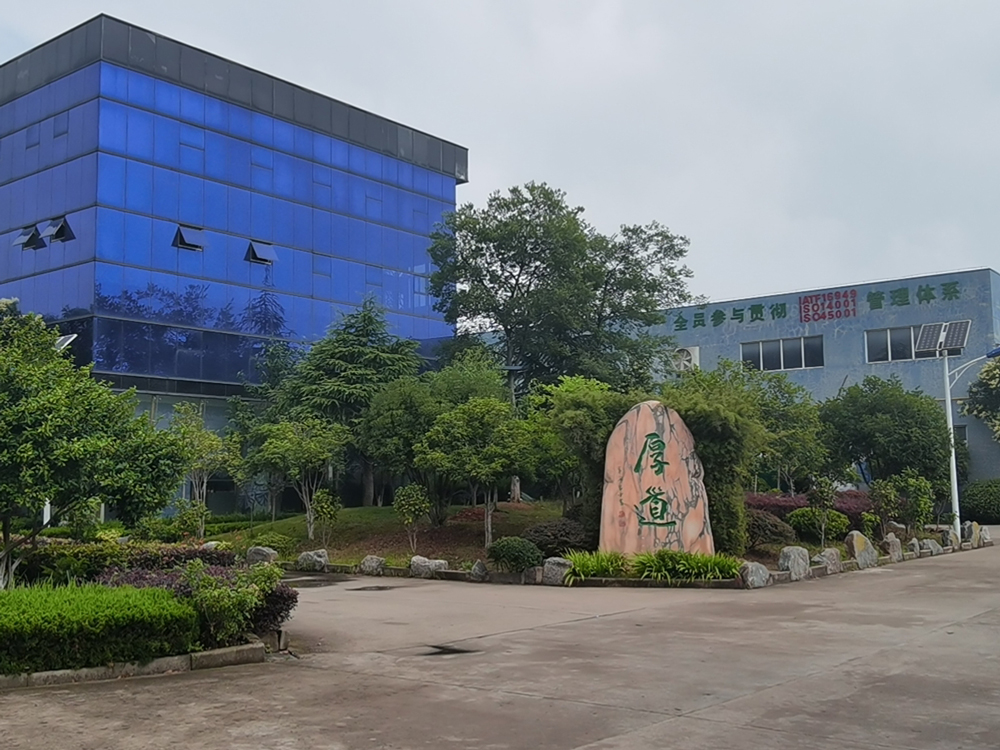
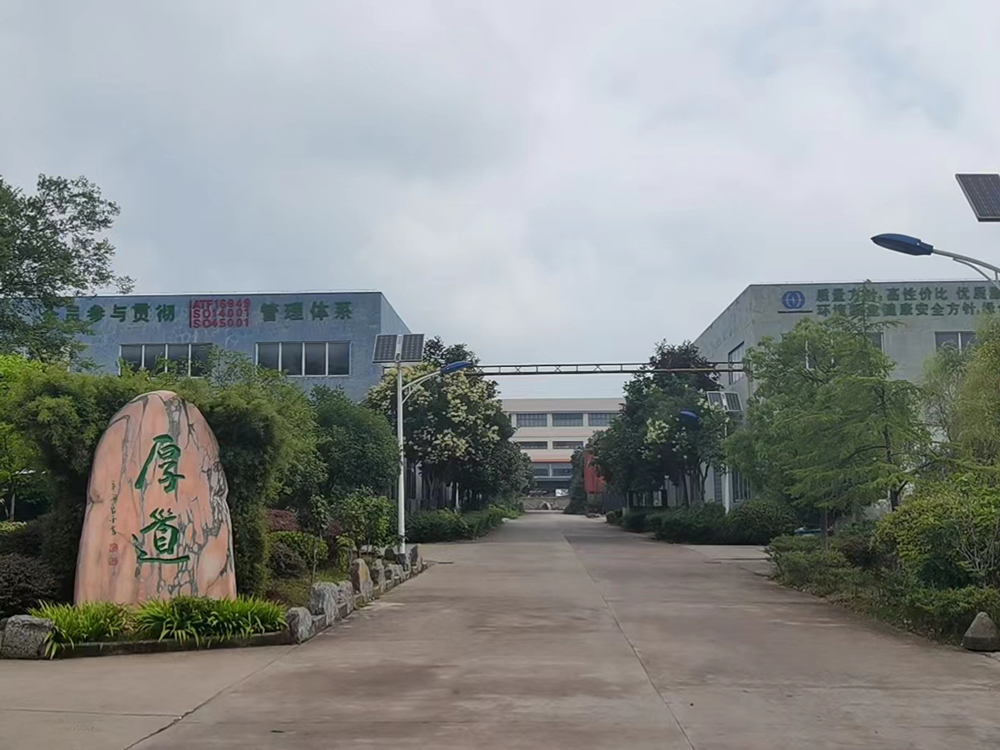
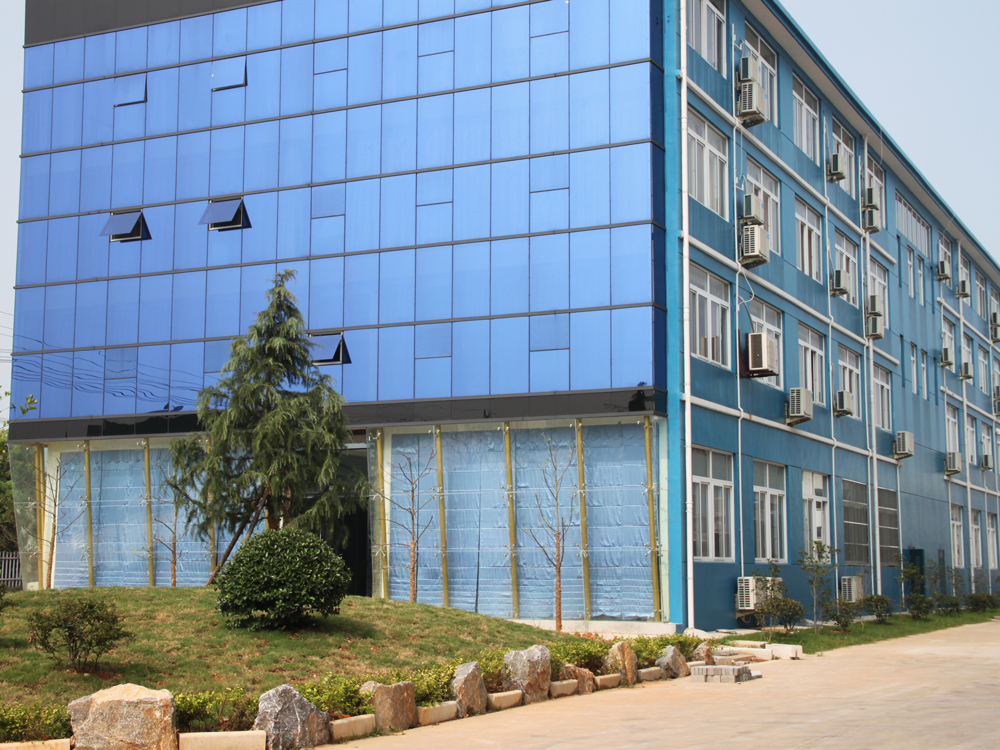
Exploring the next frontier of materials science and mechanical engineering to guarantee engine survival under intense workloads.
By using precision laser pulses, factories write micro-cavities onto the liner surface. These act as tiny oil reserves that supply fluid pressure during high-load low-speed events, preventing scuffing.
The application of Diamond-Like Carbon (DLC) and Chromium Nitride (CrN) coatings using physical vapor deposition (PVD) forms a highly resistant protective barrier against adhesion.
Future heavy engines integrate acoustic emission sensors capable of detecting early tribological micro-seizures. This alerts operators to adjust oil pressure before full failure occurs.
Expert answers addressing the metallurgical causes, physical remedies, and maintenance best practices for heavy-duty engines.
Scuffing is primarily triggered by the local breakdown of the lubricating oil film between the piston ring and the cylinder liner surface. Key culprits include excessive thermal loading, fuel dilution of the engine oil, local cooling system failures, incorrect honing angles (which prevent adequate oil distribution), and abrasive particulates entering the combustion chamber.
Plateau honing mimics the worn profile of a run-in engine by cutting away high peaks while leaving deep valleys. The deep valleys serve as reservoirs for motor oil, ensuring adequate lubrication under boundary conditions, while the flat "plateaus" provide a high bearing area that reduces contact stress.
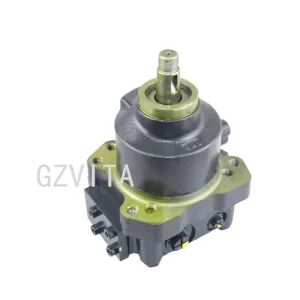
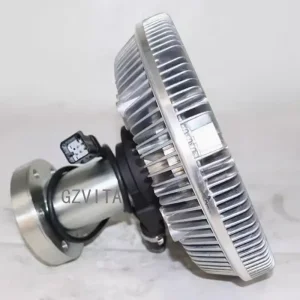
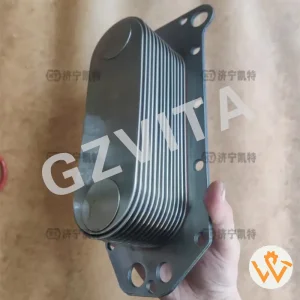
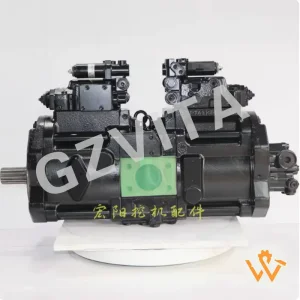
Yes. If components like the hydraulic fan piston pump, cooling cores, or thermostatic valves fail, local engine temperature rises dramatically. High heat reduces oil viscosity, collapsing the lubricating film and causing rapid thermal expansion of the piston, leading directly to cylinder liner micro-welding.
Gray cast iron contains free flake graphite within its microstructure. Under sliding stress, this graphite acts as a solid lubricant. Additionally, the iron matrix possesses excellent thermal conductivity and damping capacity, properties crucial for controlling thermal expansion and preventing deformation under high pressure.
Our factory utilizes precision CNC boring and plateau honing equipment combined with 3D coordinate measuring machines (CMM). By carefully matching the chemical metallurgy, surface roughness parameters (Rk, Rpk, Rvk), and geometry, our parts match or exceed OEM standards for brands like Caterpillar and Komatsu.
Premium replacement machinery parts designed for high-stress industrial applications. Engineered to prevent mechanical wear and maintain thermal equilibrium.
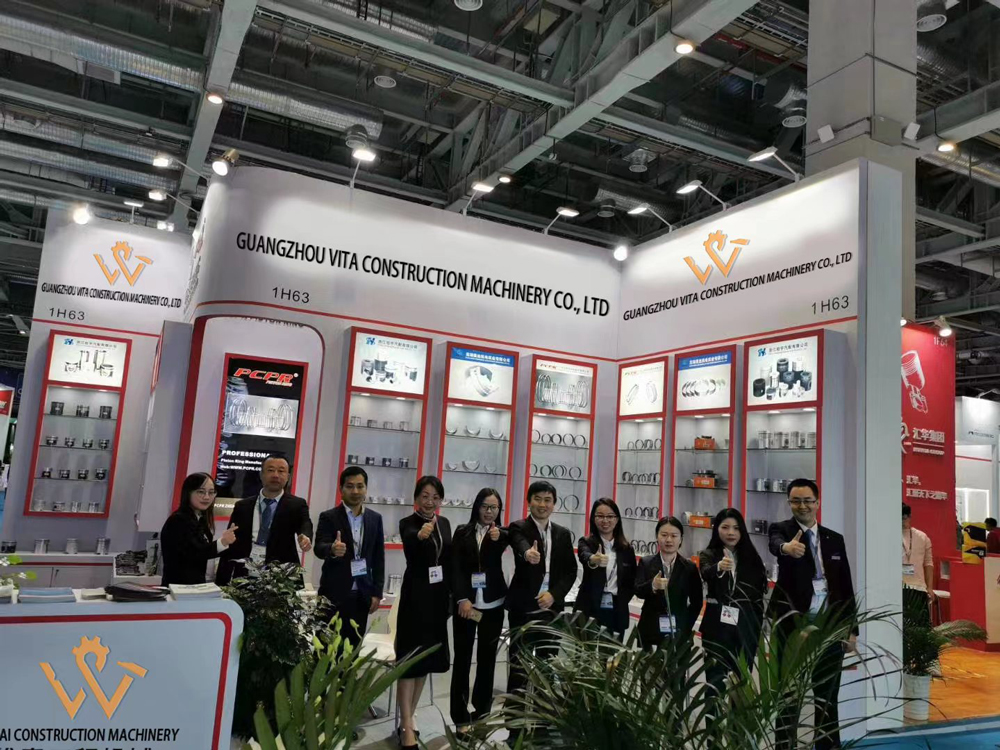
 Vita Construction