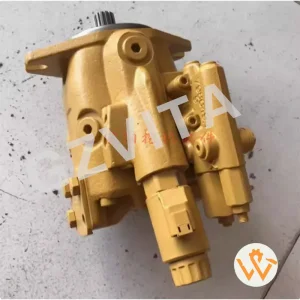
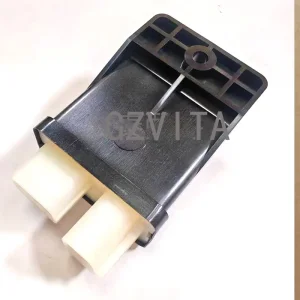
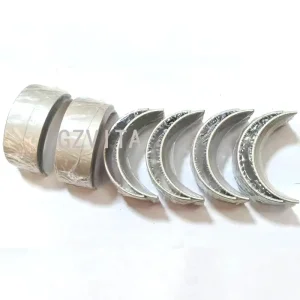
Explore our industrial-grade, precision-manufactured replacement parts engineered to meet dynamic engine demands and structural loads.
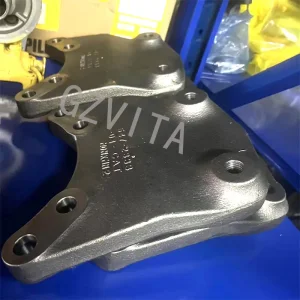
In internal combustion engines, the connecting rod (conrod) serves as the critical bridge transmitting the linear kinetic energy of the piston into the rotational torque of the crankshaft. Because it is subjected to alternating compressive and tensile stresses exceeding several metric tons per stroke cycle, the mechanical integrity of this component determines the limits of an engine's thermal efficiency, torque capacity, and lifespan.
For industrial application developers, procurement directors, and engine remanufacturers, sourcing connecting rods that satisfy strict structural thresholds is a priority. Achieving the ideal balance between fatigue limits, weight reduction, and dimensional accuracy requires combining advanced metallurgy with precise machining.
Connecting rods in modern construction equipment, such as excavators, bulldozers, and wheel loaders, face intense fatigue loading. Structural failure often stems from cyclic tension during the exhaust stroke or compression buckling during peak combustion pressure. Therefore, material selection remains the first line of defense against deformation.
Widely utilized for custom and high-stress engine builds, AISI 4340 nickel-chromium-molybdenum alloy steel features high hardenability and toughness. Its composition maintains exceptional fatigue strength, making it ideal for customized heavy-excavator engine builds requiring reliable resistance to micro-cracking.
Favored in high-volume OE production lines, vanadium-based micro-alloyed steels achieve high yield strength directly through controlled cooling after forging. This bypasses separate liquid quenching treatments, minimizing residual internal stresses and reducing machining distortion.
For high-RPM applications where reciprocating mass must be minimized to alleviate main bearing load, titanium rods offer a 30-40% weight reduction compared to steel. However, they require specialist surface treatments (like PVD coatings) to prevent galling at the thrust faces.
The cross-sectional architecture of the connecting rod determines its stress distribution properties:
Understanding our integration of large-scale manufacturing capacity with precision quality management systems.
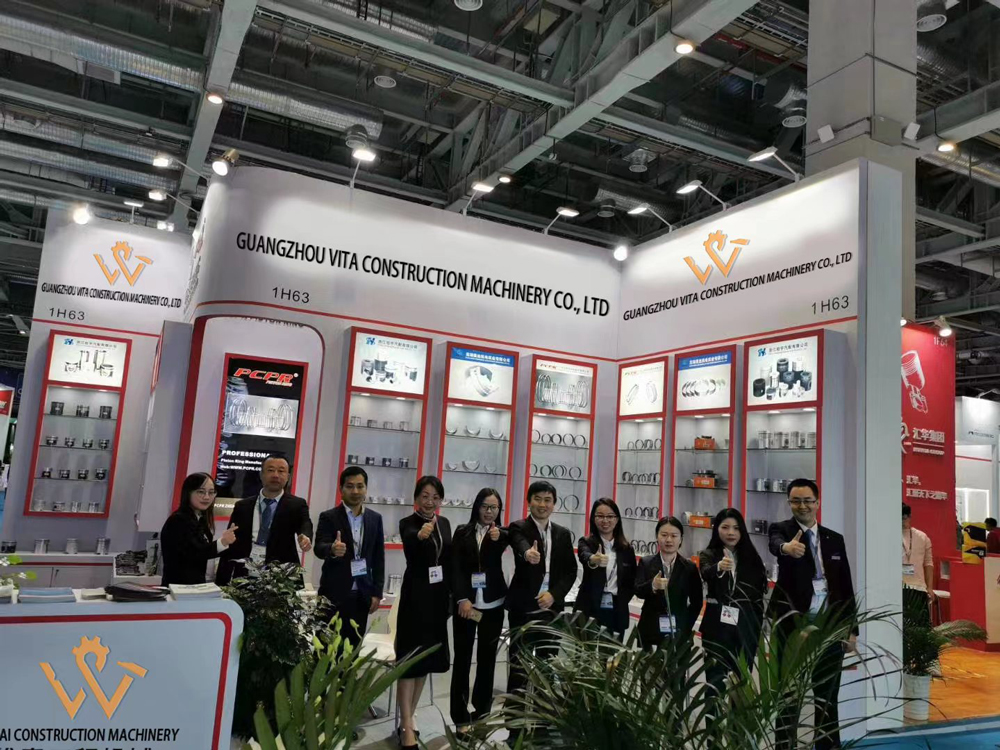
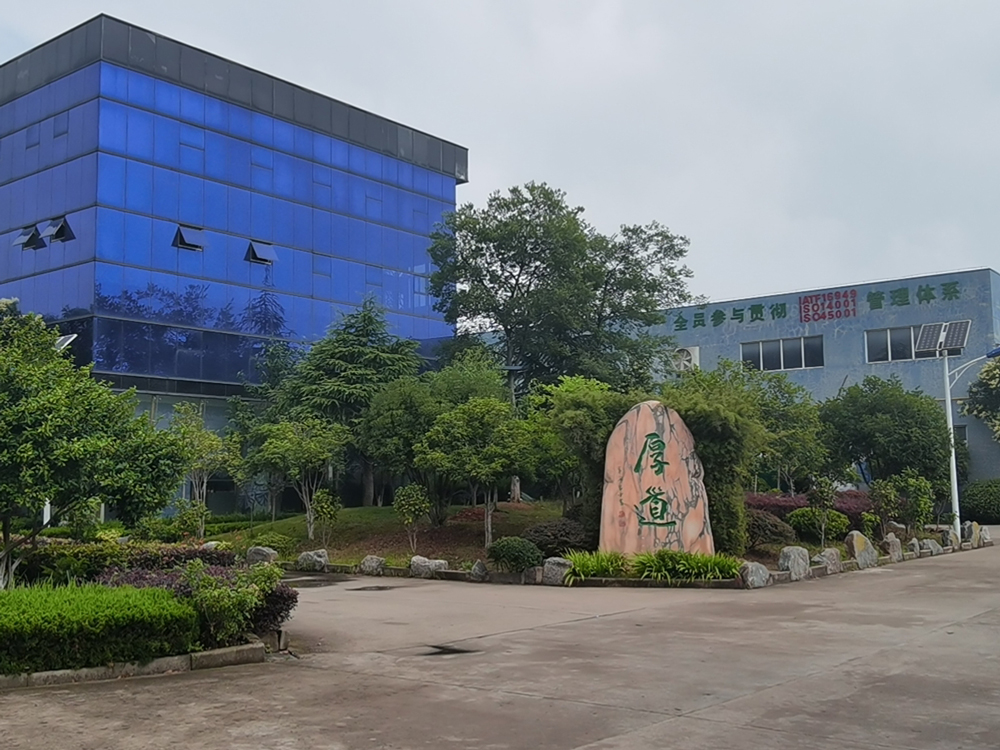
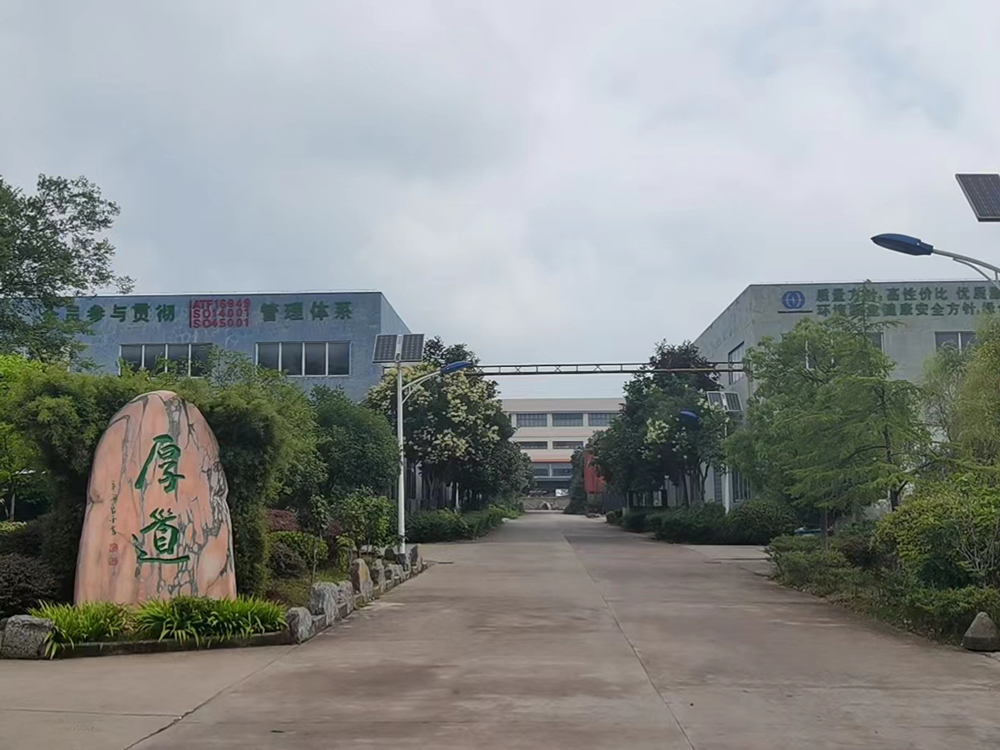
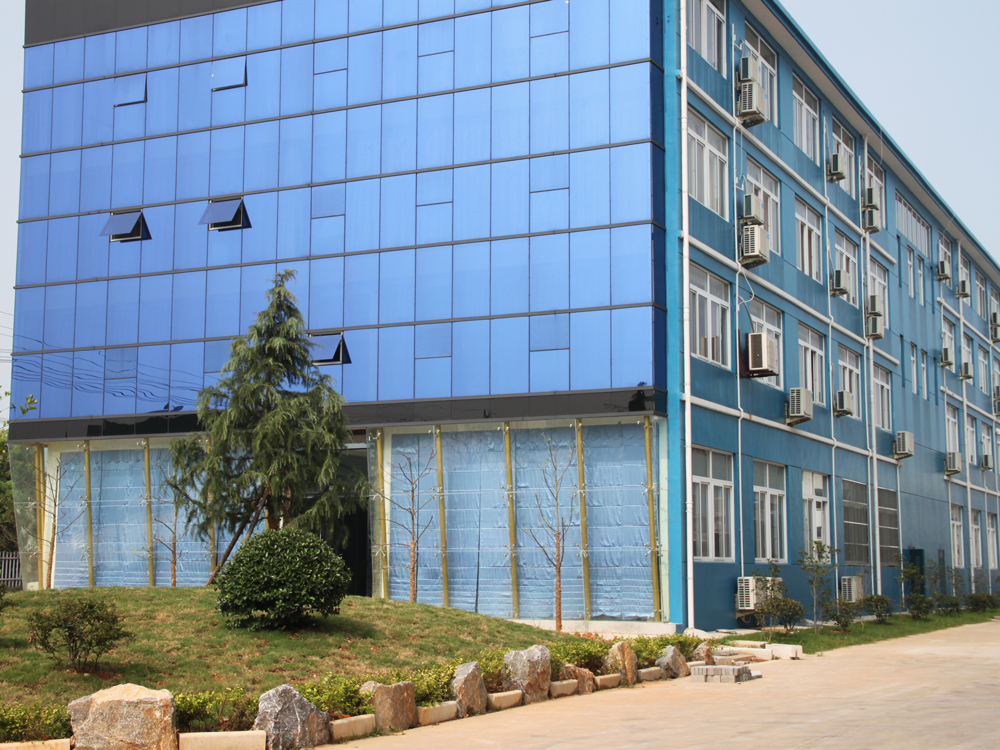
Guangzhou Vita Construction Machinery Co., Ltd. is one of the largest companies combining specialized factory manufacturing with international trade operations. Our primary production facility is located in the industrial automotive manufacturing hub of Xiangyang City, Hubei Province.
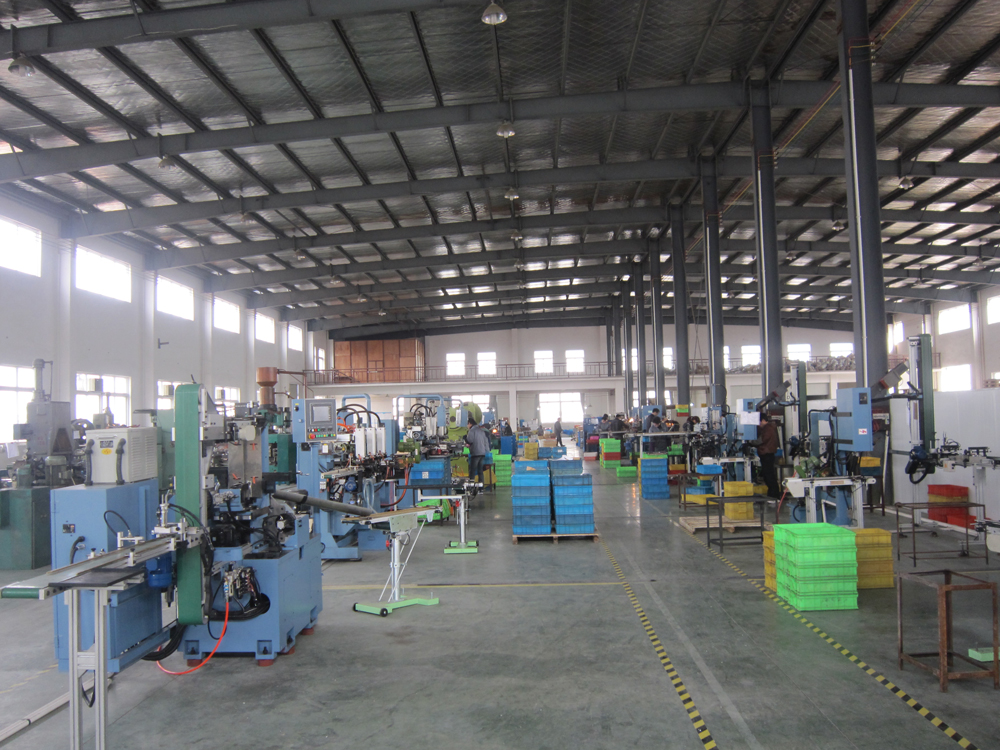
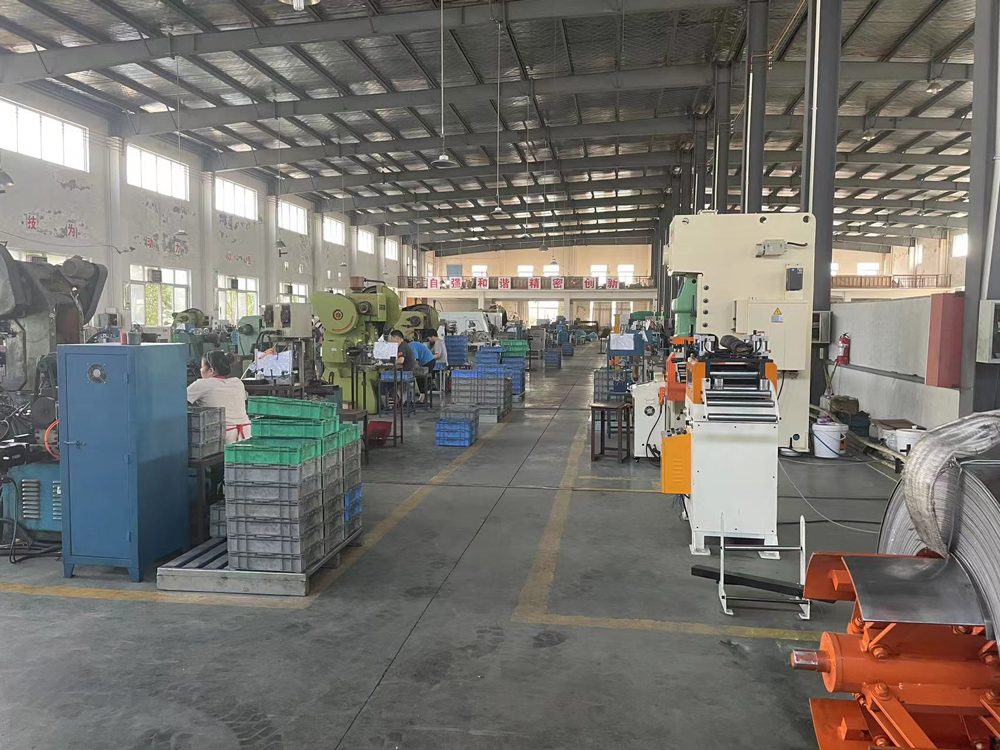
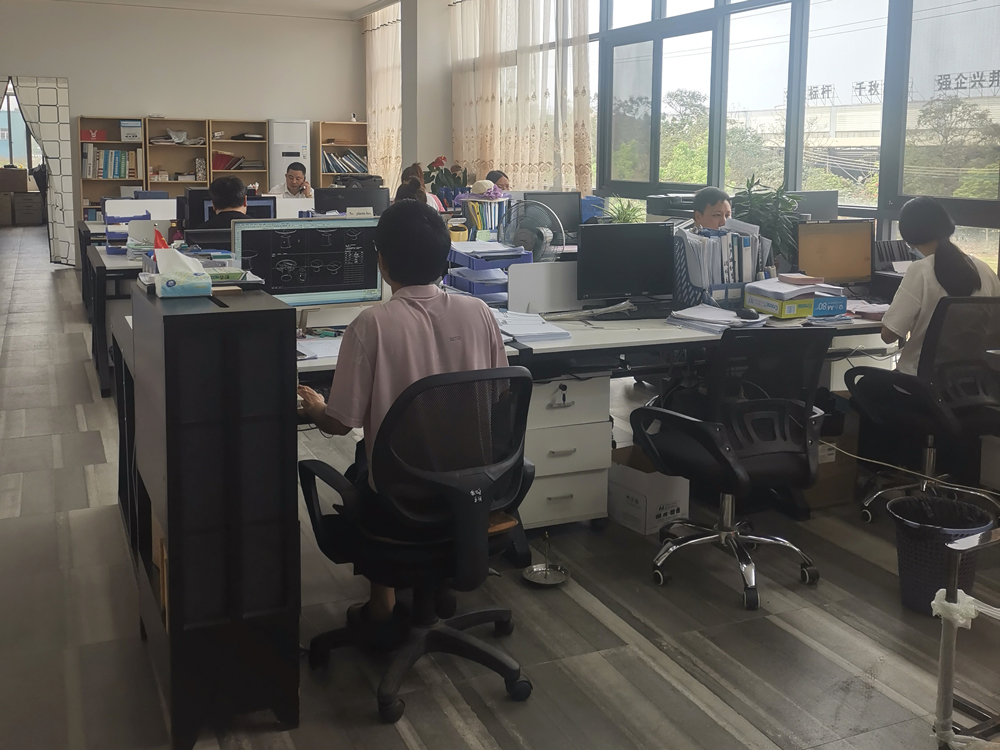
The facility features a workshop area exceeding 18,000 square meters, equipped with advanced precision production machinery. Supported by a workforce of more than 278 trained, skilled technicians and managed by 8 experienced metallurgical and mechanical engineers, the factory ensures consistent product quality alongside fast, accurate delivery schedules.
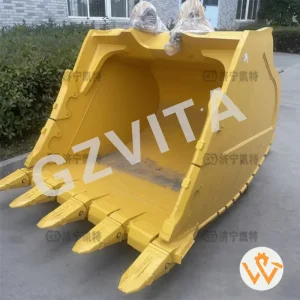
We specialize in developing, manufacturing, and exporting a complete range of heavy-duty construction machinery components. Our portfolio includes engine assemblies, hydraulic piston pumps, final drives, diesel generating sets, engine bearing series (main bearings and con rod bearing configurations), precision-ground crankshafts, engine intake/exhaust valves, gear pumps, hydraulic cylinders, industrial filtration products, excavator heavy rock buckets, and crawler undercarriage components.
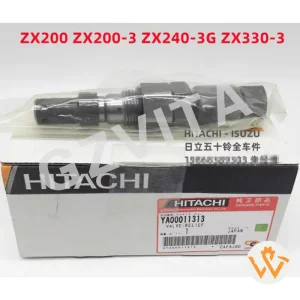
Our manufactured parts are engineered as direct replacements for global heavy equipment machinery brands, including: Komatsu, Volvo, Sumitomo, Caterpillar, Kubota, Hitachi, John Deere, Kobelco, Hyundai, Kato, Sany, XCMG, and Sunward.
In the fast-paced world of construction, the reliability and efficiency of your machinery can make or break a project. We understand that high-quality parts are essential for optimal performance. So we aim to provide top-notch construction machinery parts to keep customer's machinery running smoothly.
To improve our service, we set up engine maintenance development. In addition to providing customers with engine assemblies, we can also help customers solve various technical problems encountered in the operation and assembly of engines.
We have our own professional maintenance team and can even be invited by customers to arrange for maintenance technicians to go abroad to help customers repair engines and calibrate heavy power equipment.
The manufacturing process of engine connecting rods transitions through key physical and metallurgical transformations:
Steel billets are heated via induction to roughly 1150°C before being shaped between custom dies under high-tonnage hydraulic presses. This aligns the metal's grain structure with the rod's geometry, significantly improving tensile strength compared to cast alternatives.
Modern connecting rod caps are separated from the main body through controlled hydraulic snapping along a pre-scribed laser line. The resulting microscopic, uneven mating surfaces interlock perfectly during reassembly, eliminating cap shifting under high-speed operation.
The big-end and small-end bores undergo multi-stage honing. The internal diameters are finished to tolerances within +/-0.002 mm, ensuring optimal hydrodynamic lubrication clearance for insert shell bearings.
Accelerated spherical metallic media blast the rod surfaces to introduce uniform compressive residual stresses. This layer counters operational tension forces, mitigating fatigue crack initiation.
Collaborating with specialized manufacturers in regions like Hubei Province offers practical supply chain and engineering advantages for global enterprises:
Procurement teams purchasing connecting rods for construction equipment or commercial fleets can evaluate component reliability through key technical parameters:
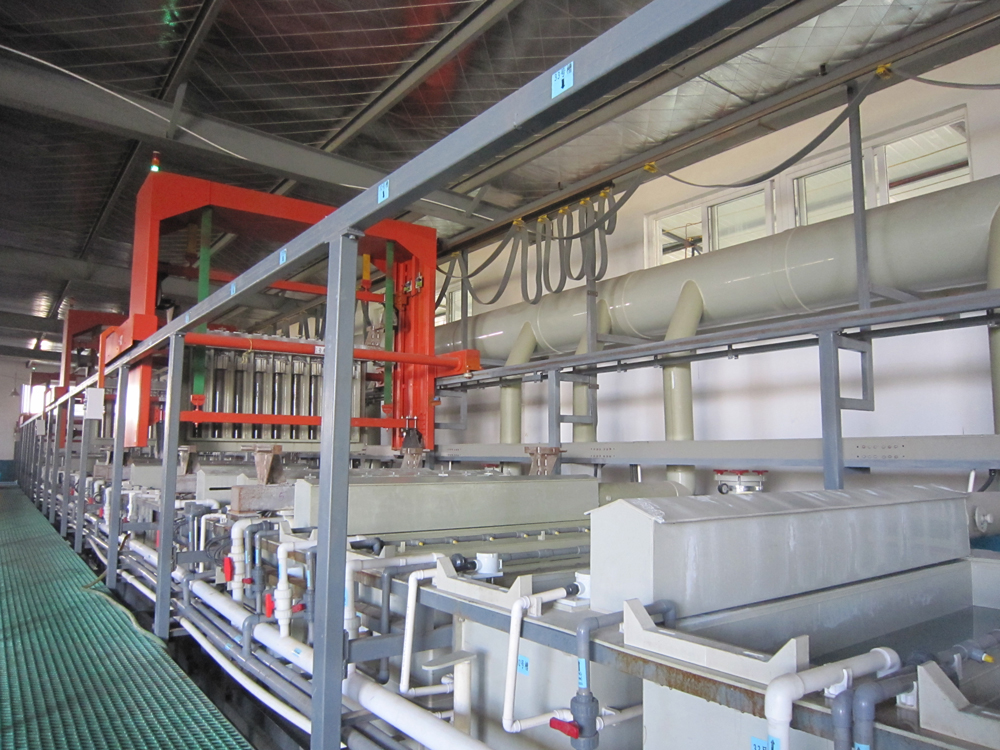
Inside our Xiangyang manufacturing facility, showcasing the technology and equipment behind our precision machinery parts.
Expert insights addressing key design, metallurgy, and procurement questions for heavy-duty engine components.
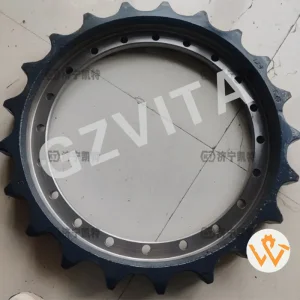
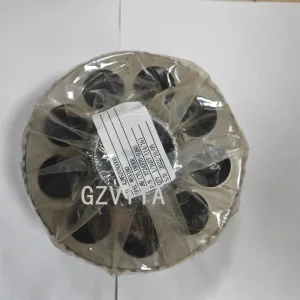
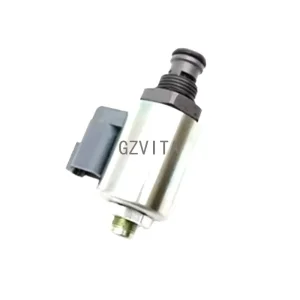
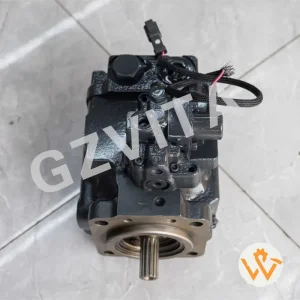
Premium replacement assemblies and hydraulic system parts compatible with major global machinery brands.
 Vita Construction