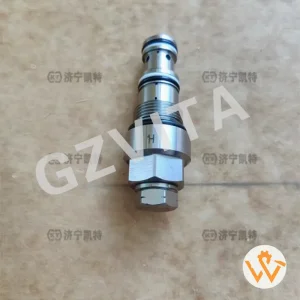
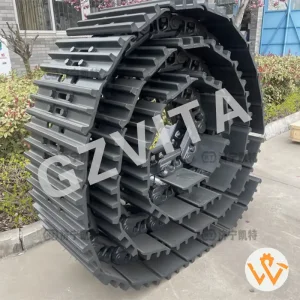
High-performance replacements and components optimized for heavy machinery engine control platforms.
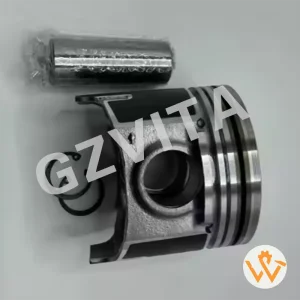
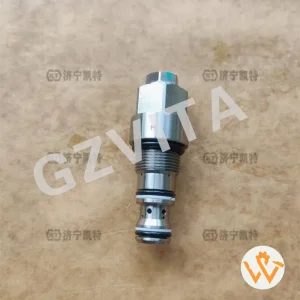
Modern paradigms in the optimization of industrial diesel engines and fluid power distribution systems.
In modern industrial machinery, the paradigm of the mechanical engine operates no longer in isolation. Today's industrial applications require total systemic harmony between combustion dynamics, thermal profiles, and hydraulic duty cycles. To achieve peak thermal efficiency and lowest fuel footprint while operating under variable high-torque environments, advanced Engine Control Systems serve as the central brain. By integrating high-frequency sensor arrays directly with intelligent proportional valves, microsecond-level loop feedback determines pump displacement, engine RPM load adjustment, and solenoid fuel timing concurrently.
From construction equipment like crawler excavators to specialized agricultural machinery, performance constraints dictate that mechanical components withstand massive pressures. Power loss in hydraulic circuits (e.g., pressure drops across control valve bodies or internal leakage within piston pumps) translates directly to wasted fuel and thermal stress on the engine cooling circuit. Guangzhou Vita Construction Machinery Co., Ltd. resolves this industrial challenge by engineering high-performance replacement pumps, main relief valves, and complex control components that interface seamlessly with OEM engine management modules. Our components prevent cavitation, secure smooth pressure transitions, and sustain optimal load factors across the machine's full service life.
Continuous closed-loop diagnostic feedback guarantees that engine governors adjust real-time injection mappings dynamically based on hydraulic pressure fluctuations.
Intelligent thermal sensors cross-reference engine heat load with oil viscosity, adjusting coolant expansion systems and pump outputs to preserve the oil film.
Main relief valves engineered to prevent pressure spikes from reflecting shockwaves back to the engine's crankshaft, minimizing torsional vibration.
A unified production & trade engine-parts powerhouse operating from central China's manufacturing core.
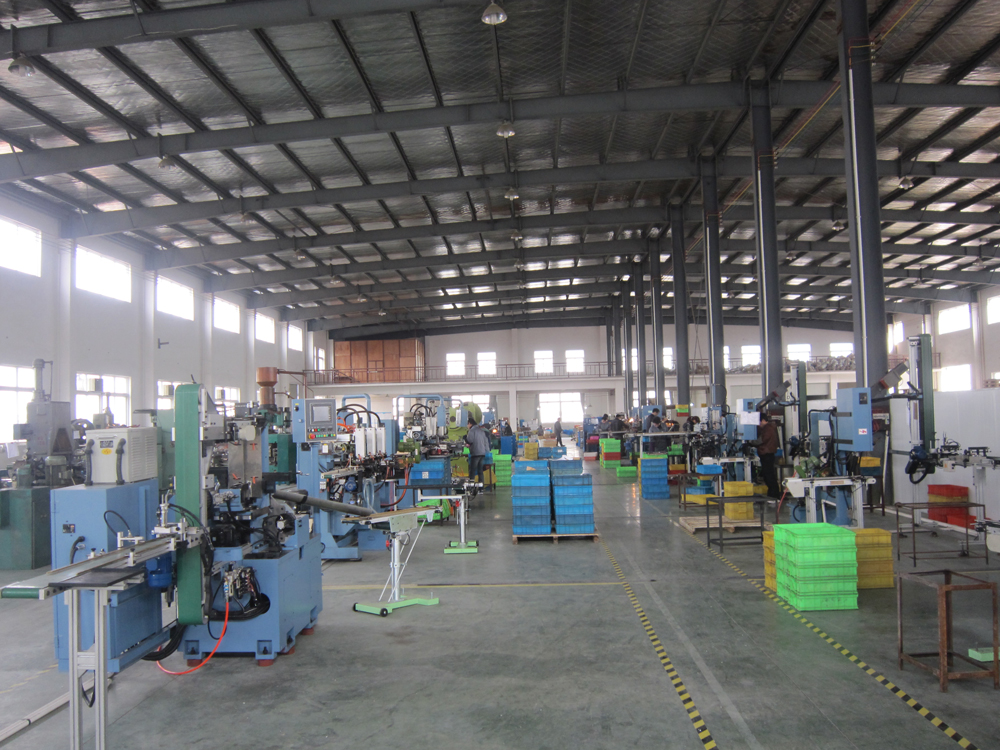
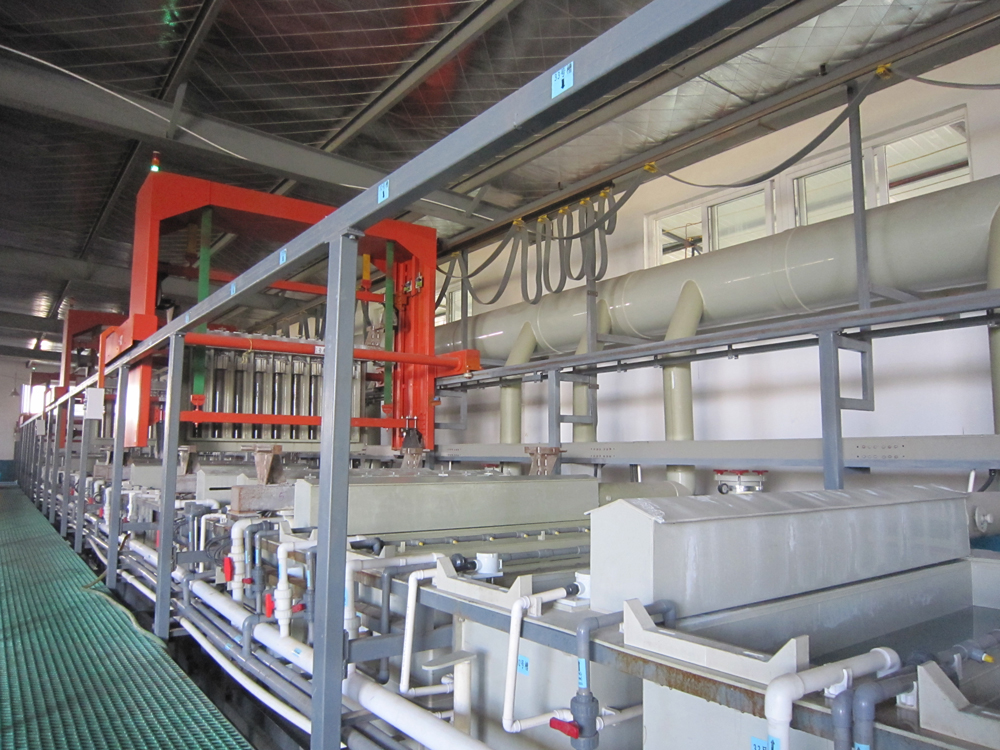
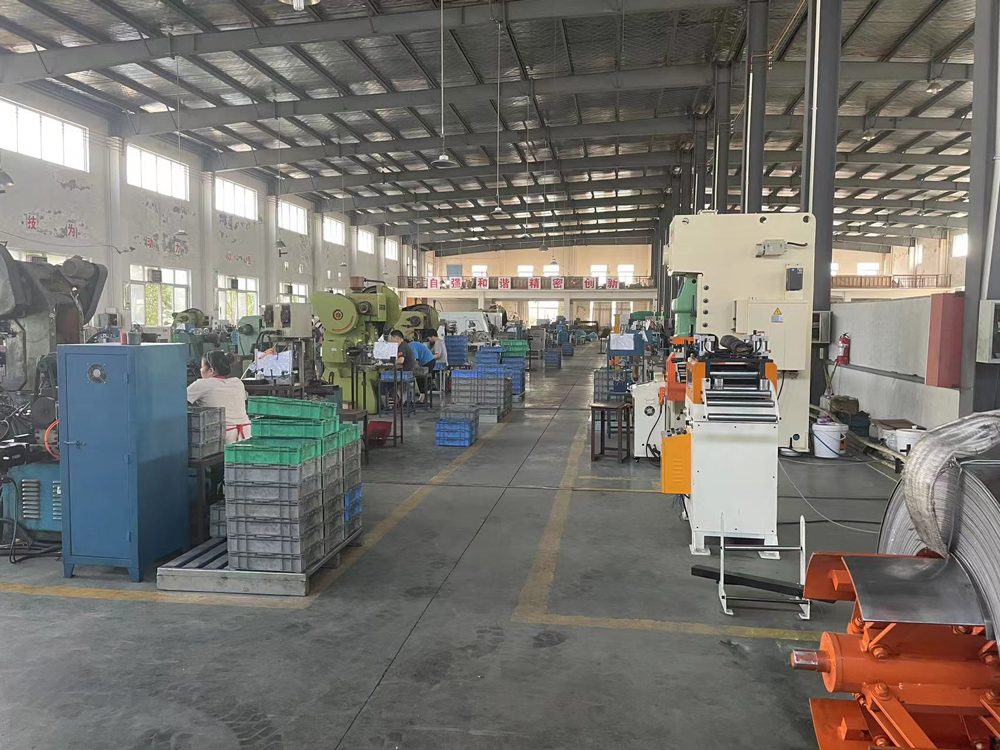
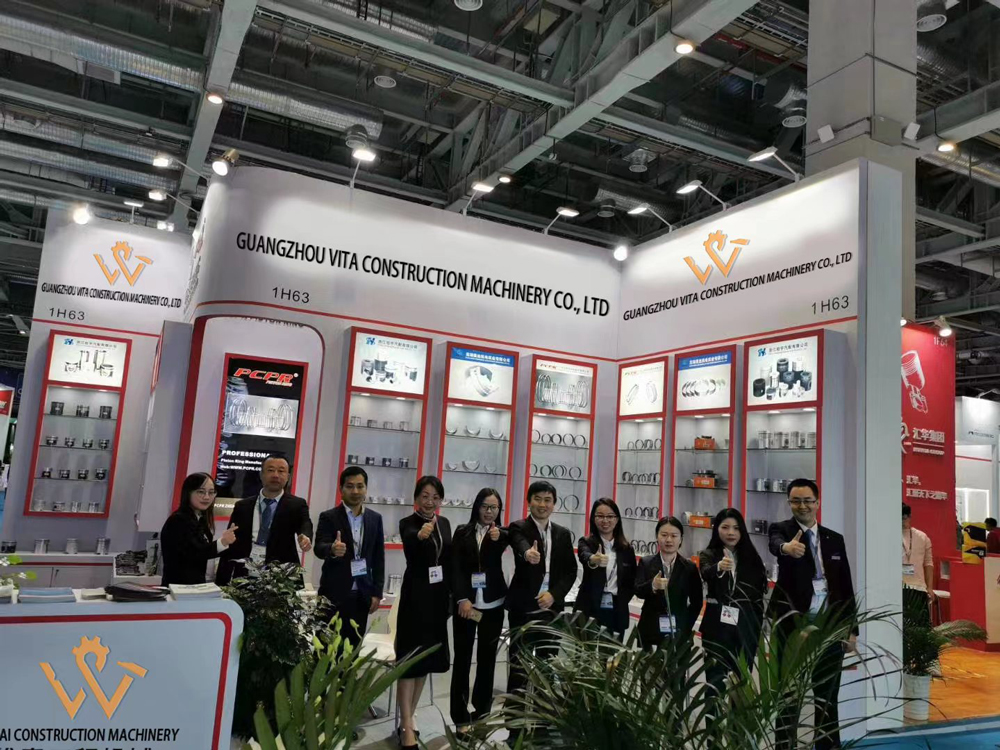
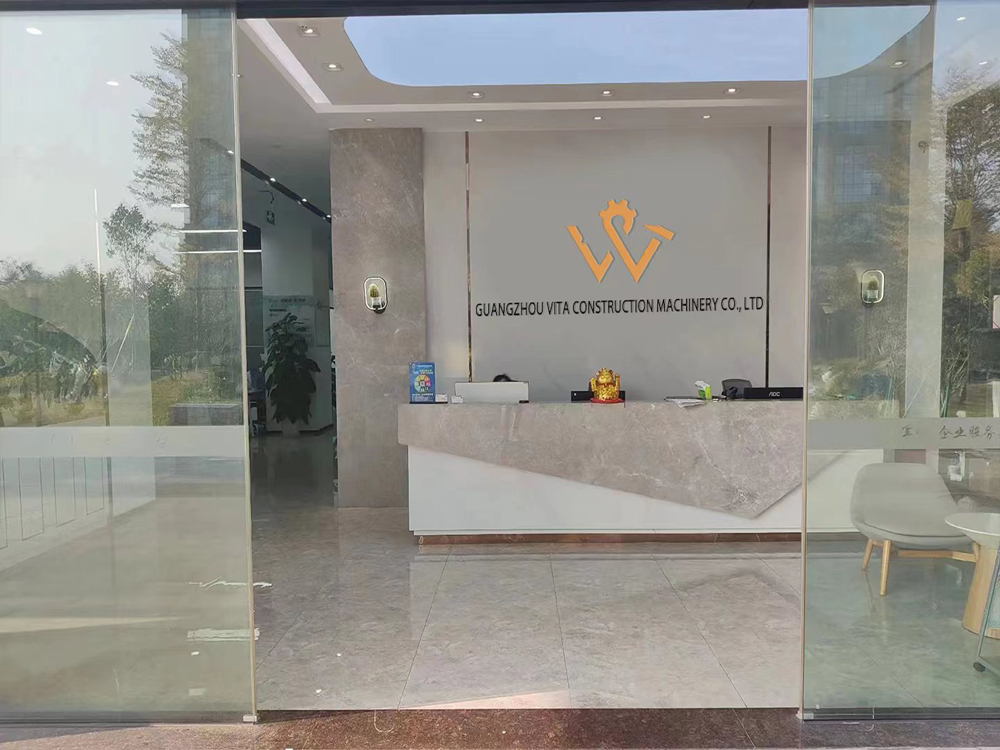
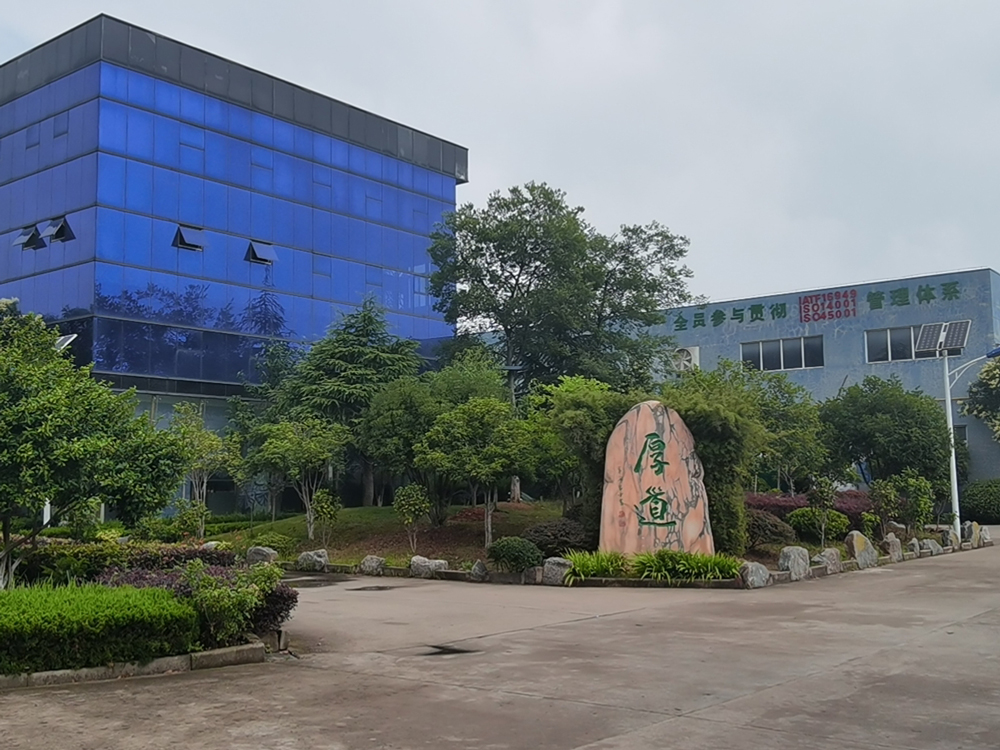
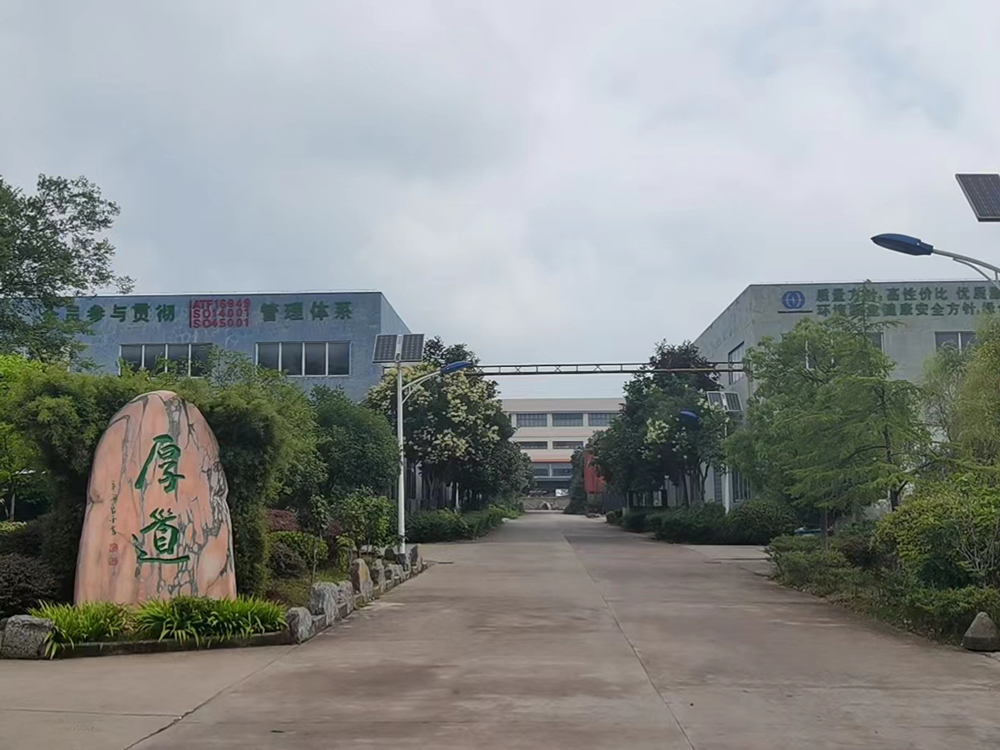
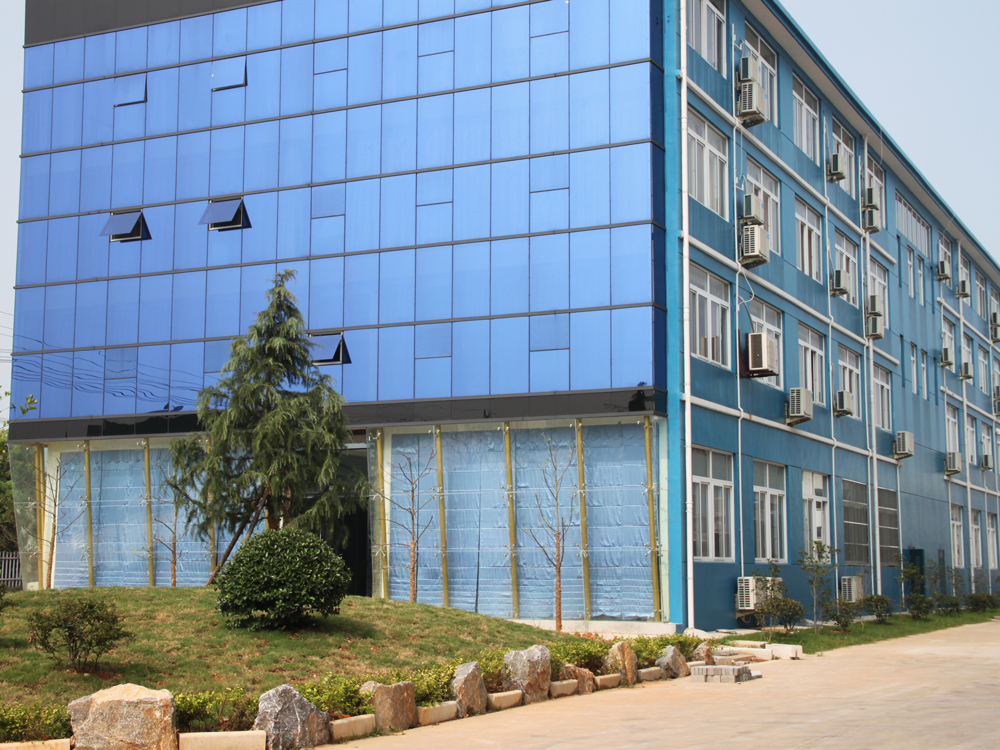
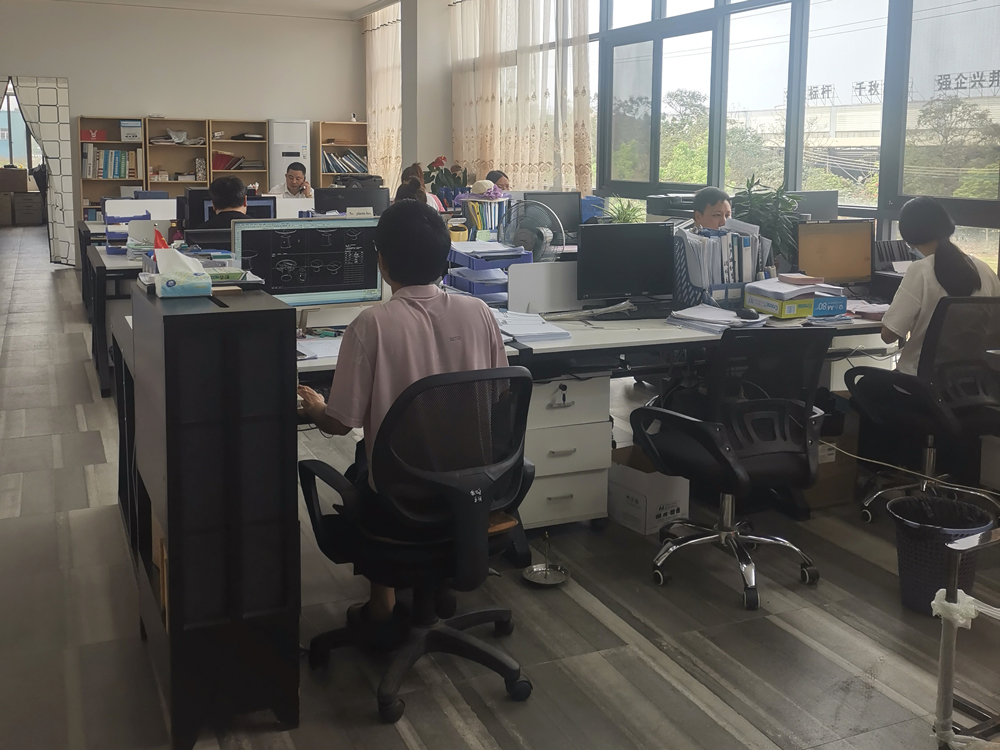
Guangzhou Vita Construction Machinery Co., Ltd. is one of the largest combined entities in China bridging direct factory manufacturing with global export distribution. Our manufacturing headquarters, located in Xiangyang City, Hubei Province, spans a state-of-the-art 18,000 square meter workshop. Outfitted with advanced multi-axis CNC machines, computerized grinding units, and electronic inspection systems, the Hubei plant hosts more than 278 well-trained and skilled workers along with 8 veteran engineers specializing in hydraulic fluid dynamics, metallurgic tolerances, and engine control thermodynamics.
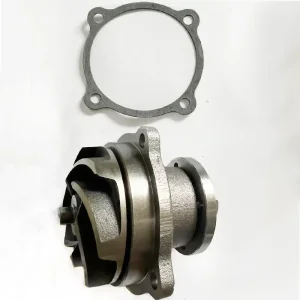
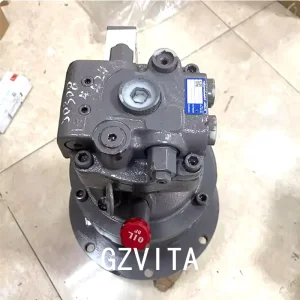
Our core capabilities focus on developing, manufacturing, and distributing a comprehensive range of construction machinery components. We cater to major industrial brands including Komatsu, Volvo, Sumitomo, Caterpillar, Kubota, Hitachi, John Deere, Kobelco, Hyundai, Kato, Sany, XCMG, and Sunward. Our global footprint covers entire replacement assemblies including complete diesel engine setups, variable-displacement hydraulic piston pumps, heavy-duty swing motors, final drives, electric generating units, engine bearing systems (crankshaft main bearings, conrod bearings), high-pressure engine valves, water pumps, filters, and robust undercarriage track groups.
Why industrial fleet managers and tier-1 procurement offices trust Guangzhou Vita.
In the high-intensity sectors of mining, heavy excavation, and global logistics, mechanical failure equates to substantial financial loss. Our manufacturing standards adhere strictly to ISO 9001:2015, using hardened alloy steel, computer-controlled heat treatments, and dynamic micro-gap testing to prolong unit lifespan under peak pressures.
We do not merely supply replacement parts; we provide deep integration services. Our specialized engine maintenance and diagnostics division supports customers in resolving electronic governor conflicts, timing discrepancies, and common-rail injection adjustments to achieve seamless mechanical compatibility.
Our company maintains a dedicated mobile technical response crew. For large-scale mining operations or municipal infrastructure setups, our factory-trained technicians travel internationally to deliver commissioning, overhaul support, and hands-on system training directly to customer sites.
Exploring the strategic supply chain advantages of Hubei's automotive and metallurgical cluster.
Understanding the geolocation of a manufacturing facility is vital for international buyers evaluating supply security. Our factory in Xiangyang, Hubei Province, places Guangzhou Vita in the historical center of China's heavy industrial and automotive forging sectors. Hubei houses one of the world's most dense concentrations of high-grade steel producers, heavy casting foundries, and raw material purification facilities. This proximity significantly reduces lead times and structural costs for basic forgings, allowing us to invest heavily in precision finishing processes without pricing our products out of the competitive global market.
Furthermore, Hubei acts as a geographic nexus for railway logistics connecting directly to Central Asia and Europe (via the China-Europe Railway Express), and is integrated with the Yangtze River maritime freight corridors. This dual logistics advantage ensures that large, heavy components (such as WA500 main pumps or PC400 track shoe assemblies) bypass typical port bottlenecks. Our clients benefit from highly predictable shipping schedules, minimized transit damage risks, and dynamic dispatch systems managed directly from our Xiangyang hub.
How electro-hydraulic integration, smart telematics, and emission standards shape component design.
The global off-highway machinery landscape is undergoing a massive transformation driven by emission compliance regulations (US Tier 4 Final, EU Stage V) and the pursuit of extreme fuel efficiency. The primary tech trend centers on electro-hydraulic proportional control. Older systems relied on pure pilot-hydraulic feedback loop pressure lines. Modern systems replace these with high-response electronic proportional solenoids controlled by the central engine ECU. By monitoring actuator load dynamically, the controller shifts pump stroke angles instantly, preventing engine stall during peak hydraulic loading.
Another major trend is the integration of IoT-driven predictive maintenance directly into components. By embedding vibration, temperature, and leakage sensors in components like the PSVD2-21E piston pump or excavator swing motor gearboxes, systems warn operators before a catastrophic failure occurs. This transformation demands that replacement parts have precise mechanical tolerances (<0.003mm on piston clearances) and high-quality materials to prevent changes in component behavior under extreme thermal fluctuations.
Analyzing stress factors and mechanical requirements in specialized real-world operating environments.
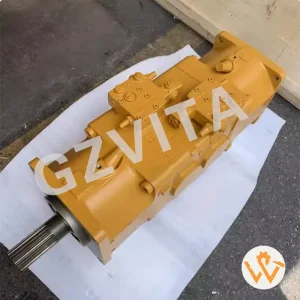
Equipment such as the Komatsu PC450-8 or CAT E374DL operates continuously under high vibration and dust conditions. Their main hydraulic pumps must maintain volumetric efficiency of over 95% at pressures up to 35 MPa. Minor internal erosion from contaminated hydraulic oil can drop system speed, placing strain on the engine's turbocharger and governor systems.
For mid-sized machinery powered by engines like the Kubota V2607, the challenge lies in maintaining constant torque despite varying ground hardness. The engine's piston assembly, bushings, and crank mechanisms must withstand high fatigue cycles and frequent RPM changes, requiring precise metallurgical alignment and heat treatment.
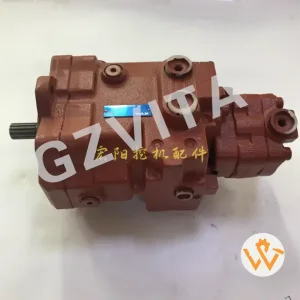
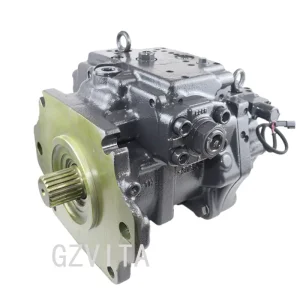
Mini excavators (such as Sunward 40 or LiuGong 904) operating in tight urban settings require extremely quiet and smooth movements. This relies on high-precision piston pumps (like the PSVD2-21E) that combine multiple pumps in one housing to run boom, arm, and bucket controls together without pressure drops.
Key criteria for tier-1 distributors, mining groups, and large-scale rebuild centers.
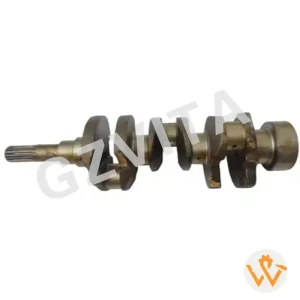
For industrial buyers, purchasing replacement machinery components involves navigating risks around material quality, component lifespans, and logistics delays. Fleet managers and purchasing directors require clear evidence of manufacturing standards, starting with raw material verification. The source steel used in forging gearboxes, crankshafts, and cylinder blocks must have trace certifications showing precise alloy percentages (such as chromium-molybdenum steels for high-tensile shafts).
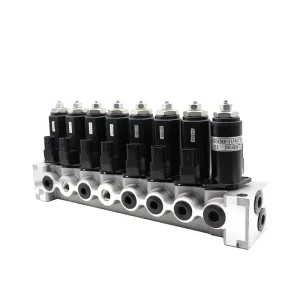
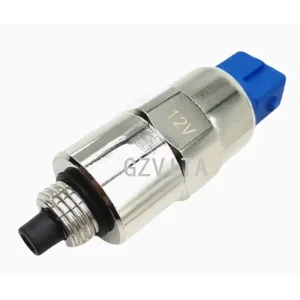
Additionally, compatibility testing is critical. A replacement solenoid valve or relief valve must match the original equipment specifications down to the millimeter and micro-ampere. Guangzhou Vita addresses these strict compliance requirements by using dedicated test benches to simulate extreme working conditions. Every hydraulic component, including the 295-9676 pump or the 723-40-56900 unload valve, is pressure and flow tested to verify it performs within original parameters before it is packed and shipped.
Expert technical insights to help diagnose, maintain, and optimize heavy-duty machinery systems.
Browse our selection of wear parts, solenoids, crankshafts, and heavy hydraulic components.
 Vita Construction