 Vita Construction
1 / 3
The upper radiator hose transports hot coolant from the engine to the radiator. As the engine operates, it generates heat, and the coolant absorbs this heat to prevent overheating.
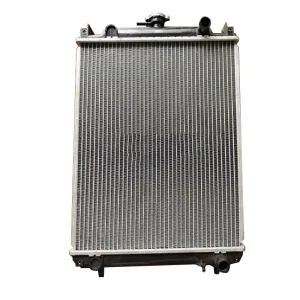
Once the hot coolant reaches the radiator, it passes through the radiator core, where it is cooled by airflow (either from the movement of the excavator or from a fan). The cooled coolant then returns to the engine via the lower radiator hose.
The upper radiator hose is designed to withstand the pressure generated within the cooling system, ensuring that coolant flows efficiently without leaks.
A properly functioning upper radiator hose is essential for preventing engine overheating, which can lead to severe damage and costly repairs.
An efficient cooling system ensures that the excavator operates at optimal performance, enhancing productivity and fuel efficiency.
A worn or damaged upper radiator hose can lead to coolant leaks, resulting in low coolant levels and potential engine failure.
The upper radiator hose is responsible for transporting hot coolant from the engine to the radiator, allowing the coolant to release heat and maintain an optimal engine operating temperature.
It prevents the engine from overheating, which is crucial since overheating can result in severe mechanical damage, decreased efficiency, and highly expensive repairs.
You should check the hose for visible signs of wear such as cracks, bulges, or active leaks, and verify that the hose clamps remain tight and secure.
The hose should be replaced immediately if damage is detected. Additionally, replacing it as part of routine maintenance is recommended, particularly if the hose is several years old.
Using high-quality OEM or equivalent parts ensures proper compatibility with your cooling system and provides the durability needed to handle system pressures.
Low coolant levels can indicate a leak in the upper radiator hose or a leak somewhere else within the excavator's cooling system, which requires immediate attention.