Premium OEM-grade replacement and diagnostic support hardware for international fleets.
Expert insights into electrical system integrity, diagnostics, and prevention of premature mechanical failures.
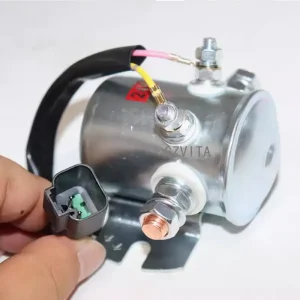
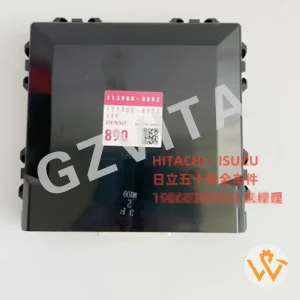
In modern diesel-powered and heavy machinery applications, the electrical system functions as the central nervous system. Within this electrical network, the fuel pump relay holds a critical position. It serves as the primary high-current switch that controls electrical power to the fuel injection or delivery pumps. Heavy excavators, wheel loaders, and industrial powerhouses depend on stable fuel delivery to maintain system pressure and precise fuel injection timing.
A failure in this single circuit does not just halt the engine; it can introduce severe diagnostic complexities. For example, low fuel rail pressure might be misdiagnosed as a faulty fuel injector, control valve, or injection pump, resulting in costly component replacements. Therefore, rigorous testing of the fuel pump relay is the essential first step in any troubleshooting sequence.
To ensure optimal equipment uptime, engineers and fleet managers must look beyond simple continuity checks. A robust validation process incorporates four key testing phases:
Measuring the control-side coil's resistance verifies winding integrity. Any variance from the OEM standard indicates degradation from thermal stresses.
Evaluating voltage across contacts under load ensures that carbon buildup hasn't caused resistance, preventing voltage drop to the fuel pump motor.
Relays produce voltage spikes during de-energization. Testing the internal diode or resistor protects the machine's ECU from back-EMF spikes.
Applying these techniques eliminates phantom faults, saves diagnostic hours, and ensures that replacing electrical control units or distribution valve assemblies is reserved only for true component failures.
Global industrial enterprises and large equipment hire fleets face complex supply chain dynamics. Procurement managers need more than off-the-shelf catalog items; they require strategic partnerships capable of delivering bespoke components tailored to specific electrical architectures. Custom fuel pump relay modules must feature custom pinouts, optimized voltage thresholds (such as heavy-duty 24V setups for mining applications), and specific ingress protection (IP) ratings to withstand dust, oil, and moisture.
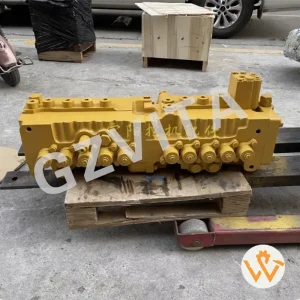
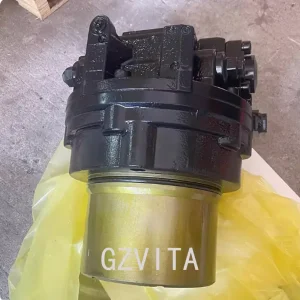
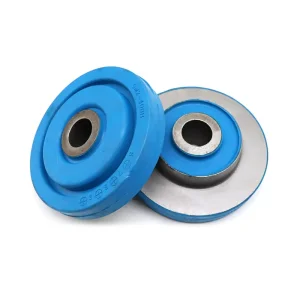
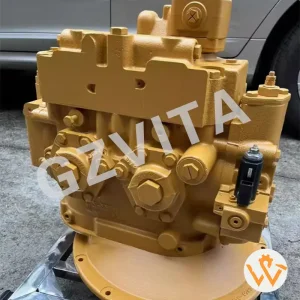
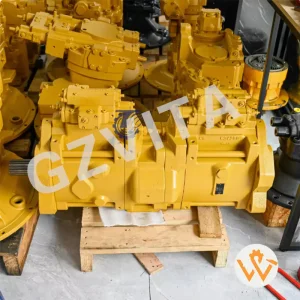
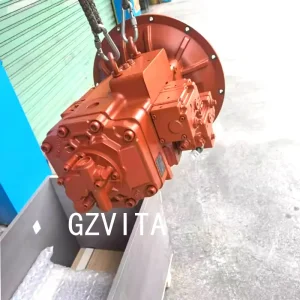
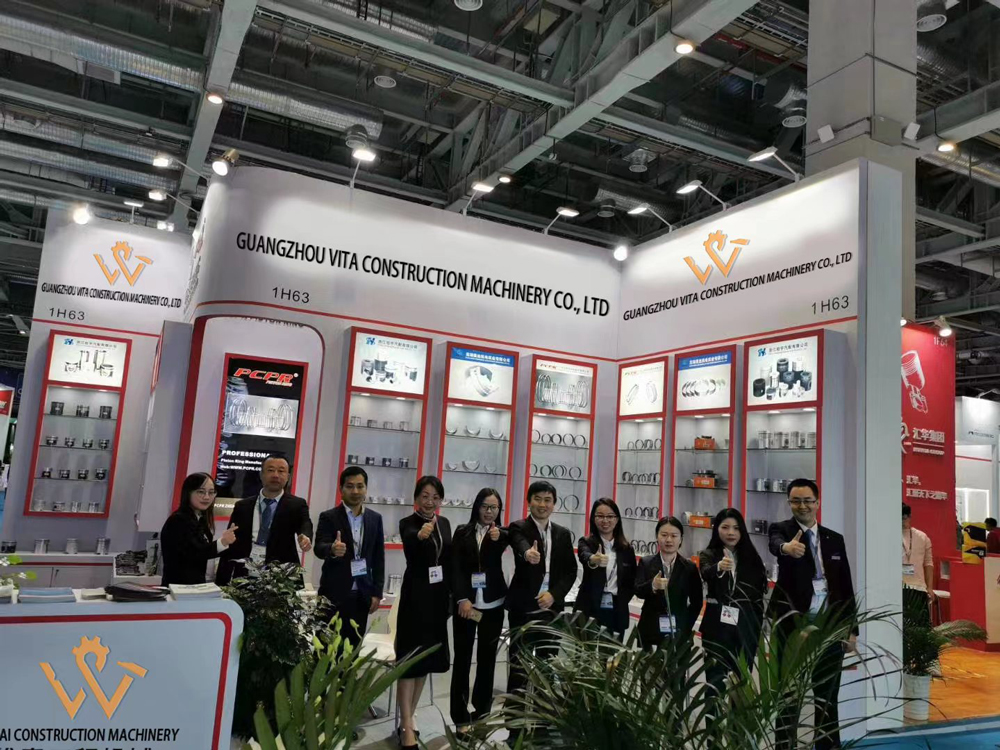
Guangzhou Vita Construction Machinery Co., Ltd. addresses this segment by providing high-capacity, customized electrical parts alongside main hydraulic pumps, distribution valves, and engine mounting components. Aligning procurement with a manufacturer that bridges mechanical components and high-precision electrical spares simplifies import workflows and ensures consistent system integration.
How state-of-the-art production hubs meet strict international compliance standards.
Deploying heavy machinery globally requires compliance with strict safety and environmental standards. From CE markings and RoHS compliance in European markets to EPA-aligned electrical setups in North America, relay components must meet regional expectations. Electrical switches and relays must withstand extreme temperatures (-40°C to +120°C) without contact degradation.
By cooperating with localized distributors and service teams, Guangzhou Vita ensures that spare parts, engine mounting kits, and hydraulic distribution valves arrive pre-certified for their target jurisdictions. This reduces custom clearance hold-ups and guarantees smooth integration with local safety inspection requirements.
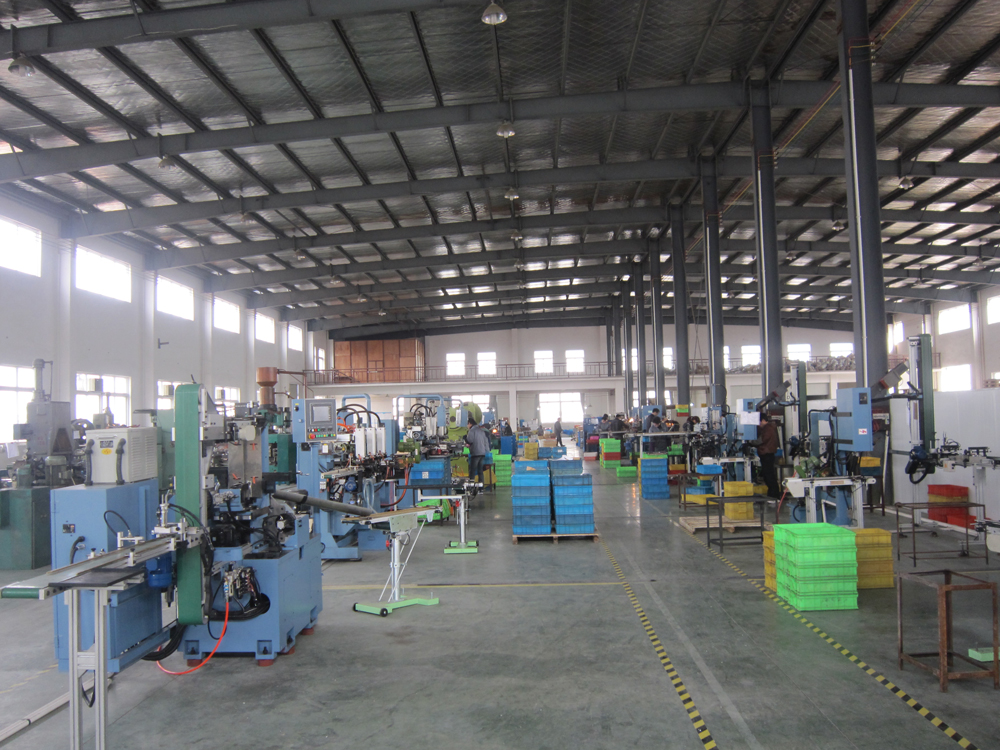
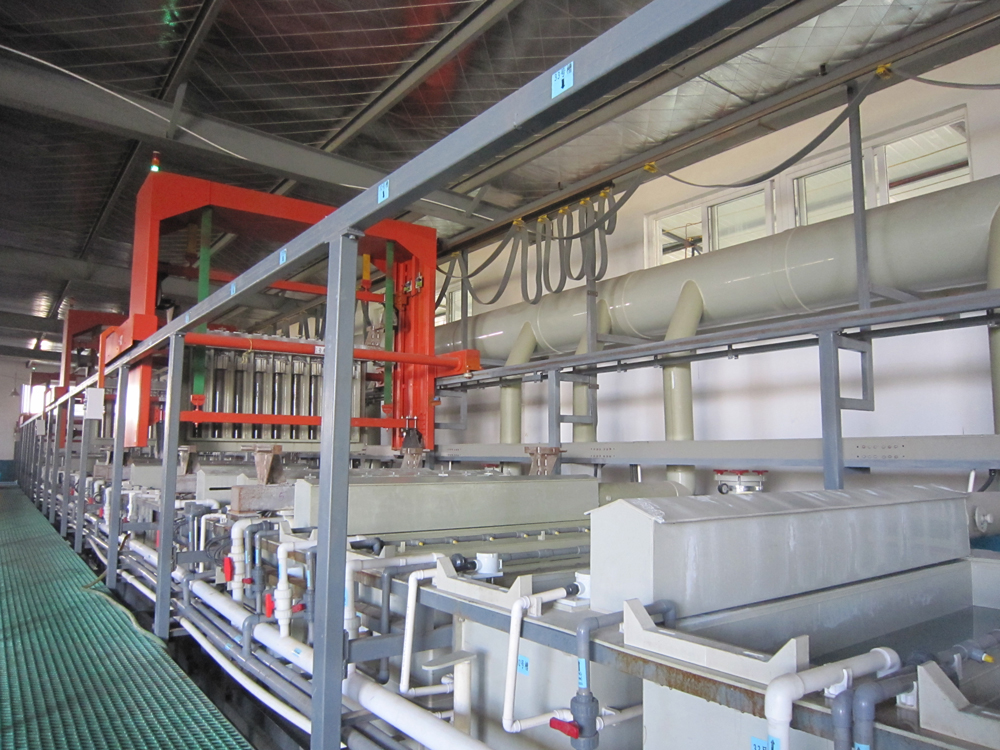
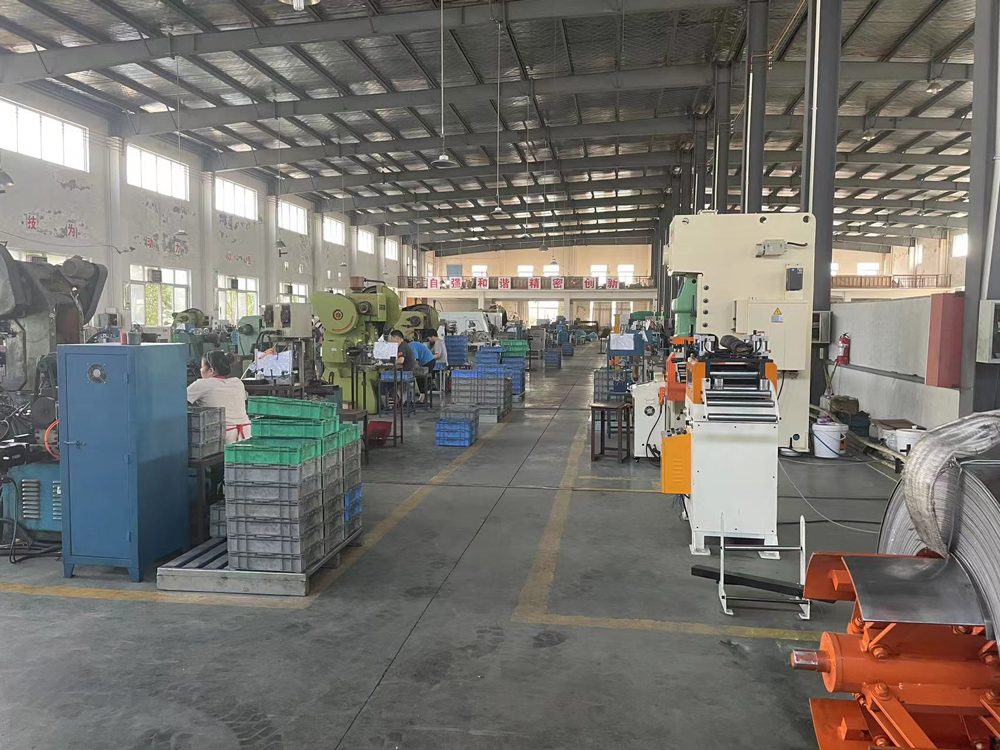
Guangzhou Vita Construction Machinery Co., Ltd. leverages a sophisticated logistics and manufacturing footprint. With our primary factory located in Xiangyang City, Hubei Province, our operations benefit from robust regional steel, chemical, and copper supply lines. This enables us to maintain cost efficiencies while enforcing strict quality controls.
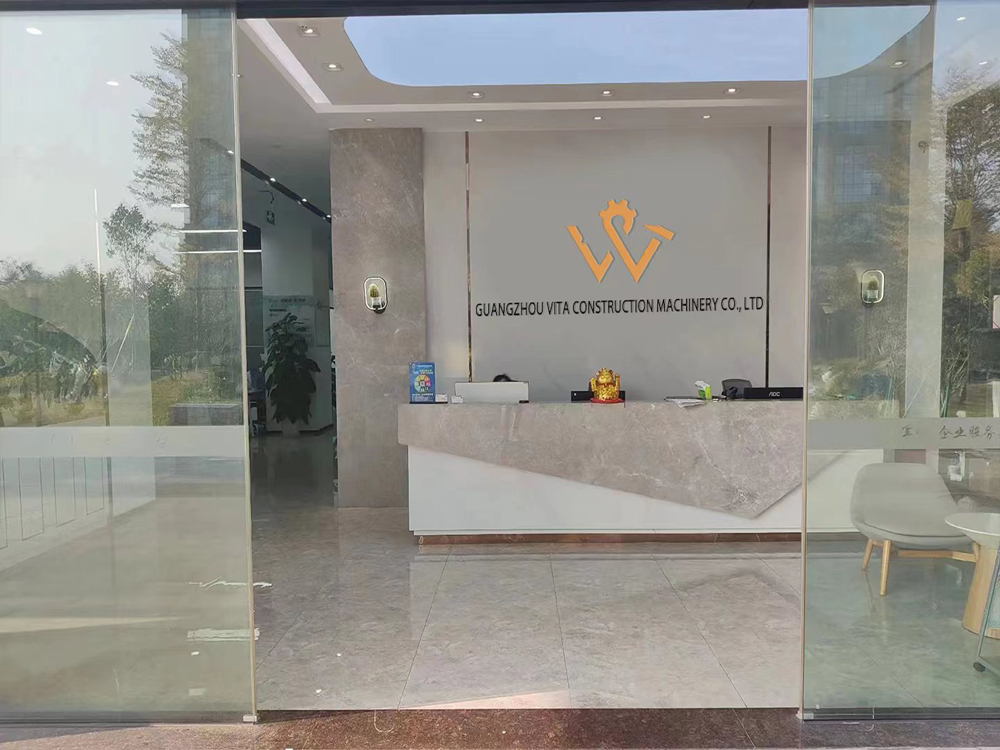
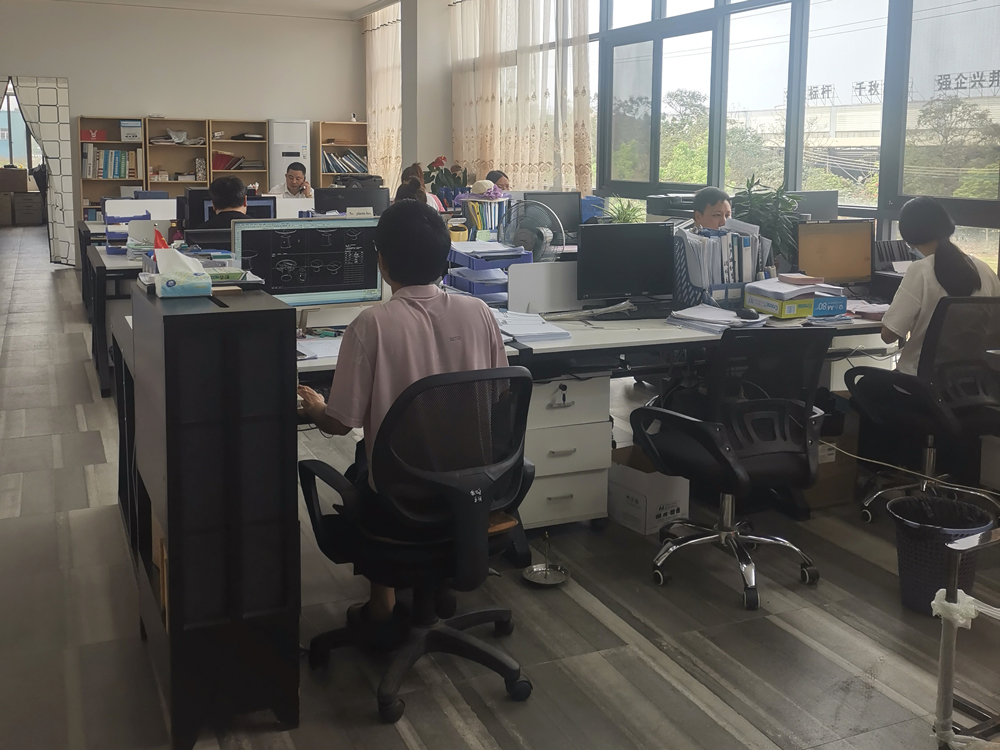
Exploring Guangzhou Vita Construction Machinery Co., Ltd. Production Facilities.
Guangzhou Vita Construction Machinery Co., Ltd. is a leading company that integrates manufacturing with international trade. Our production facility in Xiangyang City, Hubei Province, features an 18,000+ square meter workshop equipped with modern machinery. Backed by 278 skilled workers and 8 experienced engineers, we ensure consistent product quality alongside prompt and reliable delivery schedules.
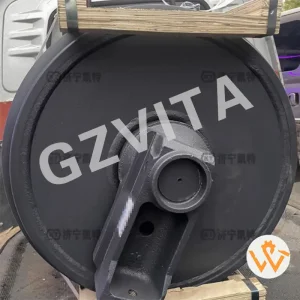
We specialize in manufacturing, developing, and exporting a wide range of construction machinery parts. Our catalog includes engine assemblies, hydraulic pumps, final drives, diesel generator sets, main and rod engine bearings, valves, gear pumps, cylinders, filtration systems, buckets, and undercarriage components. These parts serve as direct replacements for machinery brands such as Komatsu, Volvo, Sumitomo, Caterpillar, Kubota, Hitachi, John Deere, Kobelco, Hyundai, Kato, Sany, XCMG, Sunward, and other global brands.



Understanding where the field of heavy machinery electrical diagnosis and system integration is headed.
The construction machinery sector is shifting toward digital diagnostics and telemetry. In the past, testing a fuel pump relay required manual multimeters. Today, digital machine controllers monitor relay cycle responses, pin resistance, and current consumption in real time. This shift toward predictive maintenance helps prevent system failures before they cause unexpected downtime.
Additionally, the rise of hybrid and battery-powered machinery introduces higher voltage levels, requiring advanced insulation systems and contact safety features. Modern relays must support higher switching frequencies while operating safely within compact power distribution enclosures.
Relay durability becomes critical in harsh environmental conditions. In mining operations, high vibrations and dust can penetrate standard housings, causing contact pitting. In maritime construction or cold climates, thermal expansion and condensation risk creating internal short circuits.
Using hermetically sealed relays with customized thermal damping mounts prevents these issues. Whether supporting deep excavators in Southeast Asia or high-altitude quarrying in South America, robust electrical components ensure reliable machinery performance and lower total cost of ownership.
Answers to common questions about heavy machinery electrical troubleshooting, procurement, and relay components.
Premium OEM-grade replacement and diagnostic support hardware for international fleets.
 Vita Construction