 Vita Construction
1 / 3
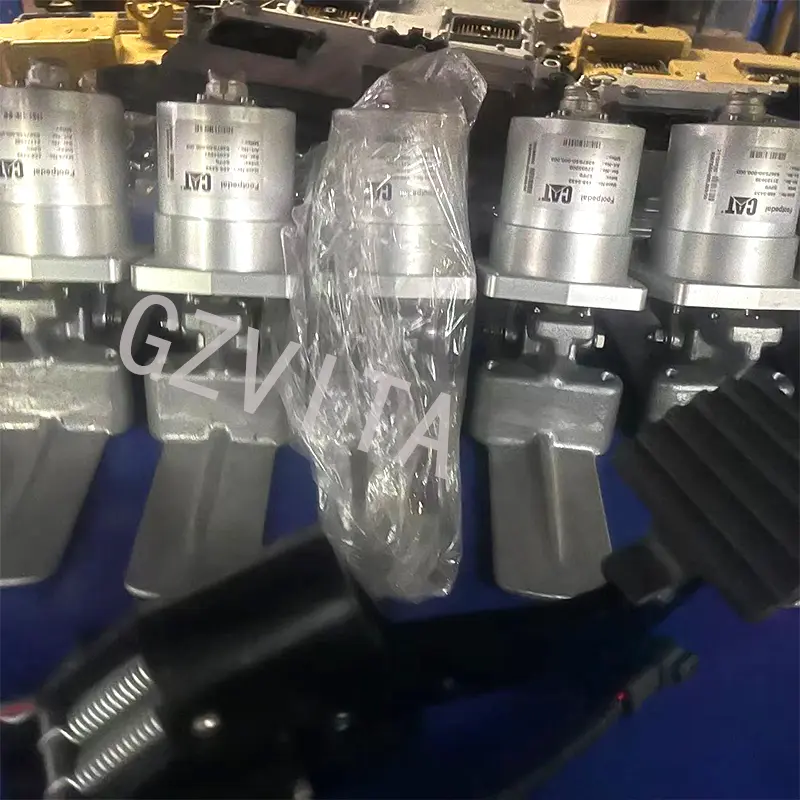
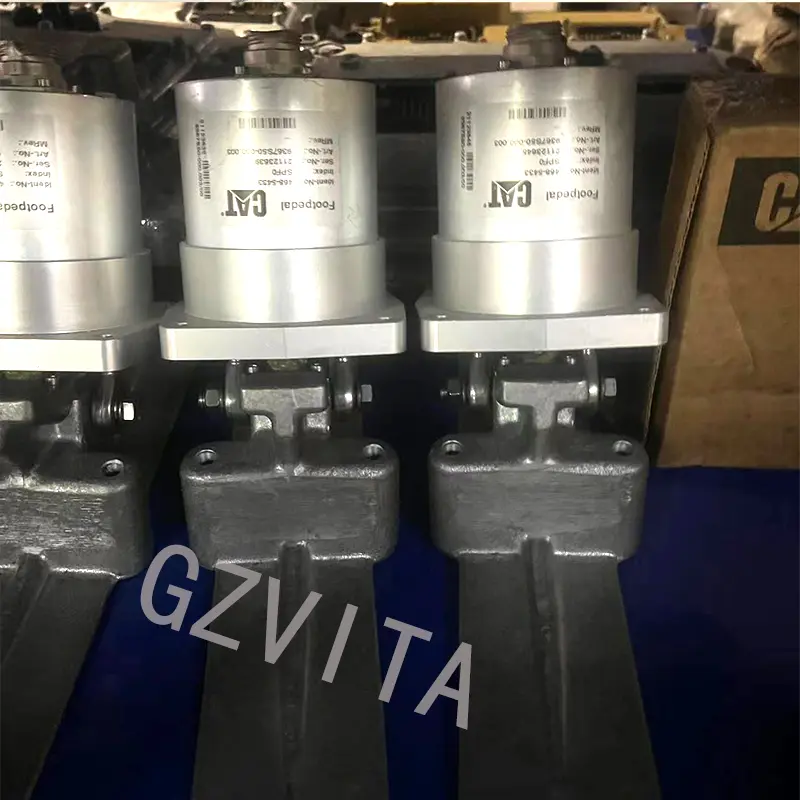
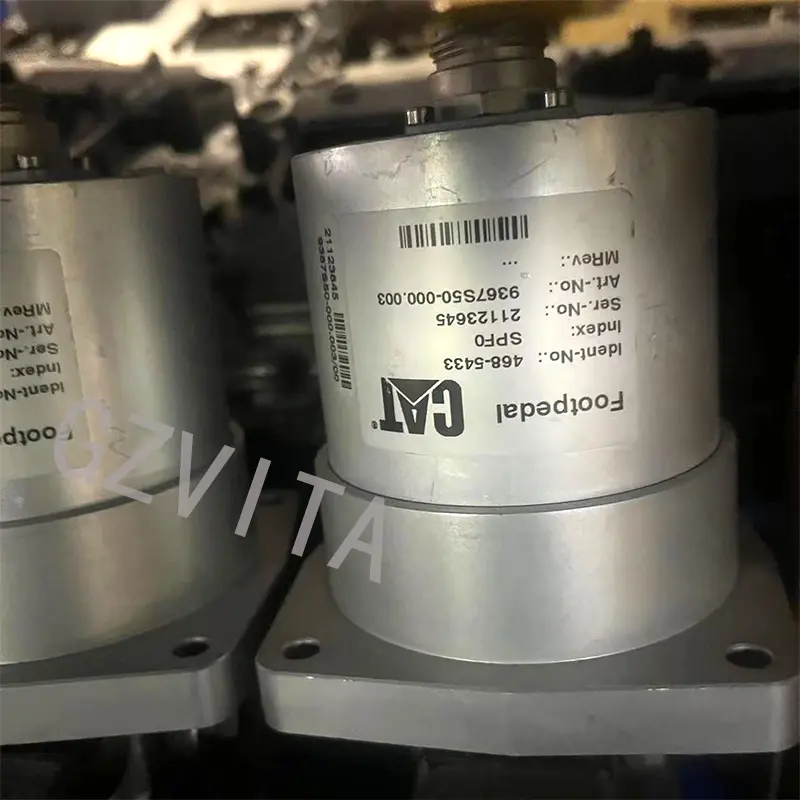
The foot pedal allows operators to control speed and power with precision. For example, in vehicles, the accelerator pedal regulates engine power, while the brake pedal controls deceleration. This precise control is essential for safe and effective operation.
Foot pedals are designed to be easily accessible and operable, allowing operators to maintain a comfortable posture while working. This ergonomic design reduces fatigue during long hours of operation, contributing to better performance and safety.
Many machinery foot pedals are equipped with safety features, such as a dead man's switch, which requires continuous pressure to keep the machine running. This feature helps prevent accidents by ensuring that the machine stops if the operator loses control or becomes incapacitated.
In some machinery, foot pedals can serve multiple functions. For instance, a single pedal may control both acceleration and braking, or it may be used to engage different modes of operation, such as forward and reverse. This versatility enhances operational efficiency.
Foot pedals often provide tactile feedback to the operator, allowing them to gauge their input and make adjustments as needed. This feedback is vital for maintaining control, especially in dynamic environments.
The foot pedal works in conjunction with other controls, such as steering wheels and hand controls, to provide a comprehensive control system. This integration is essential for coordinated operation, especially in complex machinery.
Operators are typically trained to use foot pedals, making them a familiar and intuitive part of machinery operation. This familiarity can reduce the learning curve for new operators and enhance overall safety.
The cabin foot pedal is a crucial component that allows operators to control key machinery functions, such as regulating speed and power, while improving overall operational efficiency.
Foot pedals are designed to be easily accessible, helping operators maintain a comfortable posture. This reduces fatigue during long working hours and leads to improved safety and performance.
Many machinery foot pedals feature safety elements like a dead man's switch, which requires continuous pressure to keep the machine running. This prevents accidents if the operator loses control.
Yes, in certain machinery, a single pedal can perform multiple tasks, such as managing both acceleration and braking, or toggling between forward and reverse modes.
Foot pedals provide tactile feedback, allowing operators to feel the response of the machine, gauge their physical input, and make real-time adjustments for better control.
Because foot pedals are a standard, intuitive mechanism, operators are typically pre-trained to use them. This familiarity minimizes the learning curve and lowers the risk of operational errors.