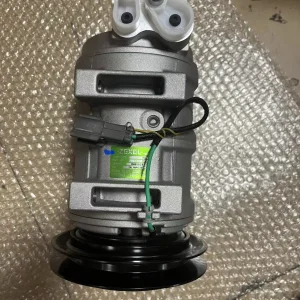
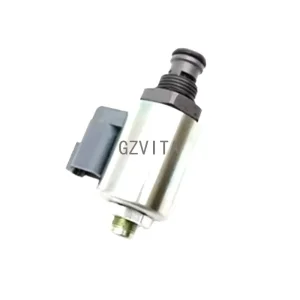
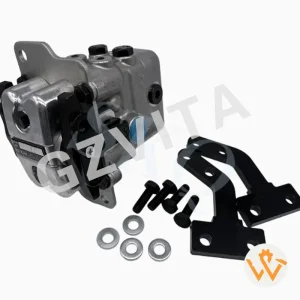
Discover premium-grade mechanical parts, hydraulic pumps, and heavy-duty thermal components designed for peak field performance.
In closed-loop liquid cooling systems, routing coolant around tight, non-linear machinery corridors requires specialized conduits. A 90-degree radiator hose serves as a vital component designed to redirect high-temperature liquid coolants with minimal flow resistance, localized pressure drops, or kinetic energy losses. Standard linear hoses are highly susceptible to kinking when bent, which can choke coolant flow and cause catastrophic engine overheating. Custom molded 90-degree elbows solve this by maintaining a constant internal diameter across the radius of the bend.
From a fluid dynamics perspective, forcing a fluid to turn 90 degrees creates a complex profile of localized turbulence, pressure changes, and centrifugal wall stress. Designing these hoses requires balancing the bend radius ($R$) against the nominal hose inner diameter ($D$). An optimal ratio of $R/D \ge 1.5$ is standard in heavy machinery to prevent cavitation and backpressure. Guangzhou Vita Construction Machinery Co., Ltd. applies advanced mold development processes to guarantee that the bend geometry minimizes fluid friction coefficients, keeping engine systems operating at peak thermal efficiency.
"A poorly structured 90-degree bend induces turbulent flow boundaries, resulting in localized temperature hotspots and premature material fatigue. High-performance elastomer formulations are critical to absorb these dynamic fluid stresses."
Modern industrial engines run hotter than ever to comply with stringent emissions regulations. Selecting the appropriate elastomer is crucial to ensure long-term durability. 90-degree radiator hoses are fabricated using high-grade synthetic rubbers, each formulated for specific environmental factors:
| Material Type | Temp. Range (°C) | Ozone Resistance | Oil/Fuel Resistance | Primary Industrial Use Case |
|---|---|---|---|---|
| Premium EPDM | -40 to +150 | Excellent | Poor | Commercial Fleets, OEM Construction Equipment |
| High-Performance Silicone | -60 to +250 | Outstanding | Fair | Turbocharged Systems, Industrial Power Generators |
| Reinforced Fluorosilicone | -60 to +220 | Outstanding | Excellent | Petrochemical Piping, Heavy Mining Machinery |
Elastomers alone cannot withstand the high system pressures of modern cooling circuits (often exceeding 3-4 bar under load). Therefore, radial expansion must be controlled using knitted or woven fabric reinforcement layers. High-tensile Polyester is used for standard applications, while DuPont Nomex or Kevlar (Aramid) fibers are utilized for high-temperature and high-pressure environments to prevent hose dilation and burst failures.
The demand for custom-molded 90-degree hoses is driven by heavy industries globally, including mining, infrastructure construction, logistics, and agriculture. Global OEM builders like Caterpillar, Komatsu, Volvo, Sany, and John Deere rely on complex engine layouts where space is at a premium. Consequently, generic off-the-shelf hoses are rarely sufficient, making custom tooling and rapid prototyping crucial capabilities for component suppliers.
Guangzhou Vita Construction Machinery Co., Ltd. addresses this demand by combining advanced custom rubber manufacturing with heavy machinery components. By providing high-quality replacement parts for leading global brands, we bridge the gap between heavy hydraulic systems and cooling circuits. Our production facilities specialize in rapid prototyping of custom bends, ensuring that replacement parts meet or exceed original equipment manufacturer (OEM) performance standards.
The cooling component market is changing rapidly due to electrification, intelligence, and green chemistry. As the industrial landscape moves toward hybrid and electric systems, thermal management needs are evolving from simple high-heat tolerance to complex, low-conductivity cooling systems.
1. Smart Diagnostics: The integration of embedded sensors within the elastomer matrix is on the horizon. Future 90-degree hoses will monitor real-time wall temperature, coolant pressure, and structural degradation, sending telemetry data to the operator to prevent line failures.
2. Eco-Friendly Elastomers: With tighter carbon footprint regulations, there is a push to replace petroleum-derived monomers with bio-sourced chemical compounds. Green EPDM, derived from sugarcane ethanol, is showing comparable mechanical properties to traditional synthetic variants.
3. High-Voltage EV Coolant Systems: Electric heavy equipment requires specialized non-conductive hoses. Traditional carbon-black fillers used in rubber compounds must be replaced with silica or other non-conductive alternatives to prevent electrical paths in high-voltage batteries.
Procurement professionals must look beyond pricing and focus on lifetime value and quality assurance. A failed hose on an offshore generator or a mining excavator can cause downtime costs that far exceed the price of the replacement part. To minimize risk, global buyers should implement these QA testing protocols:
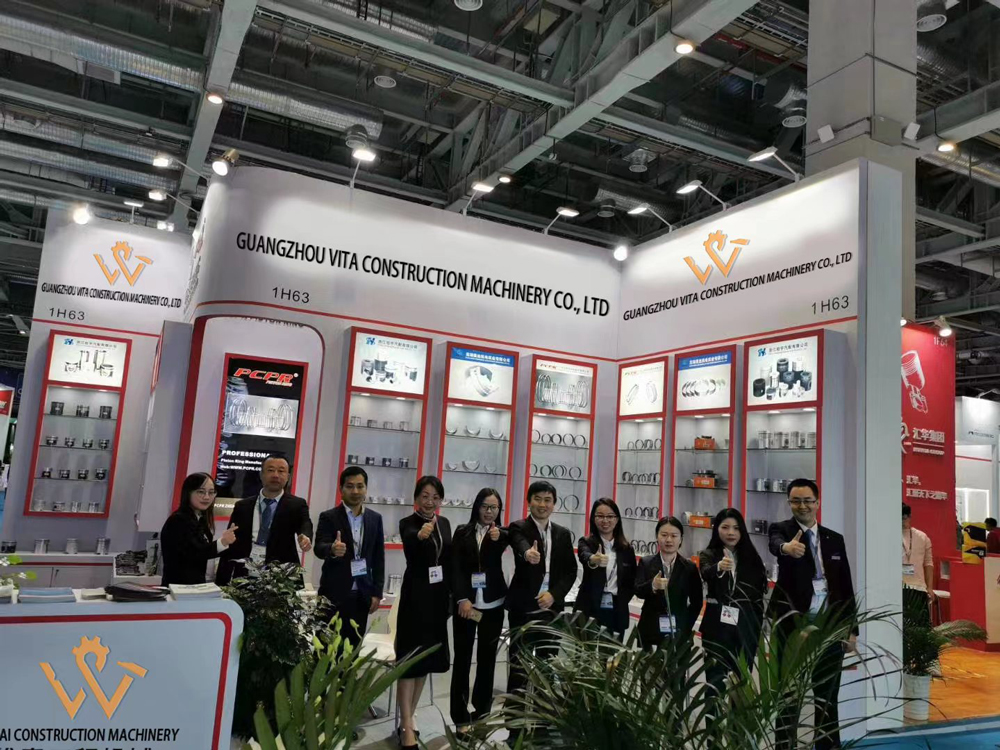
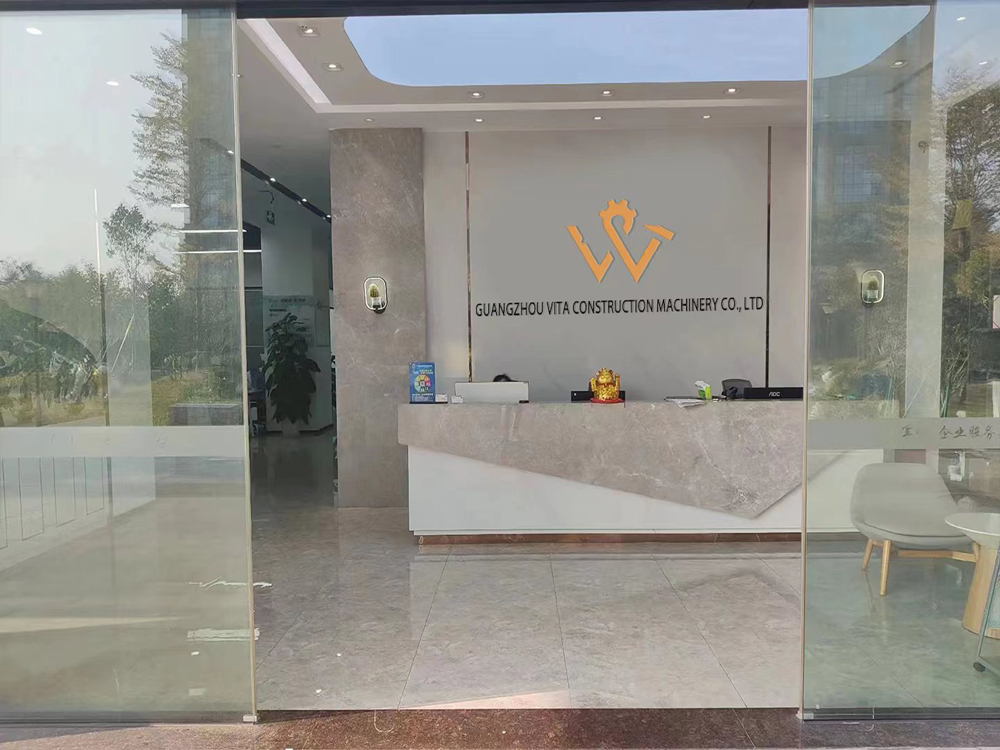
Guangzhou Vita Construction Machinery Co., Ltd. is one of the largest companies that combines factory operations and international trade.
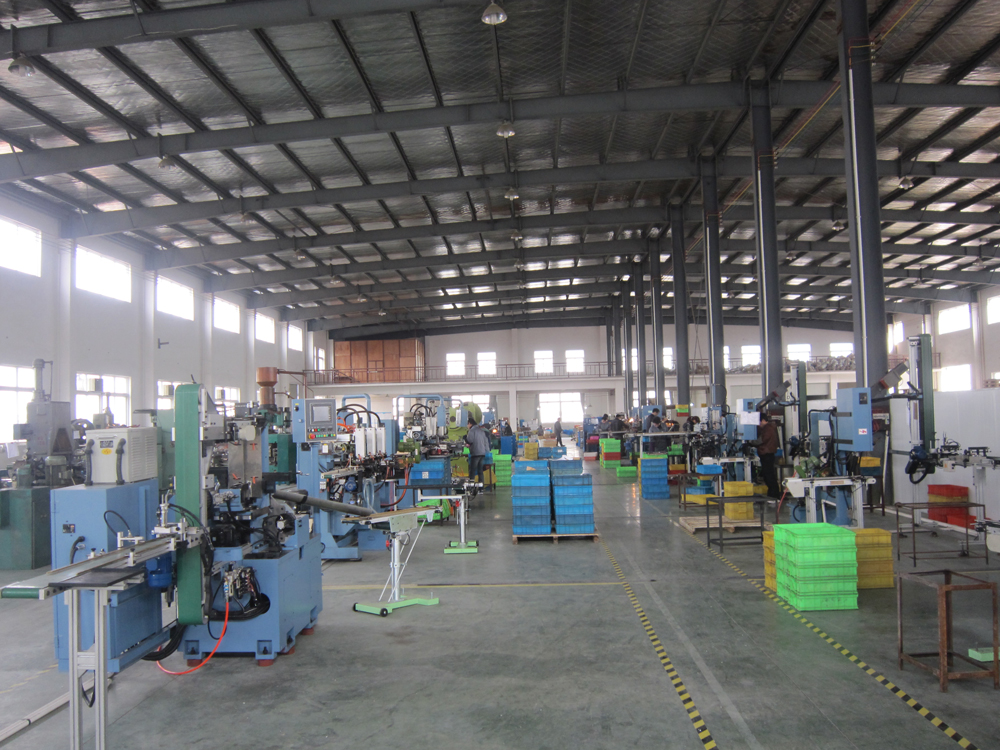
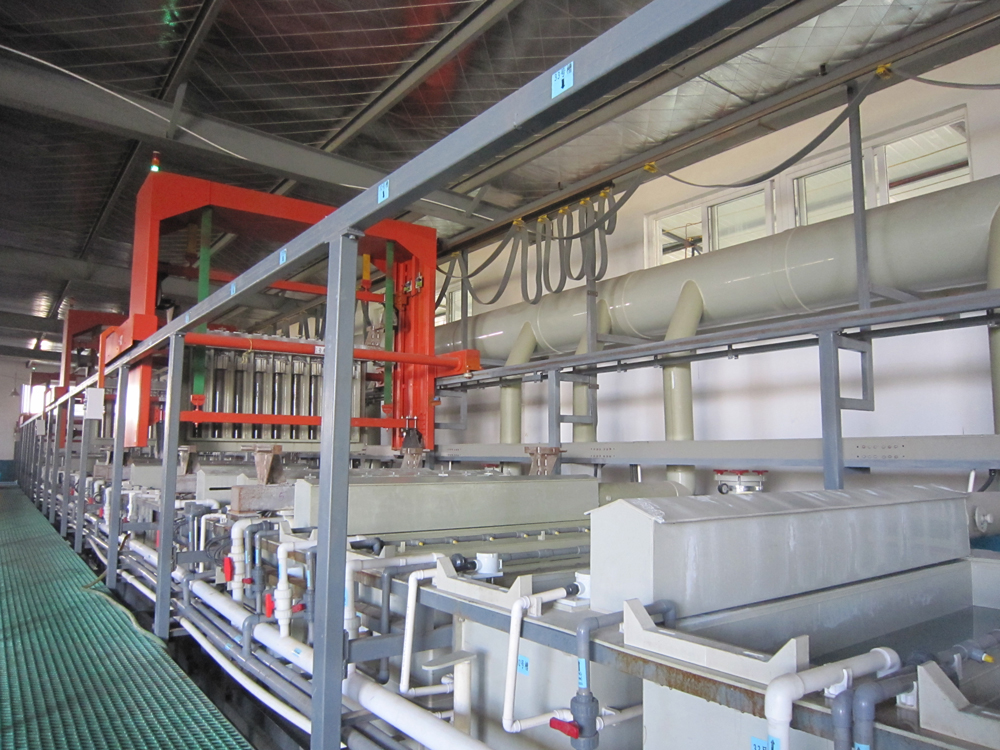
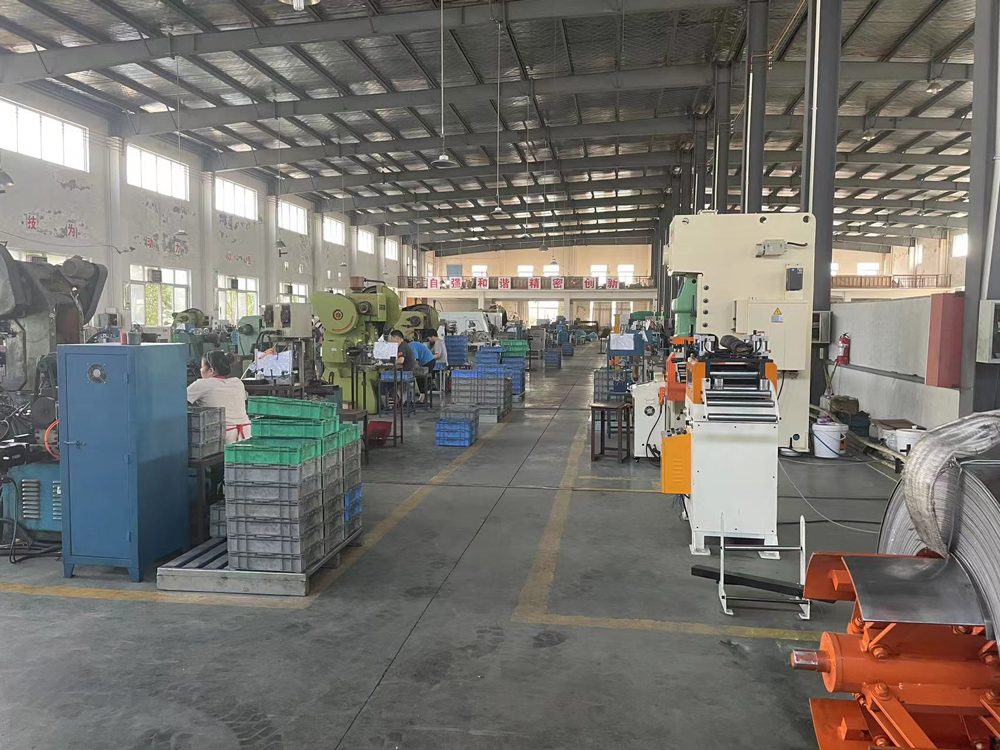
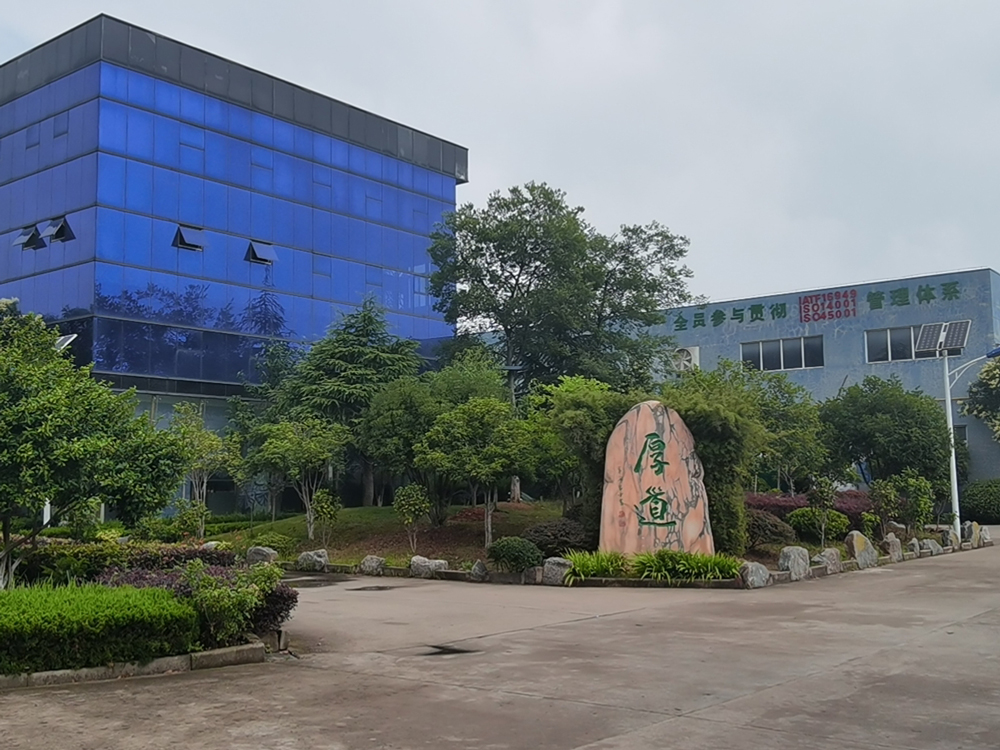
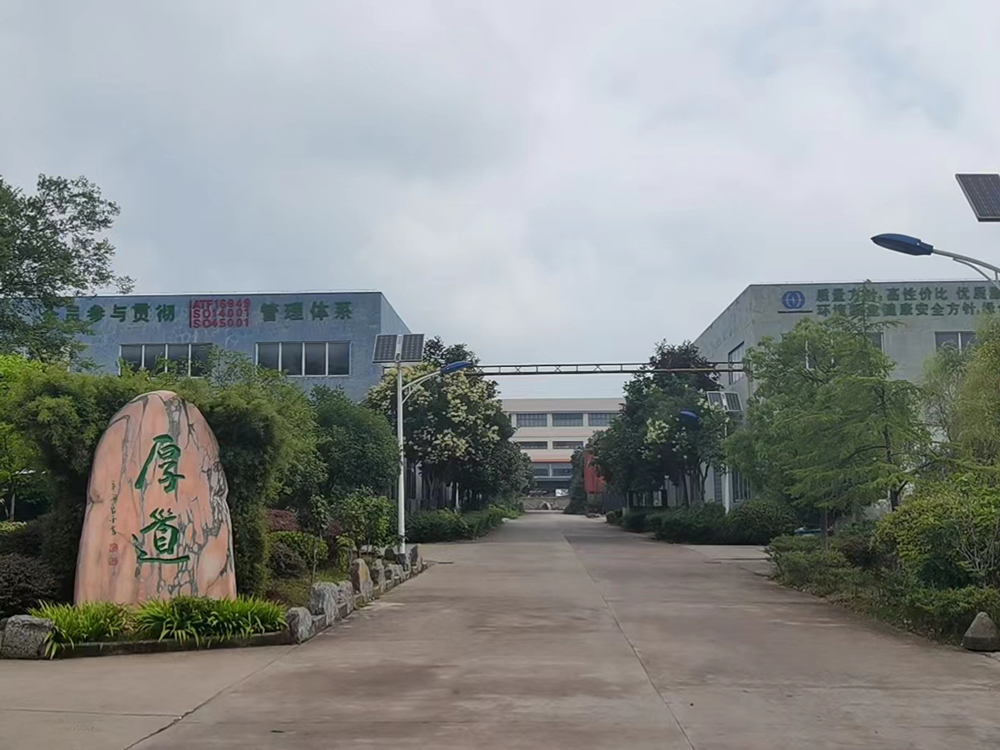
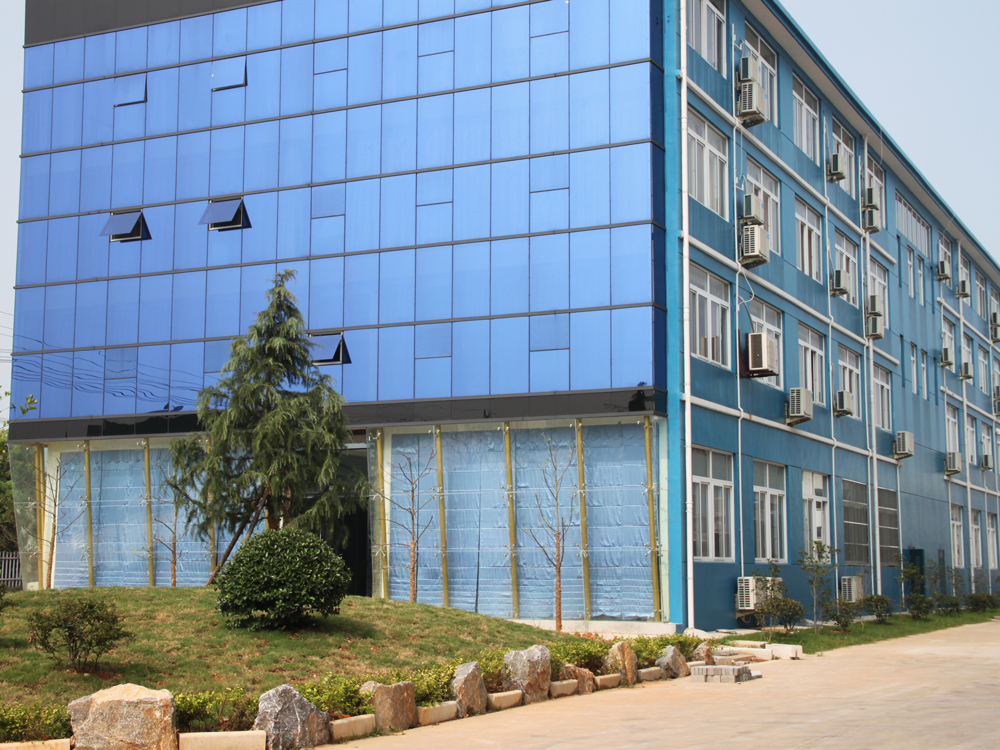
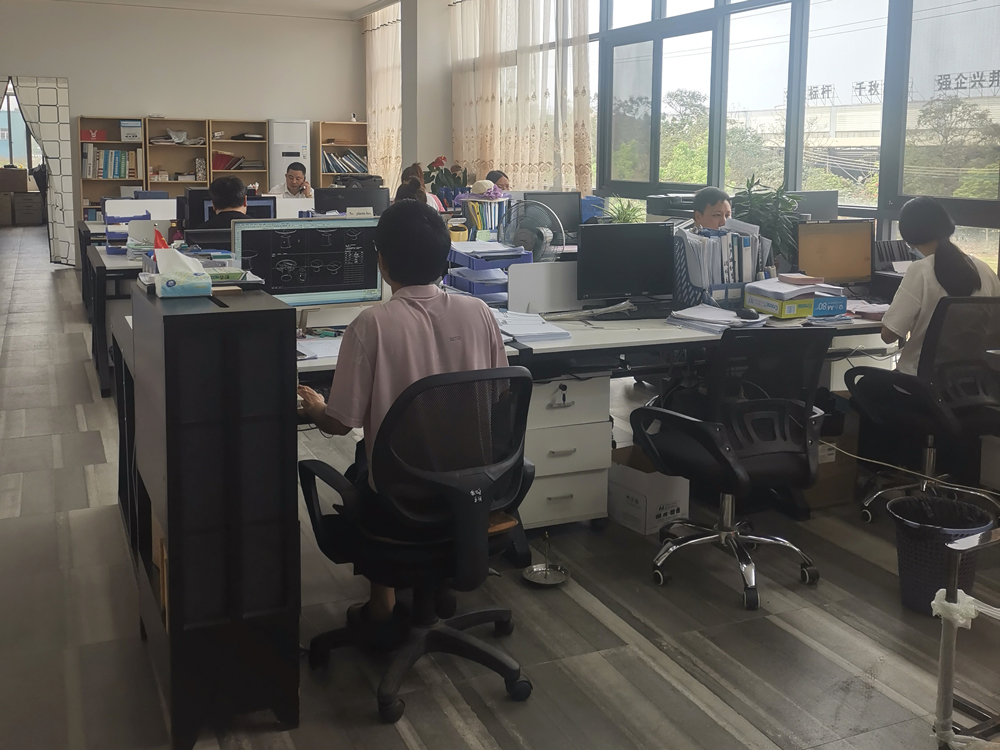
Our manufacturing facility is located in Xiangyang City, Hubei Province, featuring a workshop of over 18,000 square meters. Equipped with advanced machinery, our team of 278 skilled workers and 8 experienced engineers ensures high product quality alongside fast and accurate delivery.
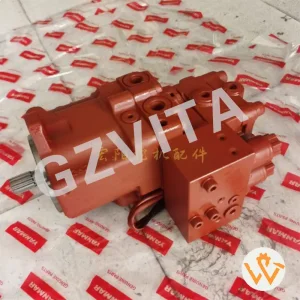
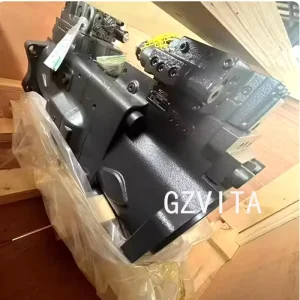
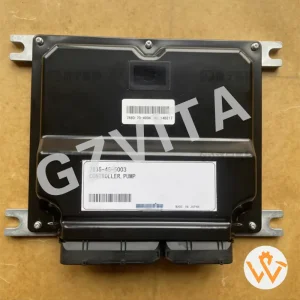
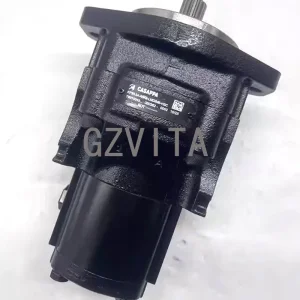
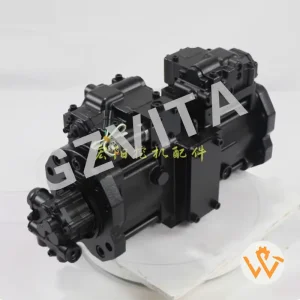
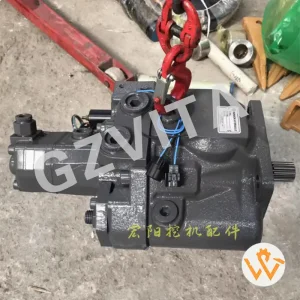
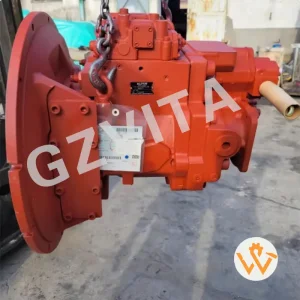
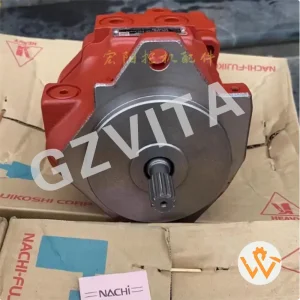
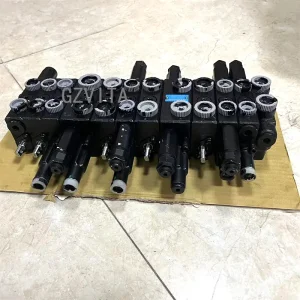
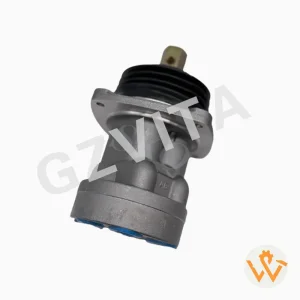
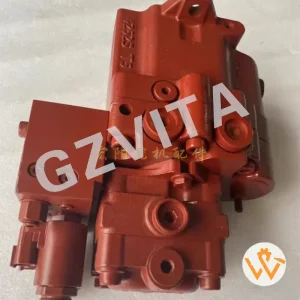
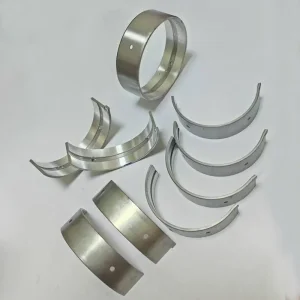
We specialize in producing, developing, and selling a comprehensive range of construction machinery parts. Our catalog includes engine assemblies, hydraulic pumps, final drives, electric generating sets, engine bearings (including Main bearings and Connecting Rod Bearing series), crankshafts, engine valves, gear pumps, cylinders, industrial filters, excavator buckets, and undercarriage components for both excavators and bulldozers. Our parts serve as reliable replacements for equipment from leading global brands, including Komatsu, Volvo, Sumitomo, Caterpillar, Kubota, Hitachi, John Deere, Kobelco, Hyundai, Kato, Sany, XCMG, SUNWARD, and other industry-recognized manufacturers.
In the fast-paced world of construction, the reliability and efficiency of your machinery can make or break a project. We understand that high-quality parts are essential for optimal performance. Our goal is to provide top-notch construction machinery parts that keep our customers' equipment running smoothly.
To improve our service, we set up engine maintenance development. In addition to providing customers with engine assemblies, we can also help customers solve various technical problems encountered in the operation and assembly of engines.
We have our own professional maintenance team and can even be invited by customers to arrange for maintenance technicians to go abroad to help customers repair engines.
Operating globally requires adherence to international standards and regulations. In high-performance fluid handling and heavy machinery sectors, compatibility, safety, and environmental compliance are critical metrics.
ISO 9001:2015 & IATF 16949: Our manufacturing processes align with these standards to ensure consistent quality in elastomer extrusion and component assembly. This standardizes the production of all custom 90-degree hoses and mechanical parts.
REACH & RoHS Compliance: This certification guarantees that our synthetic rubbers and elastomers are free from hazardous chemicals, making them safe for global distribution and use in environmentally sensitive projects.
To support our international clients, we offer localized technical assistance. This includes deploying engineers to coordinate engine and hydraulic system assemblies, ensuring fast onsite troubleshooting and minimal machinery downtime.
Technical answers to common questions about custom 90-degree radiator hoses and machinery parts.
High-quality components manufactured to OEM tolerances for global distribution.
 Vita Construction