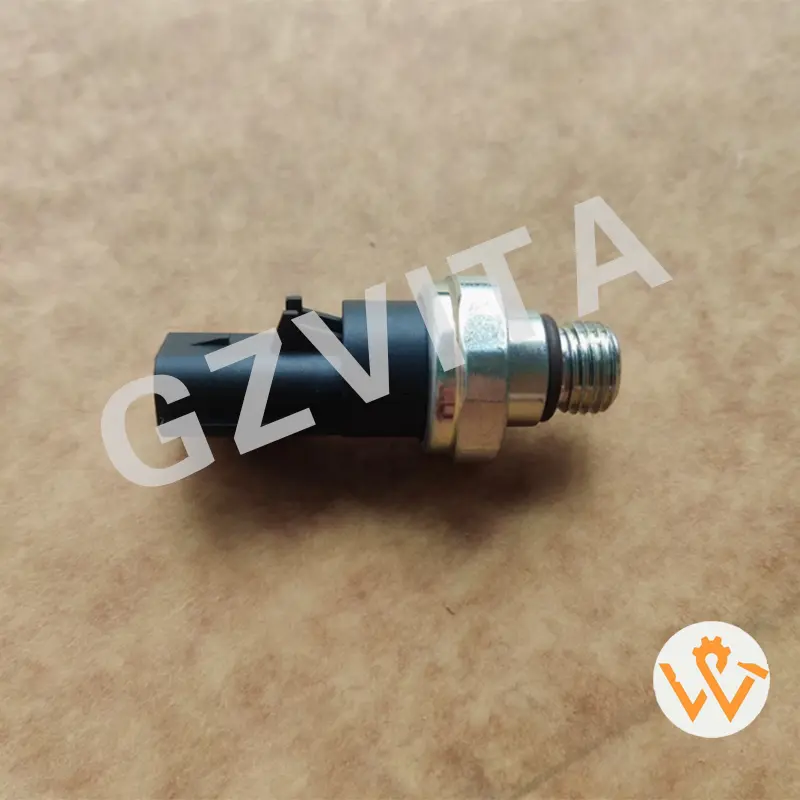
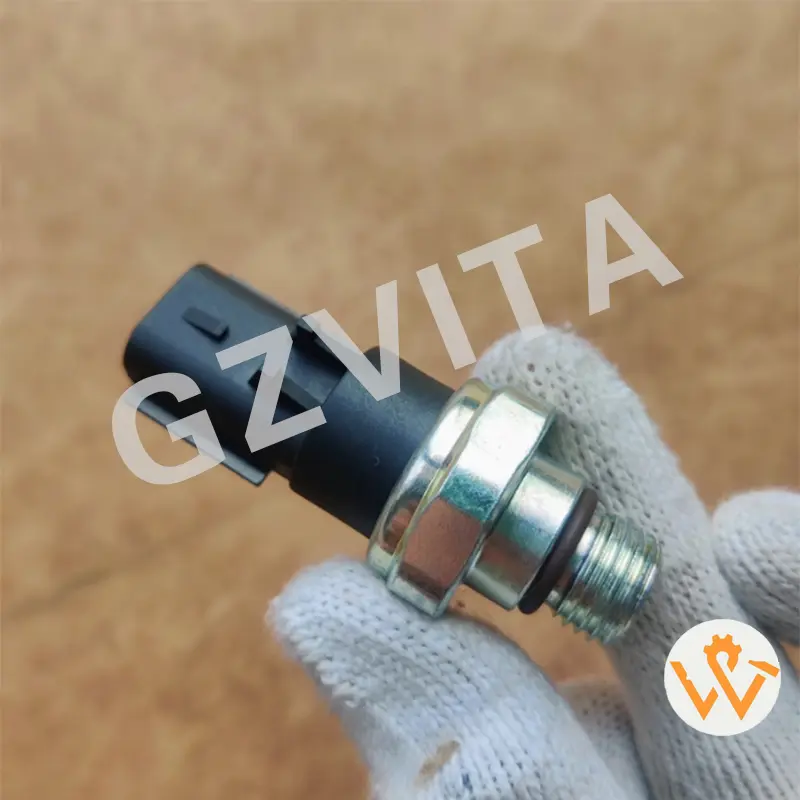
A differential pressure sensor is a device used to measure the difference in pressure between two points in a system. These sensors are crucial in various applications across multiple industries, including HVAC (heating, ventilation, and air conditioning), process control, fluid dynamics, and medical devices.
Differential pressure sensors typically operate based on various principles, including piezoresistive, capacitive, or optical methods. They detect the pressure difference by converting the mechanical deformation caused by pressure into an electrical signal.
A typical differential pressure sensor consists of two pressure ports, a sensing element, and an electronic circuit for signal processing. The sensing element responds to the pressure difference, while the electronic circuit amplifies and converts the signal for output.
The output from a differential pressure sensor can be analog (e.g., voltage or current) or digital (e.g., I2C, SPI). The choice of output type depends on the application and the required integration with other systems.
Differential pressure sensors require calibration to ensure accurate measurements. Factors such as temperature, humidity, and the medium being measured can affect their performance, so it’s essential to select a sensor that meets the specific requirements of the application.
Frequently Asked Questions (FAQ)
Q1: What is a differential pressure sensor?
A: It is a device designed to measure the difference in pressure between two distinct points within a system. This measurement is critical for calculating flow rates, monitoring filter conditions, and maintaining pressure boundaries.
Q2: How do differential pressure sensors measure pressure variations?
A: These sensors convert the mechanical deformation caused by the pressure difference across a sensing element (using piezoresistive, capacitive, or optical methods) into an analog or digital electrical signal.
Q3: What are the main components of a differential pressure sensor?
A: A standard sensor consists of two pressure ports, a specialized sensing element that responds directly to the pressure variations, and an integrated electronic circuit for signal conditioning and processing.
Q4: What signal outputs do these sensors support?
A: They can output analog signals such as voltage or current, or digital signals like I2C and SPI, depending on system integration needs.
Q5: Why is calibration necessary for differential pressure sensors?
A: Calibration is essential to ensure long-term accuracy, as environmental factors like temperature, humidity, and the characteristics of the measured medium can affect sensor performance.
Q6: In what applications are differential pressure sensors most commonly used?
A: They are widely implemented in HVAC monitoring (ducts, fans, filters), industrial pipe flow and tank level management, medical respiratory equipment, and cleanroom airflow control.
 Vita Construction