 Vita Construction
1 / 5
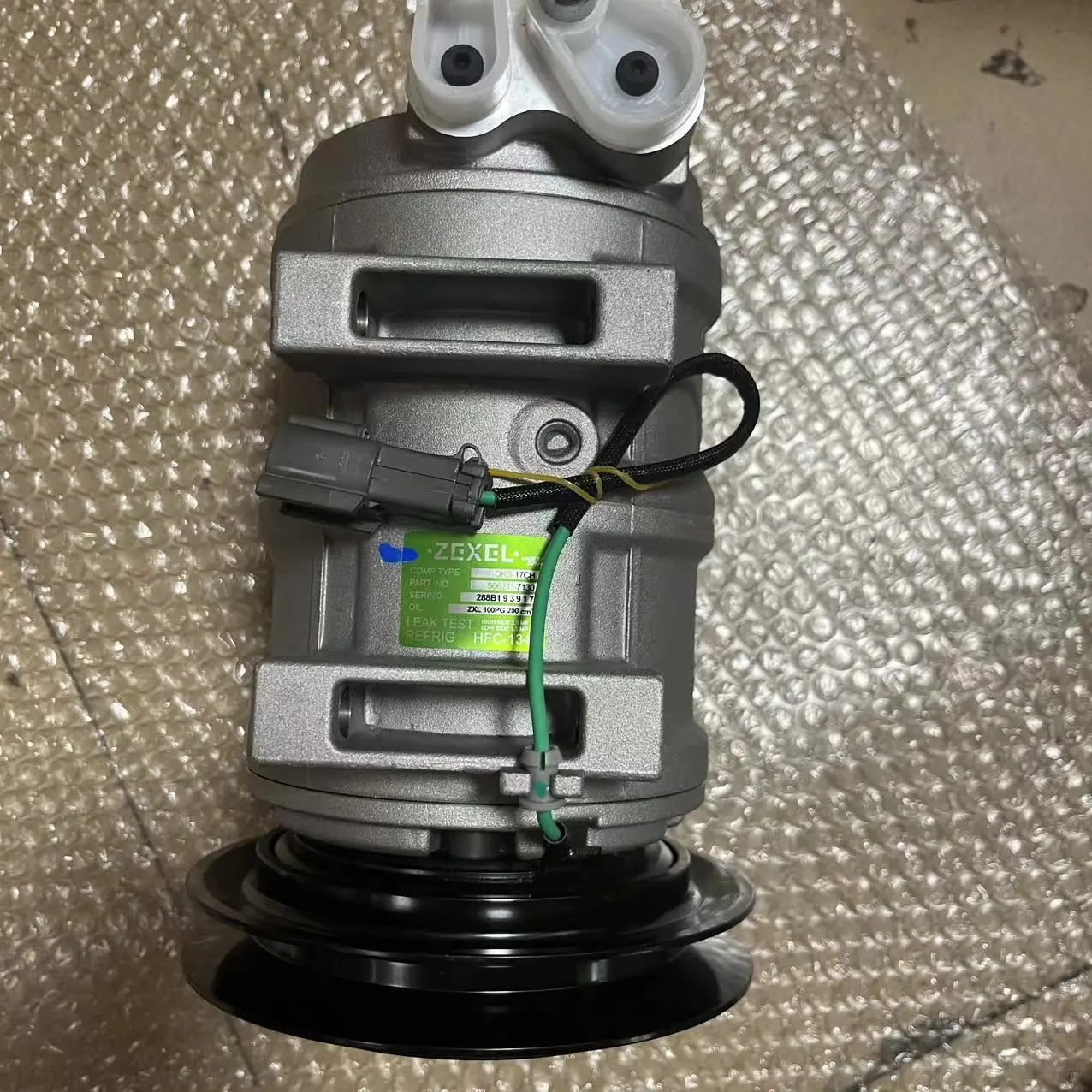
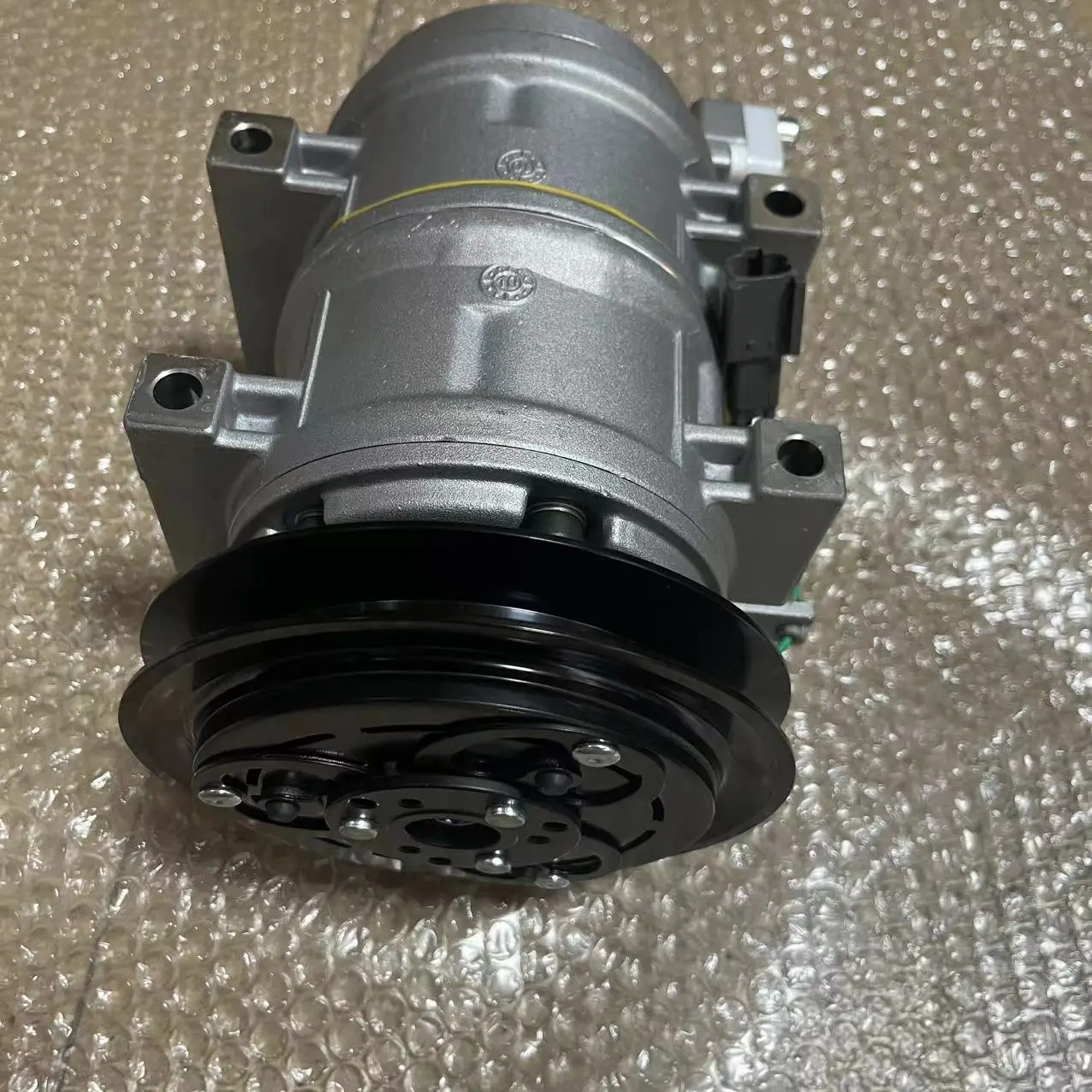
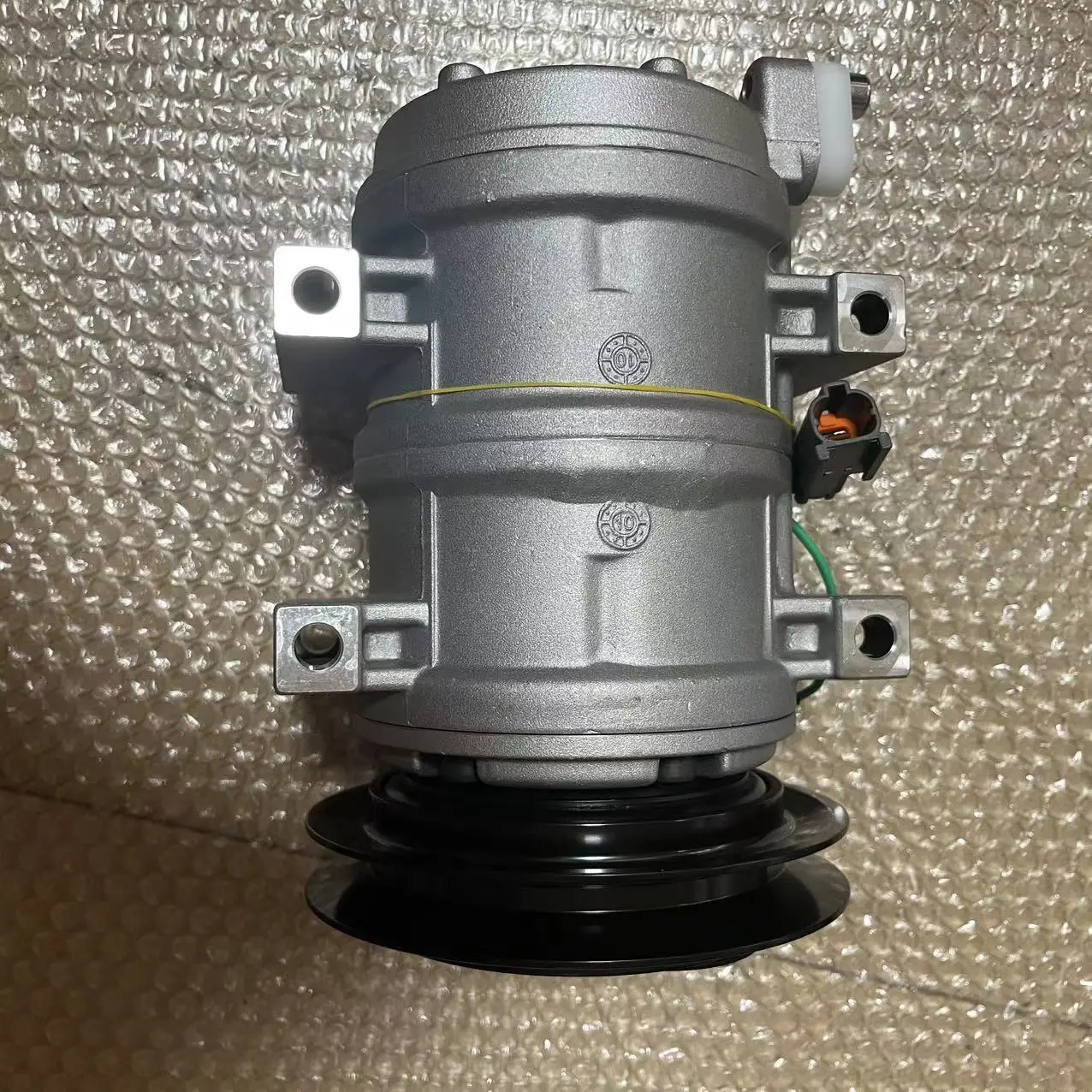
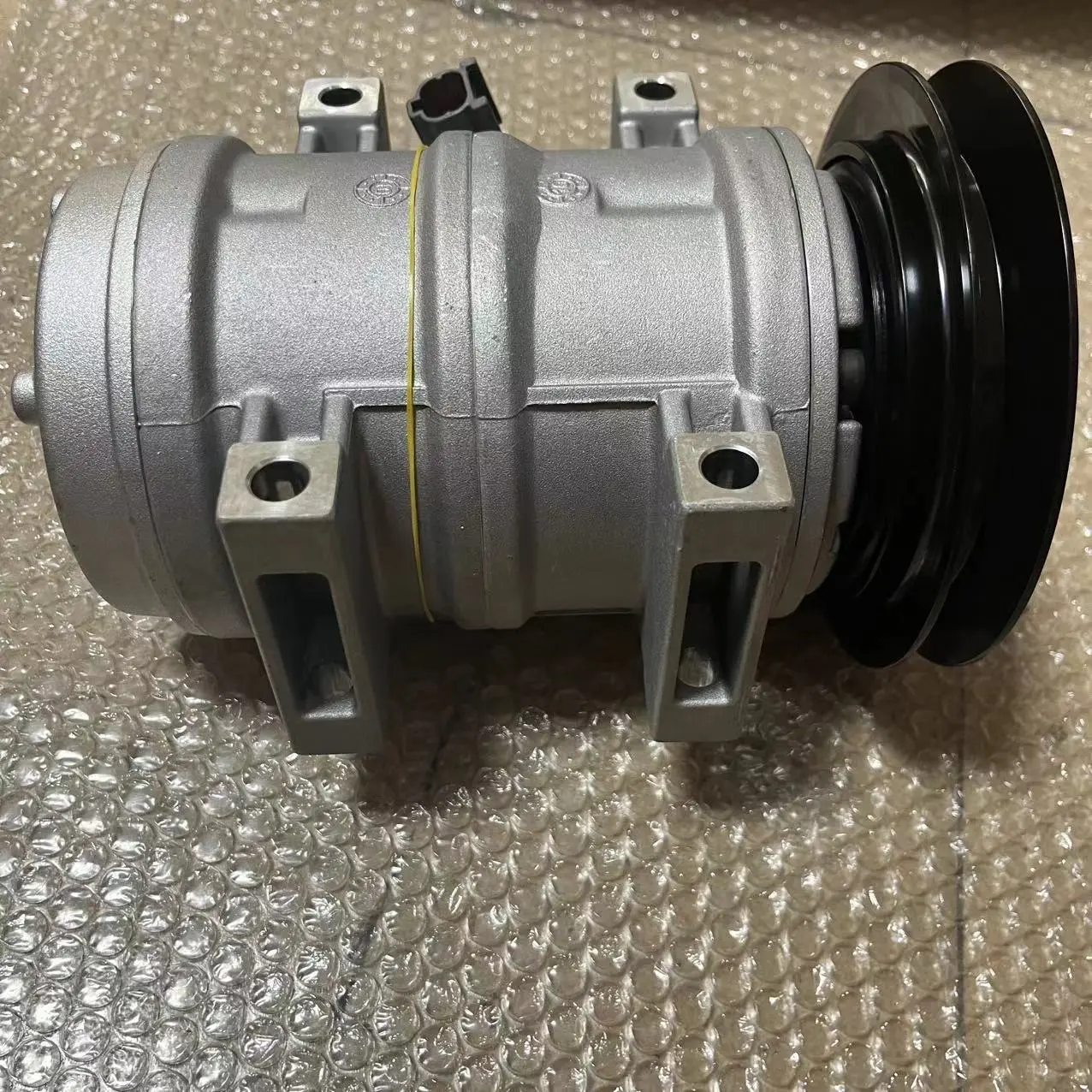
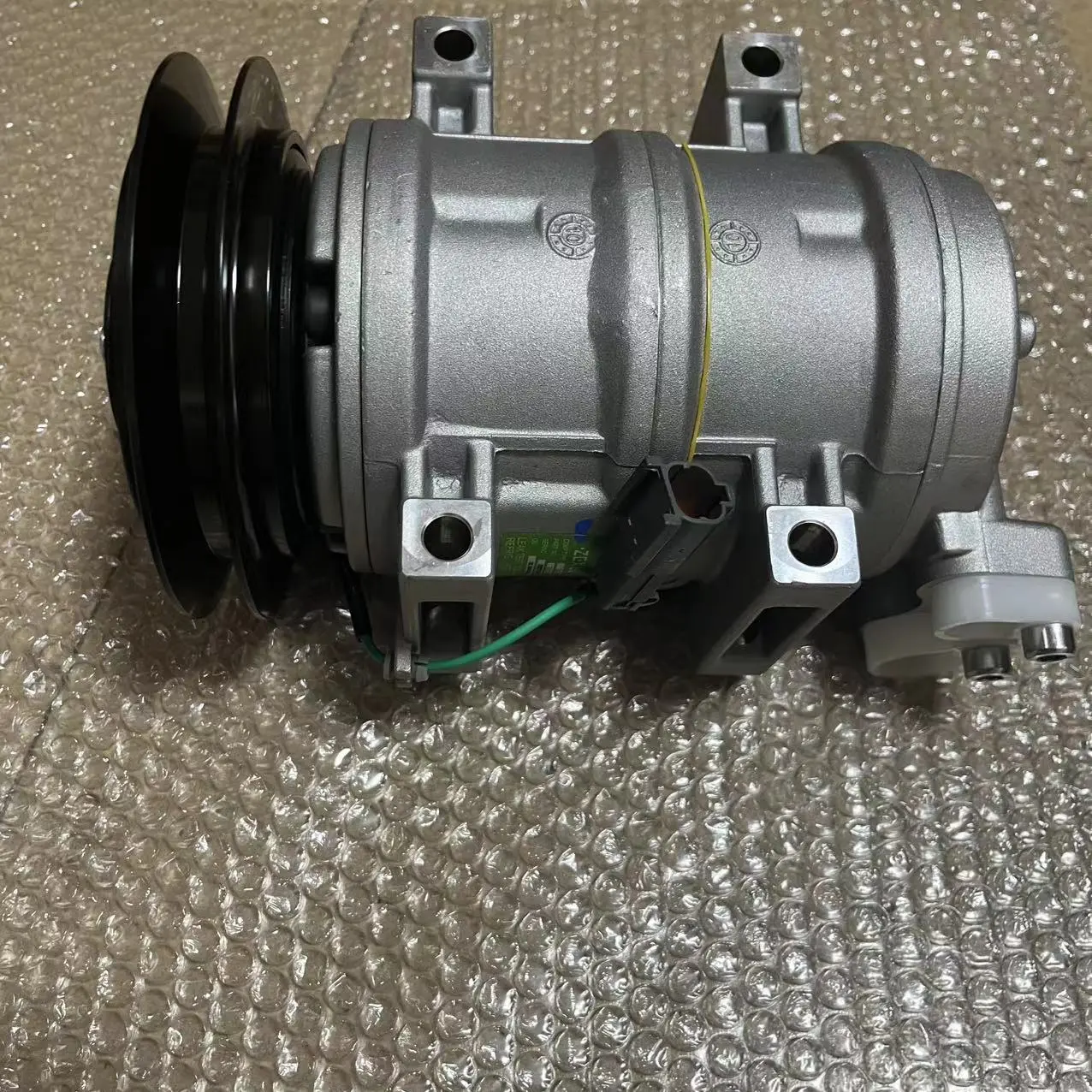
The AC (air conditioning) compressor is a vital component in the climate control system of Hitachi excavators, ensuring operator comfort and optimal working conditions in various environments. The compressor is responsible for circulating refrigerant throughout the AC system, facilitating the cooling process by compressing and moving the refrigerant gas.
The compressor draws in low-pressure refrigerant gas from the evaporator and compresses it into a high-pressure gas, which is then sent to the condenser.
By compressing the refrigerant, the compressor increases its temperature and pressure, allowing it to release heat effectively in the condenser, which cools the refrigerant before it returns to the evaporator.
A well-functioning AC compressor enhances the overall efficiency of the air conditioning system, ensuring that the excavator's cabin remains cool and comfortable, even in hot working conditions.
Hitachi excavators are designed for heavy-duty applications, and the AC compressor is built to withstand harsh operating environments, providing reliable performance over extended periods.
Regular Inspections: Routine checks for leaks, unusual noises, and performance issues can help identify potential problems early.
Refrigerant Levels: Ensuring the correct refrigerant charge is crucial for optimal performance.
Belt Condition: The drive belt connected to the compressor should be inspected for wear and tension to prevent slippage or failure.
The AC compressor in Hitachi excavators plays a crucial role in maintaining a comfortable working environment for operators. Understanding its function and importance can help in ensuring proper maintenance and longevity of the excavator's air conditioning system. Regular maintenance and timely repairs can prevent costly downtime and enhance productivity on the job site.
The AC compressor circulates refrigerant by drawing in low-pressure gas from the evaporator and compressing it into high-pressure gas, driving the overall cooling cycle within the cabin.
Common indicators include unusual noises during AC operation, weak or warm airflow, oil leaks around the compressor unit, or the AC belt slipping and wearing down prematurely.
It is recommended to inspect the drive belt during routine scheduled engine maintenance, checking for correct tension, cracks, dry rot, or alignment issues.
Incorrect refrigerant levels can cause the compressor to work harder, leading to overheating, poor cooling efficiency, or complete system failure due to lack of lubrication.
Yes, routine cleanings, leak checks, and component inspections keep the system running efficiently, preventing unexpected downtime and extending the compressor's service life.