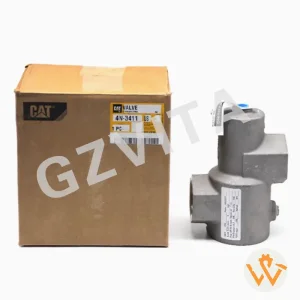
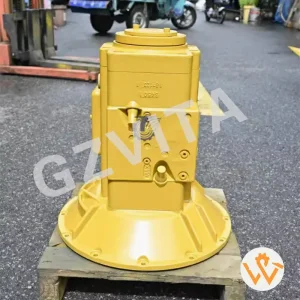
Explore our high-performance parts engineered to optimize efficiency and minimize downtime in harsh working environments.
Skid steer loaders are the workhorses of modern construction, agriculture, and municipal maintenance industries. However, the true productivity of these compact machines is decided at the point of physical contact with the earth: the skid steer bucket teeth. Ground Engaging Tools (GET) serve as the primary wear interface during heavy excavation, site preparation, and material handling tasks. Selecting high-grade, custom-engineered bucket teeth directly impacts the mechanical leverage of the machine, fuel efficiency, system structural stress, and overall hourly operational costs.
Historically, the market relied on one-size-fits-all casting designs. However, modern commercial pressures require custom material formulations and tailored geometries to cope with abrasive soils, frozen ground, high-impact rock formations, and mixed clay. As global infrastructure demands escalate, project operators are shifting away from cheap generic replacements to specialized, custom-forged or high-performance cast bucket teeth designed to optimize specific application cycles.
Internationally, the demand for skidsteer bucket teeth is driven by urbanization, high-density utility trenching, and agricultural automation. In North America and Europe, operators demand fast-change tooth systems that minimize downtime during cold-weather seasons. Meanwhile, fast-growing infrastructure networks in regions like the Middle East and Asia-Pacific demand teeth with superior thermal stability and extreme abrasion resistance to withstand silica-rich soils and rocky terrains.
As a response to these localized challenges, manufacturers are adopting digital simulation technologies—such as Finite Element Analysis (FEA) and Computational Fluid Dynamics (CFD)—to analyze soil flow patterns across the bucket edge. This ensures custom bucket teeth maintain self-sharpening profiles, ensuring the skid steer does not lose penetration capabilities as the outer alloy wears away.
Understanding the difference between casting and forging is critical when specifying custom skid steer bucket teeth for specific operational tasks. Below is an engineering overview comparing these two manufacturing methods, helping procurement departments align components with their mechanical stress profiles.
| Technical Characteristic | Precision Cast Bucket Teeth | Forged Ground Engaging Tools |
|---|---|---|
| Manufacturing Method | Molten steel poured into ceramic or sand molds. Ideal for complex geometries and internal cavities. | Solid steel billet heated and shaped under extreme mechanical pressure. Aligns the internal grain structure. |
| Grain Refinement | Randomized grain structure; suitable for standard wear applications. | Directional, continuous grain structure; offers superior fatigue and impact resistance. |
| Material Hardness (HRC) | Typically 45–48 HRC (Through-hardened using alloy formulations). | Up to 48–53 HRC (Highly consistent hardness through the entire section). |
| Impact Toughness (Joules) | Moderate-to-high toughness, depending on specific heat treatment cycles. | Exceptional impact toughness; highly resistant to cracking or breaking in rocky soils. |
| Cost-to-Benefit Ratio | Highly cost-effective for general construction, soft soil, and agricultural use. | Higher initial cost, but delivers lower cost-per-hour in high-impact rock or demolition conditions. |
Custom bucket teeth are not made of simple carbon steel. We formulate our products using proprietary alloy compositions, integrating Chromium (Cr), Nickel (Ni), Molybdenum (Mo), and Manganese (Mn) to optimize tensile strength, toughness, and wear characteristics. Chromium increases the material's hardenability and wear resistance, while Molybdenum prevents temper brittleness and maintains toughness under heavy cyclic impact loading.
Our precise heat-treatment process involves a computer-controlled water/polymer quenching system followed by tempering cycles. This process yields a martensitically hardened structure that resists abrasive wear from silica and granite while maintaining a ductile core to absorb sudden mechanical shocks without structural failure.
Different work environments subject skid steer bucket teeth to different stresses. Our custom manufacturing options are optimized for these diverse tasks.
Requires teeth with high surface hardness (HRC 50+) and self-sharpening profiles. Our specialized sand teeth prevent sand buildup and minimize drag, extending the machine's battery or fuel efficiency.
For operations dealing with fractured limestone, concrete debris, and frozen clay, our forged teeth provide high impact toughness, preventing snapping and tooth breakage under high breakout force.
Optimized for utility trenching, tree planting, and fertilizer handling. We supply lightweight, sharp profiles that minimize ground disturbance while allowing smooth, low-drag penetration.
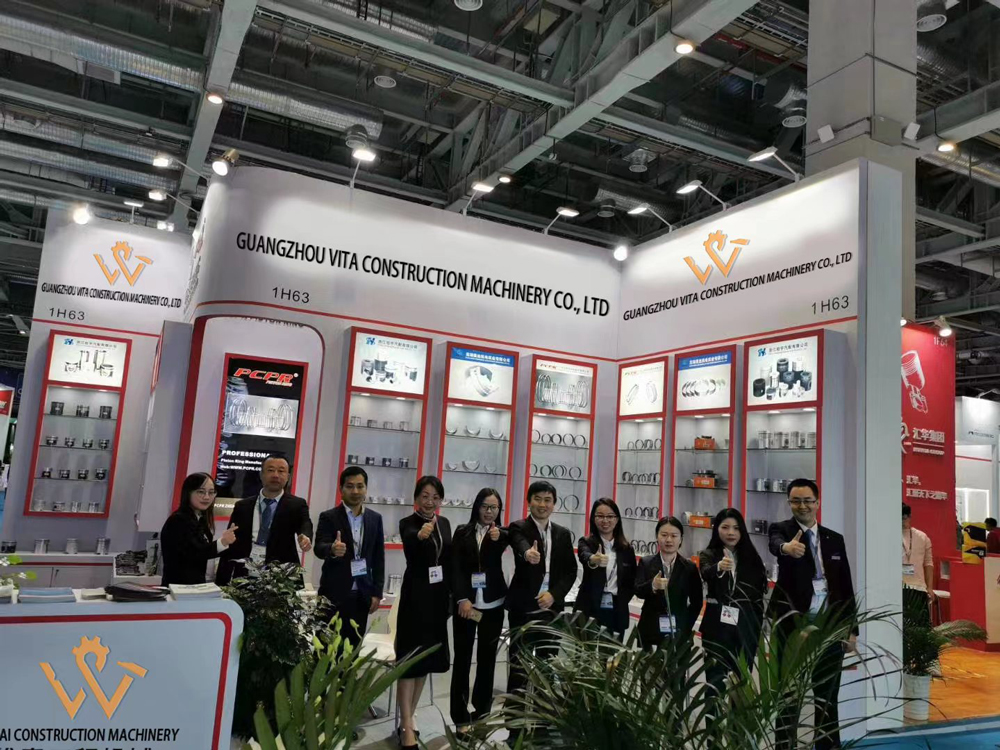
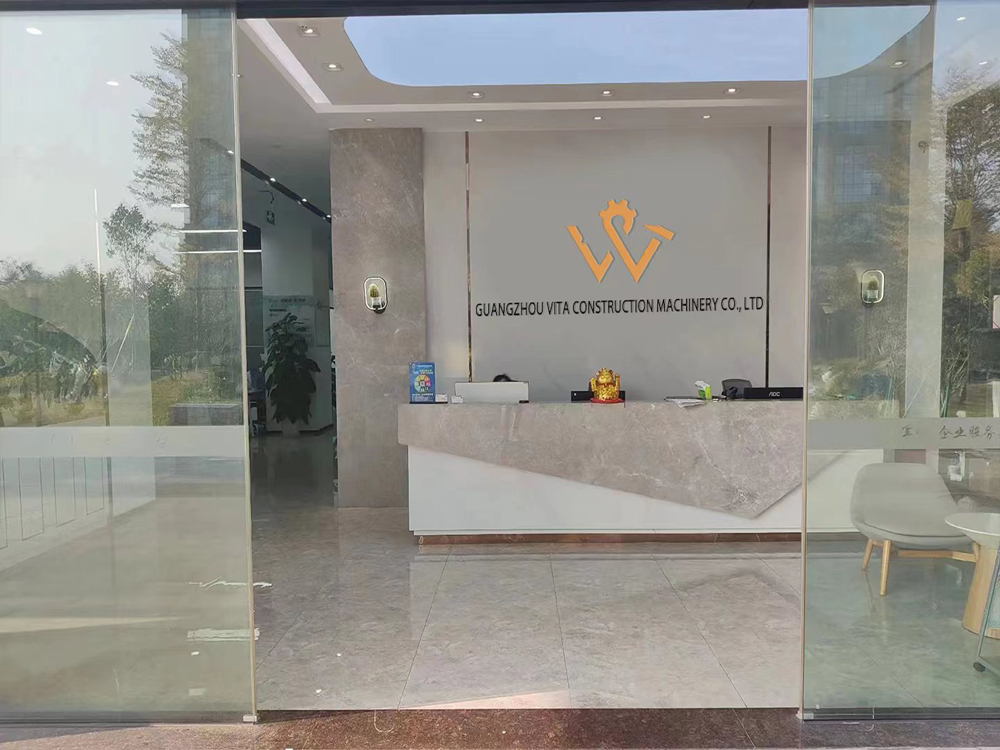
Guangzhou Vita Construction Machinery Co., Ltd. – Leading Manufacturer and Global Supplier of Industrial Machinery Components
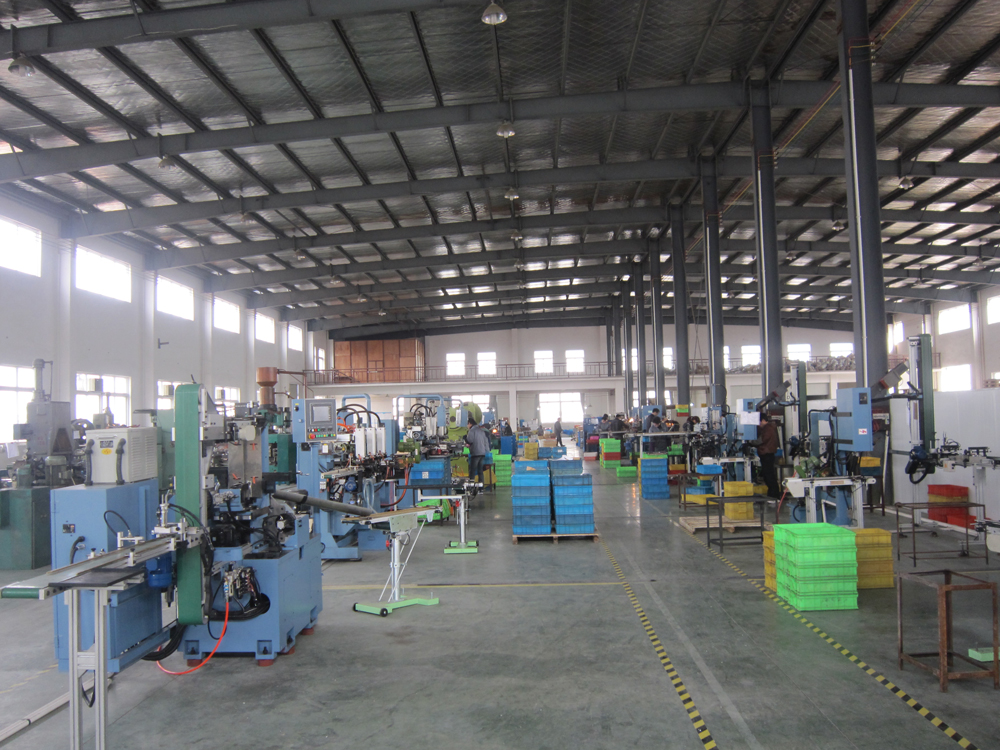
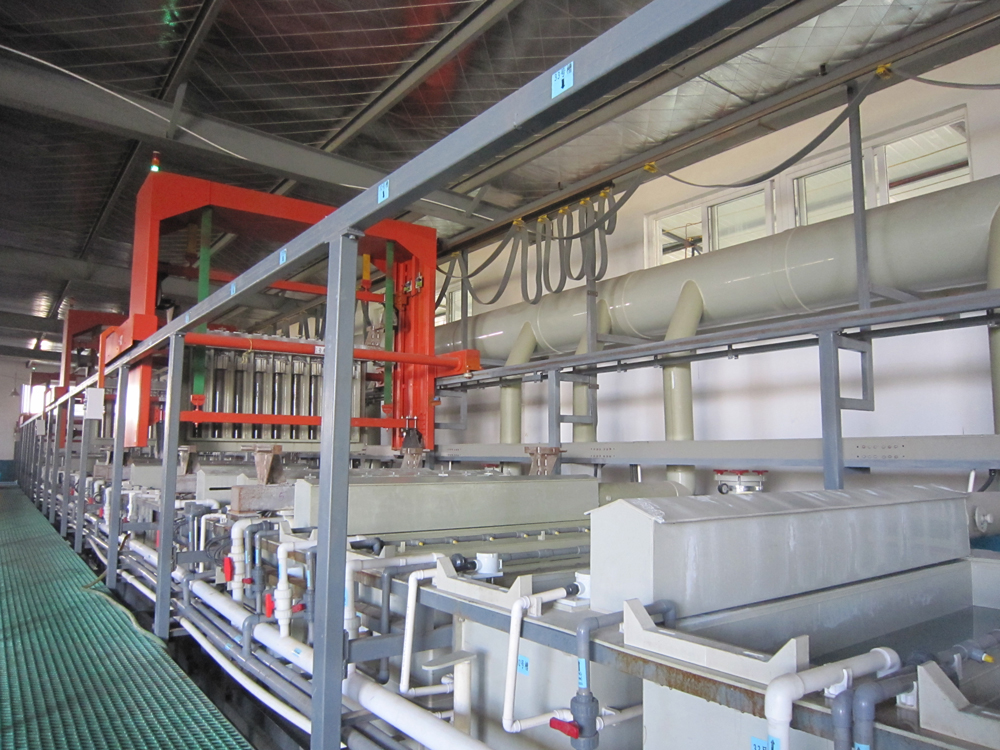
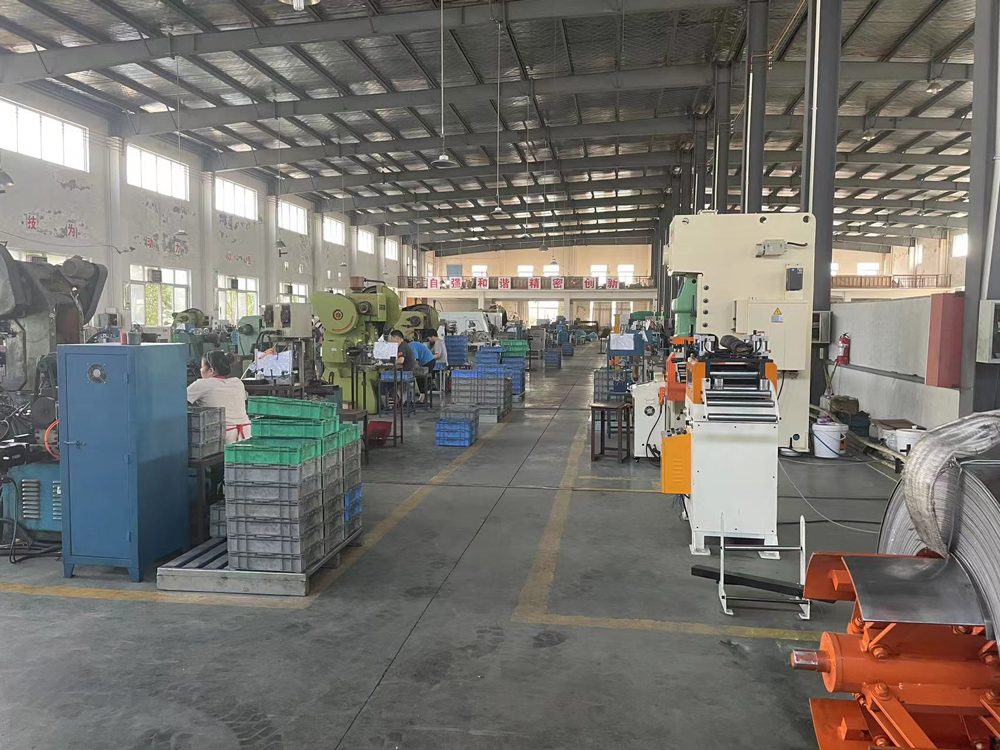
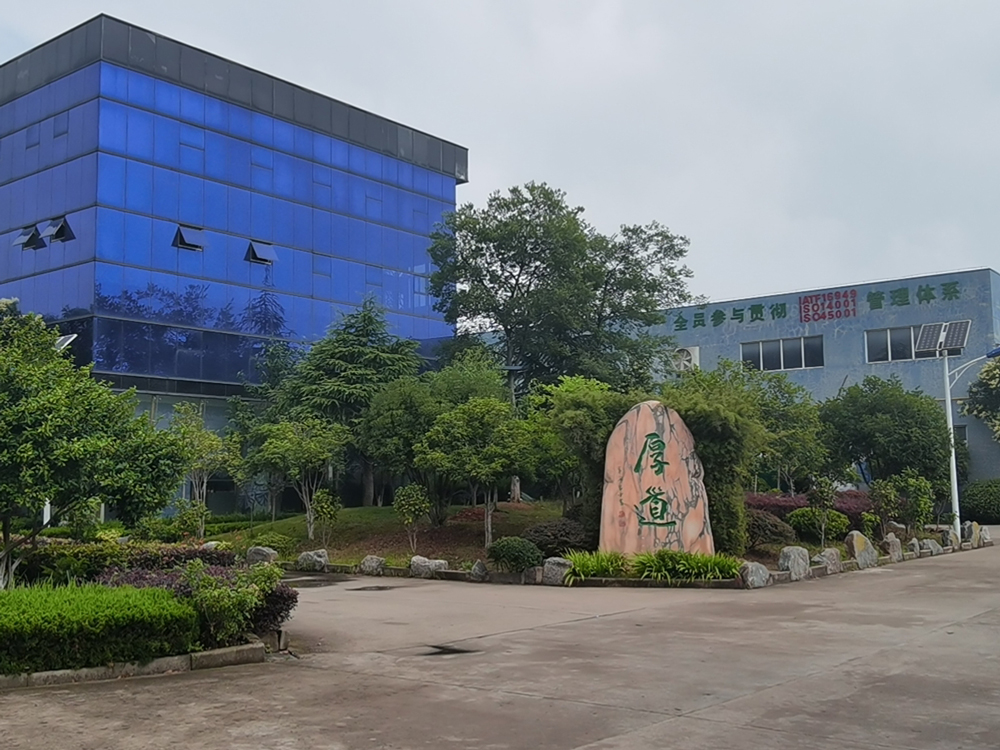
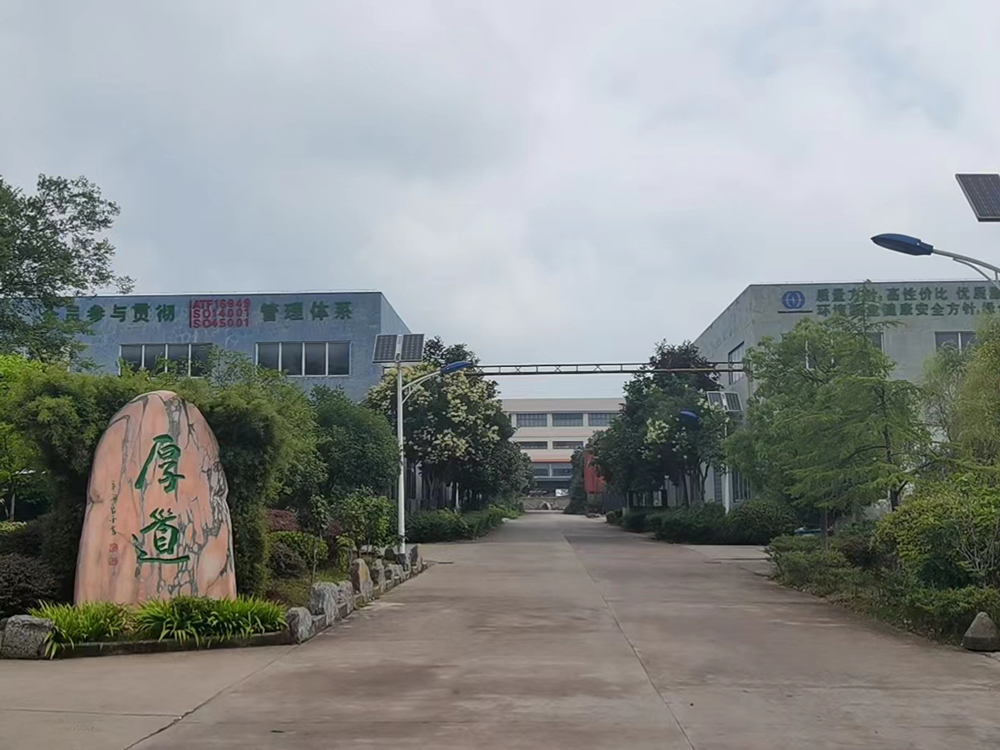
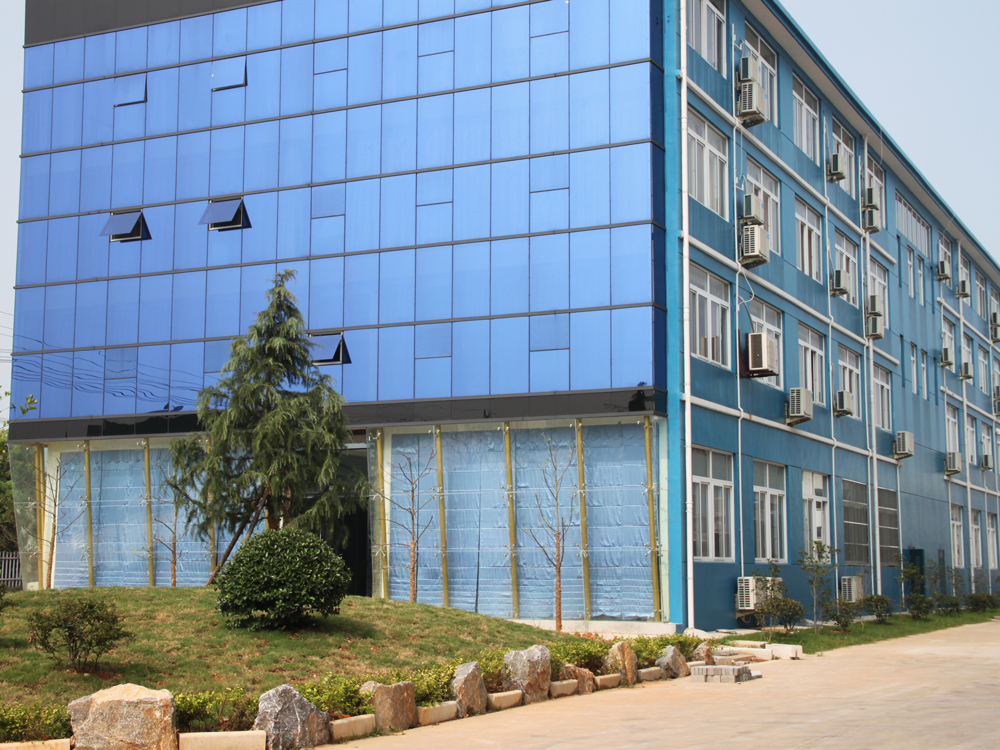
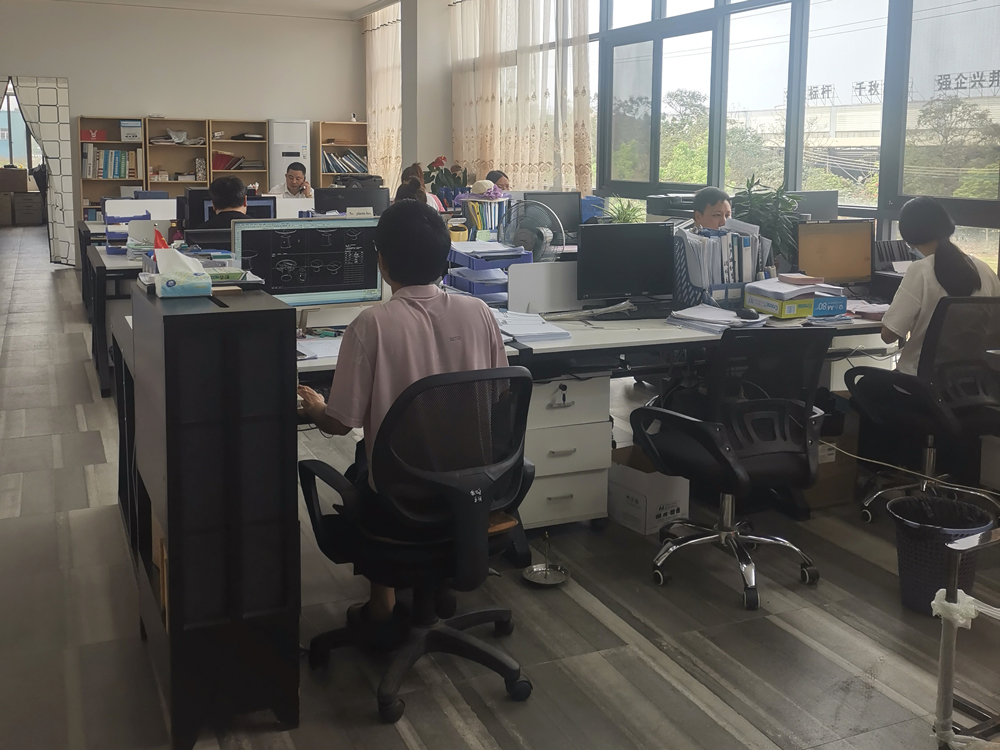
Guangzhou Vita Construction Machinery Co., Ltd. is one of the largest companies combining heavy manufacturing and international trade. Our production facility is located in Xiangyang City, Hubei Province, spanning a modern workshop of over 18,000 square meters. Equipped with advanced automated forging lines, precision casting machinery, and testing equipment, our factory relies on 278 well-trained, skilled workers and an engineering team of 8 experienced engineers. This structure ensures strict quality control, fast delivery, and customizable engineering options.
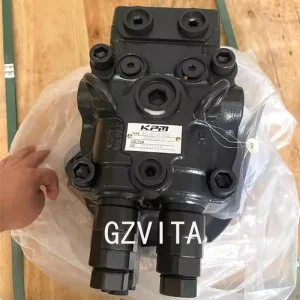
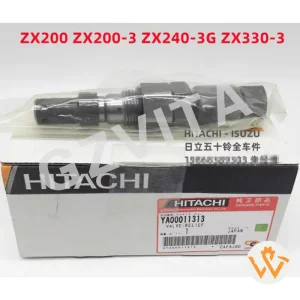
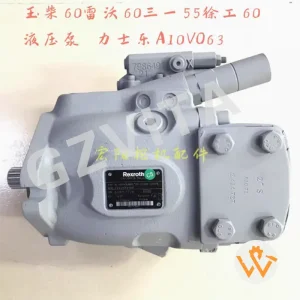
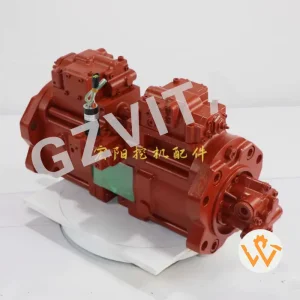
We specialize in the development, manufacture, and global distribution of construction machinery components. Our product catalog covers engine assemblies, hydraulic piston pumps, final drives, diesel generating sets, crankshafts, engine valves, gear pumps, cylinders, filtration systems, excavator and skid steer buckets, and undercarriage components. Our parts serve as reliable replacements for global equipment brands, including Komatsu, Volvo, Sumitomo, Caterpillar, Kubota, Hitachi, John Deere, Kobelco, Hyundai, Kato, Sany, XCMG, and Sunward.
In modern construction, machinery reliability determines project profitability. We focus on strict quality control throughout manufacturing, using ultrasonic defect detection and hardness testing to ensure every part delivers consistent, reliable field performance.
We provide full-scope engineering support. In addition to manufacturing components, we help fleet managers troubleshoot issues involving system balance, wear optimization, and hydraulic pump flow rates.
Our dedicated technical team is available to assist fleet operators with field assessments and installation support globally. This ensures new components integrate smoothly with your existing equipment platforms.
Take a look inside our 18,000-square-meter manufacturing plant located in Hubei Province, where our engineering and quality control processes are carried out.
As heavy machinery shifts toward electrification and smart monitoring, Ground Engaging Tools are also evolving. Below is our technology roadmap designed to keep our custom products aligned with future equipment developments.
We are exploring the addition of small amounts of Boron and Titanium to our alloy formulations. This modification improves overall grain structure consistency, allowing cast and forged bucket teeth to maintain higher fracture toughness even at low sub-zero working temperatures, which is critical for cold-weather operations.
To reduce unexpected downtime, our upcoming components will feature built-in mechanical wear indicators. These indicators display visual color changes or structural markers when a tooth has worn down by 80%, notifying operators that a replacement is needed before the bucket adapter itself is damaged.
In line with global sustainability initiatives, our foundry in Hubei Province is incorporating energy-efficient induction melting furnaces. This technology reduces carbon emissions during casting and heat treatment by 15%, delivering a more eco-friendly product without compromising steel hardness or impact strength.
Find answers to common questions about selecting, maintaining, and replacing skid steer bucket teeth.
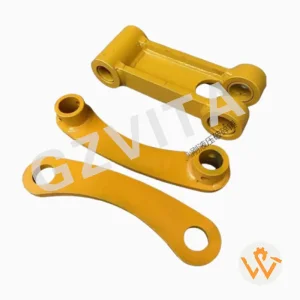
Select from our range of precision-manufactured parts, engineered for durability and direct OEM compatibility.
 Vita Construction