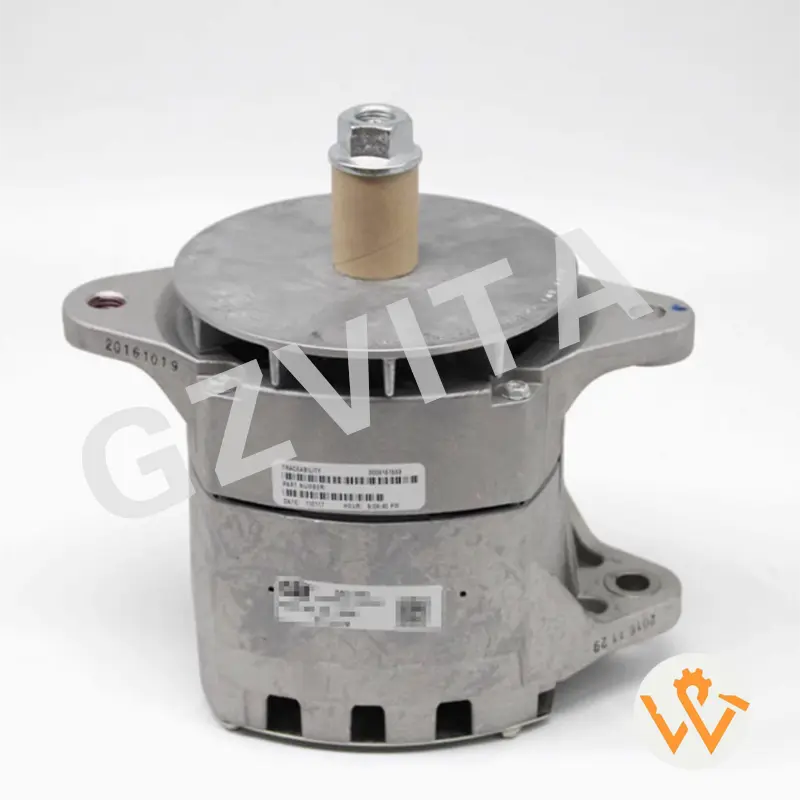
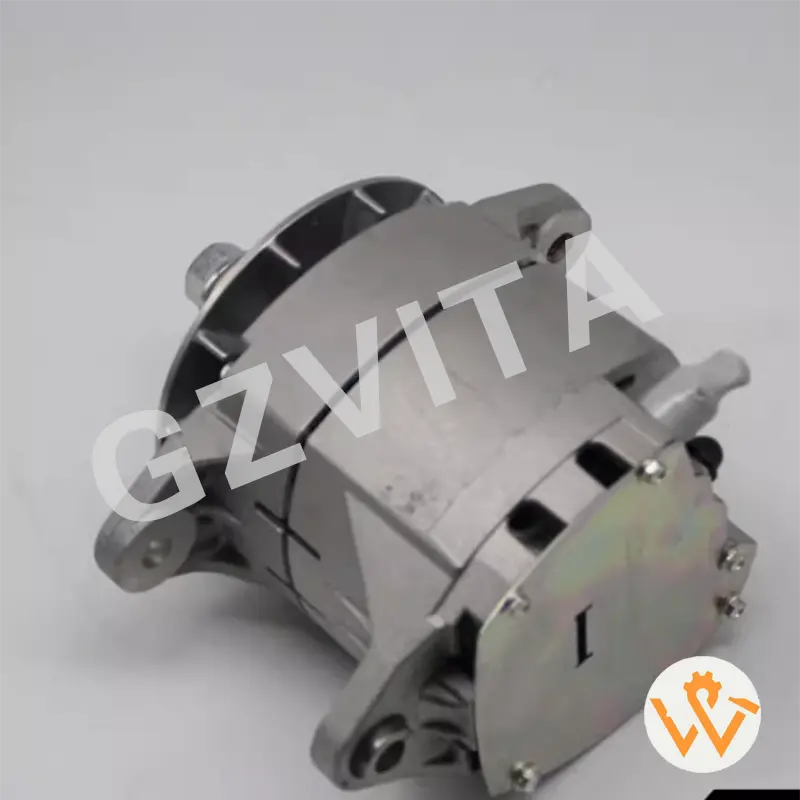
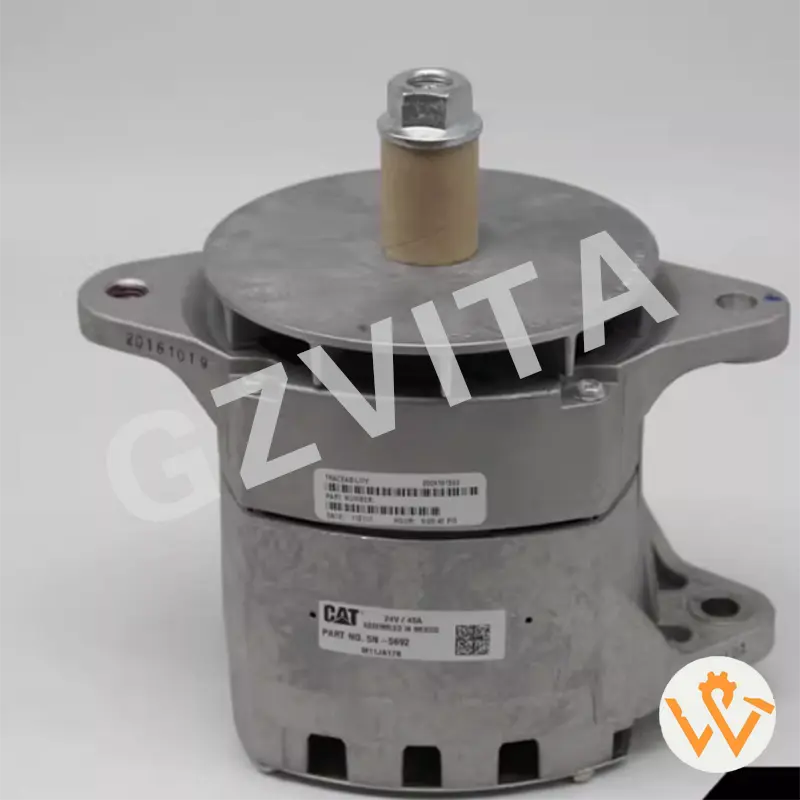
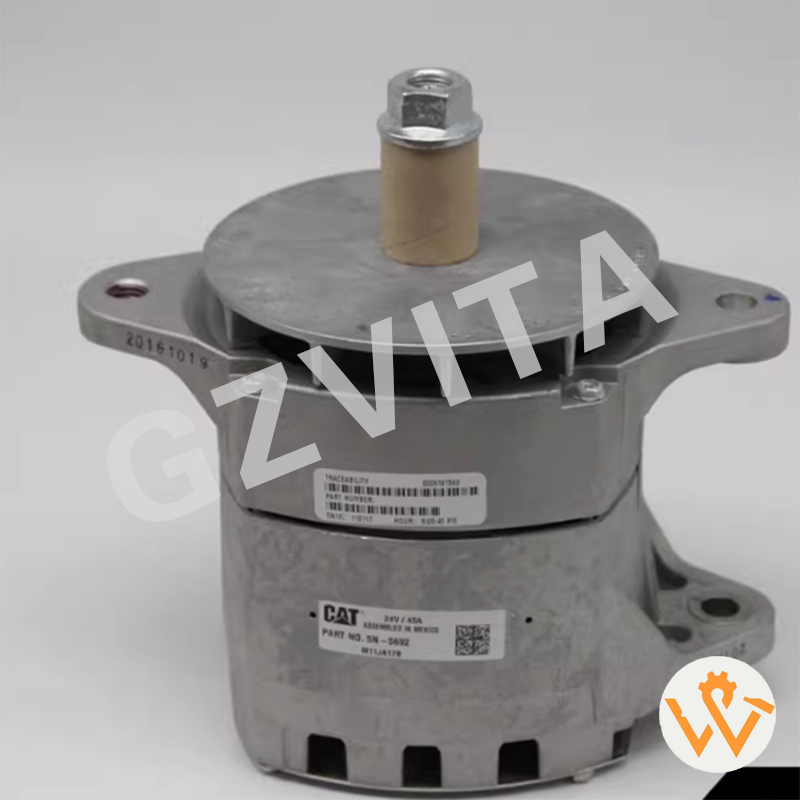
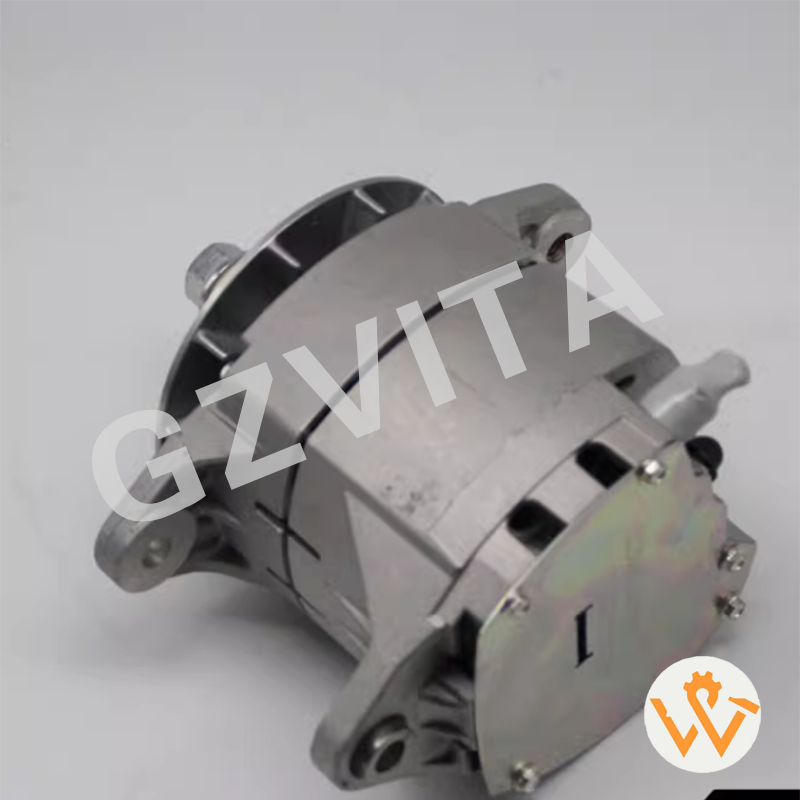
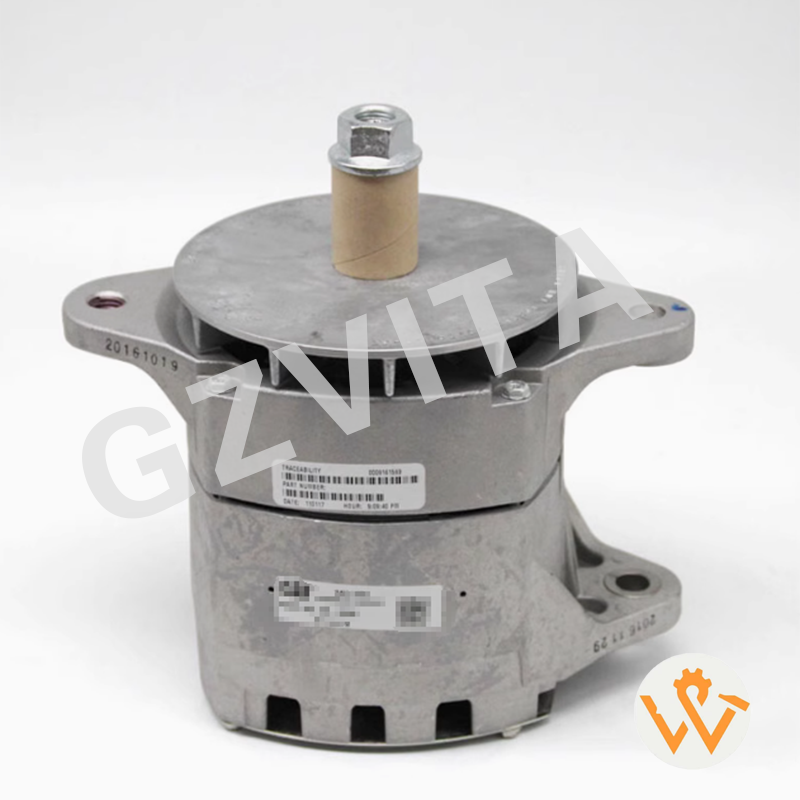
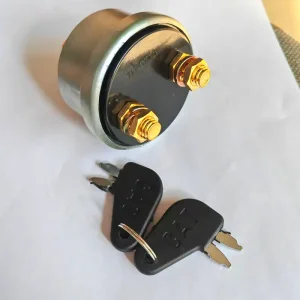
Introduction to Alternator GP-Charging
The alternator in an excavator, often referred to as the GP (General Purpose) charging alternator, plays a critical role in the machine’s electrical system. It is responsible for generating electrical power to charge the battery and supply energy to various electrical components and systems within the excavator. Here’s an overview of its functions and importance:
Frequently Asked Questions (FAQ)
What is the primary function of an excavator alternator?
The primary function of the alternator GP-charging is to convert mechanical energy from the engine into electrical energy, which charges the battery and powers the excavator's electrical systems during operation.
How does the alternator charge the excavator battery?
While the engine is running, the alternator generates alternating current (AC), which is converted to direct current (DC) to continuously charge the battery, ensuring the machine can start and run its electrical systems.
Why is the voltage regulator important in the alternator?
The built-in voltage regulator maintains a consistent electrical output, protecting the battery and sensitive electrical components from damage caused by overcharging or undercharging.
Can a faulty alternator affect fuel efficiency?
Yes. An inefficient alternator puts more load on the engine and may fail to power systems properly, which can lead to increased fuel consumption and higher operational costs.
How do modern alternators help with diagnostics?
Many advanced alternators feature integrated diagnostic systems that monitor performance and voltage output, allowing operators to detect and fix potential issues before they cause electrical failure.
 Vita Construction