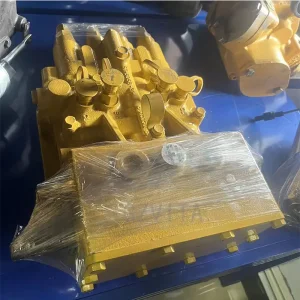
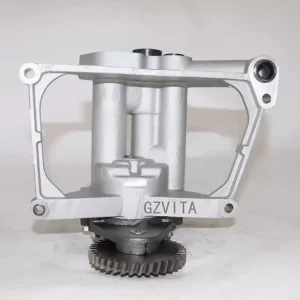
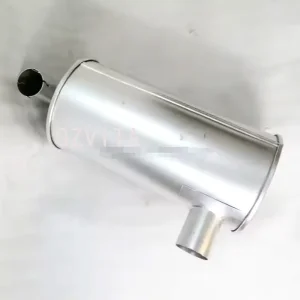
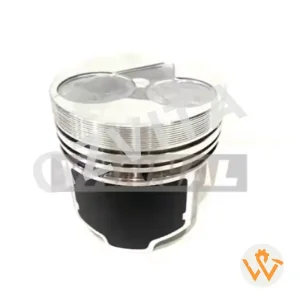
Explore our premium engineering range supporting top global brands including CAT, Yanmar, Perkins, and Hitachi. Built for demanding mechanical load limits.
In modern engine manufacturing, the engine cylinder sleeve (or cylinder liner) represents one of the most critical boundary layers between mechanical energy conversion and thermal containment. Its engineering design directly influences internal combustion efficiency, emissions profile, oil consumption metrics, and total operational lifespan.
Dry sleeves are press-fit into the cylinder block with thin-walled structures (typically 1.5mm to 3mm). They do not make direct contact with the engine coolant. Rather, heat transfers from the liner through the block casting. This configuration requires high-precision dimensional tolerances to prevent localized hot spots.
Wet sleeves come into direct contact with the liquid coolant, utilizing specialized rubber O-rings or metallic sealing gaskets to isolate the crankcase. This design provides maximum heat dissipation, which is highly preferred in heavy-duty engines, commercial construction machinery, and marine drives.
Premium sleeves rely on centrifugally cast boron-alloyed gray cast iron. The centrifugal process forces impurities inward, yielding a dense, wear-resistant outer and mid-section. Graphite structure distribution (primarily ASTM Type A) guarantees optimal lubrication retention and anti-scuffing qualities.
As environmental regulations (such as Euro VI, China VI, and EPA Tier 4/Stage V) demand cleaner burn processes, the interface between the piston ring and the cylinder liner has become a primary target for friction optimization. The industry technical roadmap highlights several key transitions:
Standard plateau honing is increasingly complemented by precision laser texturing. By creating microscopic reservoirs (oil pockets) on the liner wall, oil film thickness is sustained under boundary lubrication conditions, reducing friction losses by up to 25% without rising oil consumption.
Plasma Transferred Wire Arc (PTWA) technology allows manufacturers to spray steel alloys directly onto the aluminum cylinder bores. This eliminates the traditional iron sleeve entirely, saving weight and dramatically improving heat transfer properties in light-duty applications.
As internal combustion engines convert to hydrogen, ammonia, or methanol, the chemistry of the liner surface must change. Moisture buildup and chemical corrosion demand new ceramic composite matrices and high-nickel alloys to resist hydrogen embrittlement.
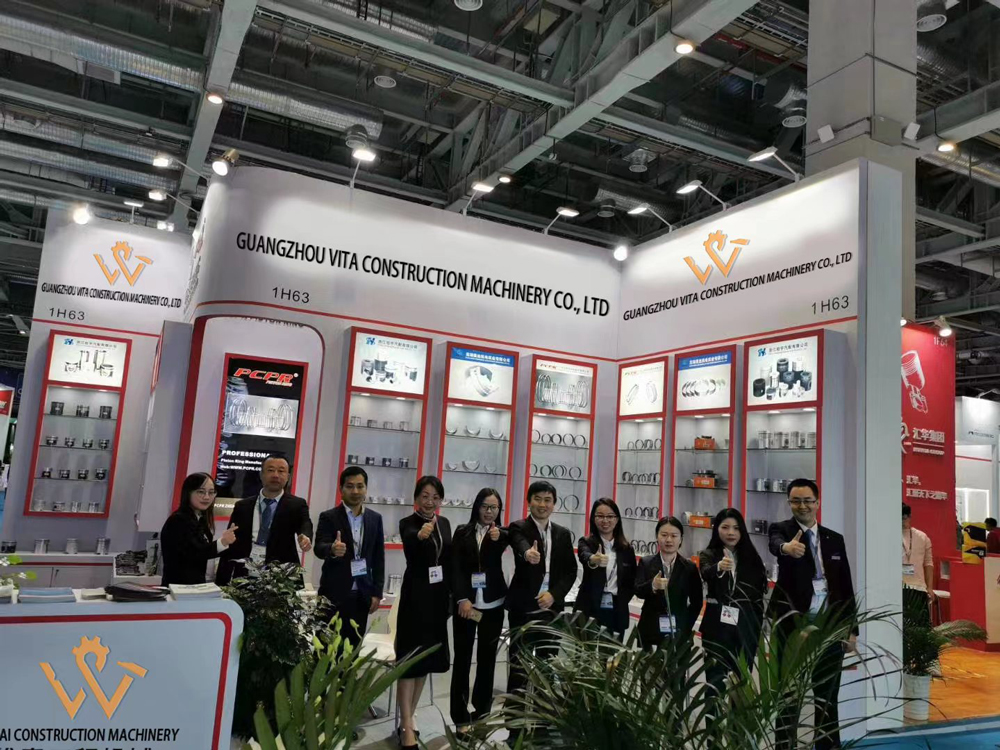
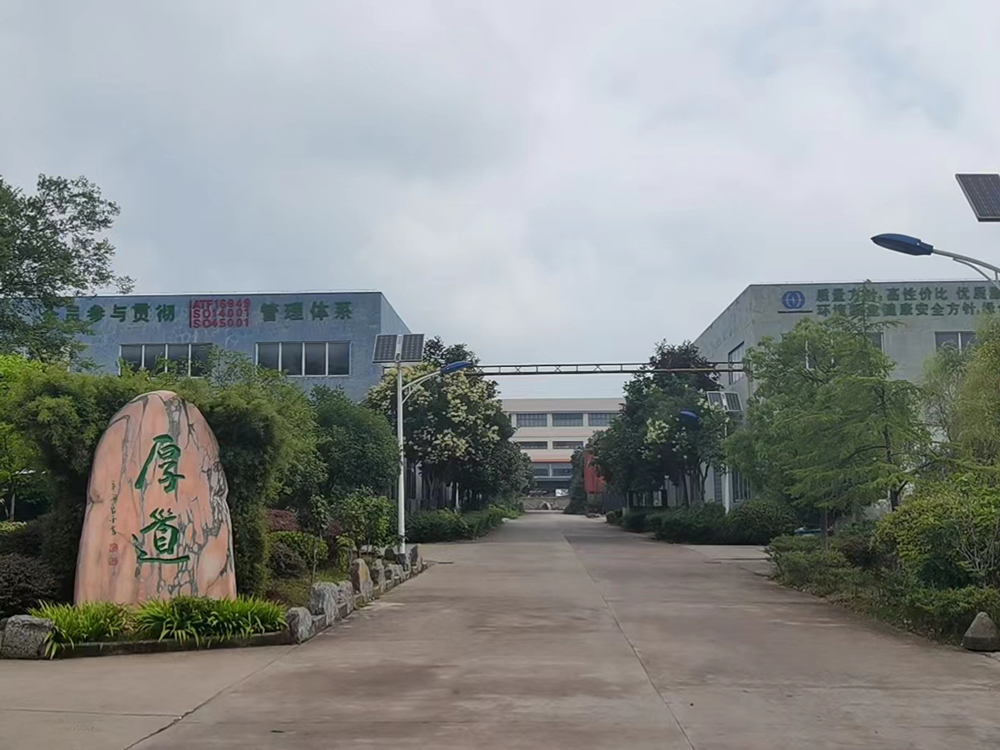
The global construction and heavy engine parts marketplace requires both extreme quality control and flexible production capabilities. This is where Guangzhou Vita Construction Machinery Co., Ltd. demonstrates its industry-leading position.
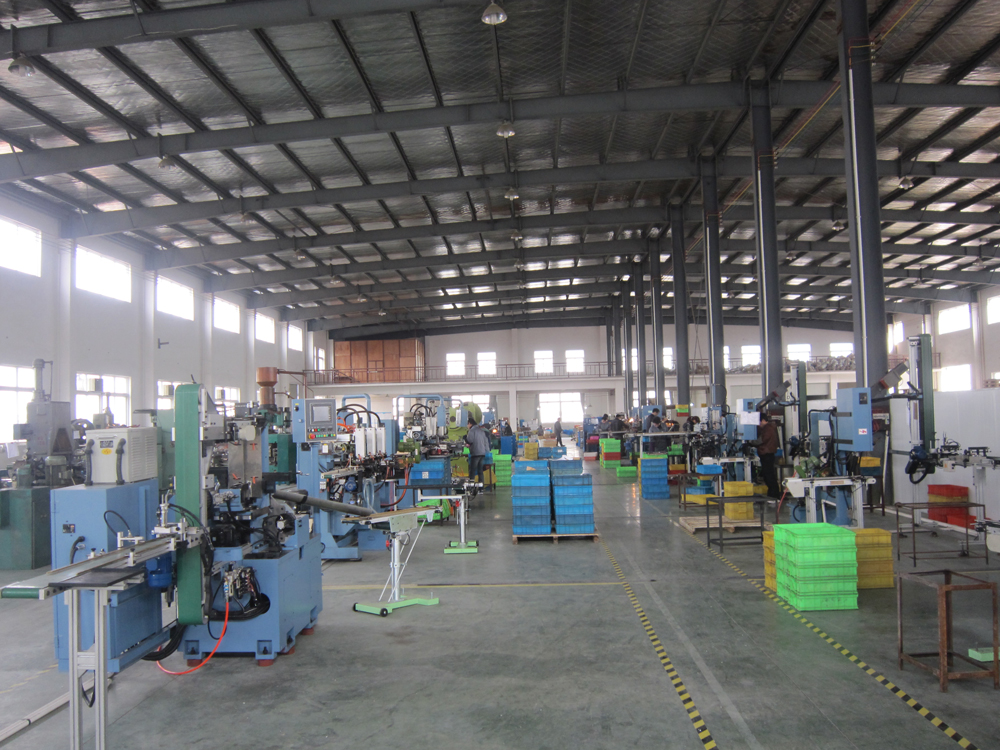
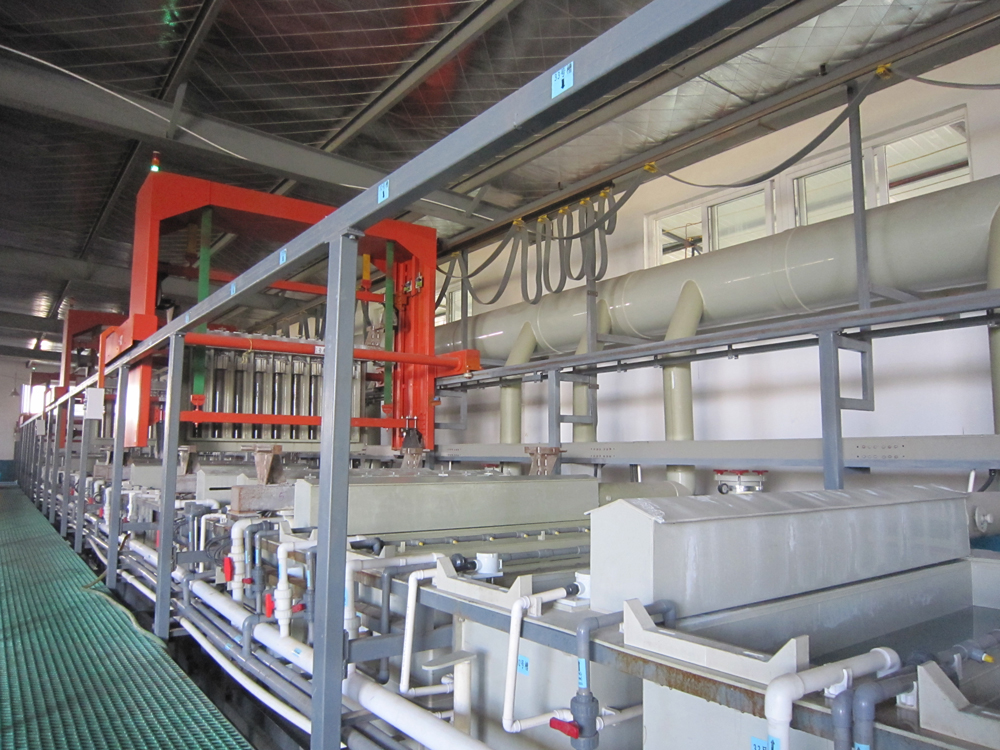
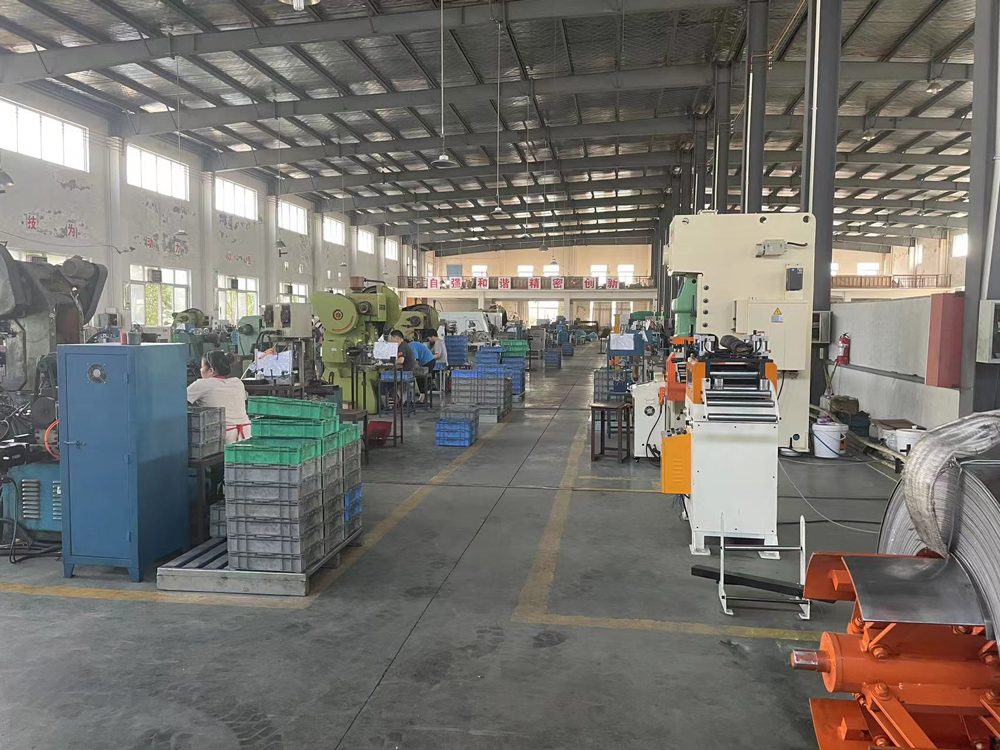
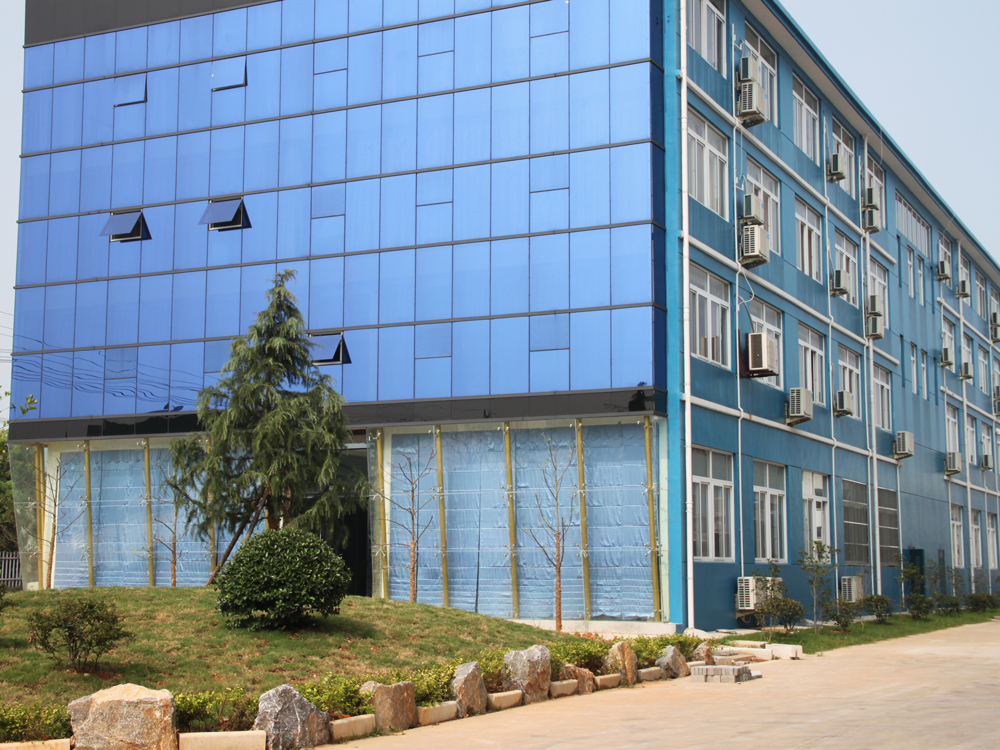
Spanning a modern 18,000 square meter workshop, the factory is equipped with advanced CNC machining centers, automated centrifugal casting machines, and high-precision cylindrical grinding lines to meet exact tolerances down to the micron.
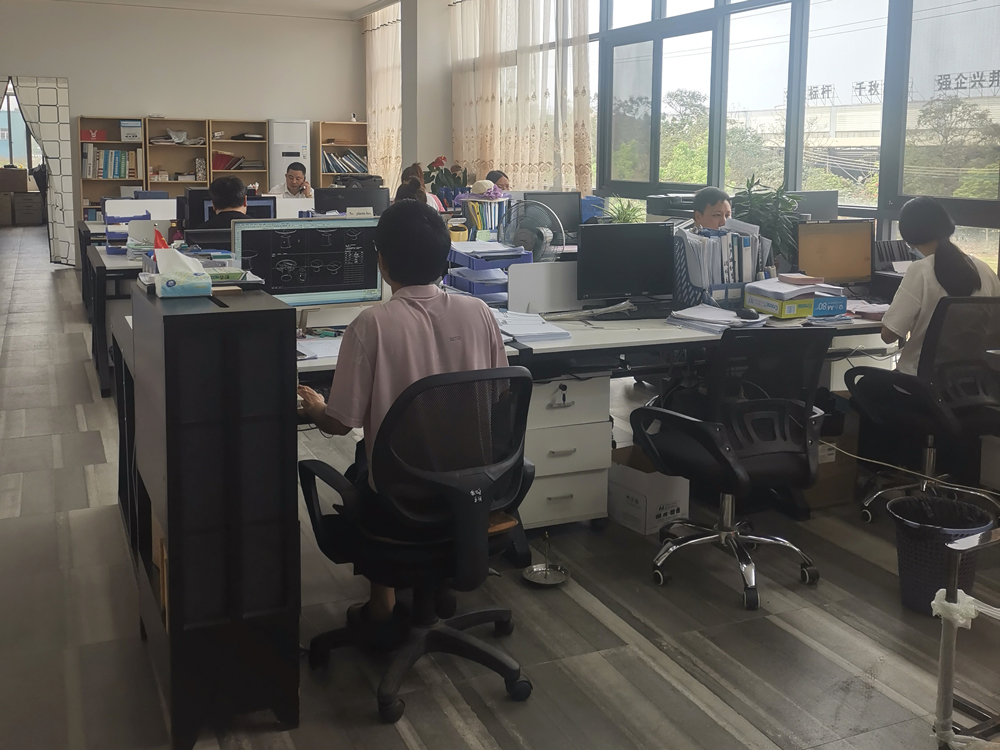
With over 278 well-trained, highly skilled operators and 8 experienced metallurgical & mechanical engineers, the facility ensures consistent execution of complex manufacturing specifications.
We develop and sell replacement engine components, hydraulic systems, and rebuild kits compatible with leading machinery: Komatsu, Volvo, Sumitomo, Caterpillar, Kubota, Hitachi, John Deere, Kobelco, Hyundai, Kato, Sany, XCMG, and SUNWARD.
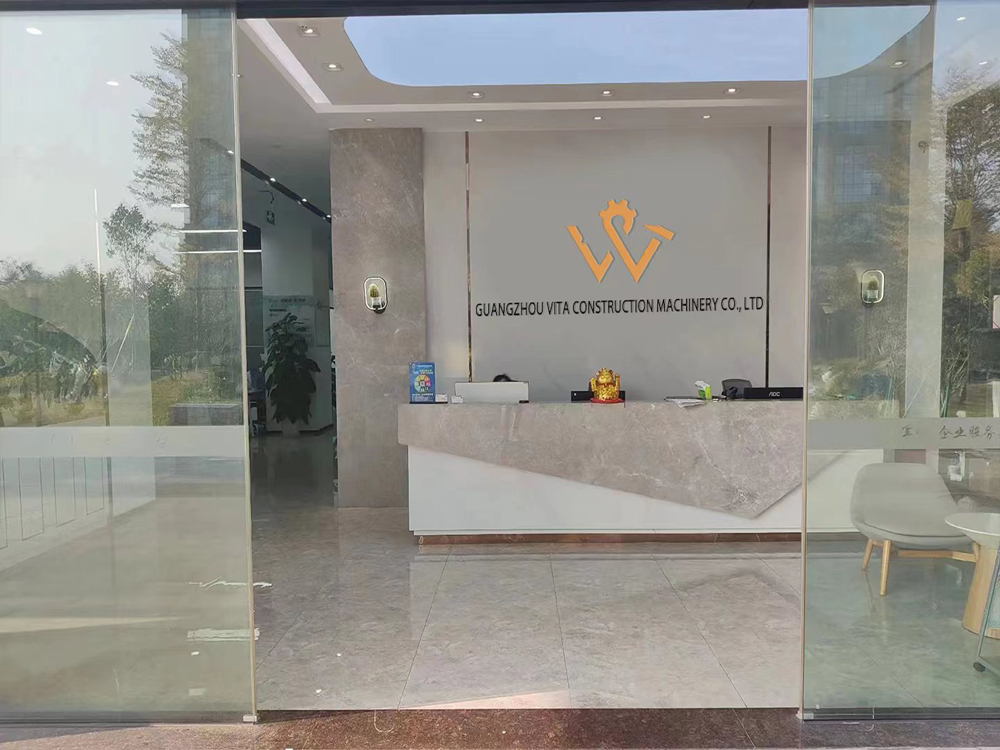
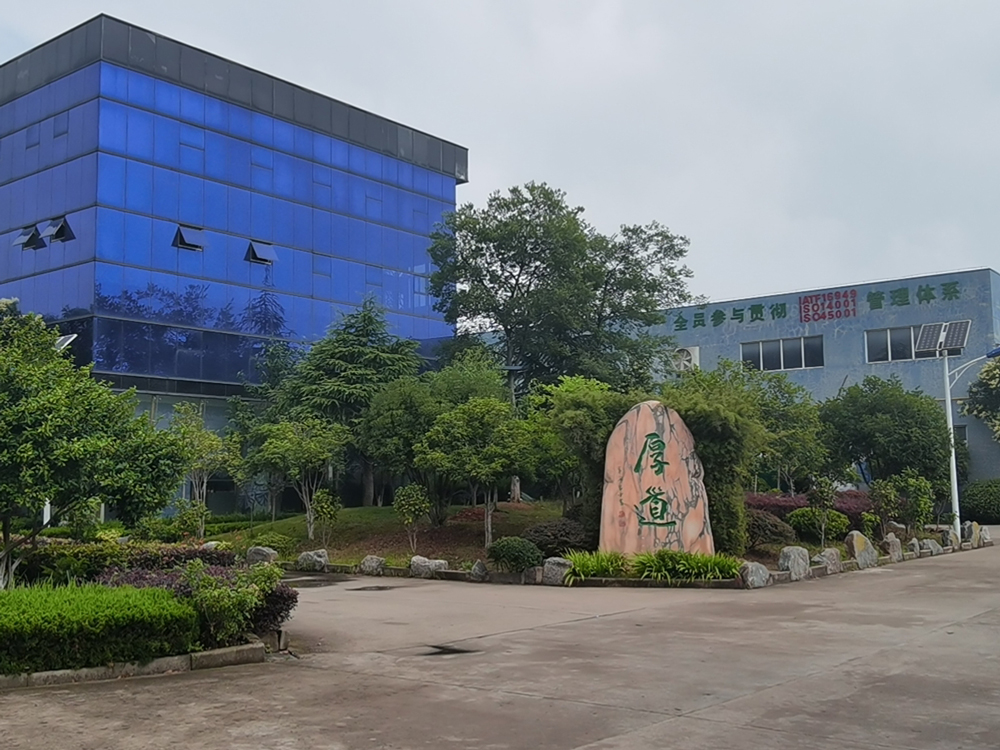
Guangzhou Vita Construction Machinery Co., Ltd. is one of the largest company that combines factory and foreign trade. The factory is located in Xiangyang City, Hubei Province, there are more than 18,000 square meters workshop with several advanced production machines, more than 278 well trained and skilled workers and around 8 experienced engineers assure the good product quality as well as fast and accurate delivery.
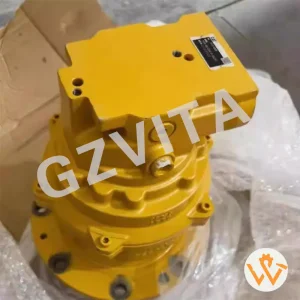
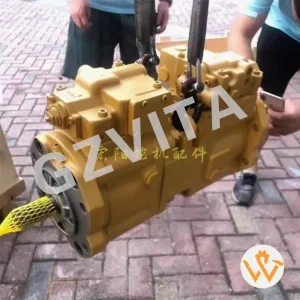
We specialize in producing, developing and selling the whole range of construction machinery parts. Such as engine assembly, hydraulic pump, final drive, electric generating set, engine bearing (Main bearings con Rod Bearing series), crankshafts, engine valves, gear pumps, cylinder, all kinds of filters, excavator bucket, undercarriage parts for excavator and bulldozer... which are used as replacement of many type of machines, the brand include Komatsu, Volvo, Sumitomo, Caterpillar, Kubota, Hitachi, John Deere, Kobelco, Hyundai, Kato, Sany, XCMG, SUNWARD, and other well-known brands.
In the fast-paced world of construction, the reliability and efficiency of your machinery can make or break a project. We understand that high-quality parts are essential for optimal performance. So we aim to provide top-notch construction machinery parts to keep customer's machinery running smoothly.
To improve our service, we set up engine maintenance development. In addition to providing customers with engine assemblies, we can also help customers solve various technical problems encountered in the operation and assembly of engines.
We have our own professional maintenance team and can even be invited by customers to arrange for maintenance technicians to go abroad to help customers repair engines.
Industrial engines operate under highly diverse environmental and mechanical stress conditions. The cylinder liner design must adapt to regional and industrial microclimates:
In the Middle East and African mining sectors, ambient temperatures exceed 45°C. Under these conditions, wet cylinder sleeves are critical. They leverage high thermal conductivity alloys to prevent thermal distortion of the cylinder bore, maintaining compression integrity.
Operating heavy machinery in Siberian or Andean high-altitude regions presents cold-start cavitation challenges. Specialized alloy compositions containing higher levels of nickel and copper ensure that sleeves withstand severe thermal shocks during winter morning startups.
Coastal operations and port service vessels face high levels of salt-water corrosion. Marine cylinder liners utilize high-phosphorus gray iron with special anti-corrosive coatings to counter fuel impurities containing sulfur, which forms sulfuric acid during combustion.
For international procurement managers, compliance is not just about fitment—it is a legal and performance-guaranteeing necessity. Our cylinder sleeves are engineered to meet strict international standards, ensuring seamless field performance and legal validation:
Manufacturing facilities are certified to quality management systems that govern dimensional tolerance checks, raw material spectroscopy, and metallurgical grain structure audits for every single production batch.
Our replacement components maintain geometrical tolerances (ovality and taper) within 0.01mm. This mirrors the exact fitment profile of major OEMs such as Caterpillar, Komatsu, Volvo, and Yanmar.
Engine sleeves play a key role in minimizing oil bypass into the combustion chamber. By keeping the cylinder bore dimensionally stable, they ensure the engine meets regional Tier 4 Final/Stage V particulate and NOx regulations.
Detailed answers addressing core procurement, engineering, and maintenance inquiries regarding engine cylinder sleeves and replacement parts.
Comprehensive replacement solutions manufactured under ISO standards to guarantee operational safety under extreme heavy load dynamics.
 Vita Construction