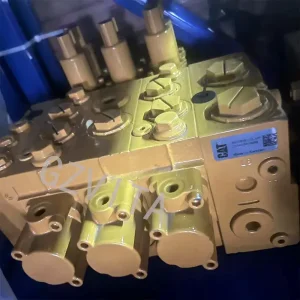
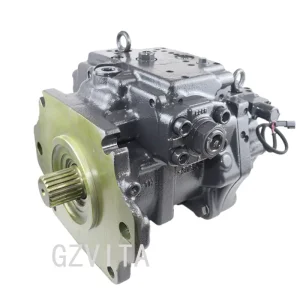
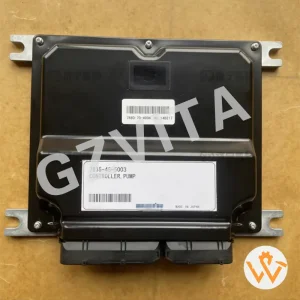
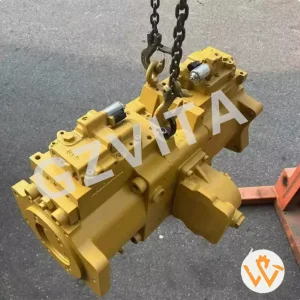
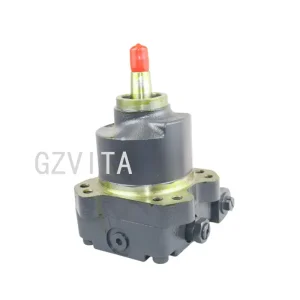
Explore our premium grade critical hydraulic pumps, control valves, system sensors, and structural engine components engineered for modern heavy excavation demands.
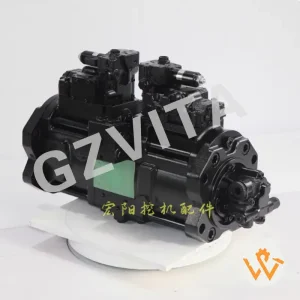
A powerhouse integration of manufacturing capacity and dynamic international trade logistics.
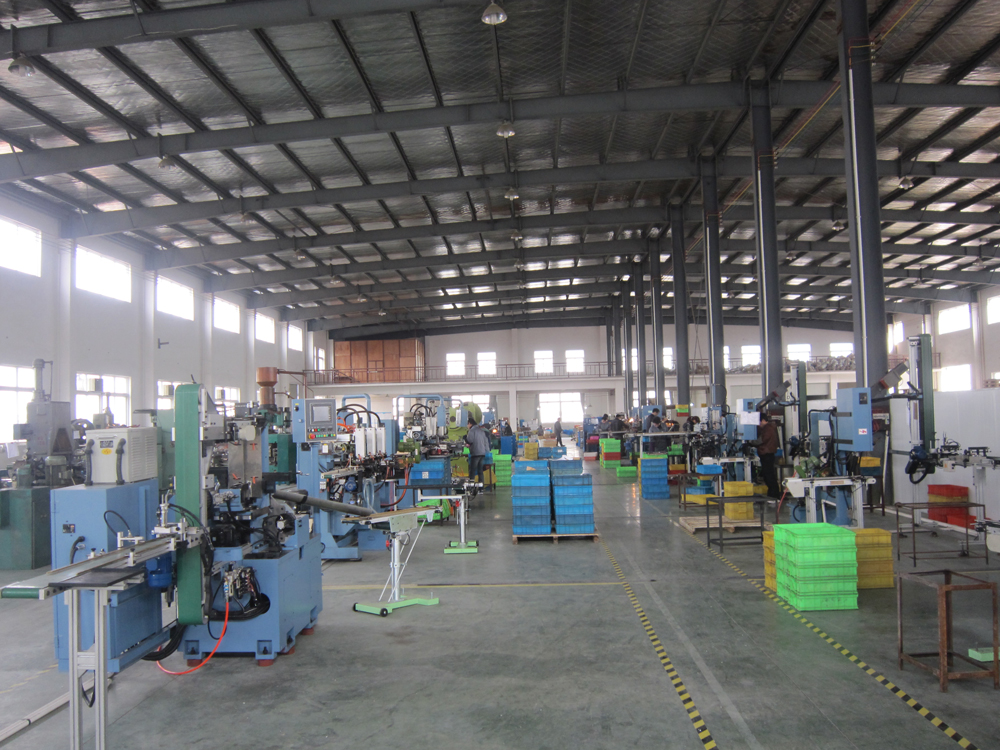
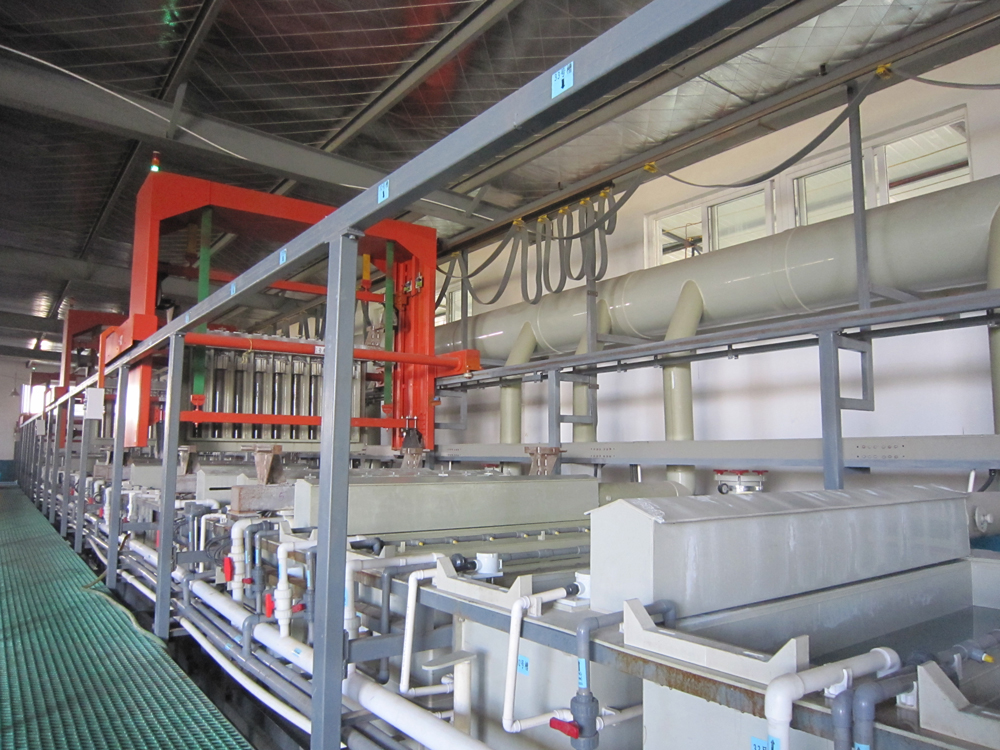
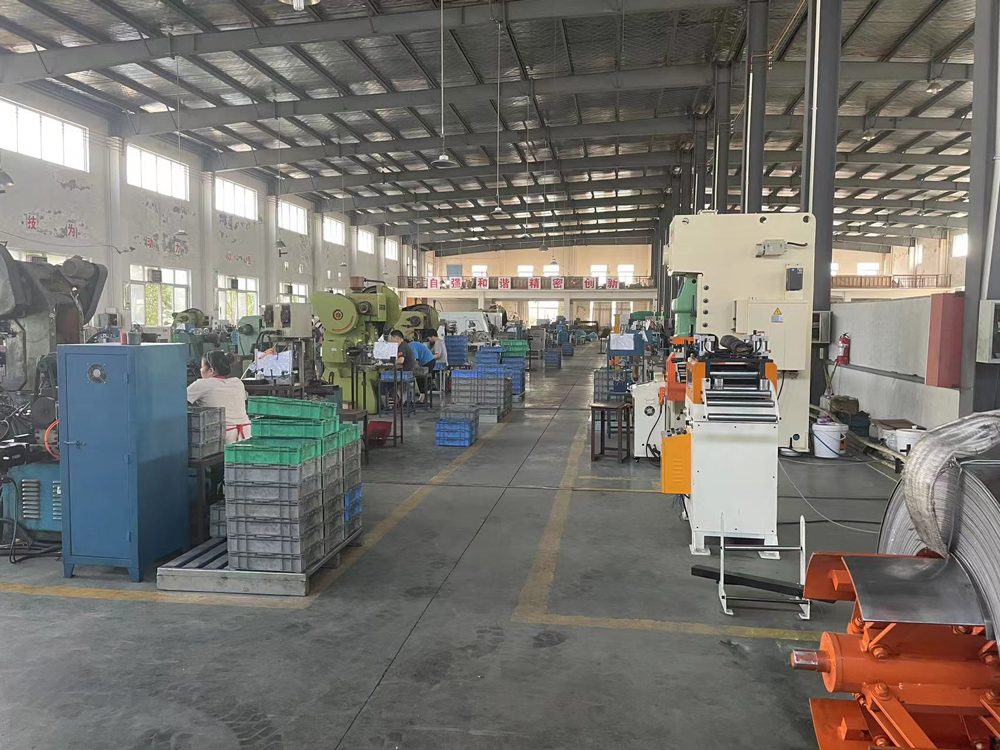
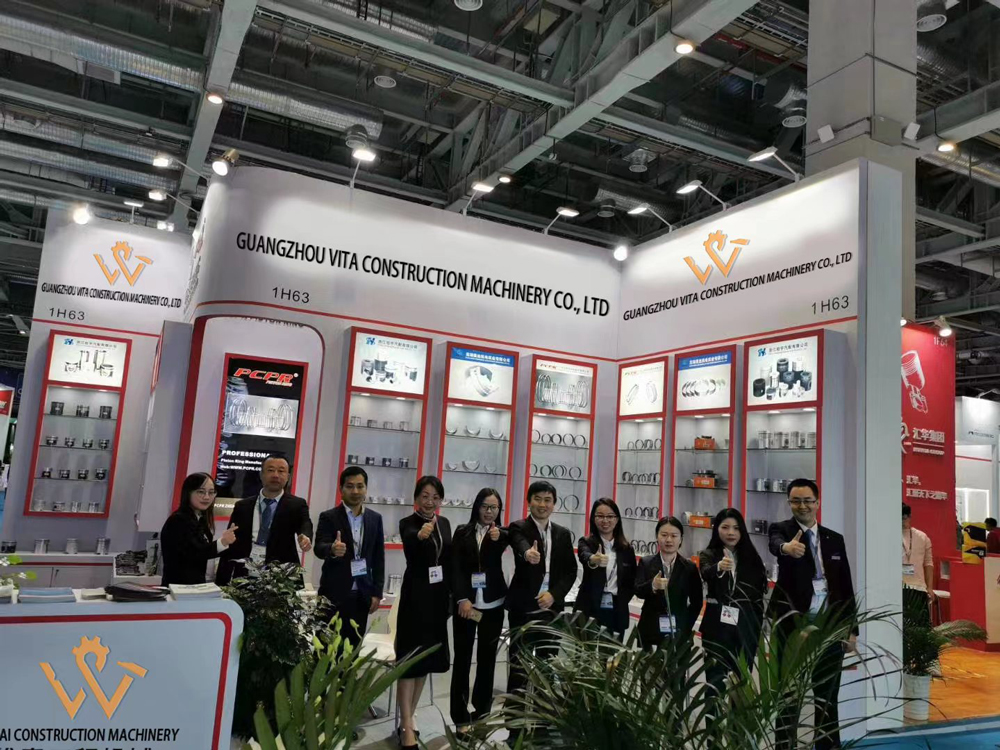
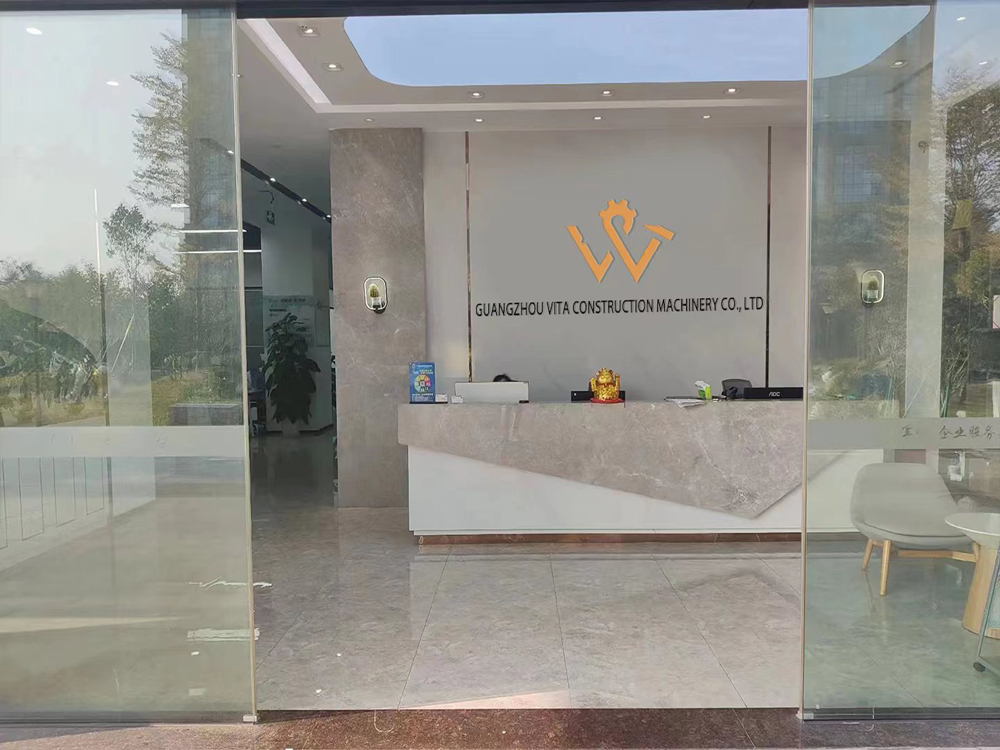
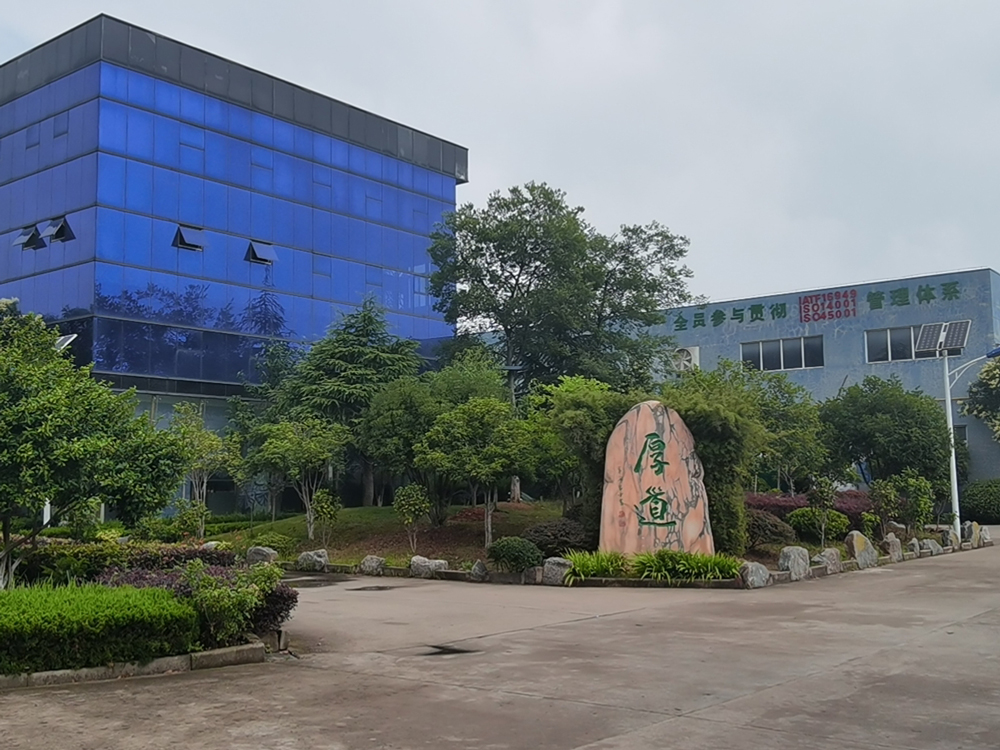
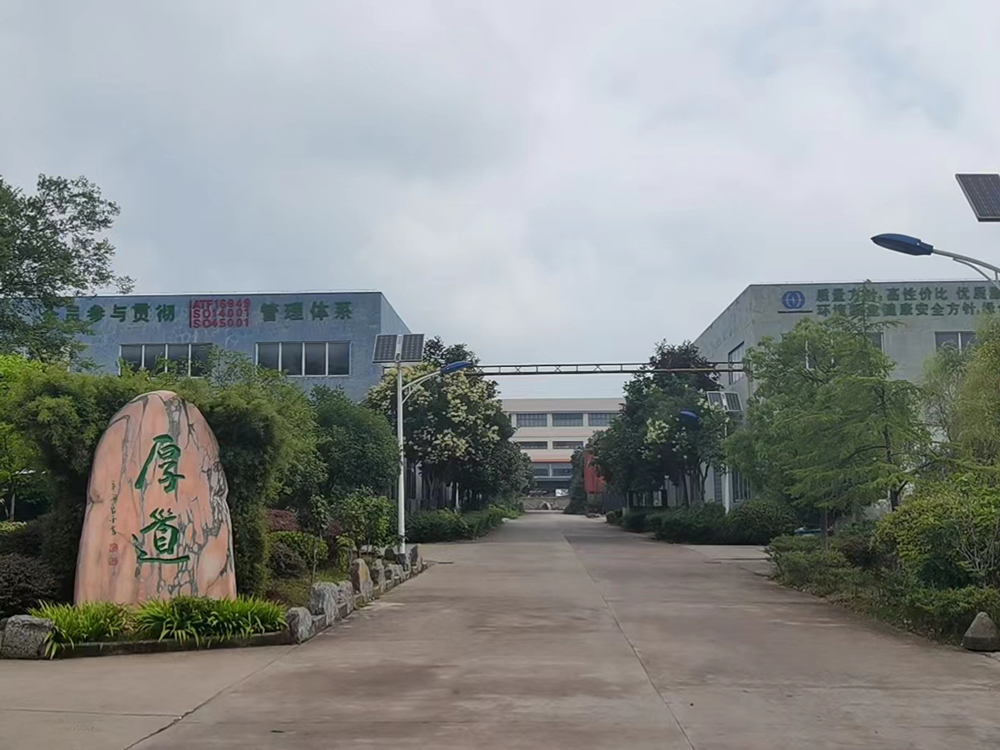
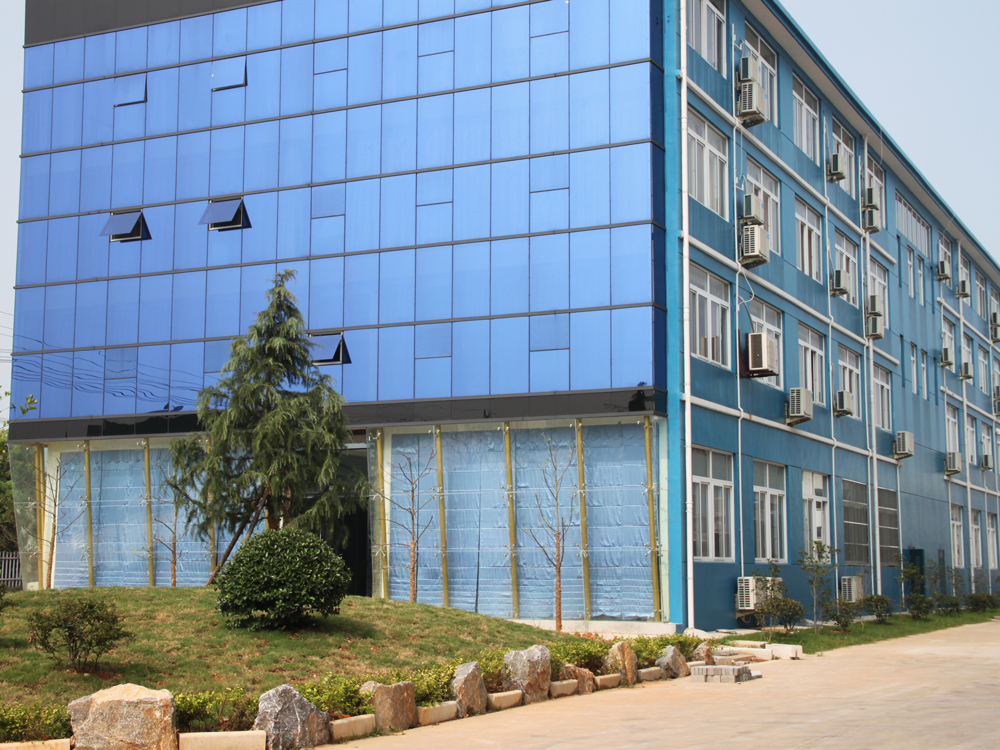
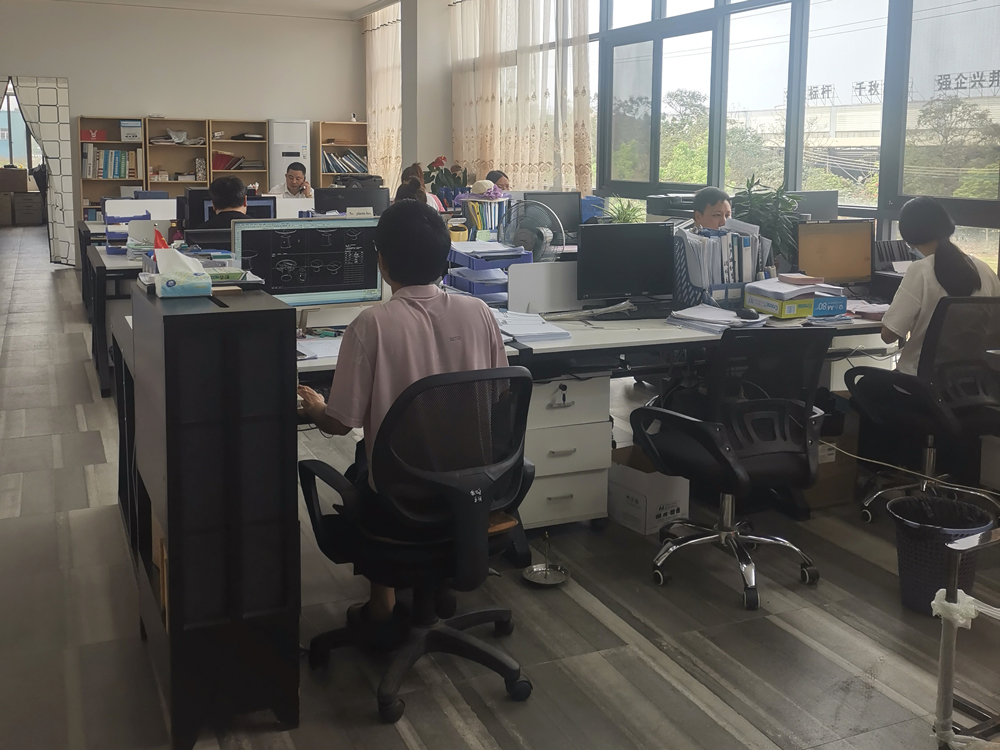
Guangzhou Vita Construction Machinery Co., Ltd. stands as an industry-leading enterprise merging advanced manufacturing technologies with premium global distribution channels. Strategically headquartered in Guangzhou, our production center resides within the heavy industrial corridor of Xiangyang City, Hubei Province. This manufacturing plant spans over 18,000 square meters of state-of-the-art workshop facilities, housing multiple advanced structural fabrication lines, computerized machining stations, and specialized thermal processing setups.
Empowered by a dedicated workforce of over 278 highly skilled technicians and managed by 8 veteran mechanical engineers, we ensure that every excavator shovel bucket and structural component leaves our factory with absolute precision, structural integrity, and long-term operating life.
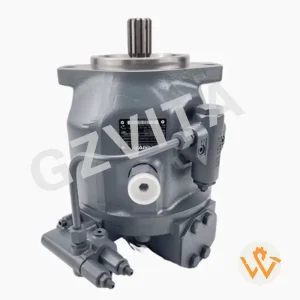
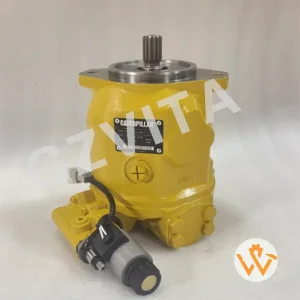
Our comprehensive production profile covers structural attachment engineering and vital engine/hydraulic systems including: engine assemblies, hydraulic piston pumps, final drives, diesel generators, engine bearings (main bearings, rod bearings), forged crankshafts, intake/exhaust valves, gear pumps, heavy cylinders, high-efficiency filtration networks, heavy-duty excavator buckets, and wear-resistant undercarriage parts for excavators and bulldozers.
Our core operational principles ensure that clients receive robust components backed by dedicated technical support.
We leverage rigorous ultrasonic weld inspections, high-tensile material assays, and stress-relieving heat treatments to guarantee maximum structural reliability. Our QA systems ensure that every excavator shovel bucket withstands harsh loading conditions without structural fatigue.
We provide diagnostic engineering support, structural compatibility modeling, and field maintenance advice. Our in-house engineering team bridges the gap between hydraulic pressure balance and structural load capacities, optimizing overall system performance.
Our global engineering network handles on-site commissioning, engine structural overhauls, and hydraulic performance tuning. We assist operations internationally, ensuring high machinery uptime in major mining and infrastructure sectors.
Deep-dive analysis of structural metallurgy, wear resistance, and geological material-handling performance.
In heavy structural excavation, high performance requires superior material selection. Standard carbon steels fail rapidly under intense friction and high-impact conditions. Guangzhou Vita Construction Machinery Co., Ltd. designs and manufactures products using verified, high-performance wear-resistant steels:
Every excavator bucket design undergoes Finite Element Analysis (FEA) to map dynamic force distribution. Dynamic strain fields during high breakout actions (tilting, crowd stroke, lifting) are analyzed. By reinforcing the wear points and utilizing lightweight structural alloys for the body panels, our buckets lower fuel consumption and limit structural stress on the excavator arm.
Unlike standard manufacturers, Vita implements a dual-stage post-weld thermal stress-relief procedure. By using vibratory stress relief (VSR) and thermal tempering, we eliminate micro-residual stresses within the Heat-Affected Zone (HAZ) of the welds. This prevents stress-corrosion cracking and ensures structural longevity under high cyclic loads.
| Bucket Type | Applicable Geological Formations | Primary Metallurgy & Wear Plates | G.E.T. Configurations |
|---|---|---|---|
| General Purpose (GP) | Topsoil, sand, loose clay, dry earth, low-abrasive light gravel. | Q355D shell, NM400 cutting lip. High flexibility, optimized weight. | Standard pin-on teeth, bolt-on side cutters. |
| Heavy Duty (HD) | Compact soils, hard clay, blasted rock, gravel, high-impact sandstones. | NM400 shell, NM500 side plates, reinforced structural ribs. | Chisel teeth, heavy-duty wear shrouds. |
| Rock Bucket (XD) | Granite, basalt, iron ore, limestone quarrying, fractured bedrock. | Full Hardox® equivalent body, NM500 double-curved bottom plate. | Tiger teeth, heel shrouds, lip protectors. |
| Skeletal / Sorting | Sorting debris, demolition waste, river bed stone reclamation. | Reinforced steel grid, NM400 sorting ribs. | Customizable adapter system, wear shrouds. |
Optimizing matching configurations for leading excavator brands and hydraulic systems.
A heavy excavation system operates as a balance of structural and hydraulic forces. The excavator shovel bucket must match the excavator's hydraulic output. If a bucket's capacity exceeds the hydraulic breakout force of the system, it leads to hydraulic overheating, pump wear, and mechanical failure. Guangzhou Vita Construction Machinery Co., Ltd. customizes products for leading global brands:
Designed for models like the PC300-8MO and PC350-8MO, aligning structural ear dimensions and pin centers with Komatsu's hydraulic geometries.
Optimized for heavy-duty earthmovers, matching CAT's pin lockup mechanisms and high-breakout hydraulic configurations.
Manufactured to match Kobelco SK200/SK210/SK250 series and Sany SY55/SY75, balancing structural weight and soil discharge speeds.
Furthermore, our engineering team manages the integration of replacement hydraulic elements, such as the K3V112DTP-YT6K or the K7V280DTP hydraulic main pumps. We align the bucket's volumetric fill factors with hydraulic system capabilities. This ensures maximum operational cycle efficiency and keeps fuel usage minimal.
Configuring buckets for diverse soil profiles and regional operational demands.
Excavator buckets must adapt to varying geological zones. A bucket designed for European wet clay will underperform in high-abrasion Australian iron sand or dense South American granite. Here is how our configurations adjust to regional environments:
Featuring heavy heel shrouds and double-curved bottom liners. These configurations use NM500 or Hardox equivalent steels to resist high abrasion. Specialized side-cutters and heavy lip-shrouds protect the base weldments from abrasive iron sand and rock shards.
In highly cohesive soils, soil sticking reduces excavation efficiency. We design buckets with a wide, tapered profile and smooth radius curves to prevent clay buildup. This helps sticky soils release cleanly during discharge, maintaining cycle speeds.
Demolition requires a combination of structural strength and versatility. Our sorting and skeleton buckets feature heavy grids designed for concrete sorting, recycling, and urban site preparation.
R&D initiatives pushing the limits of excavation technology, wear life, and smart equipment integration.
Guangzhou Vita Construction Machinery Co., Ltd. continues to invest in advanced structural and metallurgical innovations. Our design roadmap includes:
Precision-made structural components, control systems, and maintenance parts to keep your fleet running.
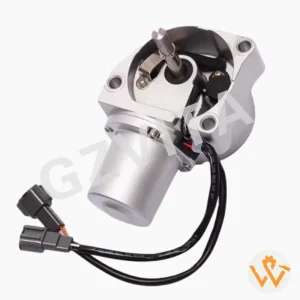
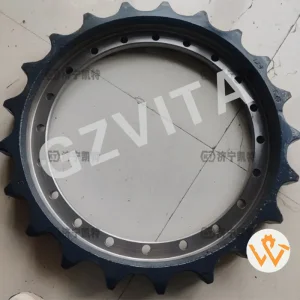
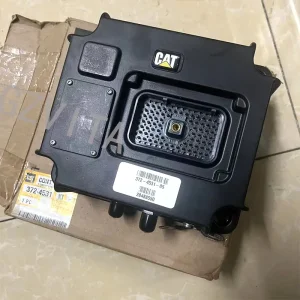
Get professional advice on choosing, maintaining, and matching excavator buckets to your operations.
 Vita Construction