 Vita Construction
1 / 2
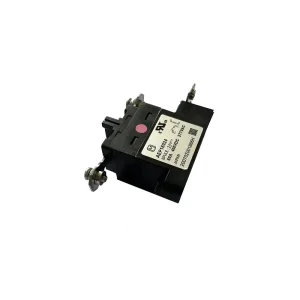
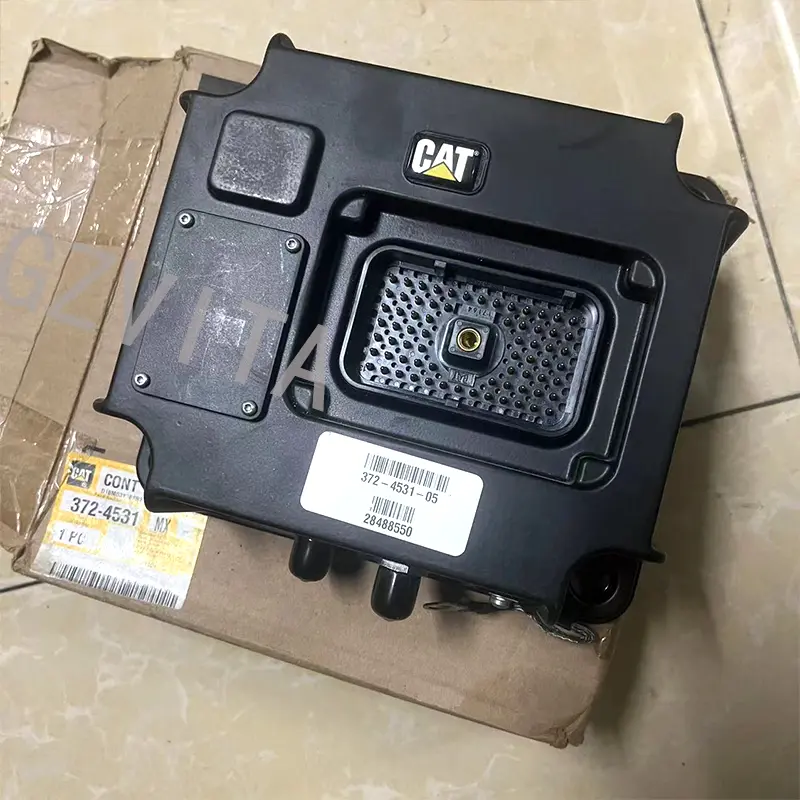
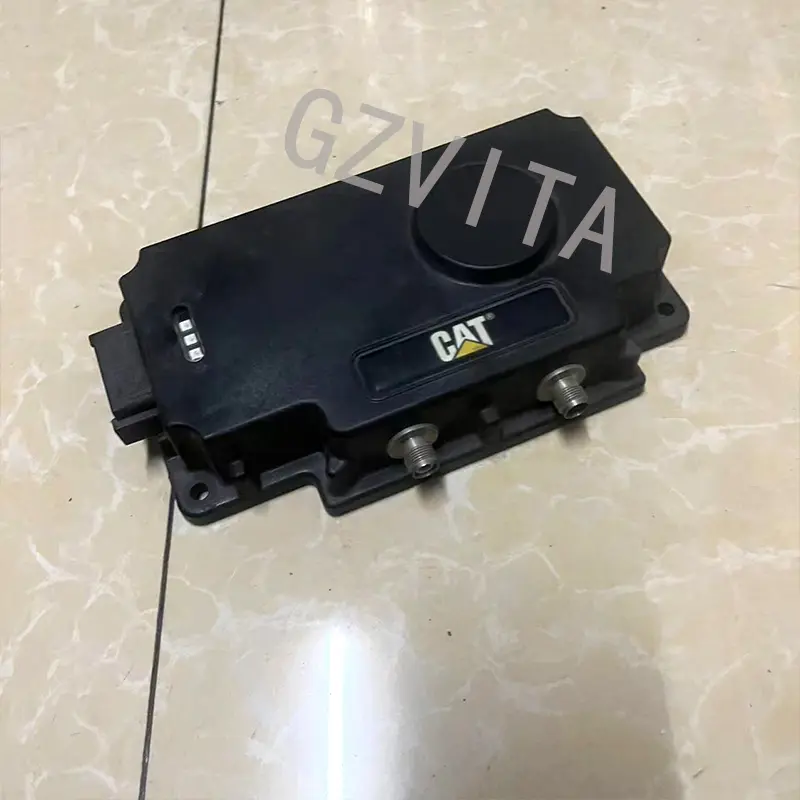
The Communication Control Assembly (CCA) in construction machinery is a crucial component that facilitates the exchange of information between various systems and components within the machine. This assembly plays a significant role in enhancing the operational efficiency, safety, and functionality of construction equipment. Here's an overview of its functions, importance, and applications:
The CCA is responsible for transmitting data between the machine's control systems, sensors, and operator interfaces. This includes information related to machine performance, diagnostics, and operational parameters.
It enables the integration of various subsystems, such as hydraulic controls, engine management, and navigation systems, allowing them to work together seamlessly.
The CCA facilitates real-time monitoring of the machine's status, providing operators with critical information that can influence decision-making and operational efficiency.
By ensuring effective communication between different components, the CCA improves the overall coordination of the machine's functions, leading to better performance and productivity.
The CCA can relay important safety information, such as alerts for potential malfunctions or hazardous conditions, helping to prevent accidents and ensuring the safety of operators and personnel on-site.
The assembly often includes diagnostic features that allow for the identification of issues within the machine. This capability is essential for timely maintenance and repairs, reducing downtime and operational costs.
The CCA is widely used in various types of construction machinery, including excavators, bulldozers, and cranes, where precise control and communication are essential for effective operation.
In heavy machinery applications, the CCA helps manage complex systems that require coordination between multiple hydraulic and electronic components.
The CCA is often integrated with telematics systems, enabling remote monitoring and management of construction equipment, which can enhance fleet management and operational efficiency.
To ensure optimal performance, the CCA should be regularly inspected for connectivity issues, signal integrity, and overall functionality.
Keeping the software associated with the CCA up to date is essential for maintaining compatibility with other systems and improving performance.
It is a key electronic component that manages and facilitates communication between different subsystems, sensors, and the operator interface within construction equipment.
The CCA monitors operations in real time and can immediately relay critical warnings or diagnostic error codes to the operator, preventing potential hazards and equipment damage.
Yes, CCAs are commonly integrated with telematics systems to enable remote diagnostics, performance tracking, and efficient fleet monitoring.
Regular physical inspections for physical wear or loose connections, signal integrity testing, and regular system software updates are critical to keep the system working efficiently.
Integrating systems like hydraulics, engine management, and control interfaces ensures that all parts of the machinery work in sync, maximizing fuel efficiency and operational precision.