Direct from Certified Manufacturing Facilities - Preserving Mechanical Integrity & Efficiency
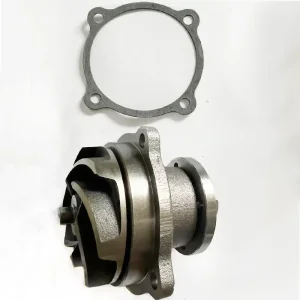
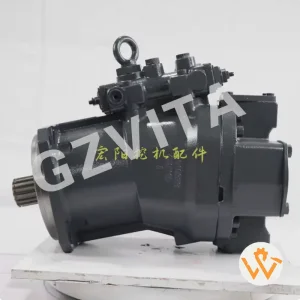
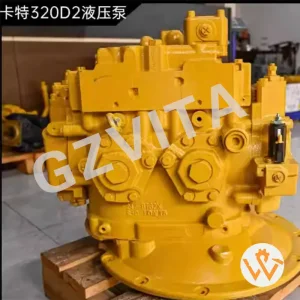
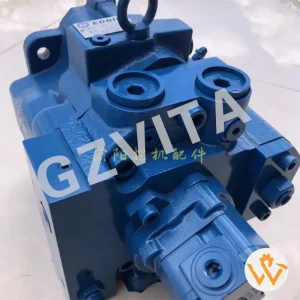
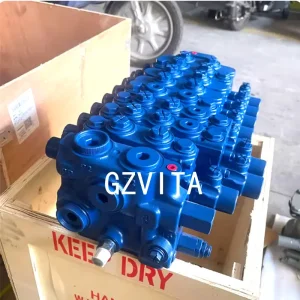
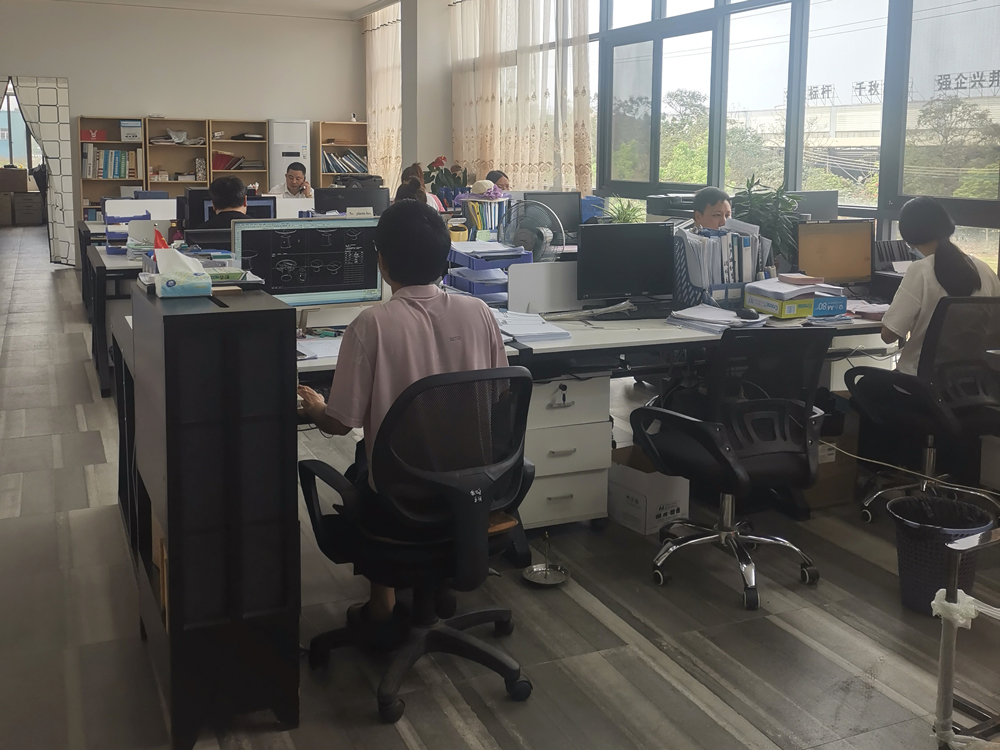
M² Production Workshop
Skilled Technicians
Lead R&D Engineers
Quality Inspected Products
In combustion engineering, safety, thermal efficiency, and environmental compliance are deeply intertwined with differential pressure measurement. The furnace pressure sensor, often categorized as a flue draft or pressure switch, is the critical safety guardian in gas-fired, oil-fired, and biomass-fed thermal systems. Operating silently within high-efficiency residential condensing furnaces, commercial boilers, and heavy industrial smelting ovens, these sensors validate the structural and operational balance of combustion ventilation loops.
Technically, a furnace pressure sensor measures the minute difference in air pressure between the combustion chamber or draft inducer blower housing and the ambient atmosphere. The underlying physics relies on a highly sensitive elastomeric diaphragm coupled to a switching mechanism or a Micro-Electro-Mechanical System (MEMS) piezoresistive sensor element. A negative pressure draft ensures that toxic flue gases (primarily Carbon Monoxide and Nitrous Oxides) are safely routed through the venting system rather than escaping into living spaces or industrial floors. A failure to prove this draft triggers immediate safety shutdowns, preventing hazardous thermal rollouts.
Modern industrial and HVAC systems utilize distinct sensing topologies depending on the precision required, temperature exposure, and operating cycle frequency. Below, we compare the primary tech routes in contemporary pressure sensor designs:
| Sensing Technology | Operating Range | Primary Advantage | Limitations | Optimal Use Case |
|---|---|---|---|---|
| Piezoresistive MEMS | 0.05 to 50 in. w.c. | High resolution, digital output capability, small form factor | Sensitive to high heat; requires thermal compensation | Smart Modulating Furnaces & HVAC Controls |
| Variable Capacitive | 0.01 to 100 in. w.c. | Extreme sensitivity, low hysteresis, superb long-term stability | Higher initial cost structure | Industrial Smelters & Petrochemical Furnaces |
| Diaphragm Snap-Action | Fixed setpoints (0.10" - 3.0" w.c.) | Highly reliable, low cost, fail-safe mechanical cutoff | No continuous data telemetry; single set-point | Standard Residential Boilers & Basic HVAC Units |
Under international safety mandates, including UL353 Limit Controls and EN 1854, pressure sensing devices in heating appliances must fail in a safe state. Piezoresistive configurations must run continuous diagnostic loops to verify diaphragm integrity, ensuring zero chance of unnoticed sensor drift during operation.
Adapting to IoT, High-Temperature Chemistry, and Intelligent Predictive Maintenance
Next-generation sensors utilize Modbus, CAN-bus, or wireless protocols (e.g., Zigbee, WirelessHART) to stream real-time differential pressure curves directly to localized Building Management Systems (BMS) and cloud engines.
To withstand extreme furnace temperatures exceeding 300°C, manufacturers are shifting from traditional silicon to Silicon Carbide substrates, ensuring minimal mechanical fatigue and resistance to corrosive exhaust gases.
By leveraging integrated edge microprocessors, advanced sensors calculate their own drift parameters based on environmental variables. This predictive self-maintenance protocol reduces plant downtime by up to 35%.
Ensuring Consistency, Precision Calibration, and Competitive Global Logistics
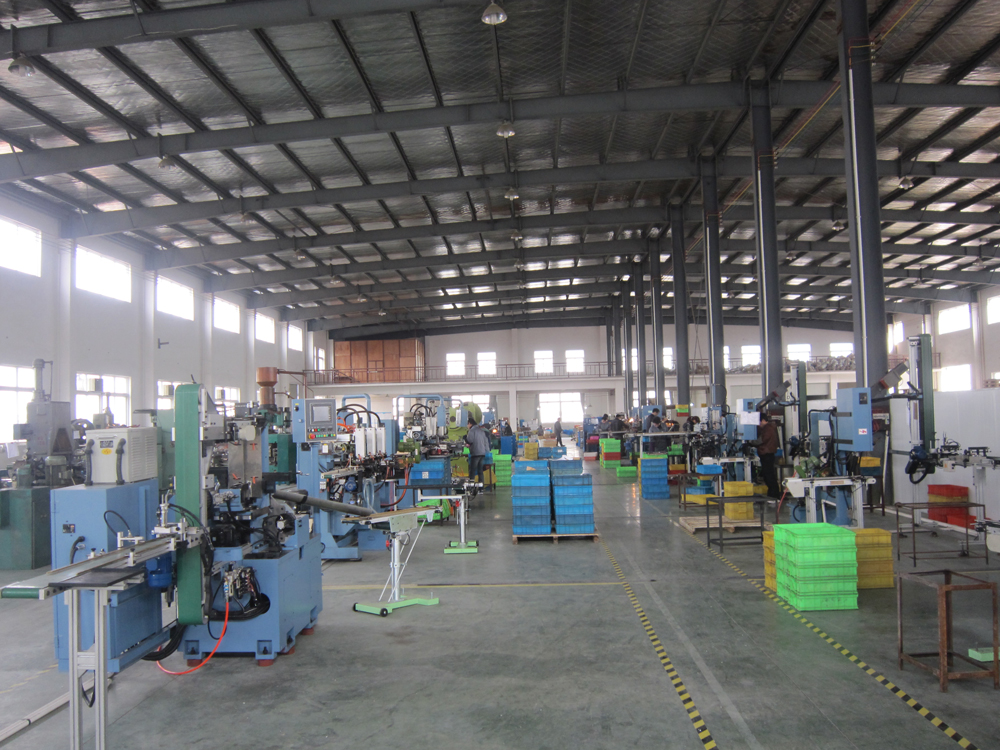
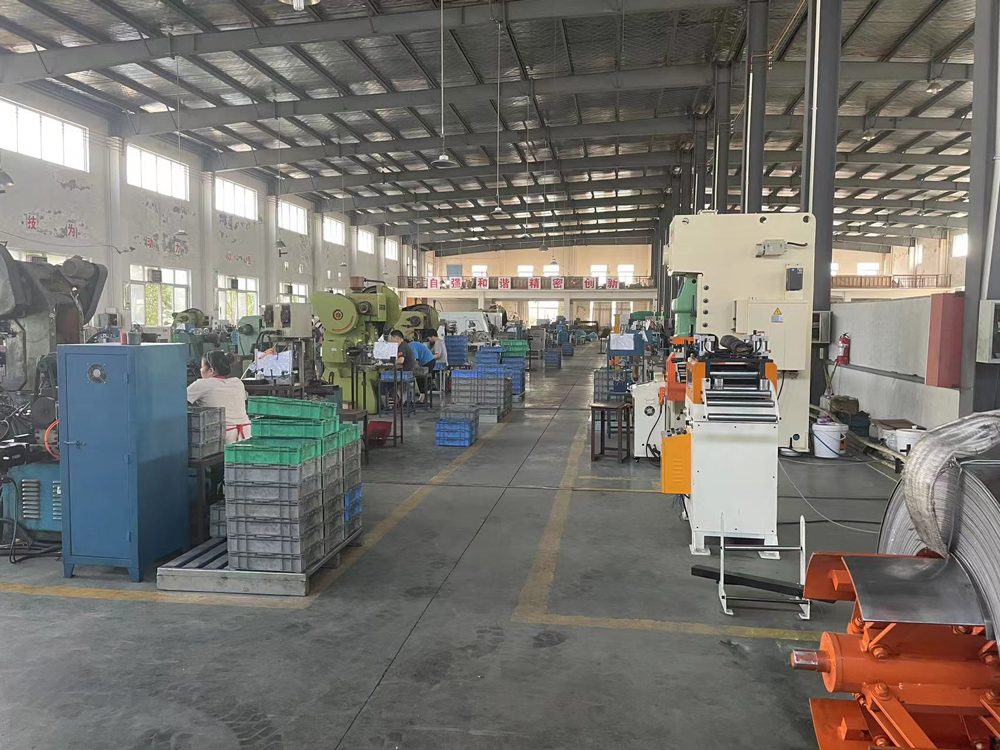
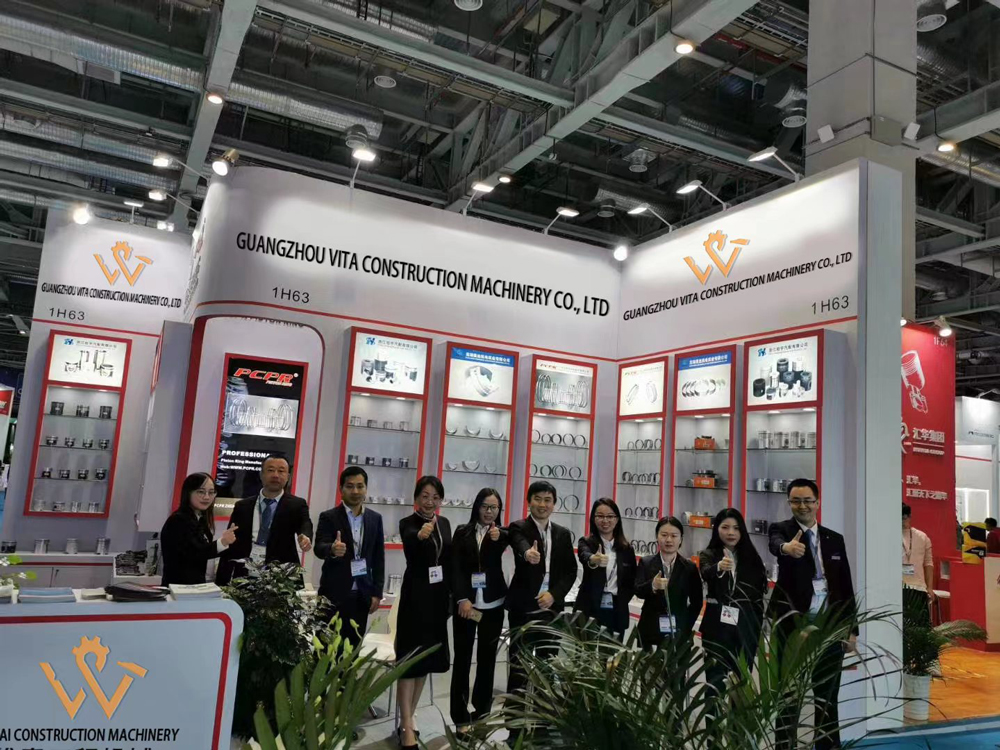
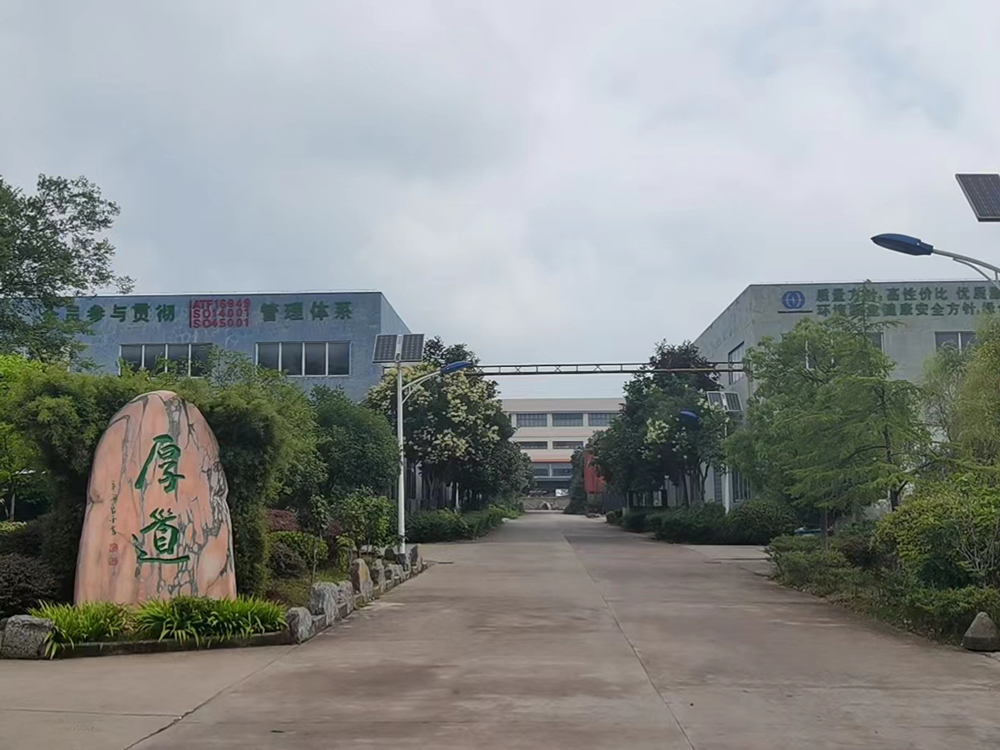
In the high-precision world of pressure sensors, structural defects of a single micron can alter calibration thresholds. China's manufacturing landscape, led by state-of-the-art facilities like the Guangzhou Vita Construction Machinery Co., Ltd. manufacturing hub in Hubei Province, offers unparalleled scalability combined with rigorous quality parameters. Operating inside an 18,000 square meter facility, our skilled workforce utilizes automatic laser trimming systems and environmental chambers to calibrate sensors across a full range of operating temperatures.
This massive manufacturing infrastructure is backed by highly secure supply chains. Unlike smaller regional assembly plants, our factory integrates every phase of production: from raw MEMS sensor module fabrication and custom PCB potting to final dynamic testing. We also maintain strategic buffers of key raw materials to offset global shipping disruptions, ensuring that critical industrial orders can be completed and shipped without delay.
Located near central transport networks, we leverage efficient logistics corridors that connect our Hubei plant directly to major shipping hubs in Wuhan, Shanghai, and Guangzhou. This optimized network guarantees reliable delivery lead times for large OEMs and aftermarket distributors worldwide.
From High-Efficiency Commercial Boilers to Extreme Metallurgy Smelting Environments
Ensuring combustion efficiency in multi-stage commercial heating systems. Our sensors control the modulation of primary air blowers, matching the exact heating demand while maintaining safety thresholds under wind-shear conditions.
In oxygen-rich steel refiners, glass furnaces, and smelting operations, pressure sensors must endure ambient temperatures over 150°C. Heavy-duty housings with integrated thermal barriers prevent measurement distortion.
Gas-fired thermal power turbines require highly accurate draft proving to prevent explosive gas accumulations. Redundant pressure switches monitor exhaust stacks for pressure irregularities.
Deploying thermal systems across international markets requires strict adherence to diverse engineering standards and local grid rules. As a premium manufacturer, Guangzhou Vita Construction Machinery Co., Ltd. ensures that our custom pressure sensing equipment complies with major global certification bodies.
Our engineers work closely with client engineering departments, providing comprehensive localized support. From calculating pressure drop factors in complex flues to designing custom mounting brackets that reduce mechanical vibration, we supply complete turnkey solutions. Furthermore, all our products undergo rigorous testing to ensure compliance with RoHS, REACH, CE, and UL standards, guaranteeing a smooth integration into your final products.
We provide full layout files (STEP formats), detailed electrical diagrams, and performance test reports for every batch, simplifying the compliance path for safety engineers.
Addressing Complex Engineering Inquiries for Systems Integrators and Site Operations
Guangzhou Vita Construction Machinery Co., Ltd. - Driving Industrial Precision Since Inception
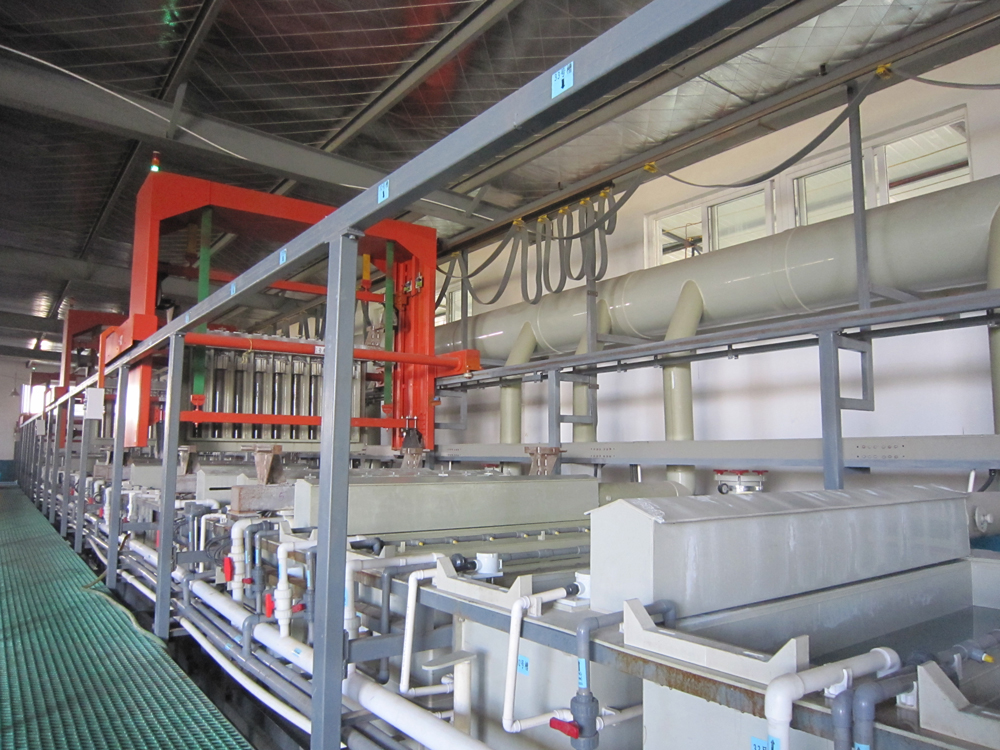
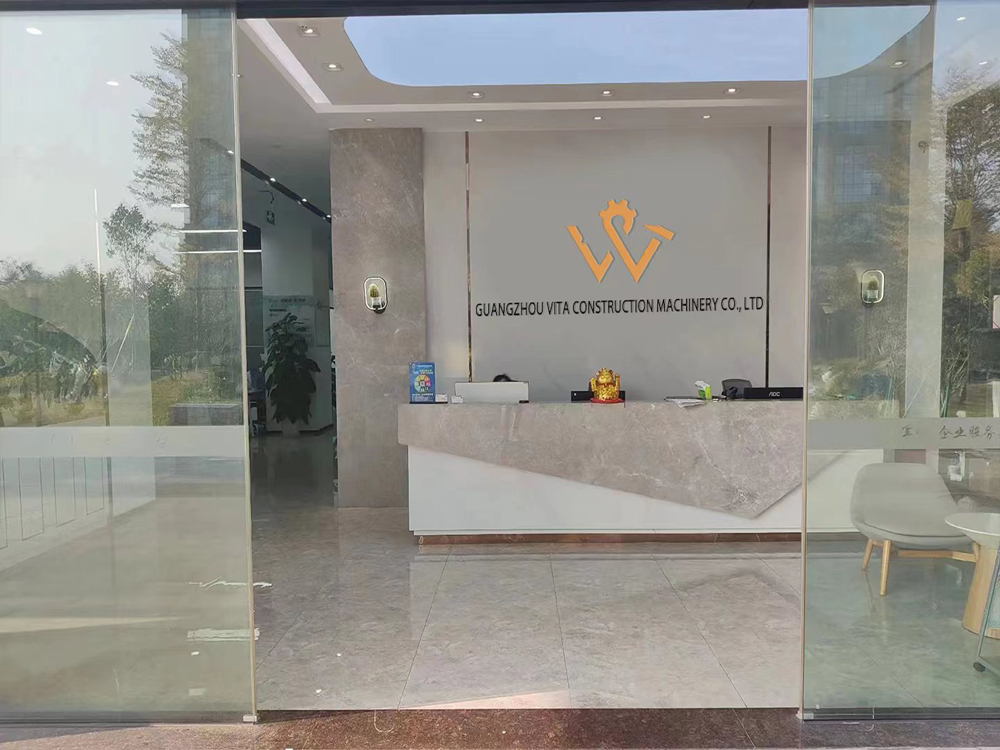
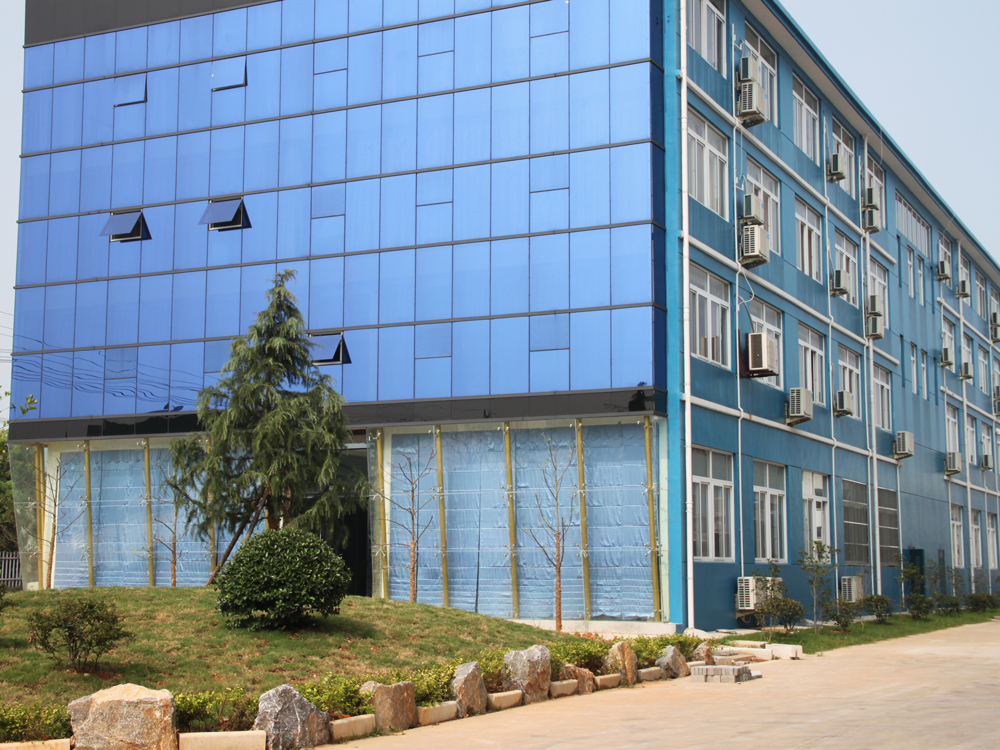
Guangzhou Vita Construction Machinery Co., Ltd. is one of the largest companies combining domestic manufacturing and international trade. The factory is located in Xiangyang City, Hubei Province, featuring a production facility spanning over 18,000 square meters. The plant is equipped with advanced machinery and operated by 278 skilled workers, supported by 8 experienced engineers who ensure rigorous quality control and fast, accurate delivery times.
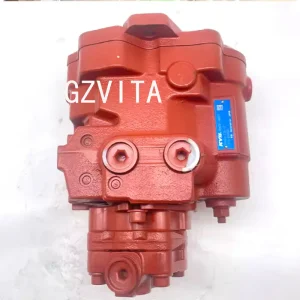
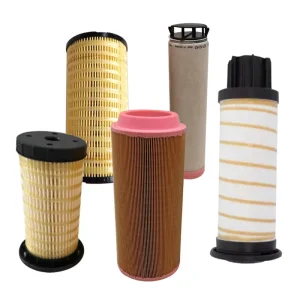
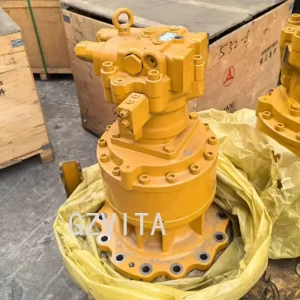
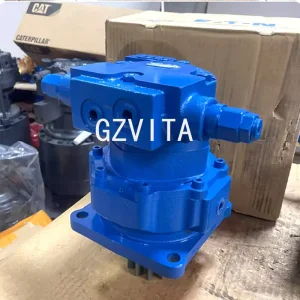
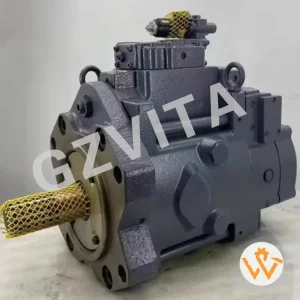
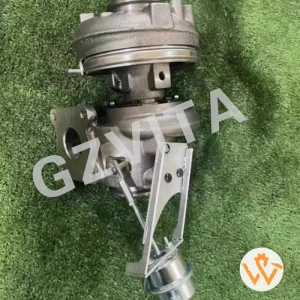
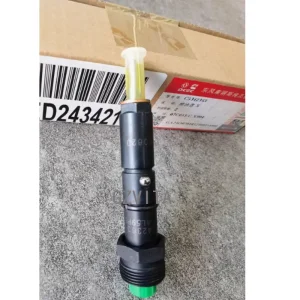
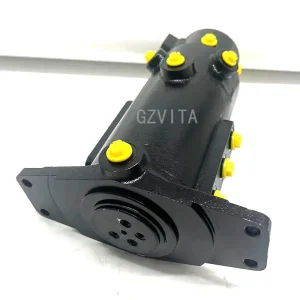
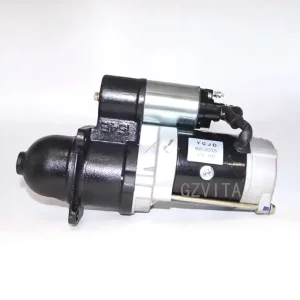
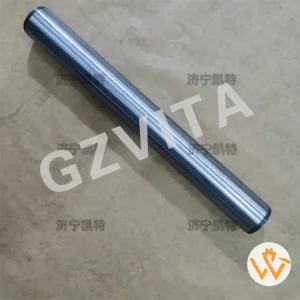
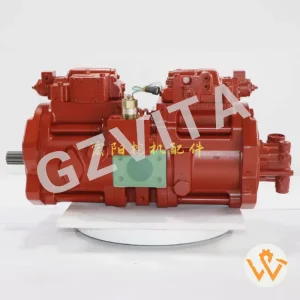
We specialize in manufacturing, developing, and exporting a comprehensive range of construction machinery and industrial components. Our catalog includes engine assemblies, hydraulic pumps, final drives, electrical generator sets, engine bearings (including Main Bearings and Con Rod Bearings), crankshafts, valves, gear pumps, cylinders, specialized filters, excavator buckets, and undercarriage components. These high-performance parts are designed as direct replacements for leading brands such as Komatsu, Volvo, Sumitomo, Caterpillar, Kubota, Hitachi, John Deere, Kobelco, Hyundai, Kato, Sany, XCMG, Sunward, and other global brands.
In the demanding world of construction and heavy industry, the reliability and efficiency of your machinery can determine a project's success. We focus on engineering high-grade replacement parts that ensure optimal performance and keep your equipment running smoothly.
To deliver complete client support, our division provides engineering and maintenance services. Beyond supply, we help customers troubleshoot technical issues during engine assembly and field operations.
We maintain a dedicated team of field service engineers who can be deployed globally to assist with technical tasks, diagnostics, and repairs directly at client job sites.

Heavy-Duty Construction Components Designed for Demanding Working Conditions
 Vita Construction