High-Quality Racing Pistons And Rods Manufacturers & Product

Precision Engine Engineering: Forged Pistons & Connecting Rods for Elite Motorsports & Heavy-Duty Performance

Industrial Whitepaper: The Evolution of Racing Pistons & Rods

Exploring global supply dynamics, structural engineering thresholds, and metallurgy requirements in high-stress Internal Combustion Engines (ICE).

The global automotive performance sector and the commercial heavy-duty engine market are undergoing a significant transition. As compression ratios rise and forced induction (turbocharging and supercharging) becomes standard in both racing and industrial applications, the mechanical stresses on core internal components—specifically pistons and connecting rods—have reached unprecedented levels. Modern high-power density engines demand components capable of withstanding peak cylinder pressures exceeding 200 bar and thermal loads surpassing 300°C.
Consequently, the choice of materials and manufacturing methodologies determines the success or failure of high-horsepower builds. B2B purchasers, fleet maintainers, and motorsport teams require highly reliable parts built under precise tolerance controls. The optimization of reciprocating mass directly influences thermal efficiency, torsional vibration, and overall engine longevity, making high-spec pistons and connecting rods a cornerstone of modern high-performance engineering.

Forging vs. Casting

Unlike standard cast components that suffer from structural porosity, forged 2618 and 4032 aluminum alloys offer aligned grain flow, boosting tensile strength and yielding high fatigue resistance under cyclic combustion loads.

H-Beam vs. I-Beam Rods

H-beam designs are engineered to distribute lateral bending stresses in high-torque turbocharged configurations. I-beam profiles provide maximum vertical compression resistance, preferred for high-RPM naturally aspirated builds.

Advanced Surface Coatings

Applying Diamond-Like Carbon (DLC) on wrist pins and ceramic thermal barriers on piston crowns minimizes friction coefficients, manages thermal transfer, and prevents micro-welding at elevated temperatures.

Metallurgical Specifications & Structural Engineering

Deciphering raw material compositions and tolerance limits that define true performance-grade engine components.

Piston Material Matrix: 2618-T6 vs. 4032-T6

Choosing the right piston alloy involves balancing thermal expansion against structural durability:

  • 2618-T6 Aluminum Alloy: Contains minimal silicon content (under 0.2%). It exhibits high ductility and excellent fatigue strength at high temperatures. Due to its high thermal expansion coefficient, it requires larger cold piston-to-wall clearances, making it the industry standard for high-boost drag racing and heavy nitrous applications.
  • 4032-T6 Aluminum Alloy: Features high silicon content (approx. 11-13.5%). The silicon acts as a wear barrier and stabilizes thermal expansion. This allows for tighter cold clearances, reducing piston slap and oil consumption—ideal for endurance racing and high-performance street engines.

High-Tensile Connecting Rod Design Mechanics

Connecting rods must survive extreme alternating tensile and compressive loads. Our structural engineering process ensures:

  • 4340 Chromoly Steel: Formulated with nickel, chromium, and molybdenum to guarantee deep hardenability, excellent fatigue strength, and high impact resistance after heat treatment.
  • Shot-Peening Optimization: Every rod undergoes shot-peening using spherical media to introduce compressive residual stress on the metal surface, suppressing micro-crack initiation.
  • ARP Fasteners: Utilizing premium ARP2000 or Custom Age 625+ rod bolts to maintain precise joint clamping forces under peak tensile loads at high RPMs.

18,000+

Sqm Production Facility

278+

Skilled Technicians

8

Senior R&D Engineers

< 0.002mm

Precision CNC Tolerances

Company Profile & China Manufacturing Efficiency

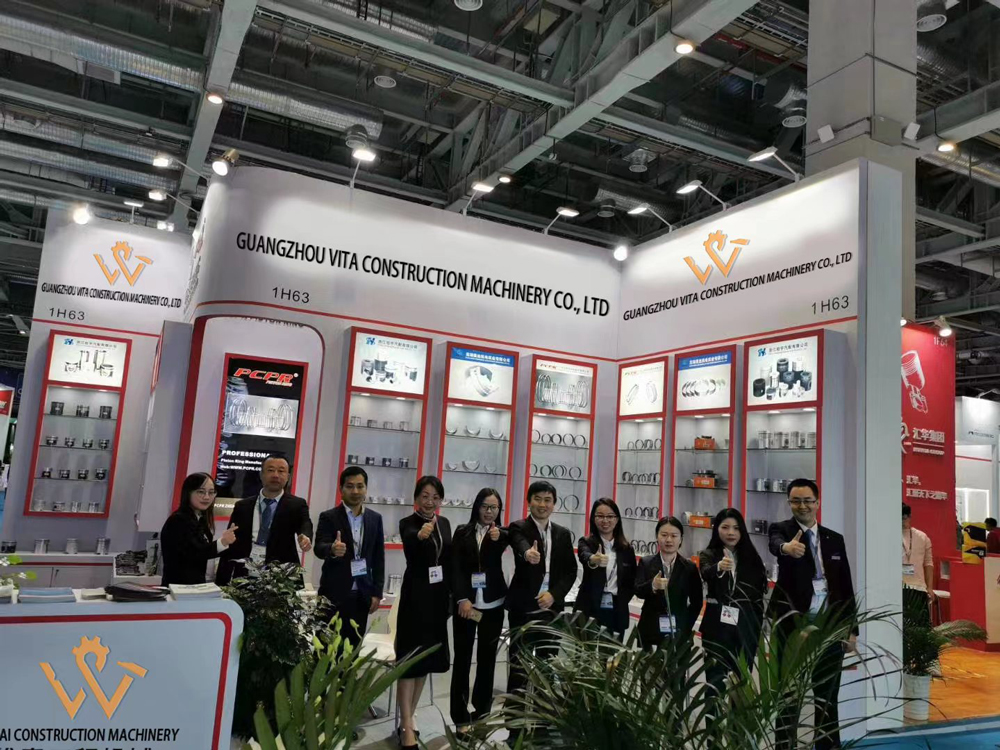
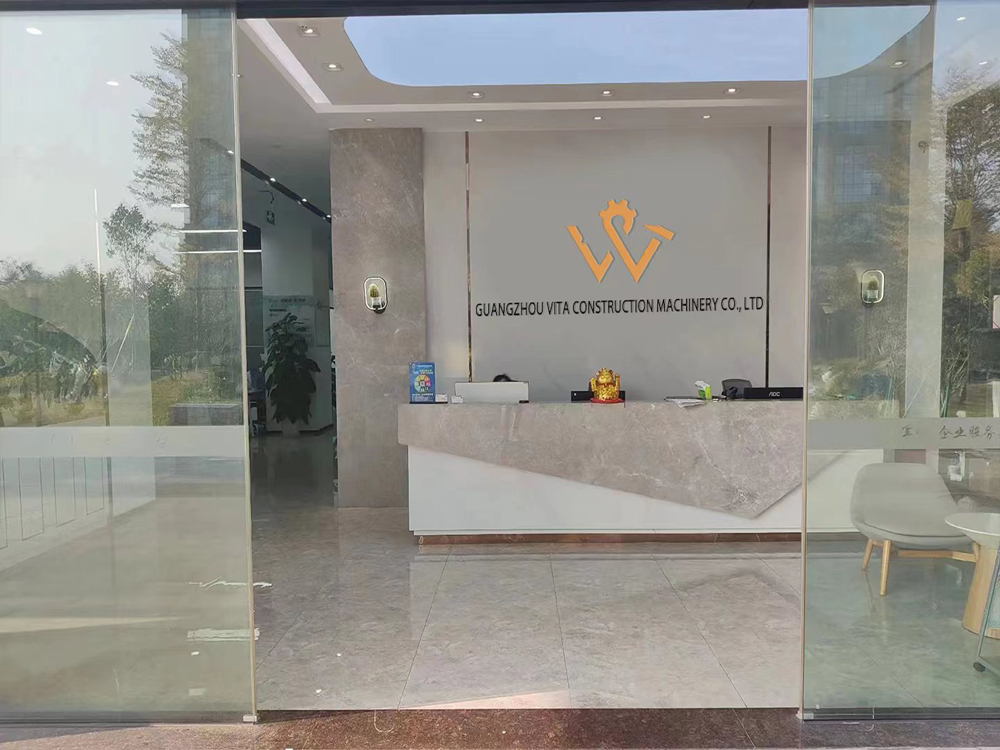
Guangzhou Vita Construction Machinery Co., Ltd.: Bridging High-End Fabrication and Global Supply Chains.

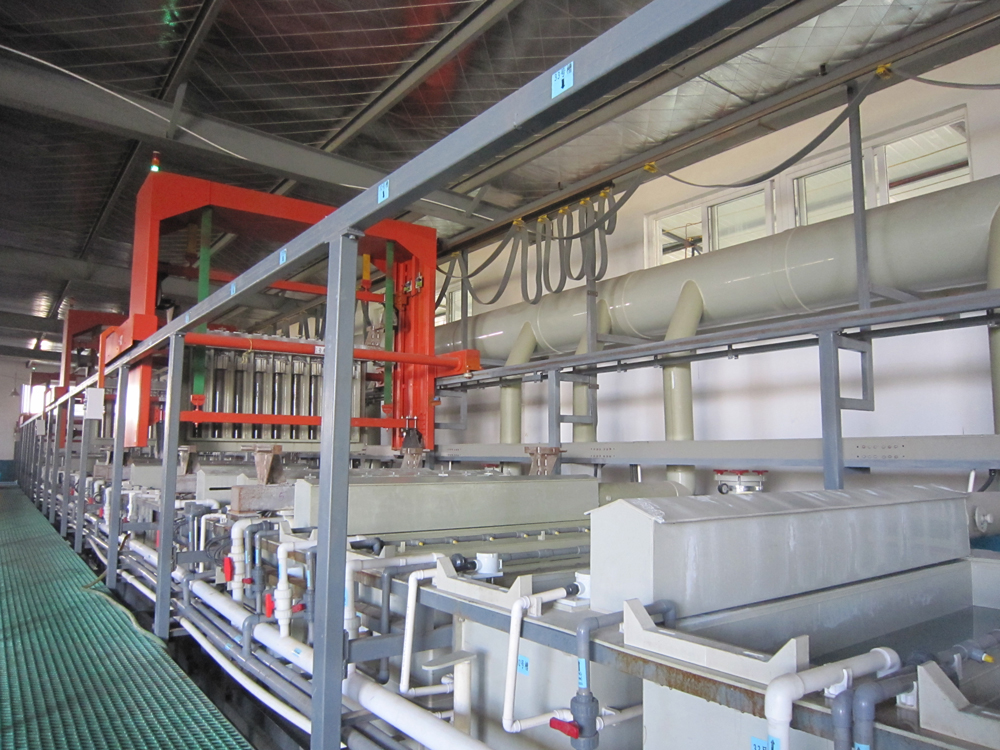
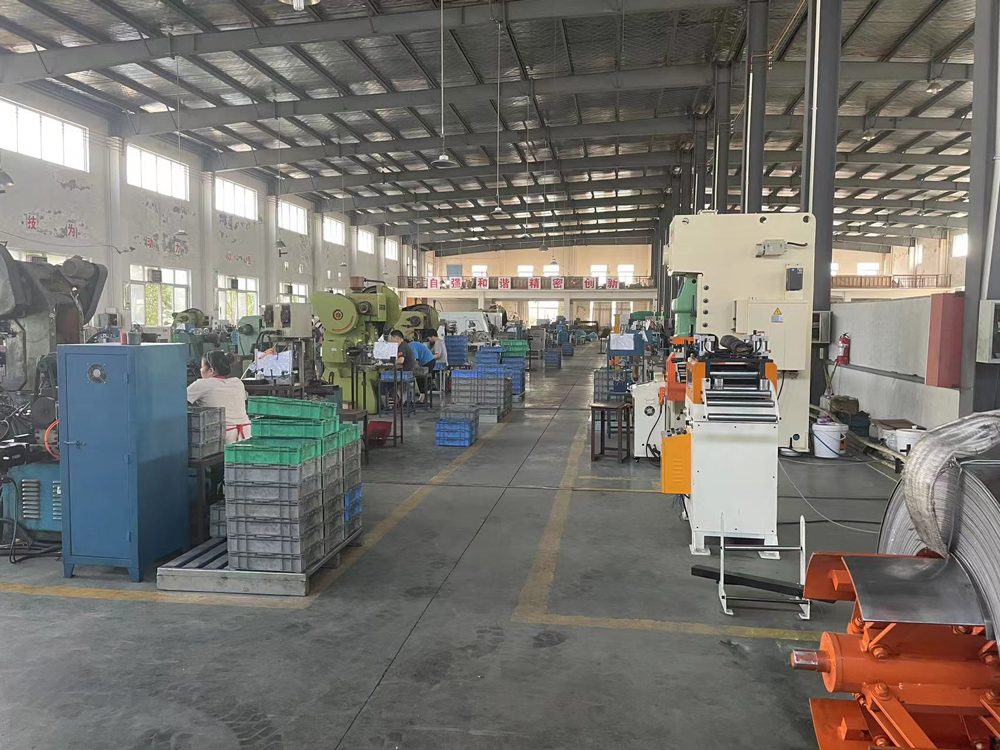
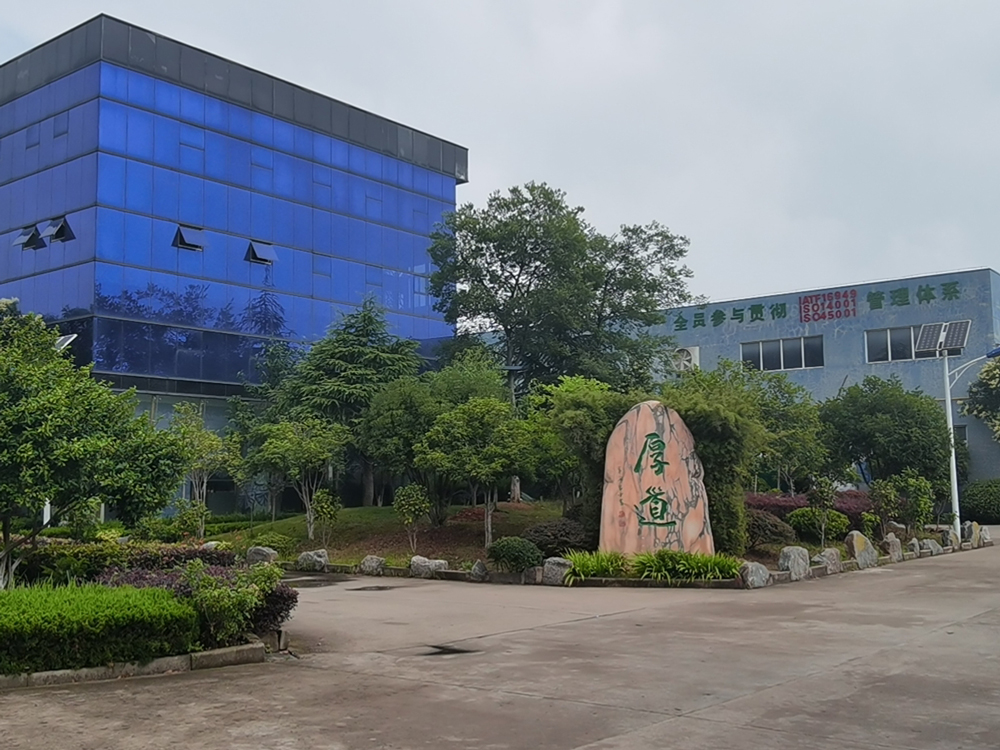
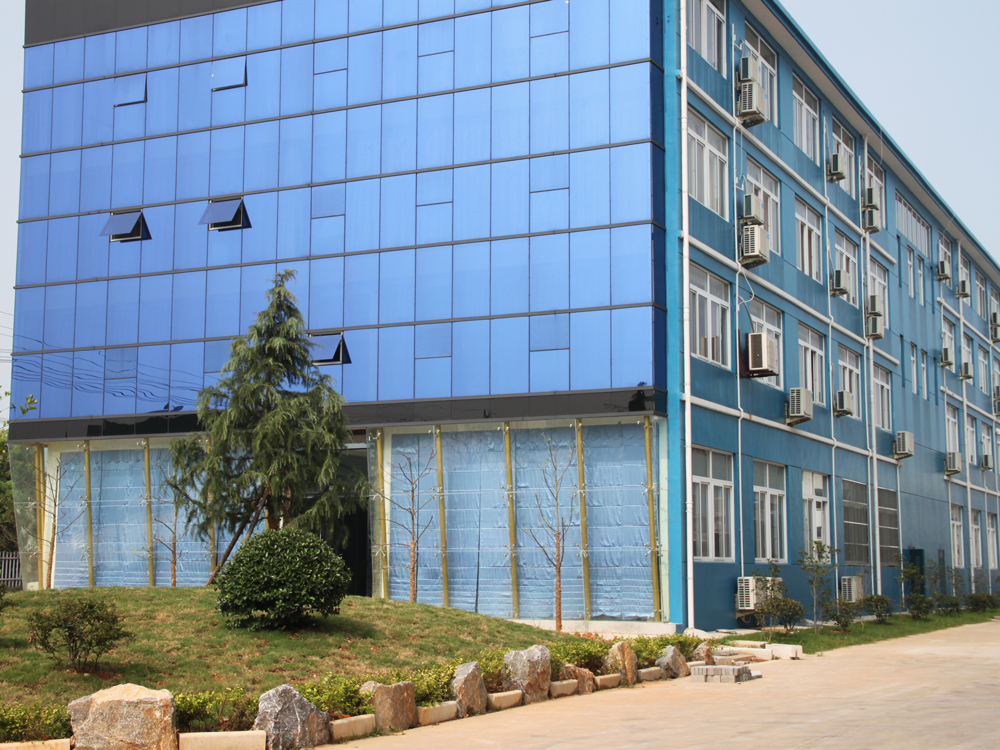
Guangzhou Vita Construction Machinery Co., Ltd. is a leading integrated enterprise combining state-of-the-art manufacturing with professional foreign trade operations. Our main factory is located in Xiangyang City, Hubei Province, a prominent industrial hub for automotive technology in China. With a workshop spanning more than 18,000 square meters, our facility is equipped with advanced CNC milling centers, precision cylindrical grinding equipment, and automated quality control instrumentation.

Supported by a dedicated team of over 278 skilled workers and 8 experienced metallurgical and mechanical engineers, we ensure that every engine component matches or exceeds OEM specifications. We specialize in producing, developing, and selling a comprehensive range of construction machinery and high-performance engine parts.

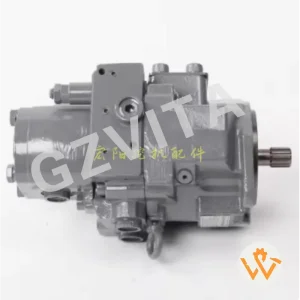
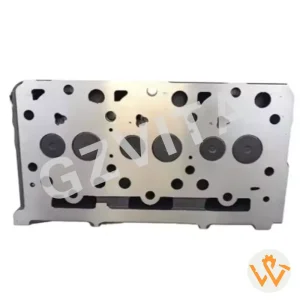
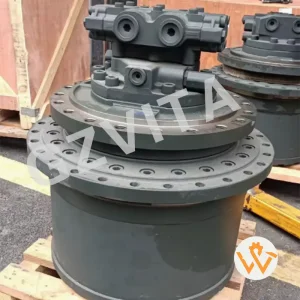
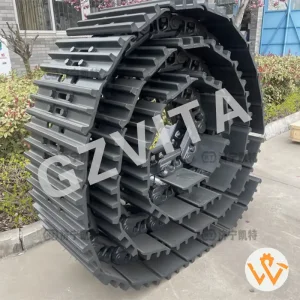
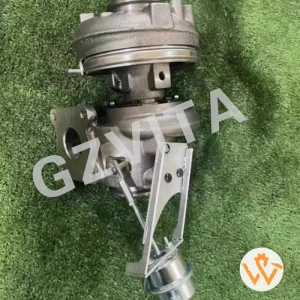
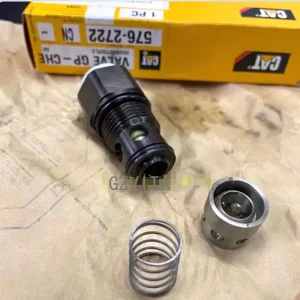
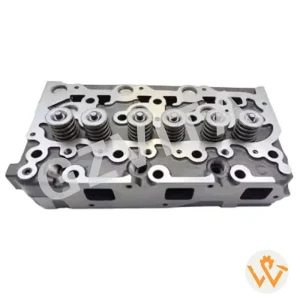
Our product range includes forged pistons, connecting rods, engine bearings (main bearings & con-rod bearing series), crankshafts, engine valves, gear pumps, cylinder heads, turbochargers, and undercarriage components. These parts serve as reliable replacements for well-known global brands including Komatsu, Volvo, Sumitomo, Caterpillar, Kubota, Hitachi, John Deere, Kobelco, Hyundai, Kato, Sany, XCMG, and SUNWARD.

Why Source from Hubei, China?

The Xiangyang industrial corridor provides immediate access to high-grade raw steel, advanced heat-treatment facilities, and specialized logistics networks. This helps minimize lead times and production costs without compromising structural quality.

  • Direct supply chain integration
  • Strict compliance with ISO 9001 and TS16949 standards
  • Advanced metallurgical analysis laboratories
  • Technical engineering support and international warranty service

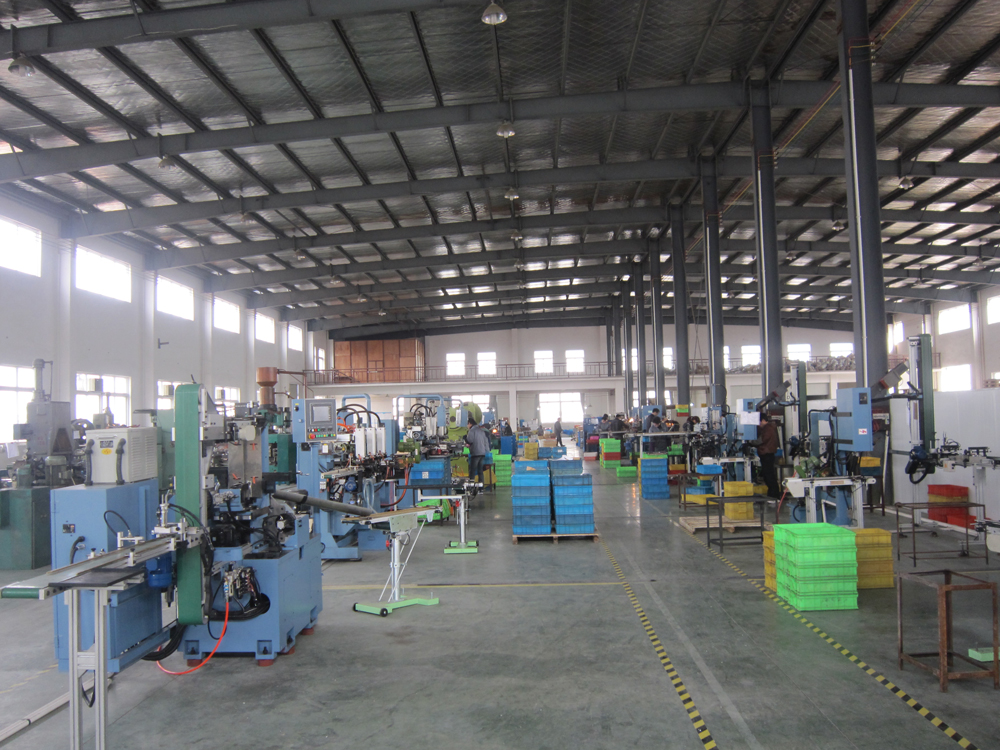
Factory Tour

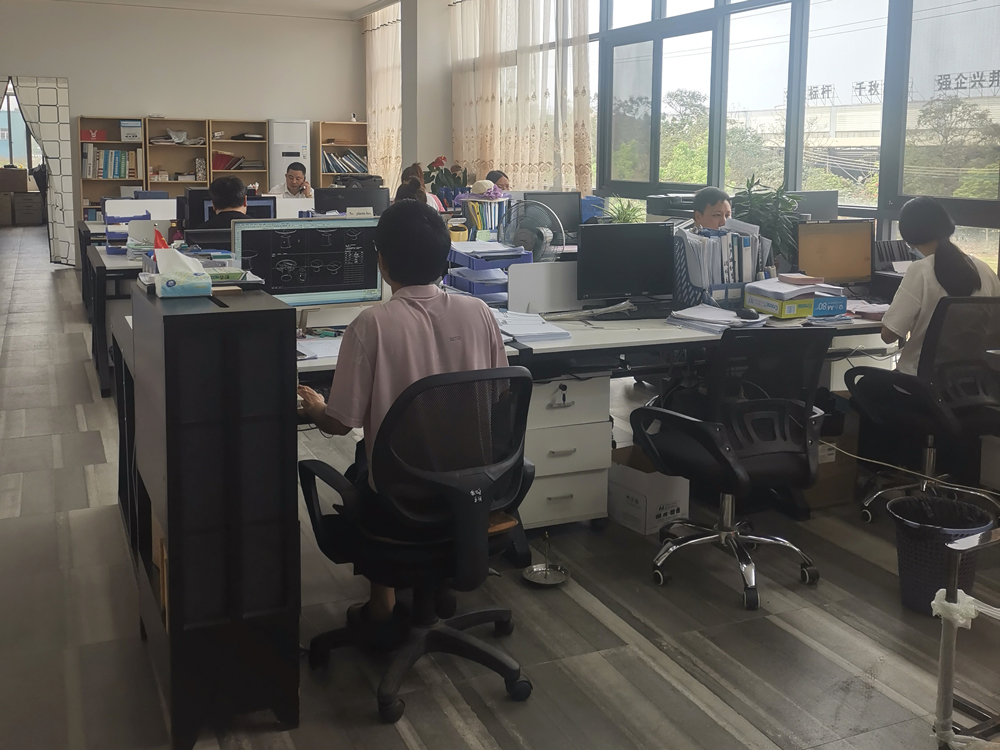
A look inside our 18,000+ sqm production facility in Xiangyang, Hubei Province.
Engine Application Scenarios

From high-RPM racing applications to heavy-duty earthmoving equipment, our engine components are designed for high durability.

Motorsports & Circuit Racing

Designed for high-revving platforms requiring reduced reciprocating mass to minimize inertial loads on the bearings. Features high-purity forged 2618 pistons paired with lightweight H-beam rods for reliable throttle response.

Heavy-Duty Earthmoving

Suitable for Cat, Komatsu, and Volvo diesel powerplants operating under continuous high torque load profiles. Features structural reinforcement of piston ring lands and wrist pin bores to manage high cylinder pressure.

Forced-Induction High Boost

Engineered for turbocharged and supercharged applications. Custom-machined piston crowns feature deep valve pockets and optimized dish volumes to adjust compression ratios, paired with high-tensile 4340 connecting rods.

Quality Control & Inspection Standards

Every component undergoes strict quality testing prior to final packaging and global dispatch.

CMM Dimensional Auditing

Our Coordinate Measuring Machines (CMM) audit critical dimensions like pin bore diameter, big-end roundness, and compression height, keeping tolerances within ±0.002mm.

Magnetic Particle Inspection (MPI)

Every connecting rod undergoes Magnetic Particle Inspection (MPI) to identify subsurface micro-fractures, voids, or inclusions in the steel forging.

Precision Balancing & Weight Matching

Piston and connecting rod sets are weight-matched within ±1 gram overall to minimize high-RPM dynamic imbalance and secondary engine harmonics.

Frequently Asked Questions (FAQ)

Technical inquiries answered by our engineering team to guide your procurement decisions.

1. What are the key differences between 2618 and 4032 aluminum alloys for racing pistons?
2618 aluminum contains negligible silicon (under 0.2%), making it ductile and highly resistant to structural fatigue under high boost or nitrous applications. However, it exhibits higher thermal expansion, requiring larger cold clearances. 4032 aluminum contains about 11-13% silicon, offering lower thermal expansion and higher wear resistance. This allows for tighter piston-to-wall clearances, reducing cold noise and making it suitable for moderate boost and endurance applications.
2. Under what engine load conditions do you recommend H-beam versus I-beam rods?
H-beam rods distribute bending stresses across a wider cross-section, making them suitable for high-torque, lower-RPM applications like turbocharged or supercharged engines. I-beam rods resist compressive buckling along the vertical axis, making them preferred for high-RPM naturally aspirated builds where weight reduction is critical.
3. What surface coatings are available for customized racing pistons?
We offer several coatings: (a) Ceramic Thermal Barrier coatings on the piston crown to manage heat absorption; (b) Molybdenum Disulfide (Moly) skirt coatings to reduce friction during cold starts; and (c) Diamond-Like Carbon (DLC) coating on wrist pins to improve wear resistance under high pressures.
4. How does the Hubei factory manage dimensional tolerances during mass production?
Our factory in Xiangyang utilizes automated CNC machining centers. We run in-line laser measurement loops, and every production run is audited in temperature-controlled metrology rooms using Coordinate Measuring Machines (CMM) to maintain dimensions within ±0.002mm.
5. Are these connecting rods and pistons compatible with industrial heavy machinery?
Yes, our engineering team designs components for heavy-duty earthmoving machinery (Komatsu, Volvo, Caterpillar, Sany, etc.). The same high-strength forging techniques used for racing pistons are applied to these industrial parts to improve wear resistance and service life.