Explore our high-performance heavy-duty machinery parts engineered to meet demanding operational tolerances.
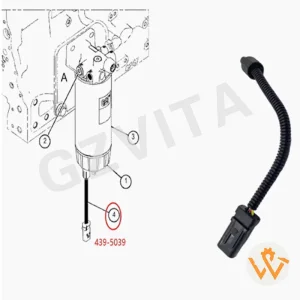
In modern industrial applications, the internal combustion engines powering Caterpillar heavy machinery are subjected to extreme thermodynamic pressures, intense rotational shear forces, and high vibration profiles. At the very heart of these powertrains, the connecting rod bearing functions as the critical load-bearing interface between the connecting rod and the crankshaft journal. The failure of this component, even by a fraction of a millimeter, can lead to catastrophic engine failure, resulting in thousands of dollars in lost operational productivity and replacement parts.
The global demand for Caterpillar engine parts, particularly connecting rod bearings, is driven by the steady growth of global infrastructure, mining activities, and marine transportation sectors. As industrial fleets work under tighter schedules, the wear cycle of engine bearings accelerates. Standard bimetal and premium tri-metal bearing systems are constantly tested under hydrodynamic lubrication limits. Engineers and procurement directors around the world prioritize bearing suppliers who can deliver components capable of resisting fatigue, cavitation, corrosion, and adhesive wear. Developing high-quality rod bearings requires a deep understanding of metallurgy, precise geometric tolerances, and strict manufacturing quality control.
Utilizing high-performance lead-bronze/copper-lead matrices layered with premium electroplated overlays to withstand extreme combustion pressures without dynamic deformation.
Engineered oil grooves and exact wall eccentricities to promote early hydrodynamic film formation, reducing metal-on-metal contact during cold startup phases.
Micro-level tolerances maintained strictly below 0.005mm to ensure standard housing crush fits and eliminate critical oil clearance leakage points.
As a leading supplier in the machinery parts industry, Guangzhou Vita Construction Machinery Co., Ltd. operates a high-capacity manufacturing facility in Xiangyang City, Hubei Province. Spanning over 18,000 square meters, our facility integrates raw metal casting, precision sintering, automatic electroplating, and CNC post-machining. This centralization of production stages helps reduce turnaround times and ensures consistent component quality across batches.
Operating in an established industrial hub allows us to optimize resource management, maintain direct access to high-grade steel backings, and source specialized non-ferrous raw alloys efficiently. By utilizing automated thickness inspection technologies and state-of-the-art coordinate measuring machines (CMM), we monitor that the structural layers of our rod bearings—from the copper-lead substrate to the lead-tin-copper overlay—meet precise thickness tolerances. Our team of 278 skilled technicians and 8 specialized industrial engineers oversees our production output to ensure it aligns with ISO quality management standards.
| Feature / Parameter | Guangzhou Vita Bearing Specifications | OEM Reference Standards | Operational Impact |
|---|---|---|---|
| Base Material Selection | Premium Carbon Steel SPCC/SAE1010 | SAE1010 / DIN EN 10139 | Provides strong structural support and resists deformation under high engine crush stress. |
| Substrate Alloy Composition | Copper-Lead Alloy (CuPb24Sn4) | ASTM B30 / SAE 49 | Enhances fatigue strength and load-carrying capacity across variable speed ranges. |
| Overlay Thickness Control | 15 to 25 Microns (Electroplated PbSn10Cu2) | 12 to 20 Microns | Improves conformability and embeds foreign particles to help prevent scoring. |
| Wall Eccentricity Limit | Within 0.004 mm | Within 0.006 mm | Promotes stable hydrodynamic lubrication and prevents oil film collapse at high operating temperatures. |
| Micro-Vickers Hardness (HV) | HV 90 - 130 (Substrate Layer) | HV 85 - 120 | Ensures wear resistance and prolongs crankshaft journal service life. |
How connecting rod bearings function under diverse, high-load conditions across different industrial sectors.
Used in earthmoving applications (such as CAT 336, 330, and 345 series excavators), where engines undergo frequent torque variation and load transitions. Our bearings are designed to handle transient shock loads and resist impact fatigue.
Applied in medium-speed marine generator sets. These environments require high resistance to corrosive sulfuric elements in marine fuels. Our tin-cop-lead electroplated overlays are formulated to resist corrosion and chemical degradation.
Installed in wheel loaders (e.g., CAT 972M, 966L) and off-highway haul trucks working in dusty, high-debris environments. The bearing overlays are engineered to embed fine particulates, protecting the crankshaft from abrasive scoring.
The transition toward higher power-density engines and lower-viscosity lubricants (to improve fuel economy) places higher performance demands on modern engine bearings. Traditional lead-bronze tri-metal bearings are facing environmental limits due to global regulations on heavy metals. Consequently, the industry is moving toward lead-free bearing materials like aluminum-tin alloys, polymer-coated shells, and physical vapor deposition (PVD) sputtered overlays.
At Guangzhou Vita, our engineering team is developing advanced bimetallic aluminum-tin structures to address these industry shifts. These configurations offer high thermal conductivity and fatigue resistance under thin lubrication films. By applying thin polymer-resin topcoats, we can reduce friction during cold starts and improve seizure resistance when engines operate under boundary lubrication conditions. These updates are key to ensuring that our aftermarket and replacement parts perform reliably in newer engine designs.
Take a virtual tour of our modern production line, clean assembly areas, and quality testing facilities.
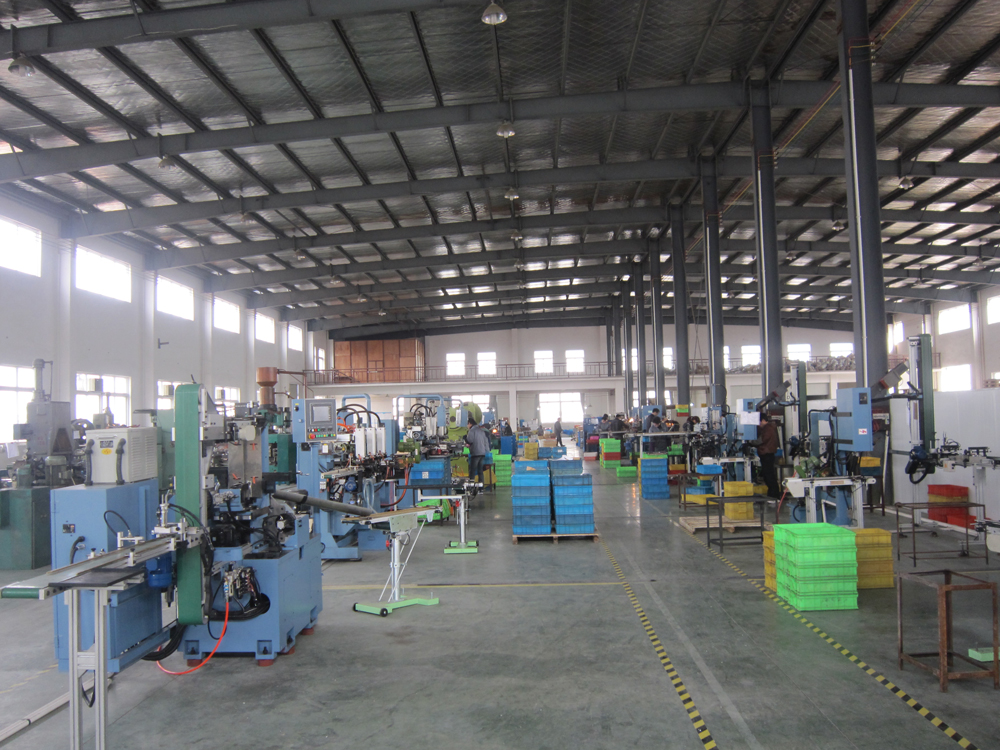
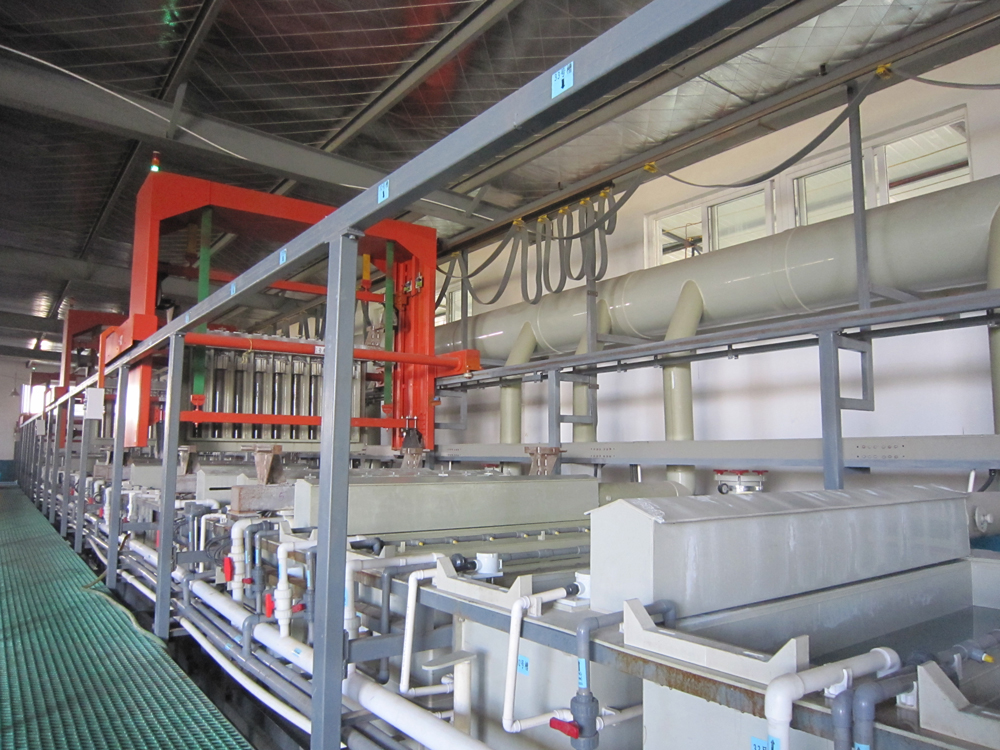
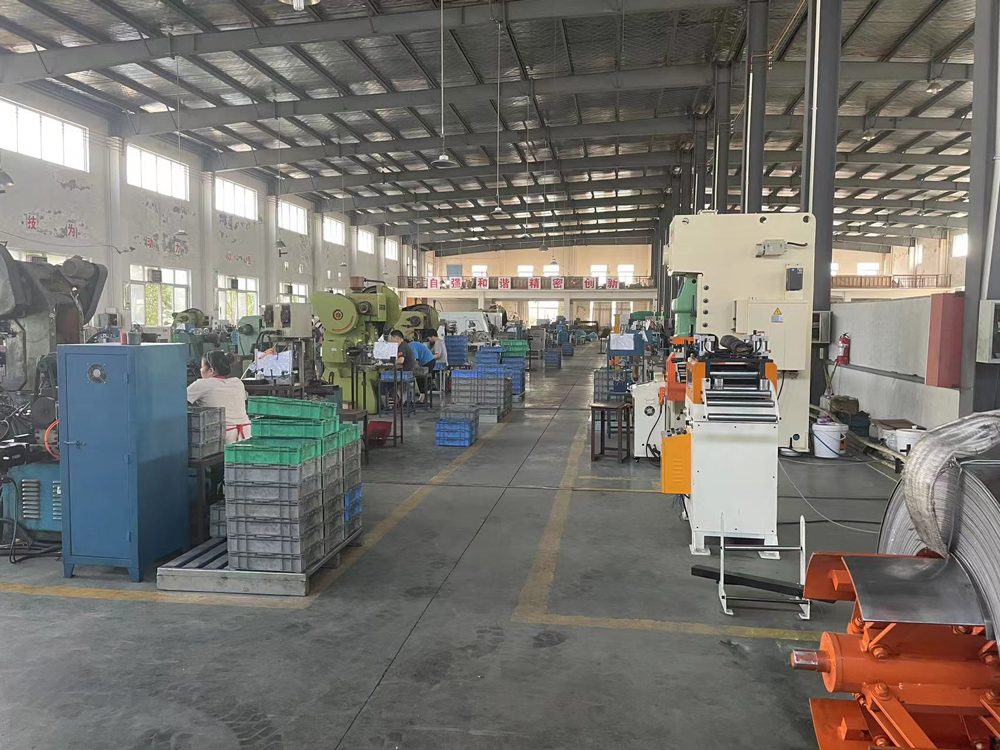
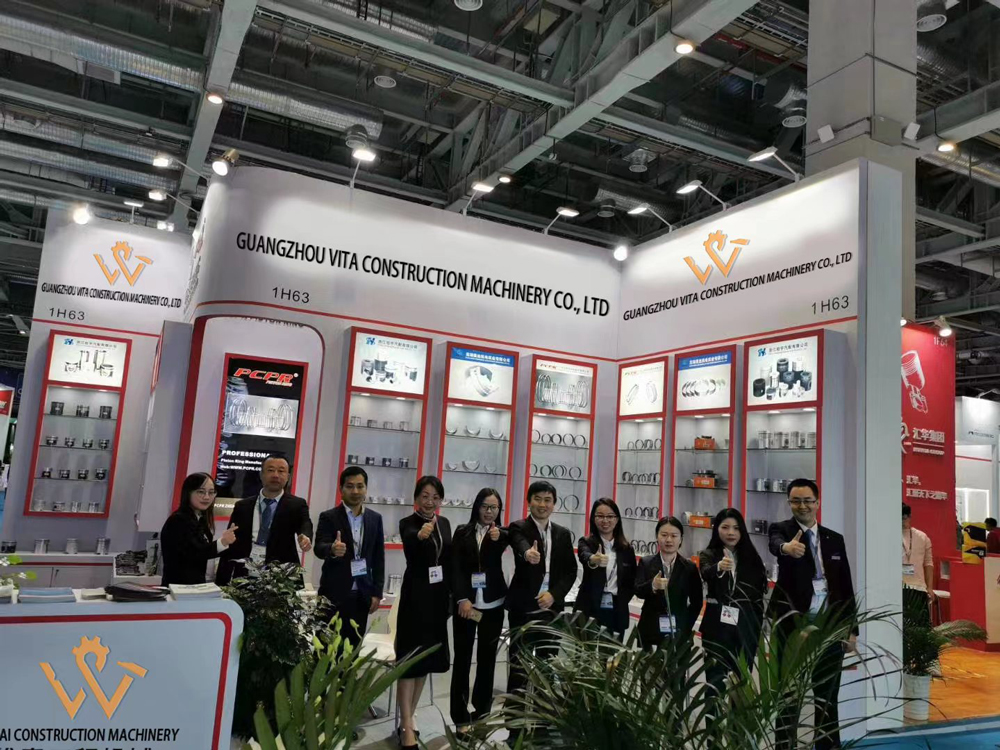
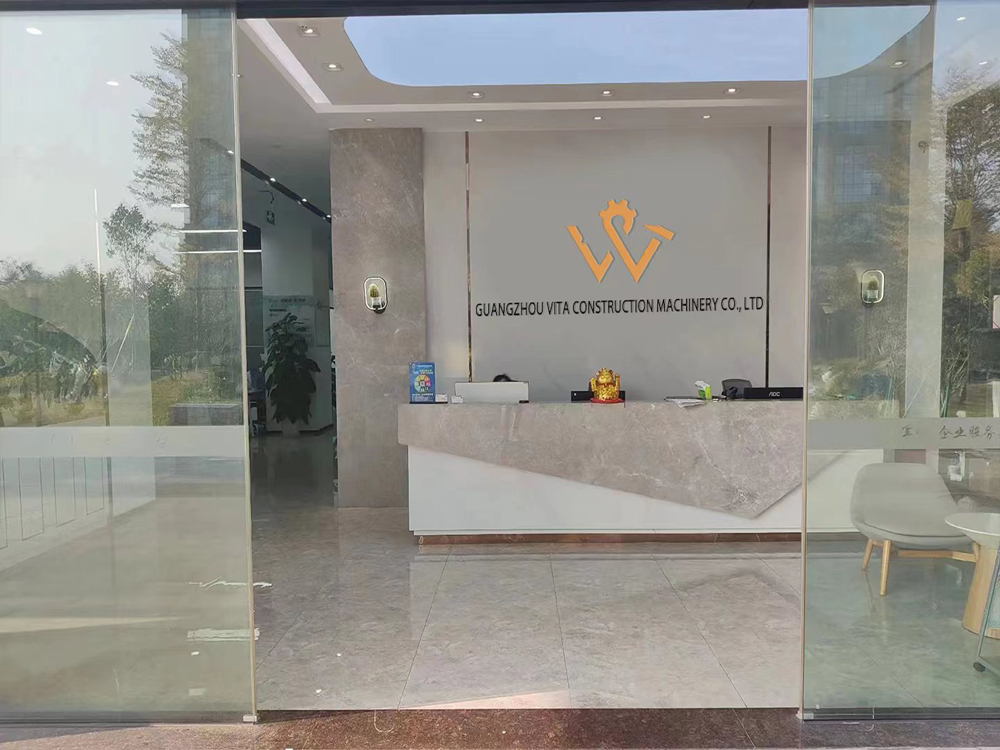
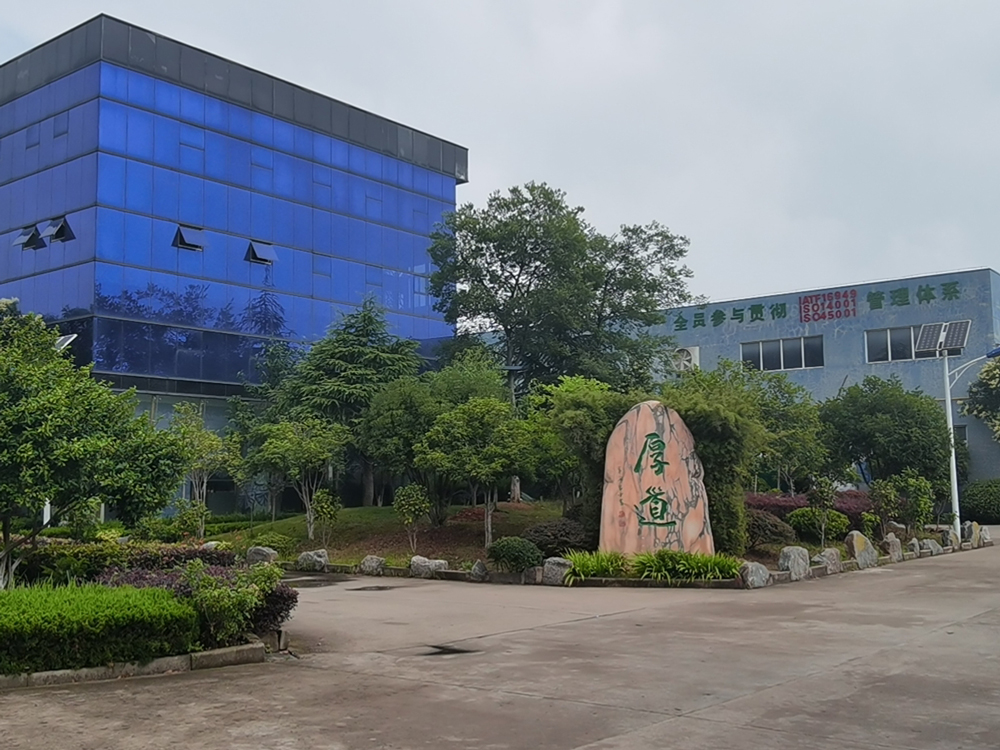
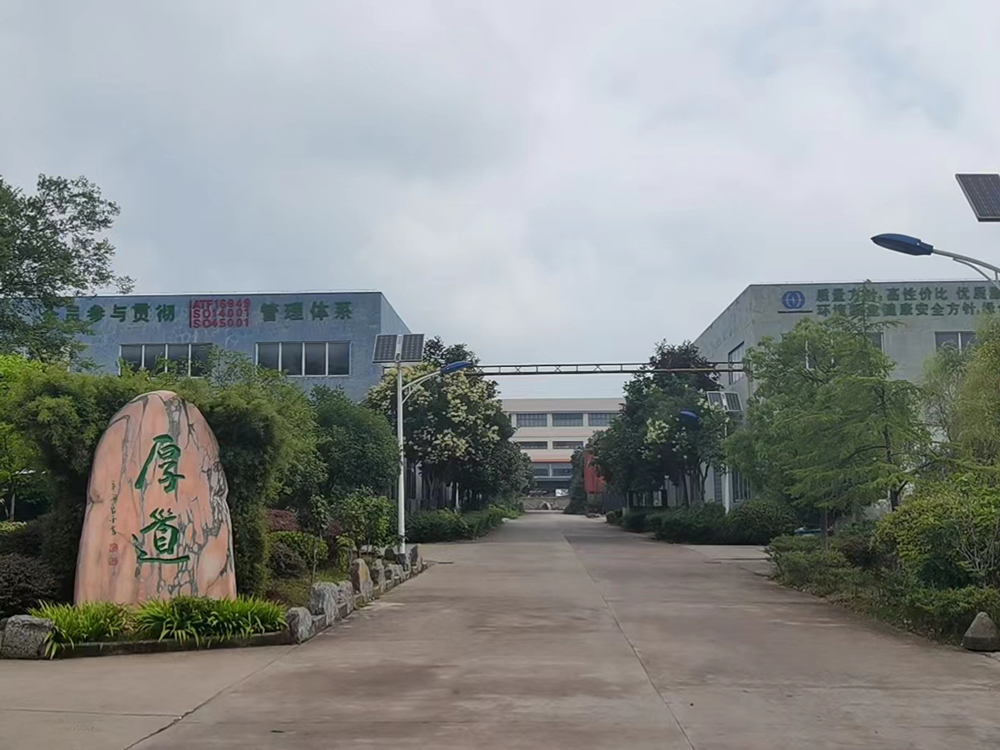
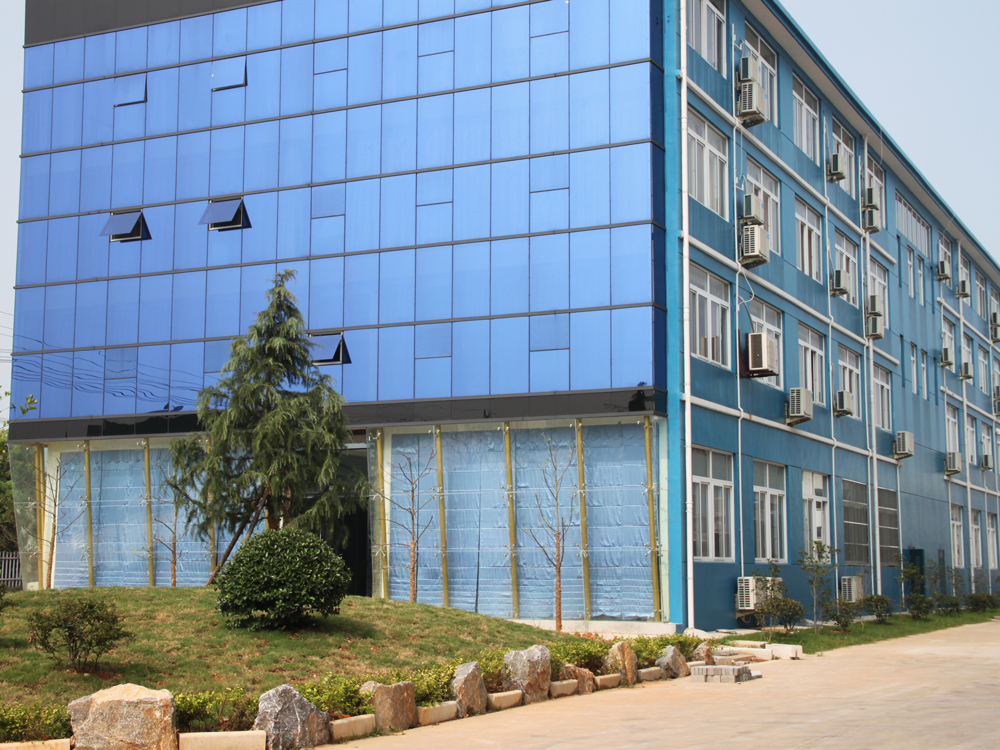
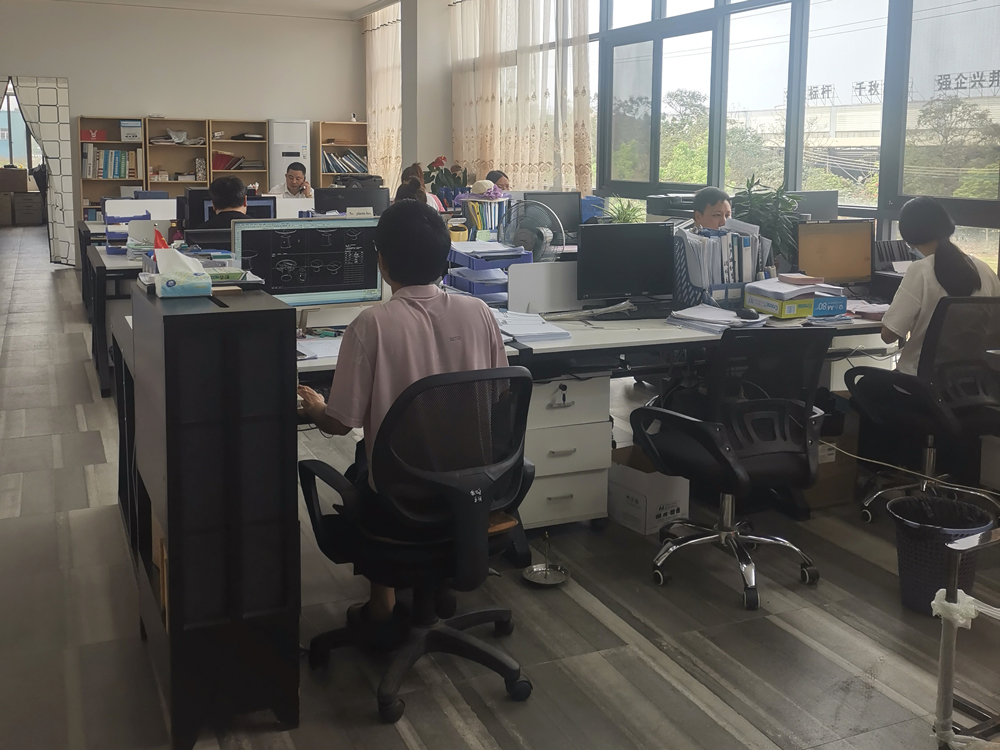
We combine manufacturing capabilities with technical services to support industrial machinery operations worldwide.
We monitor our manufacturing processes from raw materials to final checks. Each production batch undergoes dimensional inspection and metallurgical analysis to ensure compliance with field specifications.
We provide technical support alongside engine assembly parts. Our team helps resolve operational, assembly, and clearance issues that can occur during engine rebuilds.
Our experienced maintenance team can travel to support clients internationally with complex engine repairs, bearing fits, and structural alignment tasks.
Procuring connecting rod bearings for heavy-duty machinery requires evaluating several key factors to ensure component reliability and performance:
Get answers to common technical and procurement questions about Caterpillar connecting rod bearings.
The lifespan of a connecting rod bearing depends on operational conditions, oil filtration quality, load profiles, and maintenance intervals. Under normal conditions and with clean lubrication, high-quality aftermarket bearings can last between 10,000 and 15,000 operating hours before overhaul inspection is recommended.
Eccentricity is designed to make the bearing shell slightly thinner near the parting line than at the crown. This profile accommodates housing deformation under load and helps maintain a stable oil film, preventing direct metal contact at the parting joints.
Bimetal bearings typically use an aluminum-tin alloy bonded directly to a steel back. They offer good wear resistance and operate without lead. Tri-metal bearings include an additional copper-lead intermediate layer and a thin electroplated overlay, which provides higher load capacity and improved particle embedding for heavy-duty applications.
Our quality control program in Hubei includes raw material inspections, automated line checks during sintering and electroplating, and CMM checks for finished dimensions. We maintain batch traceability to track material and processing conditions.
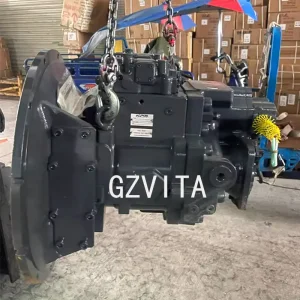
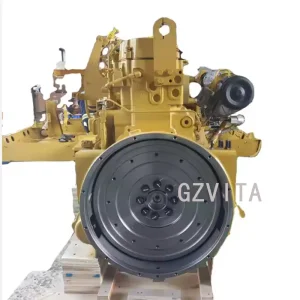
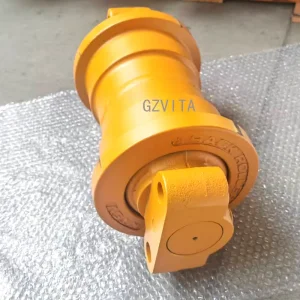
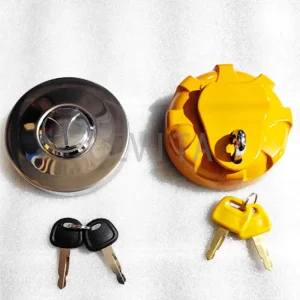
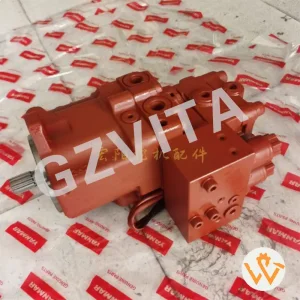
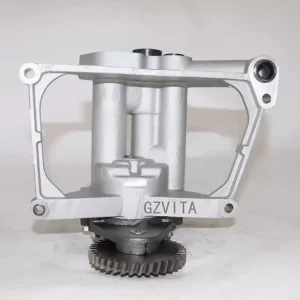
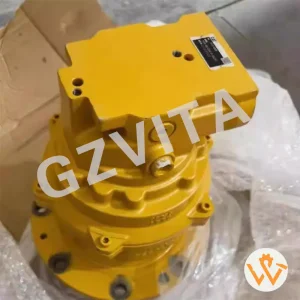
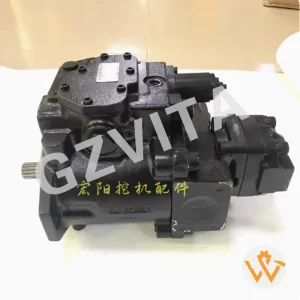
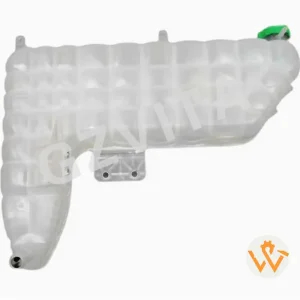
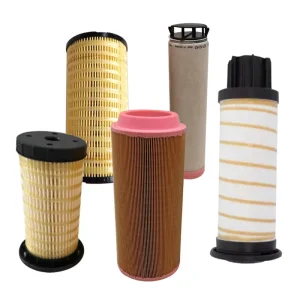
A selection of excavator, bulldozer, and engine replacement parts sourced for global industrial clients.
 Vita Construction