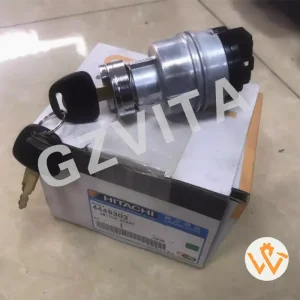
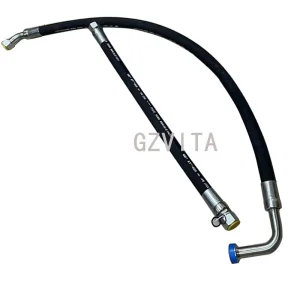
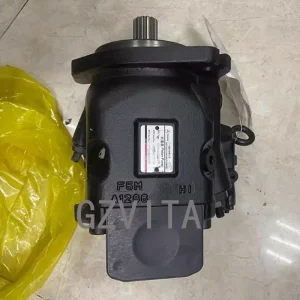
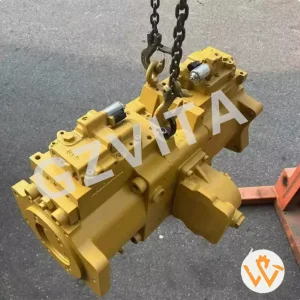
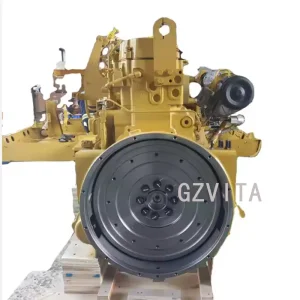
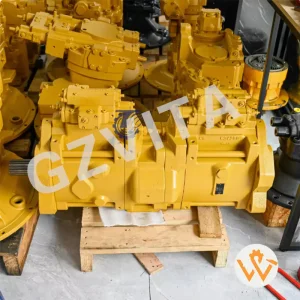
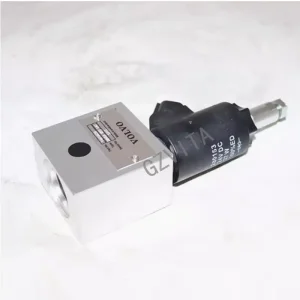
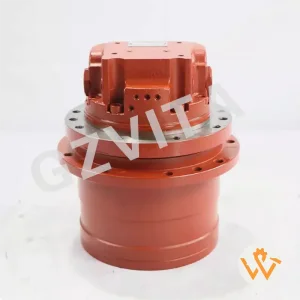
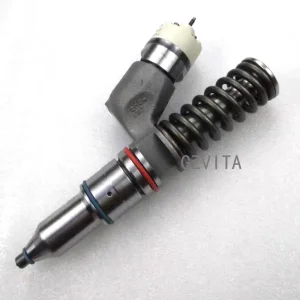
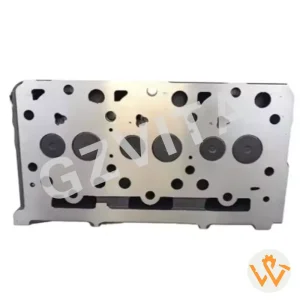
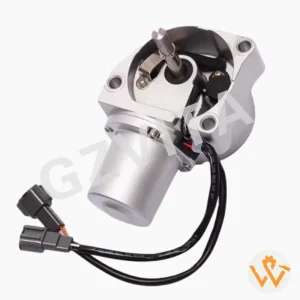
High-precision replacement components for globally recognized construction and mining machinery platforms
The connecting rod (commonly abbreviated as con-rod) acts as the kinematic bridge within internal combustion engines, translating the linear, reciprocating motion of the pistons into the rotational kinetic energy of the crankshaft. In heavy construction machinery—such as hydraulic excavators, large-wheel loaders, and earthmoving bulldozers—this mechanical link is subjected to extreme thermal, chemical, and physical stresses. Every combustion cycle subjects the connecting rod to peak gas pressures reaching up to 180 bar, alongside massive inertial forces generated by the rapid deceleration and acceleration of the piston assembly.
Structurally, the connecting rod consists of three primary zones: the small end (wrist pin end), the shank, and the big end (crankpin end). The small end interfaces directly with the piston via the gudgeon (wrist) pin, accommodating high angular oscillation. The shank, typically forged in an H-beam or I-beam profile, acts as the main column transferring force. The big end split-design connects around the crankpin journal of the crankshaft, containing precision-engineered shell bearings (con-rod bearings) that require a constant, pressurized hydrodynamic lubrication film to prevent direct metal-on-metal contact.
During the operation of large-displacement engines (such as the Caterpillar C12 or Cummins QSB series), the connecting rod is exposed to two primary stress regimes:
Failure to maintain strict metallurgical purity, micro-geometry tolerances, or precise bolt torque values can lead to fatigue fractures, resulting in catastrophic engine failure (often referred to as "throwing a rod"), which destroys the engine block, crankshaft, and cylinder head.
How advanced engineering guarantees durability under continuous high-load operations
Optimized I-beam and H-beam cross-sections engineered via Finite Element Analysis (FEA) to distribute axial combustion stresses evenly and prevent deformation under load spikes.
Precision oil channels and micro-grooves ensure continuous lubrication at the journal bearings, lowering friction coefficients and preventing thermal seizures.
Cracked-conrod manufacturing processes generate perfectly mating surfaces at the big end cap joint, ensuring absolute roundness and eliminating lateral cap shifting.
On a global industrial scale, the demand for replacement engine components has shifted from basic mechanical compatibility to high-durability solutions that minimize operational downtime. In infrastructure development, mining operations, and logistics, a single day of excavator downtime can translate into tens of thousands of dollars in lost productivity. Thus, the supply of wholesale engine parts, including connecting rods, crankshafts, and hydraulic pump assemblies, requires robust supply chain logistics and highly rigorous quality assurance protocols.
Today's construction machinery industry is dominated by high-performance platforms from manufacturers like Caterpillar, Komatsu, Volvo, Sany, and Hitachi. For fleet managers and international distributors, procurement decisions are heavily influenced by the availability of Tier-1 aftermarket or OEM-equivalent parts. Because these engines run under highly variable load factors, component reliability directly impacts fuel efficiency, exhaust emissions, and the overall total cost of ownership (TCO).
With the implementation of strict environmental regulations globally—such as EPA Tier 4 Final in North America and Stage V in Europe—engine designs have undergone dramatic shifts. Combustion chambers run hotter, injection pressures are higher, and cylinder pressures have risen significantly. These changes place unprecedented burdens on reciprocating internals:
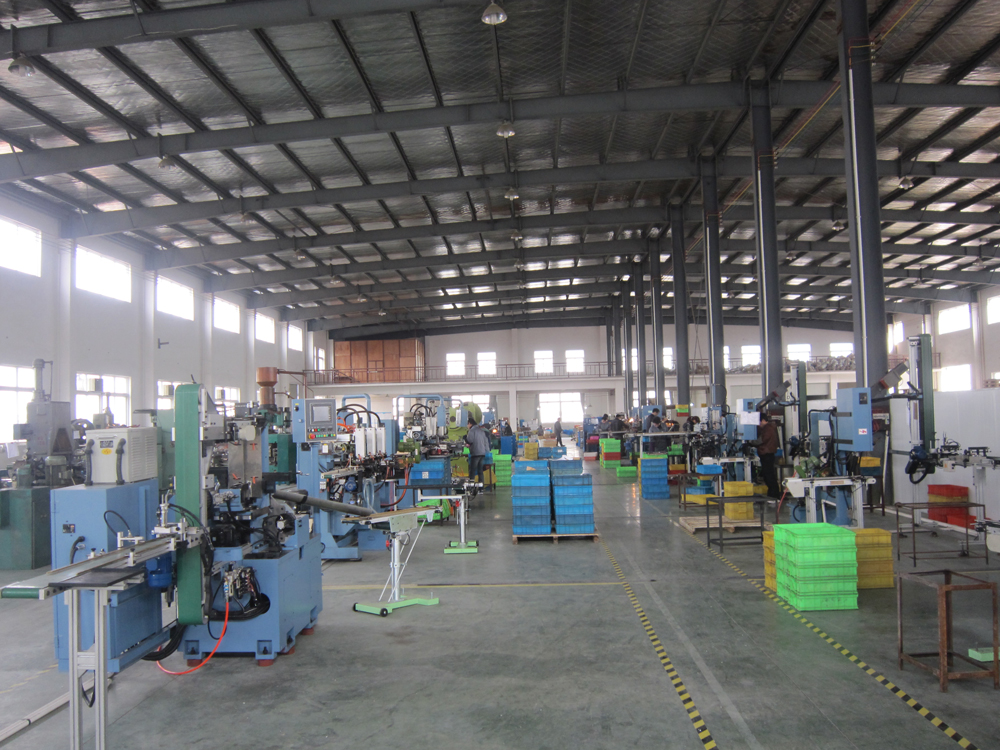
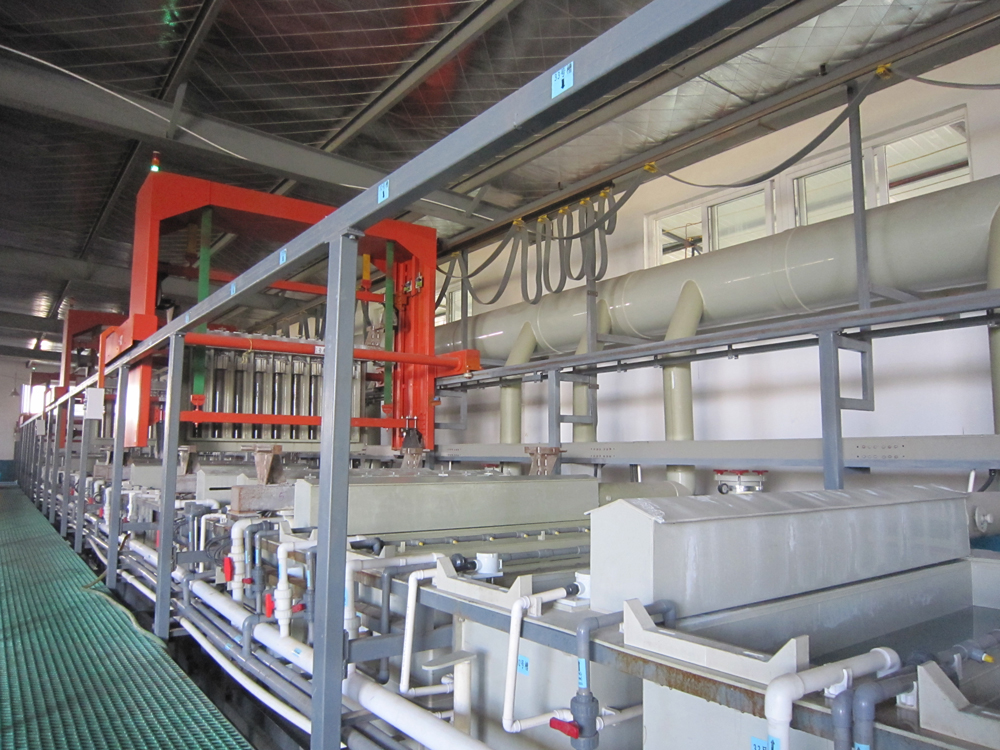
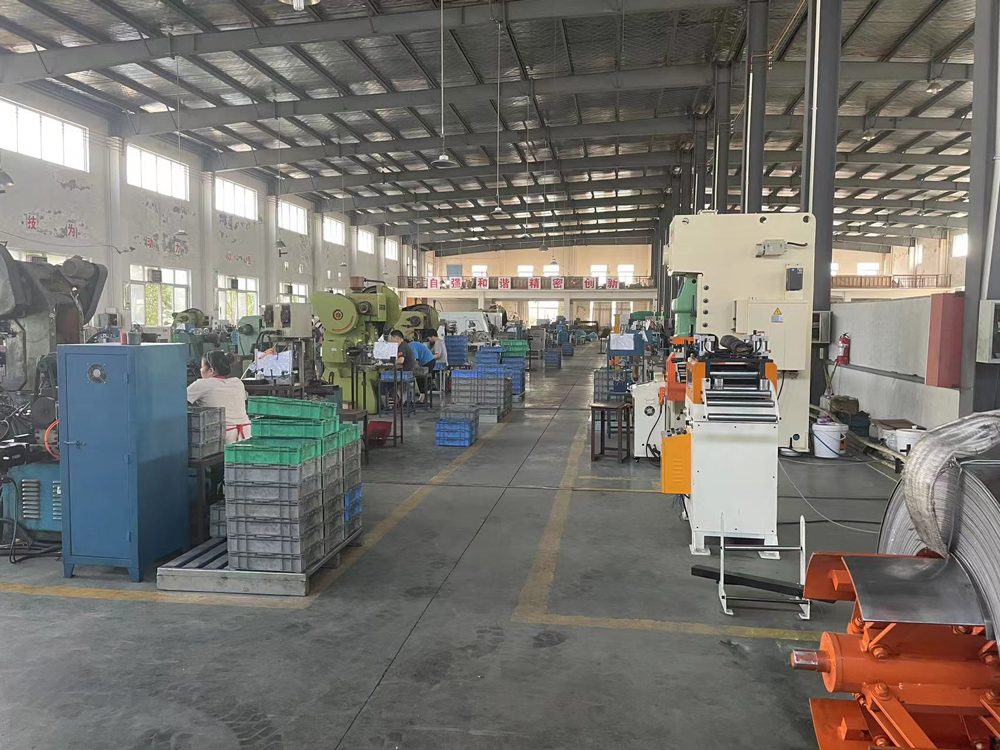
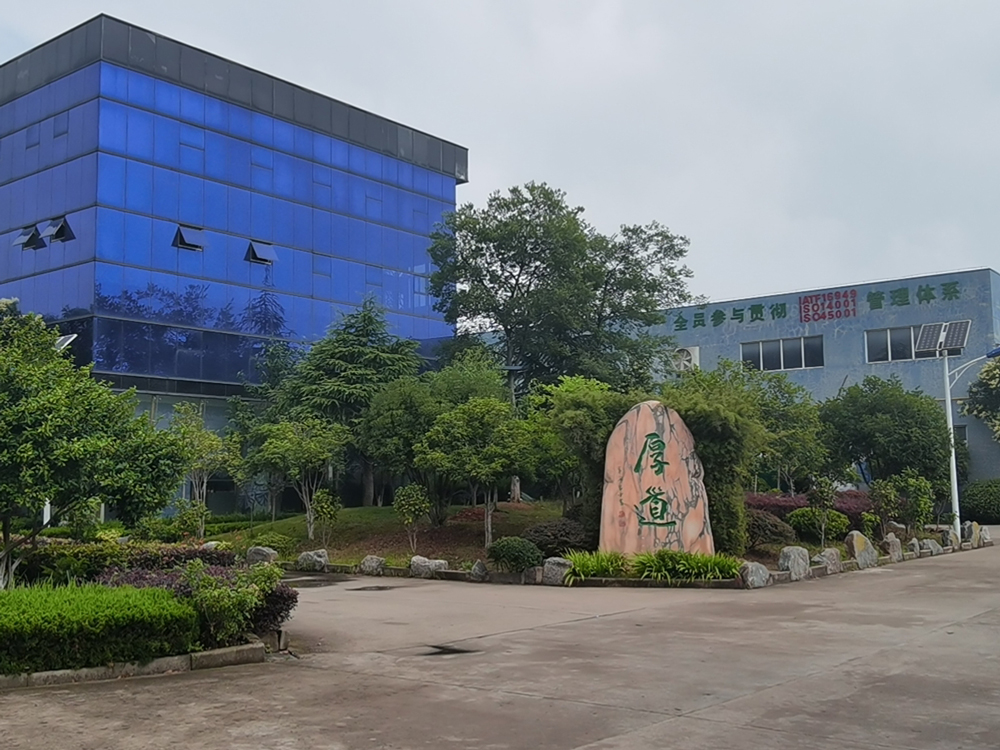
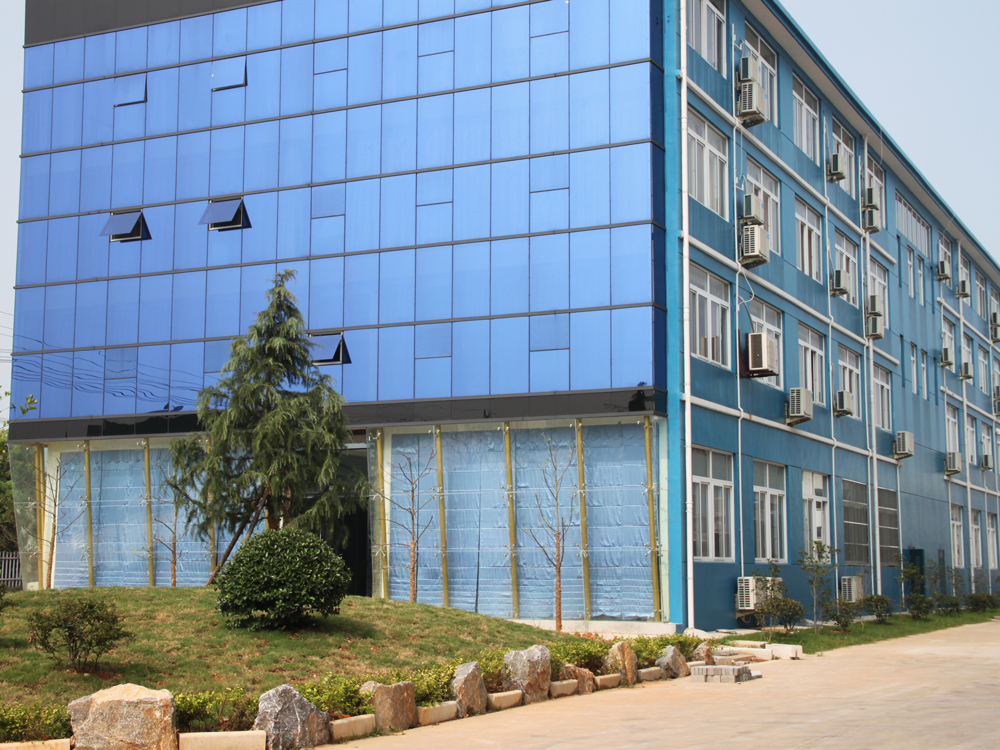
Established as a market-leading enterprise combining advanced factory production with international trade expertise, we specialize in the development, manufacture, and global distribution of premium construction machinery components. Our manufacturing facility, based in Xiangyang City, Hubei Province, spans a state-of-the-art 18,000 square meter workshop.
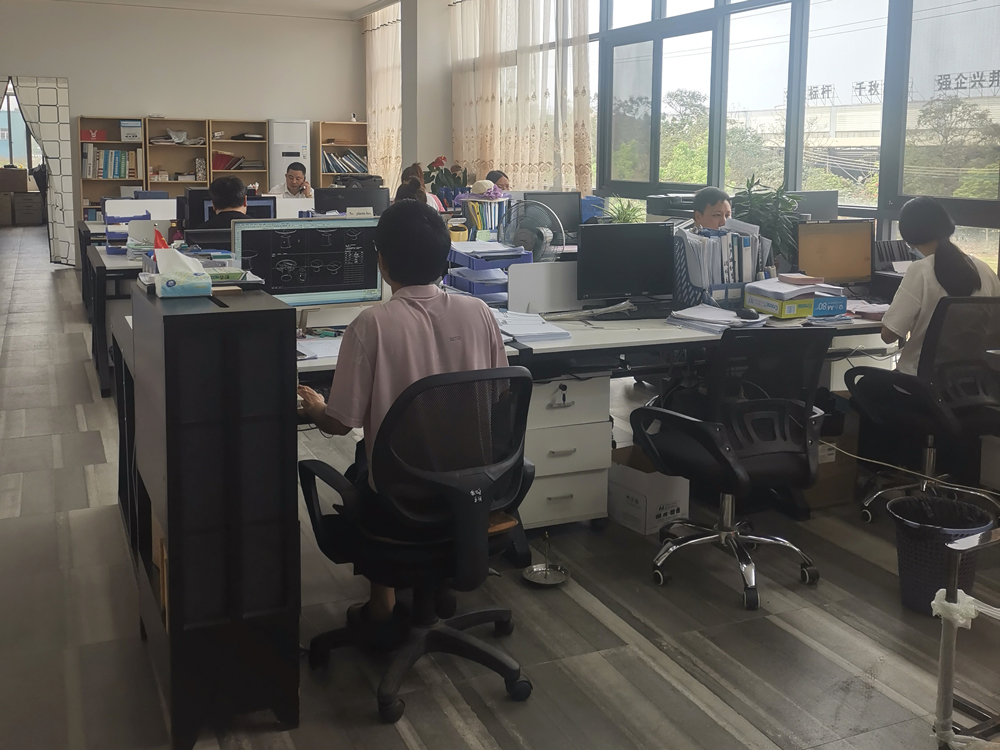
Equipped with highly advanced CNC machining centers, automated forging lines, and high-precision testing apparatus, our production capability is sustained by over 278 well-trained technical workers and an engineering R&D group consisting of 8 experienced mechanical engineers.
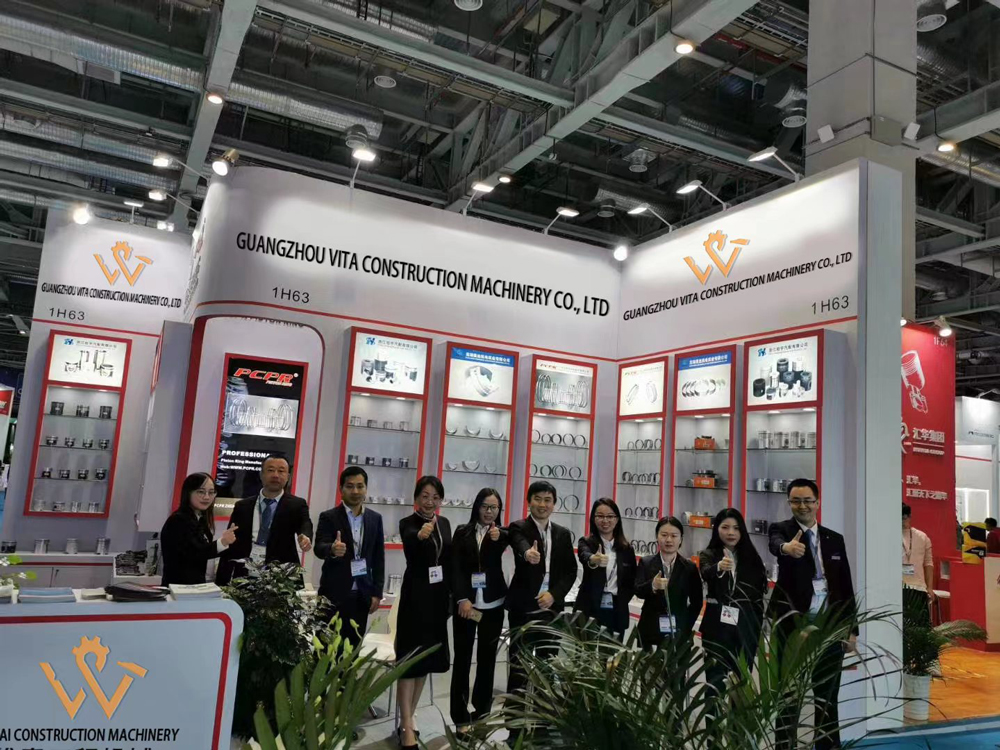
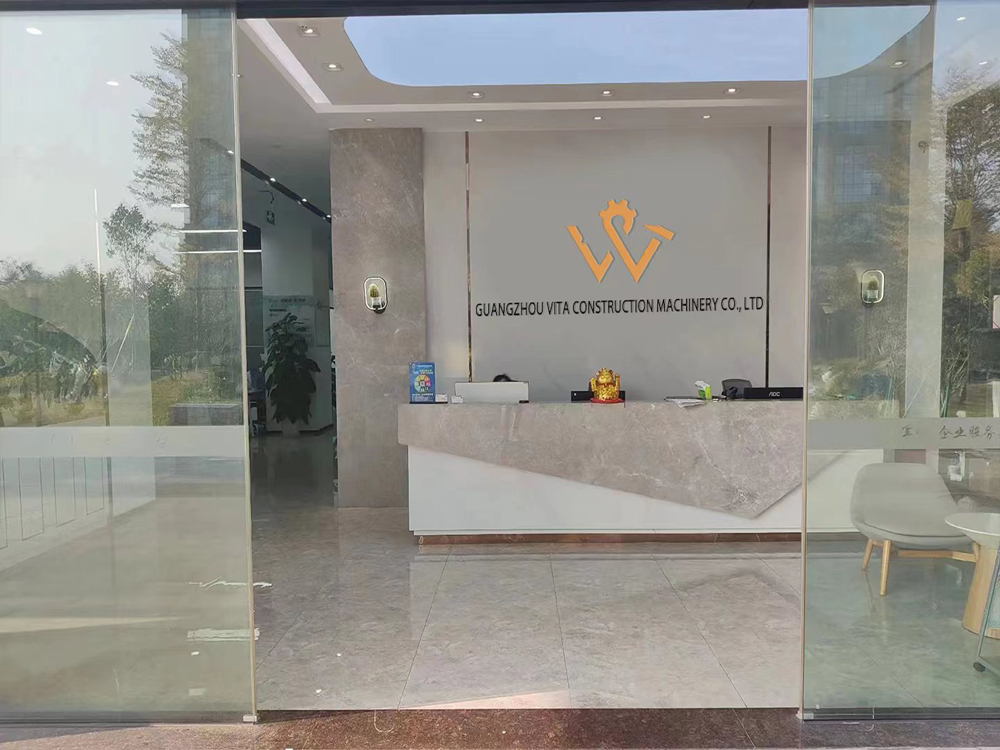
At Guangzhou Vita Construction Machinery Co., Ltd., we recognize that component reliability dictates project success. Our production is governed by strict ISO-certified protocols, covering every stage from raw material selection through heat treatment, precision machining, and final dimensional validation.

Heavy-duty machinery operates across a vast array of demanding environments. A connecting rod inside a Komatsu PC300 excavator operating at 4,000 meters above sea level in the Andes experiences radically different thermal and pressure gradients compared to one working in a Sany SY365C excavator in the hot, humid mines of Southeast Asia.
In high-altitude mining operations, the reduced air density affects the combustion profile. Turbochargers must spin faster to maintain boost pressures, which can result in shifted peak cylinder pressures and altered mechanical loads. If the connecting rods are not optimized with precise structural tolerances and balanced dynamic masses, these pressure shifts can accelerate bearing shell fatigue.
Similarly, in arctic conditions, cold-start friction poses a major threat to connecting rod integrity. Without proper oil film development, the rod's big end bearing shell can spin inside the housing, causing catastrophic scoring of the crankpin journal. Our engineering team addresses these real-world challenges by utilizing optimized micro-alloyed materials and advanced surface finishes that retain oil films even during dry cold starts.
As the global heavy-machinery sector moves toward alternative fuels, hybridization, and hydrogen-powered internal combustion engines, the mechanical requirements placed on connecting rods continue to evolve. Hydrogen combustion, for instance, features extremely high flame speeds and rapid pressure rises, resulting in steeper load gradients on the piston and connecting rod assembly.
To support this transition, our engineering divisions are actively testing new materials and manufacturing technologies designed to deliver increased strength without adding reciprocating weight.
Transitioning to ultra-pure powder metallurgy processes that reduce internal void densities by 99.8%, significantly improving fatigue life under high cyclic combustion pressures.
Developing optimized H-beam designs specifically balanced for heavy duty hybrid excavators, which undergo frequent stop-start cycles under load.
Embedding micro-strain gauges near the shank to monitor real-time combustion pressures and transmit structural health data to telemetry units for predictive maintenance.
To maintain high reliability, our engine components are manufactured to align with international material and dimensional standards. Forged steel connecting rods undergo precise chemical analyses to confirm compliance with European (EN), American (ASTM), and Japanese (JIS) structural alloy classifications:
By maintaining strict material verification processes, we prevent hydrogen embrittlement and inclusions that could compromise rod reliability. This level of quality control ensures our components are suitable for safety-critical mining and municipal infrastructure applications worldwide.
Professional engineering answers to key technical issues in industrial engines
Connecting rod failures typically stem from fatigue cracking due to cyclic overload, bearing lubrication failures that lead to rod-eye seizure, or piston pin failures. Improper torqueing of the big-end rod bolts can also cause cap misalignment, leading to bearing wear and eventual rod breakage.
Fracture-splitting snaps the forged rod cap from the rod body along a predetermined plane. This creates two matching, interlocking surfaces that align perfectly when bolted together around the crankpin, eliminating lateral shifting and ensuring high roundness under loads.
H-beam rods have wider flanges and are generally better at handling high compressive loads, making them ideal for turbocharged engines. I-beam rods are often lighter and perform well in high-RPM operations.
Additional engine components, hydraulic systems, and transmission parts engineered for long service life
 Vita Construction