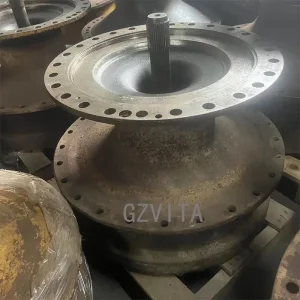
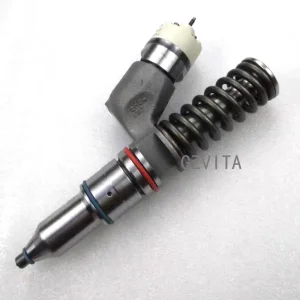
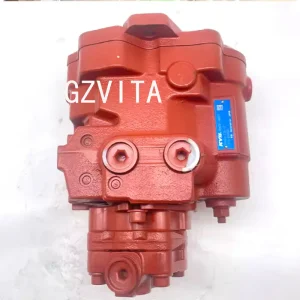
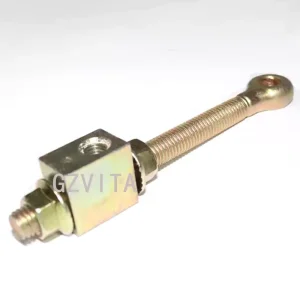
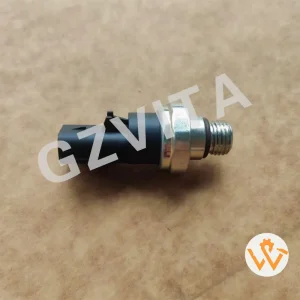
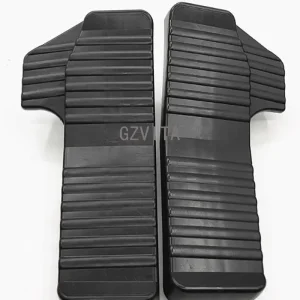
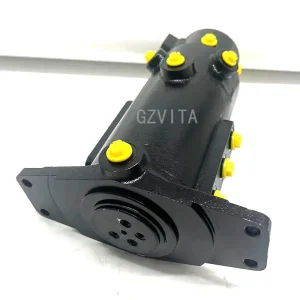
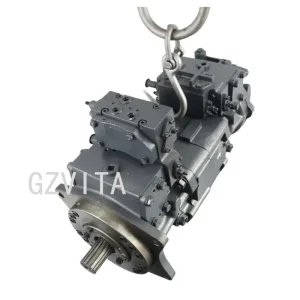
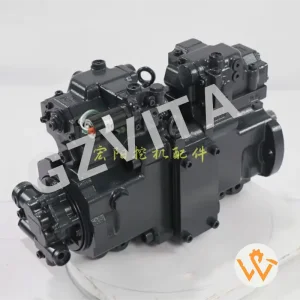
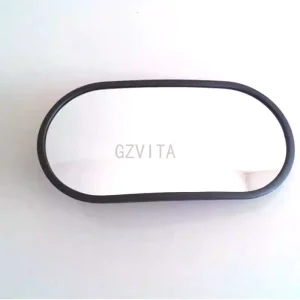
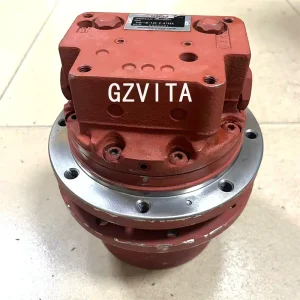
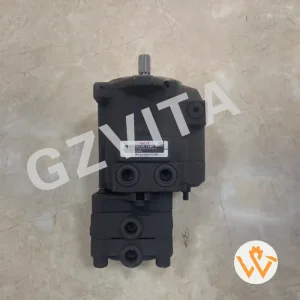
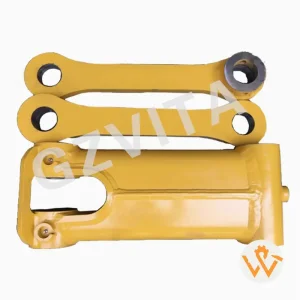
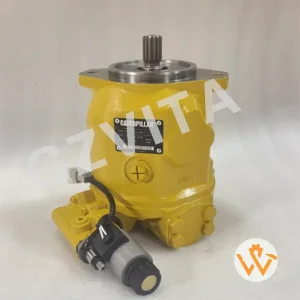
Explore our initial tier of heavy equipment components engineered for precision operation, structural safety, and high performance.
Within large-bore diesel, gas, and dual-fuel engines, the crankcase represents a hazardous environment where oil mist, atmospheric oxygen, and heat can combine to form an explosive mixture. If an internal mechanical failure occurs—such as a hot spot on a bearing or piston—the ignition threshold can easily be crossed, resulting in a primary crankcase explosion.
A crankcase relief valve is a precision-engineered safety mechanism designed to vent sudden overpressure instantly, minimizing damage and preventing the catastrophic structural failure of the crankcase doors. The design incorporates an integral flame arrester to extinguish flames inside the venting path, preventing a dangerous secondary explosion in the engine room.
Modern industrial operations demand valves with minimal inertia, rapid opening characteristics, and reliable resealing capabilities to prevent post-explosion air ingress which could feed a secondary combustion cycle.
Industrial crankcase safety systems must comply with international standards such as IACS UR M66 (Unified Requirements for Crankcase Explosion Relief Valves). This ensures every safety valve is pressure-tested, flame-tested, and optimized for structural integrity.
Our operational scale and technical precision provide unmatched supply reliability across Europe, the Americas, and the Asia-Pacific region.
Understanding the transition toward decarbonization, sensor integration, and regulatory tightening in the heavy machinery sector.
Modern engine rooms are adopting smart-sensor integrations. Real-time pressure sensors are mounted adjacent to relief valves to track minimal pressure variations, signaling early-stage piston ring wear or blow-by issues before a critical overpressure condition is reached.
The transition to green ammonia, methanol, and hydrogen fuels introduces unique crankcase safety concerns. Hydrogen and ammonia blow-by gases present different ignition profiles compared to hydrocarbons, demanding specialized valve geometries and enhanced chemical resistance for elastomer seals.
Stricter environmental regulations require zero oil-mist leakage during standard operations. Crankcase relief valves must balance immediate pressure relief with strict atmospheric sealing during normal runs to minimize greenhouse gas and oil aerosol emissions.
When evaluating crankcase relief valves for procurement, operations managers focus on performance criteria:
Heavy machinery fleets require high-quality components that guarantee zero unplanned downtime. Procurement officers in the marine, power generation, and heavy construction sectors prioritize supply chain reliability and strict quality audits.
Understanding these challenges, Guangzhou Vita Construction Machinery Co., Ltd. ensures that all relief valves, engine spares, hydraulic components, and related structural elements undergo extensive QA testing. We address regional supply risks by maintaining a buffer stock of key raw materials at our 18,000 sqm production facility, allowing us to maintain lead times even during global supply line disruptions.
By standardizing component dimensions and structural tolerances, our product range serves as direct replacements for equipment manufactured by brands like Komatsu, Volvo, Caterpillar, Hitachi, and others, ensuring seamless integration on site.
Combining state-of-the-art engineering facilities with global trade infrastructure to deliver high-performance heavy machinery components.
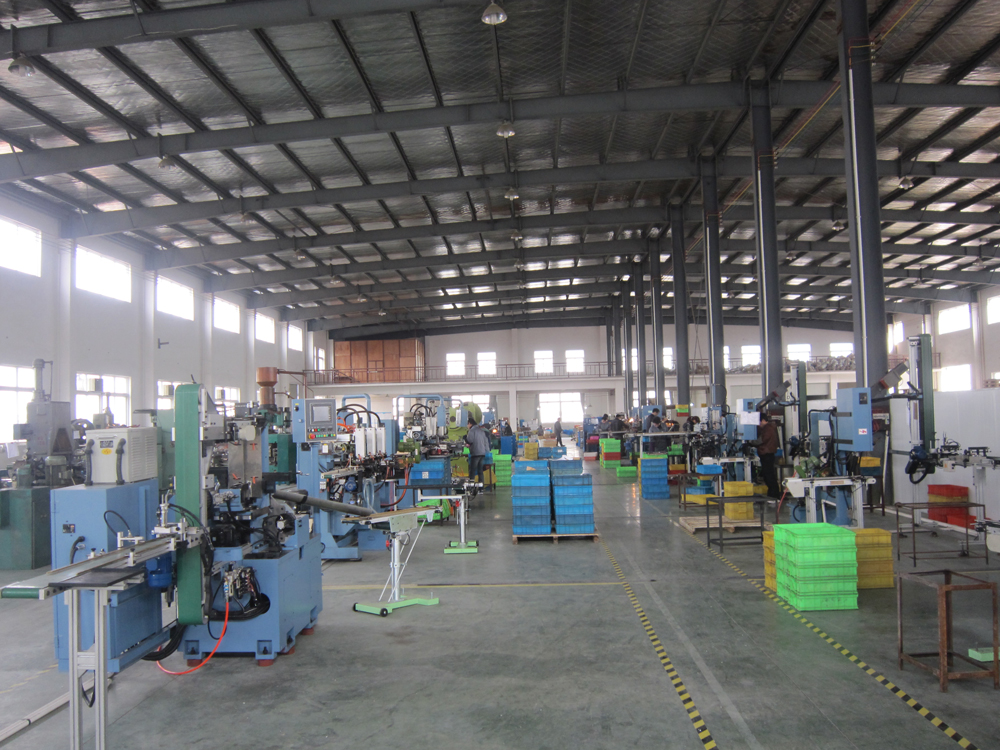
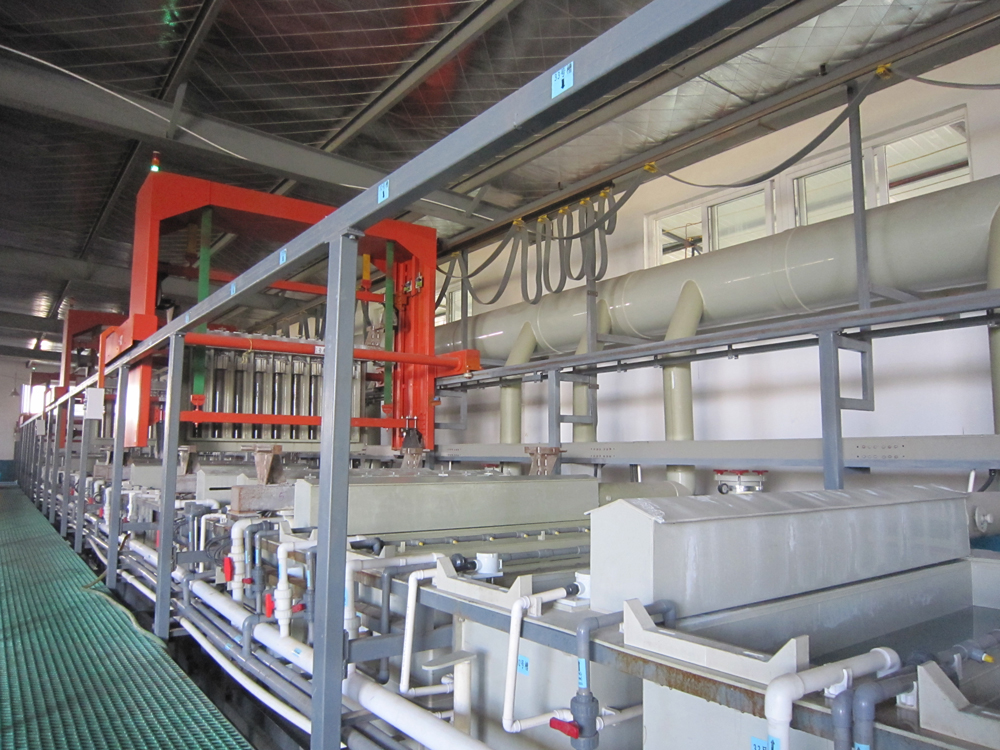
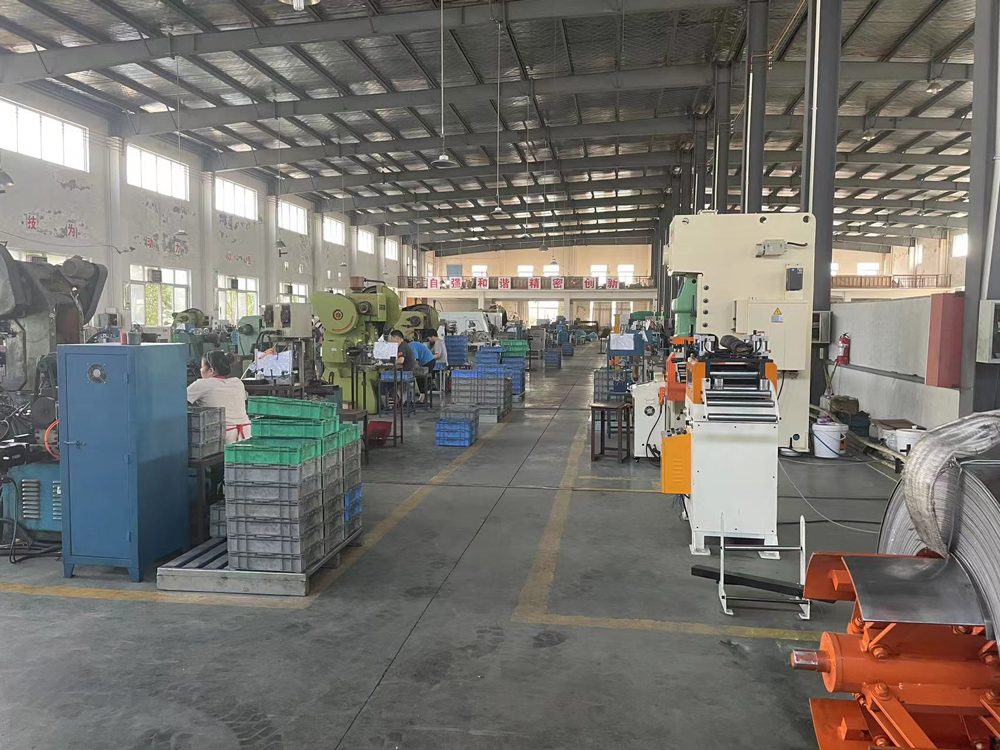
Guangzhou Vita Construction Machinery Co., Ltd. is one of the largest companies combining factory-level production with foreign trade operations. The factory is located in Xiangyang City, Hubei Province, where our team operates an advanced 18,000 square meter workshop equipped with precision production machinery. Supported by more than 278 well-trained, skilled workers and 8 experienced engineers, we ensure consistent product quality, rapid delivery times, and accurate technical support.
We specialize in producing, developing, and selling a comprehensive range of construction machinery parts. This includes engine assemblies, hydraulic pumps, final drives, electric generating sets, engine bearings (including Main bearings and Connecting Rod bearings), crankshafts, engine valves, gear pumps, cylinders, industrial filters, excavator buckets, and robust undercarriage components for both excavators and bulldozers. Our replacement parts are engineered to fit a wide selection of global brands, including Komatsu, Volvo, Sumitomo, Caterpillar, Kubota, Hitachi, John Deere, Kobelco, Hyundai, Kato, Sany, XCMG, SUNWARD, and other industry-leading equipment makers.
In construction and mining, equipment reliability determines project success. We understand that high-quality components are critical for optimal mechanical performance. Vita Construction Machinery provides high-quality machinery parts to keep your engines, undercarriages, and hydraulic systems running smoothly under the most demanding workloads.
To improve our service offerings, we have established an engine maintenance and development division. Beyond delivering engine assemblies, we assist clients in resolving complex technical issues encountered during engine rebuilds, system integration, and field deployment.
We operate a professional maintenance and technical service team. Our clients can coordinate on-site technical support, allowing our experienced engineers to assist with major diagnostics, overhaul operations, and equipment calibration directly at their global project sites.
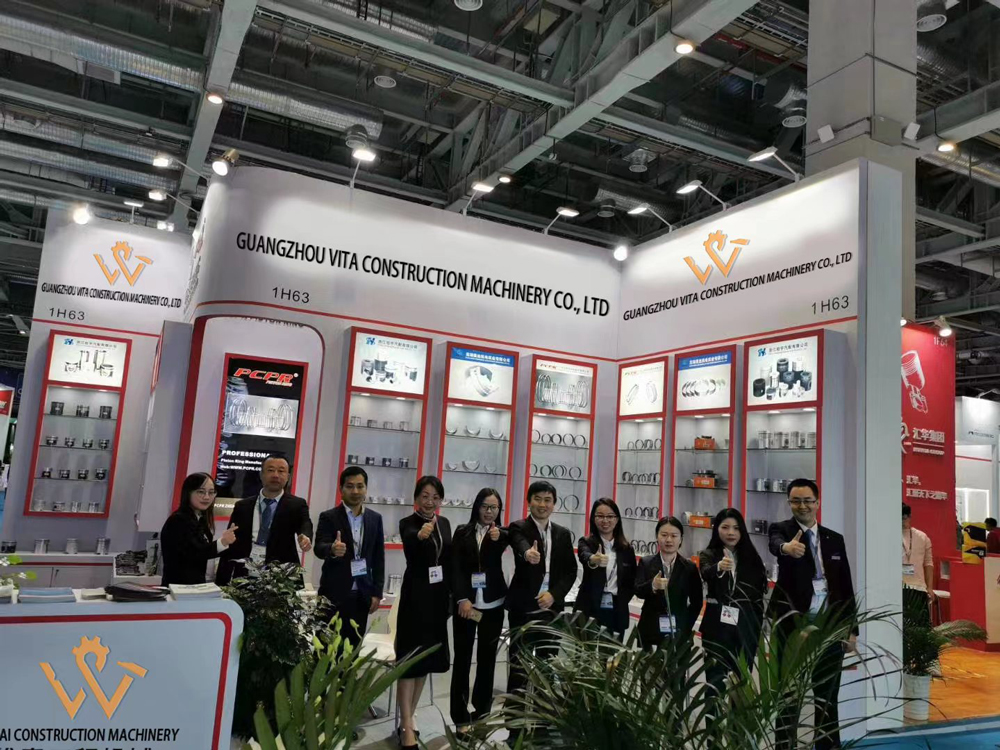
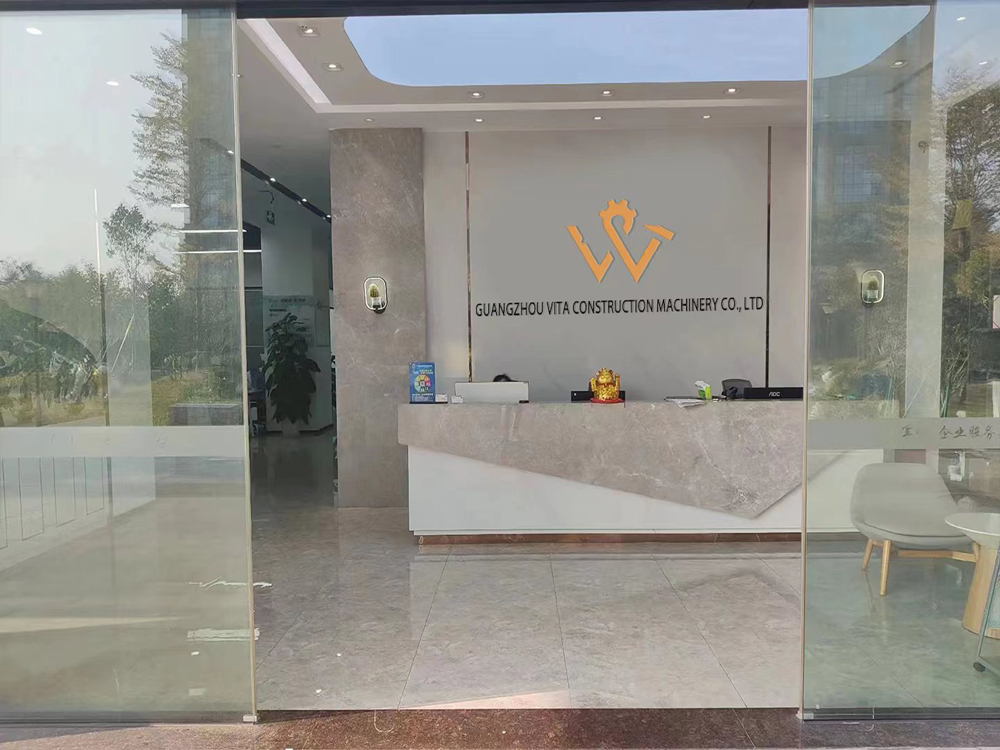
An inside look at our advanced production facilities and quality control divisions.
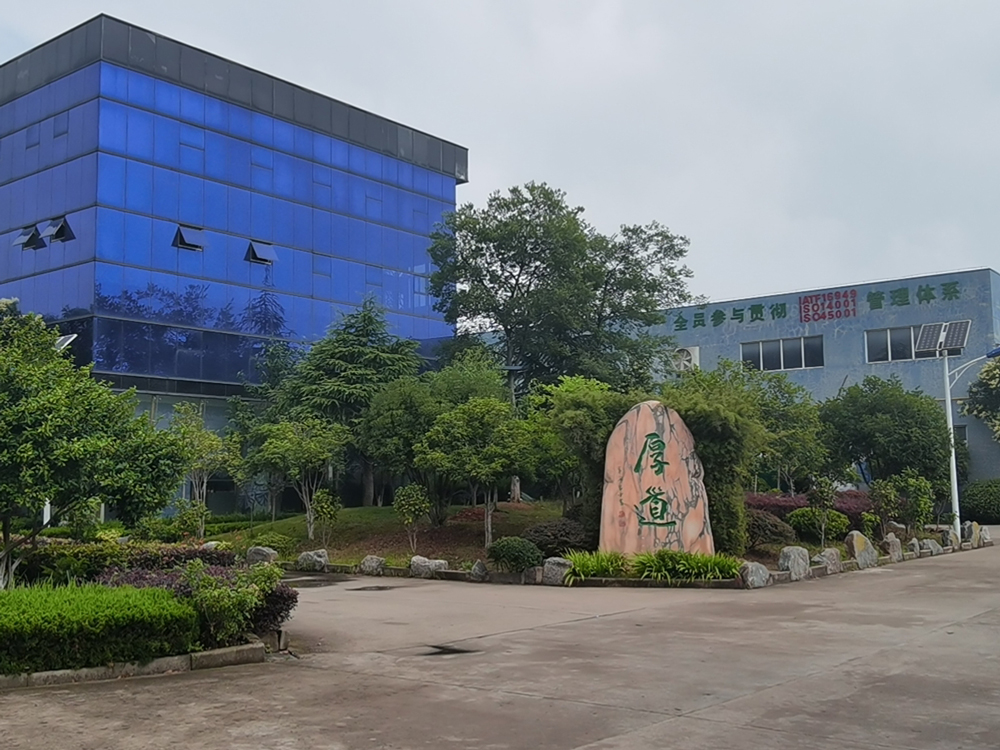
Industrial machinery components must meet varying regulations depending on the country of operation. Whether dealing with European CE directives, ATEX regulations for explosive environments, or specific marine certification guidelines, compliance is a core requirement.
Guangzhou Vita Construction Machinery Co., Ltd. addresses these regulatory requirements by designing, manufacturing, and verifying parts to align with global standards. We provide material certificates, pressure test documentation, and dimensional verification sheets with our shipments. Our distribution network is set up to expedite customs clearance and minimize logistics delays for fleet operators.
Additionally, our maintenance team assists with localized installation questions, helping operators adapt components to meet regional safety and environmental mandates without requiring costly re-engineering of the primary engine systems.
Our quality system covers all phases of manufacturing and distribution:
Addressing engineering questions regarding overpressure venting, safety specifications, and component installation.
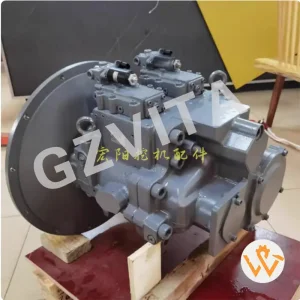
Explore our second tier of components, including heavy-duty hydraulic pumps, links, and mechanical assemblies designed for demanding industrial operations.
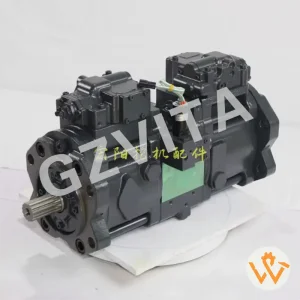
 Vita Construction