 Vita Construction
1 / 5
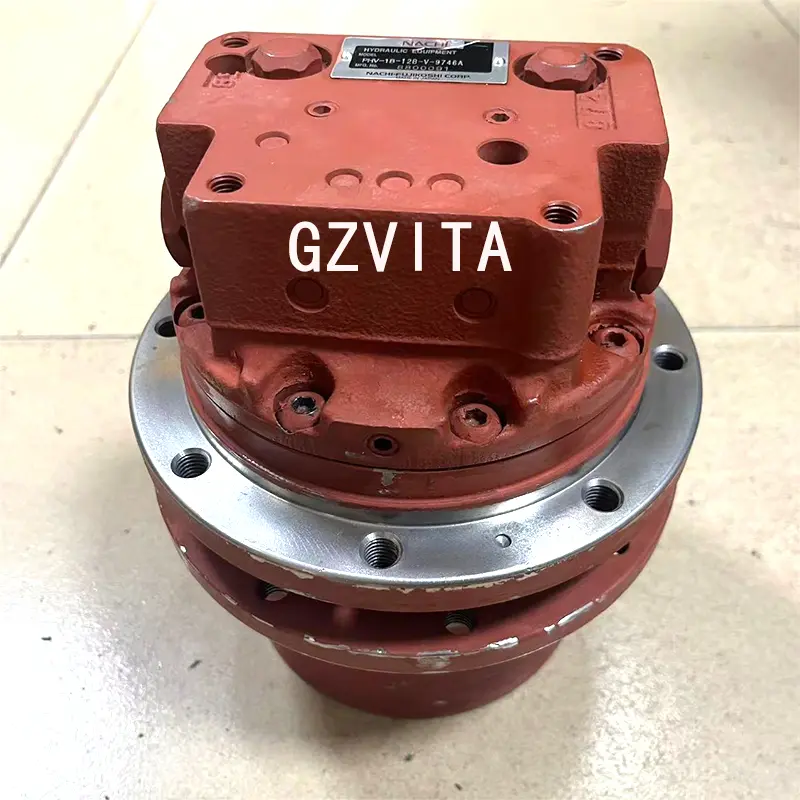
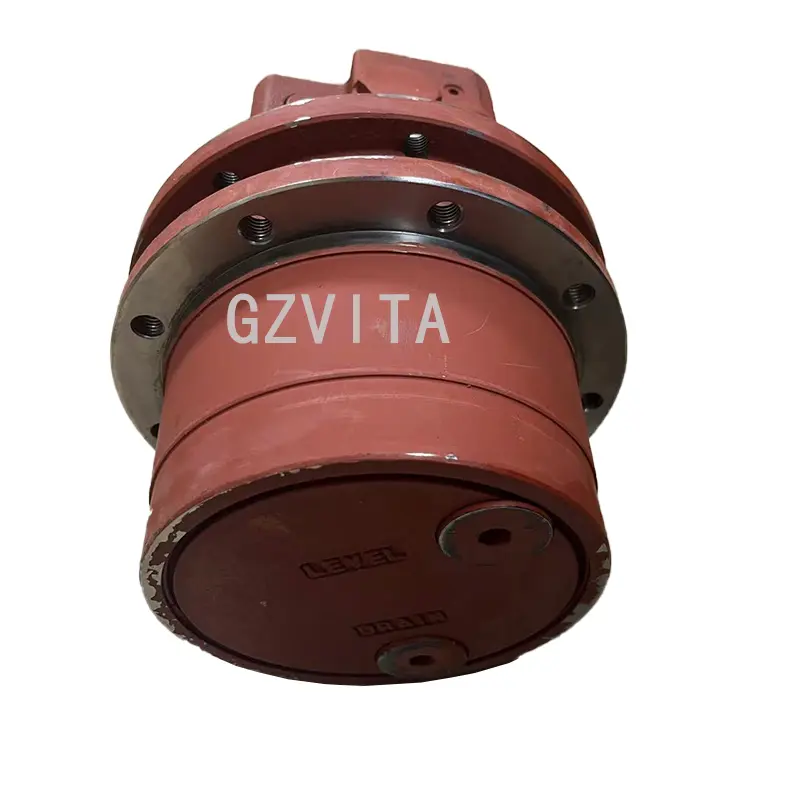
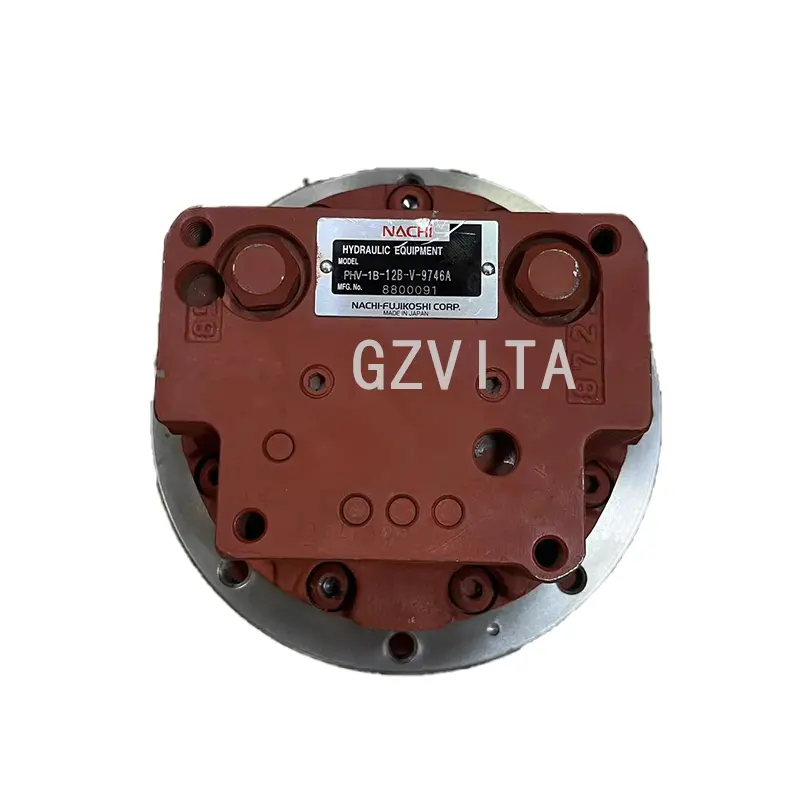
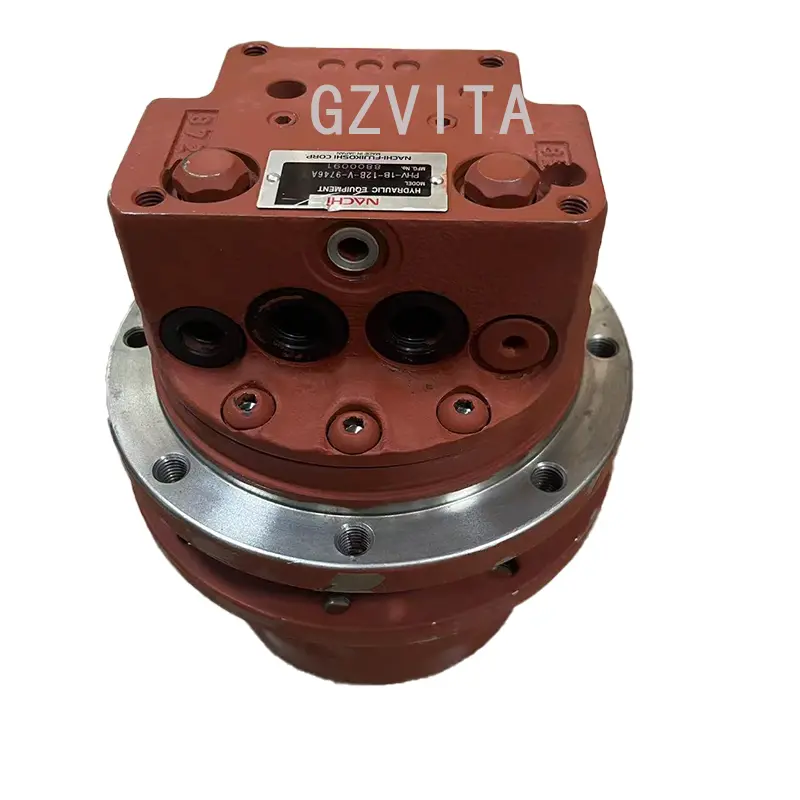
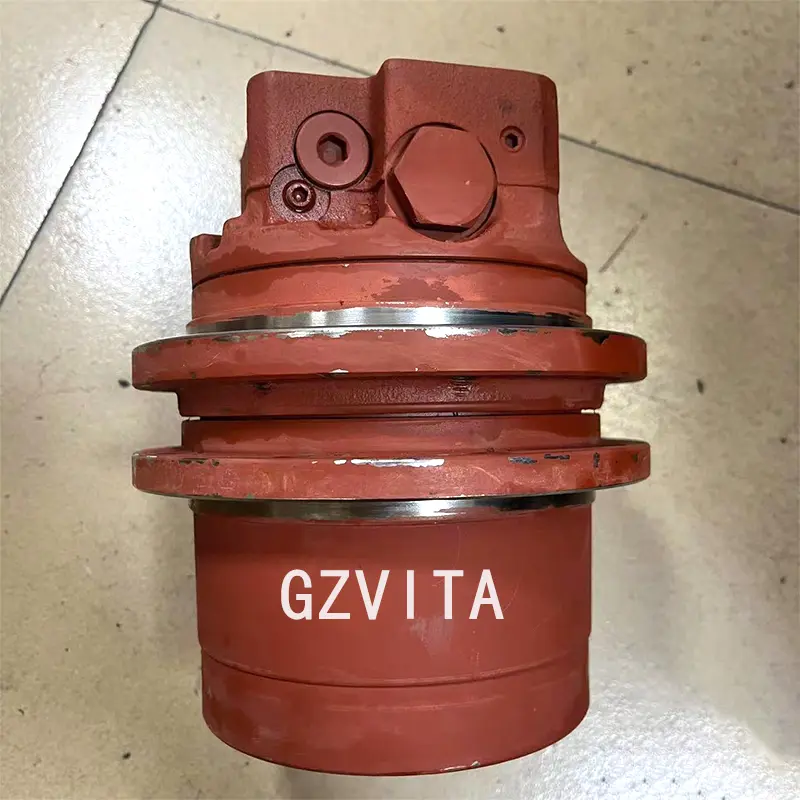
The final drive is a critical component in excavators, responsible for transmitting power from the hydraulic motor to the tracks or wheels, enabling movement and operation. Proper installation of the final drive is essential for optimal performance and longevity of the excavator. Here are key considerations and data related to the installation of the final drive in excavators:
The installation of the final drive in excavators is a critical process that requires attention to detail and adherence to manufacturer specifications. Proper installation ensures the efficient operation of the excavator, contributing to its overall performance and longevity. By following the outlined steps and maintaining regular inspections, operators can maximize the effectiveness of their excavators and minimize downtime.
Using the manufacturer-specified torque settings prevents bolt loosening due to severe operating vibrations and avoids over-stressing structural threads, which can cause component casing cracks.
Misalignment causes rapid, uneven wear on the tracks, sprockets, and internally forces the main bearings to carry uneven loads, drastically reducing the service lifespan of the final drive.
Leaks lead to a loss of system pressure and fluid starvation. This reduces the driving power to the tracks and causes severe friction heat, leading to premature motor or gear failure.
Detailed logs track torque history, oil changes, and test pressures. This data helps schedule preventative maintenance, speeds up future troubleshooting, and supports warranty claims.
Final drives typically require heavy-duty gear oil (often GL-5 rated, such as SAE 90 or 80W-90), but you must consult your specific excavator manufacturer manual to matches your operating climate and model.