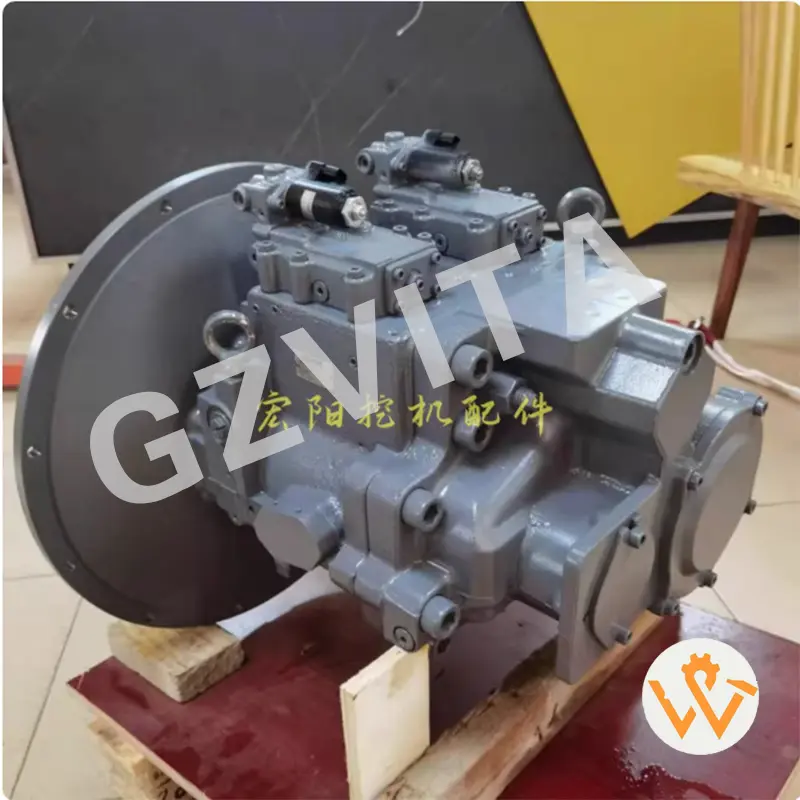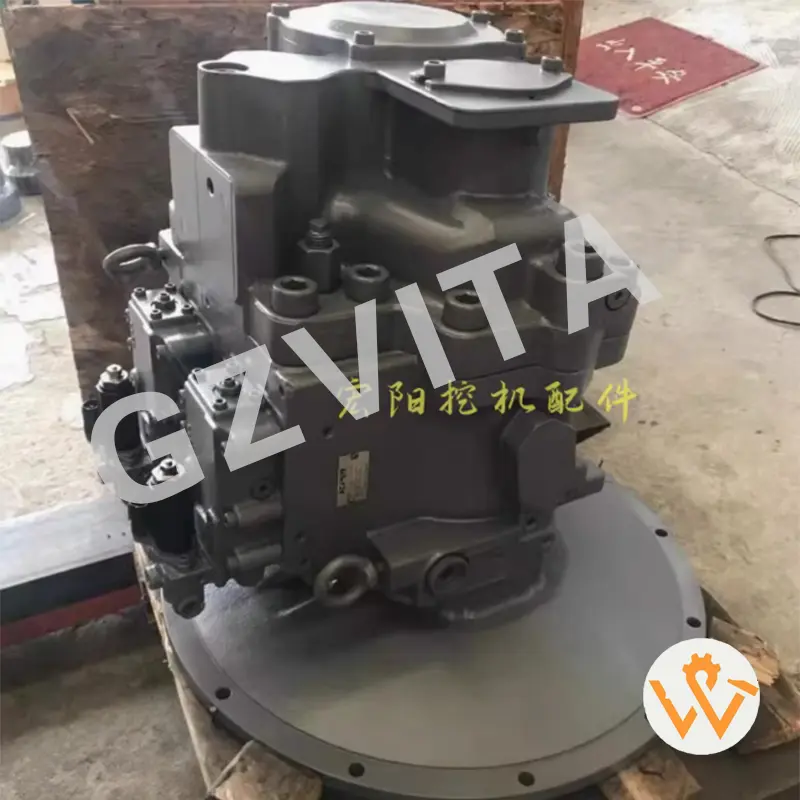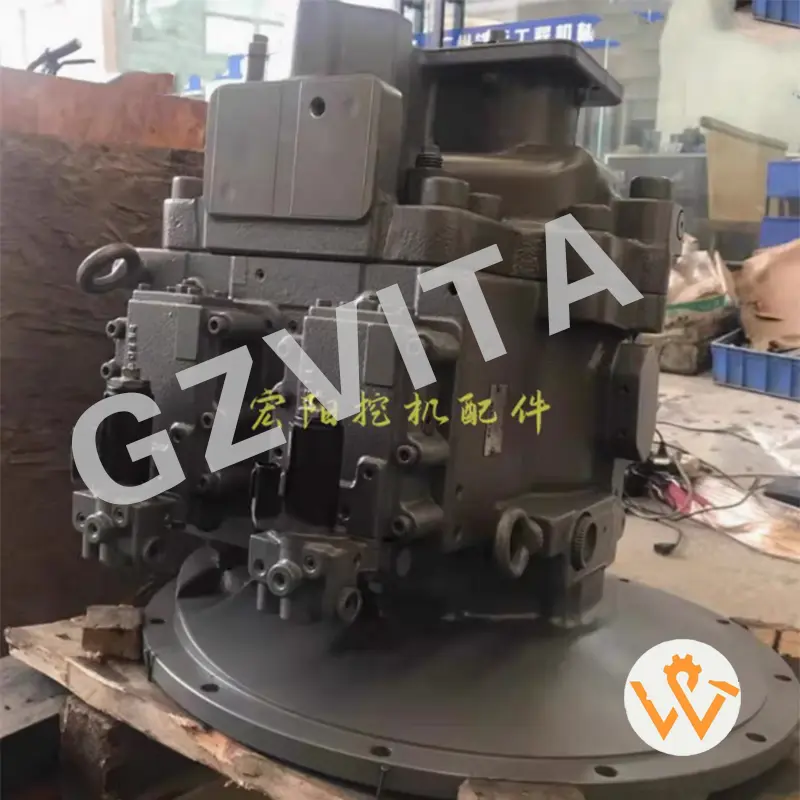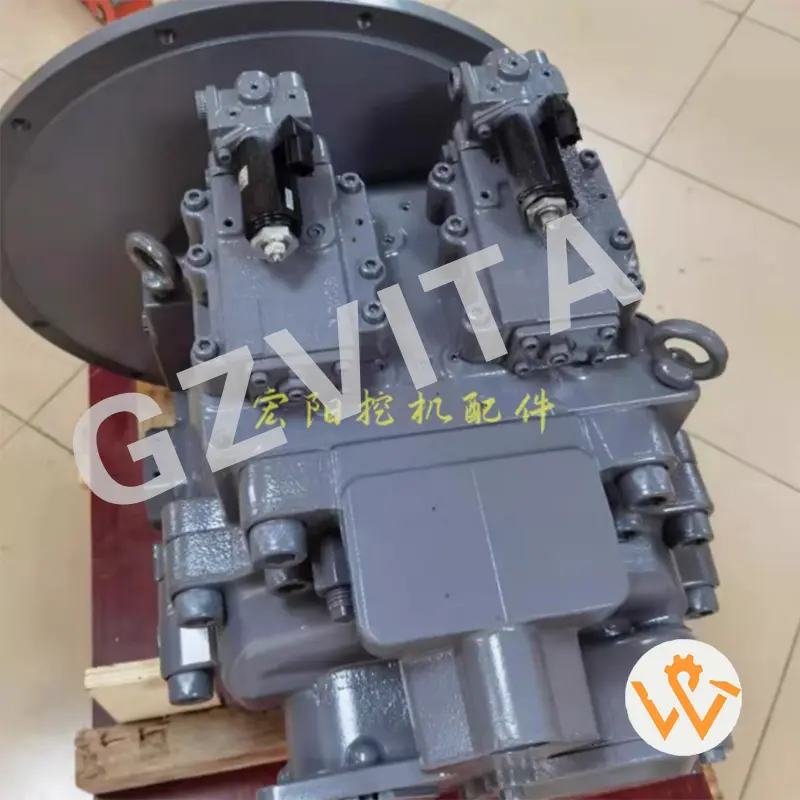
High-Quality ZAX450 ZAX470 490-5A Hydraulic Main Pump K5V200DTP-OE11 Pumps SK450-6 Supplier, Factory

Daily visual inspection – Check for external leaks, cracks, or damage.

Monitor hydraulic oil level – Ensure it is within the recommended range before operation.

Check oil temperature – Avoid operation beyond the specified temperature limit.

Listen for abnormal noises – Unusual sounds may indicate cavitation or internal wear.

Inspect pump mounting bolts – Ensure they are tight and secure.

Verify drive coupling condition – Look for wear, cracks, or misalignment.

Check suction lines and filters – Prevent restrictions or air ingress.

Monitor system pressure – Use gauges to detect abnormal fluctuations.

Inspect case drain line – Ensure it is unobstructed and not leaking excessively.

Maintain oil cleanliness – Change filters regularly and use clean oil.

Avoid dry running – Always prime the pump before starting.

Warm up the system – Operate at low pressure and flow in cold conditions.

Prevent contamination – Keep the reservoir and fill area clean.

Check for overheating – Monitor pump housing temperature during operation.

Avoid prolonged operation at maximum pressure – Reduce stress on the pump.

Inspect hoses and fittings – Look for wear, leaks, or loose connections.

Verify proper belt tension – For belt-driven pumps, ensure correct tension.

Monitor oil condition – Look for discoloration, foam, or contamination.

Check for air in the system – Bleed air if foaming or erratic operation occurs.

Ensure adequate ventilation – Prevent heat buildup around the pump.

Follow manufacturer’s operating limits – Adhere to pressure and flow specifications.

Use recommended hydraulic oil – Follow viscosity and grade requirements.

Avoid sudden pressure spikes – Operate controls smoothly to prevent shocks.

Inspect electrical connections – For electric-driven pumps, ensure secure wiring.

Record operating hours – Schedule maintenance based on service intervals.

Check alignment – Ensure the pump is properly aligned with the drive source.

Monitor pump vibration – Excessive vibration may indicate imbalance or wear.

Test relief valve function – Verify proper pressure relief during operation.

Keep maintenance records – Document inspections, repairs, and part replacements.

Train operators – Ensure they understand proper pump operation and early warning signs of failure.

Product Description

The rear view mirror in an excavator cab is a critical component that enhances safety and operational efficiency. Here’s an overview of its importance, features, and functionality:

1. Safety Enhancement

Visibility
The rear view mirror provides the operator with a clear view of the area behind the excavator, which is essential for safe maneuvering, especially in tight spaces or crowded job sites.
Blind Spot Reduction
It helps reduce blind spots, allowing the operator to be more aware of their surroundings and any potential hazards, such as other machinery, personnel, or obstacles.

2. Operational Efficiency

Improved Awareness
By providing a broader field of vision, the rear view mirror allows operators to monitor their work area more effectively, leading to better decision-making and increased productivity.
Enhanced Communication
In some cases, the rear view mirror can facilitate communication with ground personnel, helping to coordinate movements and operations more effectively.

3. Design and Features

Adjustable Angles
Many excavator cab mirrors are designed to be adjustable, allowing operators to customize the angle for optimal visibility based on their seating position and the specific job site conditions.
Wide-Angle & Convex
Some mirrors are designed as wide-angle or convex mirrors, which provide a broader view of the surroundings, further enhancing safety.
Durability
Rear view mirrors are typically constructed from durable materials to withstand harsh working conditions, including vibrations, dust, and impacts.

4. Integration with Other Systems

Camera Systems
In modern excavators, rear view mirrors may be integrated with camera systems that provide real-time video feeds to the operator, offering an even clearer view of the rear and sides of the machine.
Display Screens
Some advanced excavators feature display screens that can show images from rear view cameras, further enhancing visibility and safety.

5. Regulatory Compliance

Safety Standards
The inclusion of rear view mirrors in excavator design is often mandated by safety regulations to ensure that operators have the necessary visibility to operate machinery safely.

Frequently Asked Questions

Why is a rear view mirror necessary in an excavator cab?

It is essential for reducing blind spots and giving the operator clear visibility of the area behind the excavator, which keeps the operator, ground crew, and surroundings safe during maneuvers.

What are the advantages of convex and wide-angle mirrors?

Convex and wide-angle mirrors distort the reflection slightly to project a wider field of view, letting the operator spot obstacles and workers that normal flat mirrors might miss.

Are these mirrors durable enough for rough construction environments?

Yes. Excavator rear view mirrors are built using tough, impact-resistant materials designed to withstand continuous heavy machinery vibrations, dust, weather, and minor impacts.

How does mirror integration with camera systems work?

Modern excavators combine traditional glass mirrors with digital cameras and in-cab display screens, providing real-time multi-angle feeds for maximum situational awareness.

Are rear view mirrors required by industrial safety regulations?

Yes, most international safety standards and local occupational health organizations mandate the use of rear view mirrors or equivalent visibility aids on heavy construction machinery.

Related Products