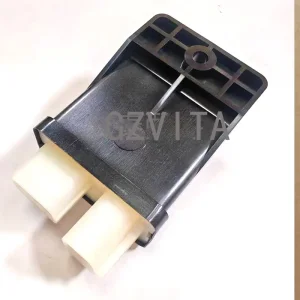
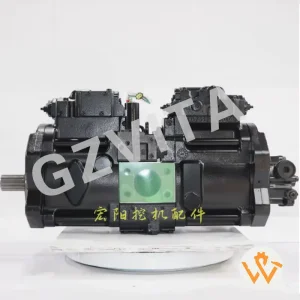
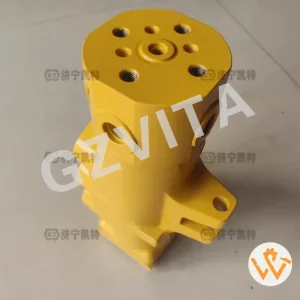
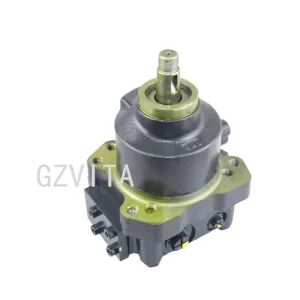
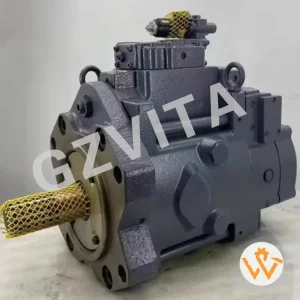
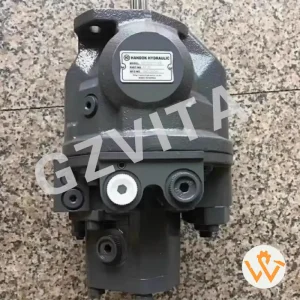
Explore our elite selection of heavy-duty hydraulic pumps, expansion components, and control relays engineered for maximum uptime.
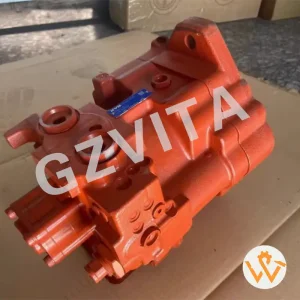
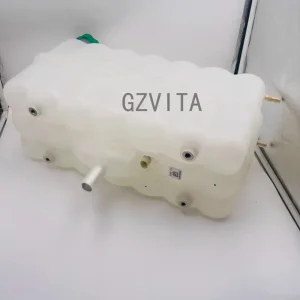
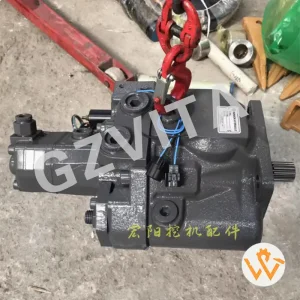
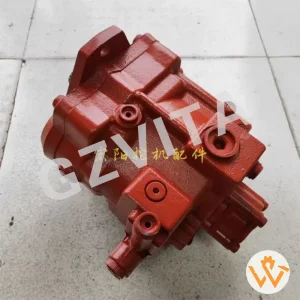
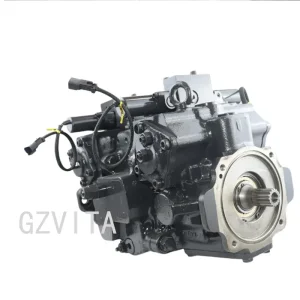
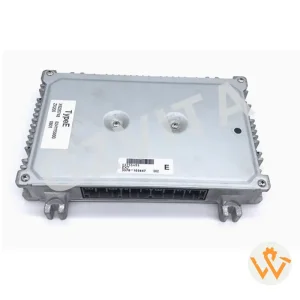
In heavy-duty internal combustion engines, the cylinder head and cylinder block serve as the foundation of mechanical and thermal endurance. Operating under severe cyclic pressures and extreme temperatures, these elements must maintain perfect dimensional stability to ensure peak combustion efficiency and prevent gas or coolant leaks.
The global market for engine blocks and heads is evolving rapidly. With increasingly stringent emissions regulations such as EPA Tier 4 Final and EU Stage V, manufacturers of heavy construction equipment have transitioned toward advanced metallurgies. Lightweight aluminum alloys dominate light passenger vehicles, whereas heavy commercial transport, power generation, and excavation rely on high-grade Gray Cast Iron (GCI) or Compacted Graphite Iron (CGI). CGI provides at least double the fatigue strength of gray iron, allowing engine blocks to withstand higher peak cylinder pressures without adding weight.
Suppliers who operate at the intersection of metallurgy and advanced machining are critical to this supply chain. B2B procurement managers, fleet managers, and engine rebuilding facilities globally prioritize structural integrity and precision over cost, as a single component failure in the field can halt operations and incur severe overhead costs.
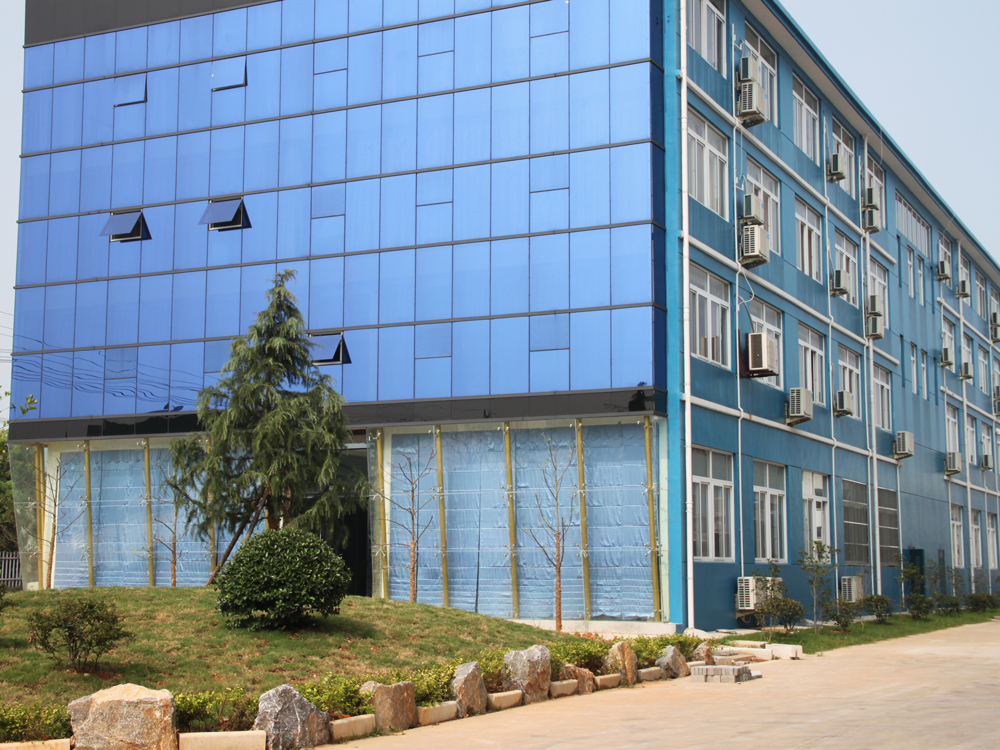
Guangzhou Vita Construction Machinery Co., Ltd. is a major industrial supplier combining modern manufacturing and international trade operations. Located in the manufacturing hub of Xiangyang City, Hubei Province, our production base spans an 18,000-square-meter workshop equipped with advanced casting, CNC machining, and automated inspection lines.
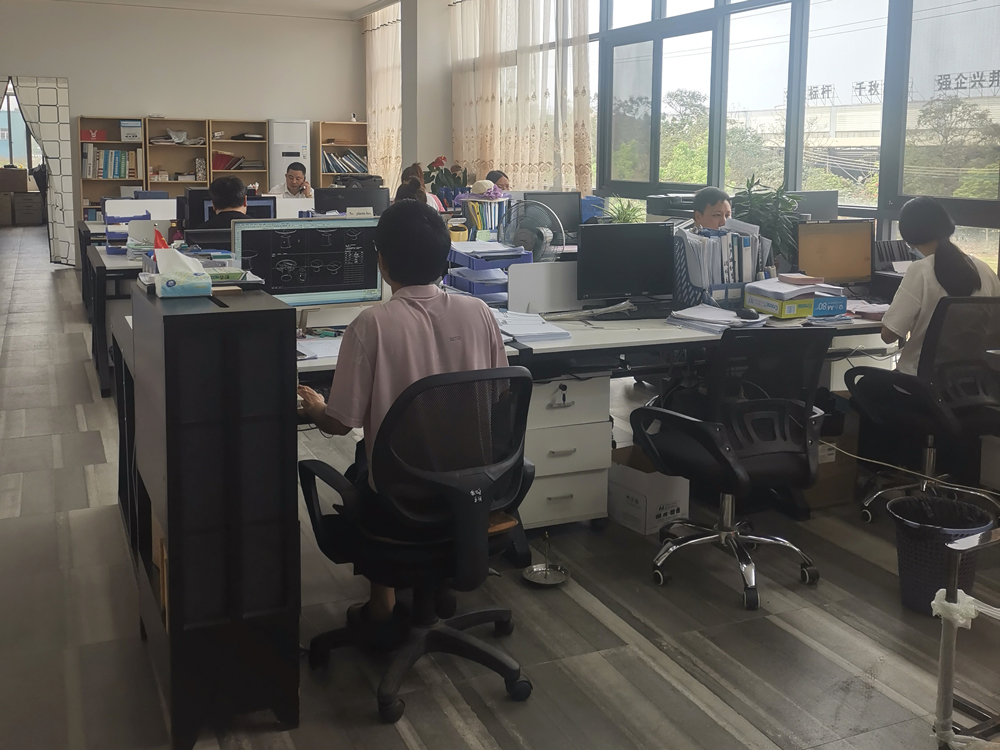
Driven by a team of 278 skilled workers and 8 experienced engine development engineers, we ensure that every cylinder head, engine block, and ancillary hydraulic component matches or exceeds OEM performance standards. We specialize in producing, developing, and selling a comprehensive range of construction machinery parts.
Our core catalog spans high-stress components, including engine assemblies, cylinder blocks, cylinder heads, crankshafts, engine bearings, engine valves, gear pumps, final drives, hydraulic pumps, and undercarriage components. These parts are engineered as direct replacements for major global brands, including Komatsu, Volvo, Sumitomo, Caterpillar, Kubota, Hitachi, John Deere, Kobelco, Hyundai, Kato, Sany, XCMG, and Sunward.
To deliver end-to-end customer service, we have built an engine maintenance and technical advisory department. We help clients troubleshoot operational and assembly challenges in addition to supplying replacement units.
Our in-house professional maintenance team is equipped to travel internationally to support customers with on-site engine overhauls and technical training.
A transparent look at our casting, machining, and quality assurance divisions in Xiangyang, Hubei.
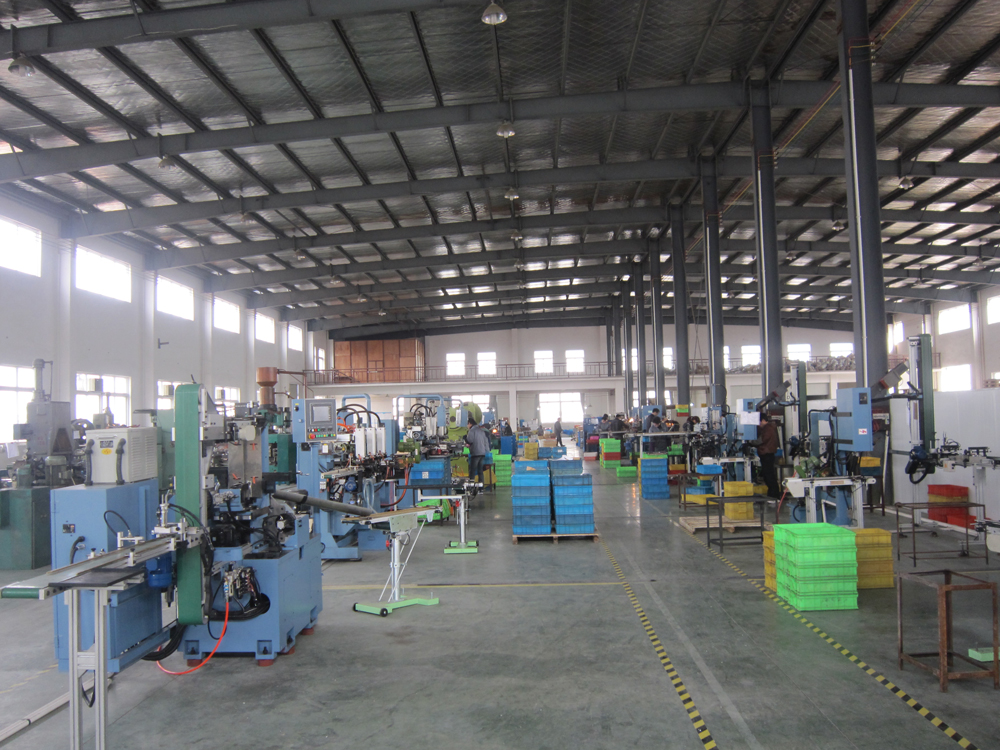
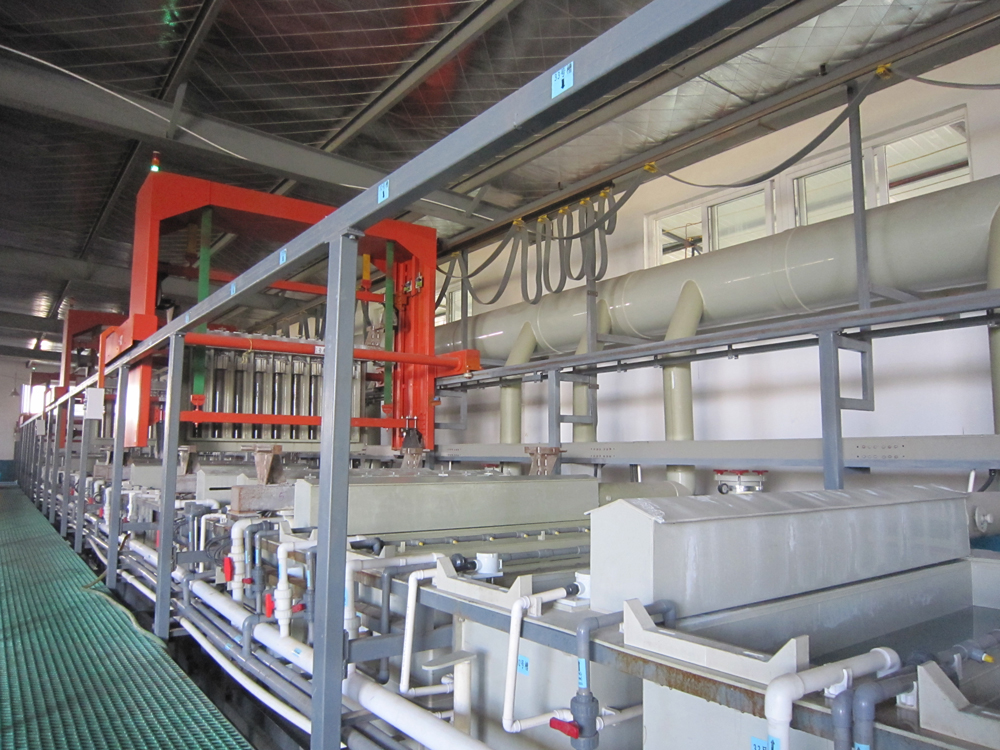
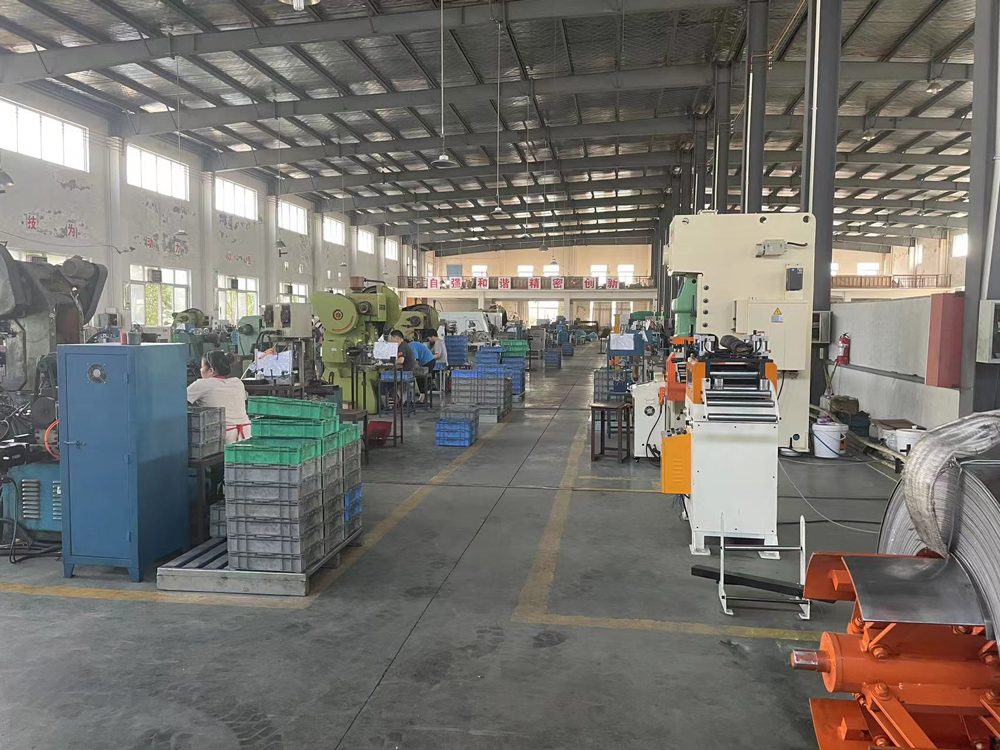
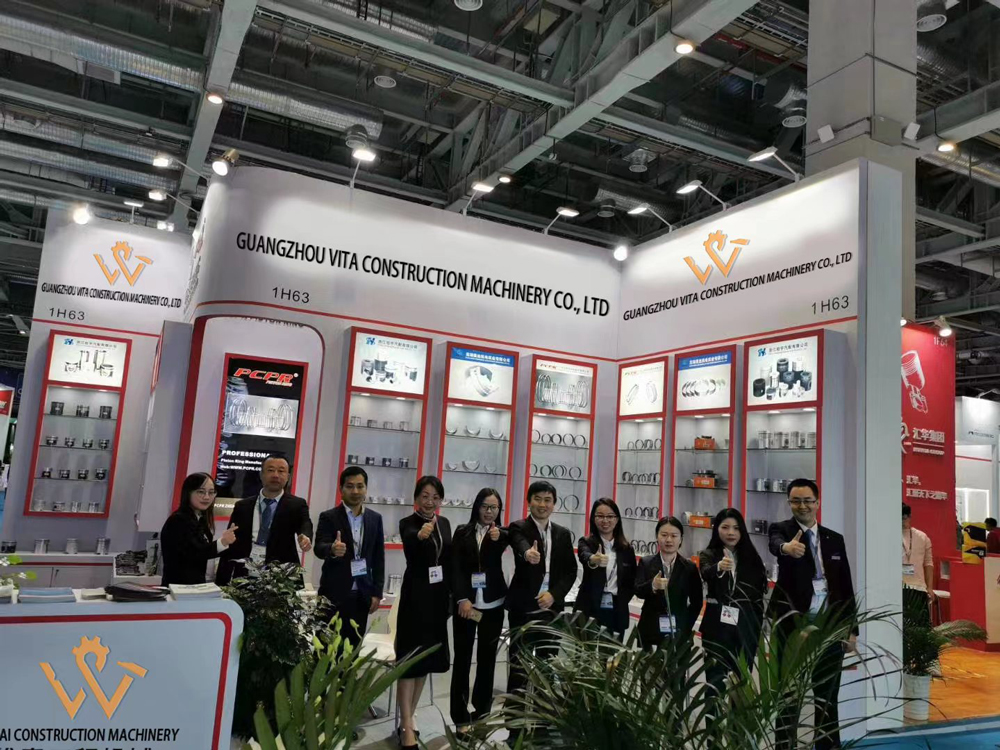
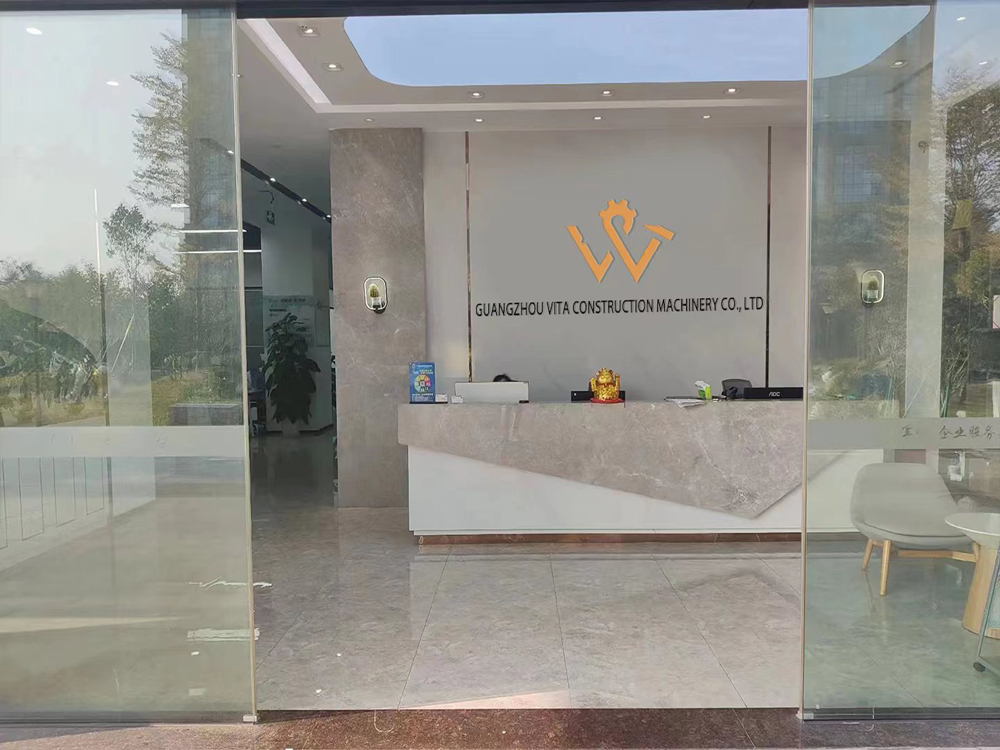
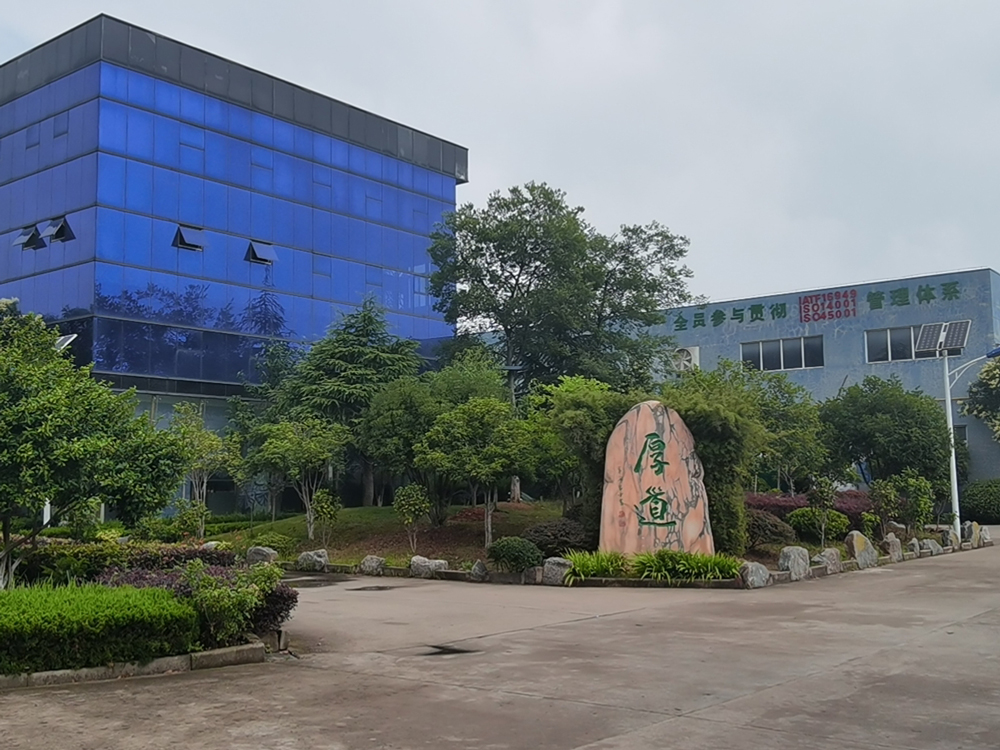
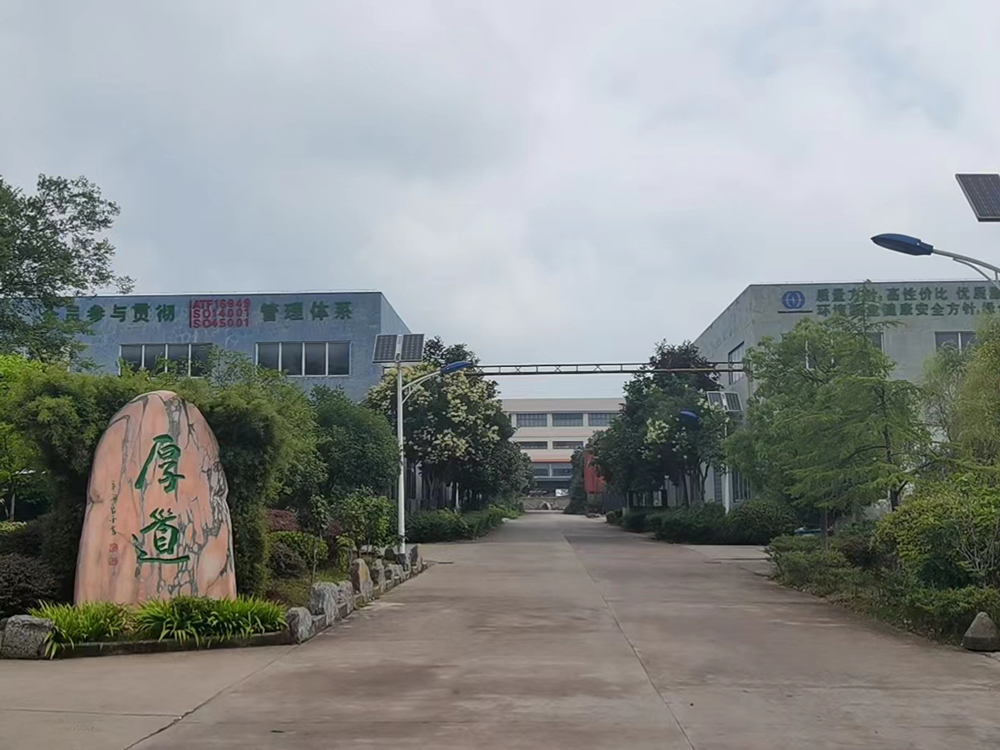
Modern diesel engines for industrial applications operate at combustion pressures often exceeding 180 bar. Meeting these demands requires strict control over metallurgy, casting tolerances, and precision finish machining. Below is a breakdown of our engineering requirements:
We utilize high-tensile alloyed gray cast iron (comparable to HT250/HT300 standards) infused with chromium, nickel, and molybdenum. This improves thermal conductivity, reduces thermal fatigue, and provides wear resistance on cylinder bore surfaces.
We machine main bearing bores, camshaft tunnels, cylinder decks, and head faces using multi-axis CNC machining centers. This allows us to hold critical dimensional tolerances within ≤ 0.015 mm, ensuring correct bearing alignment and gasket sealing.
Every single head and block undergoes hydrostatic pressure testing to identify internal casting porosities. Critical structural areas are evaluated using magnetic particle inspection (MPI) and ultrasonic thickness testing.
Our focus on metallurgical integrity extends directly to the operational longevity of engine rebuilding projects. Whether replacing a worn-out cylinder block on a Hitachi excavator or upgrading a cylinder head on a heavy-duty Caterpillar bulldozer, our components provide the thermal resilience needed to handle cyclic heat cycles under peak load.
Heavy machinery operates in diverse environments, from sub-zero mining sites in Northern Canada to high-temperature construction projects in the Middle East. Understanding these conditions helps us tailor our casting and machining processes for specific regional requirements.
In mining installations throughout South America and Australia, engines run almost continuously. Our heavy-duty cylinder blocks feature enlarged water jackets designed to optimize heat transfer and prevent hot spots around the exhaust valve seats.
Engines operating near seawater face increased risk of galvanic corrosion. We formulate our cylinder blocks with specialized anti-corrosive chemical additives, extending the service life of internal cooling passages.
Lower oxygen levels at high altitudes lead to higher exhaust gas temperatures (EGT). Our cylinder heads are heat-treated to resist thermal cracking between the intake and exhaust ports, protecting the engine under elevated thermal loads.
To support these applications, we partner with reliable global freight forwarders to manage overland, ocean, and air logistics. This ensures critical engine parts arrive safely and securely at mining sites, ports, and rebuilding centers worldwide.
The commercial powertrain sector is moving toward hybrid architectures, hydrogen combustion (H2-ICE), and alternative fuels. These technologies present new challenges and opportunities for engine block and cylinder head design.
Hydrogen combustion, for example, generates higher peak temperatures and faces hydrogen embrittlement risks. As a result, future casting designs will rely on advanced material configurations, including spheroidal graphite iron (SGI) and high-strength CGI. Our engineering team is currently testing next-generation castings designed to maintain structural integrity under these conditions.
Additionally, we are adopting 3D sand-printing technology for prototyping and low-volume production. This approach allows us to produce complex cooling jackets that would be difficult to manufacture using traditional tooling methods.
Preventive maintenance is key to maximizing the life of heavy machinery. Below is an engineering troubleshooting guide to help fleet operators identify and address common structural problems:
Cause: Severe localized overheating resulting from cooling system failures or low coolant levels.
Mitigation: Ensure cooling systems are inspected regularly. During rebuilds, verify deck flatness using a precision straightedge. Warped heads must be machined or replaced if they exceed OEM tolerances.
Cause: High-frequency liner vibrations that create vapor bubbles in the coolant, which collapse and erode the metal outer wall.
Mitigation: Use high-quality supplemental coolant additives (SCAs) and ensure proper sleeve fitment to minimize vibration.
Cause: Rapid cooling cycles after heavy operation, which subject the areas between valve ports to high thermal stress.
Mitigation: Allow turbocharged engines to idle and cool down gradually before shutting down, especially after running under heavy loads.
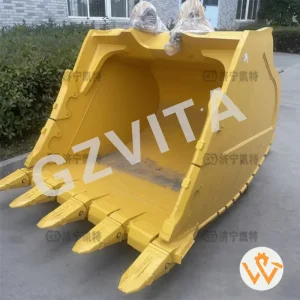
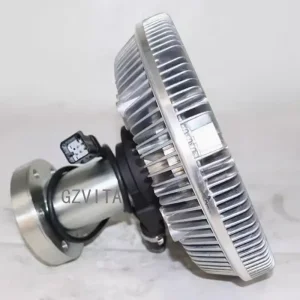
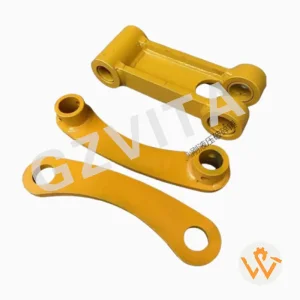
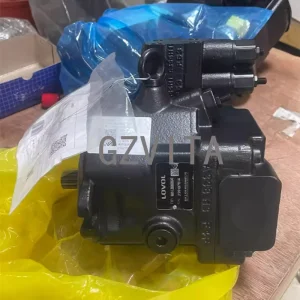
Explore our high-durability buckets, fan clutches, hydraulic piston pumps, and heavy links designed for challenging field conditions.
 Vita Construction