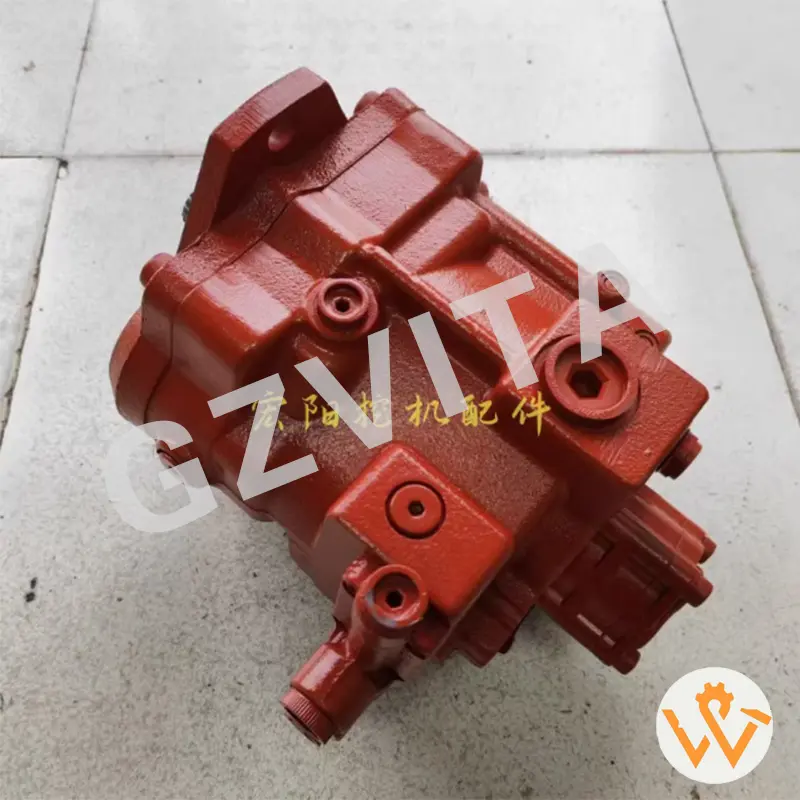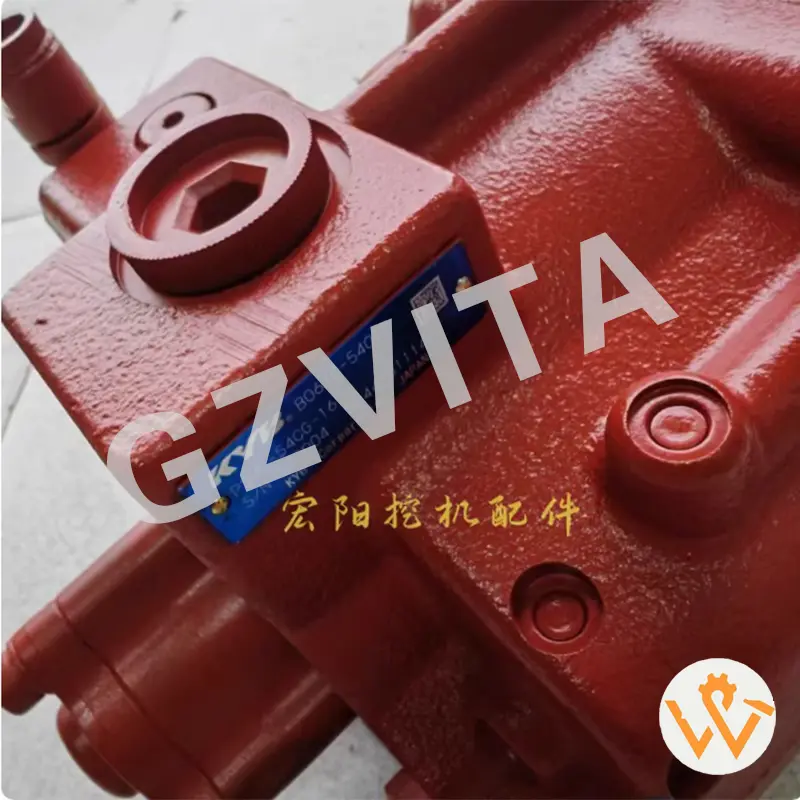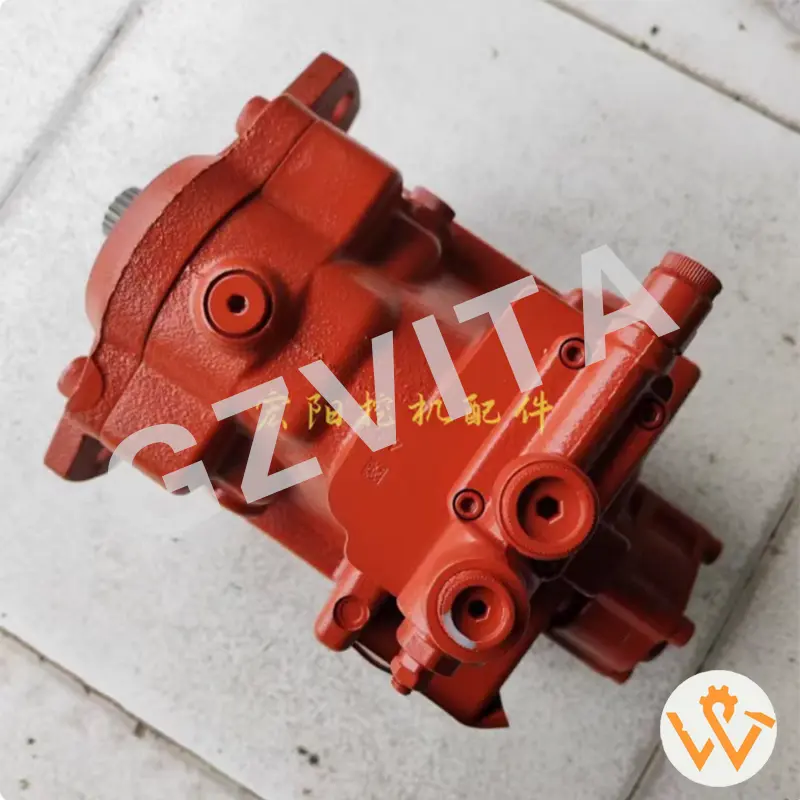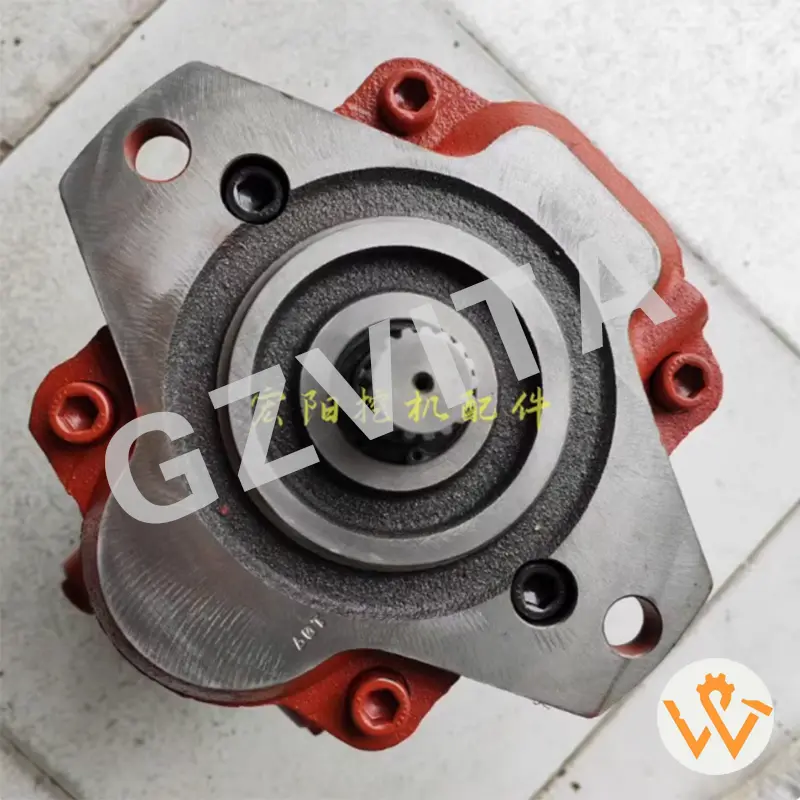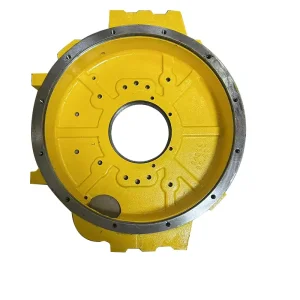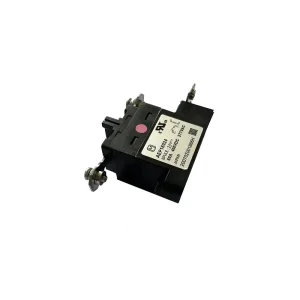
Custom Kubota Excavator KX151 155 161 Large Pump PSVL-54CG Hydraulic Pump Plunger Pump RD441-61114 Suppliers, Companies

Closed-center load sensing (CLSS) system

Variable displacement axial piston pump(s)

Load-independent flow distribution

Pressure compensation valves​ for each function

Electronic proportional control​ (lever signals)

Pilot-operated main control valves

Independent travel circuits​ (left/right)

Swing motor with parking brake

Pilot pressure supply system

Hydraulic oil cooler​ with fan

Return line filtration

Case drain circuits​ for motors/pumps

Anti-cavitation valves

Cross-port relief valves​ (swing/travel)

Power mode selection​ (economy/standard)

Auto-idle function

Arm/bucket regeneration circuits

Boom holding valves

Travel speed selection​ (2-speed)

Swing priority function

Pilot check valves​ for stability

Negative flow control​ (NFC) or similar

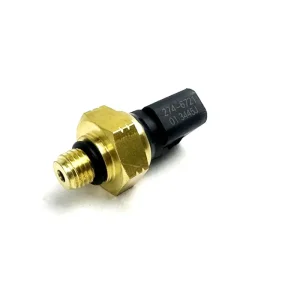
Hydraulic oil temperature sensor

Electronic pump control system​ (if equipped)

Main relief valve(s)

Pilot relief valve

Attachment circuit​ (optional)

Hydraulic tank with breather

Suction line filter

Central hydraulic manifold block

Product Description

Product Introduction

Power Transmission

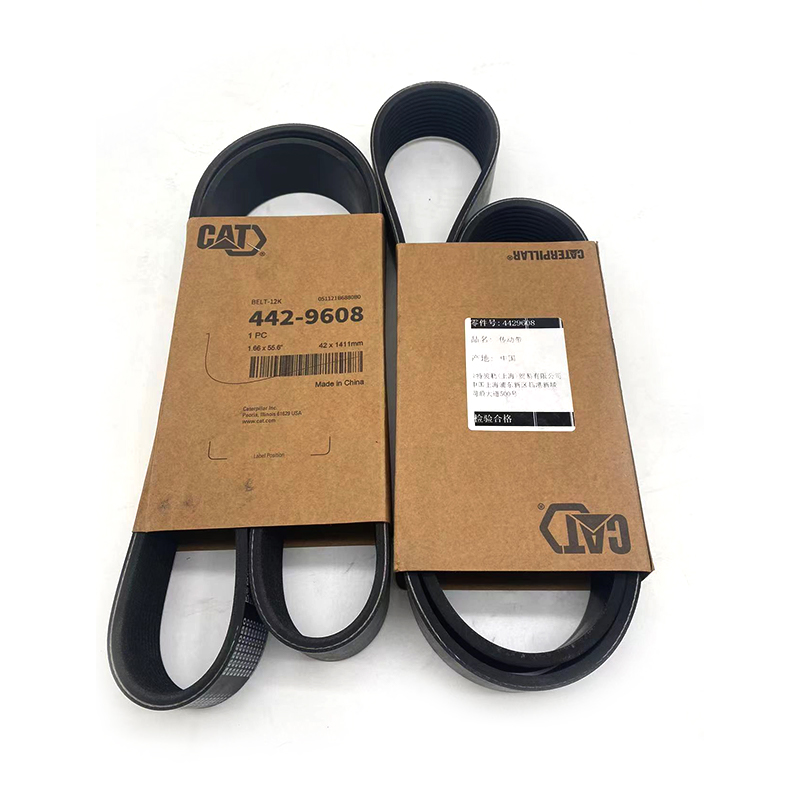
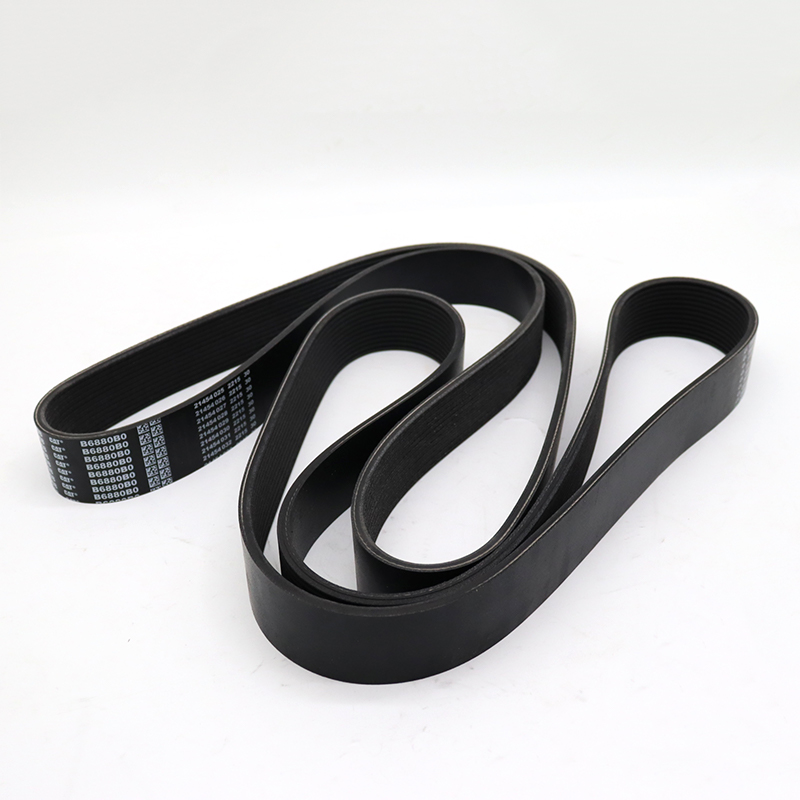
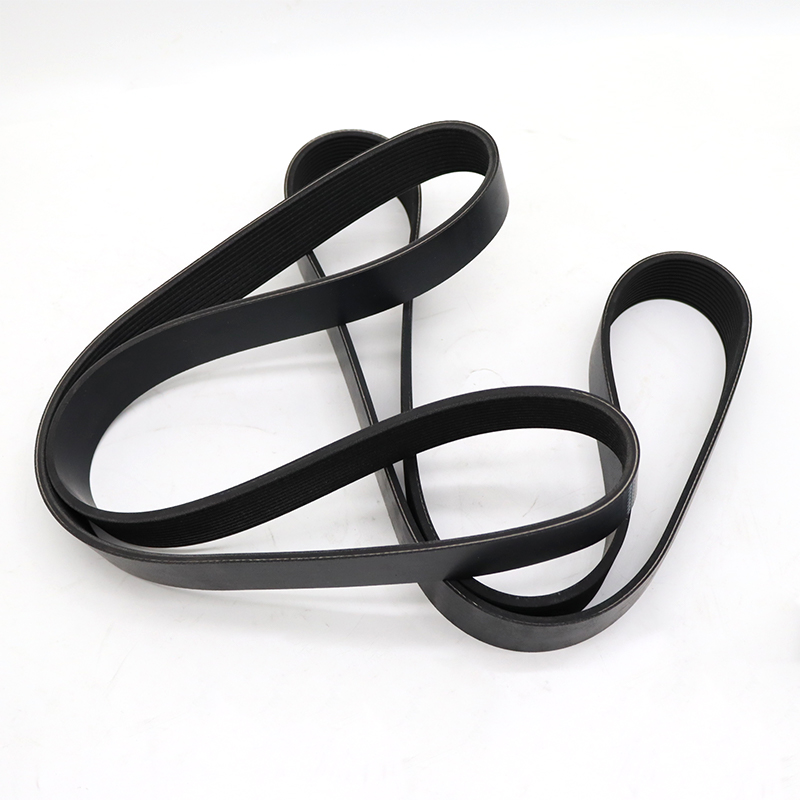
Engine belts, such as the serpentine belt and timing belt, are responsible for transferring power from the engine's crankshaft to various components, including the alternator, water pump, power steering pump, and air conditioning compressor. This power transfer is essential for the operation of these systems.

Timing and Synchronization

The timing belt (or chain) ensures that the engine's camshaft and crankshaft rotate in sync. This synchronization is critical for the proper timing of the engine's intake and exhaust valves, which affects engine performance, efficiency, and emissions. A failure in the timing belt can lead to severe engine damage.

Cooling System Functionality

The water pump, which is often driven by a belt, circulates coolant through the engine and radiator to maintain optimal operating temperatures. A malfunctioning belt can lead to overheating, which can cause significant engine damage.

Accessory Operation

Belts drive various accessories that enhance vehicle comfort and functionality, such as the power steering pump (which assists in steering), the air conditioning compressor (which provides cabin cooling), and the alternator (which charges the battery and powers electrical systems).

Maintenance Indicators: Engine belts can serve as indicators of engine health. Signs of wear, such as cracks, fraying, or glazing, can signal the need for replacement. Regular inspection and maintenance of belts can prevent unexpected failures and costly repairs.

Fuel Efficiency: A well-functioning belt system contributes to the overall efficiency of the engine. If belts are worn or loose, they can cause additional strain on the engine, leading to decreased fuel efficiency and increased emissions.

Cost-Effectiveness: Regular maintenance and timely replacement of engine belts can prevent more significant issues down the line, saving vehicle owners from expensive repairs and extending the life of the engine and its components.

In summary, engine belts are essential for the proper operation of various engine components, ensuring that the vehicle runs smoothly and efficiently. Regular inspection and maintenance of these belts are crucial for vehicle reliability and performance.
Product Display

Frequently Asked Questions

What are the main symptoms of a worn engine belt?
Common symptoms include squealing noises from the engine bay, visible cracks or fraying on the belt surface, loss of power steering, engine overheating, or a dead battery due to alternator malfunction.
How often should engine belts be inspected and replaced?
It is recommended to inspect engine belts at every oil change or at least once a year. Replacement usually occurs every 60,000 to 100,000 miles, depending on the vehicle manufacturer's guidelines and driving conditions.
What happens if the timing belt breaks?
A broken timing belt can cause immediate engine failure. In interference engines, it can lead to severe structural damage as the pistons collide with the open valves, resulting in costly repairs.
Can a loose engine belt affect fuel economy?
Yes. A loose or slipping belt causes the engine's accessories to run inefficiently, putting additional strain on the engine. This increased load can negatively impact fuel efficiency and increase emissions.
What is the difference between a timing belt and a serpentine belt?
A timing belt synchronizes the rotation of the crankshaft and camshaft inside the engine. A serpentine belt (accessory drive belt) transfers power to external components like the alternator, AC compressor, and power steering pump.

Related Products