 Vita Construction
1 / 3
Installing the main hydraulic pump on an excavator is a critical task that requires careful attention to detail to ensure proper operation and longevity of the hydraulic system. Below is a comprehensive notice outlining the key steps and considerations for installing the main pump.
Read the Manual: Review the excavator’s service manual for specific instructions related to the main pump installation, including torque specifications and any special procedures.
Gather Tools and Parts: Ensure you have all necessary tools and replacement parts ready before starting the installation.
Drain Hydraulic Fluid: If necessary, drain the hydraulic fluid from the system to prevent spills during the removal process.
Disconnect Hoses and Lines: Carefully disconnect hydraulic hoses and lines from the old pump. Use appropriate tools to avoid damaging fittings.
Remove Mounting Bolts: Use a wrench to remove the mounting bolts securing the old pump to the engine or hydraulic system. Carefully lift the old pump out of its mounting position.
Clean the Mounting Surface: Thoroughly clean the mounting surface where the new pump will be installed. Remove any old gasket material or debris to ensure a proper seal.
Check for Damage: Inspect the surrounding components for any signs of wear or damage that may need to be addressed before installing the new pump.
Position the New Pump: Carefully position the new main hydraulic pump in place, aligning it with the mounting holes.
Install Gaskets or O-rings: If applicable, install new gaskets or O-rings to ensure a proper seal between the pump and the mounting surface.
Secure the Pump: Insert and hand-tighten the mounting bolts. Use a torque wrench to tighten the bolts to the manufacturer’s specified torque settings, ensuring even pressure across the pump.
Attach Hoses: Reconnect the hydraulic hoses and lines to the new pump, ensuring that they are properly secured and free of leaks.
Check for Proper Routing: Ensure that hoses are routed correctly to avoid kinks or damage during operation.
Refill the System: If hydraulic fluid was drained, refill the hydraulic system with the appropriate type and amount of hydraulic fluid as specified in the service manual.
Check for Leaks: Before starting the excavator, inspect all connections for leaks.
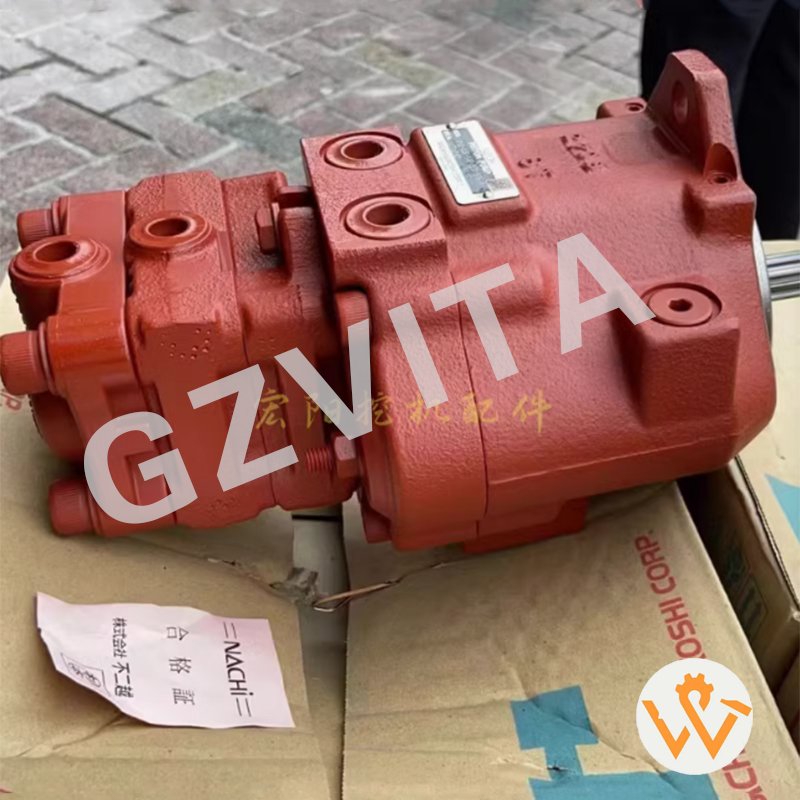
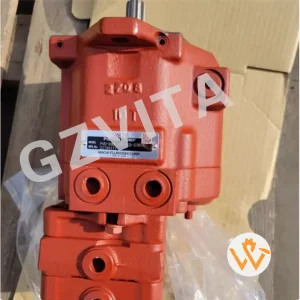
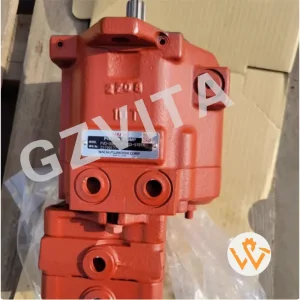
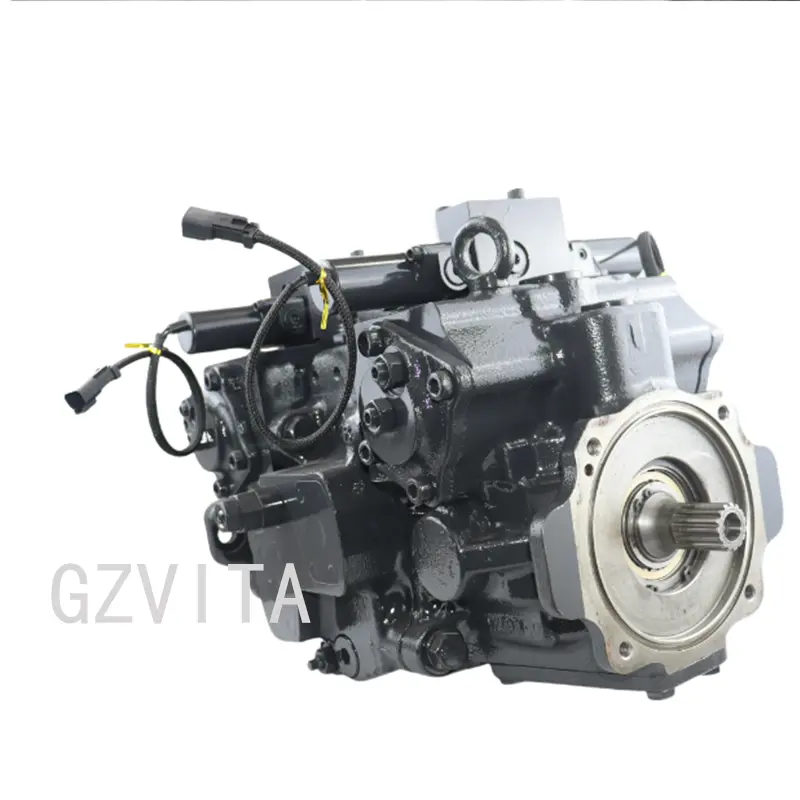
PVD-00B-14P Main Pump For Kubota Excavator U15 U17 Hydraulic pump
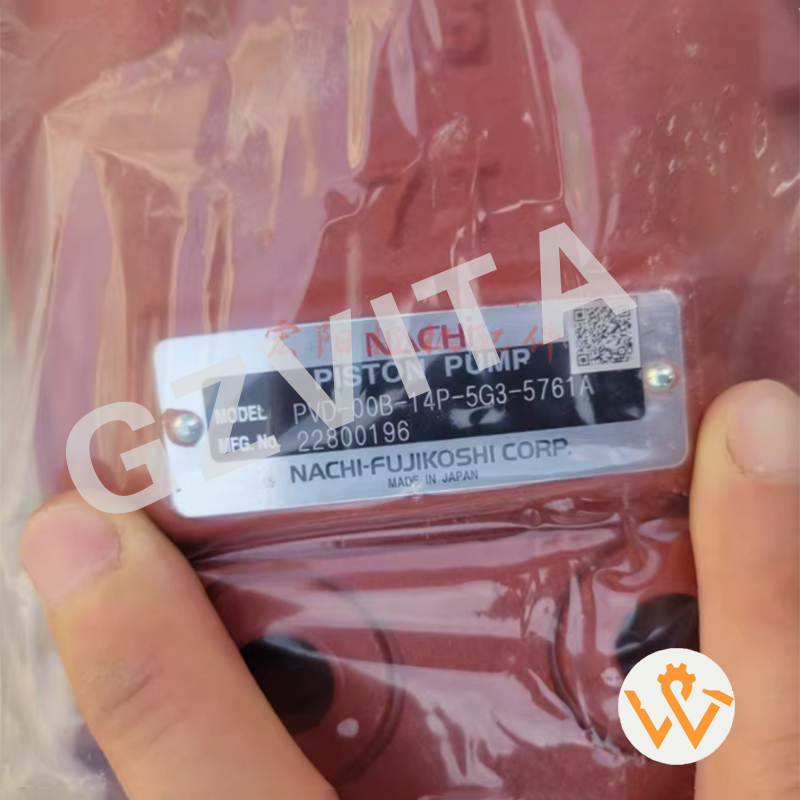
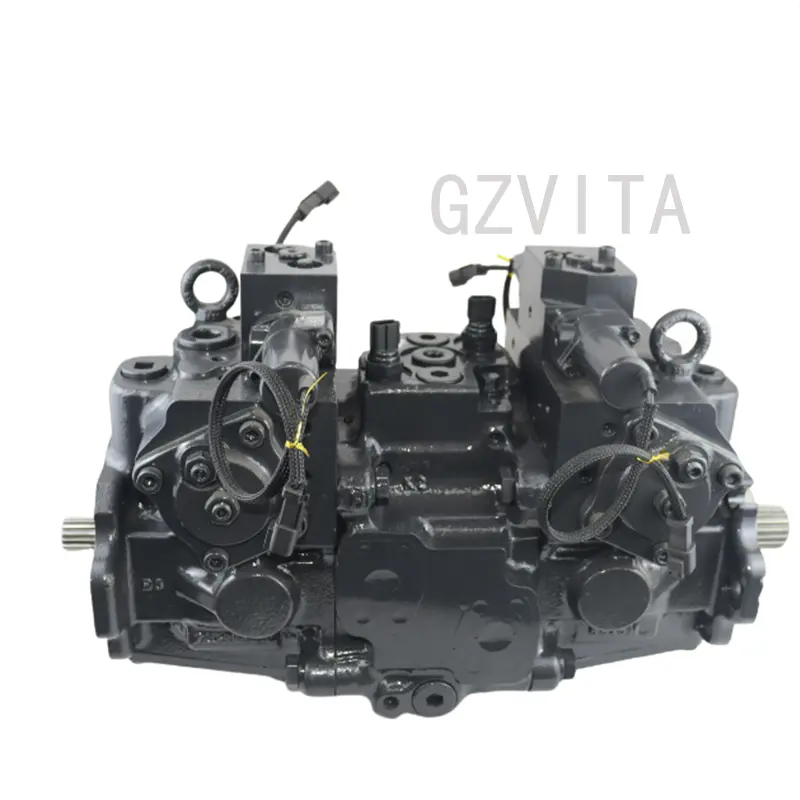
PVD-00B-14P Main Pump For Kubota Excavator U15 U17 Hydraulic pump (01)
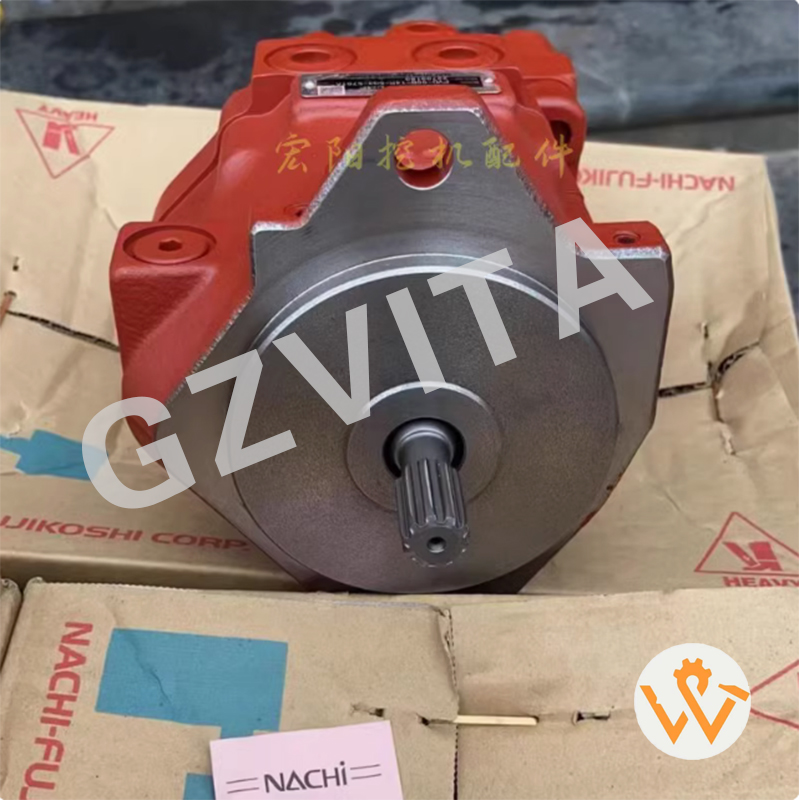
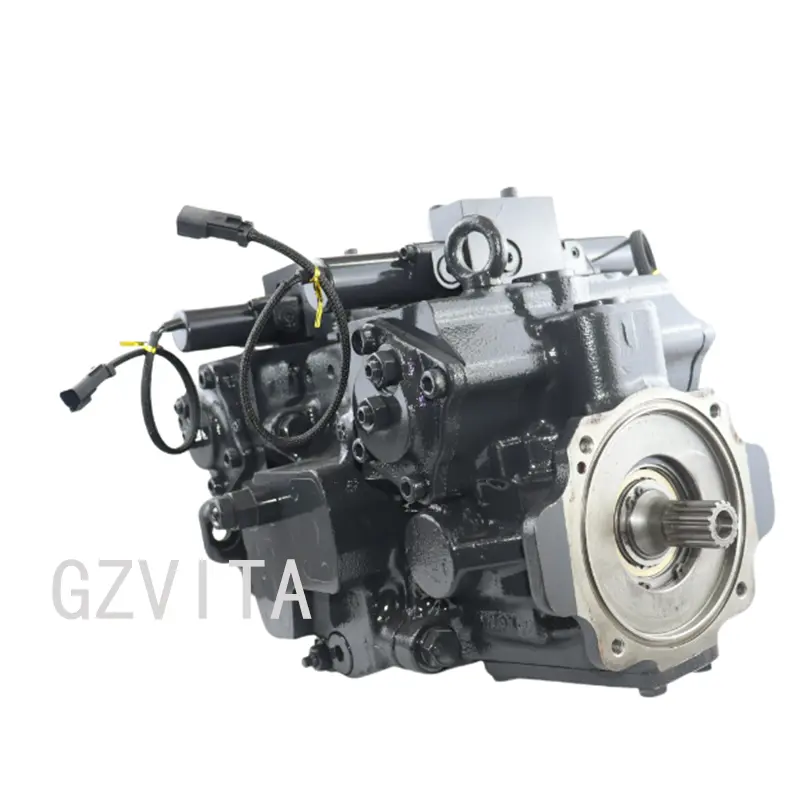
PVD-00B-14P Main Pump For Kubota Excavator U15 U17 Hydraulic pump (02)
Depressurizing the system is critical to prevent accidental fluid discharge, which can cause severe injuries or damage nearby components during disassembly.
No. It is highly recommended to install brand new gaskets or O-rings to ensure a proper, leak-proof seal between the pump housing and the engine mounting surface.
First hand-tighten all bolts to maintain correct alignment, then use a calibrated torque wrench to tighten them to the torque values specified in the excavator's service manual.
Proper hose routing prevents mechanical kinks, twists, or surface friction during machine operation, extending hose life and preventing pressure drops or structural failure.
Prior to starting the engine, double-check all hose connections and seals for leaks. Afterward, monitor fluid levels and run a low-pressure test to ensure optimal operation.