In heavy earthmoving, demolition, and extraction, the efficiency of an excavator is directly tethered to the interface between the machine's arm and the earth. Excavator Bucket Shanks (also referred to as bucket adapters) are critical Ground Engaging Tools (GET) that anchor bucket teeth to the bucket lip. They receive and distribute the tremendous forces generated by hydraulic systems, transferring thousands of kilonewtons of structural load while bearing the brunt of severe friction, high impacts, and abrasiveness.
High-quality bucket shanks act as structural shields, protecting the bucket's leading edge from premature wear. Without high-durability adapters, the bucket shell experiences accelerated fatigue, resulting in frequent, costly field repairs. The modern construction landscape requires bucket shanks manufactured using cutting-edge metallurgy to survive extreme cycles and lower the total cost of ownership (TCO) for global fleet operators.
Utilizing high-strength alloy steels with precise levels of chromium, nickel, and molybdenum to maximize toughness and abrasion resistance.
Precision-engineered designs that reduce penetration resistance, minimizing fuel consumption and machine wear-and-tear.
Engineered variations designed specifically for rock, coal, slag, and mining environments, ensuring long wear cycles.
The global heavy machinery components sector is shifting toward optimized alloy chemistry and smart configurations. Several major trends are shaping the design and manufacturing of excavator bucket shanks:
Purchasing managers for mineral mines, metropolitan infrastructure developments, and equipment rental firms require high reliability from their vendors. Excavator components must be standardized to prevent unexpected project delays. The modern procurement officer focuses on:
Total Cost of Ownership (TCO) vs. Initial Unit Price: Buying low-cost, unverified bucket shanks typically results in shorter part life, frequent shutdowns, and high risk of weld damage to the bucket lip. Procurement strategies prioritize suppliers that offer traceable steel chemistry and rigorous quality documentation.
Interoperability and Multi-Brand Fleet Compatibility: Modern contractors often operate mixed fleets, including machines from Komatsu, Volvo, Caterpillar, Hitachi, and Sany. Purchasing shanks that seamlessly adapt to varying bucket configurations reduces warehousing costs and streamlines spare part inventories.
China's heavy equipment parts sector has evolved from high-volume casting to an automated, high-precision industrial ecosystem. Using computer-controlled heat treatment, automated robot welding, and real-time forging analysis, Chinese manufacturing facilities achieve consistent production standards across large product runs.
This localized supply chain strength is bolstered by easy access to premium steel alloys and specialized components. Hubei's industrial infrastructure allows manufacturers to produce, finish, and export ground-engaging tools efficiently, ensuring short lead times and reliable global shipping logistics.
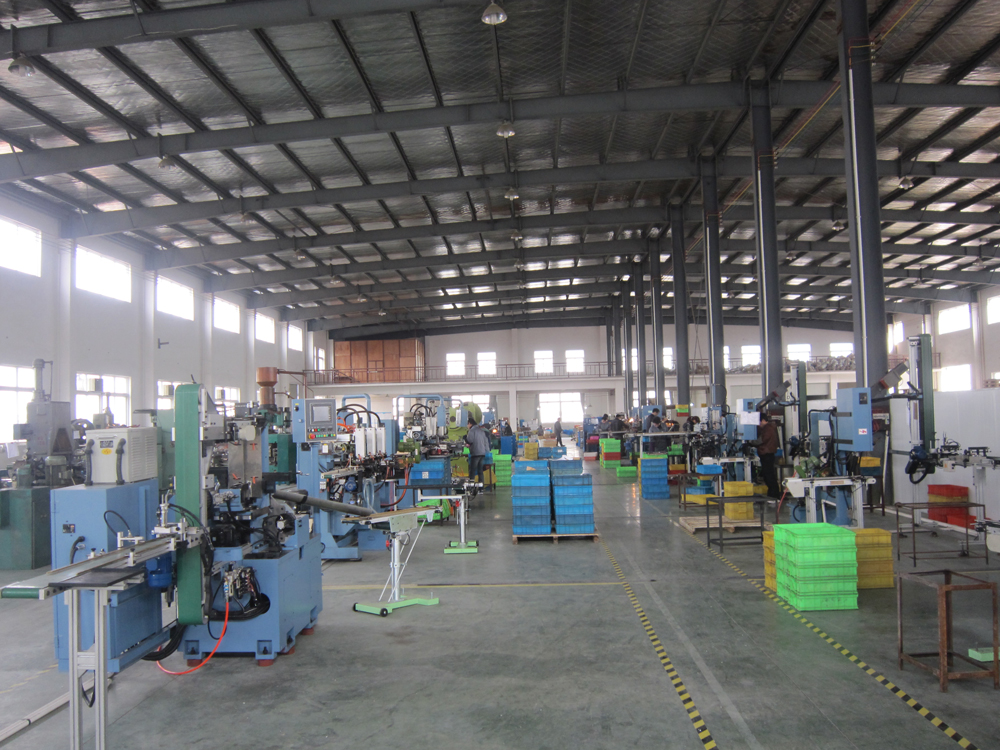
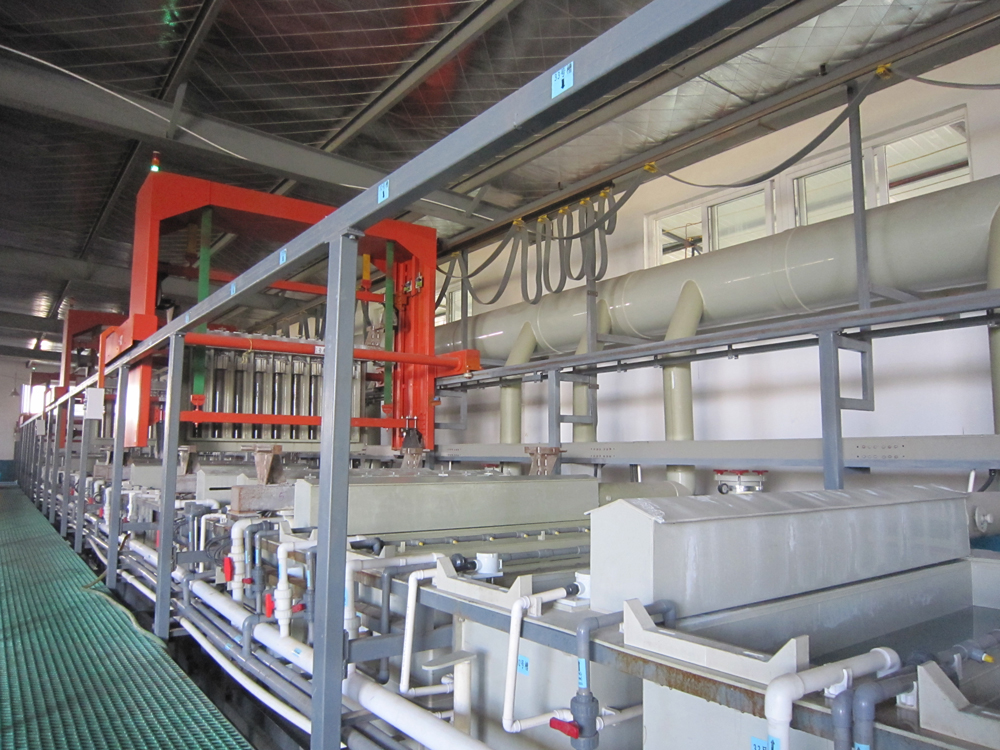
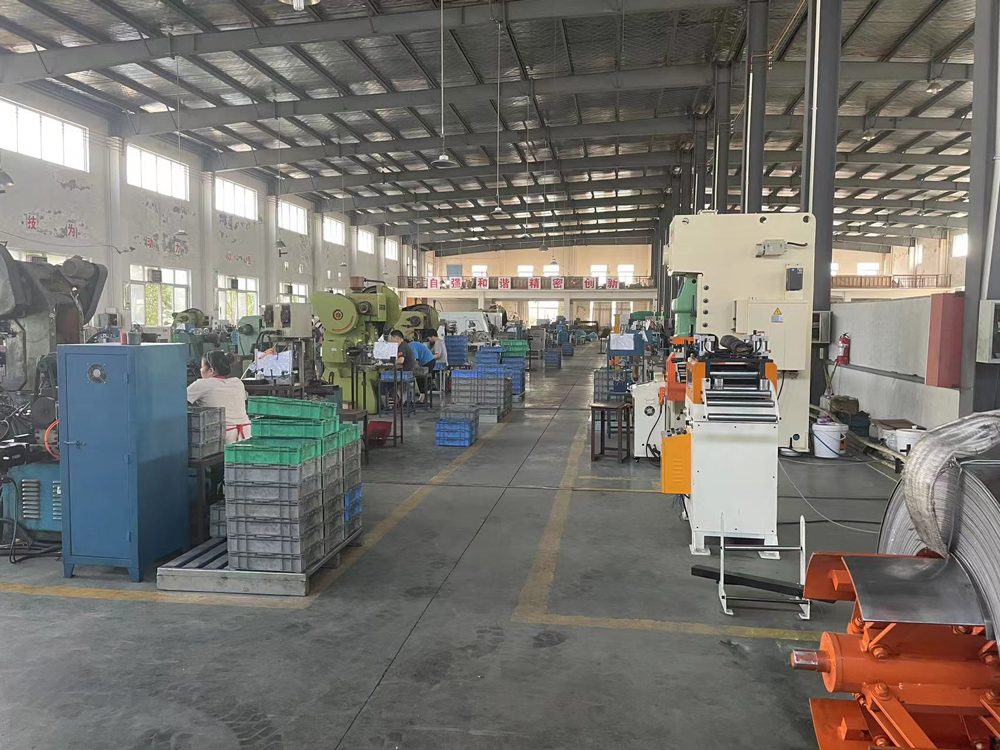
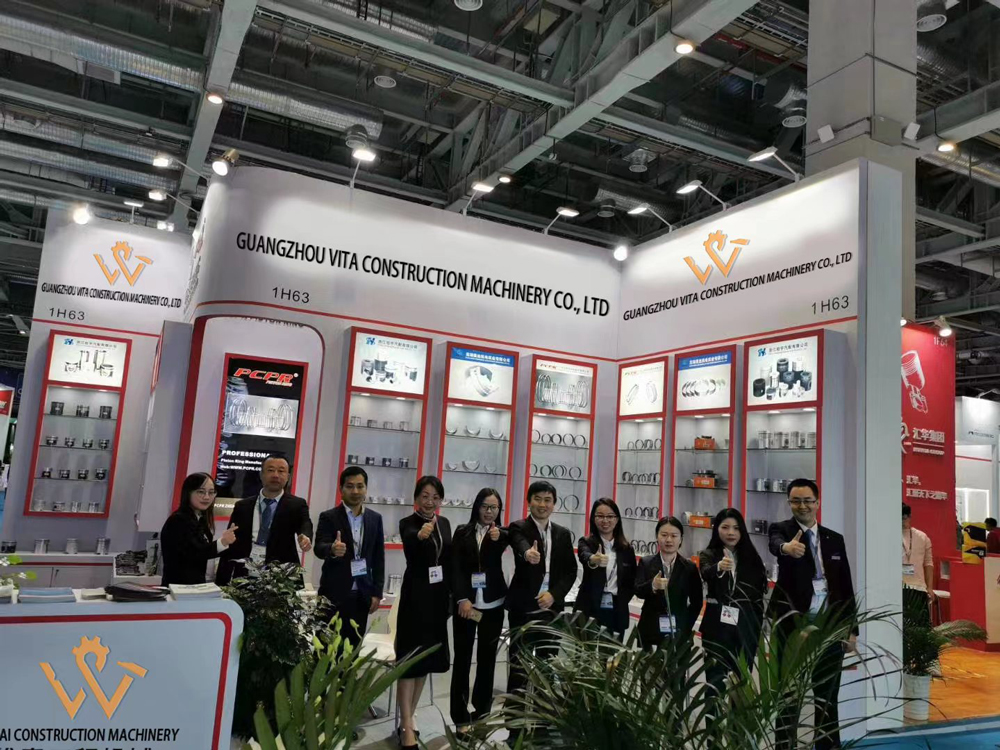
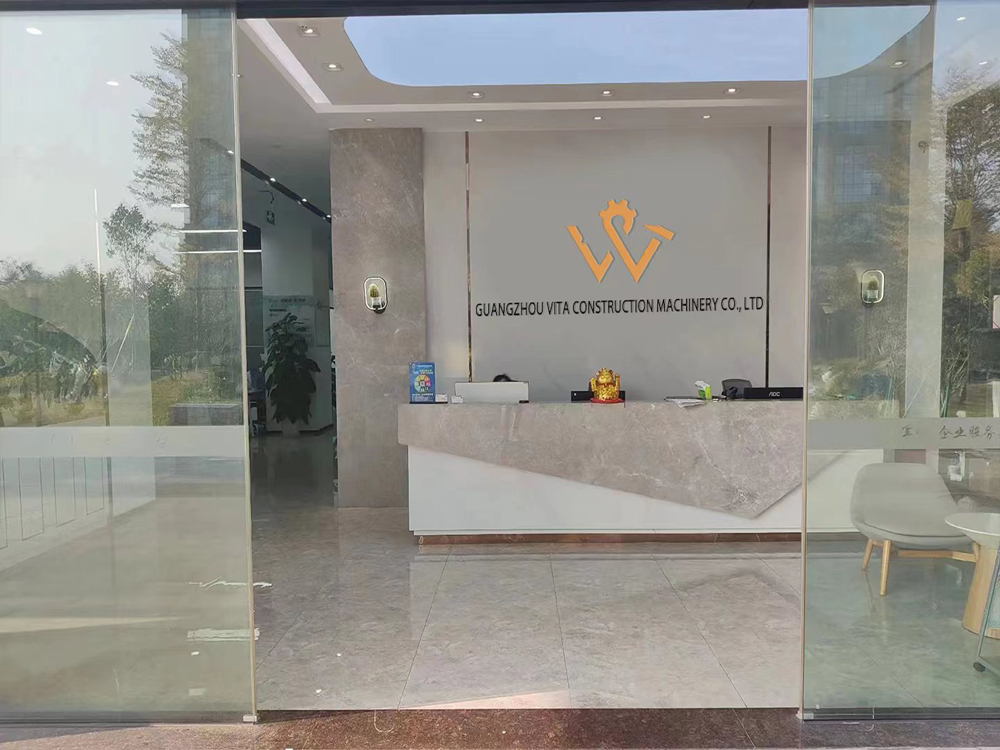
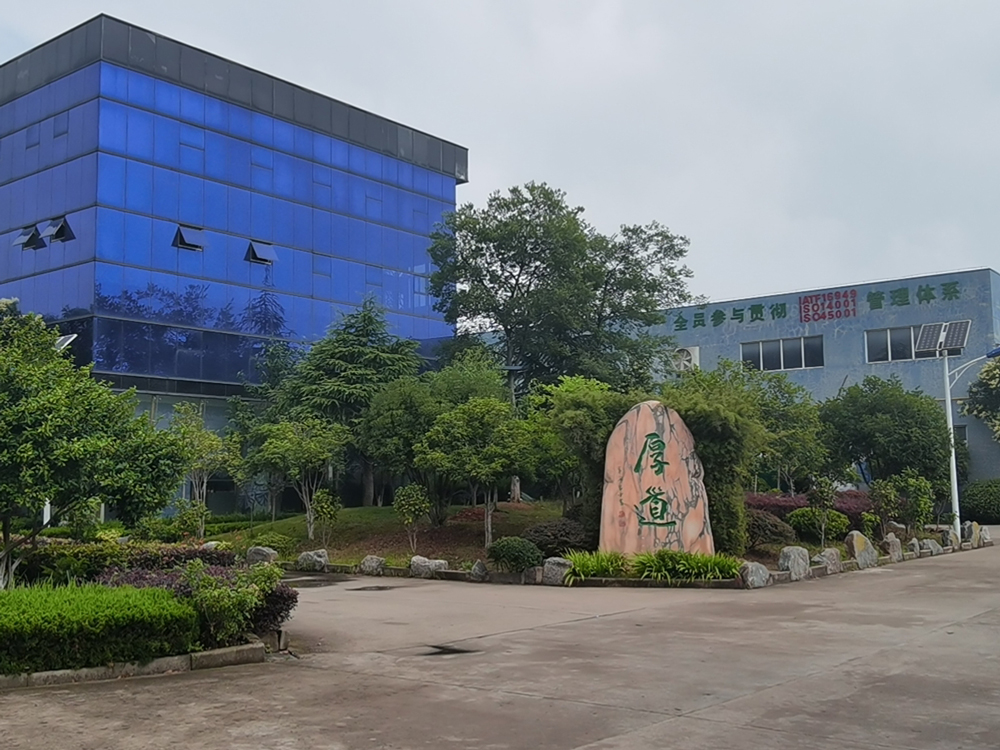
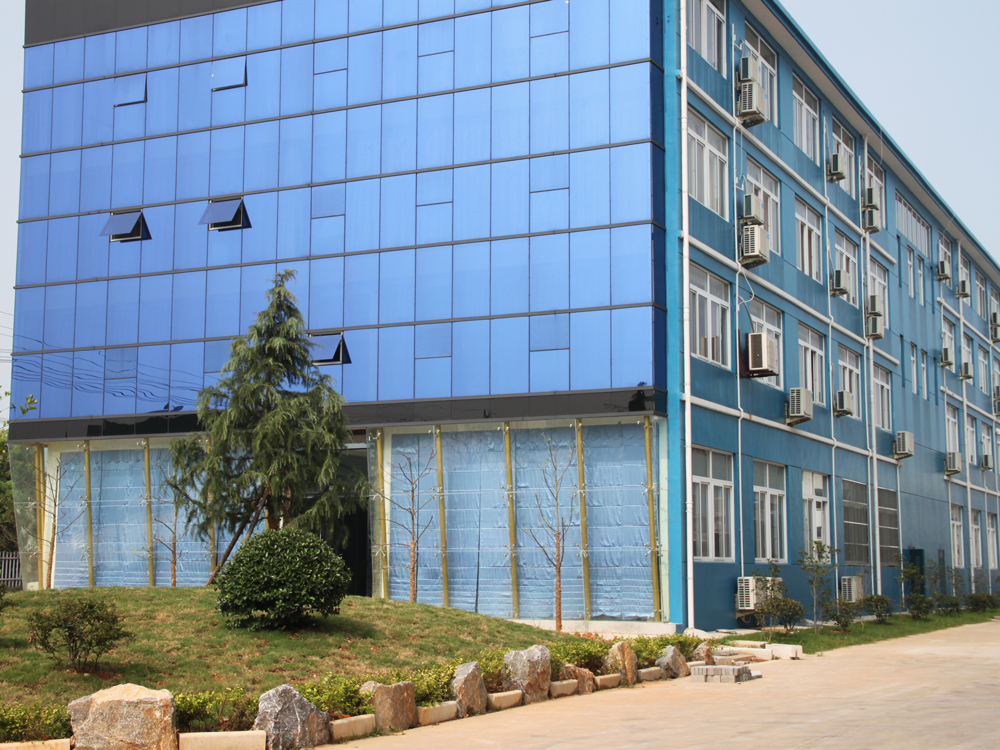
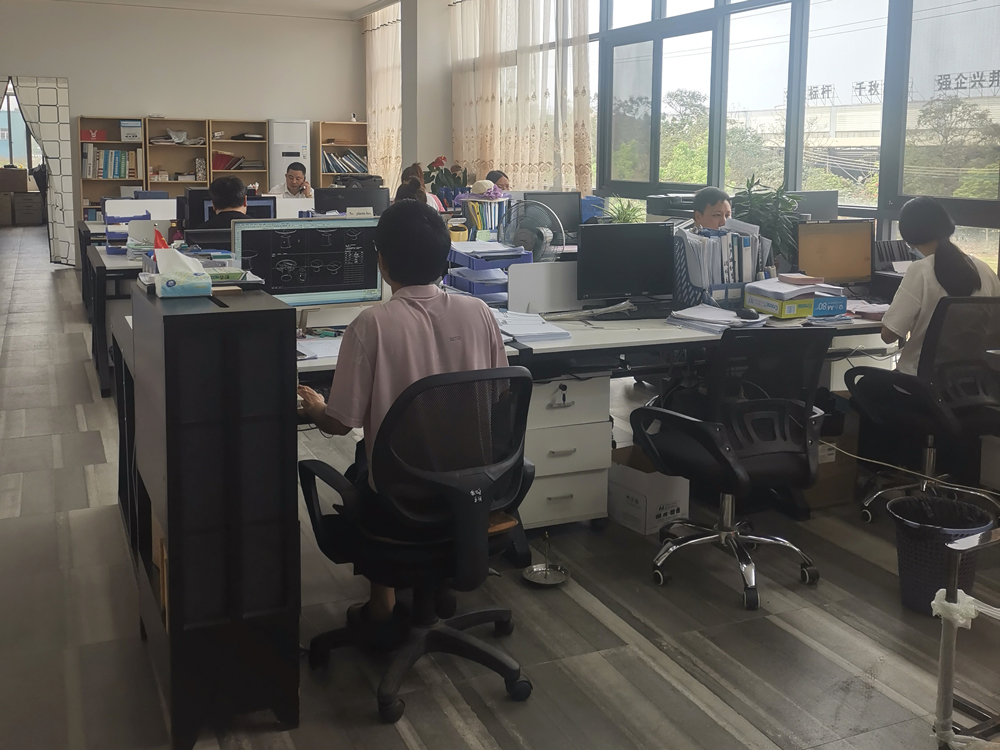
Guangzhou Vita Construction Machinery Co., Ltd. is one of the largest company that combines factory and foreign trade. The factory is located in Xiangyang City, Hubei Province, where there is more than 18,000 square meters of workshop space with several advanced production machines. Our workforce of more than 278 well-trained and skilled workers and around 8 experienced engineers helps ensure reliable product quality as well as fast, accurate delivery.
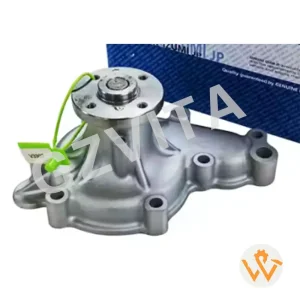
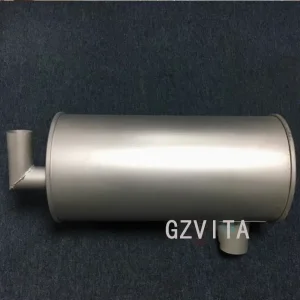
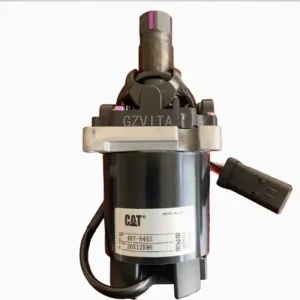
We specialize in producing, developing, and selling a comprehensive range of construction machinery parts. This includes engine assemblies, hydraulic pumps, final drives, electric generating sets, engine bearings (including Main bearings and Connecting Rod Bearing series), crankshafts, engine valves, gear pumps, cylinders, various filters, excavator buckets, and undercarriage parts for excavators and bulldozers. These products serve as high-durability replacements for machinery from global brands, including:
Our advantages are driven by a commitment to project performance and equipment longevity:
In the fast-paced world of construction, the reliability and efficiency of your machinery can make or break a project. We understand that high-quality parts are essential for optimal performance, and we aim to provide top-notch components to keep your fleet running smoothly.
To improve our service, we set up an engine maintenance development department. In addition to providing engine assemblies, we help clients resolve technical challenges encountered during equipment operation and assembly.
We maintain an internal professional maintenance and service team. Our clients can invite our maintenance technicians to travel abroad to assist in repairing and maintaining complex engine setups on-site.

 Vita Construction