 Vita Construction
1 / 3
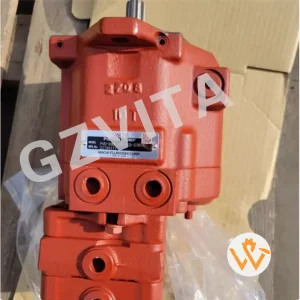
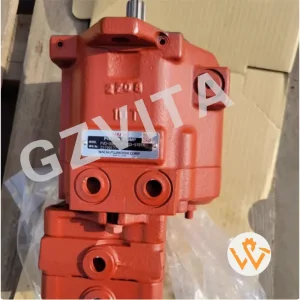
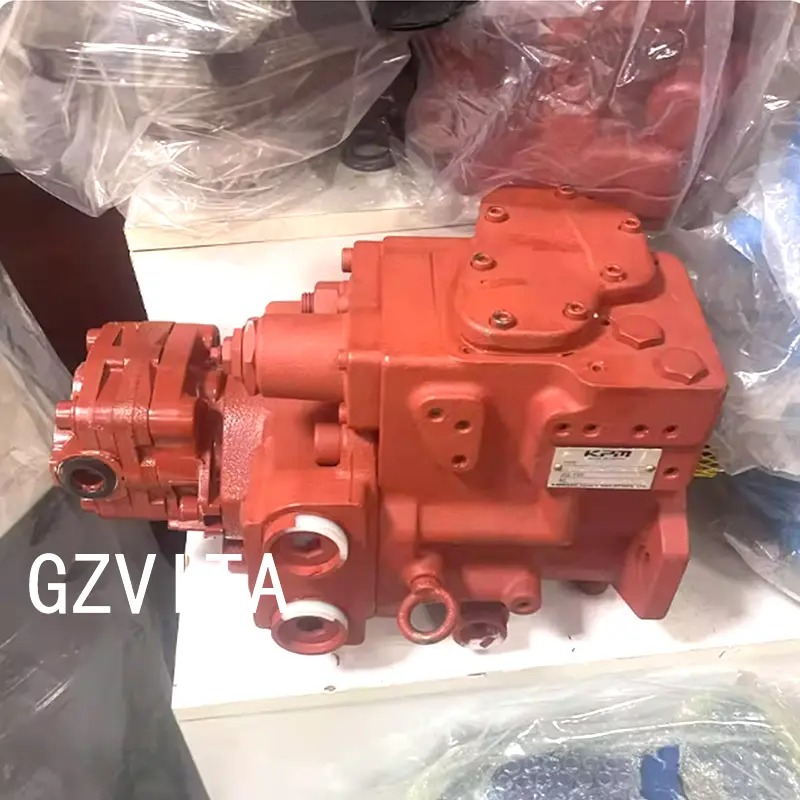
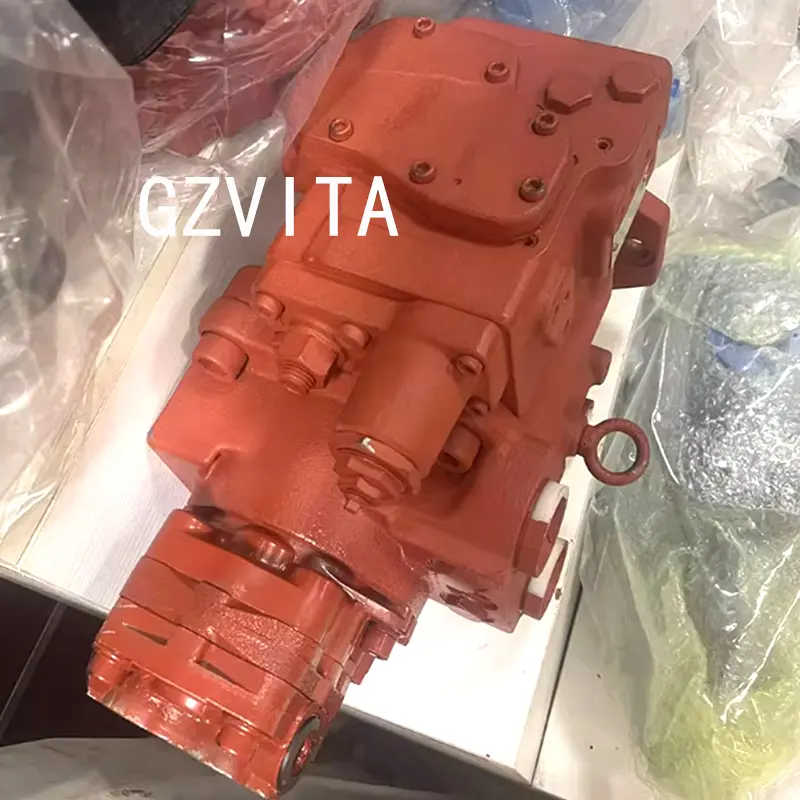
Installing the main hydraulic pump on an excavator is a critical task that requires careful attention to detail to ensure proper operation and longevity of the hydraulic system. Below is a comprehensive notice outlining the key steps and considerations for installing the main pump.
Read the Manual: Review the excavator's service manual for specific instructions related to the main pump installation, including torque specifications and any special procedures.
Gather Tools and Parts: Ensure you have all necessary tools and replacement parts ready before starting the installation.
Drain Hydraulic Fluid: If necessary, drain the hydraulic fluid from the system to prevent spills during the removal process.
Disconnect Hoses and Lines: Carefully disconnect hydraulic hoses and lines from the old pump. Use appropriate tools to avoid damaging fittings.
Remove Mounting Bolts: Use a wrench to remove the mounting bolts securing the old pump to the engine or hydraulic system. Carefully lift the old pump out of its mounting position.
Clean the Mounting Surface: Thoroughly clean the mounting surface where the new pump will be installed. Remove any old gasket material or debris to ensure a proper seal.
Check for Damage: Inspect the surrounding components for any signs of wear or damage that may need to be addressed before installing the new pump.
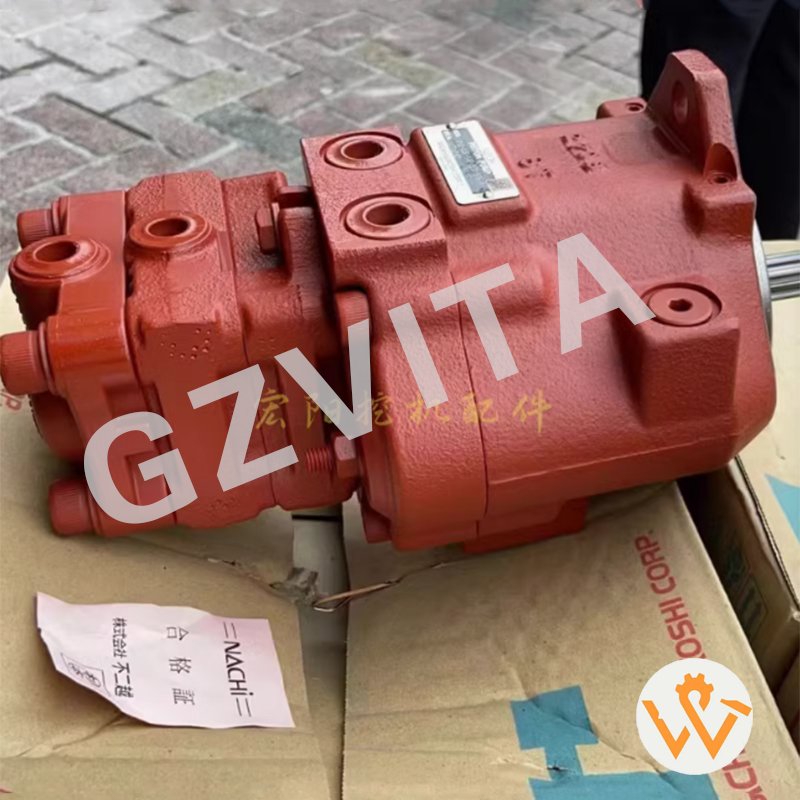
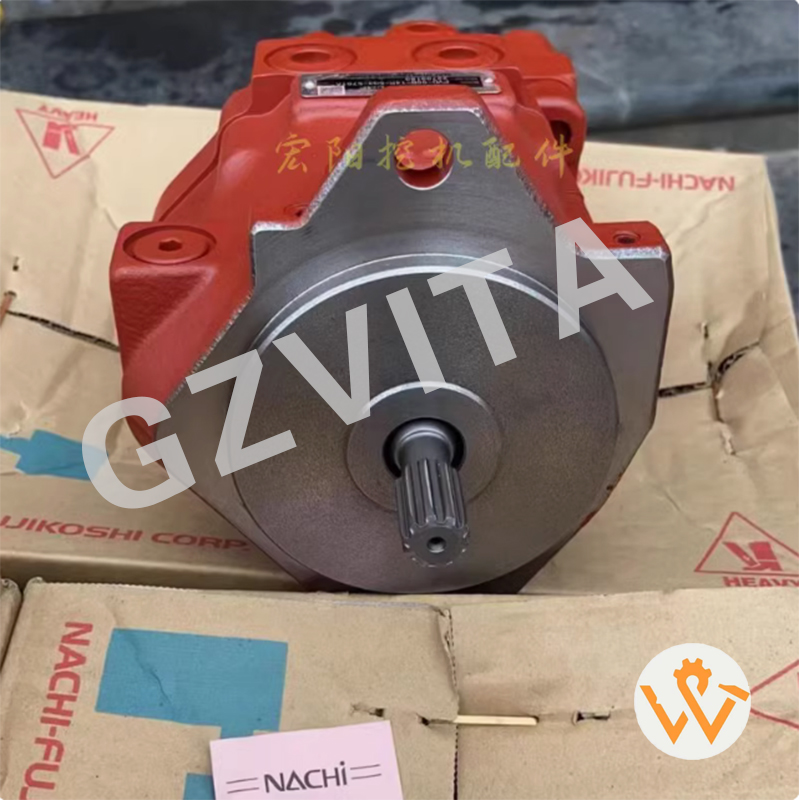
Position the New Pump: Carefully position the new main hydraulic pump in place, aligning it with the mounting holes.
Install Gaskets or O-rings: If applicable, install new gaskets or O-rings to ensure a proper seal between the pump and the mounting surface.
Secure the Pump: Insert and hand-tighten the mounting bolts. Use a torque wrench to tighten the bolts to the manufacturer's specified torque settings, ensuring even pressure across the pump.
Attach Hoses: Reconnect the hydraulic hoses and lines to the new pump, ensuring that they are properly secured and free of leaks.
Check for Proper Routing: Ensure that hoses are routed correctly to avoid kinks or damage during operation.
Refill the System: If hydraulic fluid was drained, refill the hydraulic system with the appropriate type and amount of hydraulic fluid as specified in the service manual.
Check for Leaks: Before starting the excavator, inspect all connections for leaks.
A: Always wear Personal Protective Equipment (PPE), turn off the excavator engine, disconnect the battery, and release any built-up pressure in the hydraulic system to ensure a safe workspace.
A: Yes, it is highly recommended to install new gaskets or O-rings during installation to ensure a proper tight seal and prevent any potential hydraulic fluid leaks.
A: A torque wrench ensures that all mounting bolts are tightened to the manufacturer's specified torque settings. This applies even pressure across the pump and prevents structural failure or leaks.
A: You should thoroughly clean the mounting surface to remove old gasket residue and debris. Additionally, inspect the surrounding components for any wear or damage that needs addressing.
A: Before starting the excavator, perform a final inspection of all connection points and hoses to check for proper routing and any visible leaks.