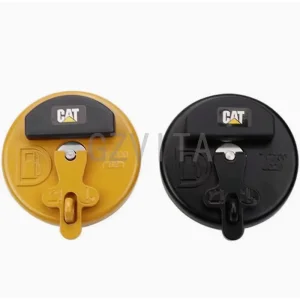
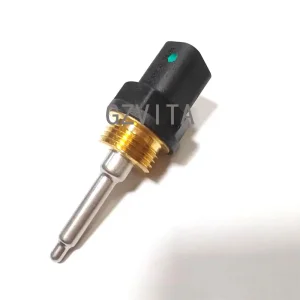
Explore our core selection of high-performance replacement parts supporting operations globally.
In heavy civil construction, mining operations, and aggregate processing, payload cycle efficiency determines overall profitability. At the heart of these intensive applications is the 4-yard excavator bucket (nominally equivalent to approximately 3.06 cubic meters). Operating in the weight class of 30 to 50-metric-ton host machines, these attachments face high stress levels, abrasive fatigue, and severe impact cycles. Designing a custom 4-yard bucket requires an intimate understanding of geotechnical parameters, metallurgy, structural geometries, and hydraulic kinematics.
"Every 1% increase in bucket fill factor translates directly to a reduction in fleet cycle times. However, this payload optimization must not compromise structural integrity. Selecting premium components, structural alloys, and advanced wear packages is vital to ensuring 10,000+ operating hours under harsh working environments."
Standard off-the-shelf excavator buckets are typically configured to satisfy standard soil densities (around 1.6 t/m³) and basic job site requirements. However, aggregate processing plants, bulk handling terminals, and extreme rock-quarry environments operate on highly varied terrains. Standard bucket geometries often lead to rapid wear at the cheek plates, lip plates, and corner adapters, resulting in excessive fuel burn due to penetration resistance.
Globally, procurement trends are shifting rapidly toward application-specific customized buckets. Manufacturers must configure variables such as the dual-radius envelope profile, the selection of Ground Engaging Tools (GET), and metallurgical wear packages to maximize bucket utility. In highly regulated markets across Europe, North America, and Australia, customization also integrates compliance parameters (e.g., AS4772 quick hitch compatibility and EN474 safety compliance), making high-spec engineered attachments a standard operational requirement.
Engineered to survive severe physical forces and highly abrasive materials.
Features a tailored heel radius that reduces drag resistance during the curl phase, minimizing hydraulic thermal load and improving fuel efficiency by up to 12%.
Utilizes proprietary high-hardness wear plates (e.g., Hardox 450/500, NM400/500) integrated with chromium carbide overlays on high-impact surfaces.
Precision-aligned ear structures with heavy-gauge support trusses, designed to transfer torsional loads evenly into the carrier boom and stick linkage.
A custom 4-yard excavator bucket relies heavily on advanced material science to balance empty weight against structural strength. Building a bucket that is too heavy reduces the maximum allowable payload of the carrier machine, while building it too light leads to fatigue fractures along critical weld points under high digging pressures.
Manufacturers use high-yield structural steels like Q345B or ASTM A572 for the upper hanger ears and shell wrapping. For the cutting edge (lip plate), extreme-duty steels such as Hardox 450 or NM450 with yield strengths exceeding 1200 MPa are specified. This ensures that the structural geometry of the lip resists deformation even under high hydraulic crowd forces.
| Engineering Parameters | Standard Duty Specification | Heavy Duty (HD) Specification | Extreme Rock Duty (XHD) Specification |
|---|---|---|---|
| Recommended Material Density | Up to 1.6 t/m³ (Topsoil, Sand) | 1.6 – 2.0 t/m³ (Wet Clay, Gravel) | 2.0 – 2.8 t/m³ (Shot Rock, Granite) |
| Main Lip Plate Thickness | 35 mm - 40 mm (Q355) | 50 mm - 60 mm (Hardox 400) | 70 mm - 90 mm (Hardox 500 / NM500) |
| Side Cutter Shielding | Standard weld-on plates | Bolt-on protectors + shrouds | Cast-alloy weld-on shrouds (Esco style) |
| Internal Wear Liners | None (or optional 10mm strips) | 12mm NM400 full-profile wrap | 16mm-25mm Hardox 500 dual liners |
| Heel Shroud Integration | Optional corner blocks | Standard weld-on heel shrouds | Extended high-alloy cast corner guards |
Even the best metallurgical specifications will fail if the welding processes are not carefully controlled. Heavy equipment fabrication requires strict adherence to international standards such as AWS D1.1 (Structural Welding Code – Steel). In manufacturing facilities, pre-heating protocols are mandatory for low-alloy high-strength steel sheets to prevent hydrogen-induced cracking.
Post-weld stress relief is another critical manufacturing step. By heating specific components or applying mechanical vibratory stress relief, internal residual stresses generated during deep-groove multi-pass welding are dissipated. This process dramatically improves the fatigue resistance of critical joints, such as the interface between the lip plate and the side cheek plates.
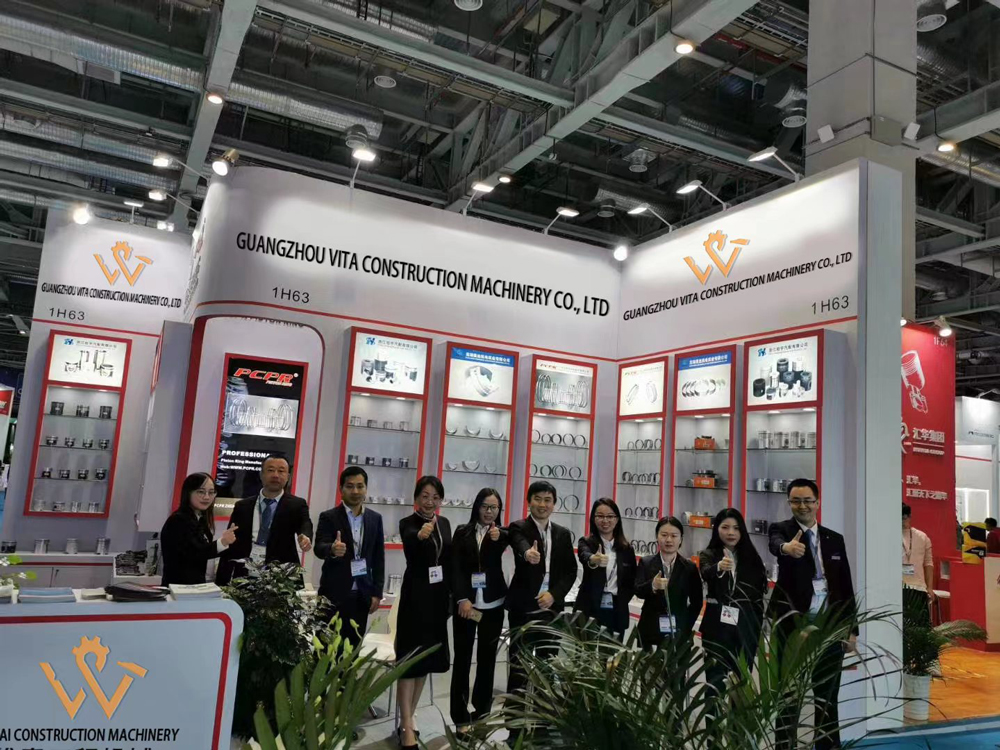
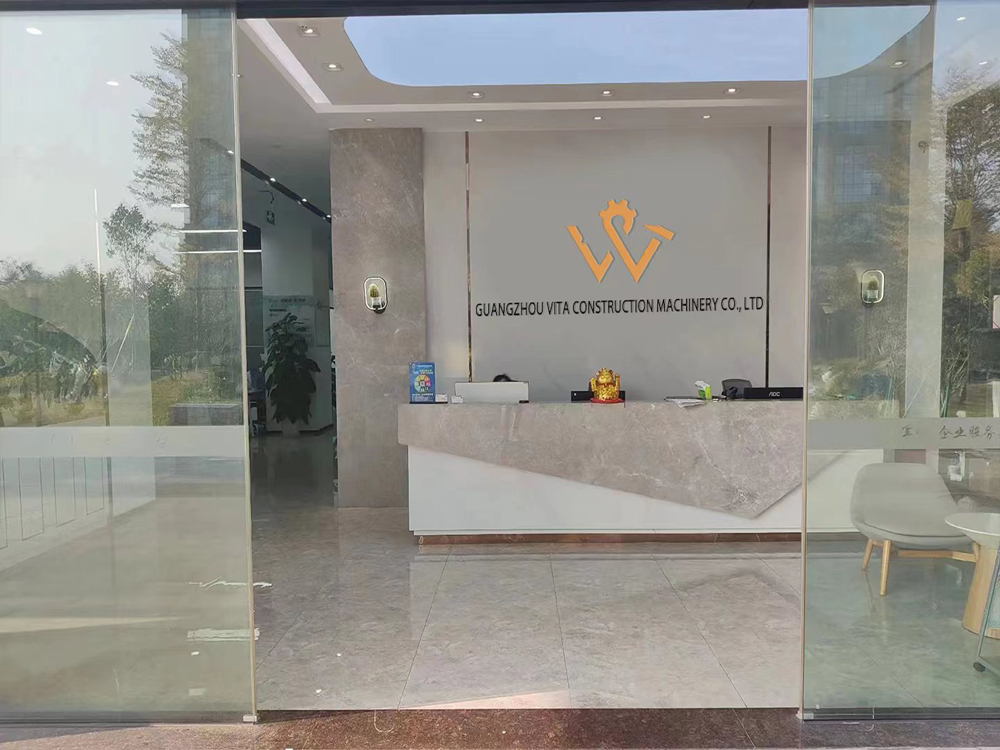
Guangzhou Vita Construction Machinery Co., Ltd. – Leading Construction Equipment & Parts Exporter.
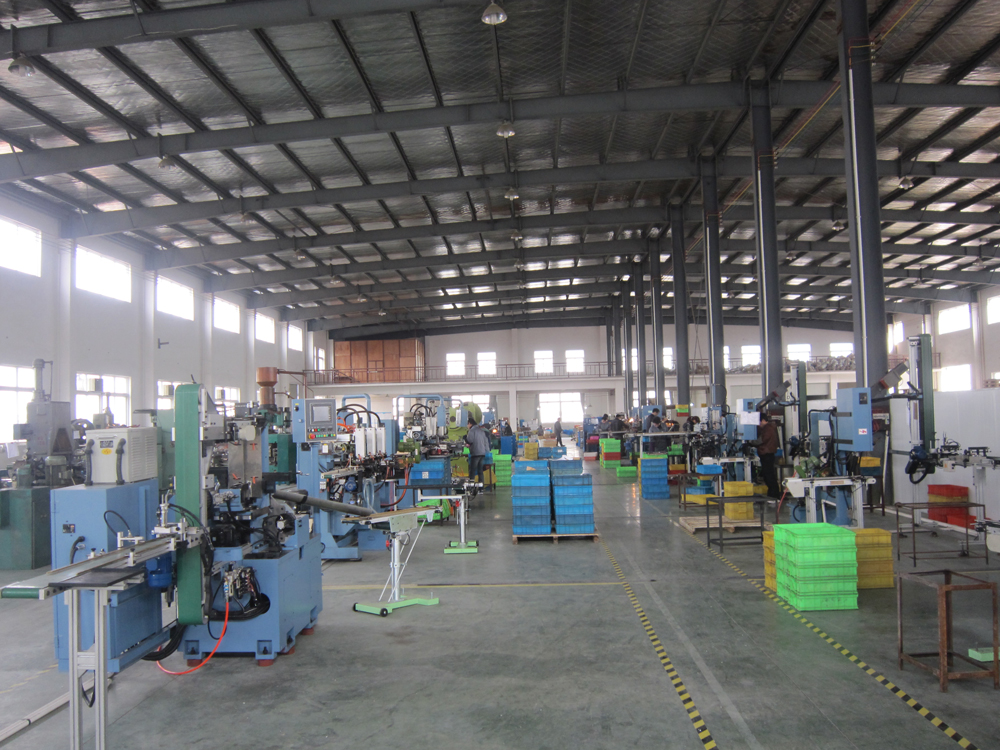
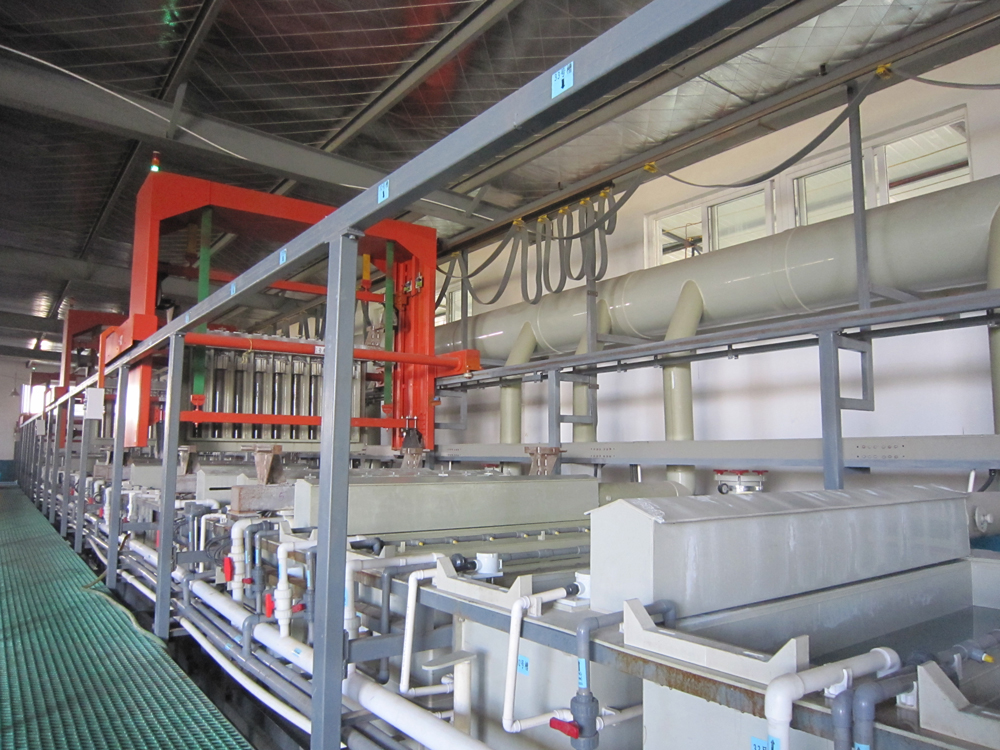
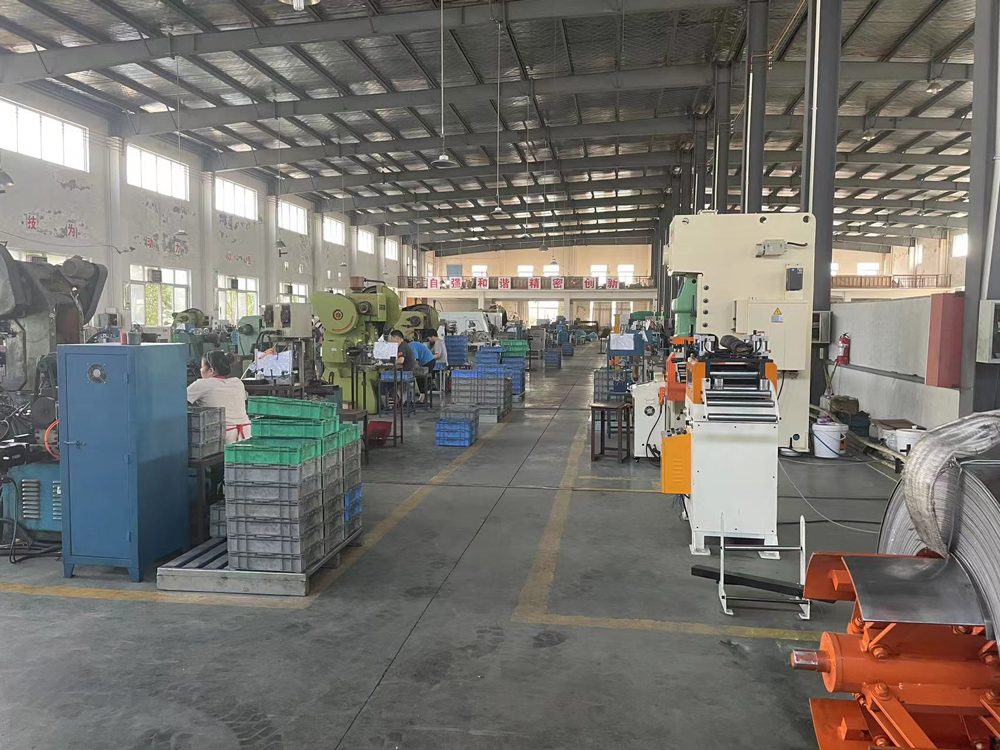
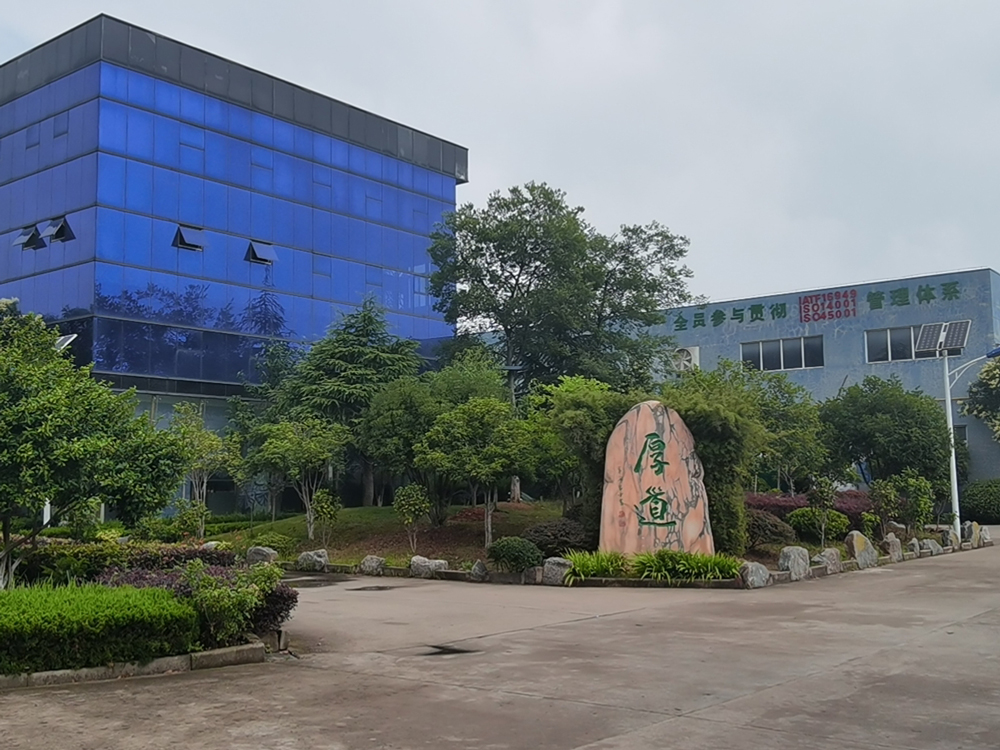
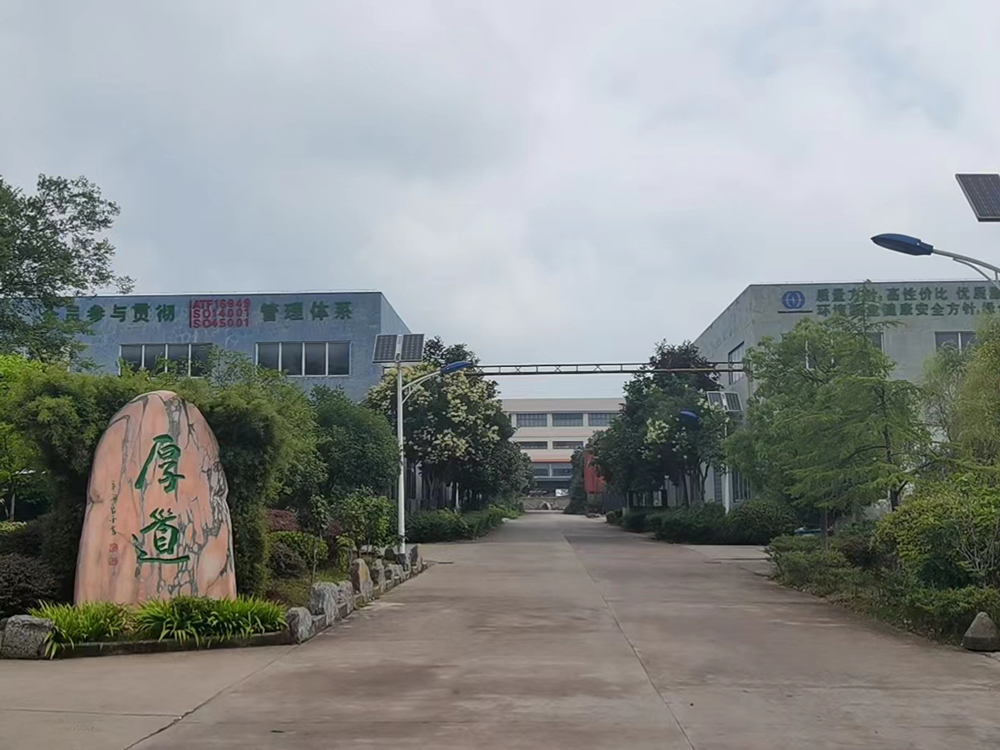
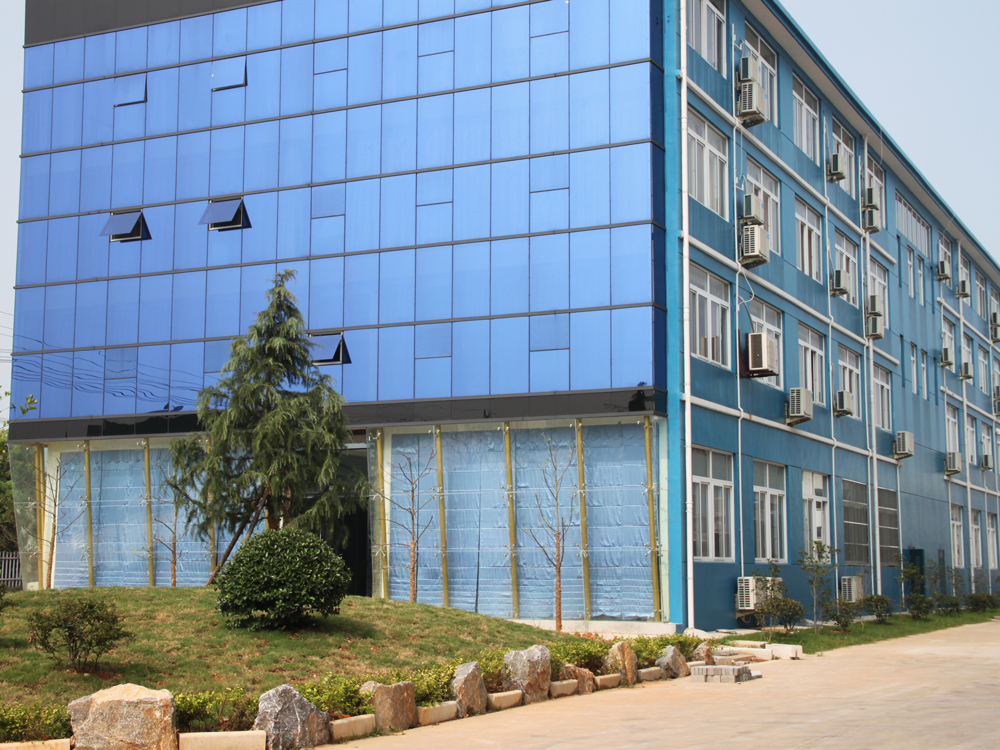
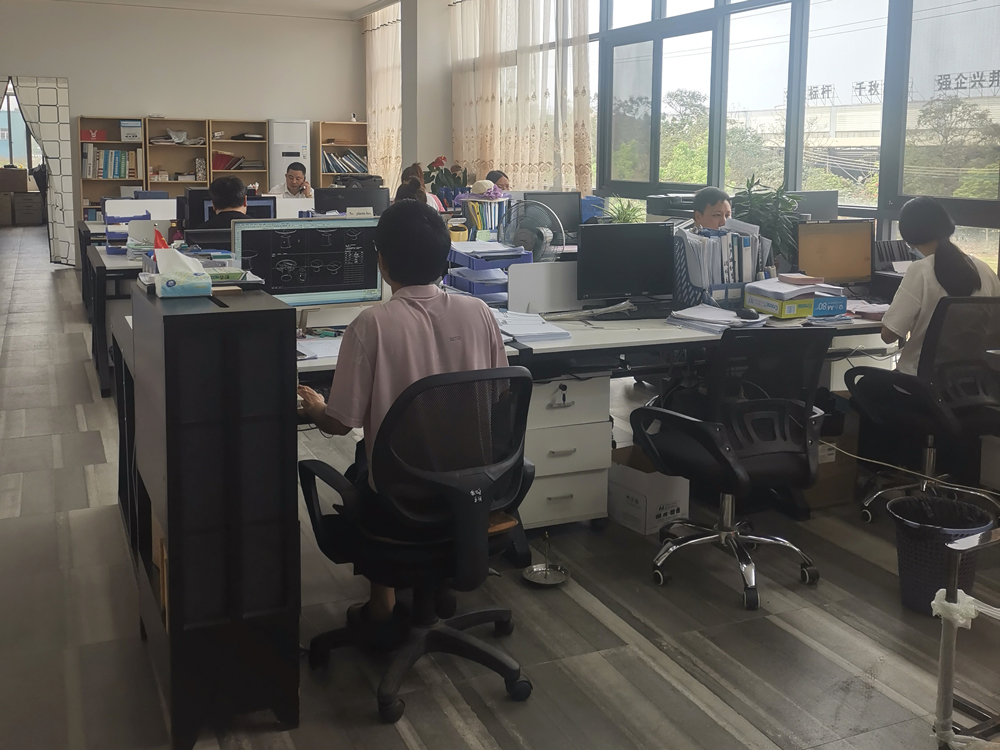
Guangzhou Vita Construction Machinery Co., Ltd. is one of the largest company that combines factory and foreign trade. The factory is located in Xiangyang City, Hubei Province, where there are more than 18,000 square meters workshop with several advanced production machines, more than 278 well trained and skilled workers and around 8 experienced engineers assure the good product quality as well as fast and accurate delivery.
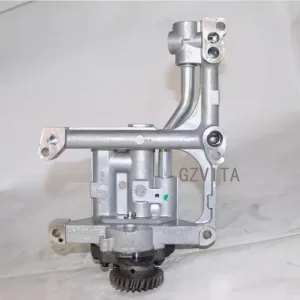
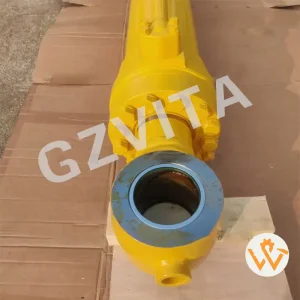
We specialize in producing, developing and selling the whole range of construction machinery parts. Such as engine assembly, hydraulic pump, final drive, electric generating set, engine bearing (Main bearings con Rod Bearing series), crankshafts, engine valves, gear pumps, cylinder, all kinds of filters, excavator bucket, undercarriage parts for excavator and bulldozer... which are used as replacement of many type of machines, the brand include Komatsu, Volvo, Sumitomo, Caterpillar, Kubota, Hitachi, John Deere, Kobelco, Hyundai, Kato, Sany, XCMG, SUNWARD, and other well-know brands.
In the fast-paced world of construction, the reliability and efficiency of your machinery can make or break a project. We understand that high-quality parts are essential for optimal performance. So we aim to provide top-notch construction machinery parts to make customer's machinery running smoothly.
To improve our service, we set up engine maintenance development. In addition to providing customers with engine assemblies, we can also help customers solve various technical problems encountered in the operation and assembly of engines.
We have our own professional maintenance team and can even be invited by customers to arrange for maintenance technicians to go abroad to help customers repair engines.
Purchasing heavy structural attachments requires robust logistics networks and compliance frameworks. A custom 4-yard excavator bucket, with weights ranging between 2,200 kg and 4,100 kg depending on the configuration, requires specialized flat-rack container packing or high-strength steel shipping skids to prevent damage during transit. Manufacturers must ensure compliance with international shipping and customs requirements, providing detailed bill of lading documentation, mill test certificates for the steel plates, and certificate of origin files.
Additionally, local support networks play a vital role. In regions with strict health and safety legislation (such as OSHA in the United States or AS4772 regulations in Australia), custom buckets must be engineered with standard lift eye points rated for specific structural capacities. The inclusion of mechanical locking systems on standard wear parts (GET) is also a critical compliance feature to protect operators during bucket maintenance cycles.
The attachment sector is evolving rapidly. Traditional physical buckets are now transitioning into "smart attachments." The future roadmap for custom 4-yard buckets includes:
Expert answers to critical operational, structural, and procurement inquiries.
Premium OEM-grade replacement parts supporting heavy excavation machinery worldwide.
 Vita Construction