Explore our high-performance OEM replacement components designed to match rigorous factory specifications and extreme working environments.
In heavy civil construction, mining, and extraction operations, the excavator bucket is the primary interface between the machine and raw geological materials. The specification of an excavator bucket is not merely a statement of volume or dimensional width; it is a complex intersection of structural mechanics, metallurgy, and fluid dynamics. Across the globe, high-performance earthmoving projects demand customized attachment specifications tailored to localized soil densities, rock formations, and cycle-time benchmarks.
From an international industrial perspective, excavator bucket manufacturing has transitioned from standardized mass production to highly specialized custom engineering. Project owners and equipment managers realize that using a "one-size-fits-all" general-purpose bucket leads to early component fatigue, excessive fuel consumption, and costly excavator downtime. Customizing parameters such as struck and heaped capacities (ISO 7451 / SAE standards), dual-radius body profiles, and structural wear packages is critical to matching the operational load curve of modern excavators from Komatsu, Caterpillar, Volvo, and Hitachi.
Globally, manufacturers categorize buckets into four primary classes, each featuring distinct structural specifications:
To accurately configure an excavator bucket for high-productivity applications, engineers analyze specific dimensional and weight constraints. Below is a comprehensive reference matrix outlining structural parameters across common weight-class classes in the global fleet:
| Excavator Class (Tons) | Typical Width (mm) | Struck Capacity (m³) | Heaped Capacity (m³) | Steel Grade (Wear Plates) | Tooth Interface Spec |
|---|---|---|---|---|---|
| 6 - 9 (Mini/Midi) | 450 - 900 | 0.15 - 0.35 | 0.20 - 0.45 | Q355B / NM400 | CAT V17 / Esco SuperV |
| 12 - 16 (Utility) | 600 - 1200 | 0.40 - 0.75 | 0.50 - 0.95 | NM400 / Hardox 400 | Esco V29 / CAT J250 |
| 20 - 25 (Standard Medium) | 800 - 1500 | 0.80 - 1.30 | 1.00 - 1.60 | Hardox 450 / NM450 | CAT J350 / Esco V39 |
| 30 - 36 (Heavy Construction) | 1000 - 1800 | 1.20 - 1.80 | 1.45 - 2.20 | Hardox 450 / NM500 | CAT J460 / Esco V43 |
| 40 - 50 (Mining & Quarry) | 1200 - 2200 | 1.60 - 2.60 | 2.00 - 3.20 | Hardox 500 / Creusabro | CAT J550 / Esco V59 |
Key custom engineering attributes include:
Operating conditions vary greatly across global territories. Custom excavator bucket specs must be engineered to withstand distinct geographical and geological challenges:
Characterized by iron ore deposits with high bulk densities (often exceeding 2.8 t/m³) and severe abrasive properties. Custom buckets require heavy Hardox 500 liners, laminated wear blocks (Chocky Bars), and mechanical lip shrouds. The engineering emphasis is on maximizing wear life while maintaining structured payload profiles.
Works frequently in frozen soils and dense, abrasive granite. Buckets must use high-impact, low-temperature resistant steels to prevent brittle failures at sub-zero temperatures. A slim, sharp profile is used to maximize breakout force through the hard frost line.
Deals with highly cohesive clay, alluvial soils, and wet tropical mud. Buckets must use dual-taper geometries and optional drainage perforations to reduce suction during sticky material release. Struck capacities are optimized over heaped capacities due to the fluid nature of saturated soil.
Combining Advanced Factory Manufacturing with Decades of Global Trade Expertise
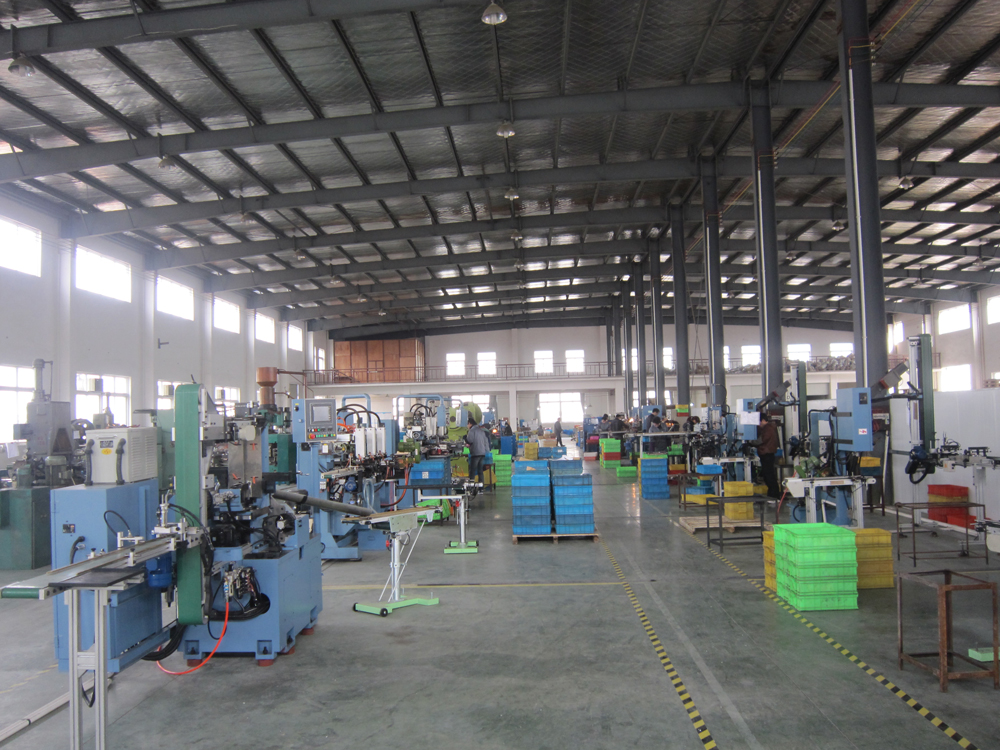
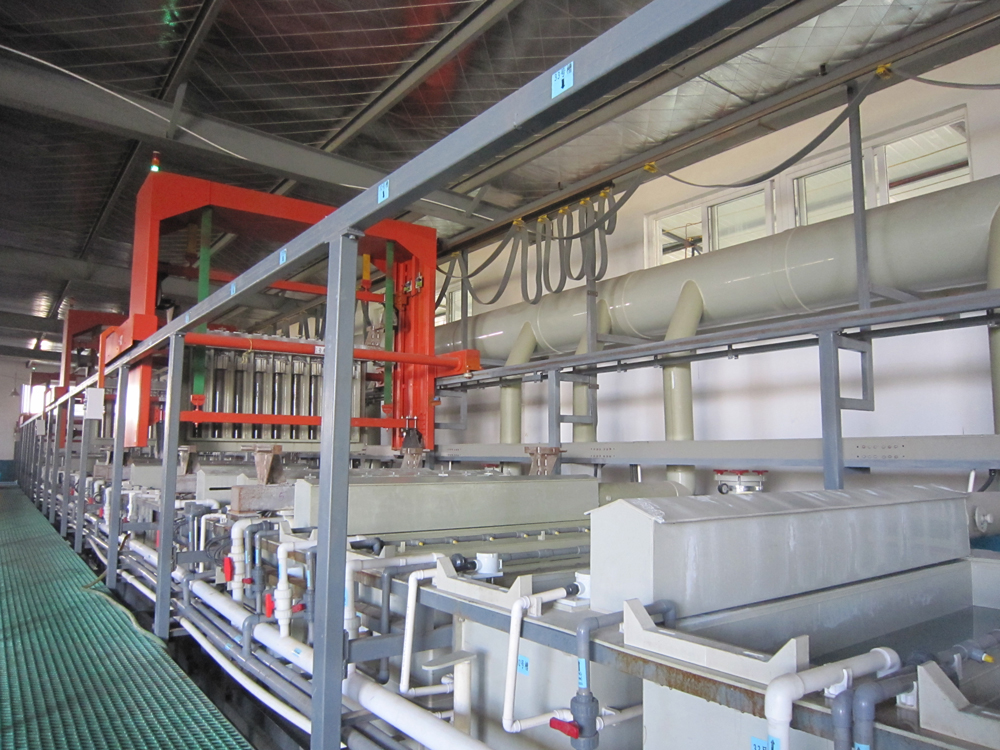
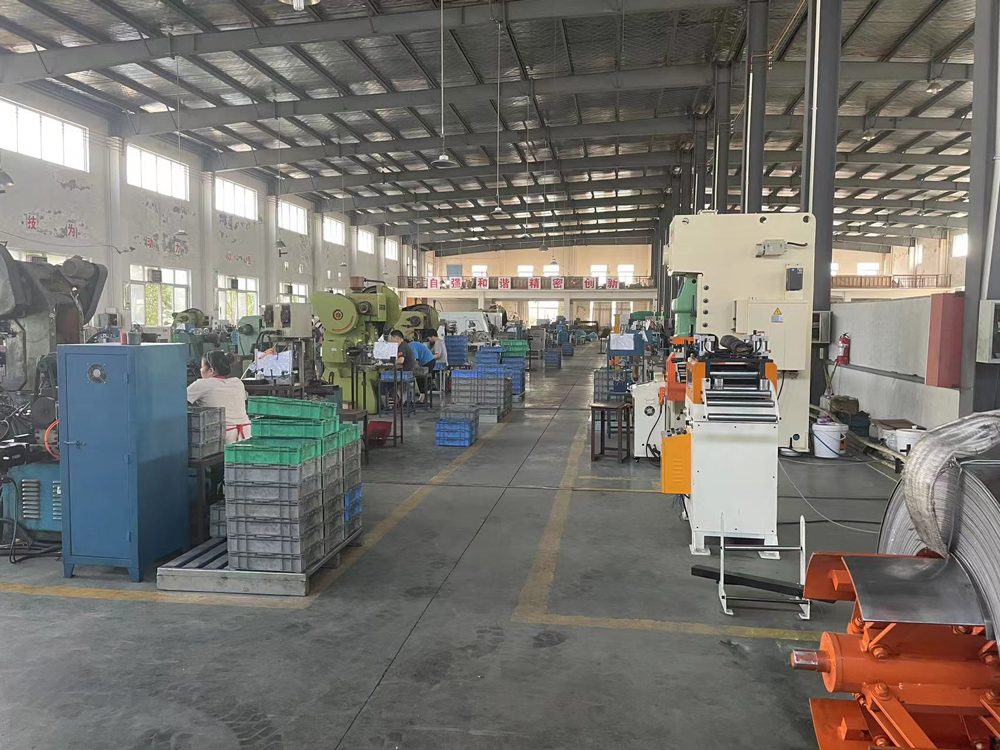
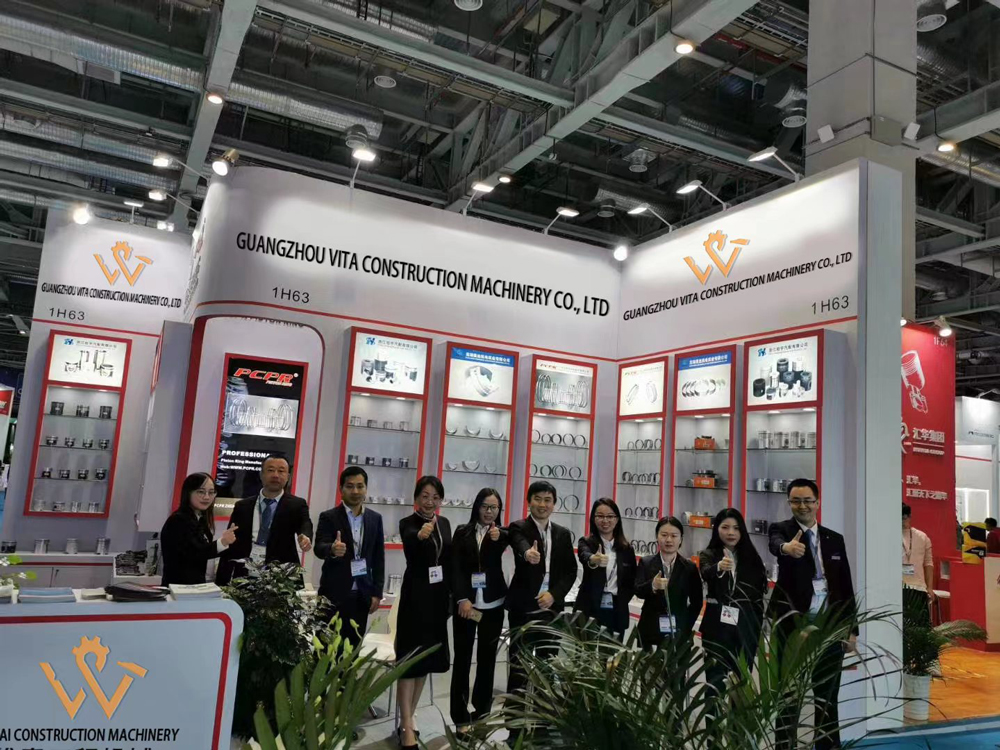
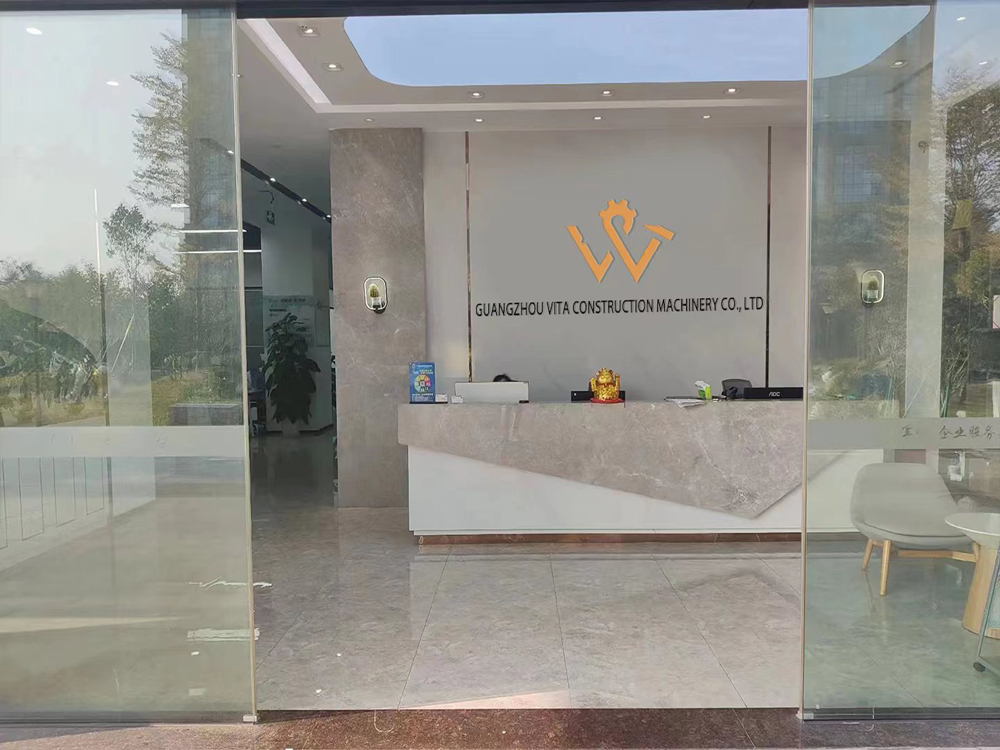
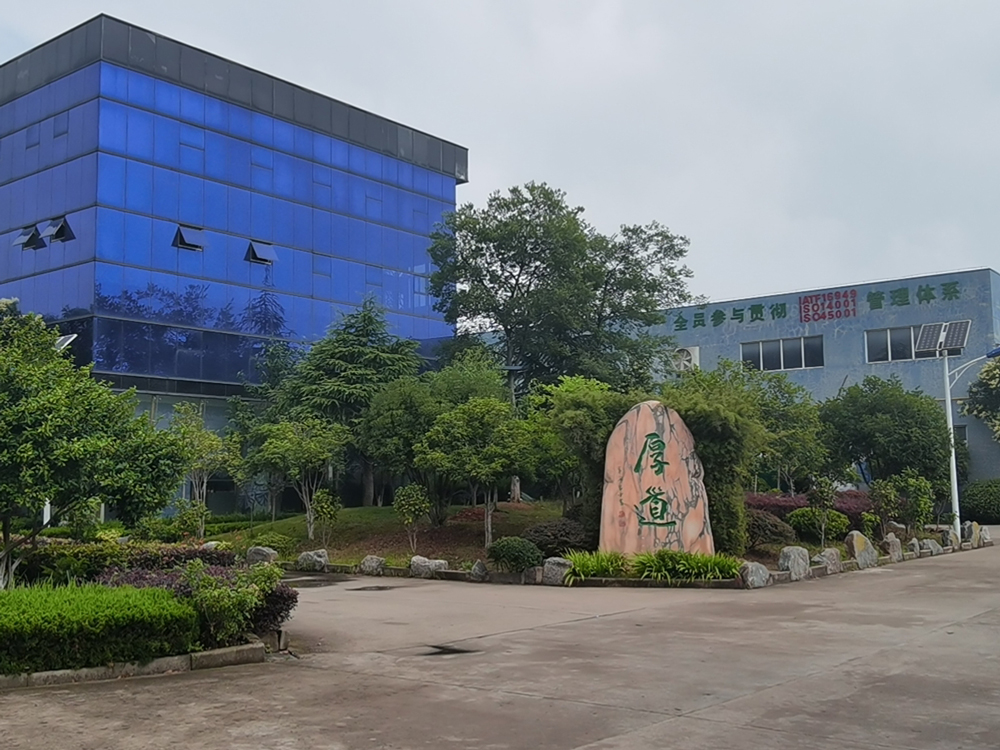
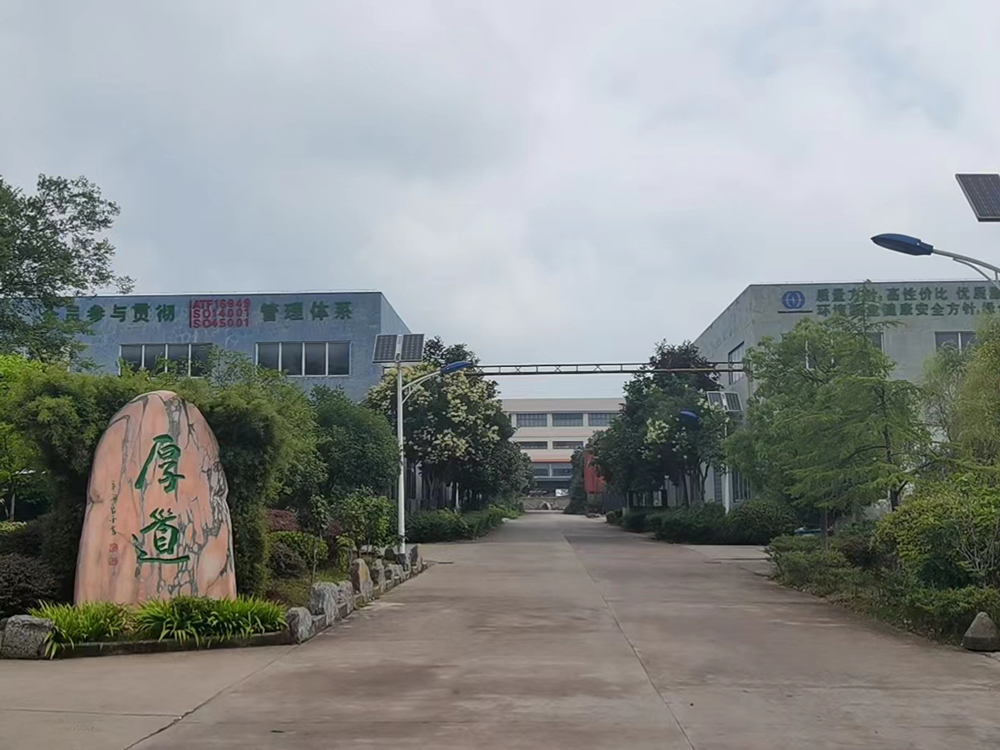
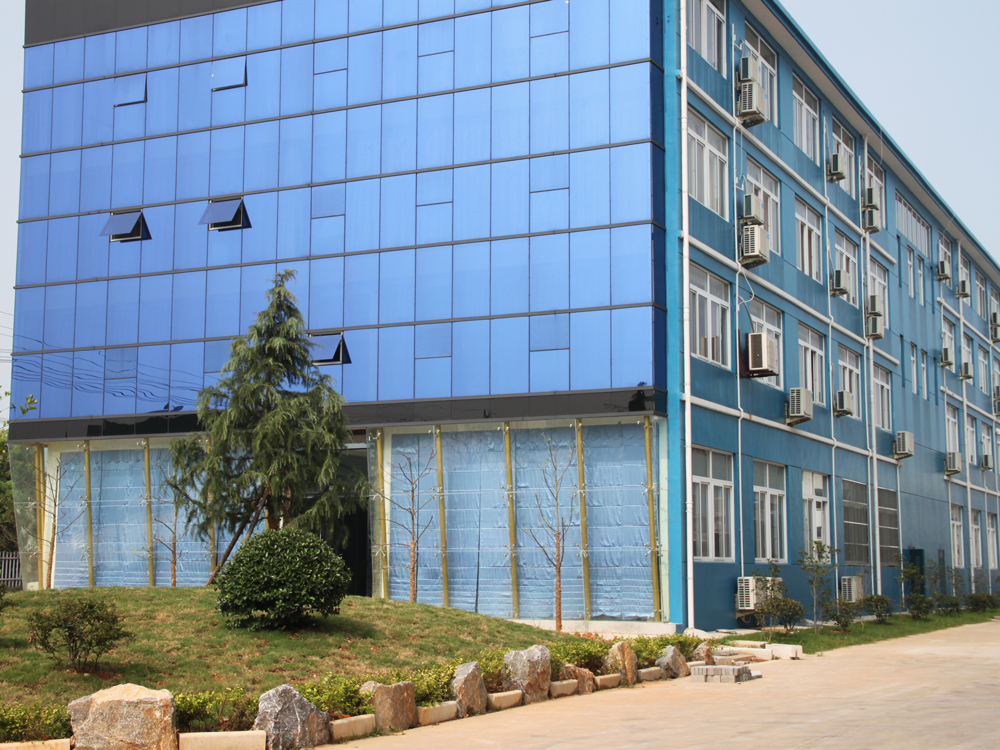
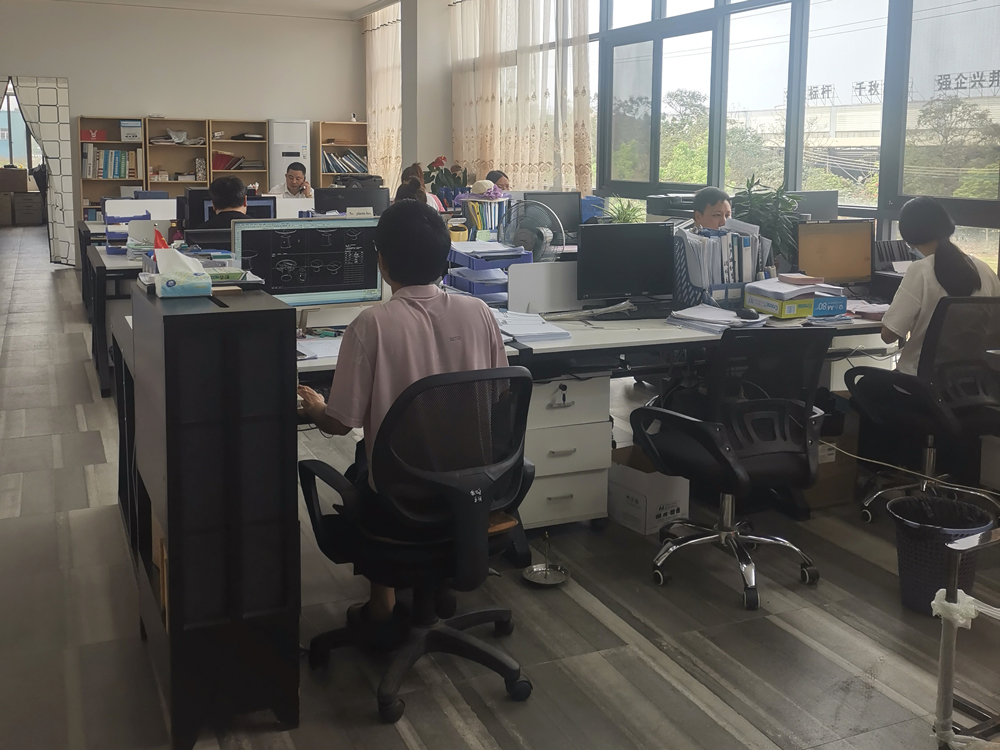
Guangzhou Vita Construction Machinery Co., Ltd. is one of the largest companies combining factory manufacturing and foreign trade. Our advanced production factory is located in Xiangyang City, Hubei Province. Spanning a modern workshop of more than 18,000 square meters, the facility is equipped with automated CNC cutting centers, robotic welding stations, and heavy-duty coordinate boring machines. Our production is supported by 278 skilled workers and 8 experienced engineers, ensuring precise product quality, structural safety, and fast, reliable delivery.
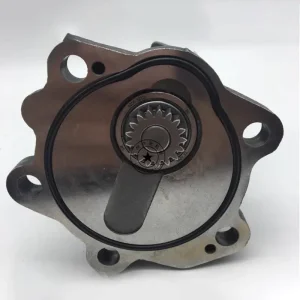
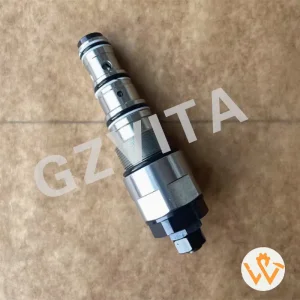
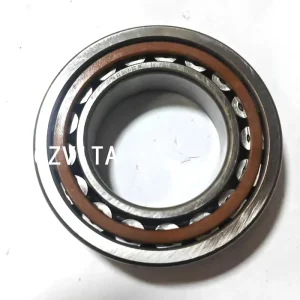
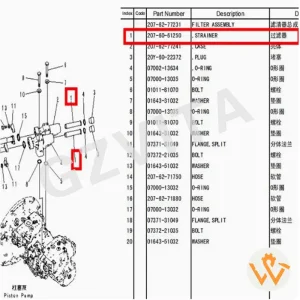
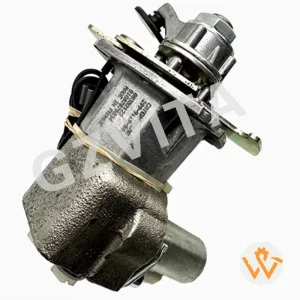
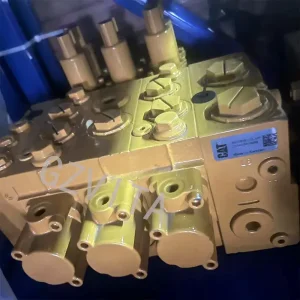
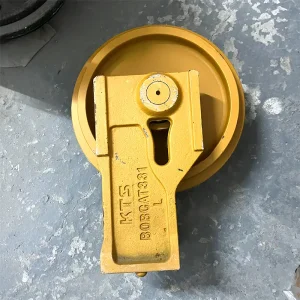
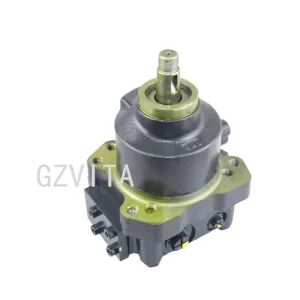
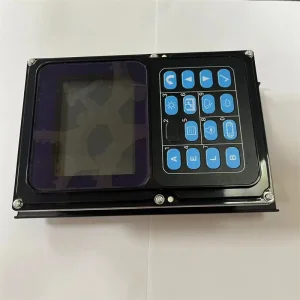
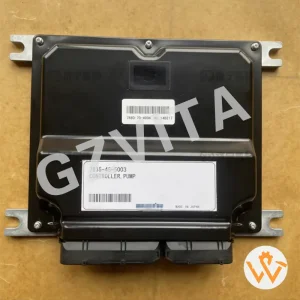
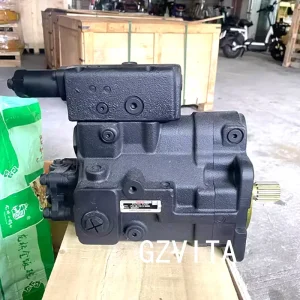
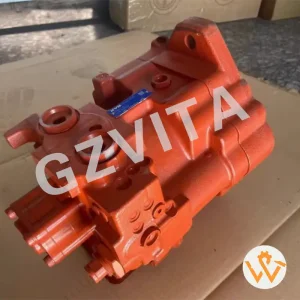
We specialize in producing, developing, and selling a comprehensive range of construction machinery parts. Beyond excavator buckets and custom attachments, our core line includes engine assemblies, hydraulic main pumps, final drives, electric generating sets, engine bearings (Main bearings and Connecting Rod Bearing series), crankshafts, engine valves, gear pumps, cylinders, and advanced filtration units. These components serve as direct replacements for machinery brands including Komatsu, Volvo, Sumitomo, Caterpillar, Kubota, Hitachi, John Deere, Kobelco, Hyundai, Kato, Sany, XCMG, and Sunward.
In the fast-paced world of construction, the reliability and efficiency of your machinery can make or break a project. We understand that high-quality parts are essential for optimal performance. We aim to provide top-notch construction machinery parts to keep your fleet running smoothly.
To improve our service, we set up an engine maintenance and development division. In addition to providing customers with engine assemblies, we can also help customers solve various technical problems encountered in the operation and assembly of heavy machinery engines.
We maintain a professional maintenance team and can be invited by customers to arrange for maintenance technicians to travel abroad, helping troubleshoot and repair complex engine and hydraulic system problems directly on site.
The lifetime of a custom excavator bucket is determined by the quality of its steel and the manufacturing methods used. Standard structural steel (like Q355B) is flexible and easy to form, but it wears quickly in high-abrasion environments. To maximize lifetime and reliability, manufacturers use advanced alloyed steels that offer high yield strength and surface hardness.
Modern bucket manufacturing uses high-strength steels, including:
Beyond material selection, structural longevity relies on modern welding techniques. Welding thick plates of high-tensile steel requires controlled preheating (typically between 100°C and 150°C) to prevent cold cracking in the heat-affected zone (HAZ). Using robotic gas metal arc welding (GMAW) with high-grade flux-cored wires ensures deep penetration, clean weld profiles, and minimal residual stress.
As the construction and mining sectors face rising pressure to improve efficiency and reduce emissions, the focus is shifting toward optimizing every part of the machine. The shape, weight, and penetration efficiency of the bucket directly affect the excavator's fuel consumption and cycle times. Designing lighter, stronger attachments allows fleet operators to use larger bucket volumes without exceeding the excavator's operating weight capacity.
Looking ahead, several key technologies are shaping the excavator bucket industry:
Expert answers to common engineering, sizing, and material selection questions.
Premium replacement parts engineered to original equipment tolerances for maximum reliability.
 Vita Construction