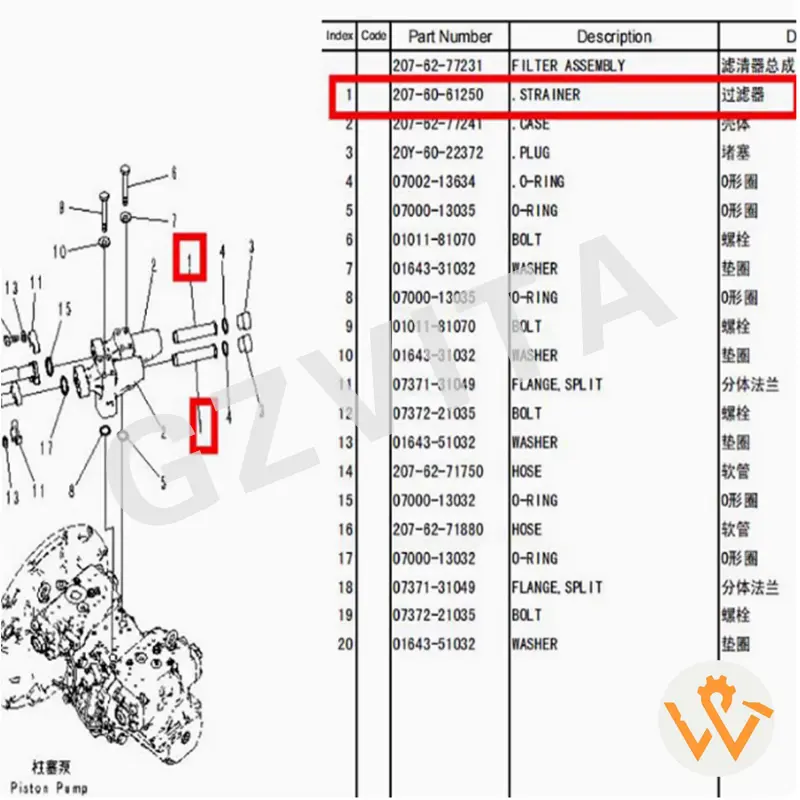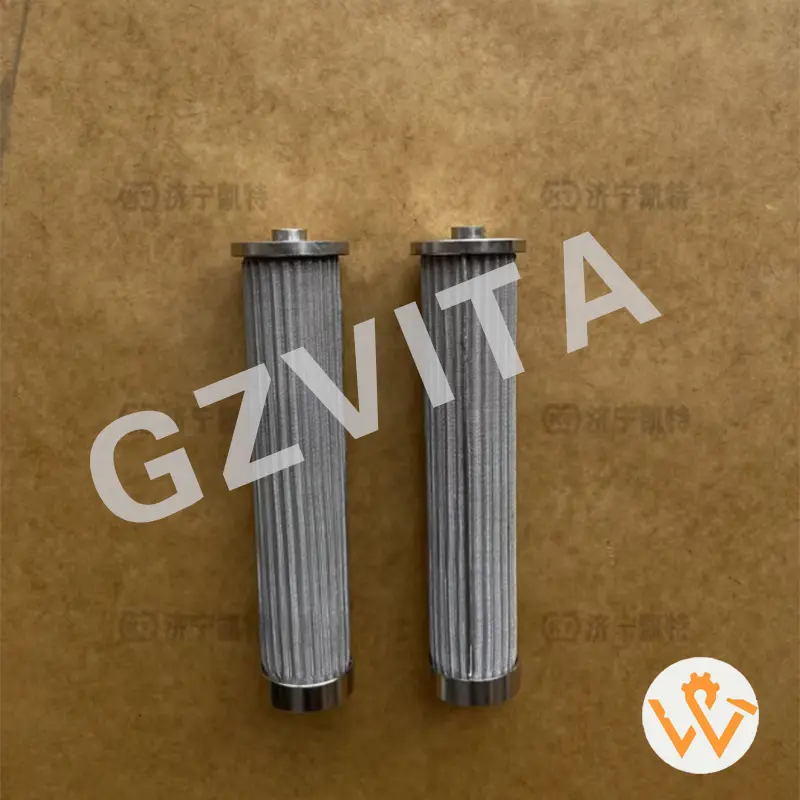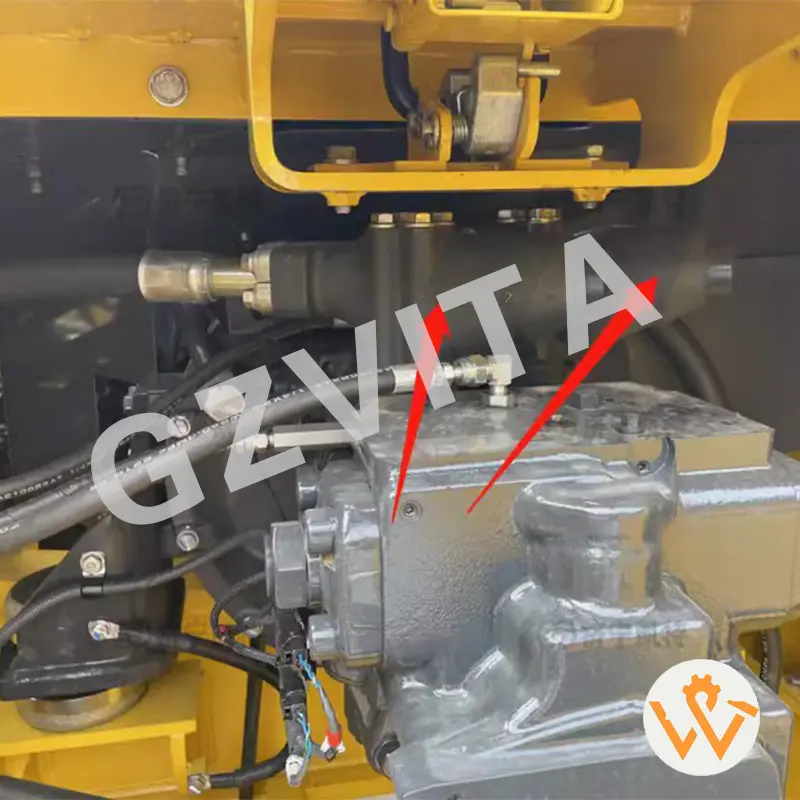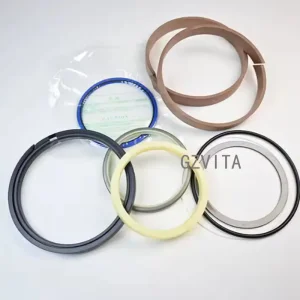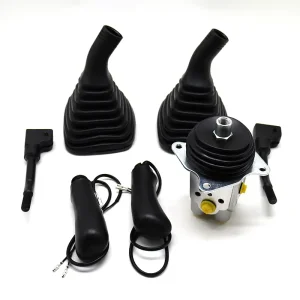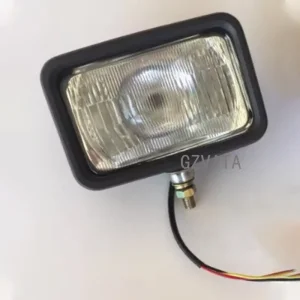
Wholesale Excavator Part PC300-7 PC350-8PC400-7 PC450-7 PC400-8 Hydraulic Pump Filter STRAINER 207-60-61250 Manufacturers, Suppliers

Multi-layer synthetic fiber media​ – Primary filtration material for fine particles.

Cellulose-polyester composite​ – Common blend for balanced performance.

High-efficiency glass microfibers​ – For high dirt-holding capacity and fine filtration.

Resin-impregnated paper media​ – Provides stiffness and contaminant retention.

Wire mesh support screen​ – Internal/external mesh for media structural support.

Perforated steel center tube​ – Provides internal strength and flow channel.

Galvanized or stainless steel end caps​ – Corrosion-resistant metal caps.

Polyurethane or nitrile sealing gaskets​ – For leak-proof housing interface.

Anti-drainback valve silicone​ – Prevents oil backflow when engine is off.

Bypass valve spring steel​ – Ensures oil flow if filter is clogged.

Heavy-duty steel outer casing​ – Protects the filter element.

Powder-coated steel shell​ – External corrosion protection.

Abrasion-resistant media coating​ – Withstands high oil velocity.

Heat-resistant adhesives​ – Bond layers to withstand operating temperatures.

Water-resistant media treatment​ – Prevents media degradation from water.

Synthetic rubber end seals​ – Compatible with hydraulic oils and temperatures.

Plastic reinforcement grid​ – Internal support for pleated media.

Aluminum alloy components​ – Lightweight structural parts.

Cold-rolled steel spring​ – For bypass valve operation.

Epoxy sealants​ – Seal joints against leaks.

Fiberglass reinforcement​ – In some high-pressure filter designs.

Molded plastic bypass valve body​ – Lightweight and corrosion-free.

Metal-free media options​ – For applications requiring low ash content.

Microglass media with synthetic scrim backing​ – Enhanced durability.

Hydrophobic media treatment​ – Repels water for improved performance.

Static dissipative materials​ – Prevent static buildup in the system.

FDA-grade materials​ – For environmentally sensitive applications.

High-temperature resistant polymers​ – For gaskets and seals.

Reinforced nylon components​ – For strength and chemical resistance.

Recyclable material construction​ – Environmental consideration in design.

Product Description

Introduction to Starting Switch for Komatsu Machinery

The starting switch for Komatsu machinery is a crucial component that allows the operator to start the engine and engage the machine's electrical systems. Here's an introduction to its features and functions:

Functionality
The starting switch is responsible for initiating the engine start sequence. When the operator turns the key or presses the switch, it sends an electrical signal to the starter motor, allowing the engine to crank and start.
Design
The starting switch is typically designed to be durable and resistant to harsh operating conditions, such as dust, moisture, and vibrations commonly found in construction and heavy machinery environments.

Types of Starting Switches

Keyed Switch
Many Komatsu machines use a keyed ignition switch, which requires a specific key to start the engine, providing an added layer of security.
Push Button Switch
Some newer models may feature a push-button start system, which can be more convenient and quicker to use.

Safety Features

The starting switch often includes safety mechanisms to prevent accidental starting. This may involve requiring the operator to engage the brake or ensure that the machine is in neutral before the engine can be started.

Maintenance Recommendations

Regular inspection of the starting switch is important to ensure reliable operation. Signs of wear, such as difficulty turning the key or intermittent starting issues, may indicate that the switch needs to be replaced.

Installation Guidelines

Replacing a starting switch typically involves disconnecting the battery, removing the old switch, and installing the new one according to the manufacturer's specifications. It's advisable to consult the machine's service manual for specific instructions.
Frequently Asked Questions

What is the primary function of a Komatsu starting switch?
The starting switch initiates the engine start sequence. When turned or pressed, it sends an electrical signal to the starter motor, allowing the engine to crank and begin operation.
What types of starting switches are commonly used?
Komatsu machinery generally features either a Keyed Switch for enhanced security, or a Push Button Switch for modern convenience and rapid startup.
How does the starting switch ensure operator safety?
Many switches incorporate safety interlocks. These mechanisms require the operator to take specific actions, such as engaging the brake or shifting the machine to neutral, before the engine can crank.
What are the warning signs of a failing starting switch?
Common indicators include difficulty physically turning the ignition key, failure of the electrical system to power up, or intermittent engine starting issues.
What is the basic process for replacing a starting switch?
The standard procedure involves disconnecting the battery for safety, removing the faulty switch assembly, and wiring the new switch in accordance with the manufacturer's specifications. Refer to the service manual for detailed guidance.

Related Products