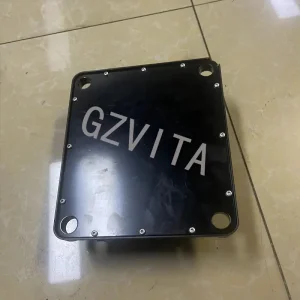
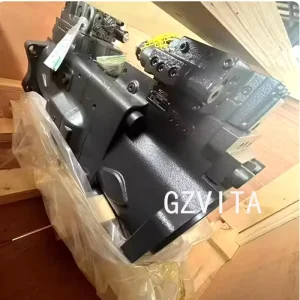
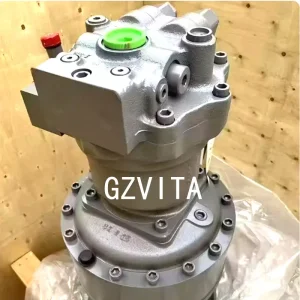
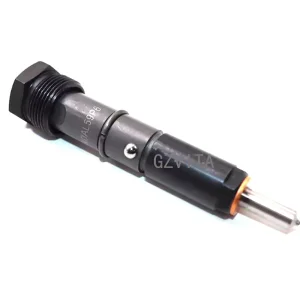
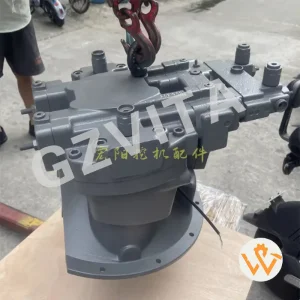
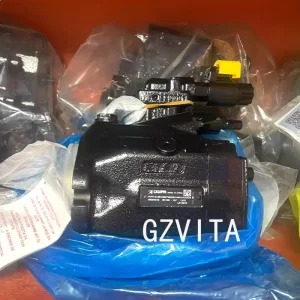
Explore our high-performance precision parts built to meet rigorous industrial standards and ensure maximum machine reliability.
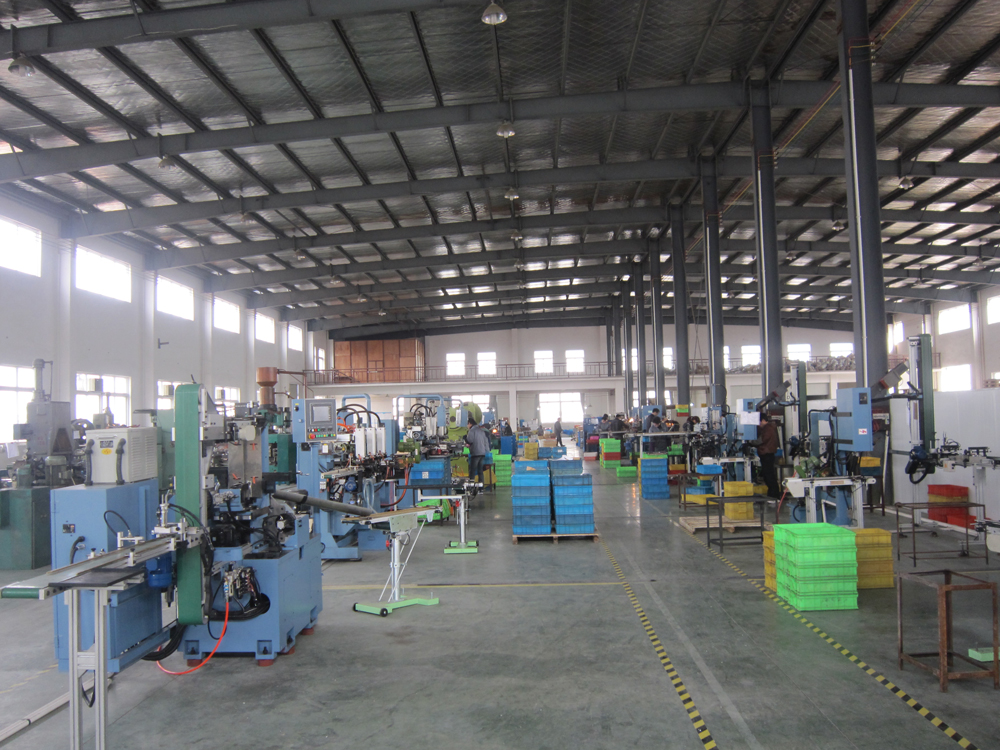
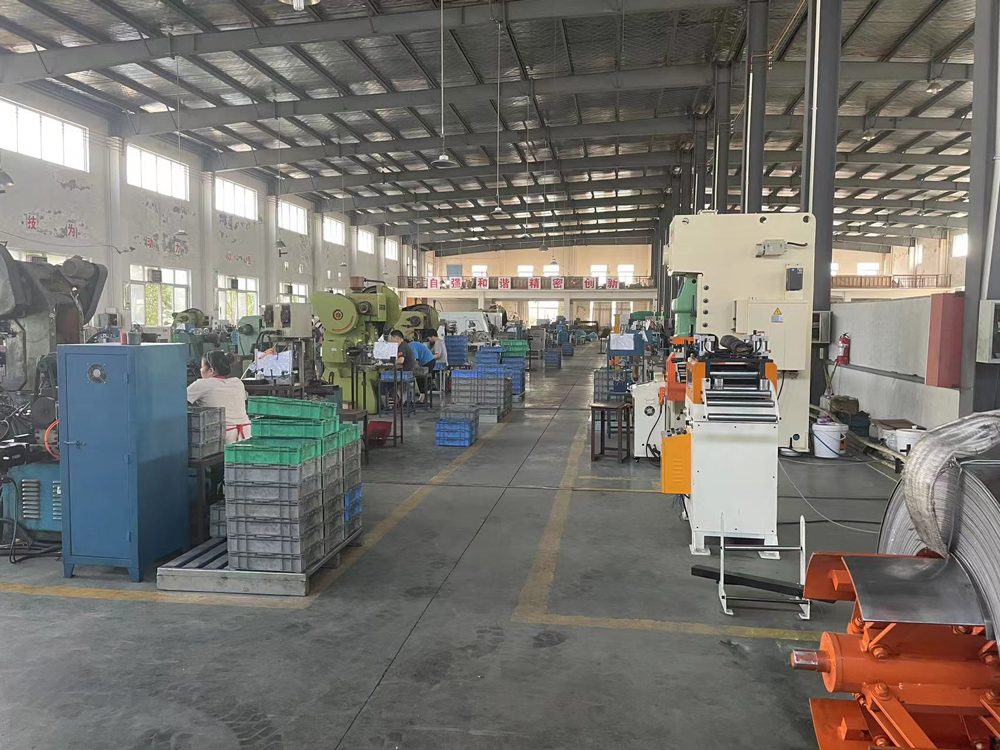
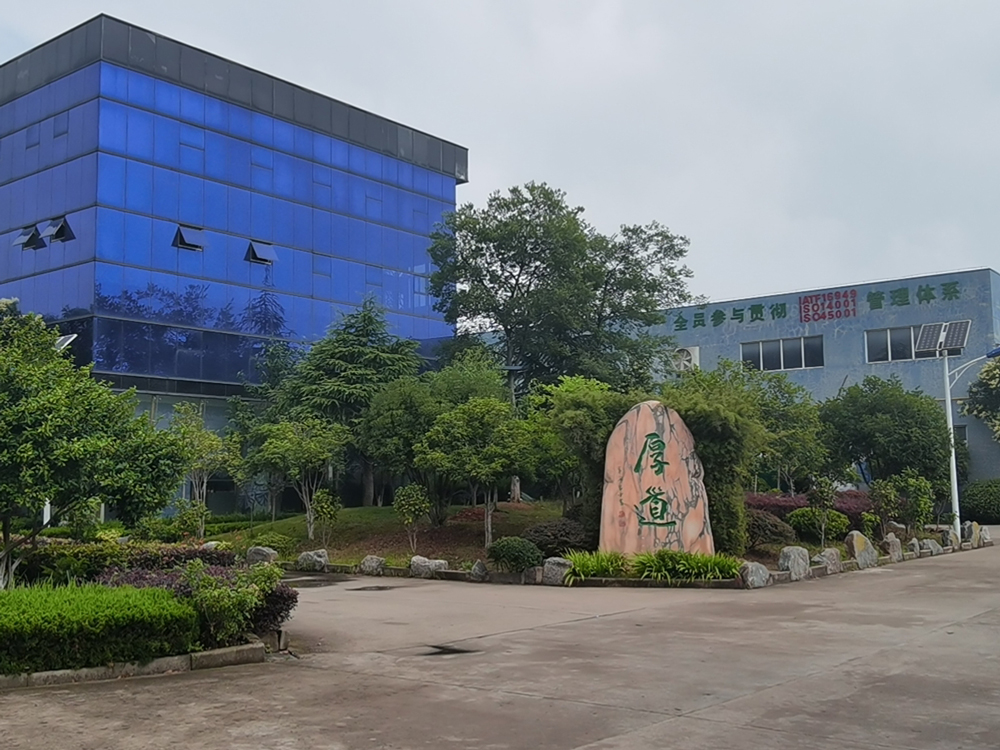
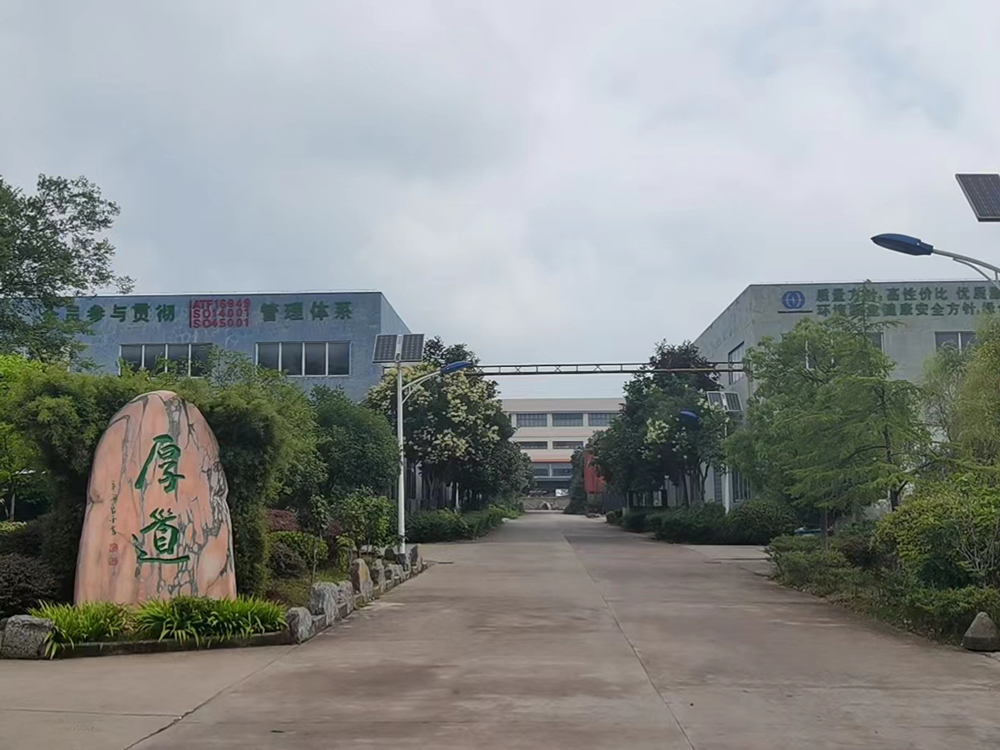
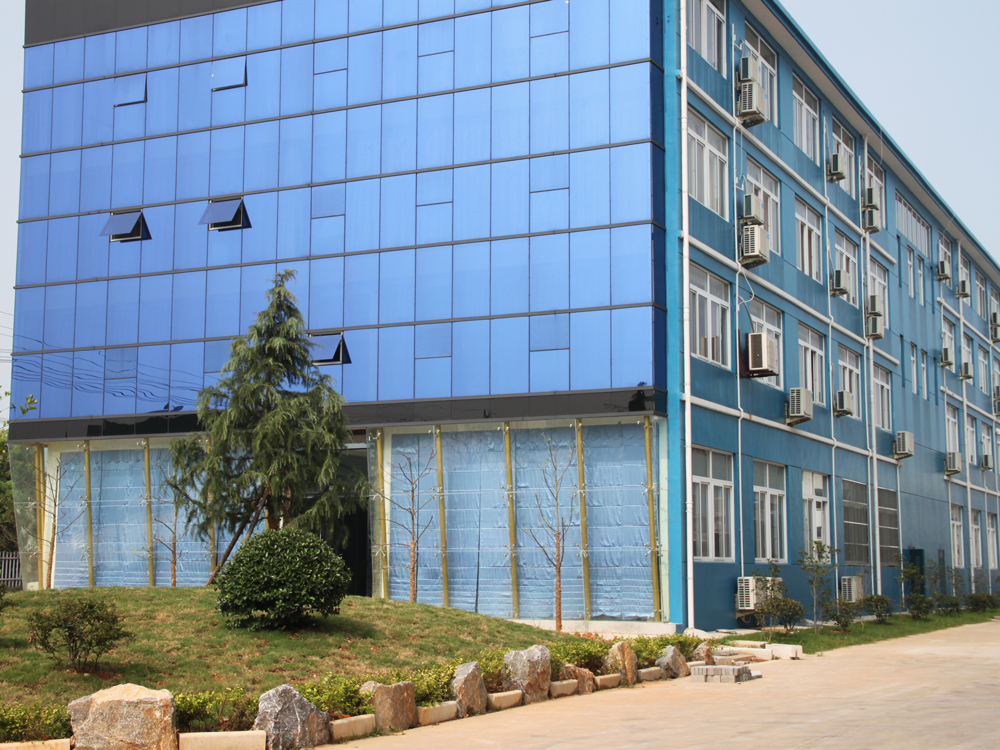
Guangzhou Vita Construction Machinery Co., Ltd. is a leading industrial enterprise that seamlessly integrates state-of-the-art manufacturing with comprehensive global trade services. Our advanced manufacturing plant is located in the strategic industrial cluster of Xiangyang City, Hubei Province, covering an expansive area of over 18,000 square meters of modernized workshops.
Equipped with sophisticated heavy-industry production machines, automated CNC lines, and precise testing chambers, our facility is supported by a dedicated team of over 278 highly trained technicians and 8 senior engineers with specialized research backgrounds in heavy diesel engines and metallurgy. This technical backbone allows us to guarantee structural consistency, excellent quality assurance, and quick turnaround times for custom batch orders.
We develop, manufacture, and distribute a wide range of replacement parts for global construction machinery. Our capabilities cover the complete spectrum of engine and hydraulic configurations:
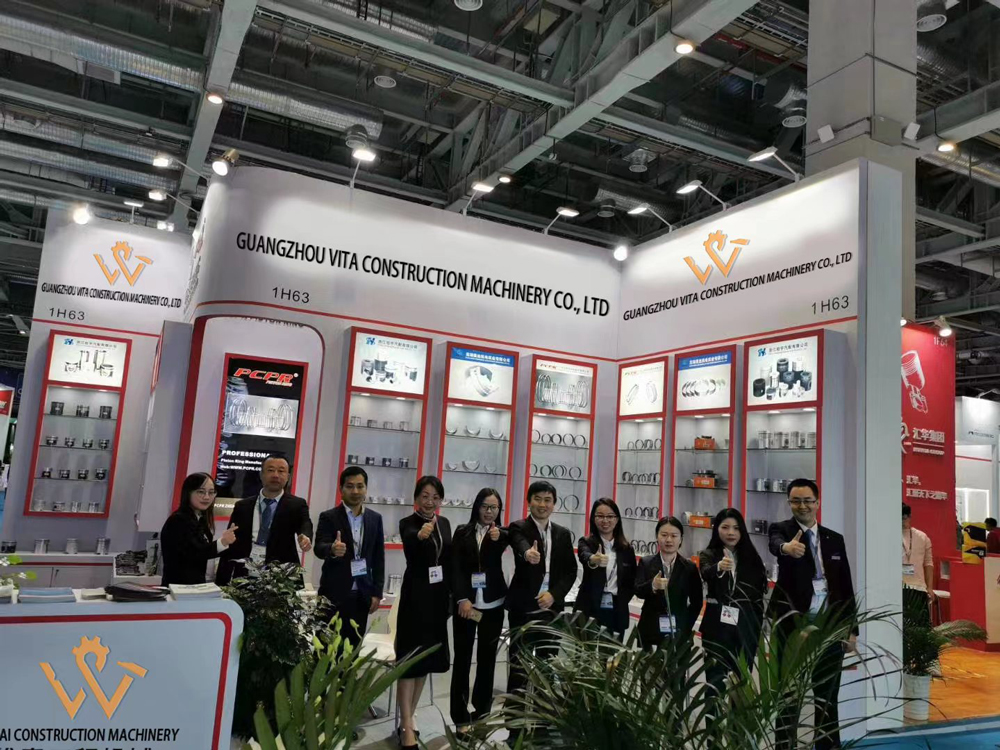
Our catalog matches and replaces parts for top brands including Komatsu, Volvo, Sumitomo, Caterpillar, Kubota, Hitachi, John Deere, Kobelco, Hyundai, Kato, Sany, XCMG, and Sunward, ensuring seamless integration and long component lifespan.
Our commitment to research and technical support ensures that every component performs reliably under high pressures and harsh temperatures.
In heavy construction, machinery reliability directly impacts project profitability. We use advanced non-destructive testing, precise coordinate measurement (CMM), and metallurgical analysis to ensure every liner maintains tight tolerance standards and prevents premature engine failure.
We do more than just ship replacement parts. We offer specialized technical consultations to help clients address installation offsets, cooling problems, and wear patterns in custom diesel blocks, helping to resolve installation issues before they lead to downtime.
Our experienced technicians and engineers are available for overseas deployment to assist major corporate clients with engine overhauls, custom liner fittings, and fleet retrofitting, ensuring proper performance directly in the field.
A cylinder liner is the critical core of an internal combustion engine, forming the containment wall for combustion and acting as the sliding surface for piston rings. Under continuous thermal stress and high pressures, the liner must endure sliding speeds over 15 m/s and temperatures up to 350°C at the top dead center (TDC). The design of a custom fitting cylinder liner requires careful management of heat transfer, structural deflection, and tribological wear.
Standard off-the-shelf liners often fail in modified, high-load engines due to inadequate thermal expansion control or incompatible graphite structure. Custom liners allow engineers to optimize material properties and dimensional specifications—such as flange depth, wall thickness, and outer diameter profiles—to match the engine block's specific mechanical stress patterns. This prevents cylinder distortion and oil consumption problems, even under high peak cylinder pressures.
Our factory in Xiangyang, Hubei, utilizes advanced vertical and horizontal centrifugal casting machines. Unlike traditional static sand casting, centrifugal casting introduces liquid metal into a rapidly spinning mold. The resulting centrifugal forces (ranging from 60G to 90G) press the dense molten alloy against the mold wall, pushing lighter oxides and impurities toward the inner bore, where they are machined away.
This process results in a dense, uniform grain structure with a pearlitic matrix containing finely dispersed flake graphite (typically ASTM Type A). This microstructure provides high wear resistance and excellent lubrication retention. The addition of alloying elements like Chromium, Molybdenum, and Phosphorus creates a network of hard phase compounds (such as steadite) that support heavy mechanical loads without scuffing.
Tensile Strength: ≥ 300 MPa | Brinell Hardness: 210 - 260 HBW | Pearlite Content: > 90% | Phosphide Eutectic Network: Fine and evenly distributed to maximize oil-film retention.
To reduce run-in time and oil consumption, our custom liners undergo precise CNC boring and multi-stage plateau honing. Plateau honing creates a dual-texture surface profile on the cylinder bore: a network of deep, clean valleys that act as oil reservoirs, and flat, smooth plateaus that support the piston rings. The plateau surface minimizes friction, while the valleys maintain a stable lubricant film under high piston loads.
We control parameters like cross-hatch angle (typically 45° to 55°), surface roughness (Ra 0.4–0.8 µm), and core roughness depth (Rk) using laser measurement systems. Proper cross-hatch geometry prevents piston rings from rotating excessively and ensures an even oil seal, reducing emissions and blow-by.
Industrial engine designs continue to shift toward lighter configurations, requiring thinner liner walls that maintain high structural rigidity. Our engineering team is currently working on thin-wall wet liners utilizing advanced surface coatings. Applying hard chrome plating or physical vapor deposition (PVD) coatings to outer guide diameters significantly reduces cavitation erosion in high-frequency diesel cooling jackets.
In addition, thermal spraying technology is becoming increasingly important for hybrid and alternative-fuel engines, helping prevent corrosive wear caused by sulfur-free biofuels. Our research department is developing custom alloy liners designed to withstand these newer fuel chemistries, helping support the industry's transition to lower emissions.
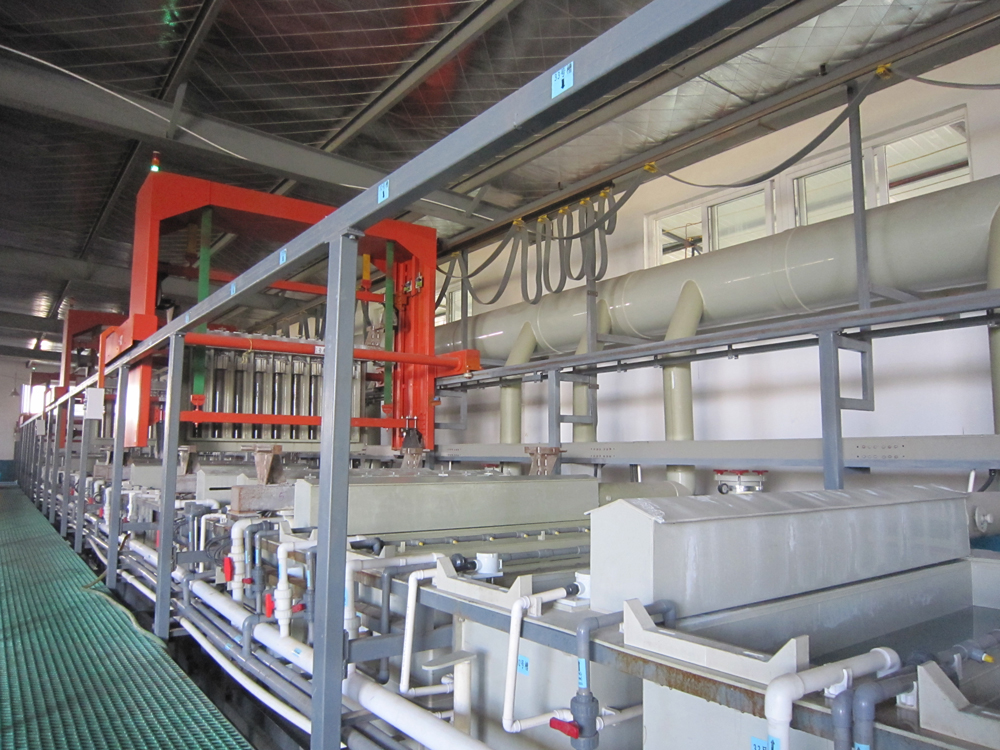
ISO 9001:2015 Registered manufacturing processes ensuring design repeatability.
Wet liners make direct contact with the engine coolant, which helps dissipate heat quickly. They feature thicker walls and specialized sealing rings to prevent coolant leaks. Dry liners, on the other hand, fit tightly into the cylinder block bore and do not touch the coolant directly, allowing for thinner walls. Wet liners are typically preferred for high-load heavy engines, while dry liners are better suited for light-duty blocks where maintaining block stiffness is a priority.
The main factors are material hardness (Brinell 210–260 HBW), the quality of the pearlite matrix, and the precision of the plateau honing process. Low-quality liners with inconsistent graphite flake structures can experience rapid wear and scuffing. Proper coolant filtration and clean engine oil are also crucial for preventing cavitation erosion and abrasive wear.
Cavitation is caused by high-frequency vibrations from the piston slap, which create vapor bubbles in the cooling jacket. When these bubbles collapse, they erode the liner surface. We address this issue by polishing the outer guide diameters, applying protective chrome or ceramic coatings, and maintaining strict tolerances on the liner-to-block fit to minimize vibration.
Centrifugal casting uses high rotational forces to spin the liquid metal, which increases material density and refines the alloy's grain structure. Impurities and oxides are pushed to the inner bore where they can be machined away, resulting in a cleaner, stronger casting. This process provides much higher tensile strength and fatigue resistance compared to traditional static sand casting.
Yes. Our engineering team can work directly from your 2D and 3D CAD files (STEP, DWG) or reverse-engineer a liner based on a physical sample. We can customize the inner bore profiles, flange depths, and alloy formulations to meet your specific engine requirements.
Discover our wider selection of OEM-grade excavator, grader, and tractor parts designed to maintain high productivity and performance across your fleet.
 Vita Construction