Premium OEM assemblies manufactured to exceed rigorous heavy-duty operation profiles and structural integrity benchmarks.
A comprehensive deep dive into the engineering, durability requirements, and performance variables that define modern high-pressure oil sensing solutions.
The 6.6L LB7 Duramax engine, widely adopted across commercial fleets, heavy trucks, and retrofitted construction systems, relies heavily on continuous oil pressure optimization. An oil pressure sensor does more than output a cockpit signal; it feeds the ECM (Engine Control Module) crucial telemetry that modulates fuel delivery and diagnostic algorithms.
If the sensor drifts, or suffers a complete mechanical breakdown, the engine may enter a de-rated protection state. Our customized manufacturing practices eliminate structural weaknesses found in OEM components through the utilization of solid-state ceramic pressure transducers and hard-anodized alloy housings designed to handle localized thermal loads exceeding 150°C.
Standard sensors typically fail at the junction point where the composite housing meets the brass base, caused by different coefficients of thermal expansion. Under heavy load conditions or severe vibration, micro-cracks form, letting engine oil penetrate the electrical interface. This results in false reading drift and premature engine shutdowns.
By employing automated laser-welded seams, our custom LB7 sensors create a hermetically sealed barrier. We choose surgical-grade stainless steel (316L) to shield internal electronics from acidic, soot-heavy oil compounds, guaranteeing uninterrupted signal output under demanding operations.
How our custom manufacturing specifications match and exceed strict industry standards for Duramax platforms.
| Performance Specification | OEM Standard Metric | Vita Advanced Custom Standard | Operational Engineering Benefit |
|---|---|---|---|
| Piezoresistive Substrate | Standard Silicon Membrane | Micro-glass Fused Ceramic Piezoelectric | Substantially reduced hysteresis and drift over extended operating times. |
| Operating Temperature | -40°C to +125°C | -50°C to +150°C | Maintains sensor calibration stability at peak turbocharger load profiles. |
| Housing Construction | Standard C3604 Brass / Plastic crimp | 316L Stainless Steel / Laser-welded | Completely eliminates vibration failure and oil-leak pathways. |
| Electrical Contacts | Tin-plated alloy | Gold-plated micro-pins (24k flash coating) | Ensures low-resistance conductivity in moisture-prone areas. |
| Vibration Protection | Standard internal structural design | Solid gel encapsulation (Polyurethane resin) | Resists severe mechanical shock in industrial application environments. |
Every sensor has an onboard Application-Specific Integrated Circuit (ASIC) that processes signals right at the sensing element. This compensates for temperature changes in real-time, sending a clean, stabilized voltage feed directly to the vehicle computer.
Featuring a burst pressure threshold that is triple the standard operating pressure, our sensors can handle sudden cold-start oil pressure spikes without rupturing internal diaphragms or throwing false error codes.
Thermal gradients can throw off sensor accuracy. Our multi-point calibration process tests sensor performance across the entire temperature range (-40°C to +150°C), minimizing tracking errors.
A global leader in combined manufacturing and foreign trade, delivering high-performance heavy-duty machinery parts from our state-of-the-art facilities.
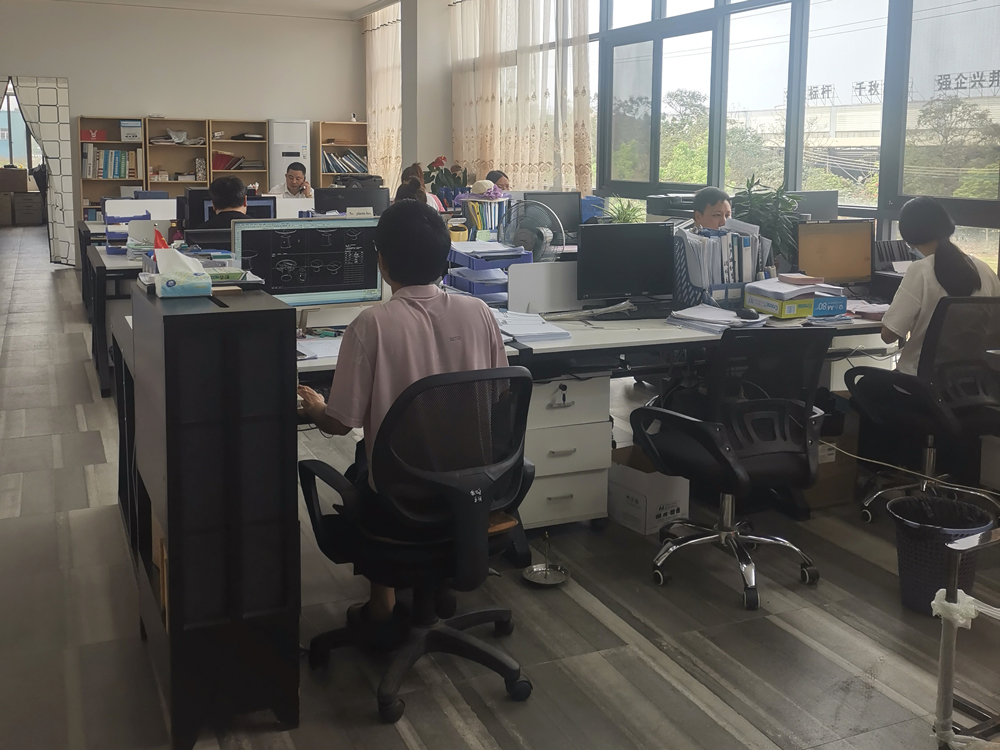
Guangzhou Vita Construction Machinery Co., Ltd. is one of the largest companies that combines factory operations and foreign trade. Our modern factory is located in Xiangyang City, Hubei Province, featuring a production workshop covering over 18,000 square meters. Equipped with advanced precision manufacturing machines, our operations are supported by over 278 well-trained and skilled workers and approximately 8 highly experienced engineers. This combination guarantees exceptional product quality along with fast and accurate delivery schedules worldwide.
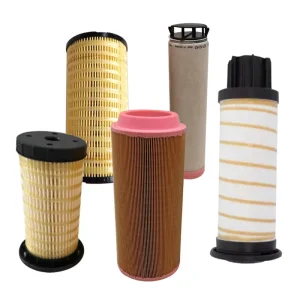
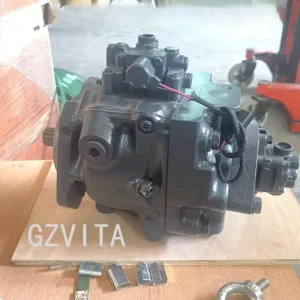
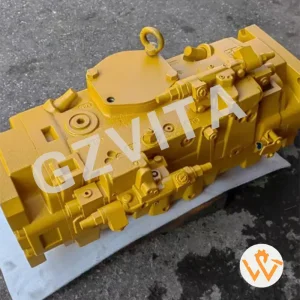
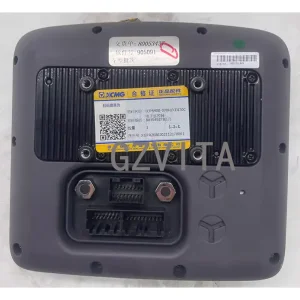
We specialize in producing, developing, and selling a comprehensive range of construction machinery parts. Our catalog includes engine assembly components, hydraulic pumps, final drives, electric generating sets, engine bearing series (main bearings, connecting rod bearing series), crankshafts, engine valves, gear pumps, cylinders, various filtration units, excavator buckets, and undercarriage components for excavators and bulldozers.
Our replacement parts are designed for compatibility with leading international equipment brands, including Komatsu, Volvo, Sumitomo, Caterpillar, Kubota, Hitachi, John Deere, Kobelco, Hyundai, Kato, Sany, XCMG, SUNWARD, and other globally recognized manufacturers.
Through our dedicated technical support team, we resolve complex integration and performance challenges, keeping fleets and equipment running efficiently in all working environments.
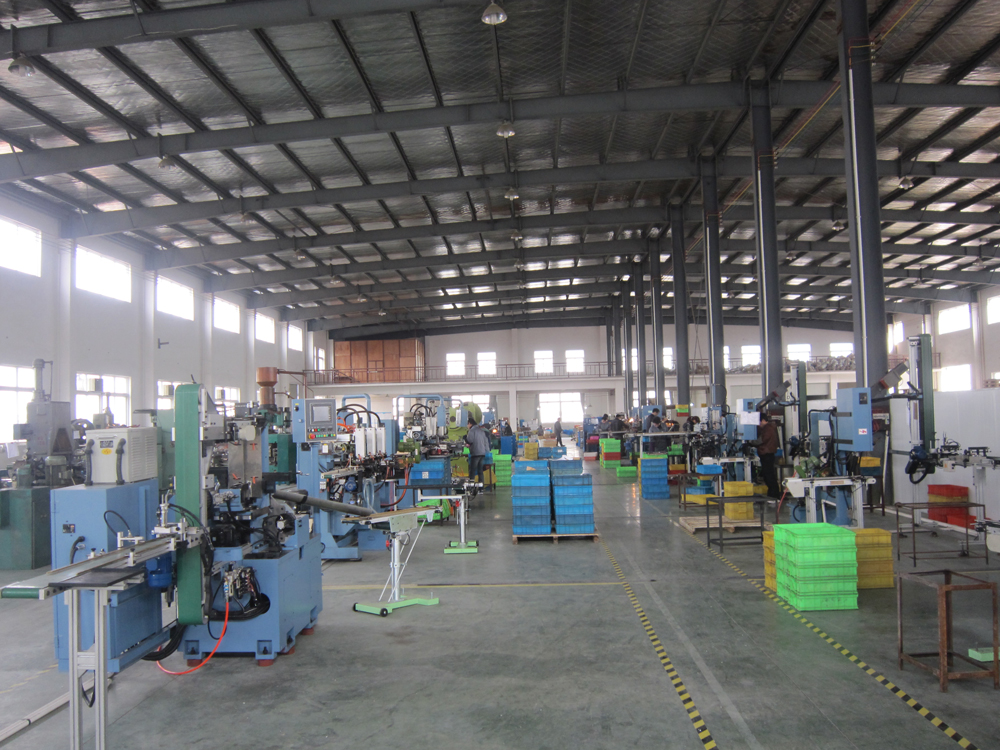
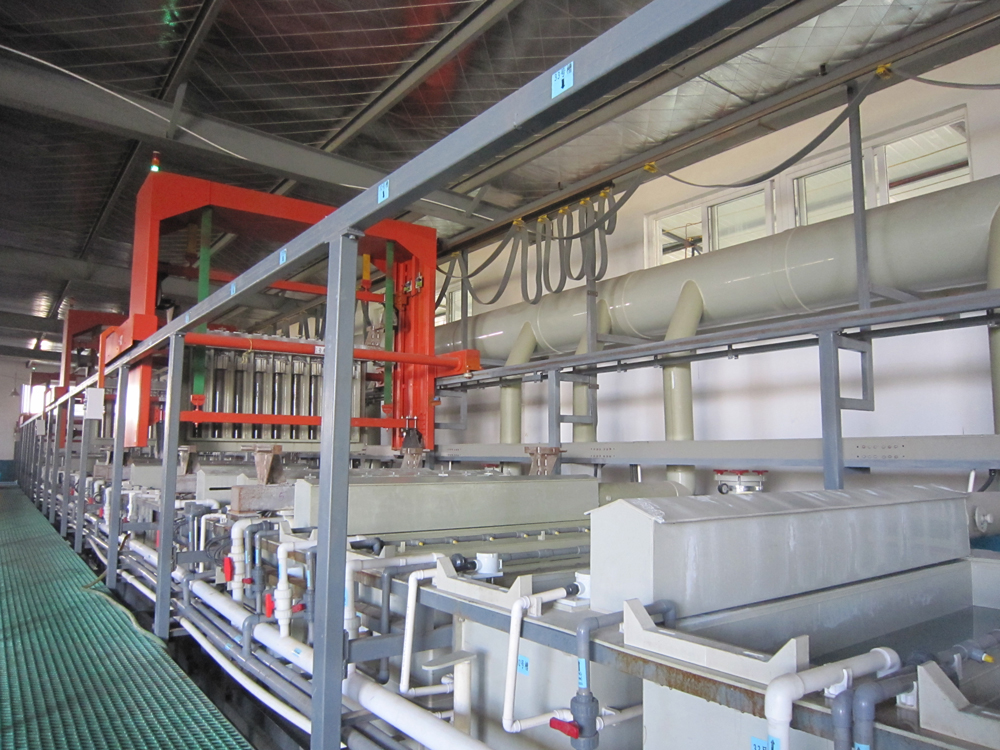
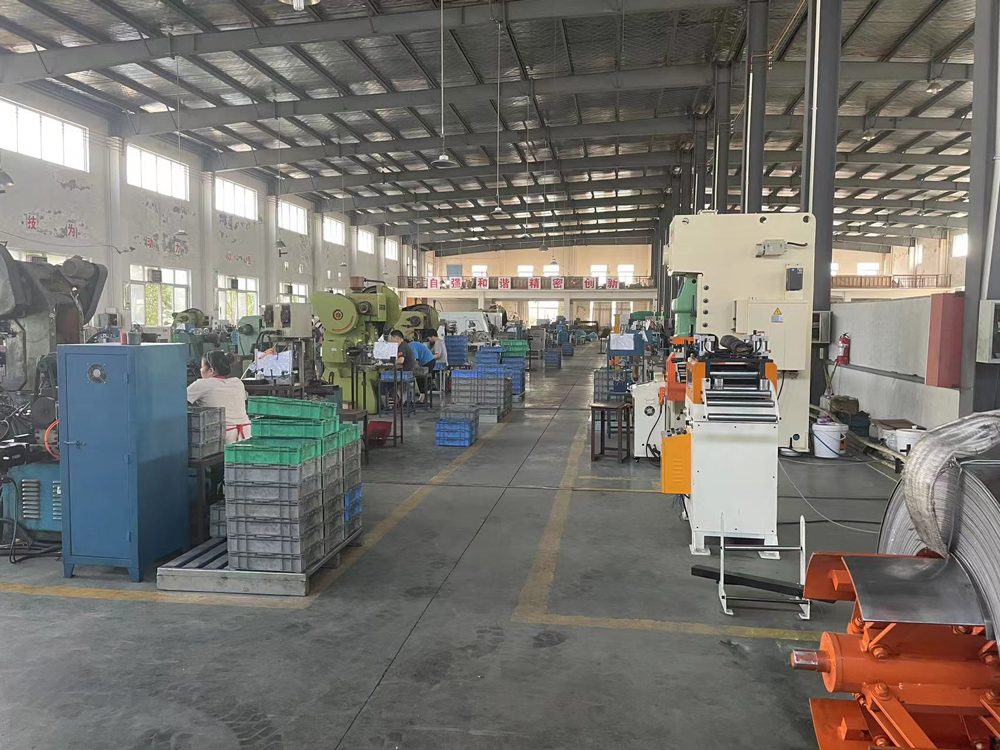
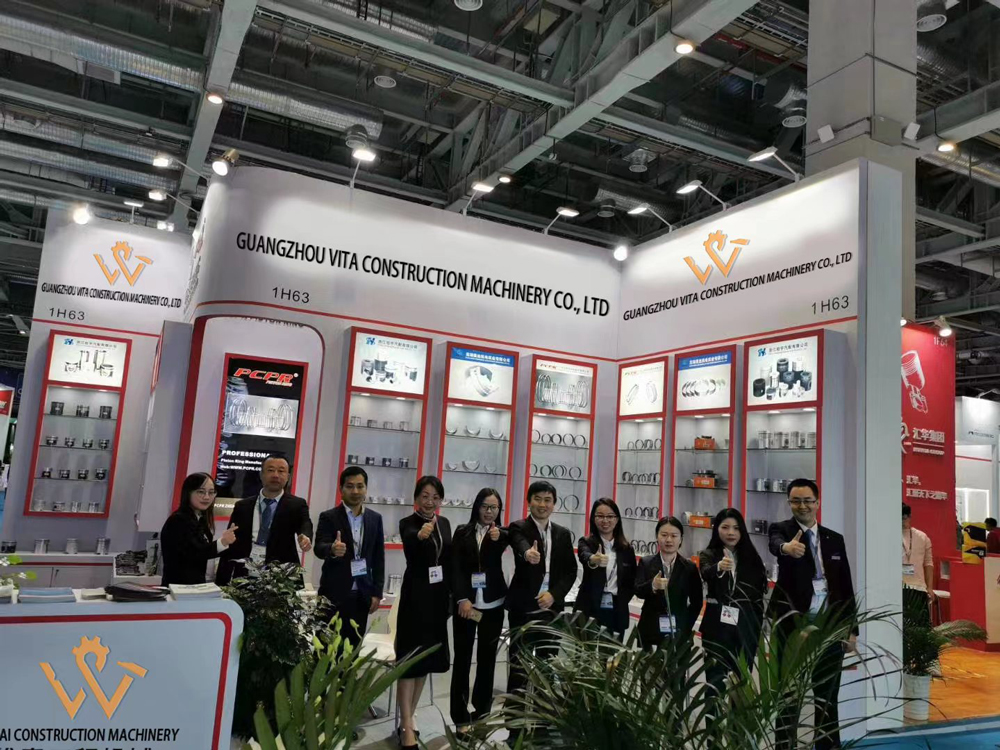
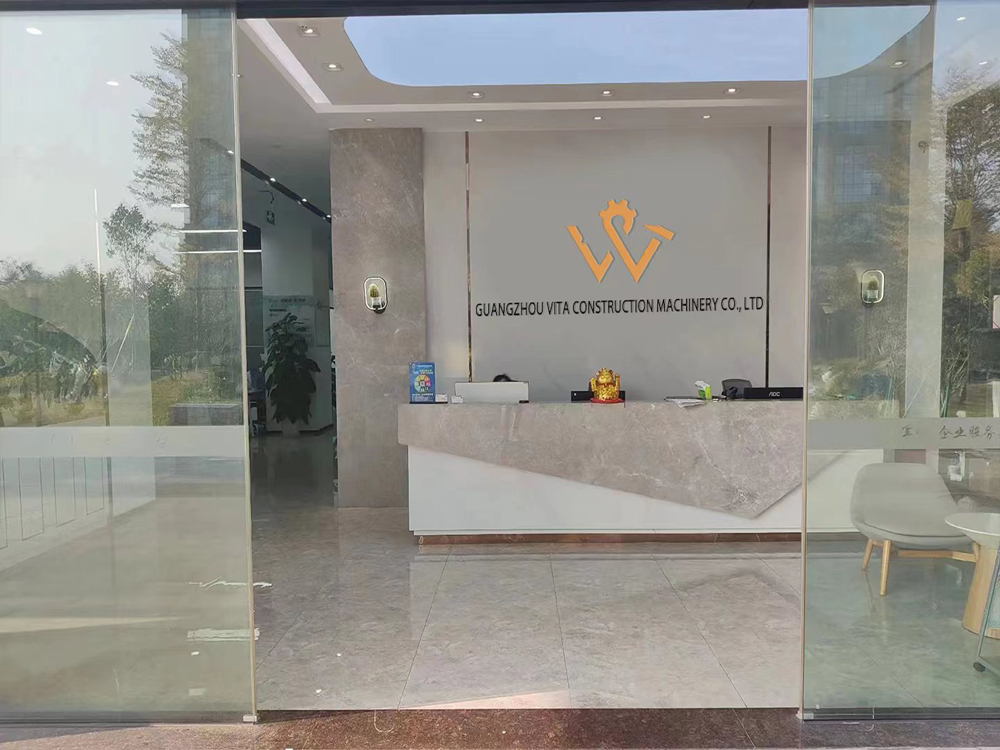
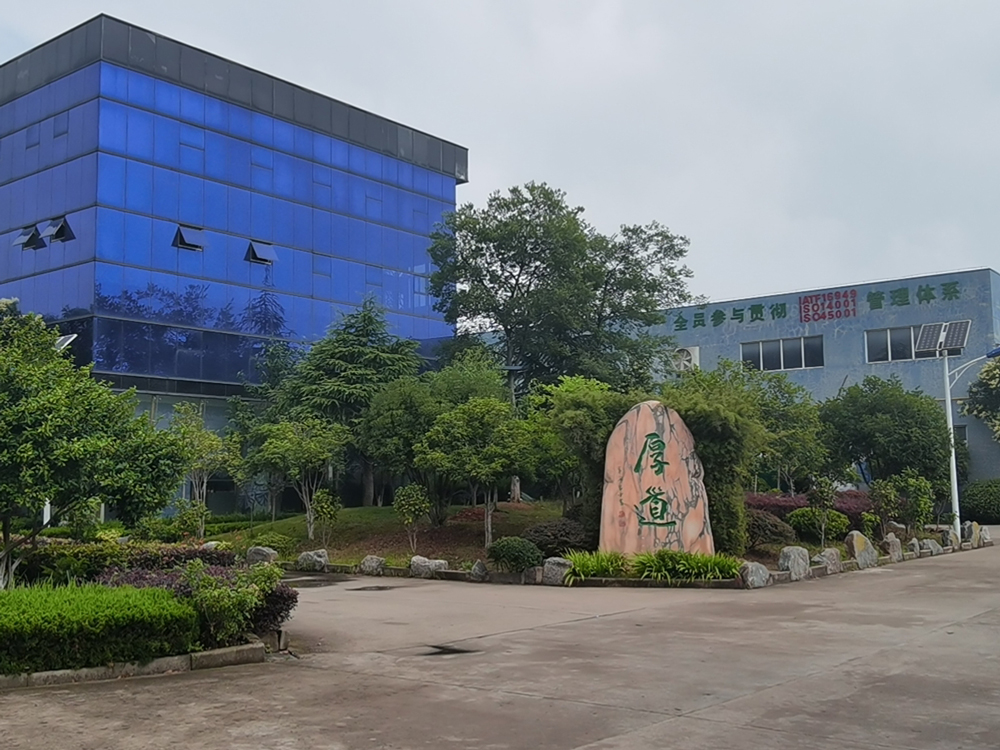
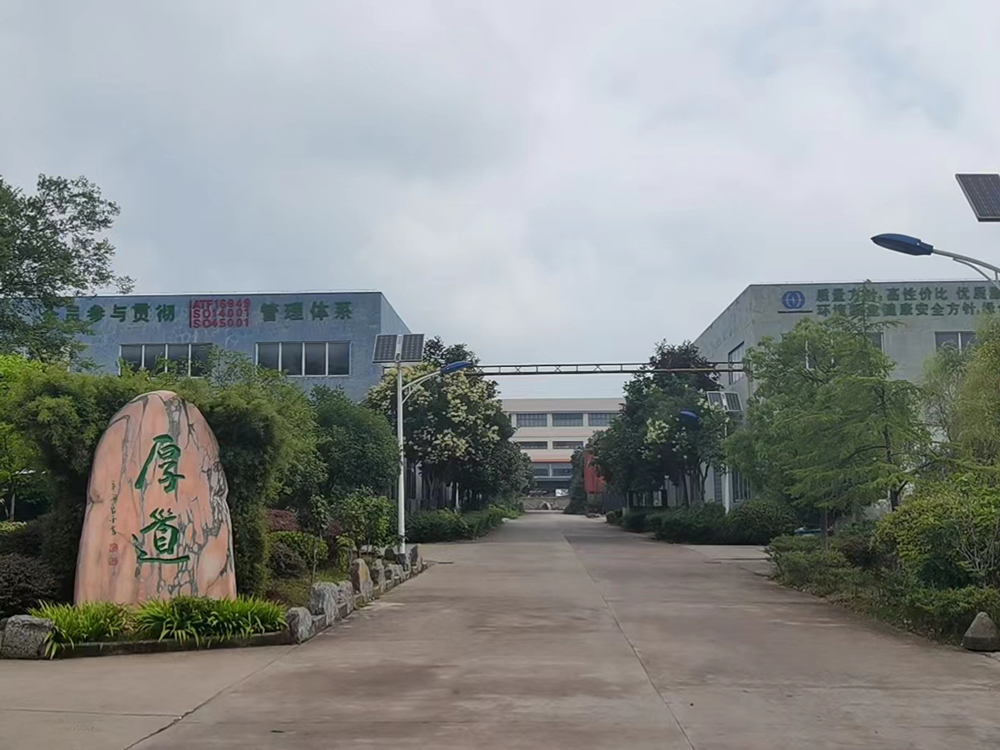
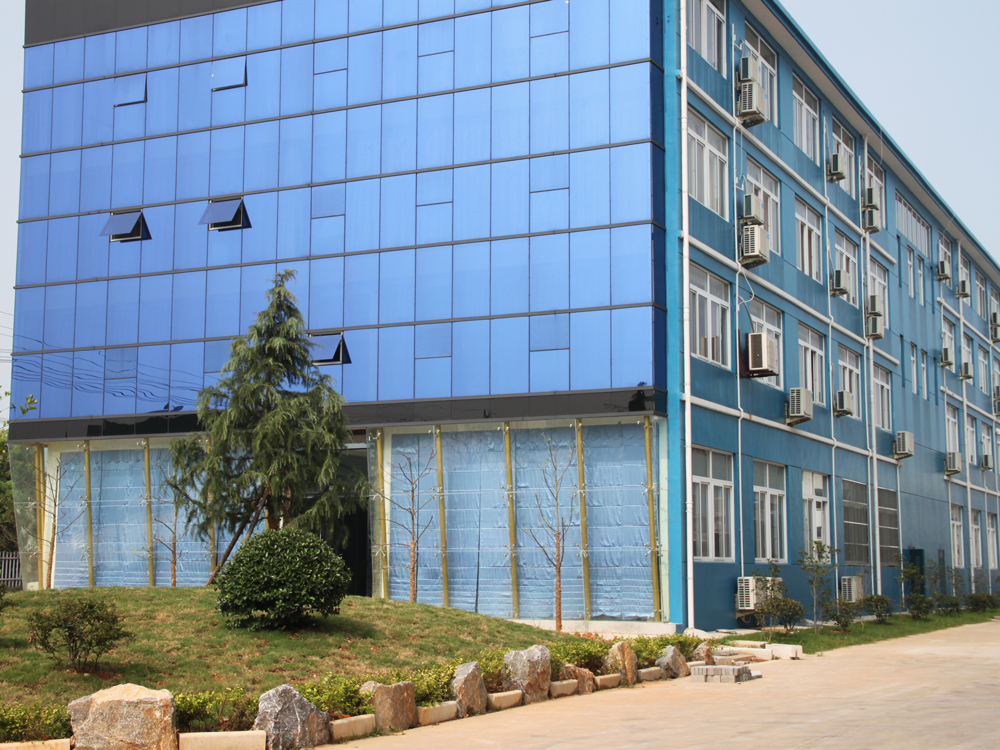
Reliable components, flexible packaging, and consistent supply lines for heavy machinery parts distributors globally.
We supply custom connector adaptations and matching threads to integrate directly with customized engine blocks. Our options range from standard metric threads to imperial threads designed for custom racing and high-performance setups.
Our private labeling services provide custom packaging design, branded enclosures, and clear barcodes, helping logistics teams manage inventory from receipt to retail distribution.
We check every batch to ensure conformity with RoHS, CE, and REACH standards. All custom LB7 sensors undergo testing before dispatch, accompanied by physical testing certs.
Why distributors and plant operators partner with Guangzhou Vita Construction Machinery Co., Ltd.
In the construction and heavy transport industry, machinery reliability directly affects project schedules. We deliver reliable components to keep machinery and fleets running smoothly in the field.
Beyond parts manufacturing, our dedicated engine maintenance and research team helps customers troubleshoot assembly, calibration, and operational challenges on the ground.
We field a professional maintenance team that can provide technical support and on-site engine repair services globally, keeping downtime to a minimum.
We work with international fleet operators to engineer sensors that withstand harsh working environments, including high salinity, mining dust, and arctic conditions. Our research focus is directed at extending component operational lifespans under daily continuous loads.
Additionally, our support engineers collaborate directly with customers' product design departments, sharing testing protocols, hardware schematics, and sensor calibration metrics to ensure hassle-free integration.
The next generation of oil pressure sensing systems: moving toward real-time diagnostics and smart vehicle networks.
Transitioning from traditional analog voltages to direct digital outputs like CAN-bus (J1939) and LIN-bus, protecting sensor communication from electrical noise across long wiring harnesses.
Developing combined sensors that measure oil pressure, temperature, and electrical conductivity to monitor fluid degradation and support predictive maintenance.
Adopting advanced MEMS (Micro-Electro-Mechanical Systems) technology to reduce overall package size while improving sensor response times and resistance to high-frequency vibrations.
Expert engineering answers to common procurement, compatibility, and operation inquiries regarding custom LB7 sensor systems.
Signal drift is typically caused by temperature changes affecting the sensing element and wear on internal solder joints. Standard sensors use silicon diaphragms that can weaken over repeated thermal cycles. We prevent drift by using a micro-glass-fused ceramic piezoresistive element coupled with an ASIC that corrects calibration in real-time as temperature changes.
Oil leaks into the harness occur when internal diaphragms fail, allowing high-pressure oil to bypass the primary seal. Our custom sensors feature double-crimped outer casings and Viton O-rings capable of withstanding oil temperatures up to 150°C. Additionally, a secondary epoxy barrier blocks any potential oil path to the connector pins.
Yes. Our engineering department can calibrate the sensor's voltage output curve to meet specific requirements (such as 0.5V to 4.5V over a 0-100 PSI range, or custom curves for modified high-pressure lubrication systems). We can also adjust the physical thread sizes (e.g., M16, 1/8" NPT) to fit non-standard mounting ports.
Every sensor production batch undergoes standard testing protocols: helium leak testing to confirm seal integrity, thermal cycling between -40°C and +150°C, and pressure cycle testing to verify performance limits. Every completed sensor is also tested on the calibration line to check output accuracy against its datasheet before packaging.
For custom housing, thread modifications, or private label packaging, our standard MOQ starts at 500 units. Standard in-stock replacements can be dispatched in lower volumes. Standard lead times range from 15 to 30 days depending on order size and custom requirements, managed directly from our Hubei manufacturing facility.
We work to meet global distribution standards, providing RoHS compliance declarations, CE markings, and material analysis sheets. We can also provide custom testing reports and certificates of origin to simplify customs processing for international distributors.
High-reliability excavator, bulldozer, and grader driveline parts engineered to perform under intense operational strain.
 Vita Construction