 Vita Construction
1 / 3
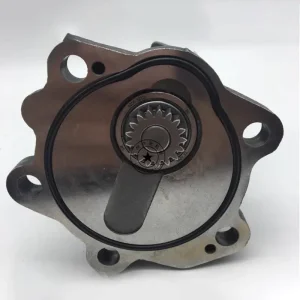
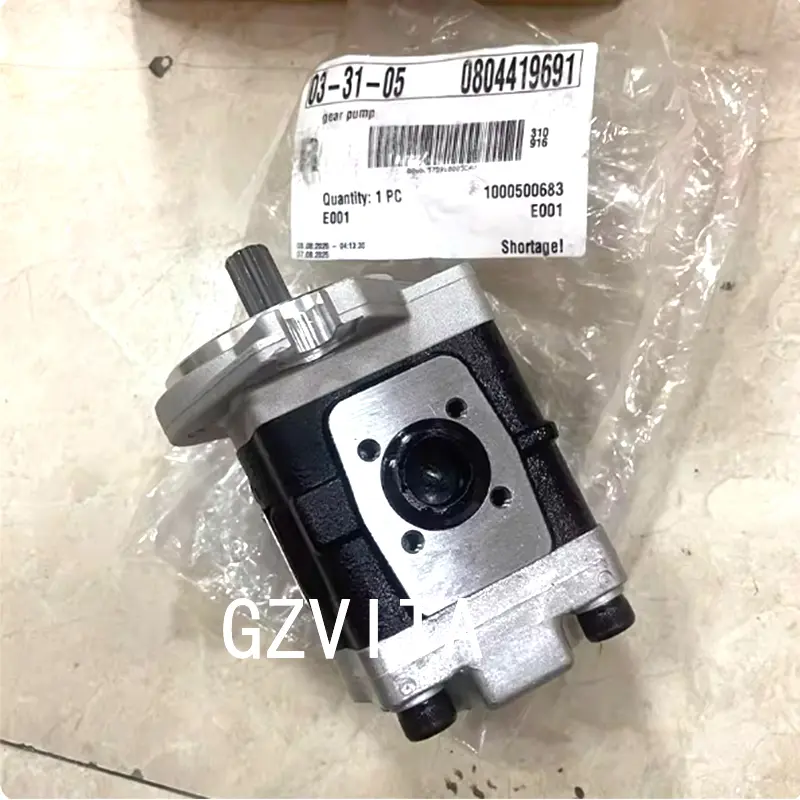
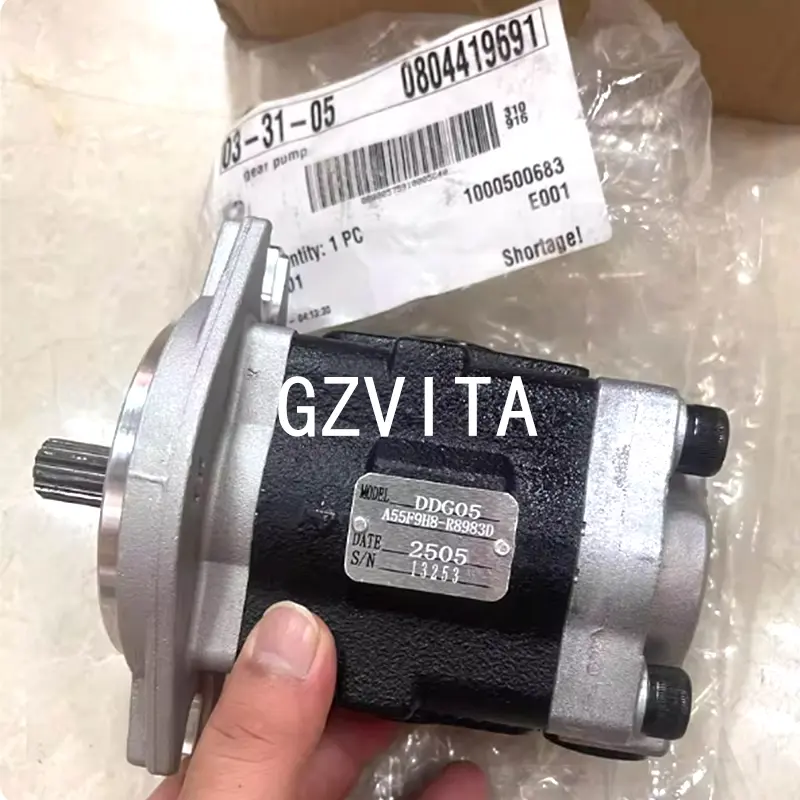
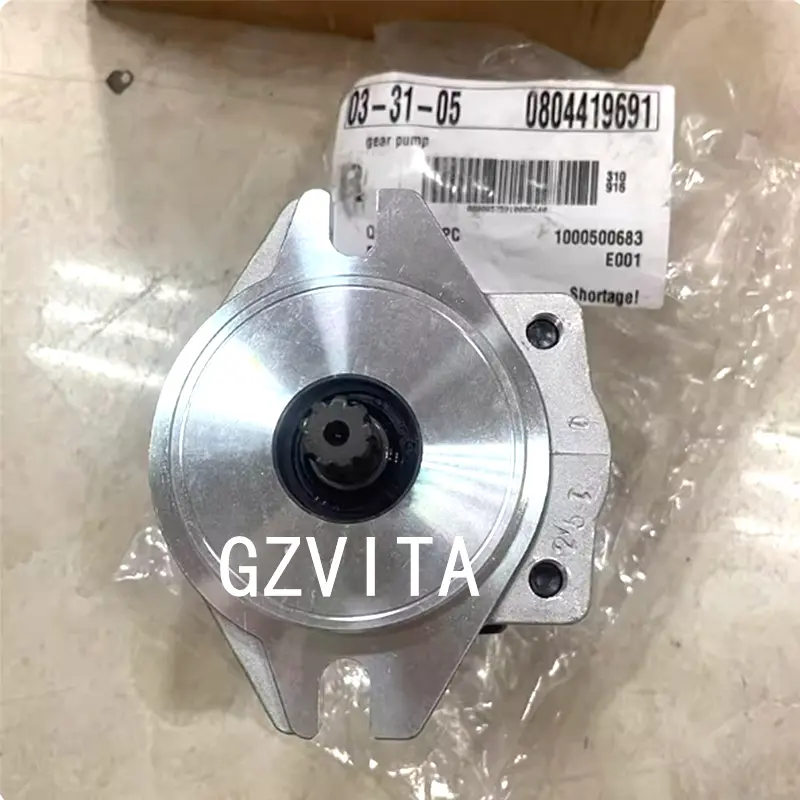
The secondary steering pump is an essential component in the hydraulic steering system of CAT (Caterpillar) machinery, particularly in larger equipment such as excavators, bulldozers, and wheel loaders. This pump plays a crucial role in ensuring that operators maintain precise control over their machinery, especially in demanding work environments.
The secondary steering pump is designed to provide additional hydraulic pressure to the steering system, enhancing the responsiveness and reliability of steering operations. It acts as a backup to the primary steering pump, ensuring that the steering system remains functional even if the primary pump experiences a failure or reduced performance.
The secondary steering pump provides additional hydraulic flow, which improves the responsiveness of the steering system. This is particularly important in heavy machinery where precise maneuverability is required.
In the event of a failure in the primary steering pump, the secondary steering pump ensures that the steering system remains operational. This redundancy is critical for maintaining safety and control, especially in challenging working conditions.
The secondary steering pump helps maintain consistent hydraulic pressure within the steering system. This consistency is vital for smooth steering operation and helps prevent issues such as steering drift or loss of control.
In applications where the machinery is subjected to heavy loads or extreme conditions, the secondary steering pump provides the necessary hydraulic support to ensure that steering remains effective and reliable.
Regular maintenance of the secondary steering pump is essential to ensure its proper functioning and longevity. Key maintenance practices include:
It provides additional hydraulic pressure to the steering system to improve responsiveness and reliability. It acts as a safety backup to the primary steering pump in case of failure or reduced performance.
It is commonly installed in larger hydraulic machinery, including excavators, bulldozers, and wheel loaders, where steering control is highly demanding.
By serving as a redundant backup, it ensures that operators retain operational control over the machinery's steering system even if the primary pump fails or experiences performance loss.
Consistent pressure ensures smooth steering operation and prevents dangerous situations such as steering drift or a sudden loss of steering control.
Effective maintenance includes routine visual inspections for leaks, wear, or damage, verifying fluid levels to ensure no contamination, and periodic operational testing of the overall steering system.