Explore our heavy-duty engineering replacement options engineered to support excavator cooling loops, hydraulic lines, and generator configurations.
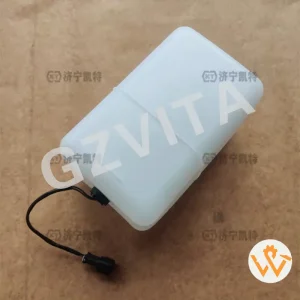
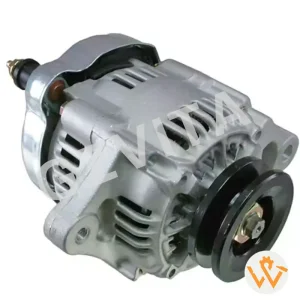
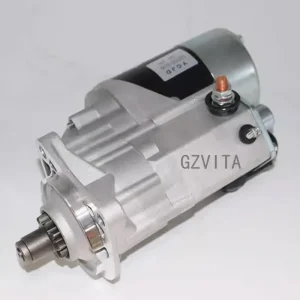
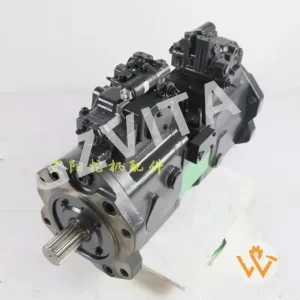
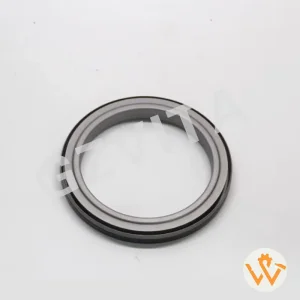
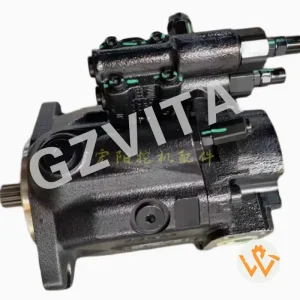
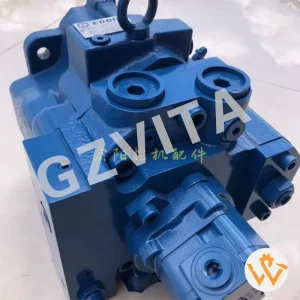
Modern combustion systems and diesel powertrains, particularly those utilized within massive earthmoving equipment, agricultural tractors, and high-capacity electrical generator stations, operate under challenging thermodynamic paradigms. As global emissions standards tighten, engines are designed to operate at elevated thermal baselines to optimize combustion efficiency. This operational shift places immense strain on structural cooling elements—primarily the radiator connector hoses.
Standard off-the-shelf rubber hoses frequently fall short when exposed to the continuous cycles of heat, pressure, high mechanical vibrations, and aggressive coolant additives typical of heavy construction sites. This whitepaper analyzes the engineering design, material science breakthroughs, manufacturing methodologies, and systemic benefits of integrating specialized, custom-engineered radiator connector hoses into modern industrial thermal management architectures.
"To maximize excavator runtime and avoid costly field failures, thermal management loops require hoses that possess high flexural compliance, chemical resistance to modern organic acid technology (OAT) coolants, and structural durability against radial expansion."
The choice of polymer substrate dictates the operating range and degradation threshold of a custom radiator connector hose. Our research and development center actively tests several compounds to match customer application demands:
| Polymer Variant | Reinforcement Style | Temp. Range (°C) | Pressure Limit (Bar) | Primary Use Cases |
|---|---|---|---|---|
| Peroxide-Cured EPDM | Polyester Knit | -40 to +150 | Up to 6.0 Bar | Primary Radiator Inlets/Outlets (Excavators) |
| Heavy Silicone | 4-Ply Woven Aramid | -55 to +250 | Up to 12.0 Bar | Turbocharger Connections, CAC Hoses |
| FKM Lined Silicone | 3-Ply Polyester | -50 to +220 | Up to 8.5 Bar | Oil-laden Coolant Lines, EGR Connections |
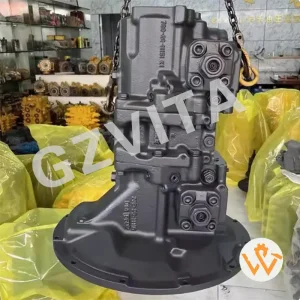
Excavator engines and hydraulic main pumps (such as the K5V140DTP or Casappa MVP30) generate high-frequency micro-oscillations, while structural frame flexure produces large-amplitude, low-frequency shocks. A rigid cooling pipe cannot absorb these forces without experiencing structural fatigue.
Custom radiator connector hoses act as flexible isolators. We design specific geometric features, such as molded convolutions (bellows) and custom bends, that distribute mechanical stress evenly along the hose profile rather than concentrating it at the connection joints. This dynamic structural relief prevents cracking at the radiator flange, extending the lifespan of both the connector hose and the cooling core.
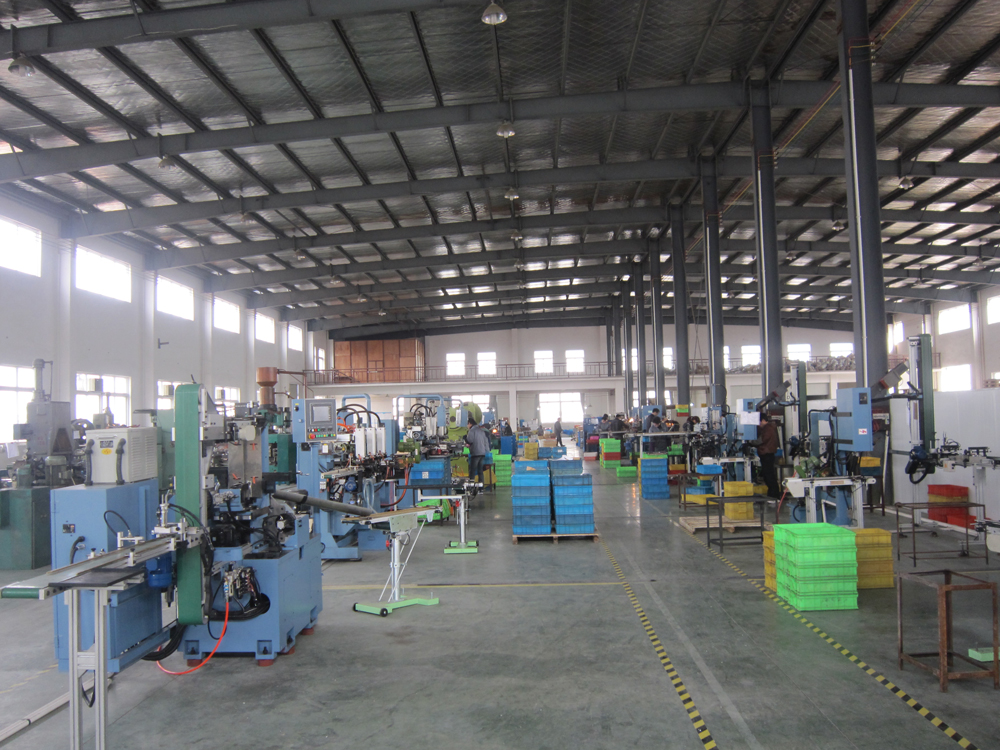
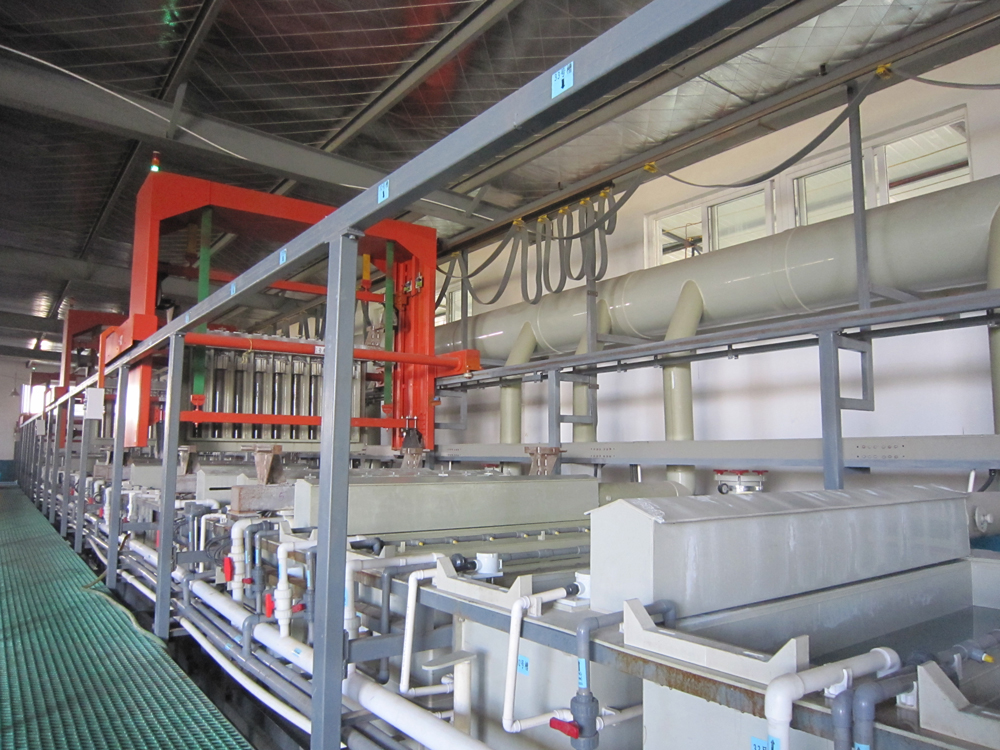
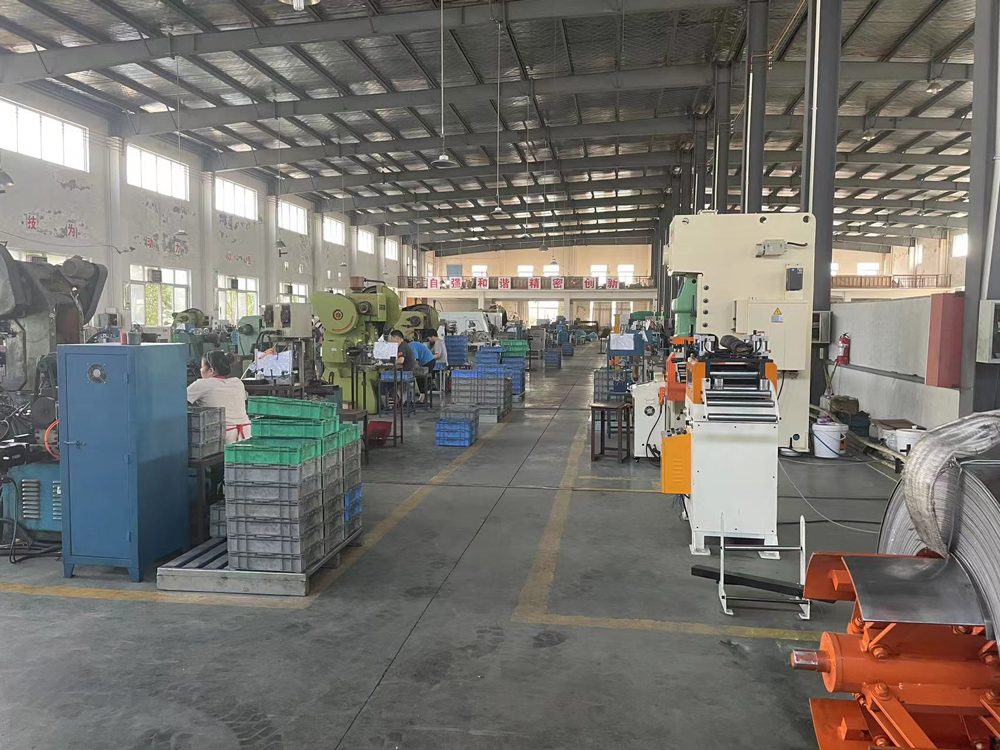
Guangzhou Vita Construction Machinery Co., Ltd. operates a specialized fabrication facility in Hubei Province, covering 18,000 square meters of production space. Utilizing advanced extrusion and mandrel-wrapping equipment, our factory coordinates material supply and production processes to ensure consistency and speed:
Our engineering team utilizes precise CAD modeling and rapid mandrel preparation to deliver production-grade prototypes within 7 to 10 working days.
Every design batch undergoes burst pressure verification, heat-aging tests, and electrochemical resistance checks to ensure performance reliability.
Located in Guangzhou's trading hub, we streamline shipping, customs preparation, and logistics documentation for clients worldwide.
As engine technology evolves, the requirements for fluid delivery systems continue to grow. Over the next five years, our engineering department is focusing on key development vectors to meet these changing demands:
All custom hose designs undergo strict testing protocols before shipment. Our products are engineered and tested in accordance with top global standards, including:
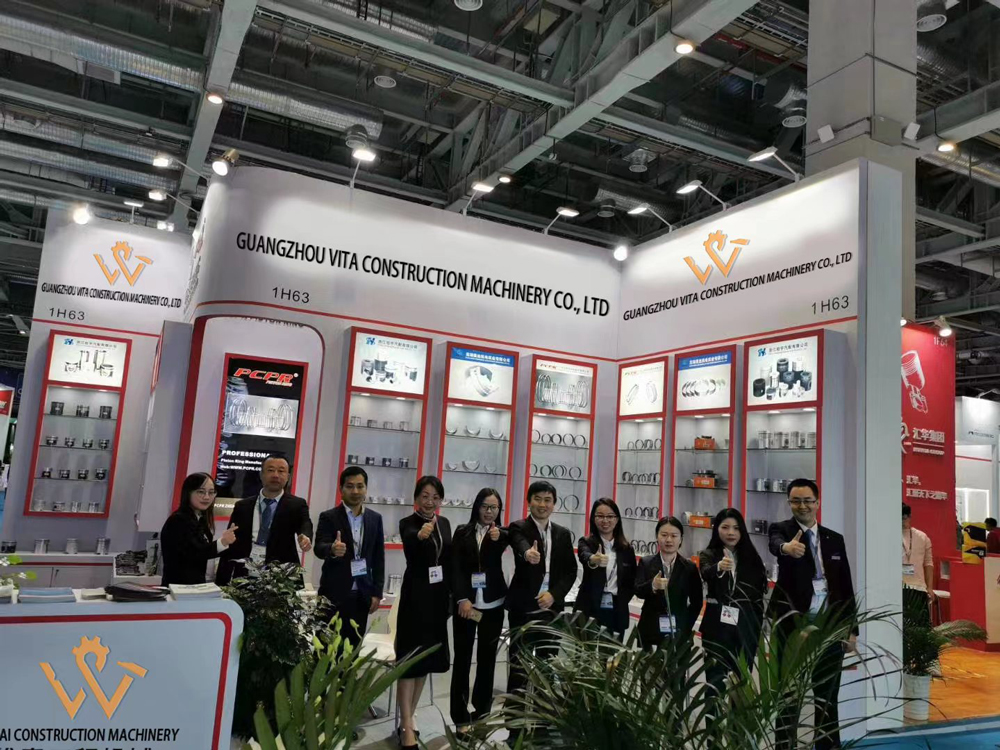
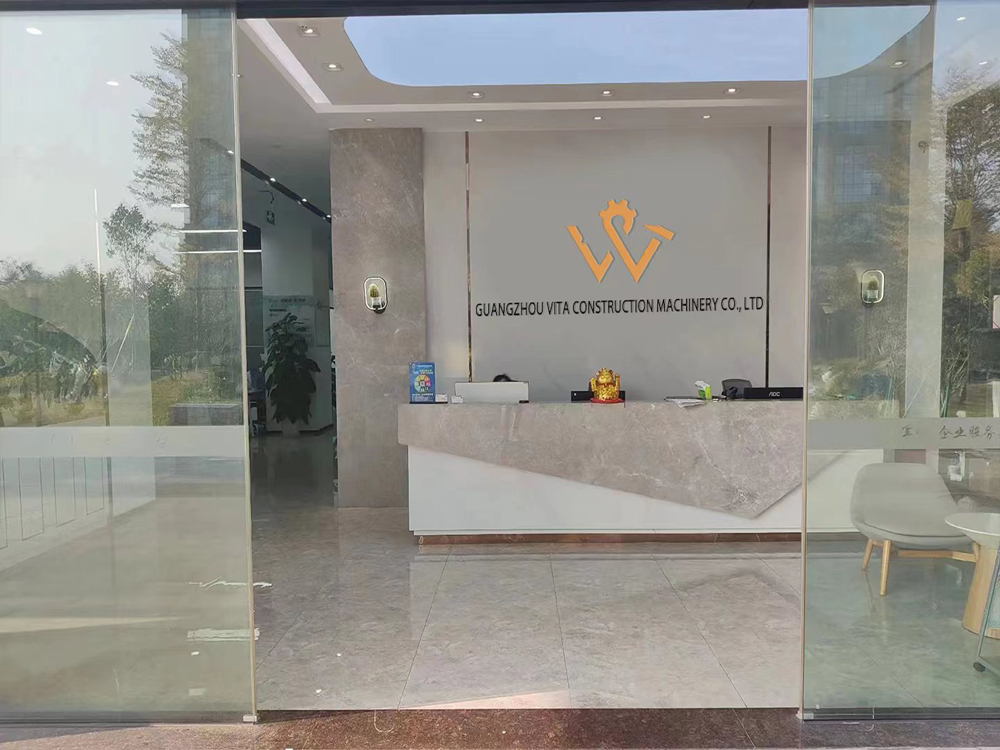
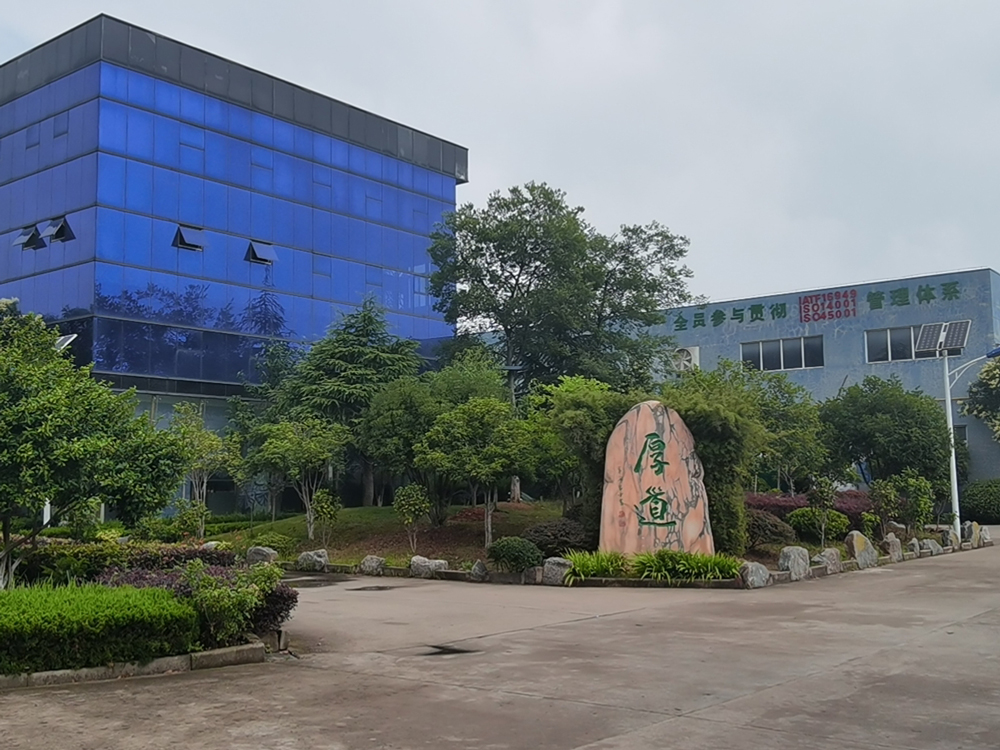
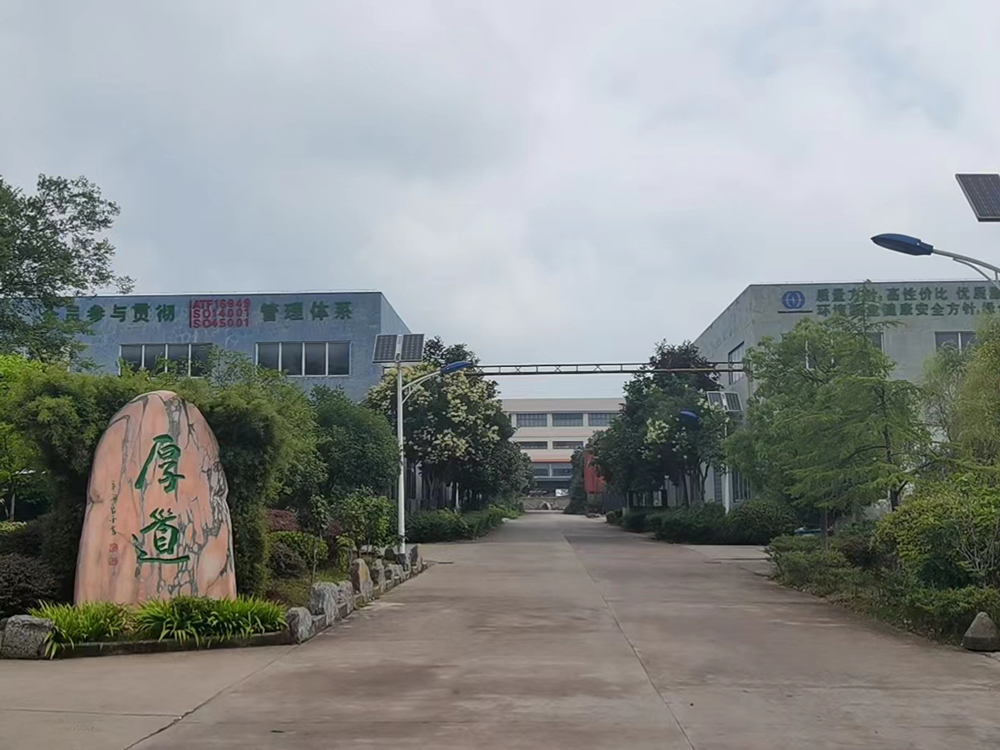
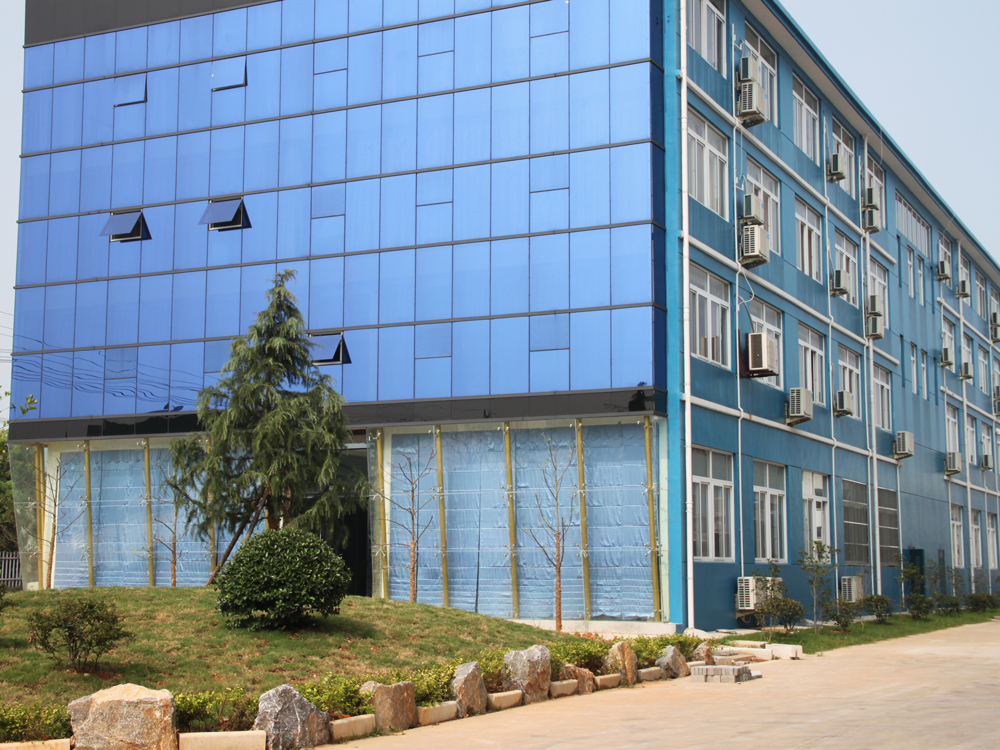
A closer look at Guangzhou Vita Construction Machinery Co., Ltd. and our modern manufacturing operations.
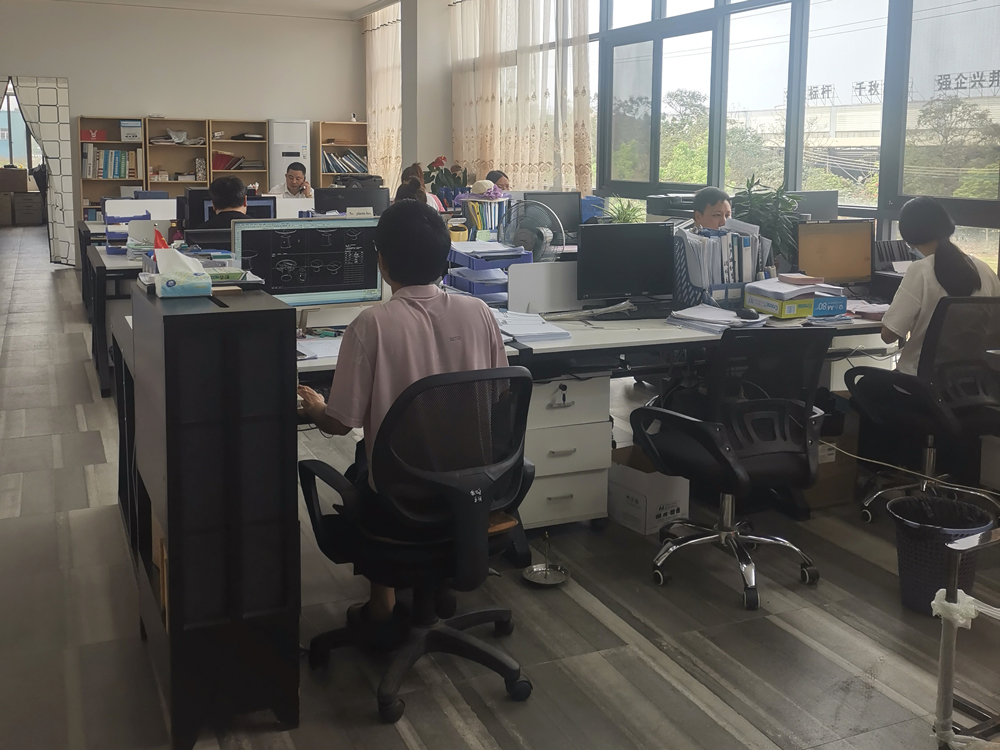
Guangzhou Vita Construction Machinery Co., Ltd. is an established enterprise that combines manufacturing capabilities and foreign trade. Our production facility is located in Xiangyang City, Hubei Province, featuring over 18,000 square meters of workshop area. Equipped with advanced machinery, a team of 278 skilled workers, and 8 dedicated engineers, we work to maintain product quality, precise specifications, and reliable delivery times.
We specialize in the development, manufacturing, and distribution of construction machinery components. Our product range includes engine assemblies, hydraulic pumps, final drives, diesel generators, engine bearings (main bearings, connecting rod bearings), crankshafts, engine valves, gear pumps, cylinders, filtration media, excavator buckets, and undercarriage components for excavators and bulldozers. Our parts are designed for compatibility with leading global brands such as Komatsu, Volvo, Sumitomo, Caterpillar, Kubota, Hitachi, John Deere, Kobelco, Hyundai, Kato, Sany, XCMG, and Sunward.
In heavy industries, component reliability is essential to project success. We focus on producing durable components that support smooth machinery performance and minimize unexpected downtime.
In addition to component fabrication, we offer engine maintenance advice and technical support to assist our clients with complex assembly issues and machinery operations.
Our professional maintenance team provides diagnostic assistance and hands-on maintenance, and can coordinate onsite international technical support for specialized projects.
Answers to common questions regarding custom radiator hose design, material specifications, and field troubleshooting.
Hose failure typically stems from electrochemical degradation (ECD), sustained thermal stress exceeding the polymer's limit, or mechanical fatigue from high-frequency vibration. ECD occurs when the hose, engine coolant, and different metals within the cooling circuit act like a battery, generating micro-currents that weaken the internal rubber layer. Using peroxide-cured EPDM or aramid-reinforced silicone mitigates this issue.
Silicone retains its flexibility and structural integrity across a broader temperature range (-55°C to +250°C) compared to standard EPDM, which begins to harden and crack when exposed to continuous temperatures above 130°C. For heavy-duty engines operating under tight configurations, silicone is preferred for its heat aging resistance.
The reinforcement layer absorbs the radial pressure within the hose. Polyester knit fabric is suitable for standard radiator pressures (up to 4-5 Bar), whereas woven aramid (Nomex®) layers are recommended for higher-pressure systems, such as turbocharger connections and high-altitude heavy cooling loops, maintaining structural integrity up to 10-12 Bar.
Standard silicone exhibits poor resistance to petroleum products, swelling and softening upon contact with oil. For configurations where engine oil or diesel mist is present in the cooling or air system, we utilize a fluorosilicone (FKM) inner lining to shield the structural silicone layers.
Custom design blueprints and physical prototypes are generally prepared within 7 to 10 working days. Once approved, production order volumes are processed and completed within 20 to 30 days, depending on geometry complexity and material requirements.
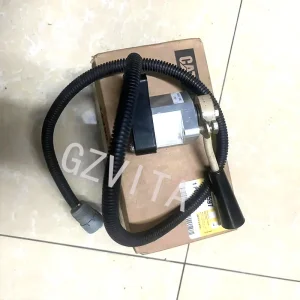
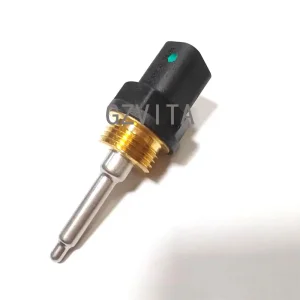
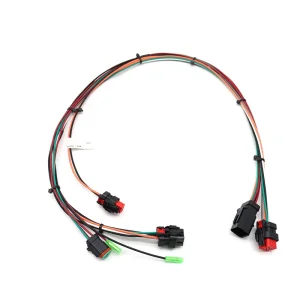
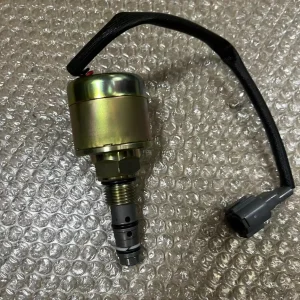
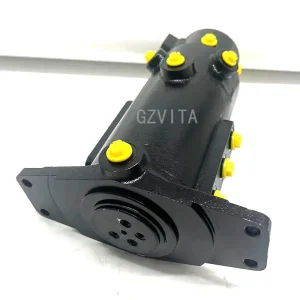
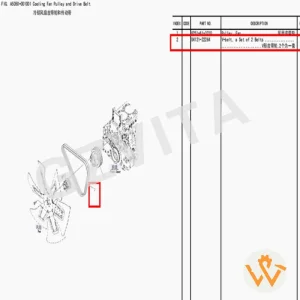
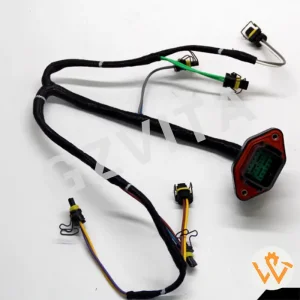
Explore our selection of replacement engine sensors, main pumps, swivel joints, and wiring harnesses for construction equipment.
 Vita Construction