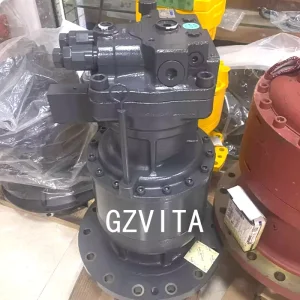
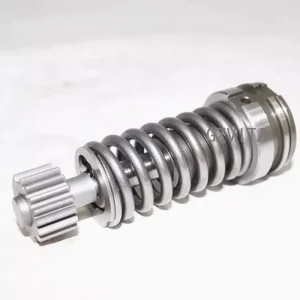
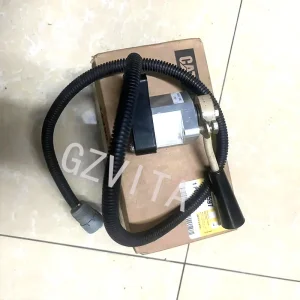
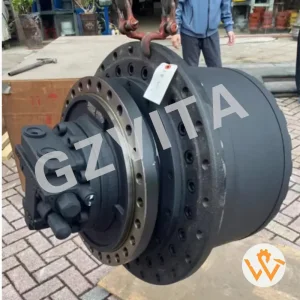
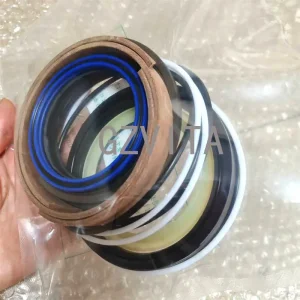
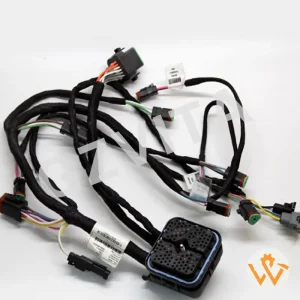
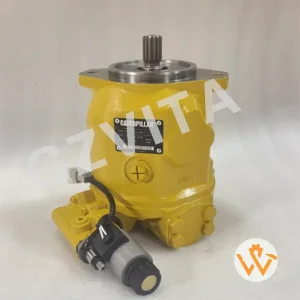
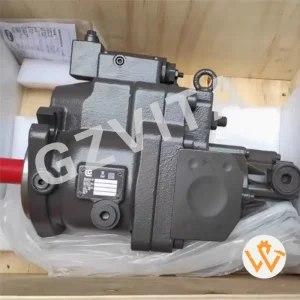
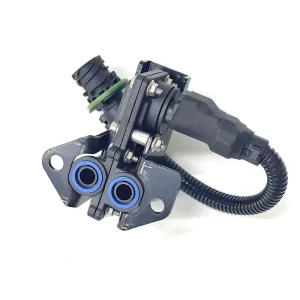
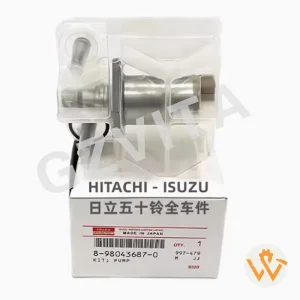
Engineered to the same tolerances and standards as our high-performance custom silicone hoses, these system-critical hydraulic, structural, and electrical spare parts drive structural longevity and operational uptime.
A comprehensive analysis of polymer chemistry, structural reinforcement, and fluid dynamics in heavy-duty cooling networks.
Modern internal combustion engines, particularly those conforming to rigorous environmental regulations such as Stage V and Tier 4 Final, run hotter than ever before. Increased exhaust gas recirculation (EGR) rates, turbocharging pressures, and tight aerodynamic engine compartments have elevated the thermal demand of cooling systems. Traditional EPDM (ethylene propylene diene monomer) rubber hoses are no longer sufficient; under continuous high thermal loads, they undergo vulcanization progression, hardening, and stress-cracking, leading to catastrophic cooling path failures. As a leading Custom Silicone Radiator Hoses Manufacturer & Supplier, Guangzhou Vita Construction Machinery Co., Ltd. addresses this paradigm shift by manufacturing highly engineered, polymer-reinforced silicone piping networks that ensure uninterrupted media transfer under the harshest environments.
The primary advantage of custom silicone radiator hoses lies in the molecular structure of the base elastomer. Unlike organic carbon-to-carbon backbones found in EPDM, silicone features an inorganic silicon-oxygen backbone (Si-O-Si). The bond energy of a silicon-oxygen bond is approximately 460 kJ/mol, significantly higher than the 348 kJ/mol of a carbon-carbon bond. This chemical variance provides outstanding resistance to thermal degradation, ozone aging, and UV exposure. Depending on the media composition and location in the cooling loop, we utilize distinct compounds:
| Property | EPDM (Standard Rubber) | VMQ (Vinyl Methyl Silicone) | FVMQ (Fluorosilicone Liner) |
|---|---|---|---|
| Operating Temperature | -40°C to +125°C | -60°C to +200°C (Special grades to 250°C) | -60°C to +225°C |
| Ozone & UV Resistance | Moderate | Excellent | Outstanding |
| Oil & Fuel Resistance | Poor | Fair (Not suitable for prolonged oil contact) | Outstanding (Excellent barrier layer) |
| Tensile Strength Retention | Degrades rapidly at >120°C | Maintains physical properties >180°C | Maintains physical properties in acidic vapor |
Pure silicone rubber exhibits low tensile strength. To withstand high-pressure cooling circuits, vacuum collapse, and structural dilation, custom silicone hoses require internal textile reinforcement layers. The choice of reinforcement material directly correlates to the maximum operating temperature and dynamic fatigue endurance of the hose:
Commonly applied in standard coolant lines operating up to 180°C. Typically structured in 3-ply or 4-ply configurations, offering excellent flexibility and burst pressures up to 15 Bar depending on the nominal diameter.
Required for charge air systems, turbochargers, and high-temp coolant loops operating between 180°C and 250°C. Aramid provides extreme resistance to tensile fatigue, preventing hose expansion under pressure spikes.
Utilized in suction hoses or tight-bend radii configurations where high negative pressure (suction) is present. An integrated spring steel wire helix prevents vacuum-induced collapse and maintaining a constant cross-section.
Exploring how custom silicone hoses are rapidly replacing legacy piping across major machinery ecosystems.
Across the globe, industrial procurement departments are transitioning from off-the-shelf catalog products to bespoke fluid transfer solutions. In complex applications, such as heavy earthmovers, high-output power generation plants, and intercity freight fleets, standard shape-profiles cause installation interference and stress concentration at connection points. Standard hoses often fail to match the dynamic movement of engine mounts relative to fixed chassis components, prompting a critical need for custom-engineered 3D shapes, bellows, and reducers.
Guangzhou Vita Construction Machinery Co., Ltd. excels at this exact customization crossroad. By bridging physical CAD design with high-performance manufacturing, our engineering department works hand-in-hand with field technicians to deliver OEM/ODM replacements that fit seamlessly. Our hoses are extensively deployed to replace or upgrade critical cooling paths in heavy-duty excavators, bulldozers, and trucks from leading global brands, including Komatsu, Volvo, Sumitomo, Caterpillar, Kubota, Hitachi, John Deere, Kobelco, Hyundai, Kato, Sany, XCMG, and SUNWARD.
To deliver a custom-molded silicone radiator hose, our manufacturing team executes a rigorous engineering process:
Combining Hubei's industrial manufacturing power with Guangzhou's global logistics gateway.
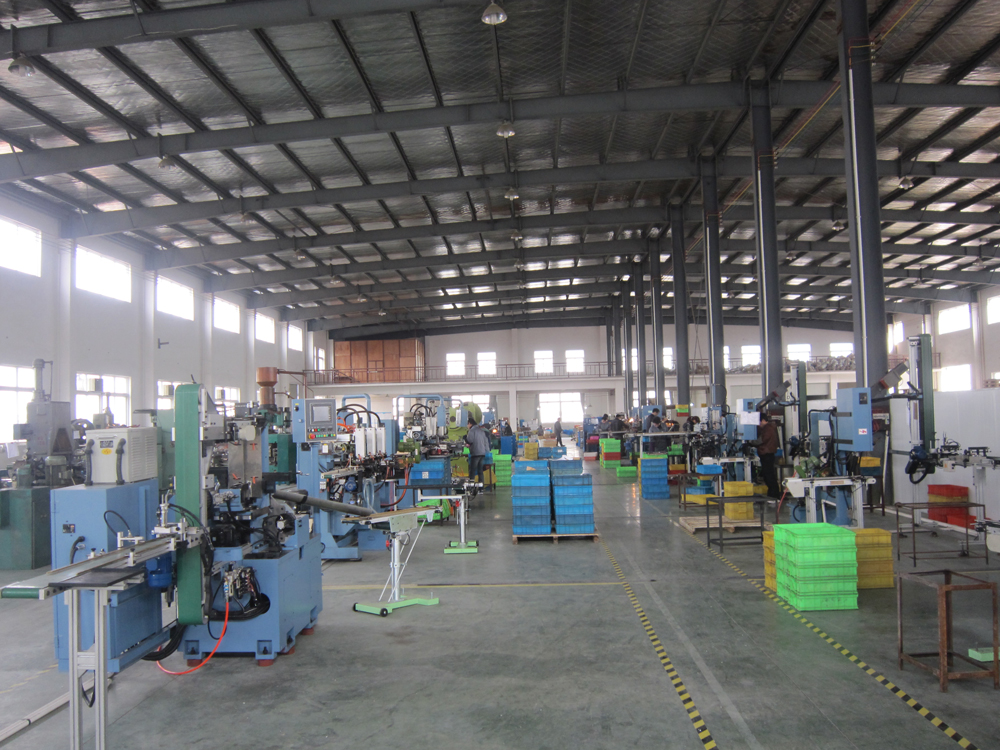
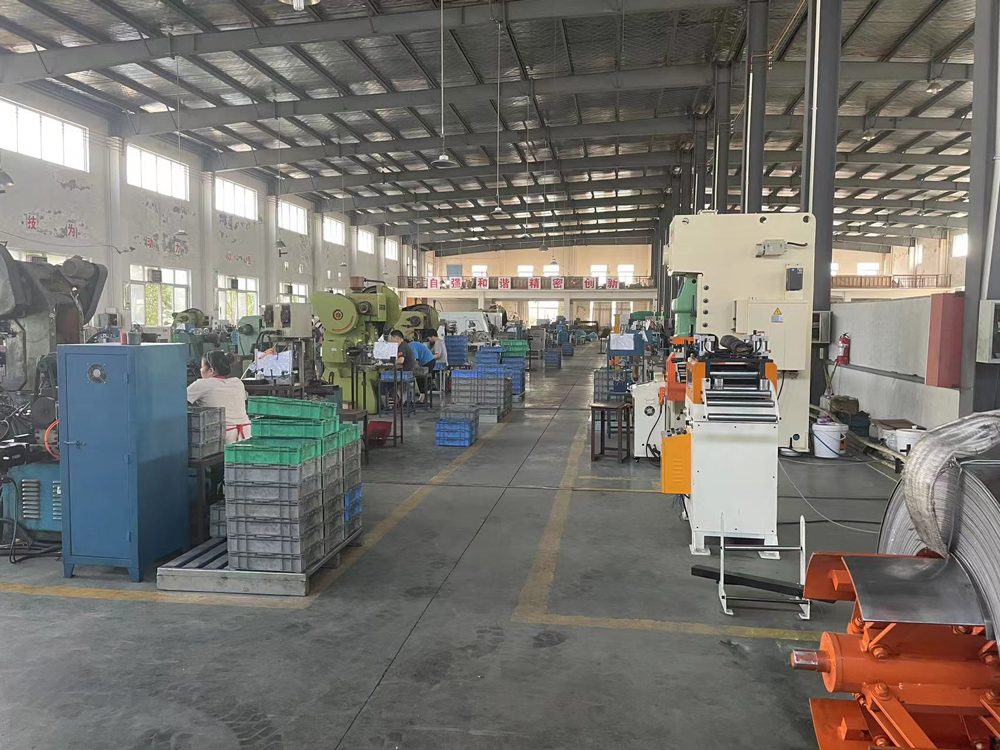
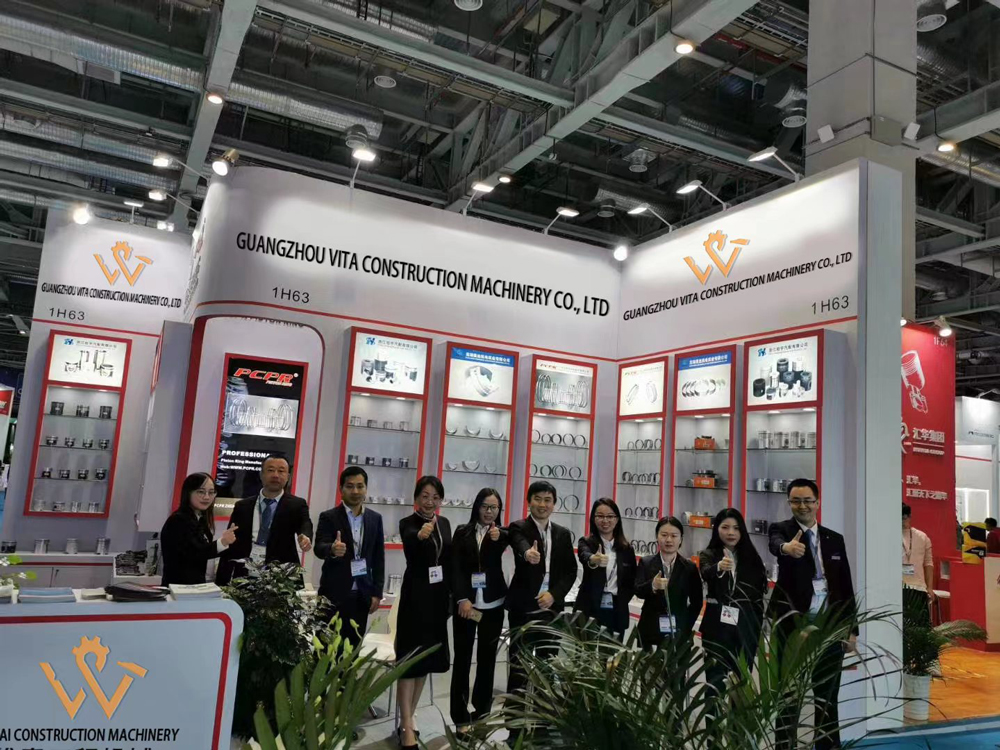
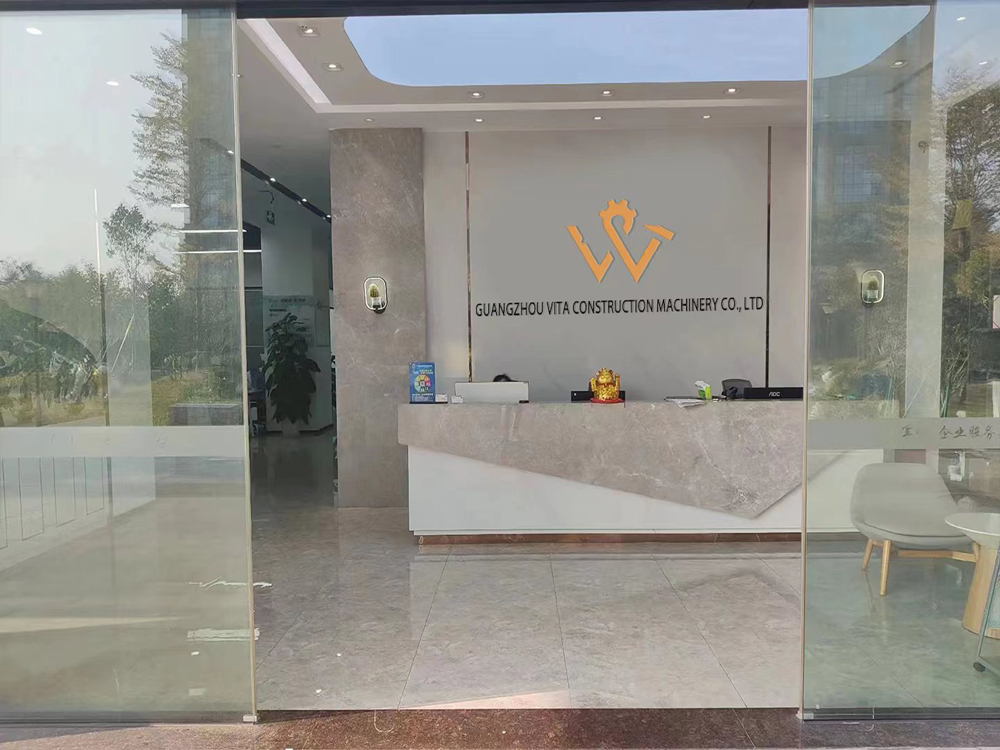
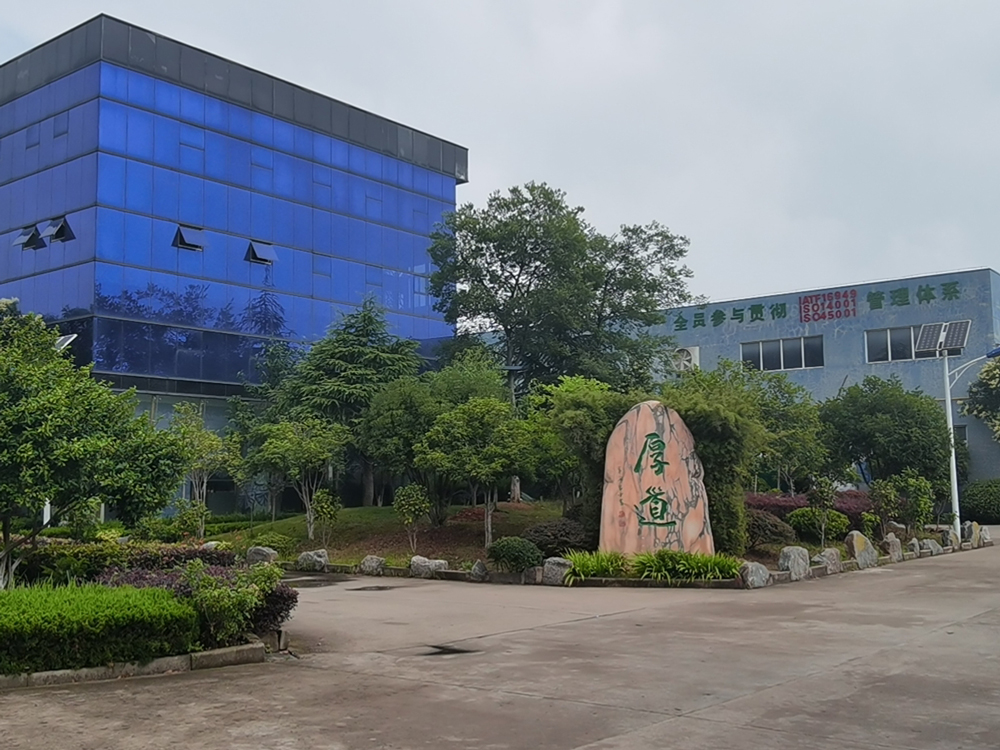
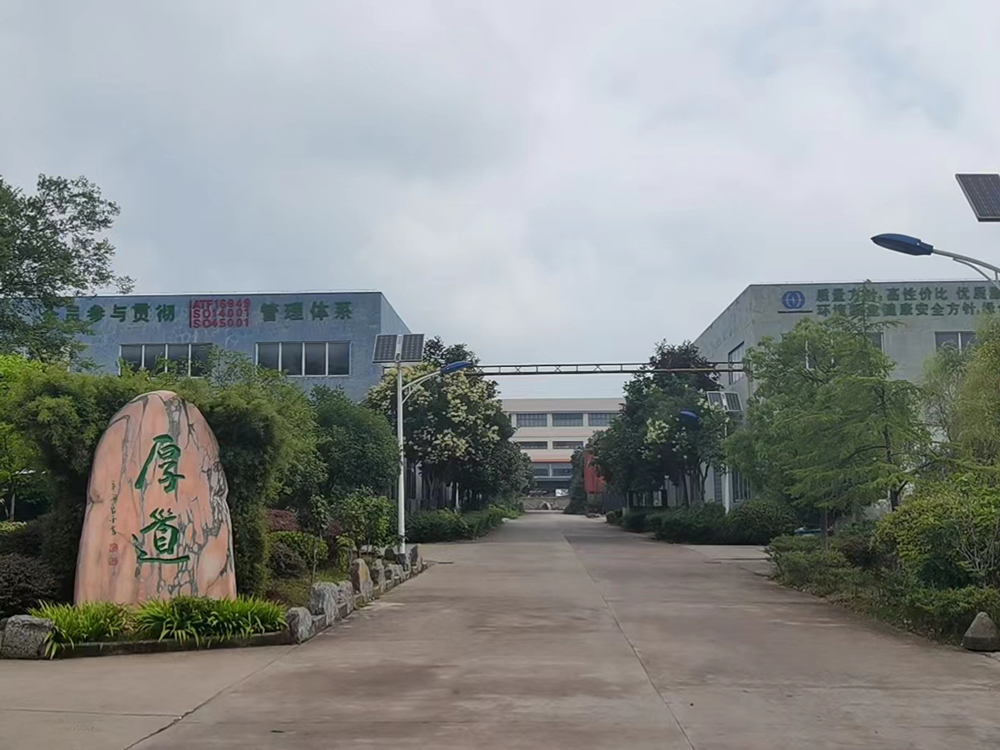
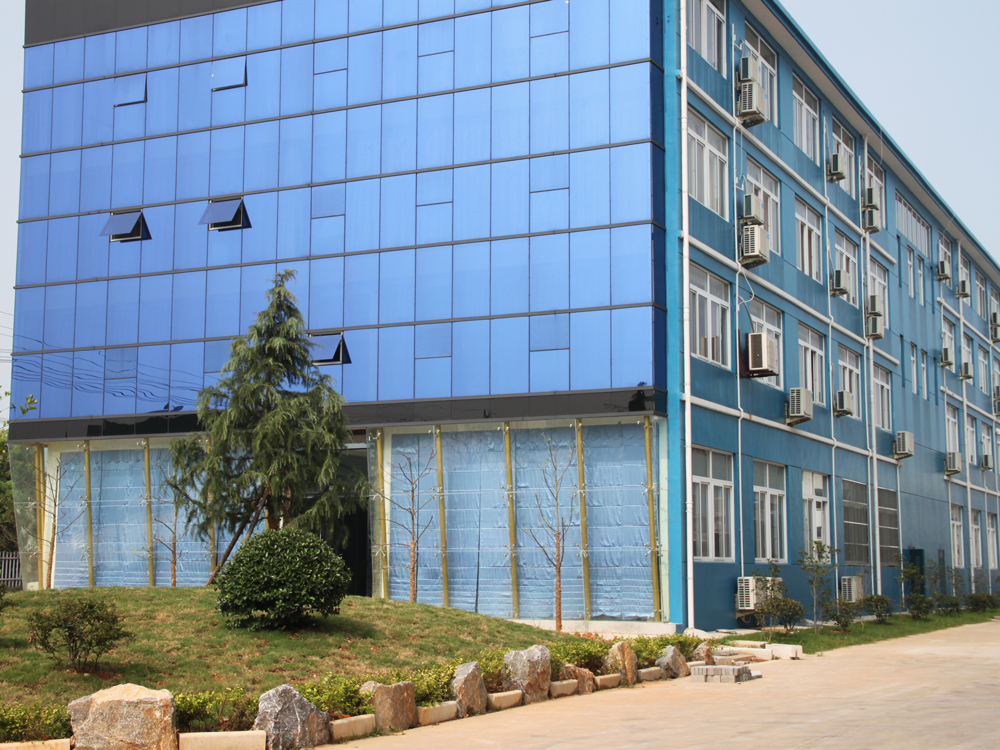
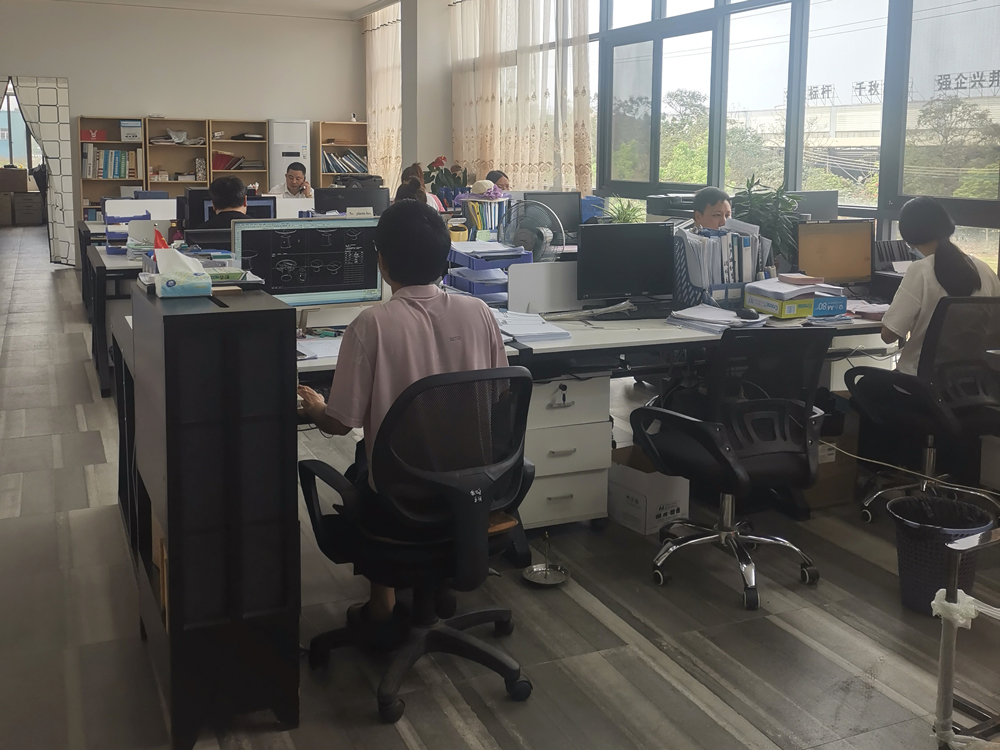
Guangzhou Vita Construction Machinery Co., Ltd. is a leading integrated entity combining manufacturing plants and international trade logistics. Our core manufacturing facility is located in Xiangyang City, Hubei Province, hosting a state-of-the-art 18,000 square meters workshop. Equipped with advanced automated silicone extrusion lines, CNC mandrel bending machines, and high-precision testing instruments, our manufacturing floor is powered by more than 278 well-trained and skilled workers. Supporting this team is an engineering R&D group consisting of 8 experienced material and structural engineers who ensure that every custom hose complies with stringent quality control standards, ensuring fast delivery and robust quality.
In addition to being a premier *Custom Silicone Radiator Hoses Manufacturer & Supplier*, we specialize in producing, developing, and selling an extensive range of construction machinery parts. Our comprehensive portfolio includes engine assembly components, hydraulic pumps, final drives, electric generating sets, engine bearings (including Main bearings and Connecting Rod Bearing series), crankshafts, engine valves, gear pumps, cylinders, various industrial filters, excavator buckets, and robust undercarriage components for excavators and bulldozers.
In the fast-paced world of construction, the reliability and efficiency of your machinery can make or break a project. We understand that high-quality parts are essential for optimal performance. We aim to provide top-notch construction machinery parts to keep our customers' machinery running smoothly under heavy stress.
To improve our service, we set up an engine maintenance development program. In addition to providing customers with top-tier components, we can also help customers solve various technical design problems encountered in the operations and installation of heavy-duty cooling assemblies.
We host our own professional maintenance and field-service engineering team. When required by our global partners, we can deploy maintenance technicians abroad to assist with engine commissioning, troubleshooting, and large-scale cooling network overhauls.
Strategic logistics, stable raw material sources, and international regulatory compliance.
Global supply chains are prone to disruptions, making production uptime a top priority for heavy machinery operators. Guangzhou Vita Construction Machinery Co., Ltd. addresses this through the strategic decoupling of our factory operations and global trade divisions. Our production base in Hubei leverages local resource pools and a dense upstream supply network for industrial silicones, aramid weaves, and CNC mandrels. This geographic advantage reduces raw material lead times to just a fraction of the industry average.
Simultaneously, our international trading department in Guangzhou serves as an efficient global distribution hub. Situated near major international shipping lanes and air-freight hubs, we guarantee streamlined customs clearances and fast transit times. This dual-location model ensures that even during global shipping bottlenecks, we maintain a constant reserve of critical components, protecting our customers against line-down scenarios.
Our custom silicone hoses are engineered to comply with leading international automotive and industrial specifications:
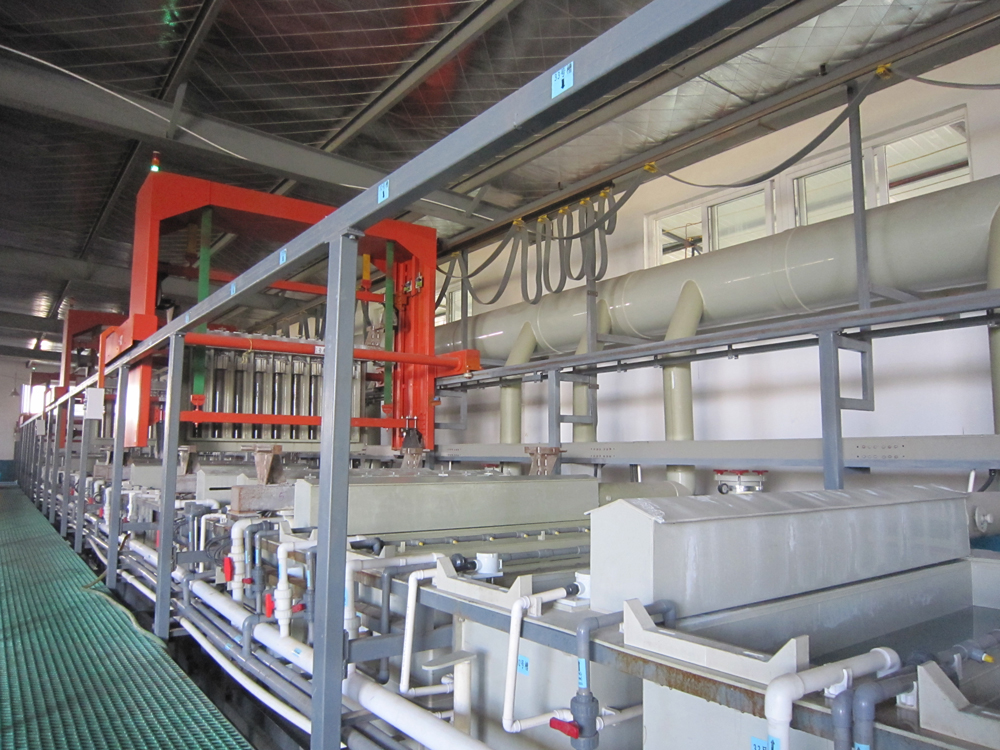
A virtual look into our 18,000 square meter plant, featuring advanced machinery and vulcanization departments.
Expert answers addressing chemistry, integration, compatibility, and maintenance protocols for heavy-duty silicone hoses.
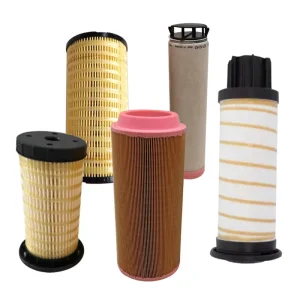
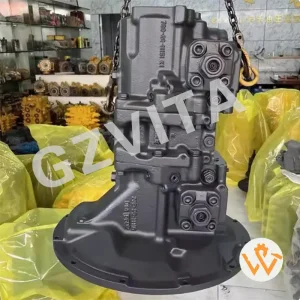
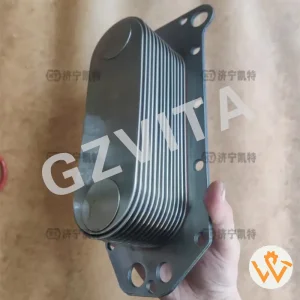
Complete your thermal management system with our premium OEM-compliant filtration, pumping, and sensor components, ensuring long service life for your heavy construction equipment.
 Vita Construction