In the global machinery landscape, mechanical precision dictates performance efficiency. A custom throttle cable adapter serves as the crucial physical bridge between the user control interfaces (pedals, levers, actuators) and the fuel metering systems of heavy-duty prime movers. Whether transforming rotary motion to linear displacement or stepping down travel distances to prevent over-tensioning, precision engineering is paramount. Industrial applications require these components to withstand millions of thermal and physical cycles without structural creep or failure.
Historically, throttle cable assemblies relied on standard cast zinc or stamped steel connectors. However, modern machinery operate under extreme environments—ranging from the high-temperature engine compartments of mining excavators to the corrosive environments of marine powerplants. As a result, the demand for CNC-machined, anodized aluminum, and passivated stainless steel throttle cable adapters has skyrocketed. These custom solutions ensure zero backlash, high mechanical fidelity, and complete integration with sophisticated electronic control units (ECUs) via hybrid drive-by-wire and mechanical backup configurations.
Global OEMs are migrating to electro-mechanical setups. Adapters must support dual-input linkages to interface mechanical overrides with electronic actuators seamlessly, protecting system integrity.
B2B procurement departments now mandate aerospace-grade materials, such as 6061-T6 aluminum and 316 marine stainless steel, to prevent premature fatigue failure in corrosive and high-vibration zones.
Modern high-injection common-rail diesel engines demand ultra-precise throttle calibration. Custom adapters with adjustability tolerances under ±0.05mm prevent engine hunting and response lags.
B2B supply chain managers face multifaceted challenges when sourcing throttle control linkages and custom adapter components. Procurement is not merely about finding a vendor; it is about establishing a strategic partnership with a manufacturer that possesses deep metallurgical expertise, advanced rapid prototyping pipelines, and rigorous quality management frameworks. In sectors like mining, infrastructure development, and port logistics, machinery downtime can incur losses exceeding tens of thousands of dollars per hour. Consequently, supply chain reliability is prioritized alongside technical compliance.
Moreover, custom adapters must fit highly localized field configurations. For instance, an excavator operating in the high-humidity, salt-laden air of a coastal reclamation project in Southeast Asia requires vastly different surface passivation treatments compared to a tractor unit harvesting crops in the dry, dust-heavy agricultural corridors of the American Midwest. Quality control laboratories at leading factories simulate these environments using accelerated salt-spray tests and thermal cycle chambers, ensuring that every batch of custom throttle cable adapters meets or exceeds ISO standards.
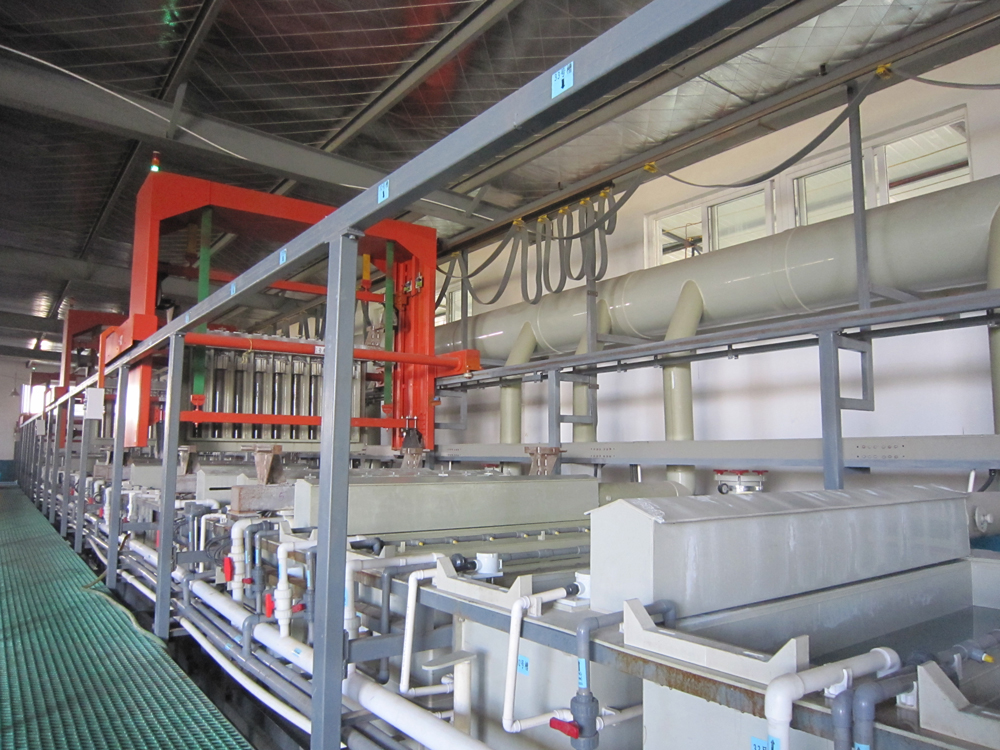
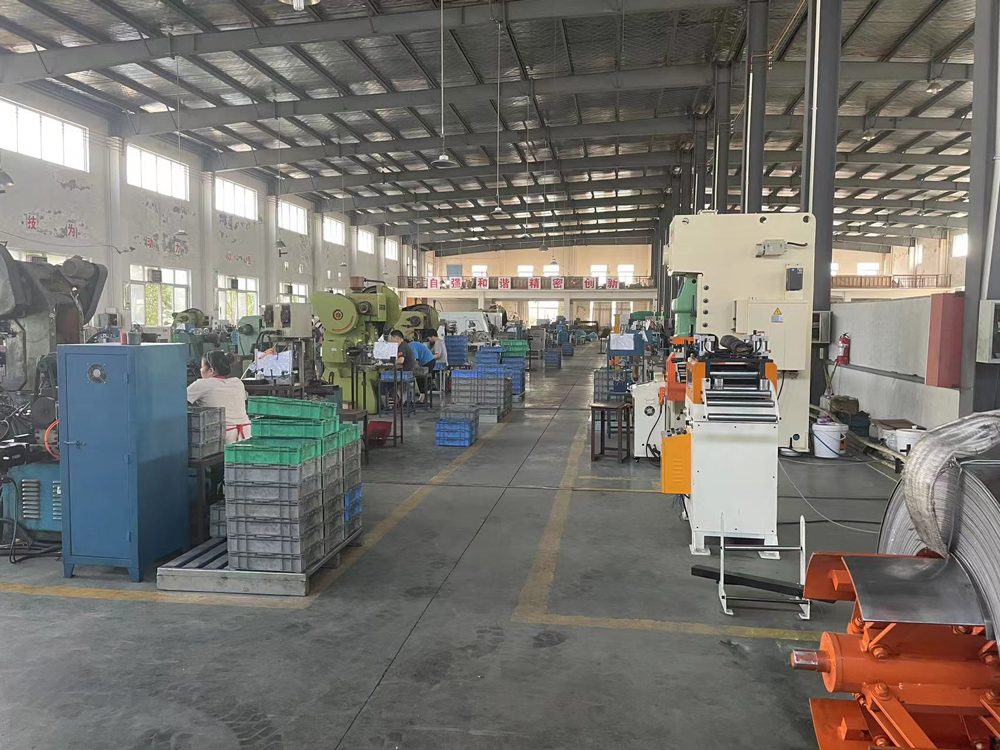
At Guangzhou Vita Construction Machinery Co., Ltd., we combine cutting-edge domestic manufacturing capabilities with an agile global logistics interface. By centering our production operations within our modern 18,000 square meter facility located in Xiangyang City, Hubei Province, we optimize raw material procurement, thermal processing, and high-precision tooling. Our facility houses several advanced production lines, staffed by over 278 skilled technical specialists and led by a dedicated engineering squad of 8 senior mechanical designers. This configuration ensures that whether we are developing complex hydraulic pump components, engine crankshaft assemblies, or custom throttle cable adapters, we deliver unmatched batch consistency and structural integrity.
By implementing Industry 4.0 paradigms—such as real-time tool wear monitoring, automated CNC programming, and digitized quality control logging—we have mitigated common supply chain choke points. For international buyers, this equates to reduced lead times, competitive pricing models, and transparent tracking from the raw billet stage to port delivery. Our engineering team acts as a technical extension for our clients, analyzing application-specific parameters (such as pull ratios, angular misalignment limits, and spring return preloads) before starting production run cycles.
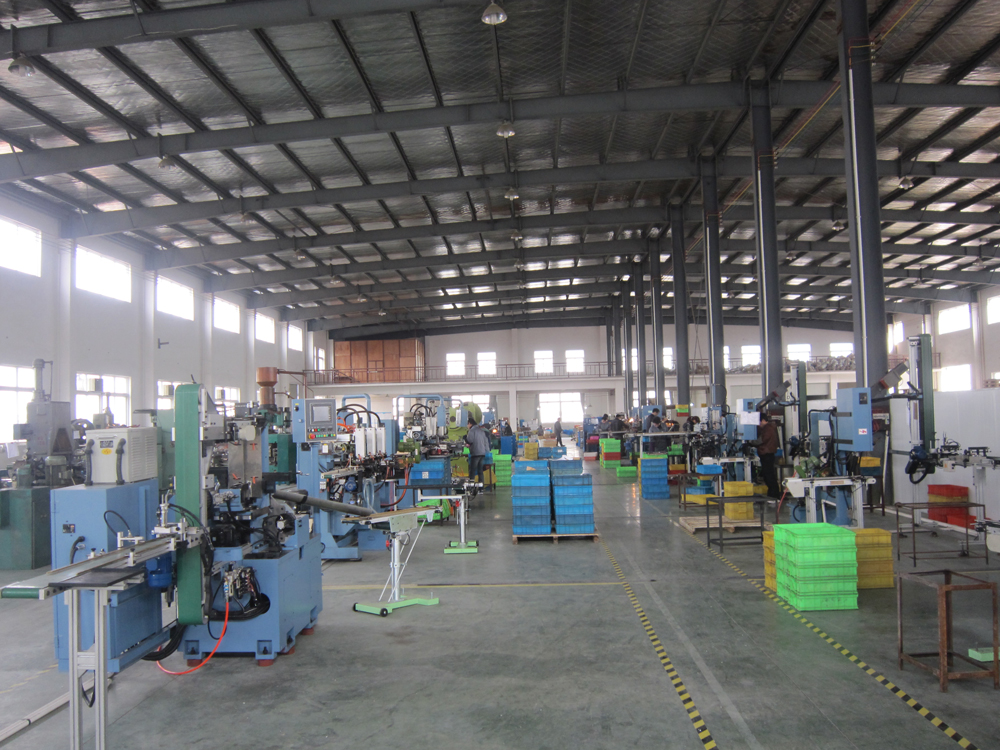
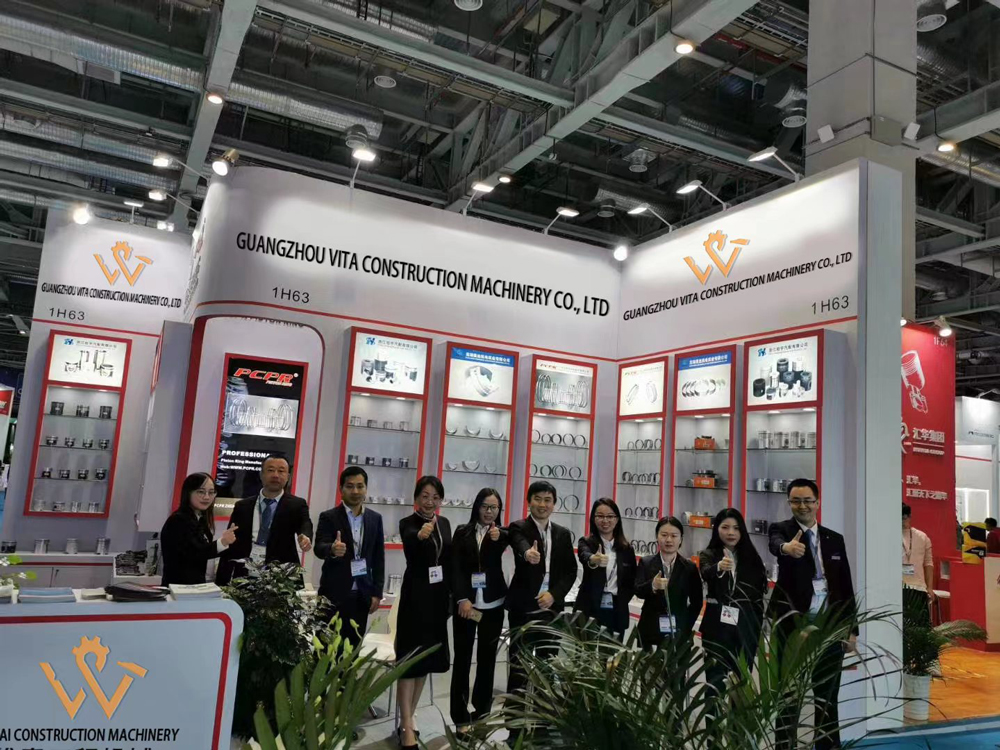
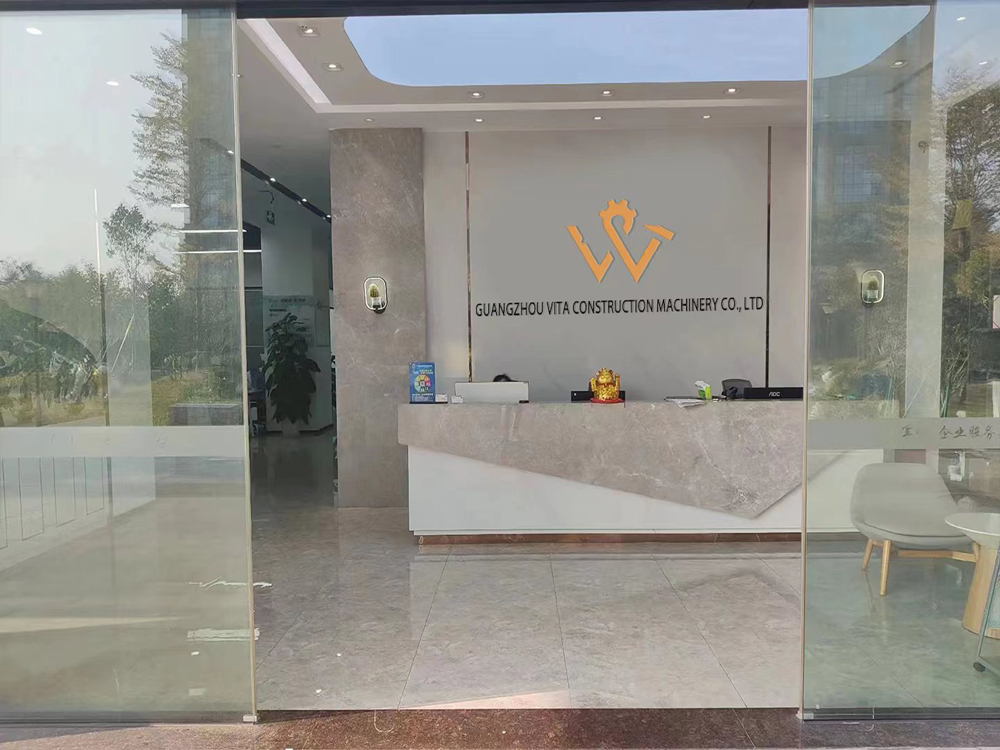
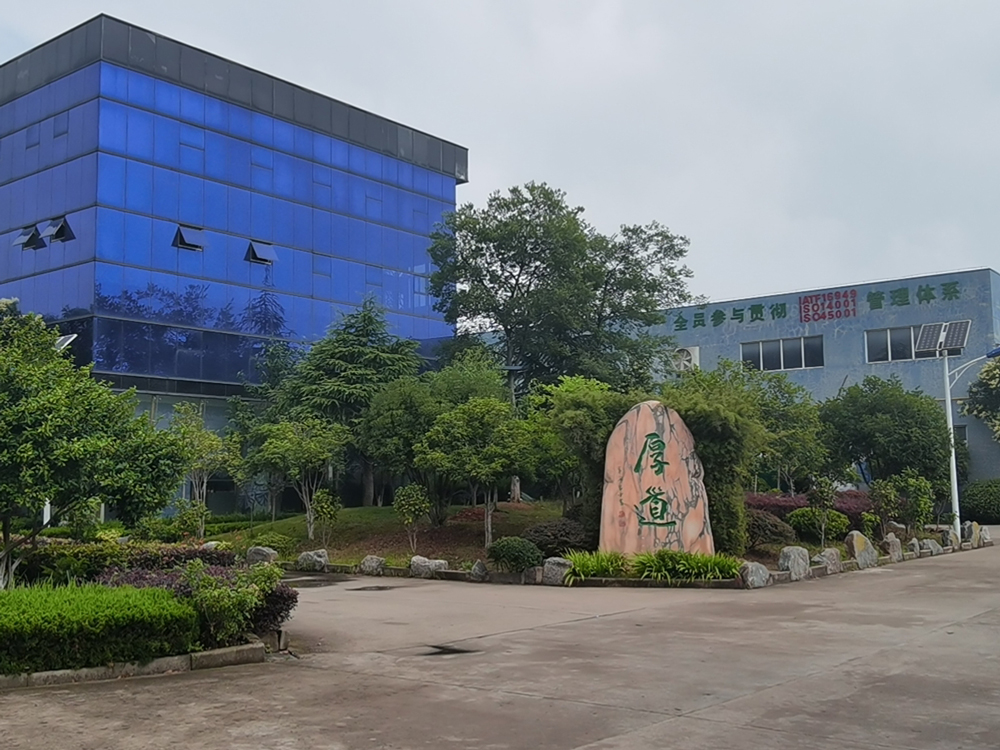
Guangzhou Vita Construction Machinery Co., Ltd. stands as an industry-leading enterprise, blending domestic manufacturing power with international trade expertise. With an 18,000 square meter production facility in Xiangyang, Hubei, we manufacture and distribute a complete portfolio of heavy machinery components globally. Our engineers develop OEM-grade and aftermarket components compatible with industry-leading machinery brands, including Komatsu, Volvo, Sumitomo, Caterpillar, Kubota, Hitachi, John Deere, Kobelco, Hyundai, Kato, Sany, XCMG, and SUNWARD.
Our product catalog extends beyond custom throttle linkages to include complex engine assemblies, hydraulic piston pumps, final drives, electrical generating sets, crankshafts, engine valves, heavy-duty gear pumps, and undercarriage components. Supported by our overseas field-dispatch engineering team, we provide technical installation guidance, onsite diagnostic support, and custom component redesign to ensure that your machinery retains peak operation cycle efficiency.
Every throttle adapter and hydraulic assembly undergoes exhaustive material fatigue tests, load-deflection mapping, and structural tolerance verification in our dedicated ISO-certified quality control labs.
In addition to physical fabrication, we assist global clients with mechanical-to-electronic linkage conversions, transient response calibration, and system stress analysis.
Our mechanical engineering group can be deployed internationally for heavy machinery engine commissioning, hydraulic trouble-shooting, and system modification projects.
 Vita Construction