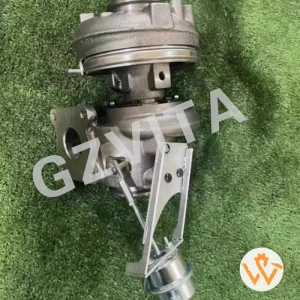
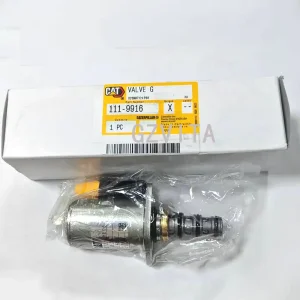
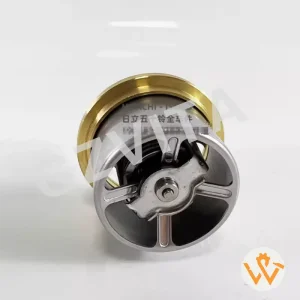
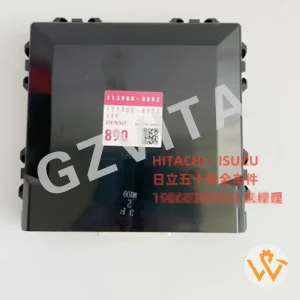
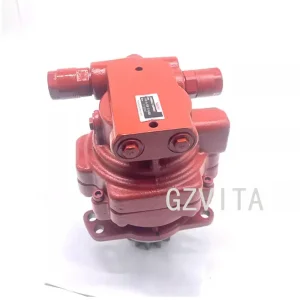
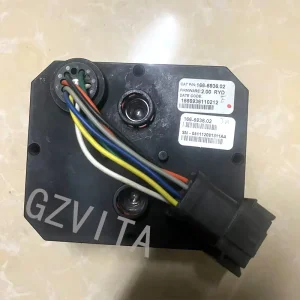
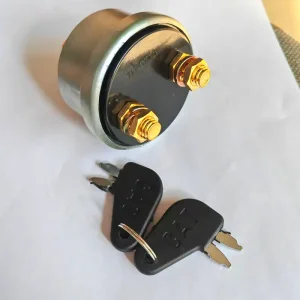
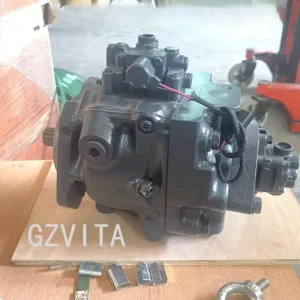
Premium OEM-grade replacement parts and heavy machinery systems in stock
The global heavy machinery sector relies implicitly on the mechanical integrity of the internal combustion engine. At the heart of this thermodynamic powertrain is the big end bearing (commonly referred to as the connecting rod bearing). Acting as the critical interface between the connecting rod and the crankshaft crankpin, the big end bearing is subjected to extreme cyclical loads, severe hydrodynamic shear rates, and elevated thermal profiles. As industrial projects demand higher power outputs, minimized engine weight, and extended service intervals, the tribological science underlying these bearings has undergone an epochal transformation.
Modern engine architectures require bearings capable of withstanding dynamic unit pressures exceeding 90 to 120 MPa. This requires structural innovation across multiple scientific fronts: metallurgy, electroplating, and micro-grooving. Geopolitically, the production of high-performance engine bearings is concentrated in highly specialized manufacturing corridors. Industrial buyers evaluate these components not merely as commodity spares, but as highly engineered barrier defenses against catastrophic engine failure. A breakdown in a connecting rod bearing propagates immediately to crankshaft deformation, leading to downtime costs that can exceed tens of thousands of dollars per hour in sectors like mining, maritime logistics, and large-scale earthmoving operations.
Engineers and strategic buyers must deeply understand the metallurgical differences that define big end bearing longevity. The choice between bi-metal and tri-metal bearing layouts determines the component's operational envelope under severe conditions:
Typically structured with an aluminum-silicon-tin alloy bonded directly to a steel backing. The addition of silicon provides exceptional resistance to wear from abrasive contaminants by micro-polishing the crankshaft surface, while the tin offers conforming slide behavior. Ideal for medium-load construction machinery and light industrial engines.
Composed of a steel backing, a copper-lead lining, a nickel barrier layer, and an electroplated Babbitt overlay. This composition allows for unparalleled embeddability and fatigue strength under high peak cylinder pressure, distributing the localized hydrodynamic forces across the layered structure.
Using Physical Vapor Deposition (PVD) to deposit a highly homogeneous overlay onto the running surface. Sputtered bearings feature extreme wear endurance and prevent cavitation erosion, making them the standard choice for modern Euro V/VI compliance diesel engines and heavy mining excavators.
The international sourcing paradigm for construction machinery components has shifted towards specialized hubs in mainland China. Guangzhou Vita Construction Machinery Co., Ltd. leverage the production efficiency of our state-of-the-art facility located in Xiangyang City, Hubei Province. This region represents a major cluster of heavy automotive and engineering machinery manufacturing, providing an unparalleled local ecosystem of raw materials, metallurgical testing labs, and highly skilled mechanical technicians.
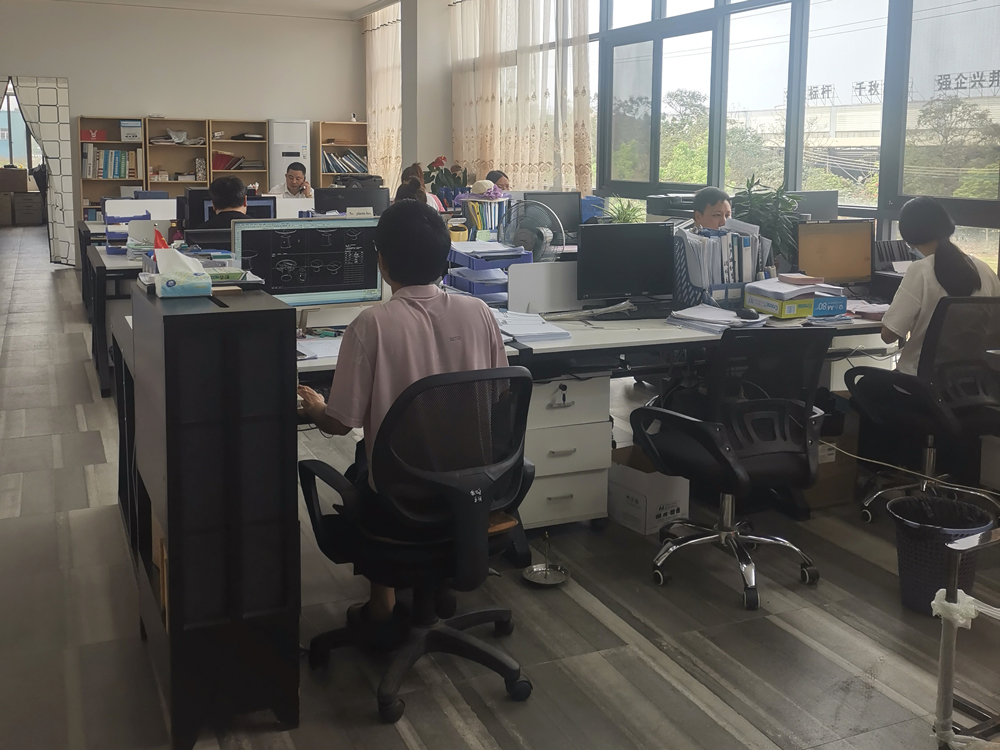
Our Xiangyang facility boasts a workshop exceeding 18,000 square meters, utilizing advanced automated sintering lines, high-precision CNC boring machines, and continuous strip-casting technology. By integrating local metallurgical expertise with systematic quality gates, we achieve tolerances down to the sub-micron scale. The proximity to regional raw chemical suppliers allows us to significantly reduce cost overheads, passing this efficiency to global distributors while maintaining strict adherence to ISO 9001 and IATF 16949 quality guidelines.
Connecting rod bearings do not operate in a vacuum; they must perform consistently across diverse local environments globally. In high-dust environments, such as mining concessions in Western Australia or infrastructure developments in sub-Saharan Africa, air intake filters can fail to capture all micro-particulate matter. Here, the embeddability of the big end bearing becomes the primary defense. The bearing overlay must swallow particulate contaminants into its structure, preventing them from scratching the crankshaft journal and initiating premature bearing seizure.
In cold climate operations, such as forestry projects in Scandinavia or oil and gas fields in Northern Canada, cold-start conditions restrict rapid oil flow to the engine gallery. For the first critical seconds of operation, the big end bearing operates under boundary lubrication conditions rather than full hydrodynamic film. Our bearing design features specialized micro-grooves and lead-free polymer overlays that act as dry solid-film lubricants, preventing direct metal-on-metal contact and micro-welding before the lubricant pump reaches full system pressure.
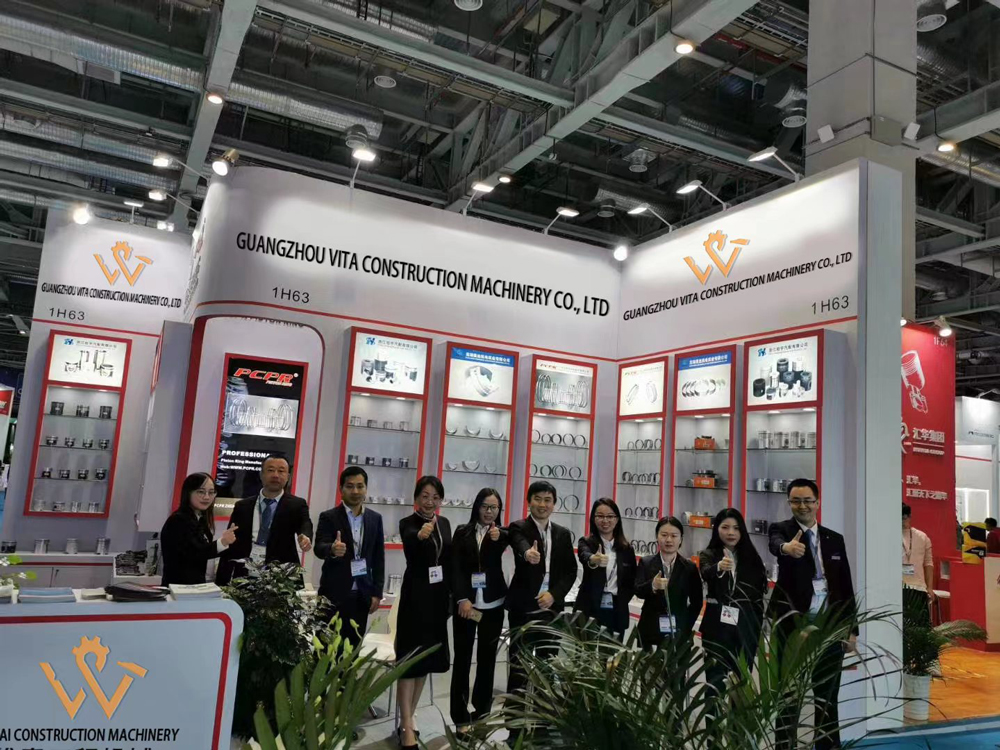
Guangzhou Vita Construction Machinery Co., Ltd. is one of the largest companies combining heavy manufacturing with advanced international trade capabilities. Our factory in Hubei Province operates with more than 278 well-trained and skilled workers and 8 experienced mechanical engineers, ensuring both impeccable product standards and fast, accurate delivery cycles.
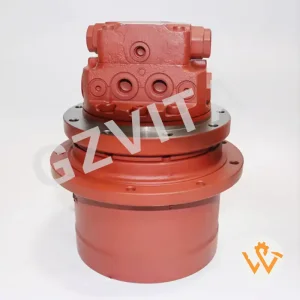
We specialize in the complete production, engineering development, and worldwide sale of a comprehensive range of construction machinery parts. Beyond engine bearings (including main bearings and connecting rod bearing series), our product catalog spans engine assemblies, hydraulic main pumps, final drives, electric generating sets, high-precision crankshafts, engine valves, gear pumps, cylinders, filtration systems, excavator buckets, and undercarriage components. Our replacement components are carefully engineered to fit and match the strict specifications of industry-leading brands, including Komatsu, Volvo, Sumitomo, Caterpillar, Kubota, Hitachi, John Deere, Kobelco, Hyundai, Kato, Sany, XCMG, and SUNWARD.
Take a look inside our 18,000 sqm Hubei facility featuring advanced manufacturing and testing equipment
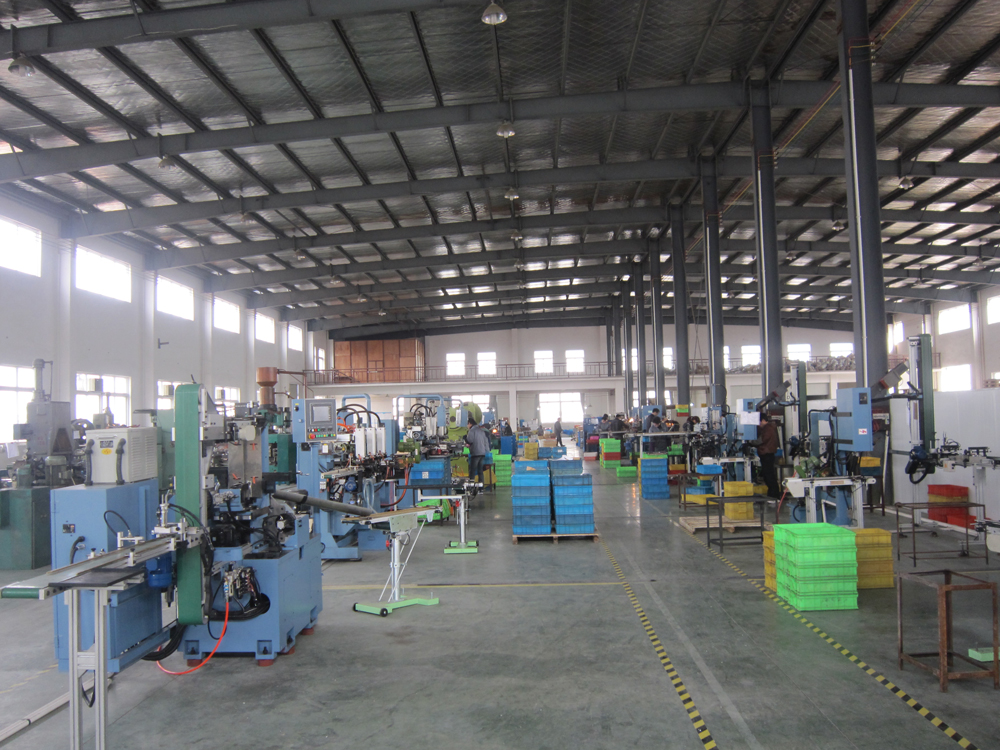
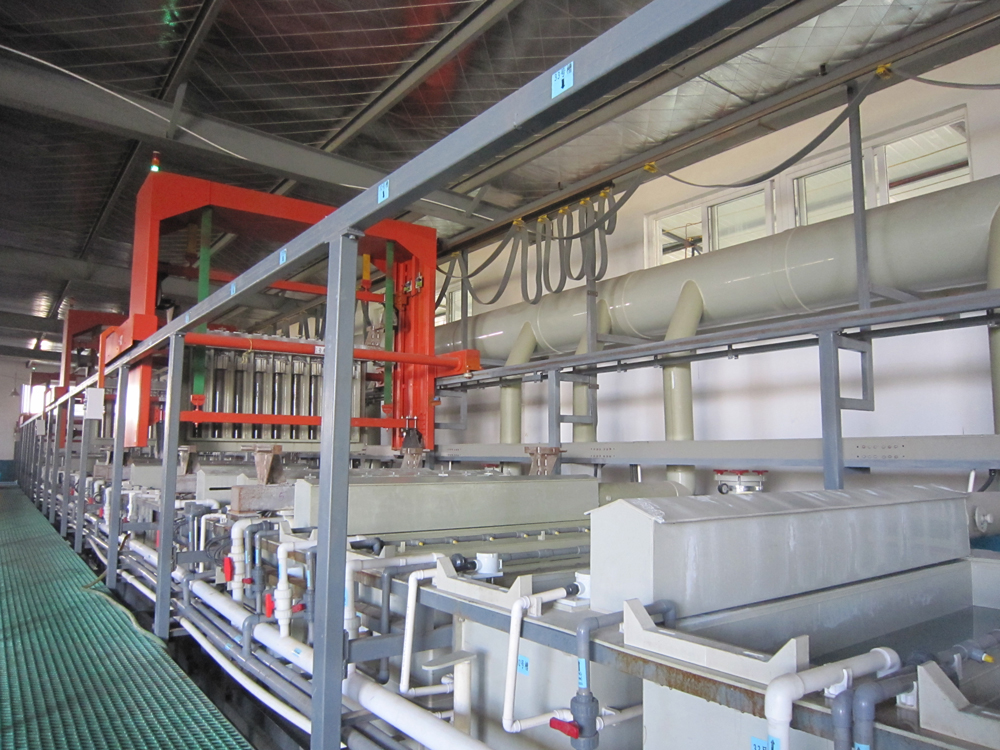
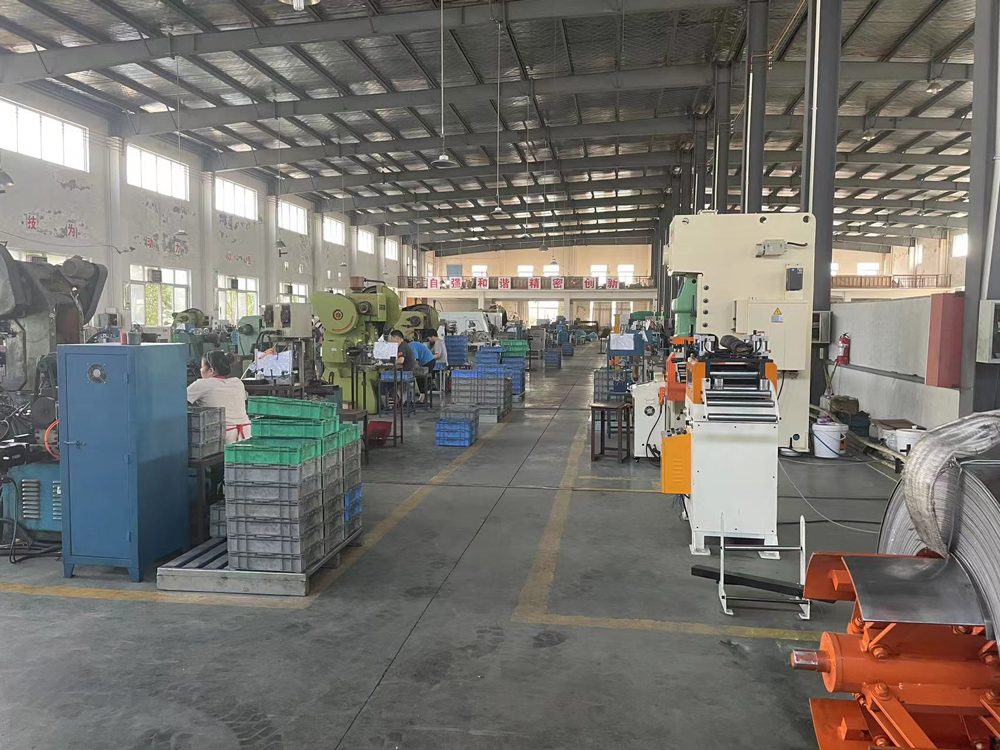
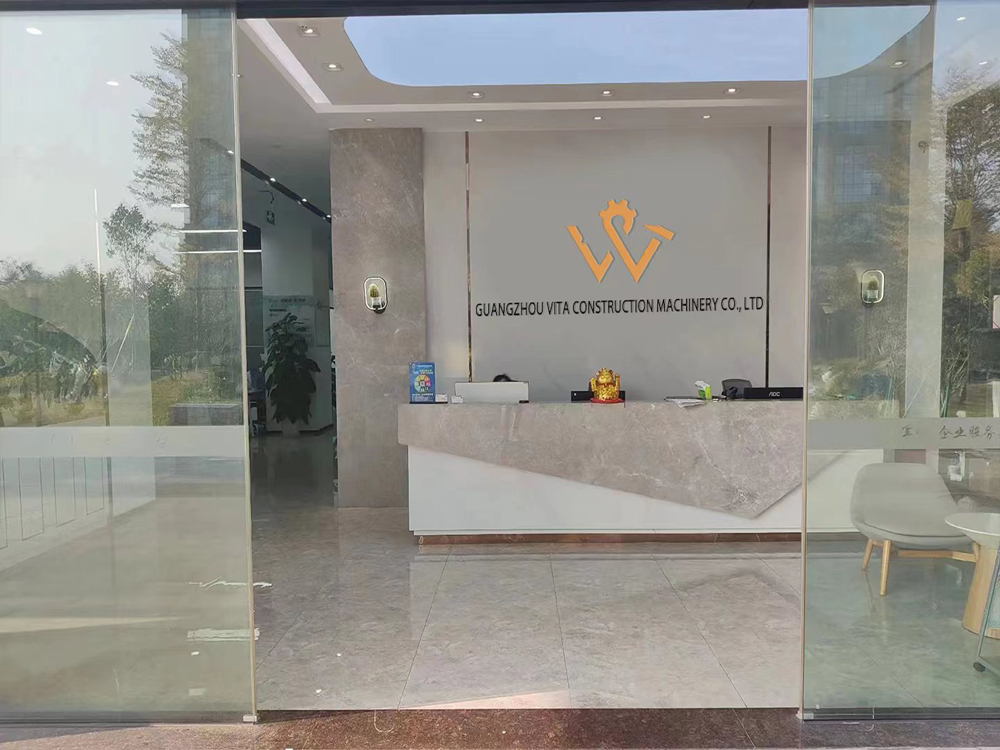
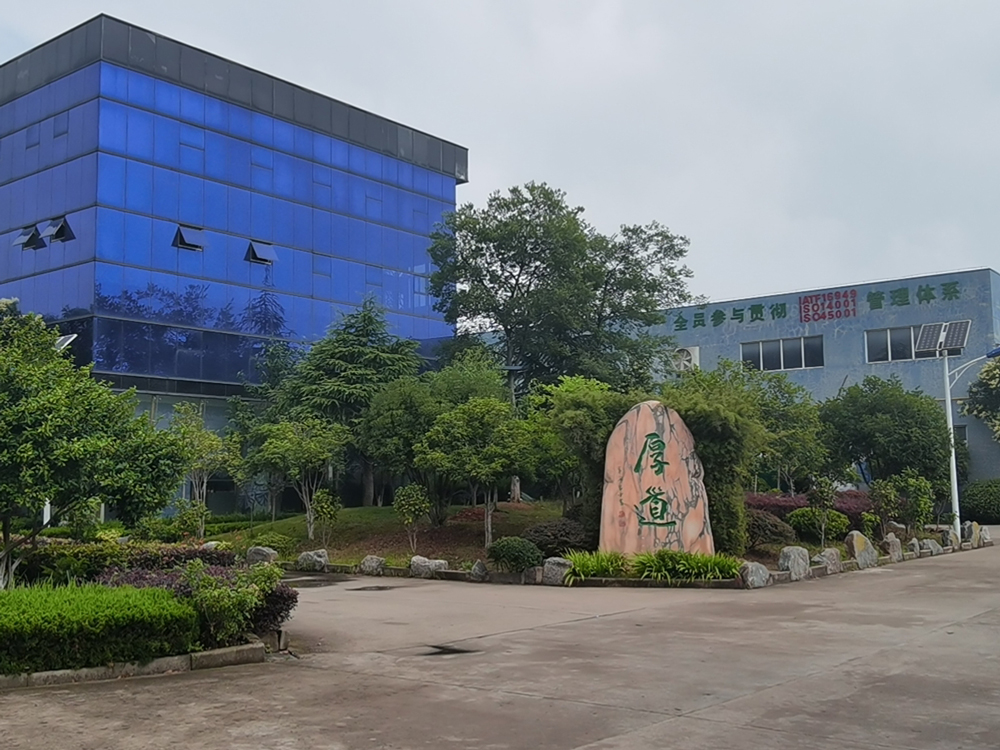
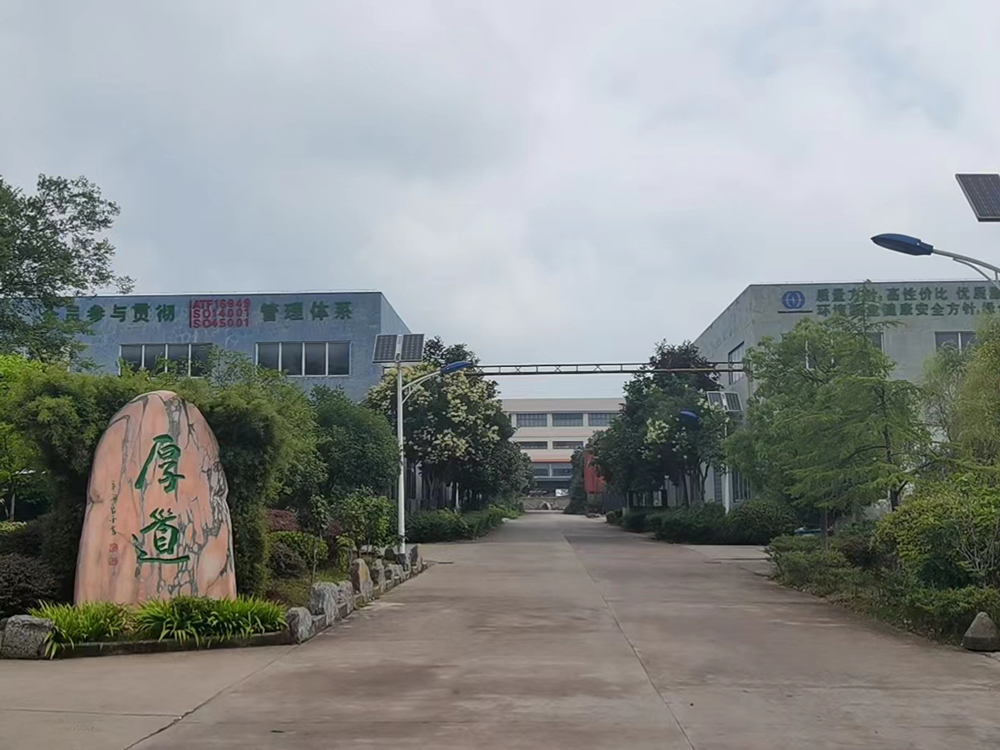
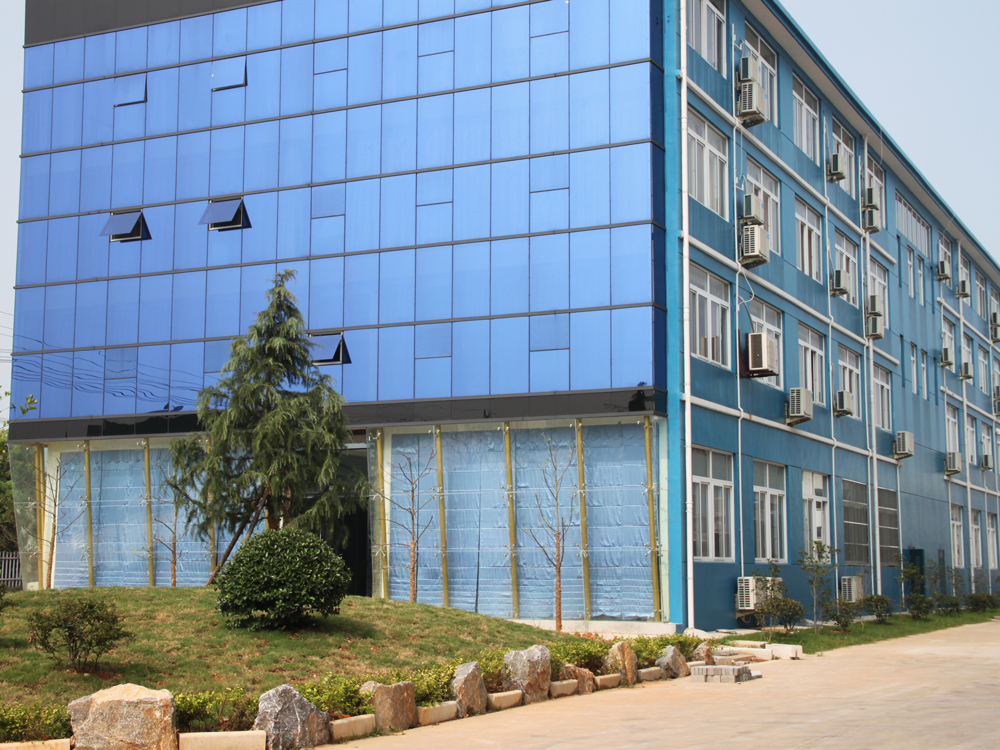
For fleet procurement managers, component sourcing involves calculating the Total Cost of Ownership (TCO). The initial price of a bearing represents less than 5% of the potential costs associated with operational failure. When choosing a manufacturing partner for big end bearings, technical buyers should focus on three main parameters: metallurgical consistency, custom engineering capabilities, and after-sales support.
At Guangzhou Vita, we offer custom manufacturing options that allow engineering buyers to specify custom oil-groove profiles, overlay thicknesses, and clearances. This level of customization ensures optimal performance and compatibility with your engines. Additionally, our dedicated engineering support team is available to help resolve technical challenges encountered during assembly and maintenance, ensuring your operations run smoothly.
The heavy-machinery component market is rapidly adapting to environmental regulations and the shift towards digitalization. Two key trends are shaping the future of engine bearings:
Insights from our engineering department on maintenance, specifications, and replacement
Genuine quality seals, electrical relays, and hydraulic components
 Vita Construction