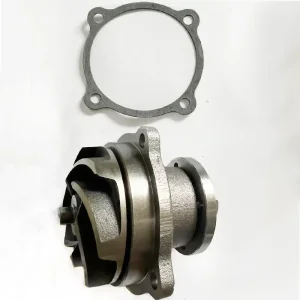
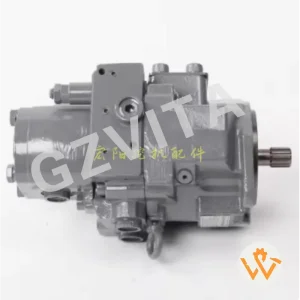
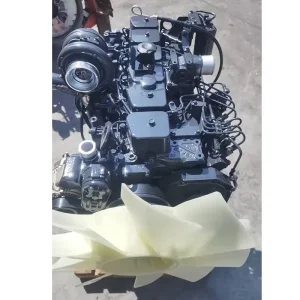
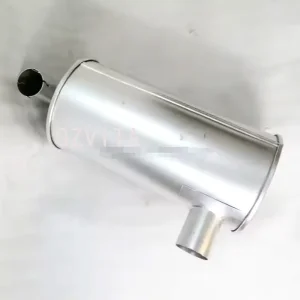
Explore our premium grade selection of hydraulic pumps, water pumps, engine components, and OEM replacement parts built to withstand the most demanding operational environments.
In the heavy industrial machinery sector, the 4-cylinder engine block serves as the structural foundation of off-highway powertrain engineering. As prime movers for hydraulic systems, track drives, and generation packages, these cast structures endure violent cyclical thermal loads, peak firing pressures (PFP) exceeding 180-220 bar, and complex torsional vibration vectors. Achieving reliability requires extreme precision in metallurgy, sand casting execution, stress-annealing, and CNC finish machining.
This whitepaper outlines the structural parameters, metallurgical dynamics, supply chain systems, and application frameworks of modern inline-four engine blocks. These standards allow Guangzhou Vita Construction Machinery Co., Ltd. to remain a leading supplier in global industrial engine manufacturing.
The primary load path of a 4-cylinder reciprocating internal combustion engine centers around the crankcase structure. Engine blocks designed for construction machinery must withstand continuous high-torque output under transient load variables. Traditional gray cast iron alloy (specifically class 35/40 or pearlitic gray iron GG25/GG30) remains the industry benchmark due to its excellent vibration dampening capacity, thermal conductivity, and machinability.
However, modern high-pressure common rail (HPCR) diesel configurations place higher demands on cylinder decks. Under these pressures, micro-cracking can occur at the cylinder bridges. To prevent this structural failure, we utilize Compacted Graphite Iron (CGI) in high-stress applications. CGI provides double the tensile strength and a 40% increase in elastic modulus compared to standard gray cast iron, allowing for thinner cylinder walls and reduced overall engine weight without sacrificing structural integrity.
| Metallurgical Property | Standard Gray Cast Iron (GG25) | Compacted Graphite Iron (CGI) | Engineered Cylinder Blocks (Vita Spec) |
|---|---|---|---|
| Tensile Strength (MPa) | 250 - 300 | 350 - 500 | 380 - 450 (Optimized) |
| Elastic Modulus (GPa) | 100 - 120 | 140 - 160 | 145 - 155 |
| Thermal Conductivity (W/m·K) | 46 - 48 | 35 - 38 | 40 - 42 (Balanced) |
| Brinell Hardness (HBW) | 170 - 230 | 210 - 260 | 190 - 240 |
A cylinder block is defined by the quality of its finish-machined surfaces. Bore roundness, deck flatness, and main bearing line-boring alignment dictate the mechanical efficiency and oil-consumption profile of the assembled engine. At the Hubei manufacturing facility of Guangzhou Vita Construction Machinery Co., Ltd., we utilize Multi-axis Horizontal Machining Centers (HMCs) to finish block castings in a single setup, minimizing error stacking.
Our engineering superiority, vertical integration, and technical support help minimize equipment downtime worldwide.
Every engine block undergoes coordinate measuring machine (CMM) dimensional verification, ultrasonic wall thickness scanning, and hydrostatic pressure testing at 6 bar to identify micro-porosity before shipping.
Beyond producing structural castings, we provide engine assembly line consulting, failure analysis, and troubleshooting of accessory layouts, including hydraulic main pump configurations.
We deploy experienced technical field service teams globally, helping customers manage fleet overhauls, engine block swaps, and commissioning procedures directly at their facilities.
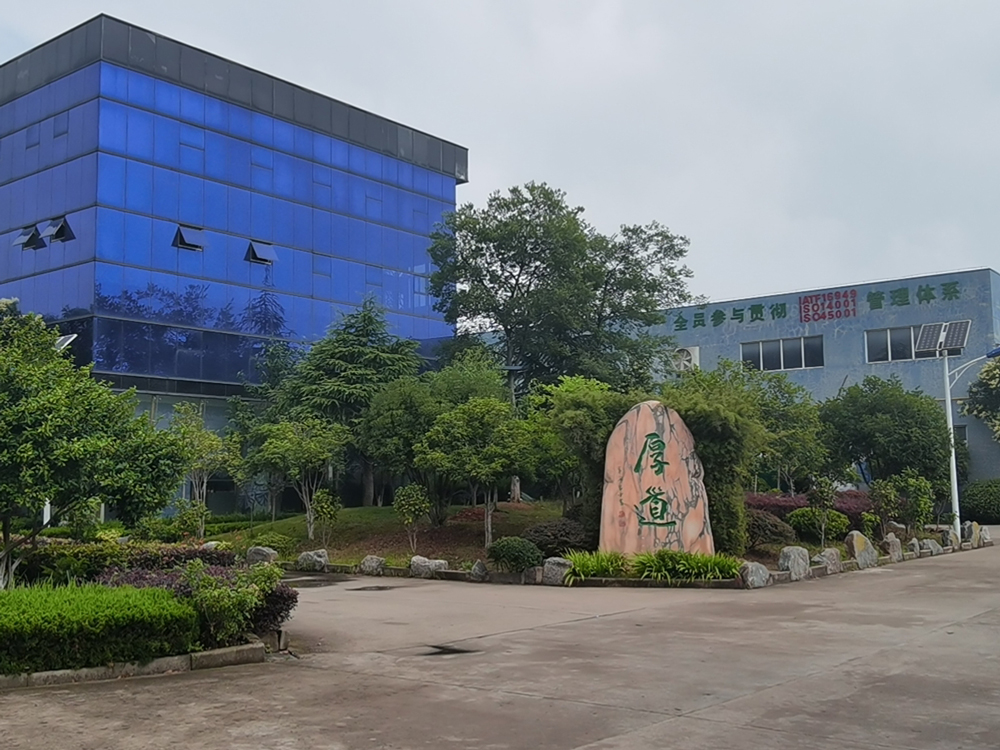
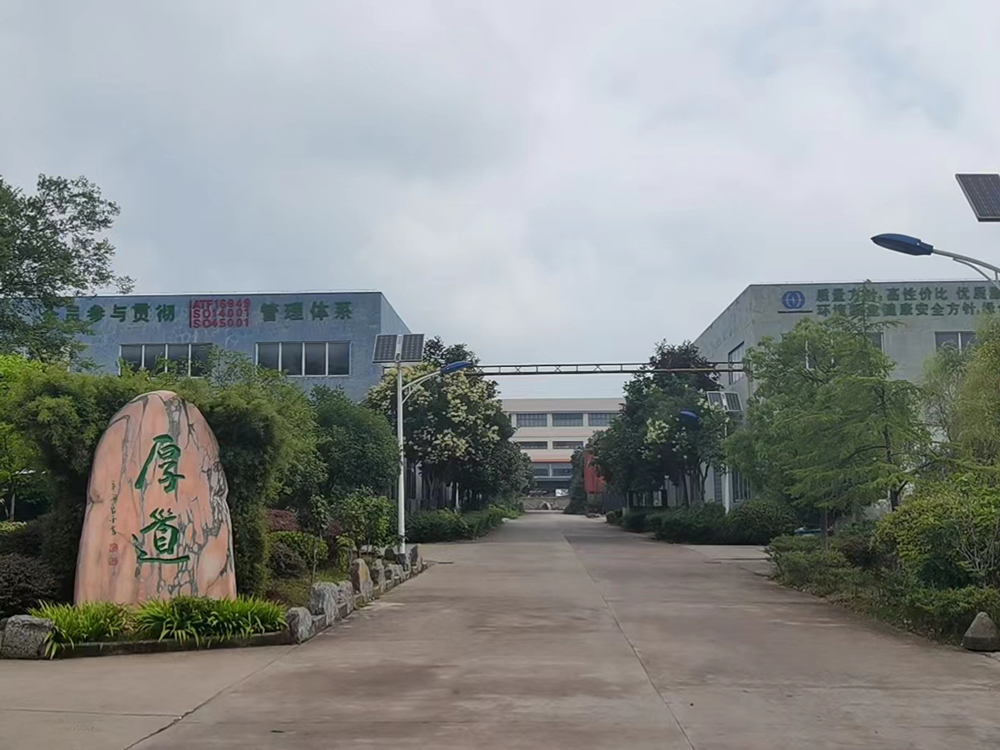
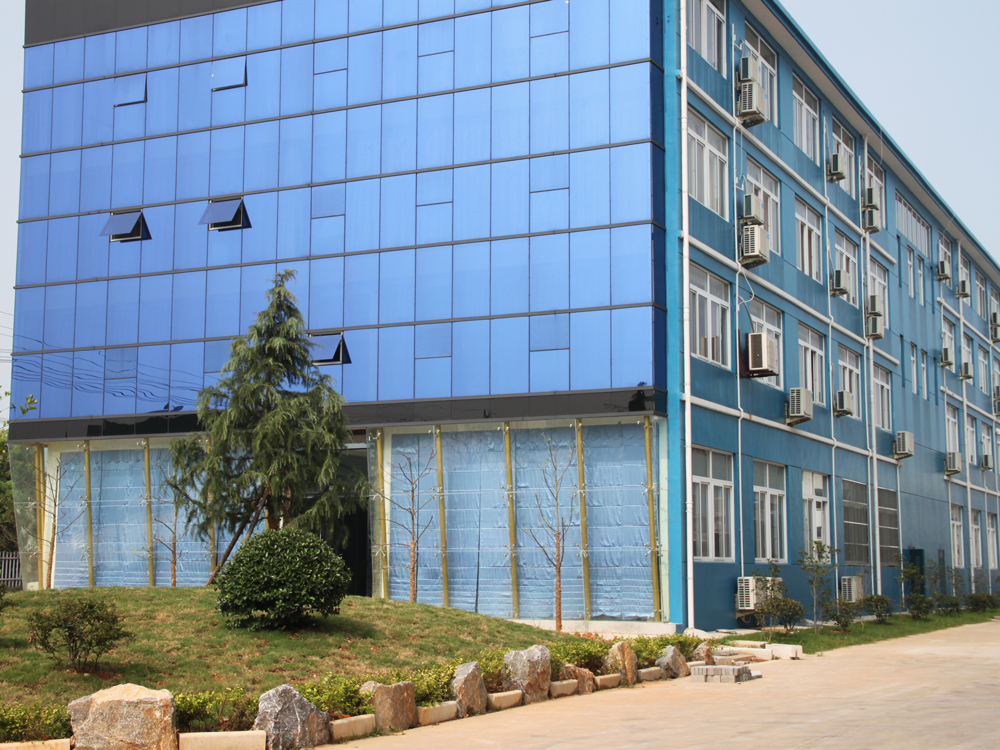
The manufacturing cluster of Guangzhou Vita Construction Machinery Co., Ltd. is located in Xiangyang City, Hubei Province. This strategic location places our factory within China's primary automotive and heavy-duty industrial corridor, ensuring access to raw materials, metallurgical expertise, and logistics channels.
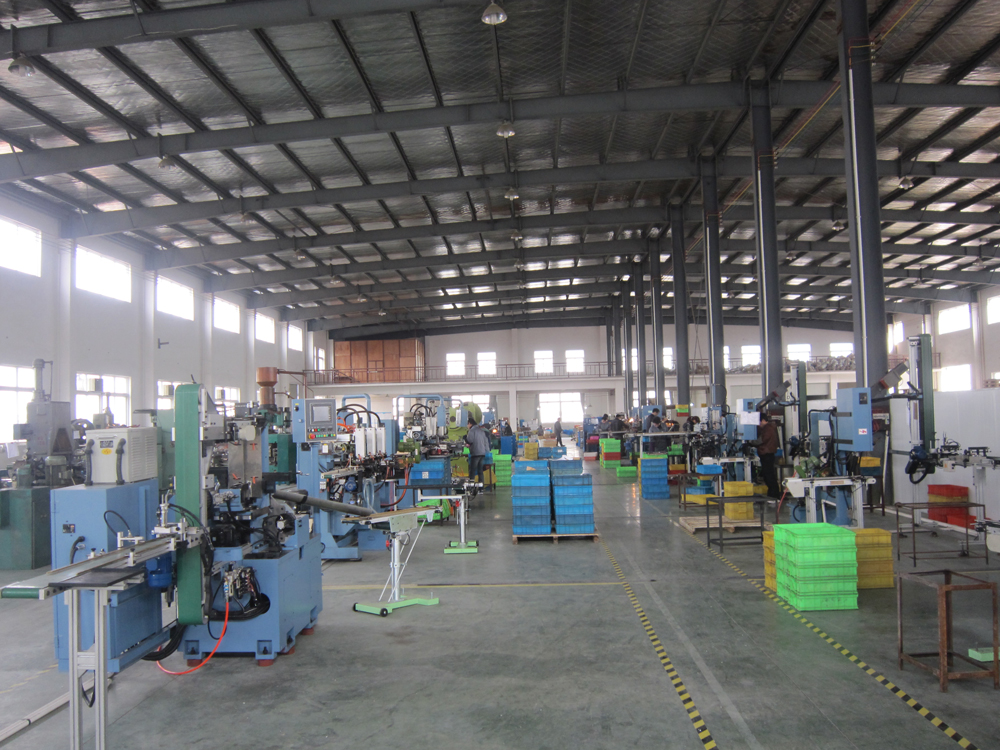
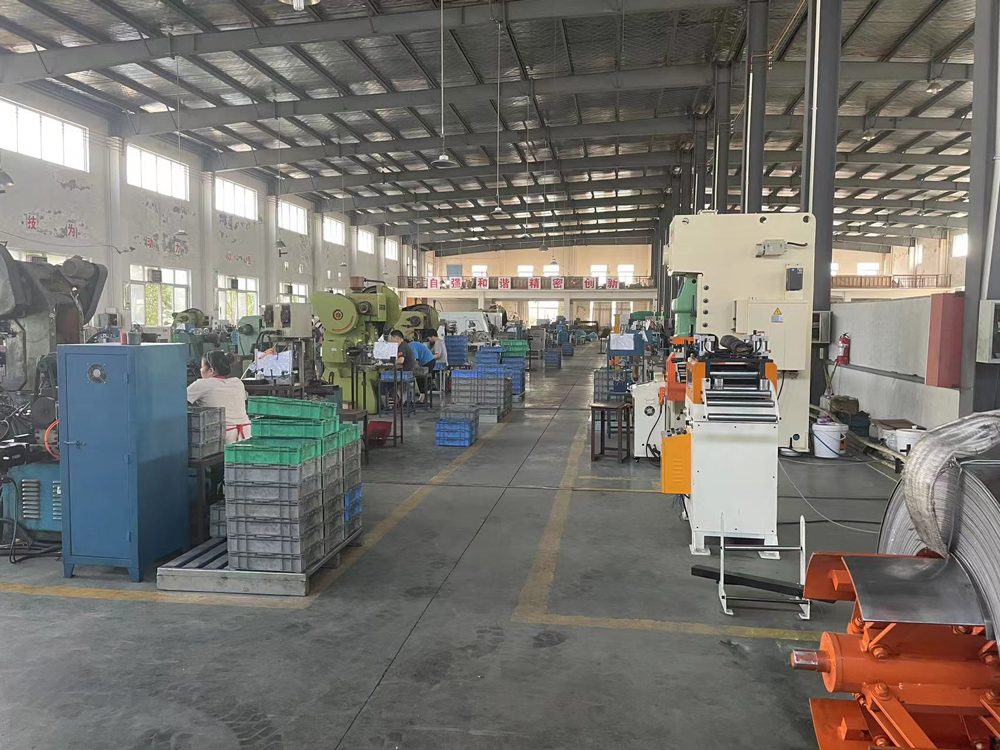
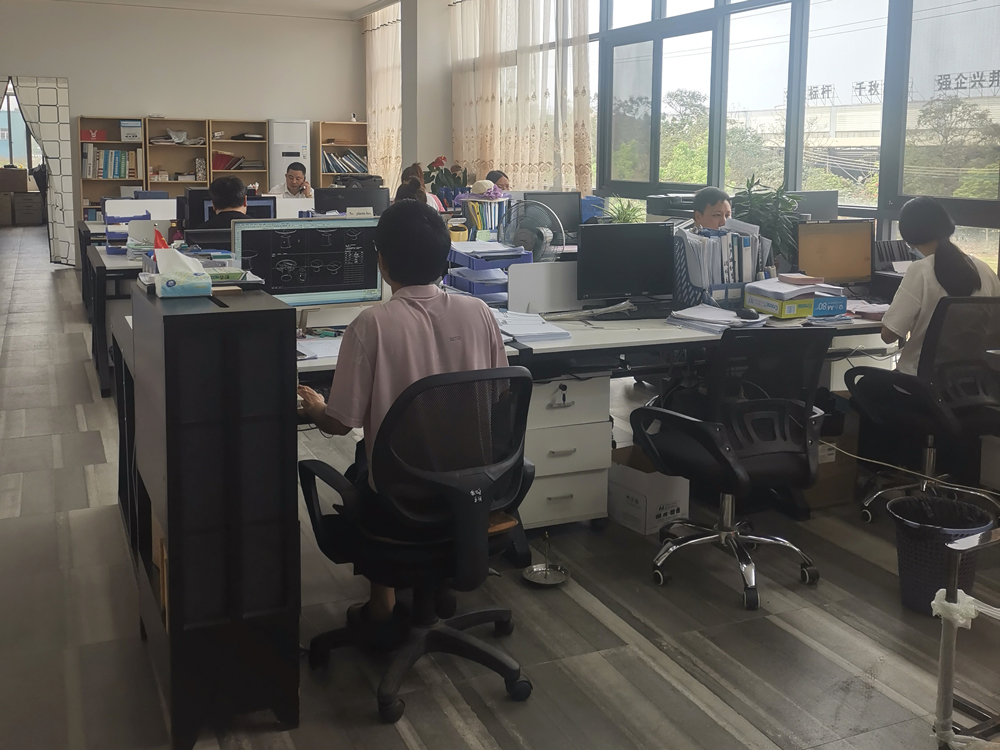
Our Xiangyang facility features an 18,000 square meter workshop equipped with automated sand casting reclamation lines, electric induction melting furnaces, and horizontal machining systems. Supported by 278 skilled workers and 8 senior engineers, the plant maintains a production output that balances speed with quality.
China's industrial supply chain offers unmatched structural resilience. By sourcing high-grade metallurgical pig iron, managing nodularizing agents domestically, and partnering with nearby precision tooling suppliers, we maintain steady production schedules even during global material supply fluctuations. Our streamlined production methods allow us to reduce turnaround times for custom-cast orders by up to 35% compared to Western European foundries.
Engine blocks operate in various environmental extremes. Our engineering division modifies standard block patterns to meet localized operational challenges:
Engines operating in coastal regions face salt-spray corrosion and high humidity, which can degrade block interfaces. We address this by applying high-phosphorus surface coatings to water channels and using corrosion-resistant cylinder head interface treatments to prevent galvanic corrosion.
In low-temperature mining zones (down to -45°C), standard iron castings can become brittle and susceptible to fracture. We modify the chemistry of our gray iron and CGI alloys by adding nickel and copper, maintaining impact strength and preventing cracking during cold starts.
For operations in elevated territories, such as high-altitude mining sites, thermal dissipation is reduced due to thin air. We optimize the water jacket cores of our engine blocks, increasing the surface area of internal cooling passages to enhance heat transfer away from the combustion chambers.
As the internal combustion engine evolves to meet stricter global carbon reduction targets, the role of the 4-cylinder engine block is shifting. Our research and development focuses on three primary areas:
First, we are preparing for the transition to alternative fuels. Ammonia and hydrogen combustion configurations introduce higher thermal stresses and specific corrosion issues. Our metallurgical teams are testing nickel-alloyed gray iron variants designed to withstand the chemical challenges of hydrogen combustion.
Second, we are optimizing block designs using structural analysis software. By placing material only along key stress paths, we can reduce overall block mass by 12% while maintaining structural integrity. Lastly, we are refining cylinder bore surface finishes with laser-honed textures that retain oil film more effectively, reducing mechanical friction and fuel consumption.
We ensure compliance with international quality standards, including ISO 9001:2015 and IATF 16949 certification for automotive-grade casting processes. Our replacement components are engineered to meet or exceed the performance profiles of original equipment manufacturers (OEMs), ensuring compatibility with machines from major global brands:
Technical answers to common questions about our 4-cylinder engine blocks, castings, and supply capabilities.
We manufacture our engine blocks using HT250 / HT300 (equivalent to GG25/GG30) pearlitic gray cast iron or Compacted Graphite Iron (CGI) based on the application's stress profile. Chemical compositions are checked using spectrometer testing before pouring to ensure correct levels of carbon, silicon, manganese, sulfur, and phosphorus.
Every batch of castings undergoes thermal analysis to monitor solidification, followed by ultrasonic non-destructive testing (NDT) to check for internal shrink cavities or gas porosity. Finally, finished castings are subjected to hydrostatic pressure testing at 6 bar using heated fluid to confirm structural sealing.
Yes. Our engineering division works with custom formats (solid models, CAD, or physical patterns). Our team creates foundry molds, simulates fluid flow to optimize casting quality, and programs CNC systems to achieve the requested finish specifications.
Standard catalog blocks are typically in stock and can be prepared for shipment within 7-10 days. Custom configurations or large production runs generally take between 45 and 60 days, covering pattern development, casting, stress-relief annealing, precision machining, and shipping preparation.
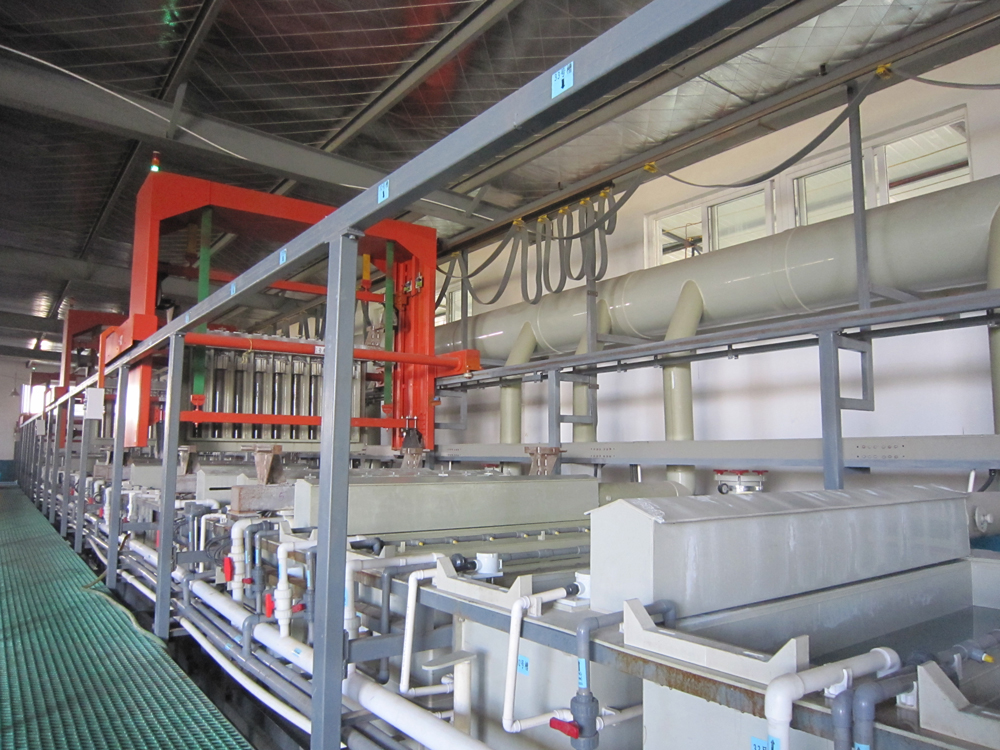
Take a virtual look inside our factory floors in Xiangyang City, featuring modern production systems and quality control areas.
Explore our secondary lineup of replacement components, including final drives, pistons, cylinder heads, and valve gears designed for international heavy equipment fleets.
 Vita Construction