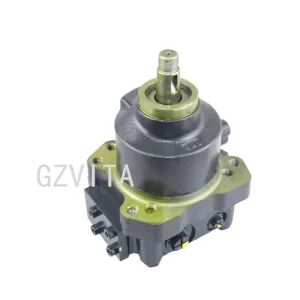
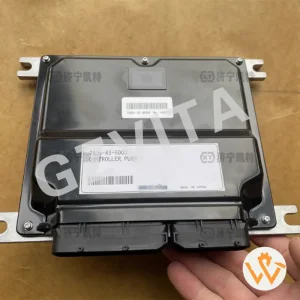
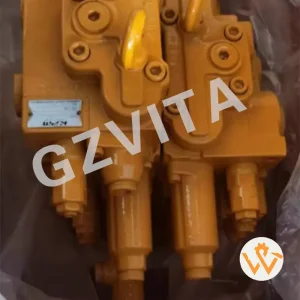
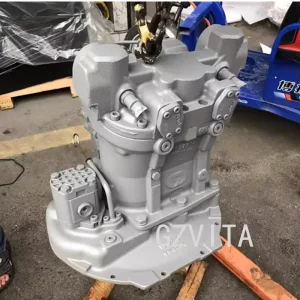
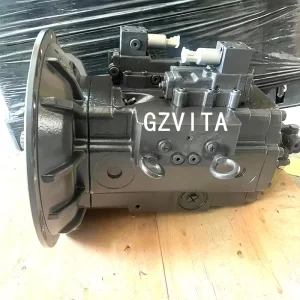
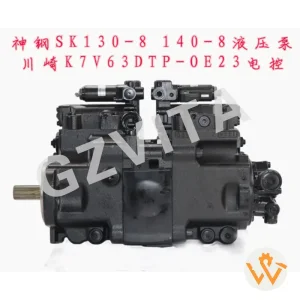
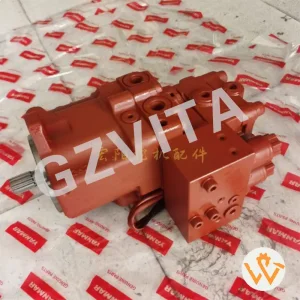
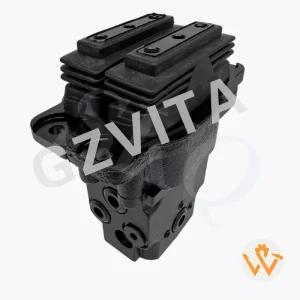
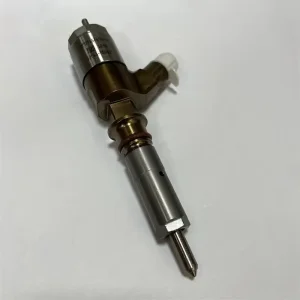
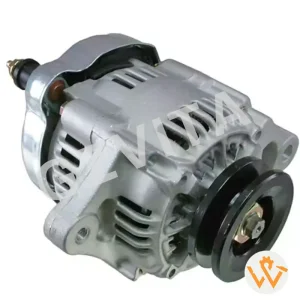
Premium replacement systems and auxiliary engine components manufactured to precise OE tolerances.
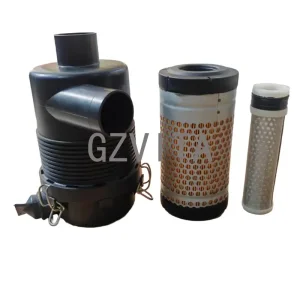
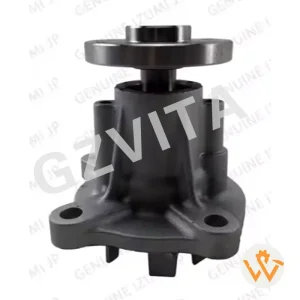
Analyzing the metallurgy, market share, and structural dominance of cast iron alloys in heavy-duty powertrain design.
Grey Cast Iron (specifically class HT250 and HT300) remains the gold standard for heavy industrial engine blocks due to its unparalleled vibration damping, high thermal conductivity, and ease of machining. However, modern high-pressure common-rail diesel platforms increasingly adopt Compacted Graphite Iron (CGI). CGI offers double the tensile strength, allowing design engineers to reduce wall thicknesses and trim block weight by up to 22% without sacrificing block stiffness.
The global infrastructure demands robust casting sources capable of managing microstructural consistency. Cast iron blocks serve as the structural backbone of high-horsepower engines. Leading foundries must meet stringent standards like ISO 945 for graphite classification. Suppliers are heavily concentrated in specialized industrial clusters, with East Asia driving technological developments in cupola melting, green sand molding, and rapid-cooling horizontal casting lines.
Unlike automotive blocks which have shifted to aluminum, earthmoving machinery (loaders, crawler excavators, track-type tractors) demands high fatigue resistance. Thermal fatigue in the cylinder bridge area is a primary failure vector. Engineered grey iron castings manage cyclic thermal expansion far better than lighter alloys, maintaining geometric integrity at peak cylinder pressures exceeding 200 bar.
Where metallurgy meets the next generation of emissions and high-efficiency mechanical power.
The primary engineering challenge in producing large engine blocks is avoiding defects like shrinkage cavities, cold shuts, and pearlitic instability. To combat these, advanced foundries implement Computer-Aided Solidification Simulation (CASS) to locate hot spots prior to mold building.
Over the next decade, the transition towards Stage V and Tier 4 Final emission compliance requires engines to operate at significantly higher temperatures. Our technological roadmap focuses heavily on stabilizing the pearlite matrix through precise micro-alloying of copper, chromium, and molybdenum. This guarantees high tensile strength up to 350 MPa even in sections with varying cooling rates.
Implementation of 3D sand-printed cores for complex cooling jackets, allowing thinner, weight-optimized engine walls.
Real-time optical emission spectrometry (OES) during ladle pouring to guarantee uniform distribution of alloying agents.
Increasing recycled cast-iron scrape charge up to 85% without sacrificing critical mechanical properties or block life expectancy.
How high-integrity cast iron blocks resolve the critical downtime risks of heavy excavators and crawlers.
By engineering optimized main bearing webs and bulkheads within the cast structure, our engine block castings distribute localized combustion forces evenly across the crankcase, reducing crankshaft misalignment.
Strategic integration of cooling galleries ensures rapid heat transfer away from combustion chambers. This prevents bore distortion and guarantees proper piston-ring sealing throughout the engine's service life.
High graphite content dampens structural engine vibrations and reduces high-frequency combustion noise, aiding OEMs in meeting strict machine cabin decibel limits.
Combining metallurgical foundry capabilities with advanced international logistics to supply premier heavy equipment components worldwide.
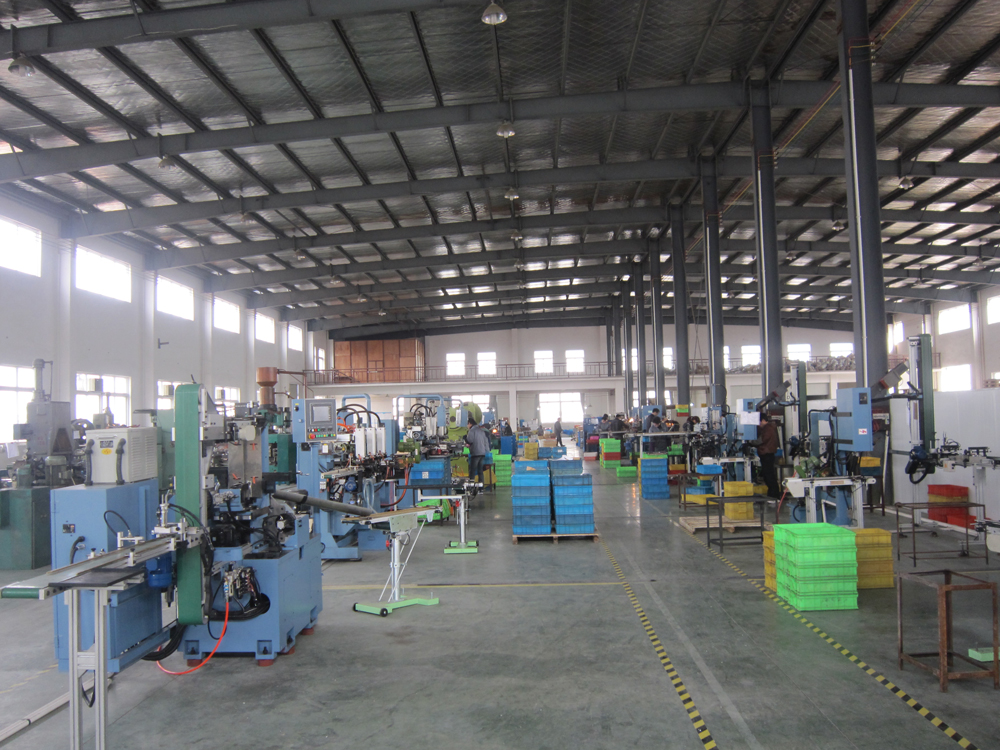
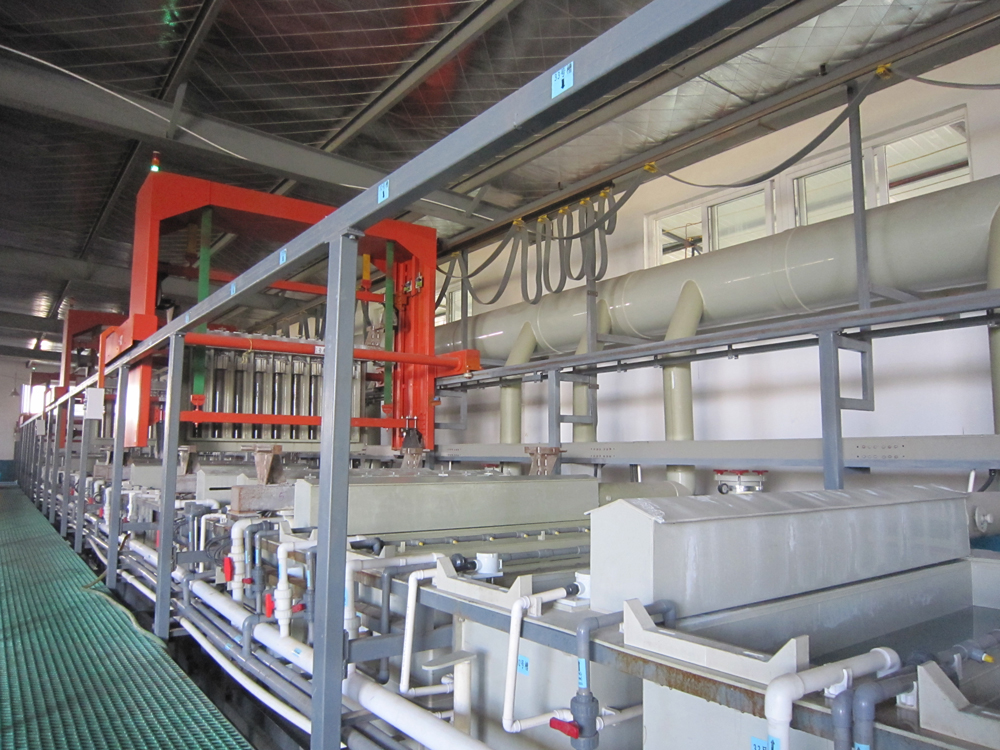
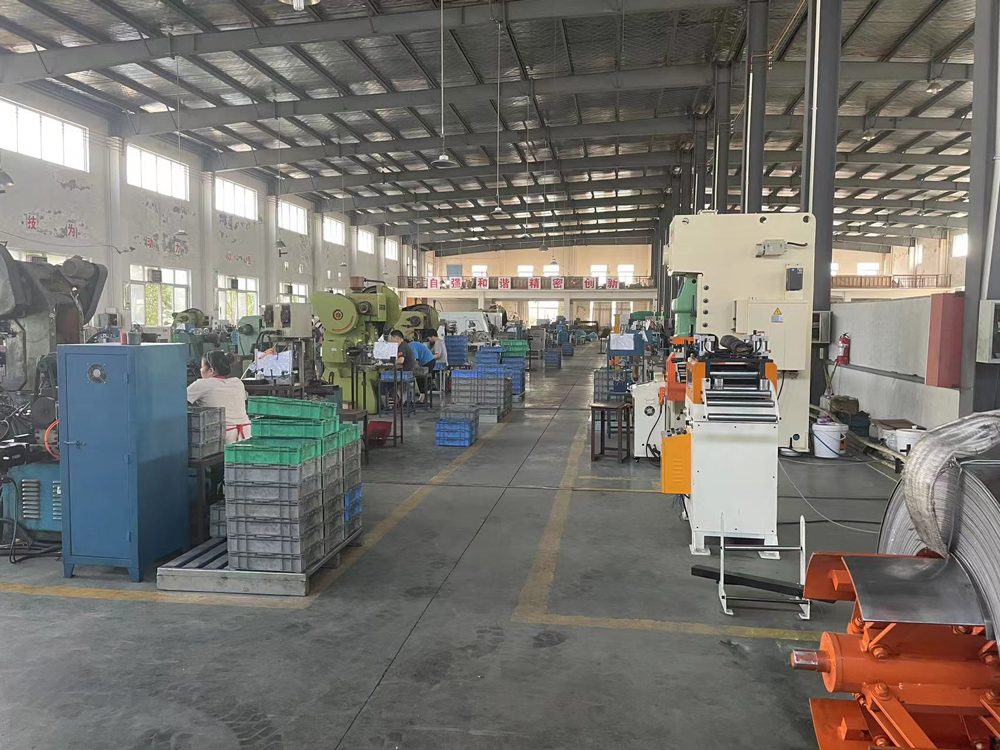
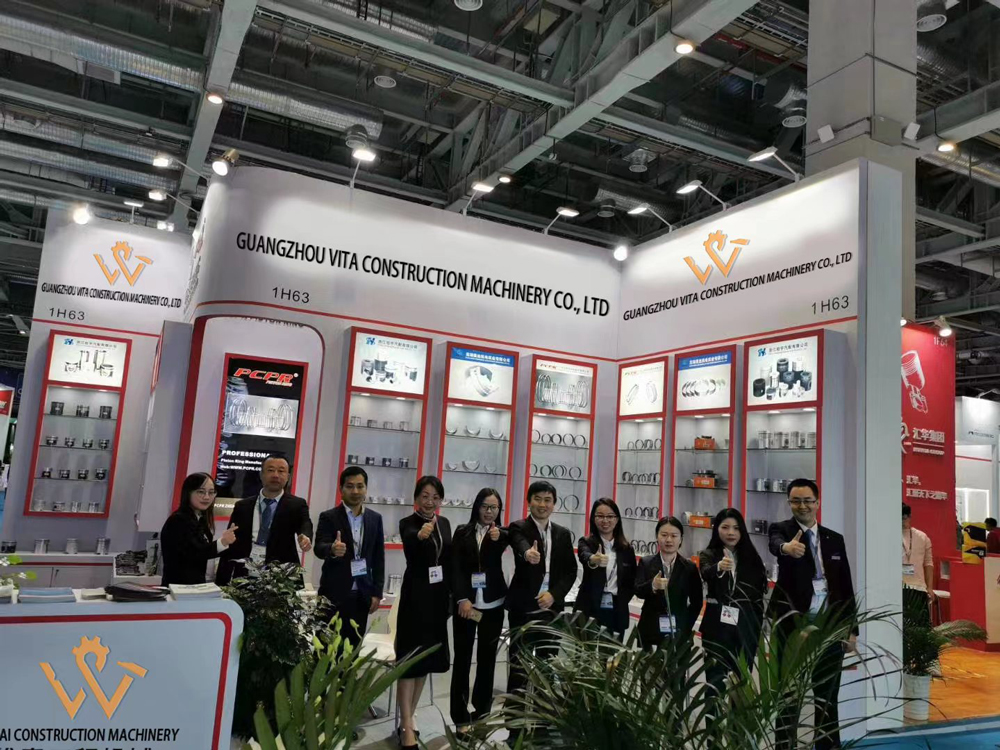
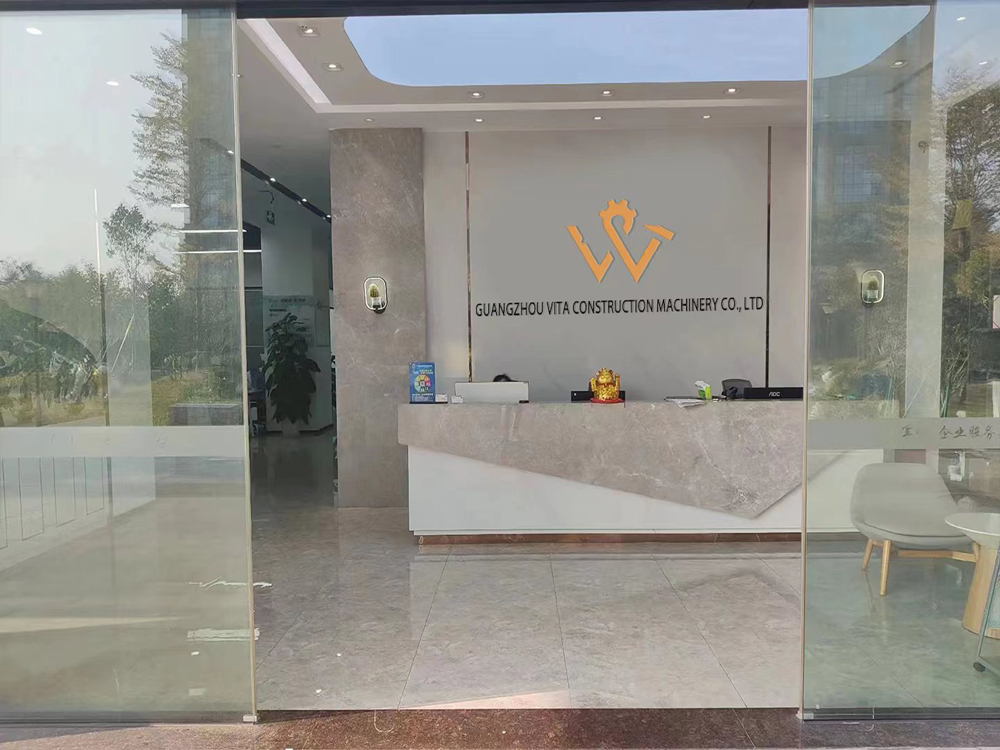
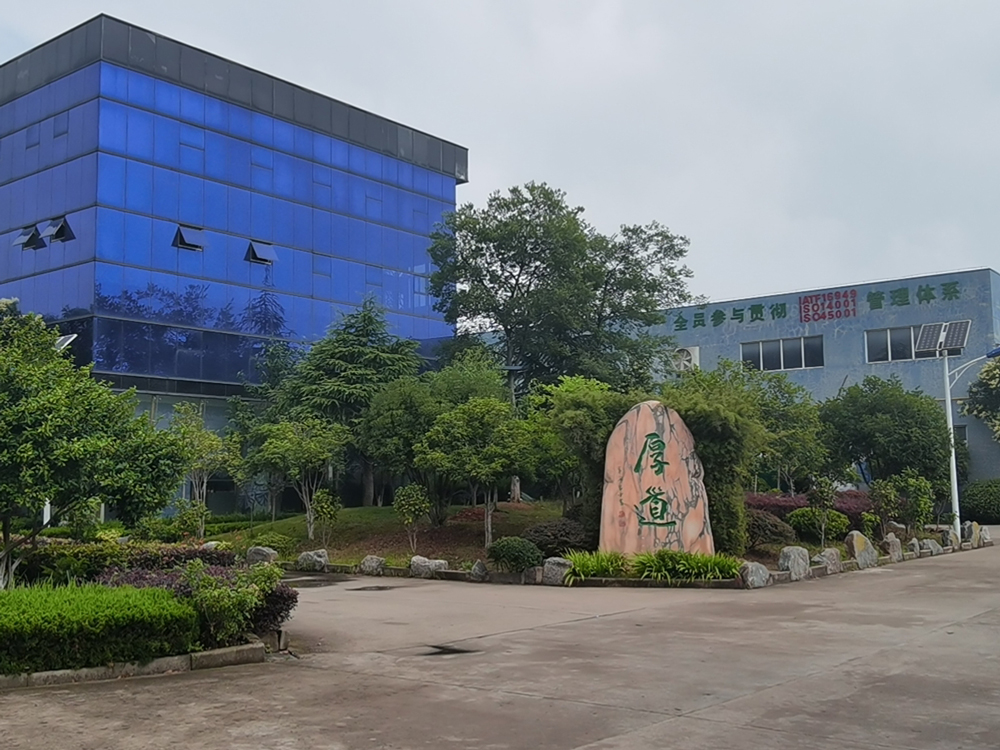
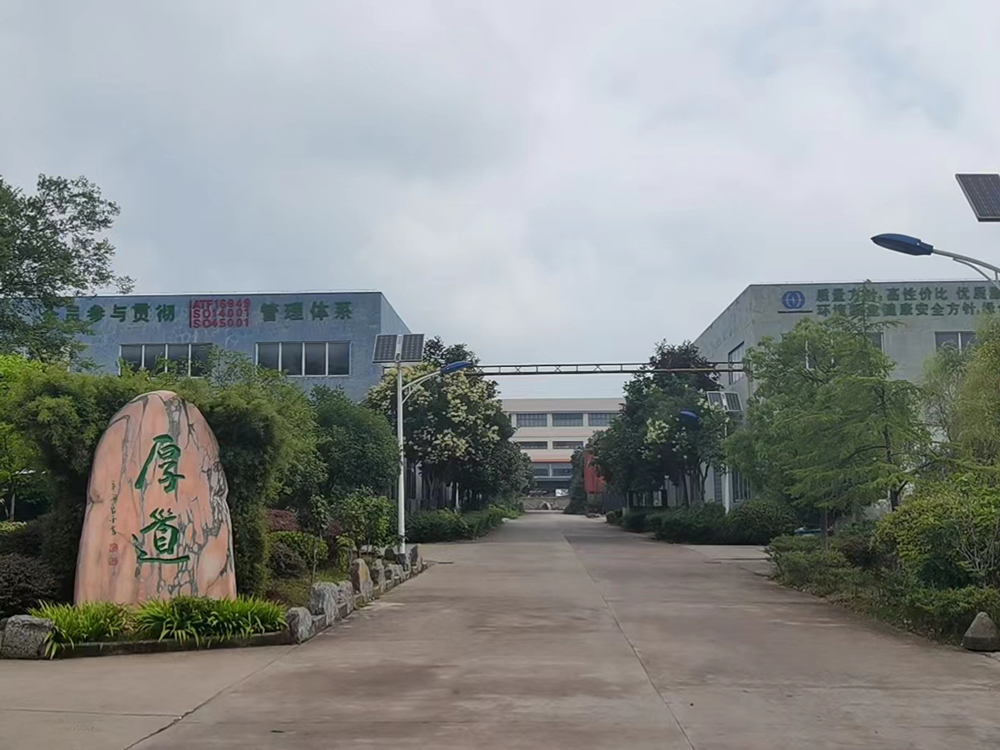
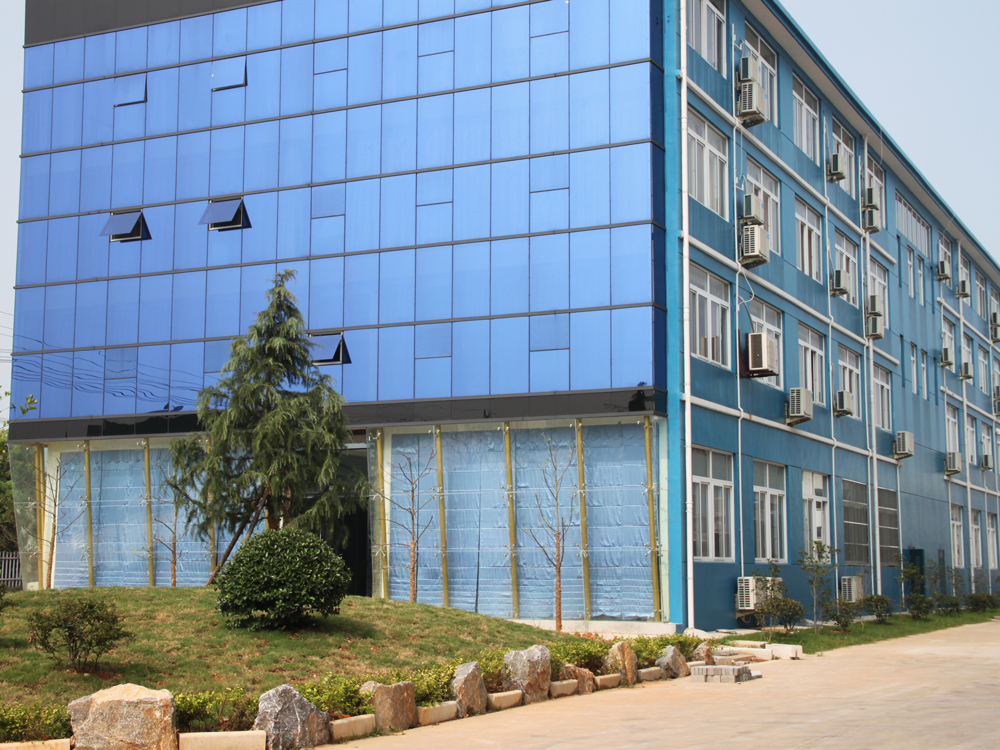
Guangzhou Vita Construction Machinery Co., Ltd. stands as an industry leader that seamlessly integrates advanced casting manufacturing with specialized foreign trade. Located in Xiangyang City, Hubei Province, our state-of-the-art foundry workshop spans over 18,000 square meters. Equipped with advanced horizontal molding lines, continuous induction furnaces, and high-precision CNC machining centers, we support global critical infrastructure networks.
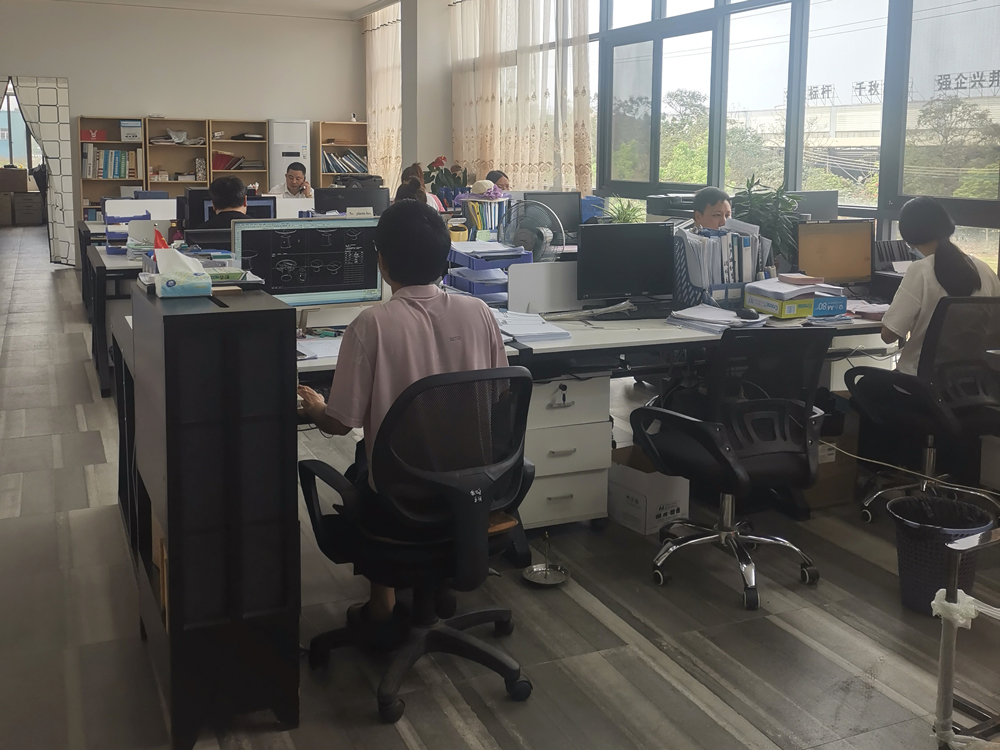
With a dedicated workforce of 278 well-trained and skilled technical personnel and an engineering team of 8 experienced metallurgical and mechanical engineers, we ensure strict quality compliance, zero-defect production runs, and rapid global supply cycles.
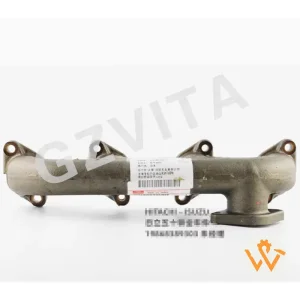
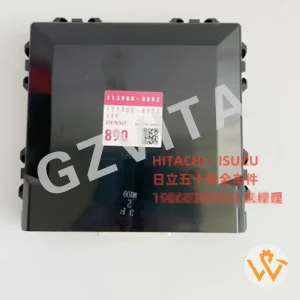
Our specialization encompasses the entire engineering lifecycle: developing, casting, machining, and distributing premium spare parts for construction machinery. From comprehensive diesel engine blocks and engine assemblies to hydraulic piston pumps, final drives, electric generators, heavy duty crankshafts, engine valves, gear pumps, cylinder liners, filters, buckets, and undercarriage components—our parts are fully compatible replacements for leading manufacturers including Komatsu, Volvo, Sumitomo, Caterpillar, Kubota, Hitachi, John Deere, Kobelco, Hyundai, Kato, Sany, XCMG, and Sunward.
In the high-intensity field of commercial construction, machinery dependability directly impacts project profitability. Every engine component undergoes Coordinate Measuring Machine (CMM) dimensional checks, ultrasonic testing for internal porosities, and Brinell hardness validation, guaranteeing trouble-free machine uptime.
We do not just ship parts; we provide deep engineering support. Our dedicated engine maintenance division helps partners resolve block distortion challenges, cylinder head gasket failure patterns, and thermal dissipation optimizations on custom assembly projects.
With an on-call maintenance crew, we support global operations with expert field technical assistance. Our specialists travel directly to customer mine sites, heavy depots, or assembly plants to troubleshoot assembly interfaces and overhaul complex diesel blocks.
Engine block configurations tailored to meet extreme regional demands.
Rapid cold starts in locations like Northern Canada or Scandinavia induce massive thermal shock. Our grey iron formulas are optimized for low temperature toughness and structural resistance against thermal-stress fracturing.
Operating in the Middle East requires tight mechanical sealing to prevent abrasive dust intrusion. The rigidity of our cylinder block bores prevents ovalization, protecting cylinder liners and piston rings from early failure.
Thin atmosphere conditions require high turbocharger pressures to maintain engine output. Our CGI block castings handle elevated peak firing pressures, providing a lightweight, structural solution for alpine operations.
Expert insights addressing key design, selection, and maintenance considerations for engineers and fleet managers.
Premium replacement systems and auxiliary engine components manufactured to precise OE tolerances.

 Vita Construction