In heavy-duty internal combustion engine systems, the engine exhaust muffler is far more than a noise suppression canister. It is a highly engineered thermodynamic component tasked with balanced exhaust gas velocity, backpressure reduction, acoustic wave cancellation, and emission processing. Modern construction machinery operates under harsh, continuous thermal stress cycles, making high-durability mufflers crucial to maintaining engine mechanical health and complying with environmental regulations.
Acoustic attenuation in heavy industrial applications relies on two main muffler technologies: reactive (reflective) silencing and absorptive silencing. Reactive mufflers utilize internal chambers, baffles, and tuned resonators to bounce sound waves back to the source, cancelling out specific low-frequency engine notes. Absorptive mufflers use high-density ceramic fibers or fiberglass packing wrapped around perforated tubes to dissipate high-frequency mechanical waves. High-quality manufacturers combine these technologies into hybrid multi-stage mufflers to handle broad-frequency sound damping, lowering machinery decibels to safe operating levels without restricting gas flow.
Managing exhaust gas backpressure is the most critical constraint in muffler engineering. When exhaust flow is restricted, backpressure rises. This traps hot gases in the combustion chamber, diluting incoming fresh air charges and raising cylinder temperatures. This thermal buildup directly impairs turbocharger efficiency and increases fuel consumption. Modern factories use Computational Fluid Dynamics (CFD) modeling to configure internal pipes and baffle spacing, optimizing sound dampening while keeping backpressure below engine manufacturer limits.
Chinese manufacturers utilize high-grade materials like aluminized steel, AISI 304, and AISI 316 stainless steels. These metals provide exceptional corrosion resistance against acidic exhaust condensates and thermal oxidation under operating temperatures exceeding 700°C.
Precision is guaranteed through robotic TIG/MIG welding lines and CNC automated tube benders. Seamless welds prevent micro-leaks and withstand structural vibrations under severe quarrying and grading conditions.
Leading factories align production with international standards like ISO 9001 and IATF 16949. Rigorous quality assurance processes include hydrostatic leak testing, thermal shock validation, and acoustic chamber testing.
The industrial exhaust sector is rapidly changing, driven by strict global emissions standards (such as EPA Tier 4 Final, EU Stage V, and China Stage IV) and a growing focus on clean energy. Exhaust system manufacturers must integrate emissions aftertreatment and acoustic silencing into unified modules, transforming standard mufflers into integrated systems.
| Material Grade | Maximum Temp Limit | Corrosion Resistance | Primary Application |
|---|---|---|---|
| Aluminized Steel | 500°C - 550°C | Moderate | Light-to-medium duty stationary diesel engines |
| Stainless Steel 409 | 650°C - 700°C | Good | Standard off-highway construction machinery, agricultural excavators |
| Stainless Steel 304 | 800°C - 850°C | Excellent | Heavy-duty mining excavators, high-reliability marine generators |
| Stainless Steel 316 | 850°C - 900°C | Superior (Acid/Saline) | Offshore drilling rigs, chemical processing plants, marine vessels |
Industrial exhaust mufflers operate in diverse environmental conditions around the world. Sourcing and engineering must account for these specific local factors:
1. Extreme Cold High-Altitude Sourcing: In regions like Northern Europe, Canada, and high-altitude mining sites in South America, equipment faces sub-zero cold starts followed quickly by high exhaust temperatures. Low-grade steels will crack under this rapid thermal expansion and contraction. Factories must use high-nickel alloys and flexible expansion joints to absorb this thermal stress.
2. Marine and High-Saline Coastal Infrastructure: Marine equipment and coastal mining projects face constant salt spray and humidity. Standard steel mufflers corrode quickly in these environments. Marine engines require SUS316 stainless steel housings and specialized internal drainage ports to prevent saltwater backflow and condensation buildup.
3. Low-Noise Urban Zoning: Construction projects in cities like Tokyo, London, and New York face strict noise limits. Heavy machinery must meet low decibel requirements to operate. Double-stage, high-attenuation mufflers are required to lower sound output to urban-compliant levels without impacting engine performance.
Global supply chain managers look for suppliers that can deliver consistent quality, scale production, and meet regulatory requirements. Sourcing industrial mufflers goes beyond simple price negotiation; it requires matching a factory's technical capabilities with your project's performance specifications:
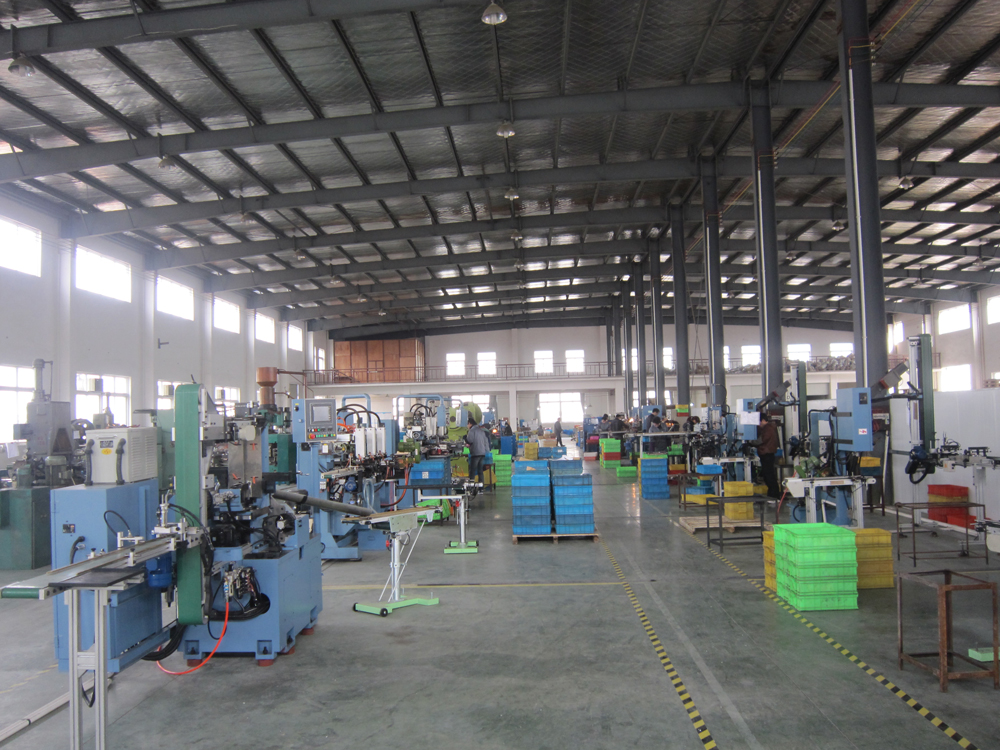
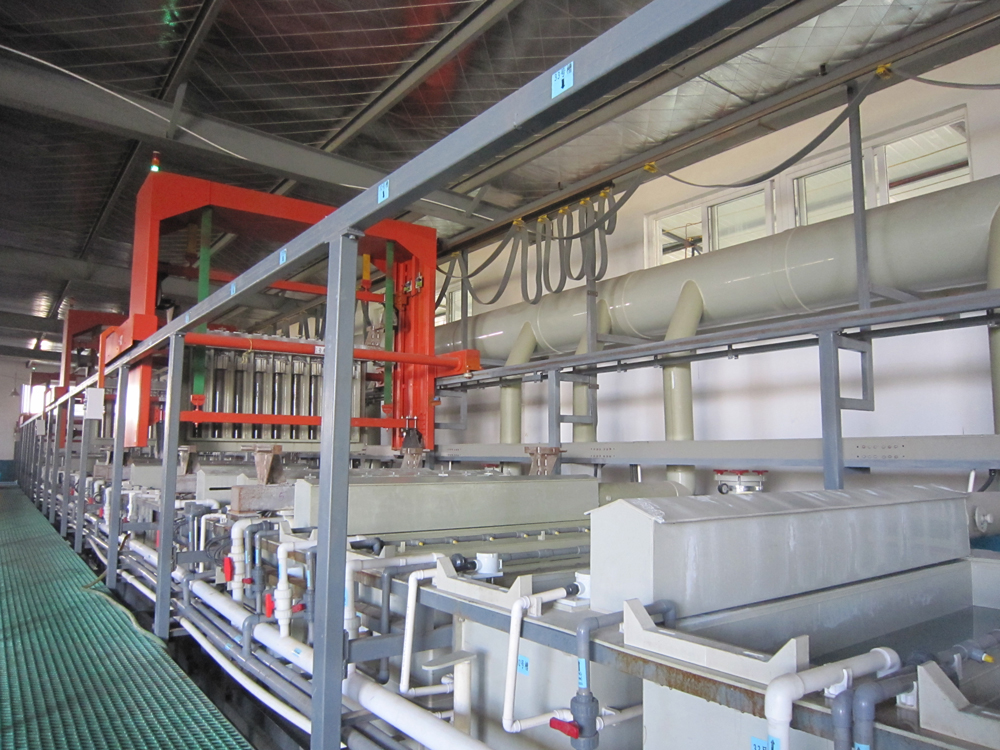
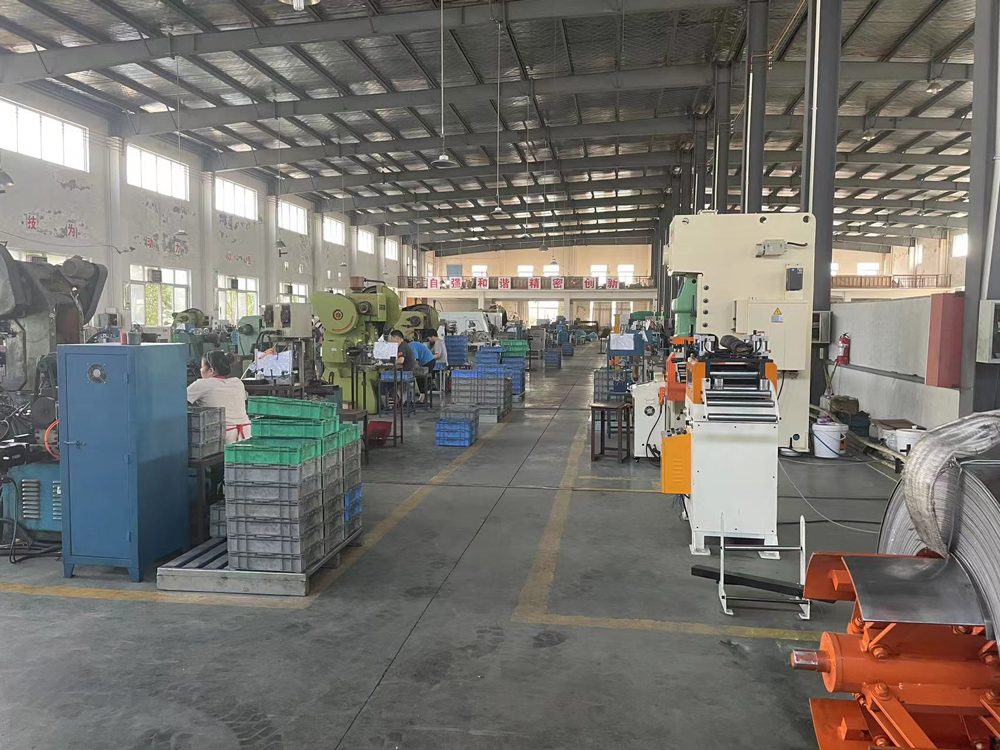
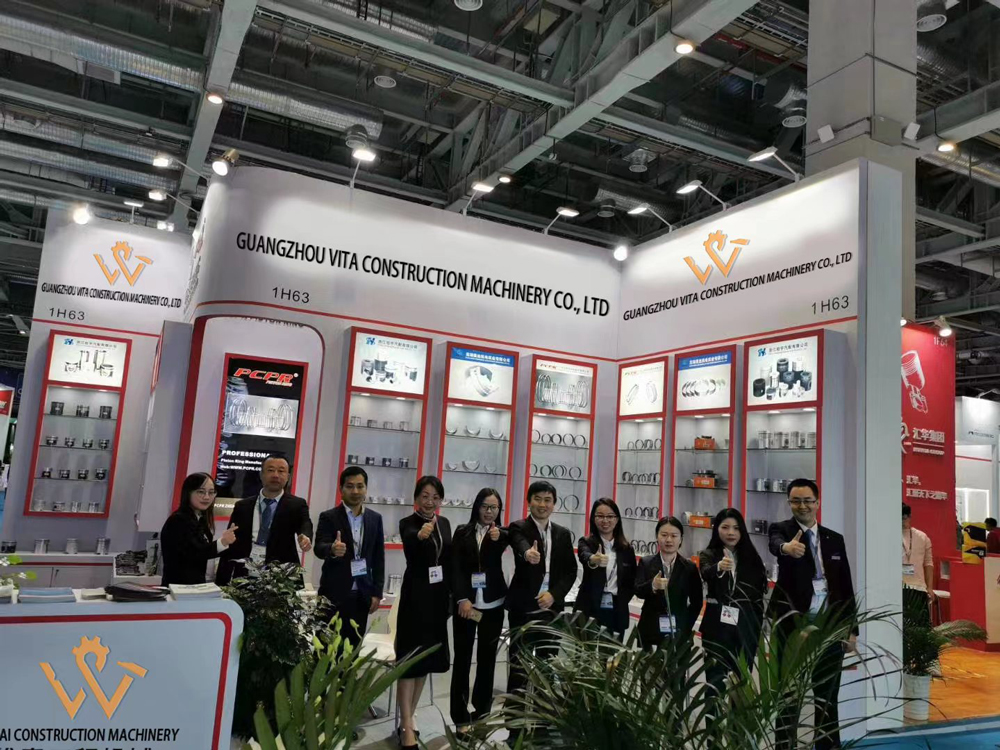
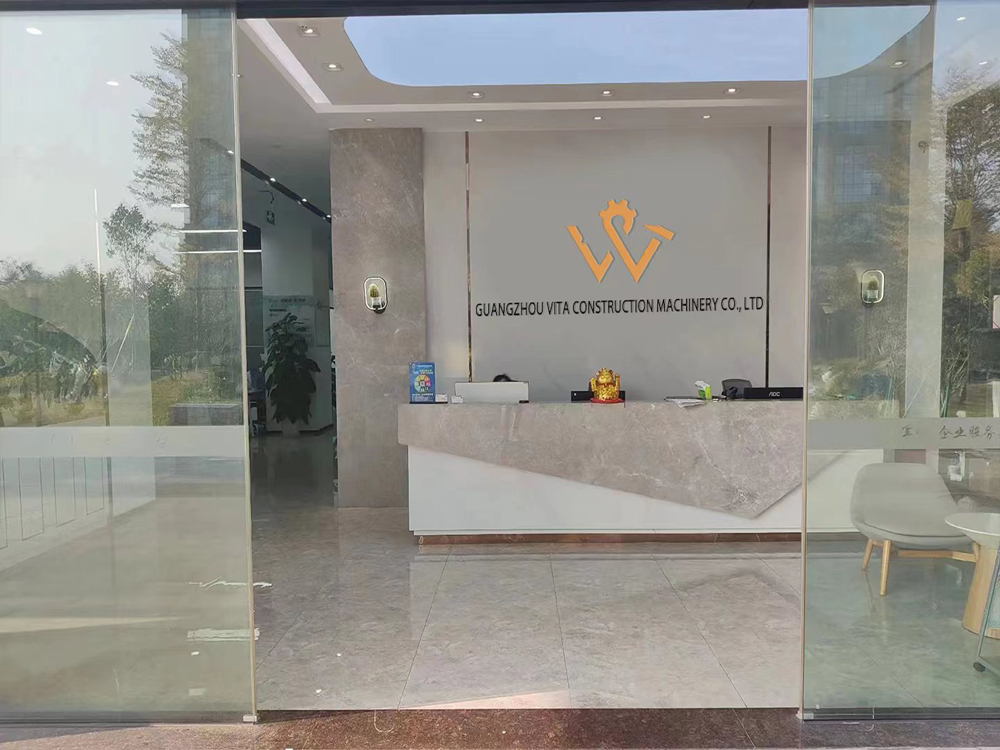
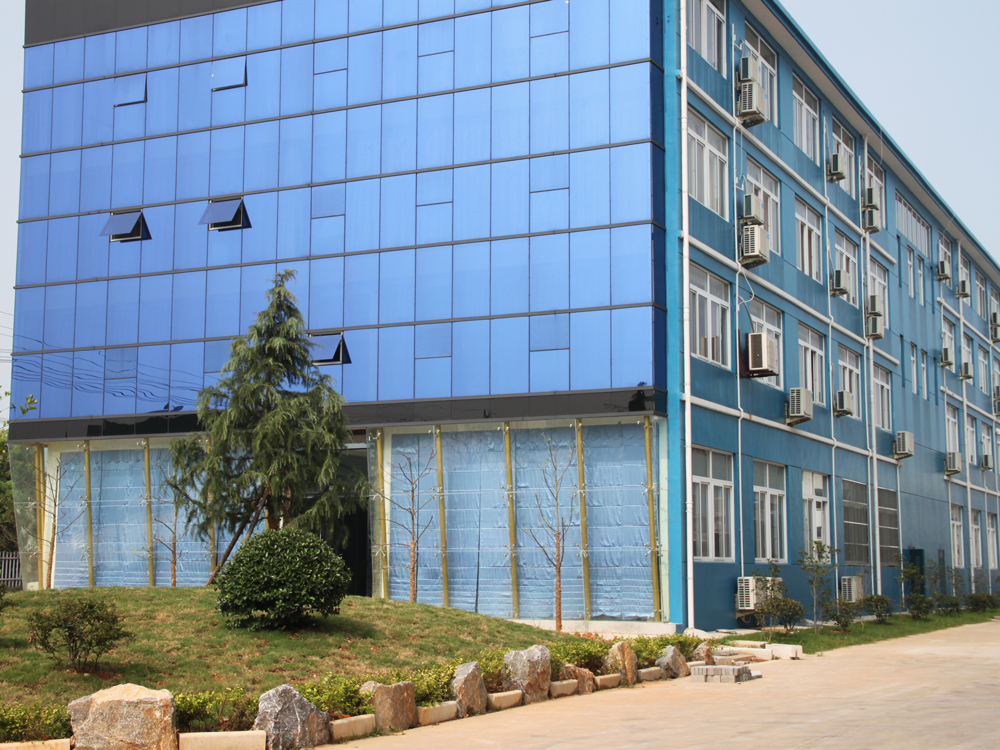
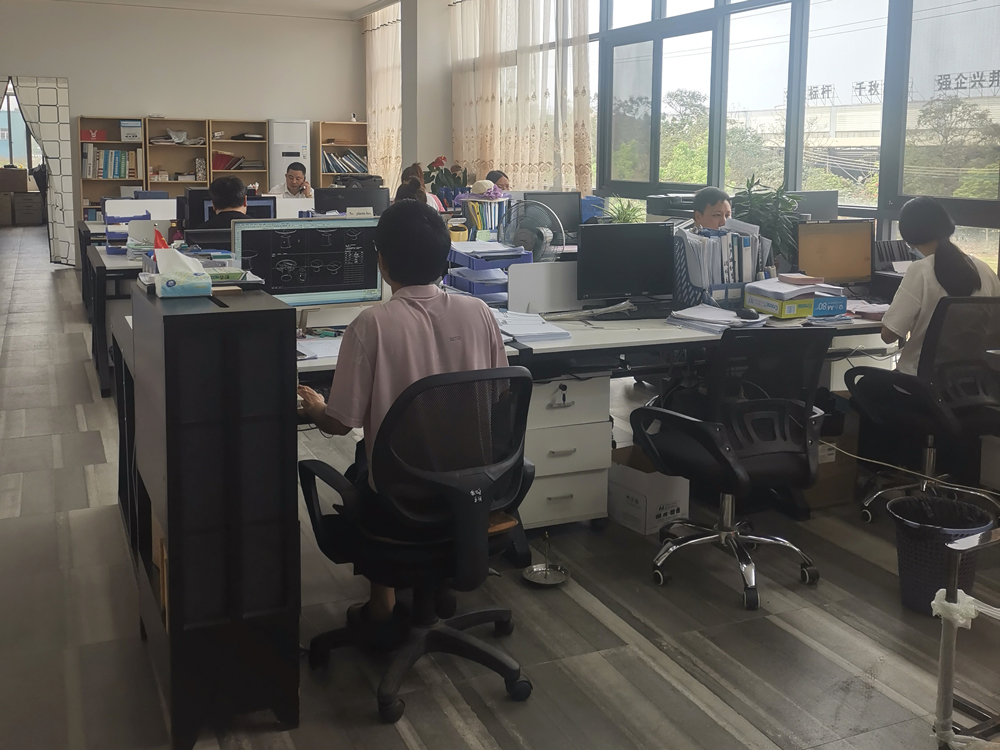
Guangzhou Vita Construction Machinery Co., Ltd. is one of the largest companies combining factory production with international trade. Our production facility is located in Xiangyang City, Hubei Province. Featuring a workshop of more than 18,000 square meters, our facility is equipped with advanced machinery and staffed by over 278 skilled workers and 8 experienced engineers. This infrastructure ensures consistent product quality and fast, reliable delivery.
We specialize in producing, developing, and selling a comprehensive range of construction machinery parts. Our core offerings include engine assemblies, hydraulic pumps, final drives, electric generating sets, engine bearings (Main Bearings & Con Rod Bearing series), crankshafts, engine valves, gear pumps, cylinders, industrial filters, excavator buckets, and undercarriage components for excavators and bulldozers.
Our replacement parts are designed for compatibility with leading machinery brands, including Komatsu, Volvo, Sumitomo, Caterpillar, Kubota, Hitachi, John Deere, Kobelco, Hyundai, Kato, Sany, XCMG, and SUNWARD.
In the fast-paced world of construction, machinery reliability can make or break a project. We provide top-notch machinery parts designed to keep your equipment running smoothly and efficiently.
We provide full engine assembly support, helping customers solve complex technical challenges during installation, operation, and ongoing maintenance.
Our professional service team can travel to international sites to assist clients with complex engine repairs, testing, and system overhauls.


 Vita Construction