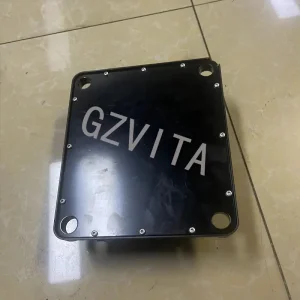
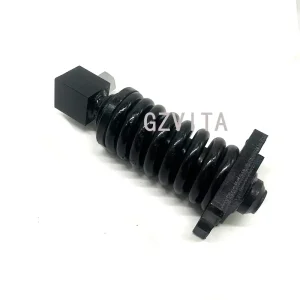
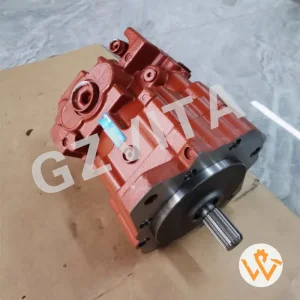
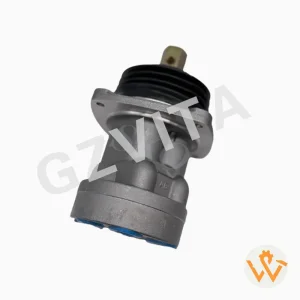
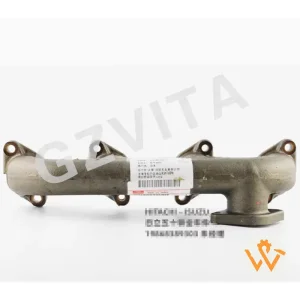
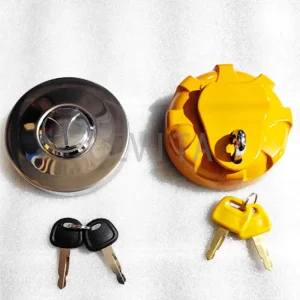
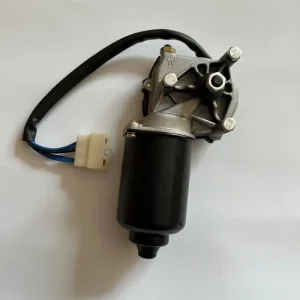
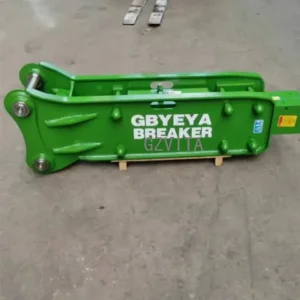
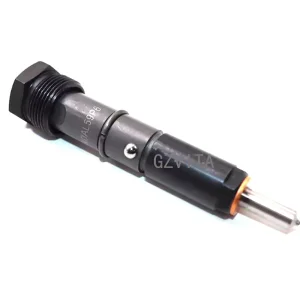
Explore our premium grade aftermarket assemblies and electronic sensors engineered to survive extreme vibrations, intense heat cycles, and high pressure fluctuations across standard excavation and industrial cooling architectures.
In modern HVAC and mechanical climate control engineering, the High Pressure Sensor AC serves as the primary diagnostic feedback loop safeguarding the refrigeration cycle. Unlike low-pressure switches that act as simple binary circuit breaks, advanced high-pressure sensors are continuous output transducers. These components actively measure the dynamic state of refrigerants (primarily R-134a, R-1234yf, and carbon dioxide R-744 systems) under intense thermal conditions.
The internal architecture typically leverages either piezoresistive silicon micro-electromechanical systems (MEMS) or ceramic capacitive sensing technology. In piezoresistive units, a strain gauge is diffused directly onto a silicon diaphragm, translating deflection caused by system pressure into an electrical signal. This design offers a linear voltage output proportional to input pressures up to 10 MPa (100 Bar / 1450 PSI), ensuring real-time monitoring of compressor load and preventing system bursting or clutch damage.
Overpressure Protection
Accuracy Tolerance
Ingress Rating
Operating Temp Range
Automotive and heavy-machinery air conditioning loops operate in notoriously harsh environmental conditions. Sensors must withstand continuous exposure to polyalkylene glycol (PAG) oils, synthetic lubricants, ester oils, and high-temperature ambient air from the engine block. To maintain zero fluid degradation and prevent hermetic failure, manufacturers utilize stainless steel (SUS304 or SUS316L) or specialized high-grade brass bodies combined with glass-to-metal seals. The sensor's circuitry is shielded against electromagnetic interference (EMI) and radio frequency interference (RFI) to ensure clean sensor feedback to the vehicle control units.
For heavy construction machinery, environmental control is not merely a comfort feature; it is an occupational safety mandate. Cabins of excavators, bulldozers, and material handlers require constant positive pressurization and temperature control to protect operators from particulate dust and thermal stress. The high-pressure AC sensor regulates the radiator cooling fan speed and controls the compressor clutch engagement cycle.
If the high-pressure sensor fails to report an overpressure event—often caused by a blocked condenser core, thermal expansion valve failure, or an overcharged system—the refrigerant pressure can exceed safety thresholds. This can cause hose ruptures, compressor displacement damage, or high-amp electrical draws that damage the vehicle’s main alternator. Conversely, a sensor reporting low pressure prevents the compressor from engaging, protecting it from running dry without sufficient lubricating oil carried by the refrigerant.
Transmits a linear 0.5V to 4.5V ratiometric voltage curve to the Electronic Control Unit (ECU), allowing predictive load adjusting on engine components.
Direct communication via CAN-Bus or LIN-Bus protocols enables diagnostic trouble codes (DTCs) to trigger, isolating HVAC issues immediately.
Constructed with reinforced ceramic baseplates that resist vibrations up to 20G, preventing internal electrical contact breakages.
Global procurement teams targeting high-pressure sensor lines prioritize quality-to-cost ratios, long-term stability, and component traceability. China’s advanced industrial manufacturing corridors, particularly within industrial hubs in Guangdong and Hubei Provinces, have scaled production capabilities to meet international automotive and heavy machinery OEM standards. The concentration of component manufacturers allows for efficient sourcing of high-purity ceramic elements, precision CNC machined fittings, and advanced ASIC chips.
Chinese high-pressure sensor manufacturers differentiate themselves through several core advantages:
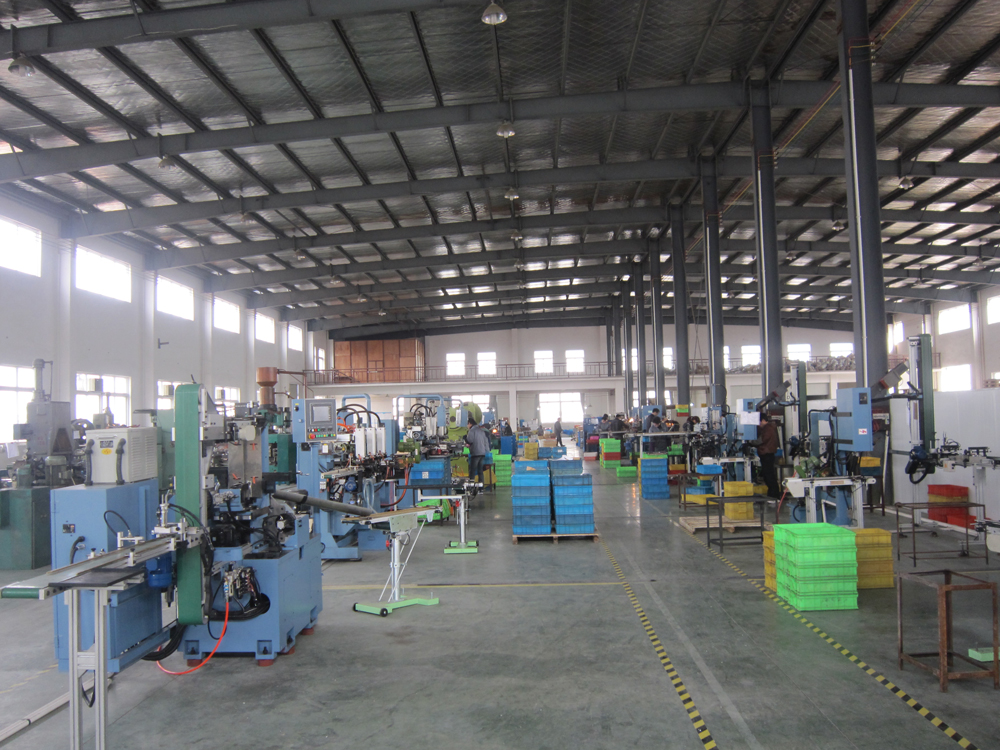
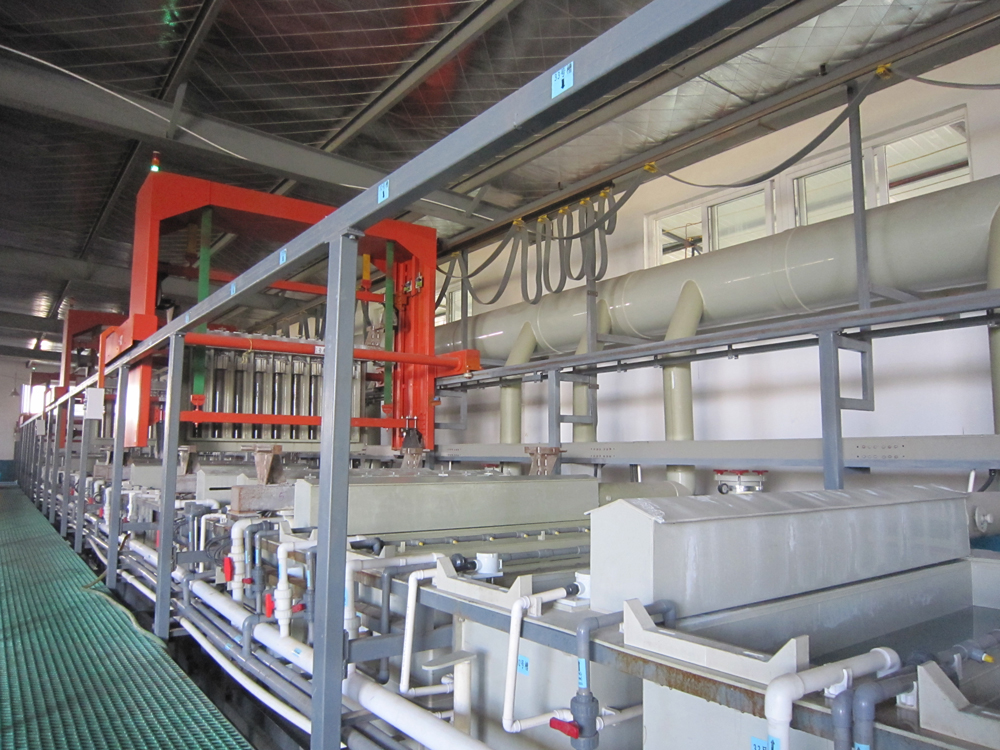
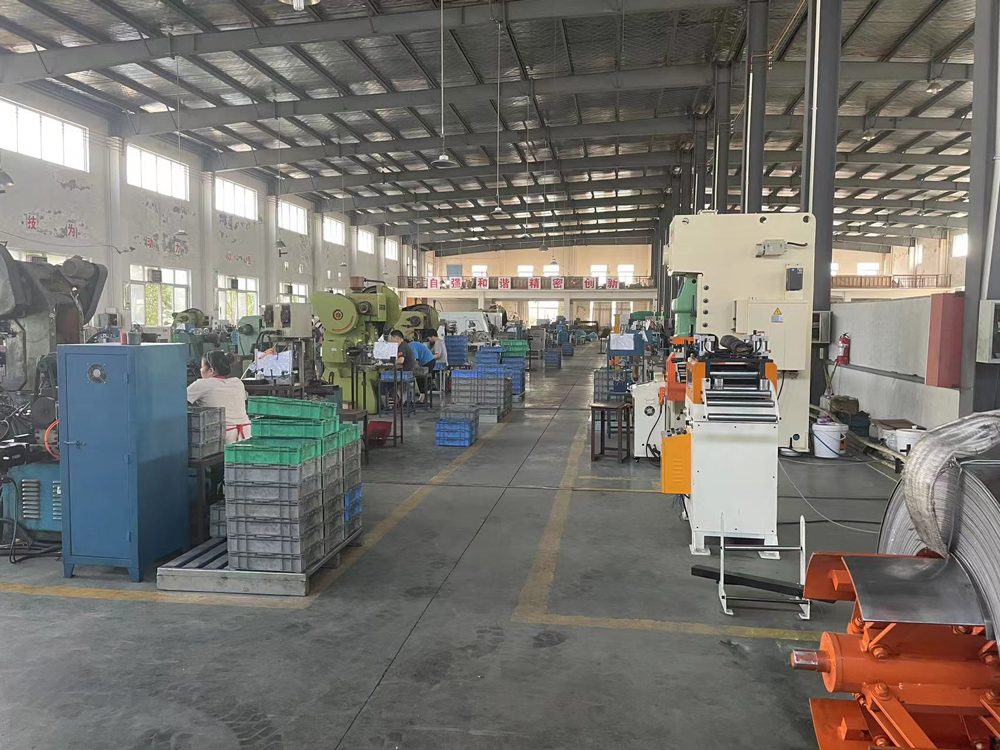
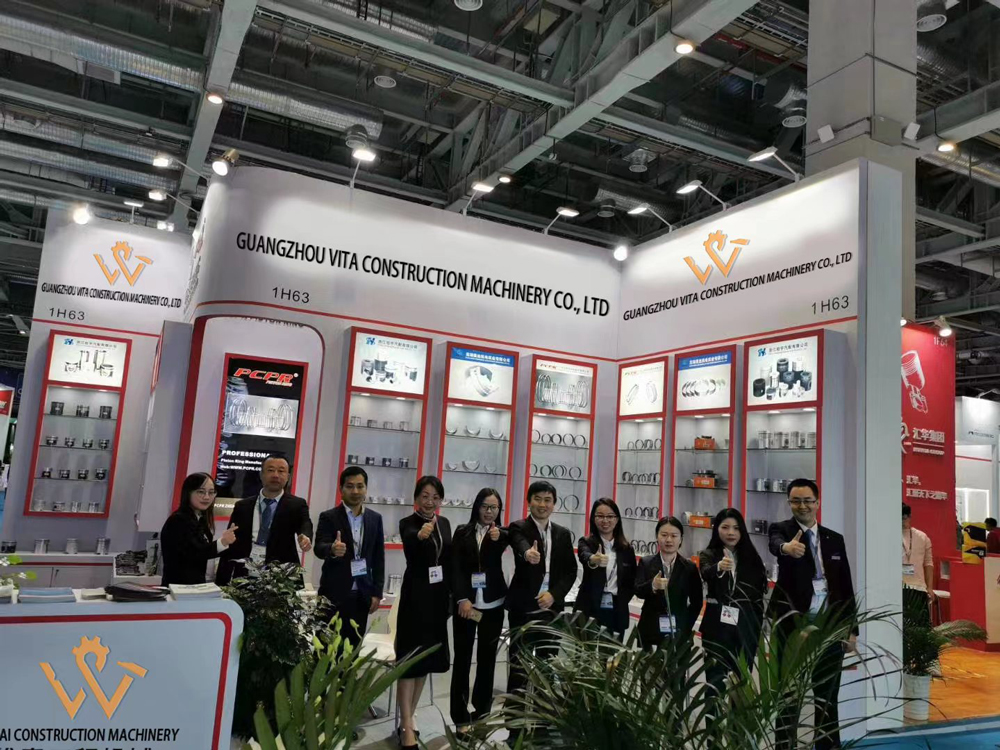
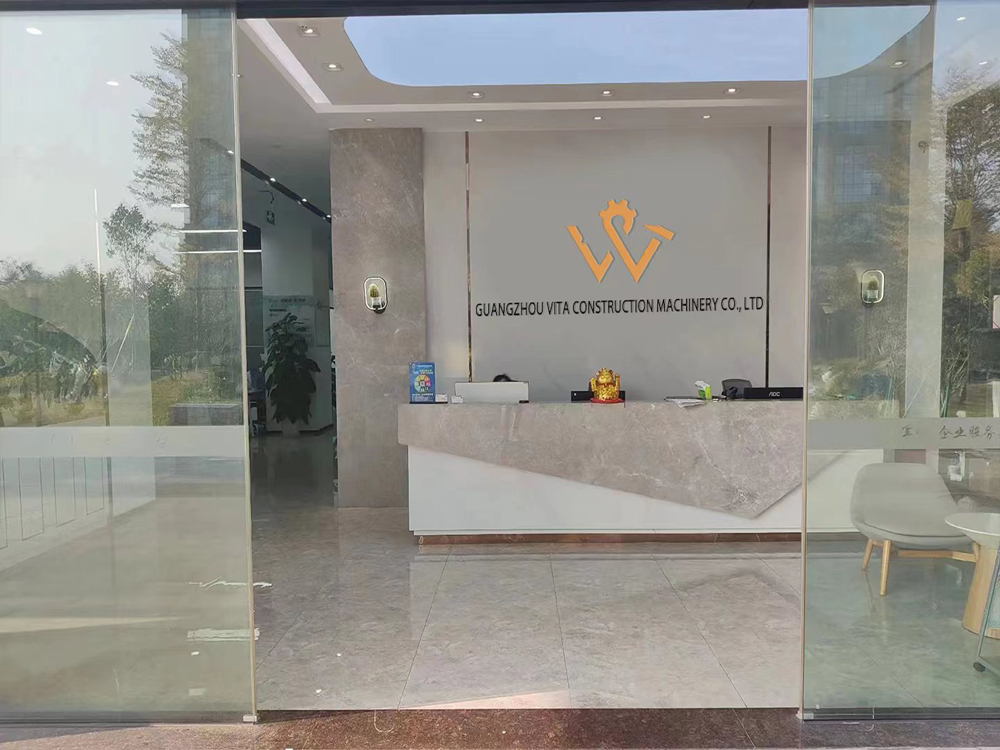
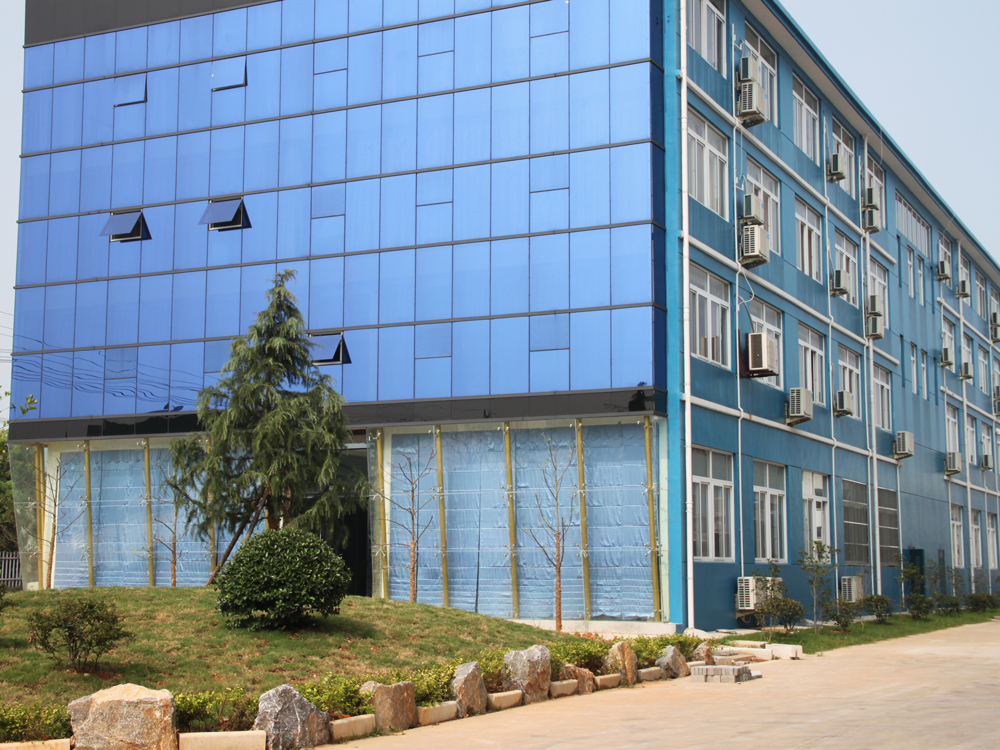
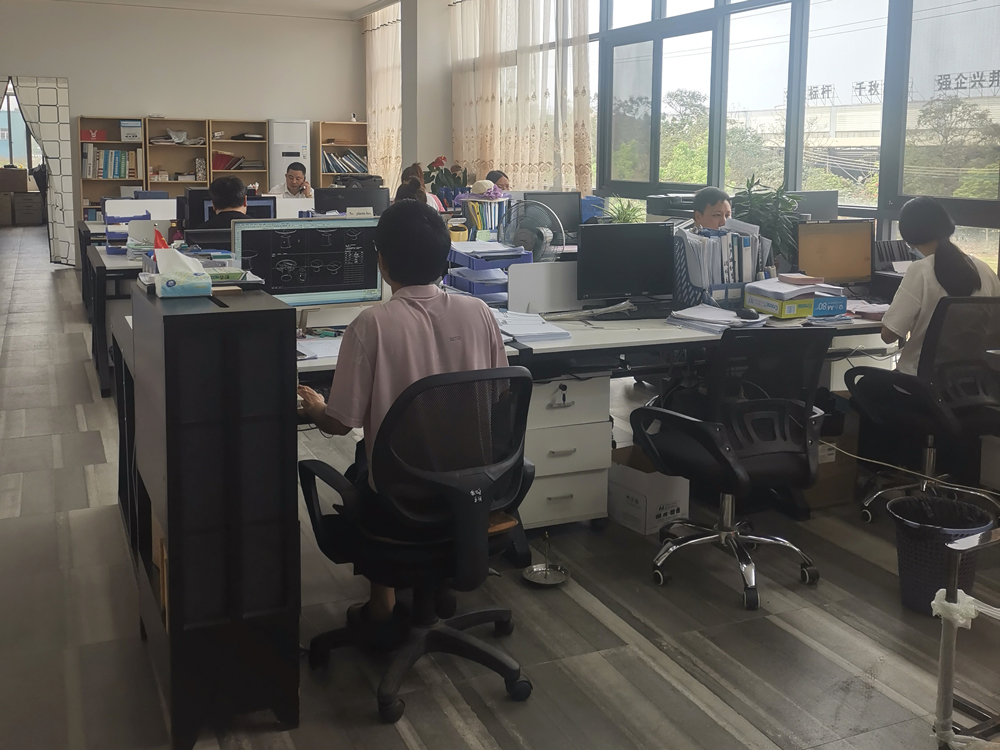
Guangzhou Vita Construction Machinery Co., Ltd. is one of the largest company that combines factory and foreign trade. The factory is located in Xiangyang City, Hubei Province, there are more than 18,000 square meters workshop with several advanced production machines, more than 278 well trained and skilled workers and around 8 experienced engineers assure the good product quality as well as fast and accurate delivery.
We specialize in producing, developing and selling the whole range of construction machinery parts. Such as engine assembly, hydraulic pump, final drive, electric generating set, engine bearing (Main bearings con Rod Bearing series), crankshafts, engine valves, gear pumps, cylinder, all kinds of filters, excavator bucket, undercarriage parts for excavator and bulldozer... which are used as replacement of many type of machines, the brand include Komatsu, Volvo, Sumitomo, Caterpillar, Kubota, Hitachi, John Deere, Kobelco, Hyundai, Kato, Sany, XCMG, SUNWARD, and other well-know brands.
In the fast-paced world of construction, the reliability and efficiency of your machinery can make or break a project. We understand that high-quality parts are essential for optimal performance. So we aim to provide top-notch construction machinery parts to keep customer's machinery running smoothly.
To improve our service, we set up engine maintenance development. In addition to providing customers with engine assemblies, we can also help customers solve various technical problems encountered in the operation and assembly of engines.
We have our own professional maintenance team and can even be invited by customers to arrange for maintenance technicians to go abroad to help customers repair engines.
Direct view inside our ISO-certified production lines, heavy component assembly lines, and high-pressure inspection centers located in Hubei, China.


The transition of heavy equipment towards hybrid and fully electric drivetrains has triggered a technological evolution in AC design. Electric vehicles (EVs) and electric excavators do not have belt-driven engines to run a traditional AC compressor. Instead, they run high-voltage electric compressors. This setup requires highly responsive and isolated high-pressure AC sensors to control the electric drive inverter’s frequency and protect the lithium-ion battery coolant loop.
Traditional analog ratiometric sensors (where the output is a fraction of the supply voltage) are being replaced by digital protocols like SENT (Single Edge Nibble Transmission) and LIN. Digital output formats provide higher resolution, better immunity to electrical noise in high-power electric vehicles, and transmit temperature data alongside pressure over a single wire.
Due to global environmental regulations phasing out high-GWP (Global Warming Potential) gases such as R-134a, manufacturers are designing high pressure sensors to match R-1234yf and R-744 (Carbon Dioxide). Carbon dioxide air conditioning systems operate under significantly higher working pressures (up to 15 MPa or 150 Bar), requiring highly reinforced ceramic diaphragms to prevent micro-cracks and sensor drift.
Modern telematics systems collect constant pressure feedback from heavy machinery HVAC networks. By analyzing pressure curves, rise times, and temperature differences, remote monitoring software can flag system leaks, valve restrictions, or early compressor cylinder wear before a full system failure occurs. This minimizes costly unscheduled downtime on remote excavation sites.
Typical failure symptoms include erratic cabin cooling, the AC compressor clutch failing to engage, the radiator cooling fans running continuously at high speed even when the engine is cold, or the compressor cycling on and off in rapid intervals. In some instances, it may throw specific engine or cabin controller DTCs indicating an out-of-range sensor voltage output.
Ceramic capacitive sensors measure change in electrical capacitance between a metalized pattern on a ceramic substrate and a moving ceramic diaphragm. They are highly resistant to overpressure spikes and chemically stable. Piezoresistive sensors use semiconductor resistors on a silicon chip. They are highly sensitive, smaller, and have very fast response times, but can be more sensitive to temperature swings, requiring internal compensation circuitry.
High pressure sensors are typically mounted near the condenser or on the compressor discharge line in close proximity to the engine block. Ambient engine compartment temperatures can rise to 125°C or higher, while off-road machines in northern climates operate down to -40°C. If a sensor lacks accurate temperature compensation, thermal expansion of internal materials can cause drift, resulting in false pressure readings.
Yes. Premium aftermarket sensors are engineered to match the exact voltage-to-pressure calibration curves, thread configurations (commonly M10x1.25 or 7/16-20 UNF), and electrical pin layouts (such as Packard or Deutsch connectors) of OEM brands like Caterpillar, Komatsu, Volvo, or Kobelco.
Most industrial and automotive AC pressure sensors operate on a regulated 5V DC reference supply. The output signal is typically ratiometric, ranging from 0.5V DC at low pressure to 4.5V DC at maximum rated pressure, allowing the ECU to detect open or short circuits if the voltage falls outside this operational range.
Sensors are subjected to swept-sine and random vibration testing protocols (up to 20G or higher) across multiple axes, simulating decades of heavy excavation cycles. They are also drop-tested and checked for thermal shock survival, where they are cycled between extreme hot and cold fluids within seconds.
Yes. Because the AC compressor places a significant mechanical load on the engine, the engine control module (ECM) monitors AC line pressure. A faulty sensor signal can cause abnormal load calculation, leading to diagnostic codes such as P0530 (A/C Refrigerant Pressure Sensor Circuit) which will illuminate the malfunction indicator light (MIL).
R-1234yf is mildly flammable (A2L classification). Sensors designed for R-1234yf must be sealed to eliminate ignition risks and must use compatible O-ring materials (such as specific HNBR or EPDM formulations) that do not break down in the presence of new synthetic oils designed for R-1234yf systems.
On the high side, standard operating pressures range between 1.0 MPa to 2.2 MPa (10 to 22 Bar / 145 to 320 PSI) depending on the ambient temperature. The high-pressure cutoff switch or sensor threshold typically triggers around 2.8 MPa to 3.2 MPa (28 to 32 Bar / 400 to 460 PSI) to protect system lines from bursting.
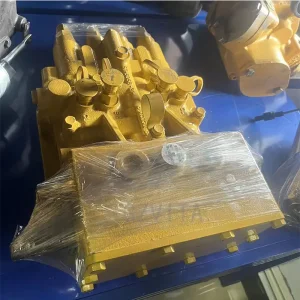
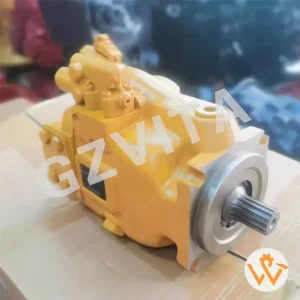
Yes. A restricted control valve (like GP 5897115) or an unloader valve failure can cause pressure spikes in hydraulic or auxiliary lines, while a failing compressor or hydraulic pump (such as the 487-6223 or HP5V28 pump assembly) can cause low pressure. Standard diagnosis requires verifying physical line pressures with mechanical gauges before replacing electronic transducers.
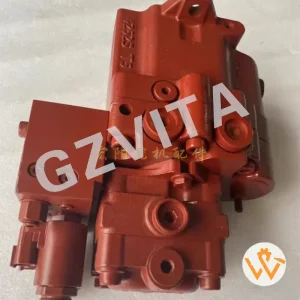
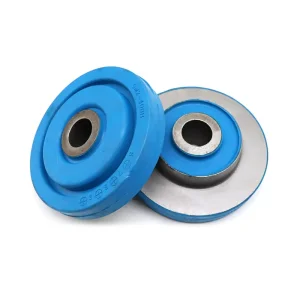
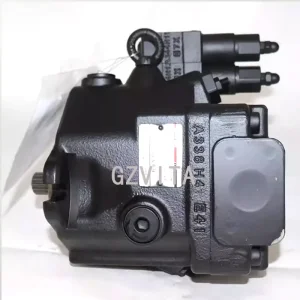
Browse our second selection of heavy-duty hydraulic pumps, sealing caps, and engine components designed for Sany, Caterpillar, Yanmar, and Komatsu systems.
 Vita Construction