In the heavy-duty transportation and construction machinery sectors, internal combustion engines operate under extreme thermal and mechanical stresses. Specifically, the Cummins ISX engine platform relies heavily on precise oil pressure readings to manage critical operations, including variable geometry turbocharger (VGT) actuation, engine brake control, and lubrication security for crankshaft bearings.
A high-quality ISX oil pressure sensor acts as the central sentinel for the Engine Control Module (ECM). When the engine oil pressure drops below safe threshold limits, or if sensor accuracy drifts over cycles of heavy soot accumulation, it risks catastrophic engine failure or triggers active derating modes that lead to costly project downtime. As global logistics fleets and heavy construction equipment seek maximum uptime, selecting a reliable manufacturer of these critical electronic components becomes a top-tier operational priority.
In this technical briefing, we explore the design parameters, manufacturing standards, technology roadmaps, and key procurement trends that distinguish industry-grade ISX oil pressure sensors from sub-par aftermarket alternatives. Our goal is to empower fleet managers, parts distributors, and automotive procurement executives with the data required to secure a reliable supply chain.
The manufacturing process of an ISX oil pressure sensor (such as common OE cross-references 4921517, 4326849, or 4087999) must satisfy stringent automotive qualification criteria. Modern heavy-duty engines experience significant vibration, thermal fluctuations, and exposure to chemically aggressive oil chemistry containing sulfuric acid, soot particles, and unburned fuel.
Lower-tier manufacturers often utilize mechanical diaphragm switches which suffer from contact wear and hysteresis. Premium manufacturers, conversely, integrate piezoresistive silicon sensing elements or ceramic thick-film cells. Piezoresistive MEMS chips translate mechanical strain directly into proportional electrical resistance changes, providing rapid response times (< 2 milliseconds) and extreme resistance to mechanical shock.
Raw sensor signals are highly susceptible to electromagnetic interference (EMI) and temperature drift. A high-quality ISX oil pressure sensor features an onboard Application-Specific Integrated Circuit (ASIC) that compensates for temperatures ranging from -40°C to 125°C. This ensures that whether a commercial vehicle is starting in sub-zero Arctic conditions or hauling high tonnage through desert highways, the voltage output remains consistently accurate within a ±1.5% Full Scale Span (FSS) margin.
| Performance Parameter | OEM Standard Specification | High-Quality Manufacturer Performance |
|---|---|---|
| Pressure Operating Range | 0 to 150 PSI (0 to 10.3 bar) | 0 to 150 PSI (0 to 10.3 bar) with Overpressure capacity up to 300 PSI |
| Operating Temperature | -40°C to +125°C | -45°C to +140°C (Extended Thermal Stability) |
| Ingress Protection Rating | IP67 Minimum | IP69K (Hermetically sealed against high-pressure washdowns) |
| Response Time | < 5 ms | < 1.8 ms (Piezoresistive MEMS Technology) |
| Thread Interface & Seal | NPT or Metric with O-ring | High-tensile Brass or Stainless Steel with Viton® O-rings |
In the procurement landscape, global supply chains are pivoting toward vendors capable of offering high-mix, low-volume flexibility alongside high-volume OEM replication.
Global diesel emission norms (Euro VI, EPA 2010/2027) demand absolute engine efficiency. Sensor failures directly compromise exhaust gas recirculation (EGR) valve accuracy, forcing fleet managers to choose replacement sensors with verified OEM durability to avoid emission non-compliance.
Fleet operators are transitioning from reactive maintenance to real-time prognostic monitoring. Sensors must maintain exact linear voltage curves over hundreds of thousands of miles so telematics systems can detect subtle drops in pressure before a critical component fails.
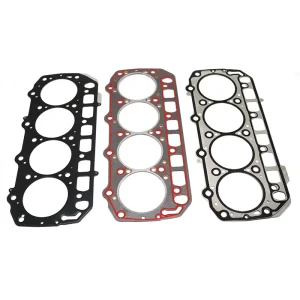
Industrial buyers seek one-stop manufacturing partners that specialize not only in electrical sensors, but also in mechanical replacements like hydraulic pumps, gaskets, and engine bearings. This minimizes transactional overhead and streamlines logistics compliance.
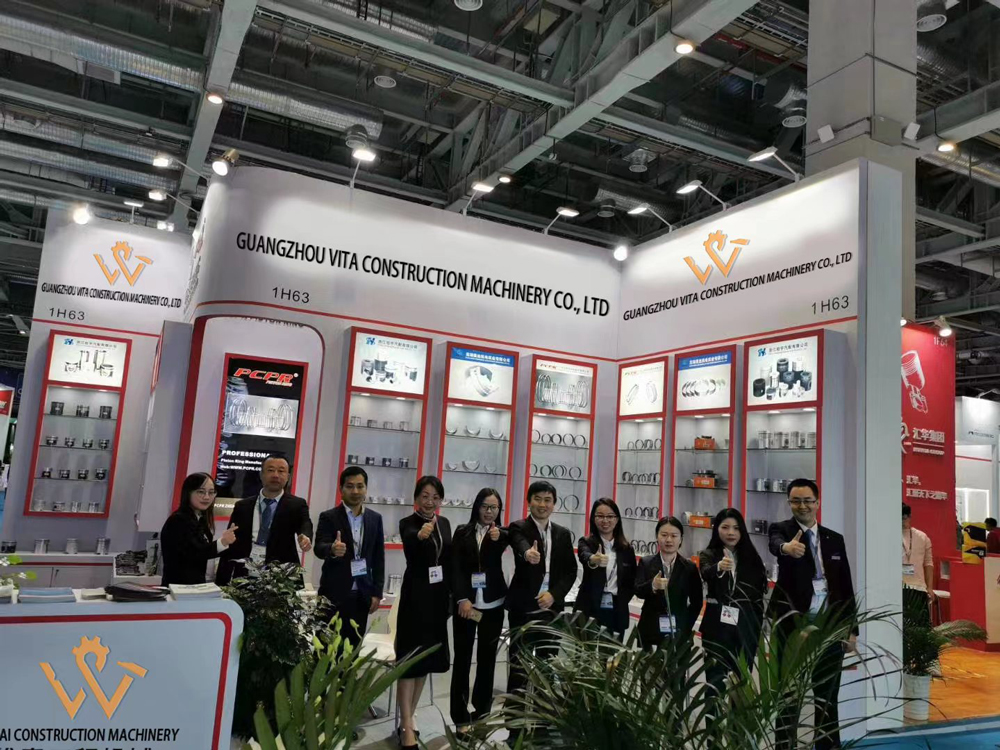
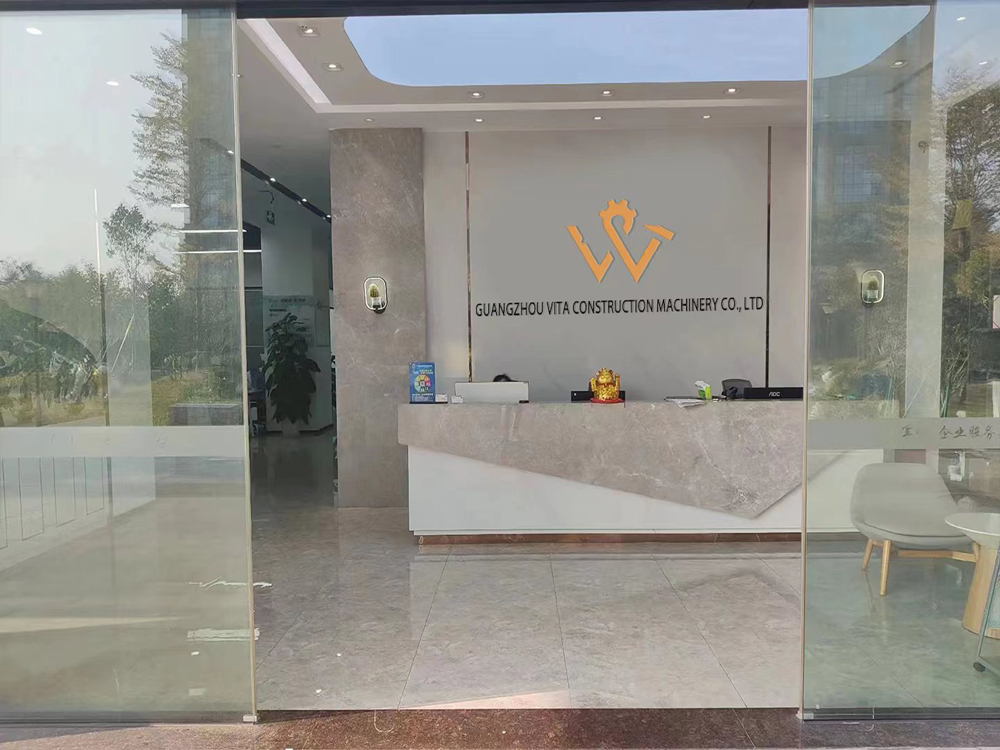
Guangzhou Vita Construction Machinery Co., Ltd.
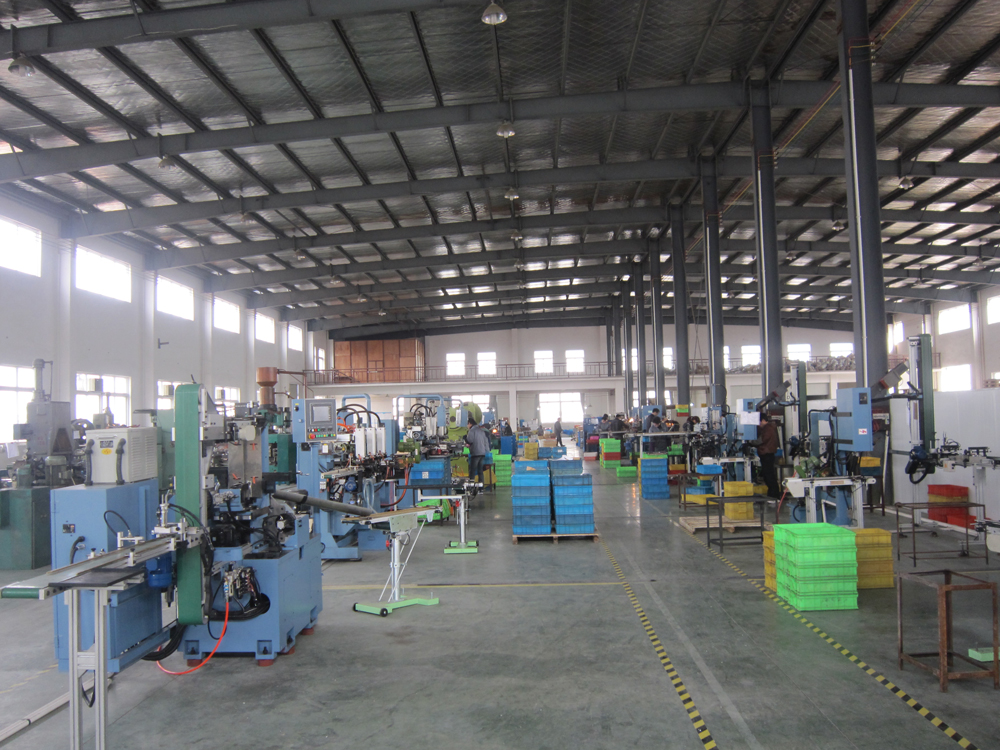
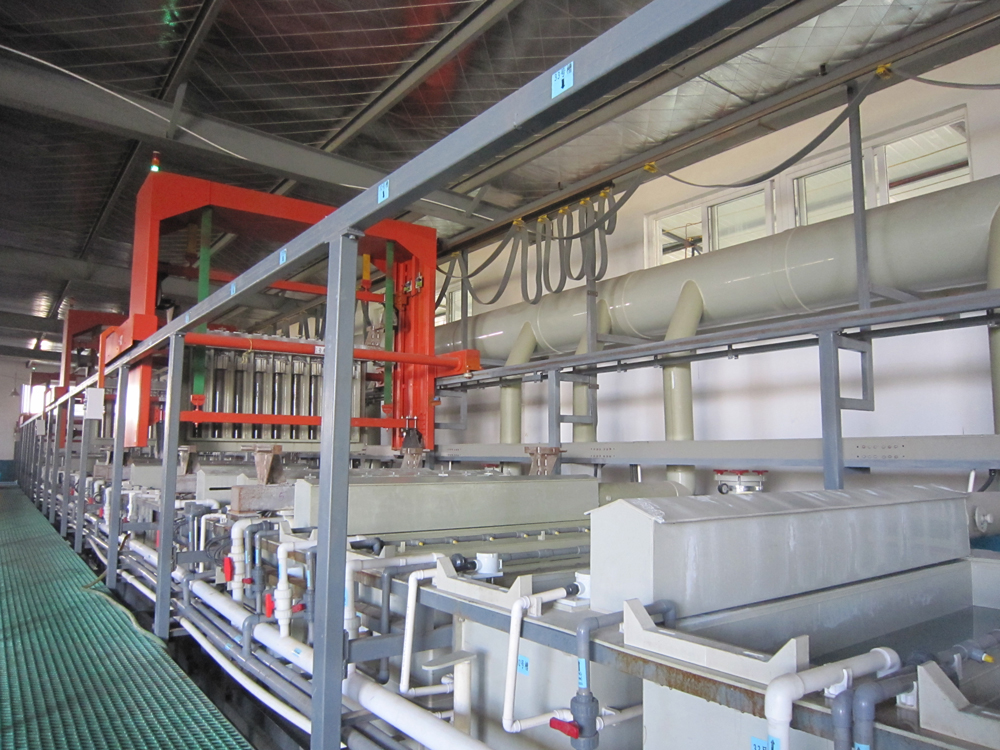
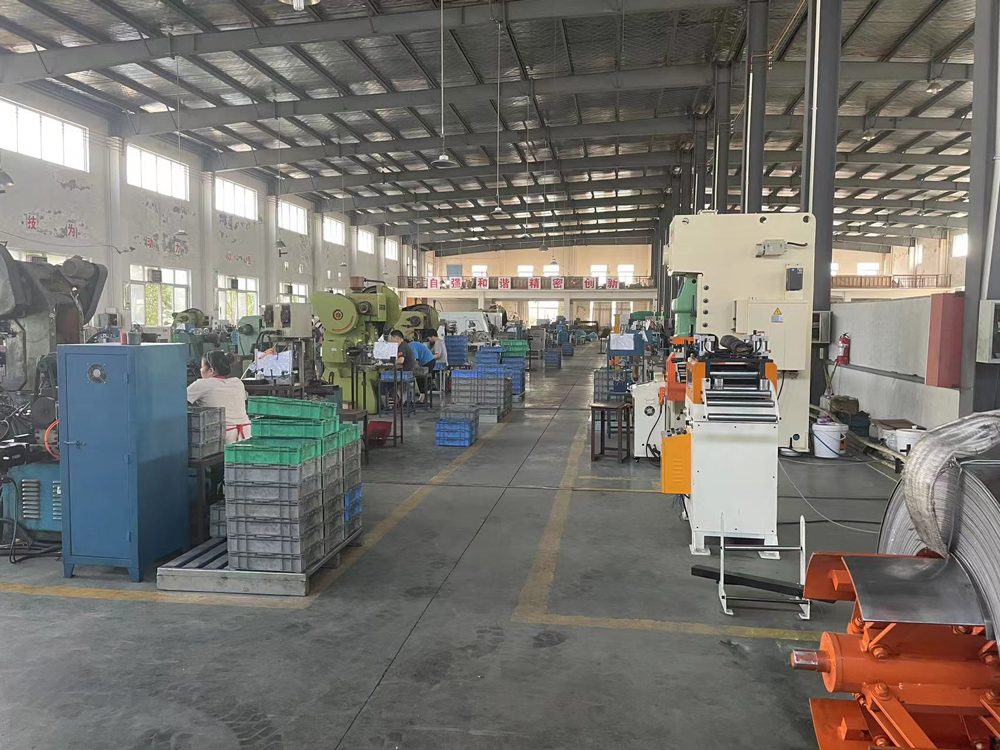
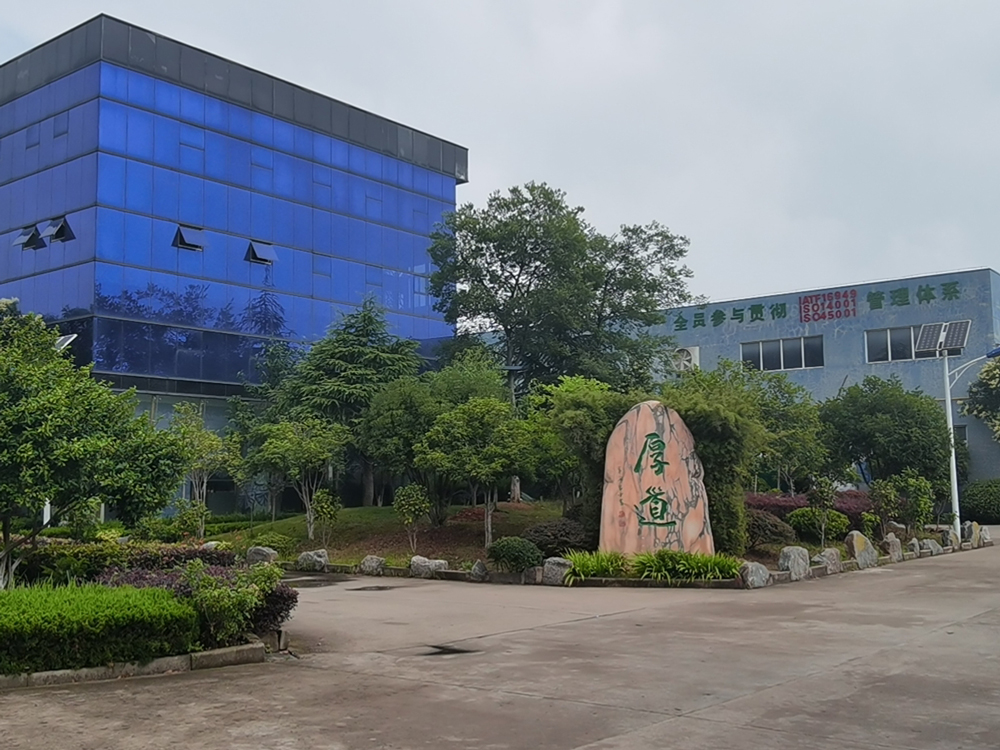
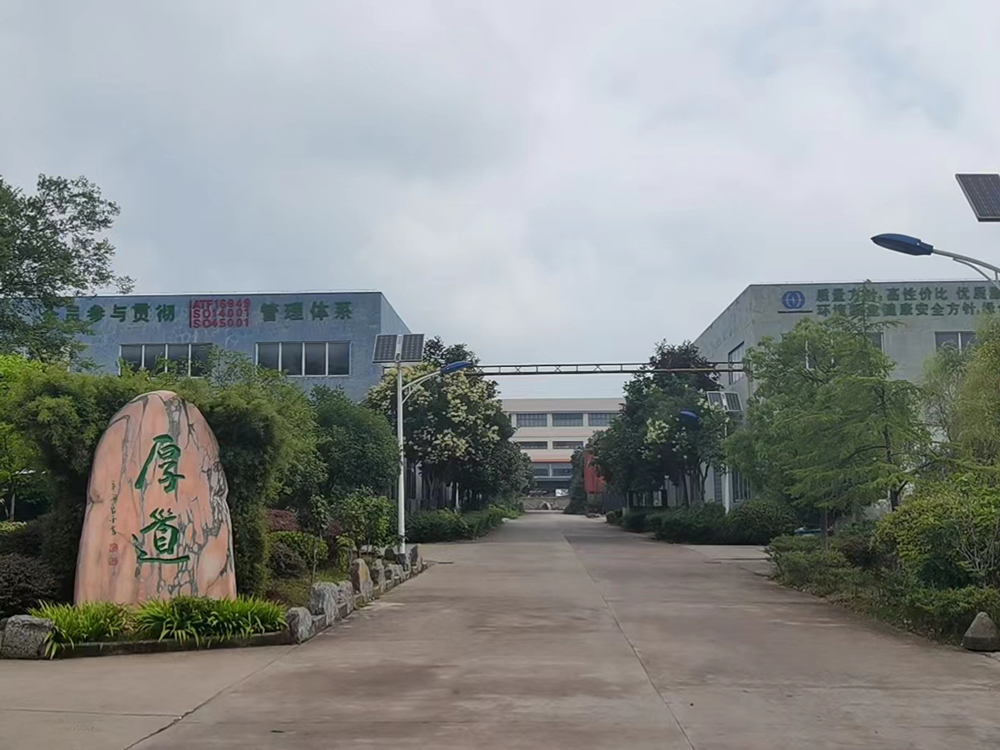
Guangzhou Vita Construction Machinery Co., Ltd. is one of the largest companies that combines factory operations and international trade. Our production plant is located in Xiangyang City, Hubei Province, boasting a modern manufacturing space that spans over 18,000 square meters. The facility is equipped with advanced automated production lines and testing chambers designed for severe environmental simulation.
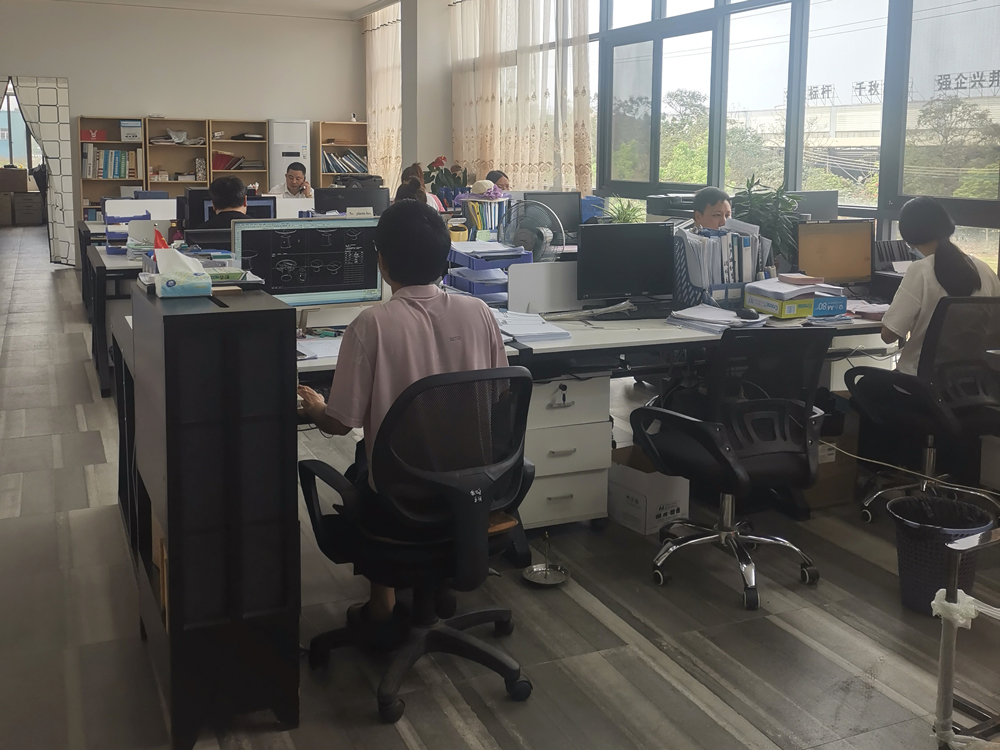
With a dedicated team of more than 278 well-trained, skilled operators and 8 experienced mechanical and electronic engineers, we ensure strict quality control, high product yield rates, and exceptionally fast and accurate order fulfillment.
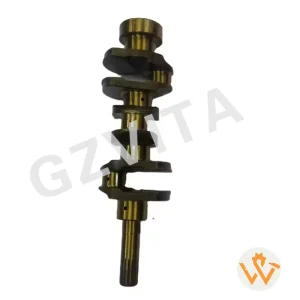
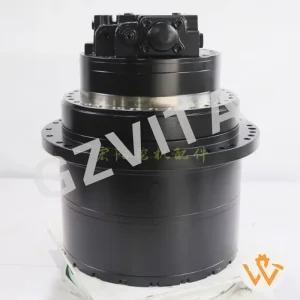
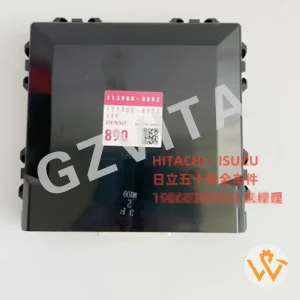
We specialize in producing, developing, and exporting a wide catalog of heavy machinery replacement parts. Our core product competencies include engine assembly, hydraulic pumps, final drives, electric generating sets, main & rod engine bearing series, crankshafts, engine valves, gear pumps, cylinder heads, specialized filters, and undercarriage components. Our parts are highly compatible with heavy machinery giants such as Komatsu, Volvo, Sumitomo, Caterpillar, Kubota, Hitachi, John Deere, Kobelco, Hyundai, Kato, Sany, XCMG, and SUNWARD.

As the heavy machinery sector embraces digitization, the humble analog oil pressure sensor is undergoing substantial technological updates. To maintain industry leadership, manufacturers must align their product development pathways with these advancements:
Traditional pressure sensors output a raw analog voltage signal (typically 0.5V to 4.5V) which is routed to the engine ECM. Newer generations are moving toward digital J1939 CAN-bus outputs. By digitizing the signal within the sensor shell, it eliminates analog signal degradation caused by wire harness corrosion, grounding issues, and high frequency noise generated by heavy machinery alternators.
Space and diagnostic ports are highly valued inside the engine bay. To streamline engine design and reduce potential failure points, engineers are integrating oil pressure and oil temperature sensors into a single unified housing. These combined multi-sensors offer dual telemetry values over a single connector interface, simplifying wire harness routing and reducing the bill-of-materials (BOM) cost for heavy-equipment manufacturers.
Common technical questions regarding the replacement, verification, and operation of Cummins ISX oil pressure sensors.
 Vita Construction