In modern automotive engineering and heavy-duty machinery systems, dynamic monitoring of fluid pressure serves as the primary safeguard for mechanical durability. The N55 oil pressure sensor acts as a critical component in twin-scroll turbocharged inline-six powertrains and industrial adaptions. These systems demand real-time telemetry to manage variable displacement oil pumps, ensuring the proper distribution of lubricant across crankshaft journals, double-VANOS variable camshaft timings, and high-load turbocharger bearings.
Engine oils experience massive fluctuations in viscosity and flow rates across varying operating temperatures (ranging from cold starts at -40°C to high-performance track runs or construction deployments exceeding 150°C). Accurate pressure mapping prevents catastrophic engine friction or rod bearing seizure. For global fleet operations, procuring oil pressure sensors that deliver ratiometric voltage feedback with less than 0.5% tolerance drift over 10 million duty cycles is not just a sourcing target—it is an operations necessity.
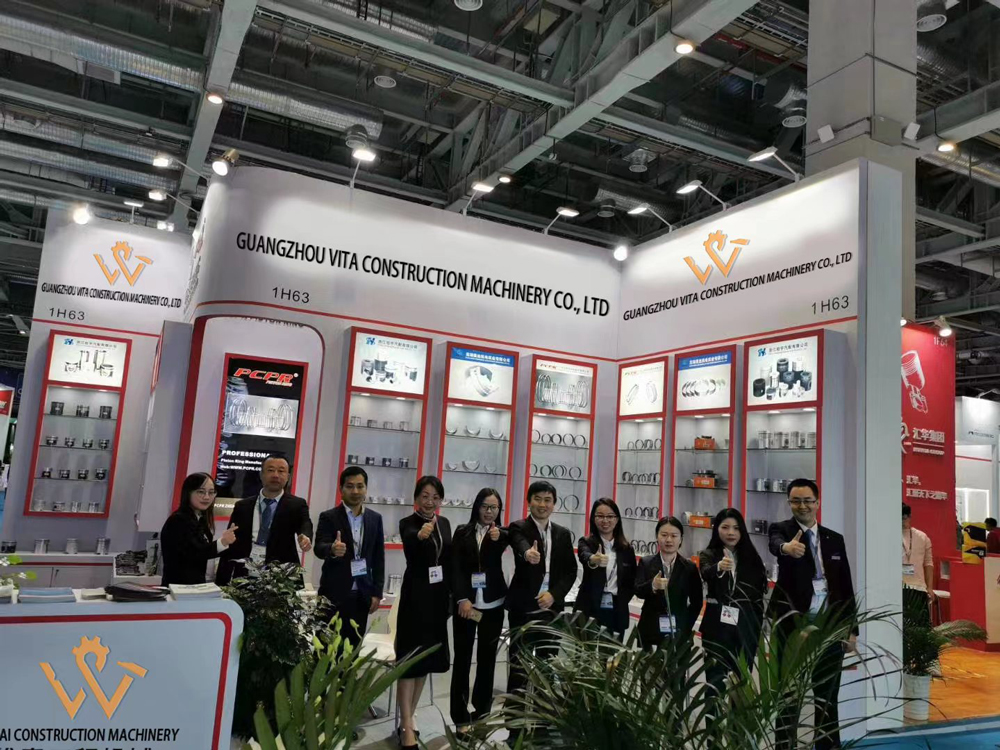
As a global pioneer in construction machinery components and industrial engine solutions, Guangzhou Vita Construction Machinery Co., Ltd. analyzes the supply chain metrics, material science, and reliability specifications required for premium oil pressure transducers, helping commercial buyers make data-backed procurement choices.
Standard automotive sensors fail in extreme conditions due to thermal degradation of their internal diaphragms or moisture ingress at the electrical connector interface. Industrial-grade N55 oil pressure sensors rely on robust materials and structural architectures:
| Parameter / Specification | OEM Standard Specification | Vita Heavy-Duty Industrial Spec |
|---|---|---|
| Pressure Sensing Element | Ceramic Capacitive (Standard) | MEMS Silicon Piezoresistive Glass-Fused Diaphragm |
| Measurement Range | 0 to 6.0 Bar (Dynamic) | 0 to 10.0 Bar (Extended range) |
| Supply Voltage (Vcc) | 5.0 ± 0.25 VDC | 5.0 ± 0.25 VDC (Overvoltage protection up to 16V) |
| Output Signal Type | 0.5V - 4.5V Ratiometric | 0.5V - 4.5V / CAN-bus Interface compatible |
| Thread Profile | M10 x 1.0 (Automotive) | M10 x 1.0 / M12 x 1.5 (High strength alloy) |
| Operating Temperature Limit | -40°C to 125°C | -40°C to 150°C (Continuous exposure) |
| Ingress Protection Class | IP67 | IP69K (High-pressure washdown resistant) |
Material Science Focus: The casing of a top-tier sensor is constructed from high-grade brass (CW614N) or surgical-grade 304L stainless steel to prevent galvanic corrosion when in contact with acidic byproducts in contaminated engine oil. The internal piezoresistive element is protected by a thin layer of fluorosilicone gel, isolating the micro-circuitry from thermal cycles and high-frequency harmonics of heavy diesel or direct-injected gasoline engines.
For international distributors, heavy machinery fleet operators, and industrial spare parts wholesalers, procuring oil pressure sensors and associated engine parts is a balance of price, delivery reliability, and quality consistency. A single sensor failure can trigger limp-home modes on equipment, costing operators thousands of dollars per day in unplanned downtime.
We maintain rigorous production control processes, ensuring every sensor batch undergoes 100% automated pressure testing to eliminate early failures.
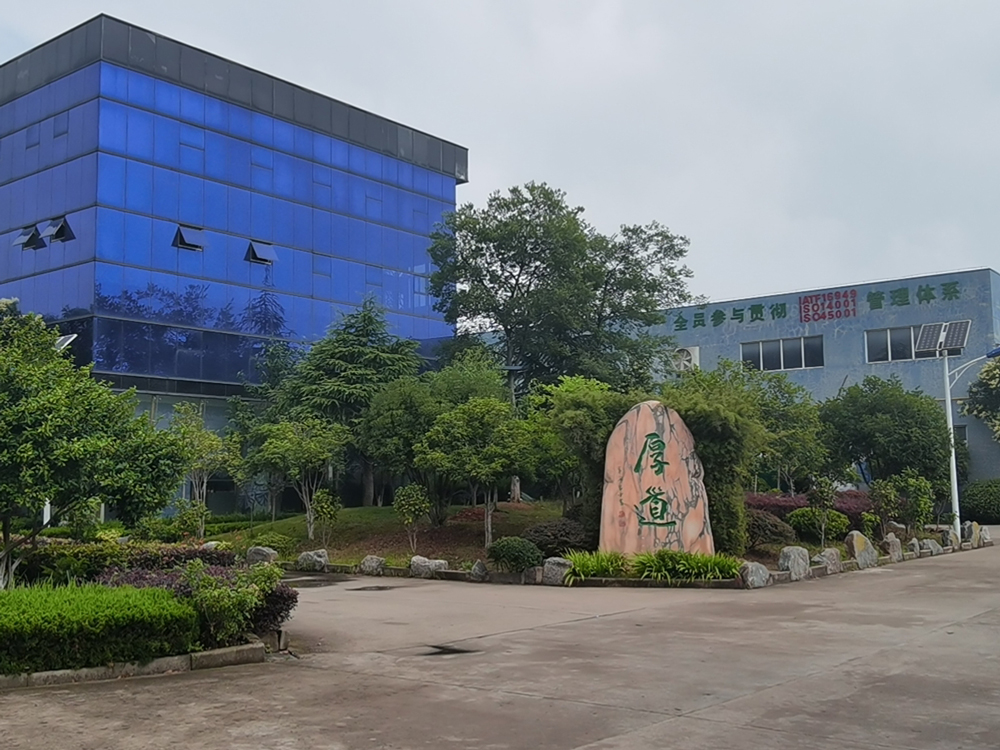
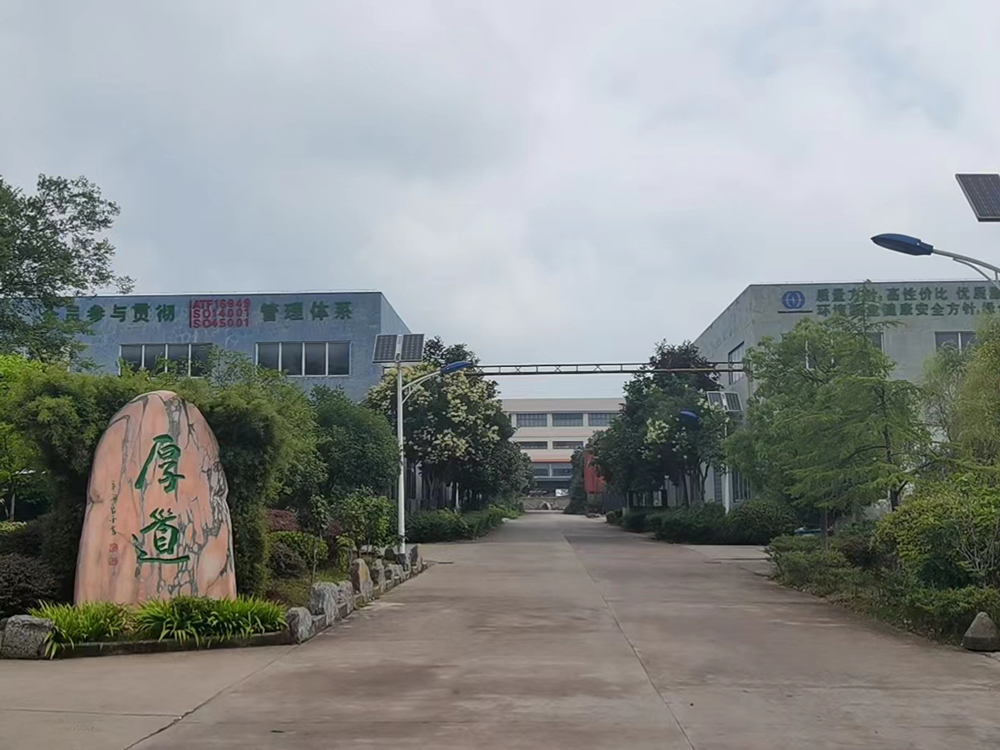
By keeping a large stock of materials in Guangzhou and running an 18,000+ sqm factory, we protect B2B buyers from global supply disruptions.
Our optimized shipping channels and warehousing systems guarantee quick lead times for urgent orders, minimizing fleet downtime.
Commercial buyers must look beyond unit costs. Total Cost of Ownership (TCO) calculation shows that cheap, non-validated oil pressure sensors cost five times more in vehicle diagnostics, labor, and warranty claims. Partnering with suppliers that offer detailed testing documentation, certificate of conformance (CoC), and reliable engineering support helps build long-term business success.
Modern engine systems are no longer made of isolated mechanical parts. The N55 oil pressure sensor is part of an integrated, electronically controlled system. The engine control unit (ECU) uses the sensor's signal to adjust target oil pressures dynamically, matching torque demand, engine speeds, and oil temperatures.
This proactive approach prevents premature replacement of hydraulic pumps, valves, and liners. Using high-precision oil pressure sensors is a smart investment that keeps your major machinery assets operating longer.
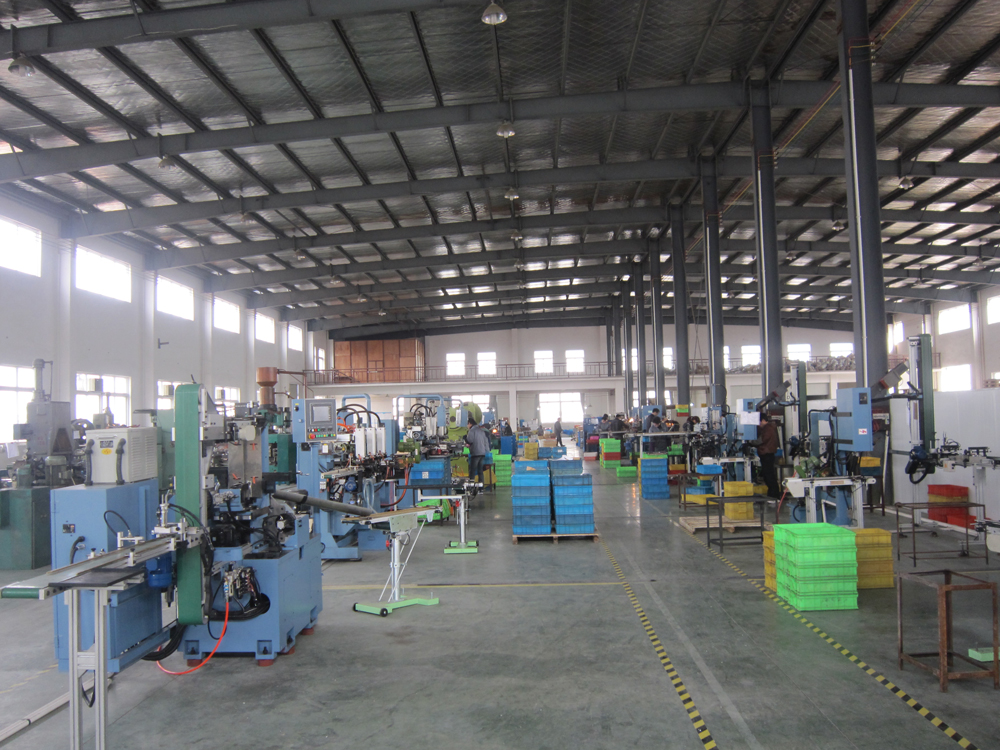
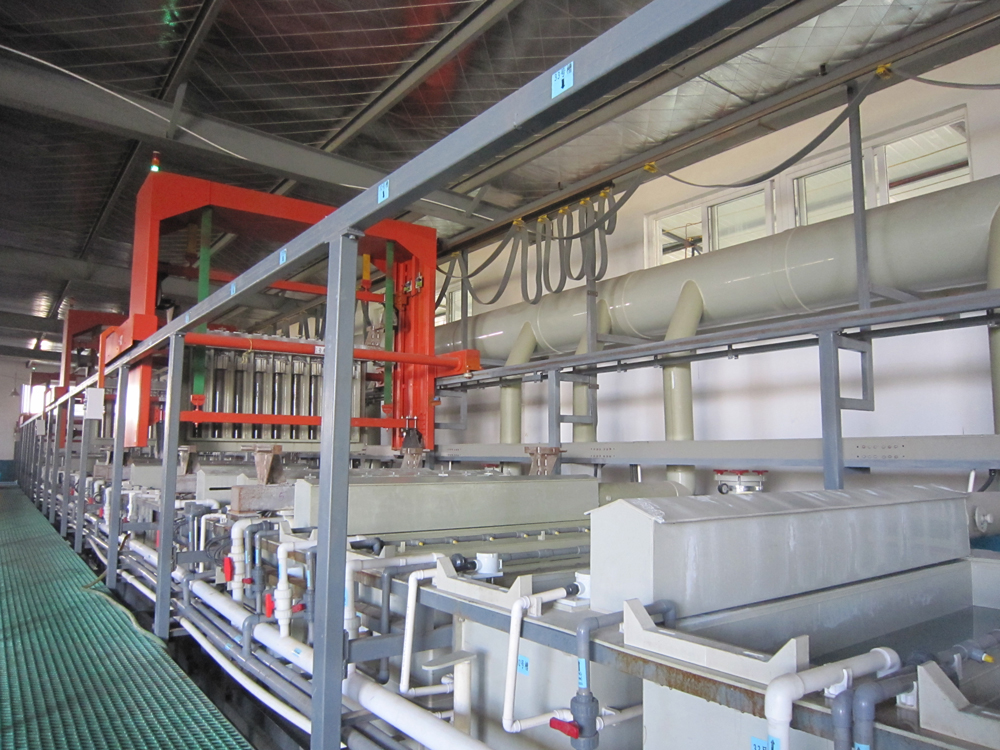
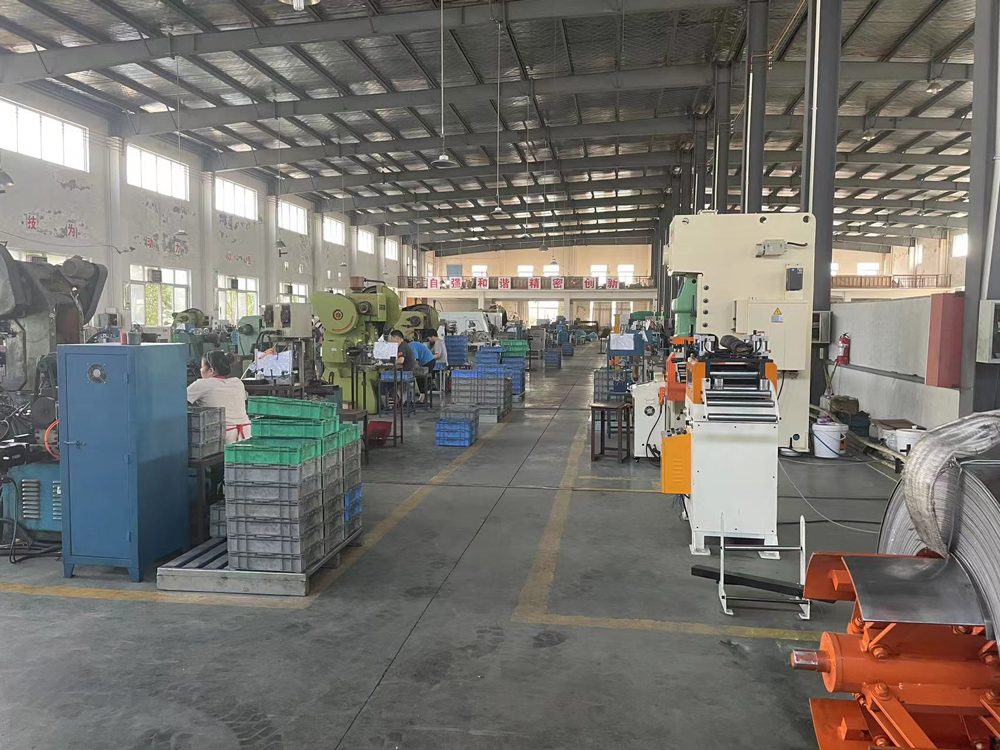
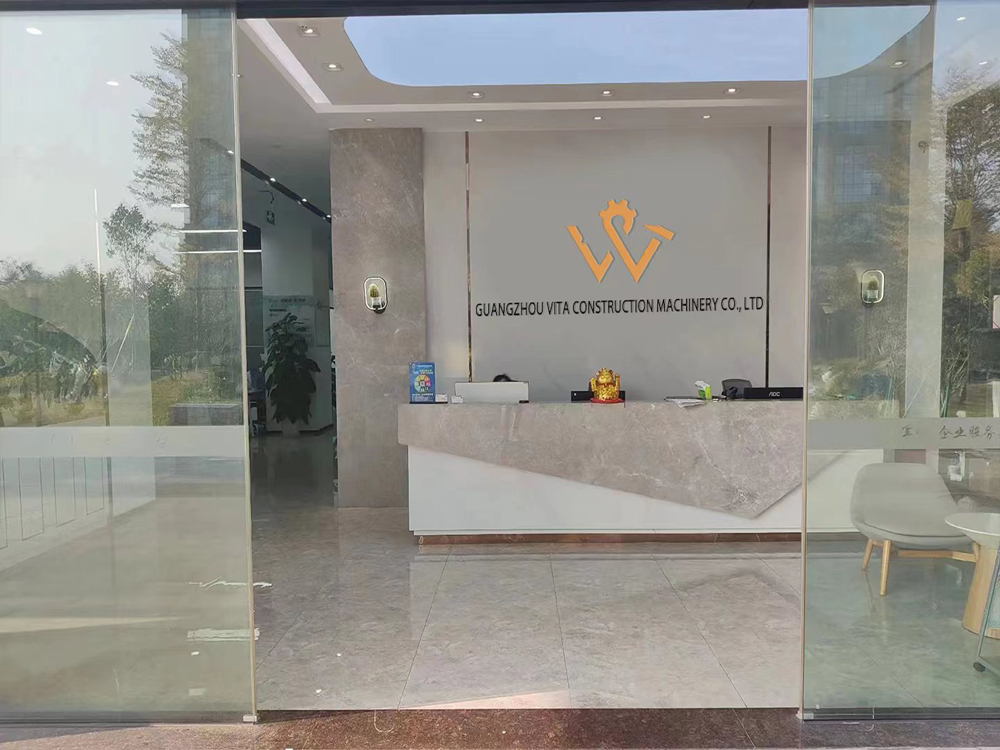
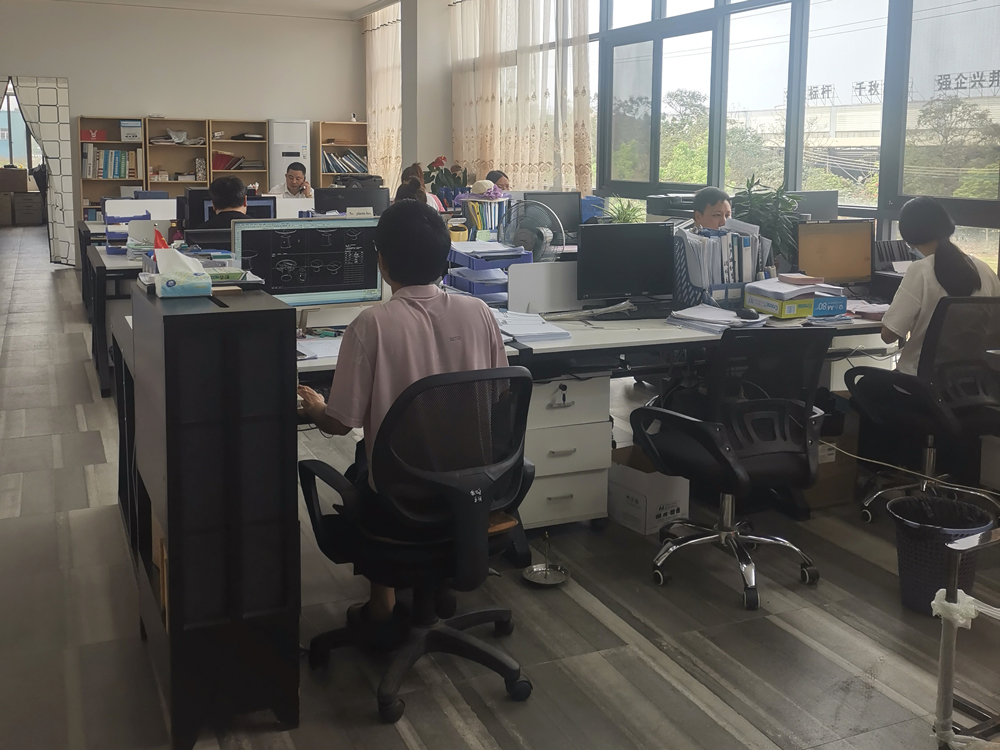
Guangzhou Vita Construction Machinery Co., Ltd. combines design, manufacture, and international sales under one roof. Our primary manufacturing facility in Xiangyang, Hubei Province, covers over 18,000 square meters. It features automated production lines, advanced quality testing equipment, 278 skilled technicians, and 8 senior powertrain engineers.
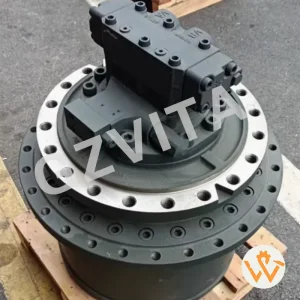
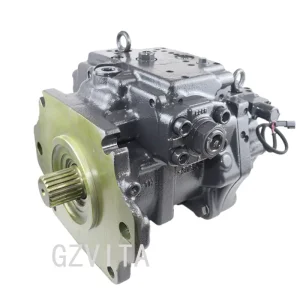
We offer a complete range of parts for heavy equipment and diesel engines. This includes engine rebuild kits, hydraulic pumps, final drives, diesel generators, main and rod bearings, crankshafts, engine valves, gear pumps, cylinders, and filtration systems. Our products are designed as direct replacements for equipment from major brands like Komatsu, Volvo, Sumitomo, Caterpillar, Kubota, Hitachi, John Deere, Kobelco, Hyundai, Kato, Sany, XCMG, and Sunward.
We design and manufacture our parts for maximum efficiency and durability, ensuring high performance in tough working conditions.
Our engineering team helps customers with installation, system diagnostics, and solving technical issues with engines and machinery assemblies.
Our service team is available for overseas travel to support customers with on-site engine diagnostics and rebuilds.
A look inside our 18,000 square meter factory in Xiangyang, Hubei Province, showing our machining lines and quality testing systems.

The automotive and heavy industrial sectors are moving rapidly toward electrification, predictive maintenance, and higher emission standards. In this changing market, oil pressure and temperature sensing technologies are evolving to meet new requirements:
OEMs are shifting from single pressure sensors to combined units that measure pressure, temperature, and fluid level. This reduces cabling, limits leak points, and simplifies installation.
Future systems will use digital signals like SENT (Single Edge Nibble Transmission) or direct digital interfaces. These signals resist electrical noise and deliver diagnostic data directly to the controller.
Advanced sensors monitor micro-pulses in oil pressure to detect early bearing wear or pump aeration. This allows operators to fix problems before they lead to engine failure.
Find answers to common questions about oil pressure sensors, installation best practices, and troubleshooting for automotive and heavy machinery applications.
 Vita Construction