Select OEM-Grade Heavy Equipment Replacement Assemblies
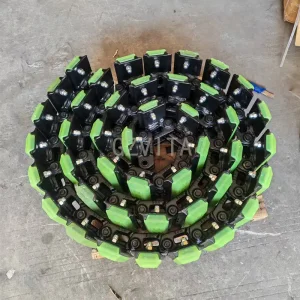
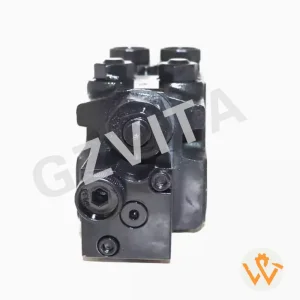
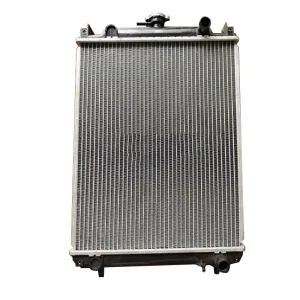
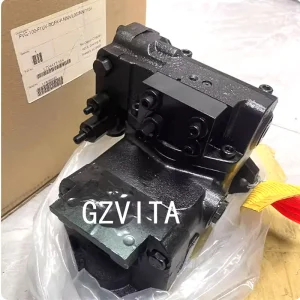
An engineering analysis of tribological stresses, mechanical failure modes, global supply dynamics, and proactive diagnostic protocols for fleet operators.
Connecting rod bearings (often referred to as big-end bearings) represent the structural interface between the engine's reciprocating piston assembly and the rotating crankshaft. Their primary operational mandate is to transmit extreme gas pressure forces—generated during the combustion stroke—to the crankshaft journal while maintaining a continuous lubricating film.
Under normal operating parameters, this component relies on hydrodynamic lubrication. In this state, the rotation of the crankshaft journal sweeps oil into the clearance space between the journal and the bearing liner, generating a high-pressure hydrodynamic oil wedge. This wedge prevents direct metal-to-metal contact, keeping friction minimal and dissipating heat. However, when operational stresses exceed design limits, boundary lubrication regimes emerge, leading to premature con rod bearing failure.
When the hydrodynamic oil film thickness drops below the combined surface roughness values of the crankshaft journal and the bearing overlay (typically under high loading, low speeds, or oil starvation), the oil wedge collapses. Friction increases exponentially, initiating localized thermal spikes and micro-welding of structural materials.
For procurement managers and service engineers, identifying the precise mechanism of a con rod bearing failure is critical to preventing recurring equipment downtime. The table below outlines the primary failure modes encountered in commercial heavy equipment.
| Failure Mode | Primary Visual Characteristic | Root Mechanism | Preventative Measures |
|---|---|---|---|
| Adhesive Wear (Scuffing) | Localized metal transfer, smeared surfaces, and heat discoloration. | Interfacial contact due to inadequate oil film or boundary starvation. | Maintain oil pressure, monitor viscosity index, avoid low-RPM lugging. |
| Fatigue (Spalling) | Crater-like pitting, progressive cracking propagating from lining interface. | Cyclic mechanical overload exceeding the fatigue strength of the alloy. | Select upgraded trimetal bearings with nickel barrier overlays. |
| Abrasive Wear | Circumferential grooves, score marks, particulate embedding. | Foreign particulates in the lubrication loop bypassing filtration. | Upgrade to high-efficiency fuel/oil filters, maintain strict service intervals. |
| Cavitation Erosion | Pockmarks or micro-craters near oil supply grooves. | Rapid local pressure changes forming vapor bubbles that collapse violently. | Optimize oil pump output pressure and reduce aeration in oil sump. |
| Corrosion | Uniform darkening, chemical etching, loss of soft overlay alloys. | Chemical degradation due to acidic combustion bypass products. | Monitor Total Base Number (TBN) and reduce engine idling times. |
To survive extreme pressures and variable duty cycles, con rod bearings must balance several competing physical properties: load capacity, fatigue strength, conformability, embeddability, and corrosion resistance.
Modern wholesale suppliers focus on two primary structural typologies:
In the global heavy-duty machinery market—spanning excavators, bulldozers, generators, and heavy transport—engine failures represent the highest operational cost risk. The con rod bearing is the weak link in the internal combustion engine's structural integrity. A single bearing failure can lead to catastrophic crankshaft scoring, connecting rod rupture, and engine block destruction, resulting in field losses that run into tens of thousands of dollars.
As a result, global procurement teams are shifting away from low-cost, unverified replacement parts toward verified engineering partners who can guarantee dimensional consistency and material compliance.
Integrated Manufacturing & International Trade Excellence
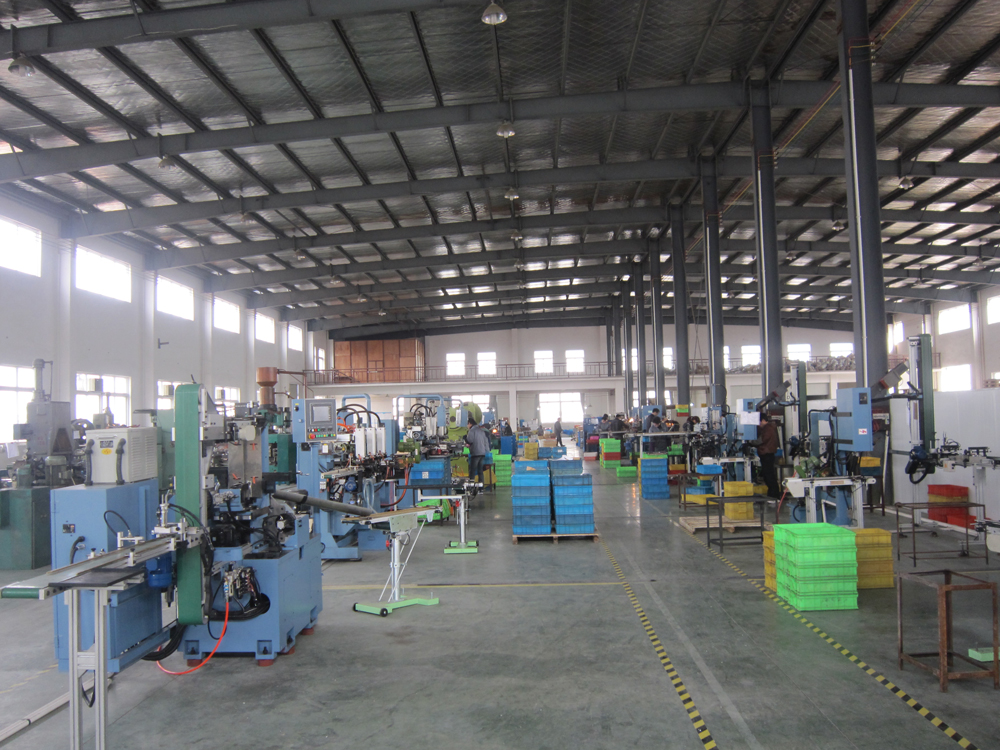
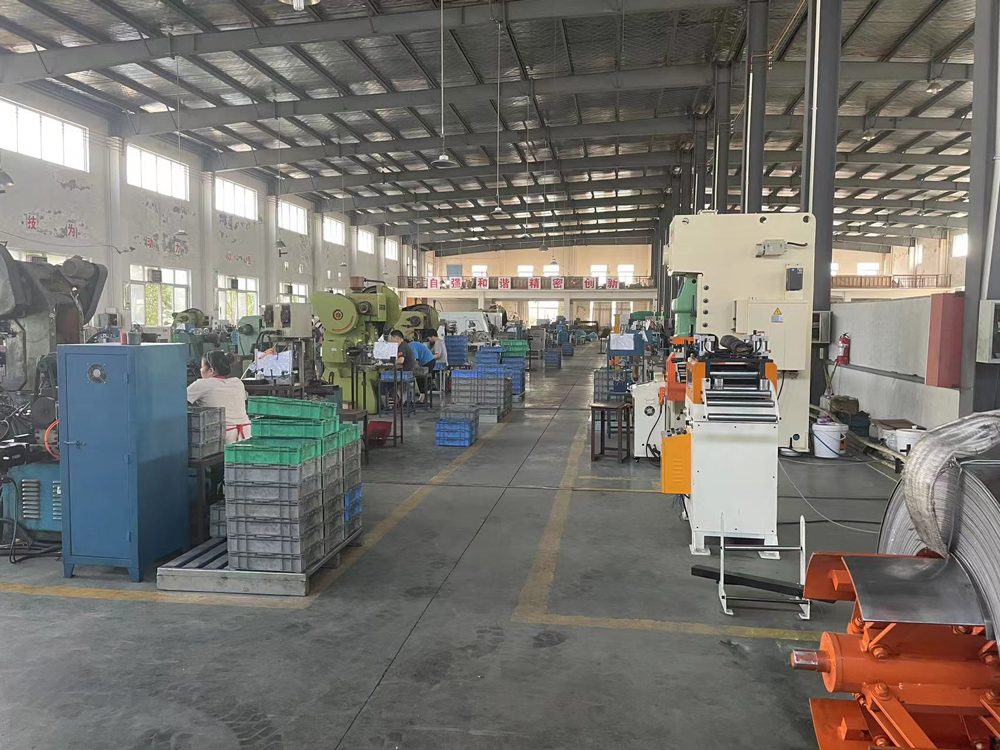
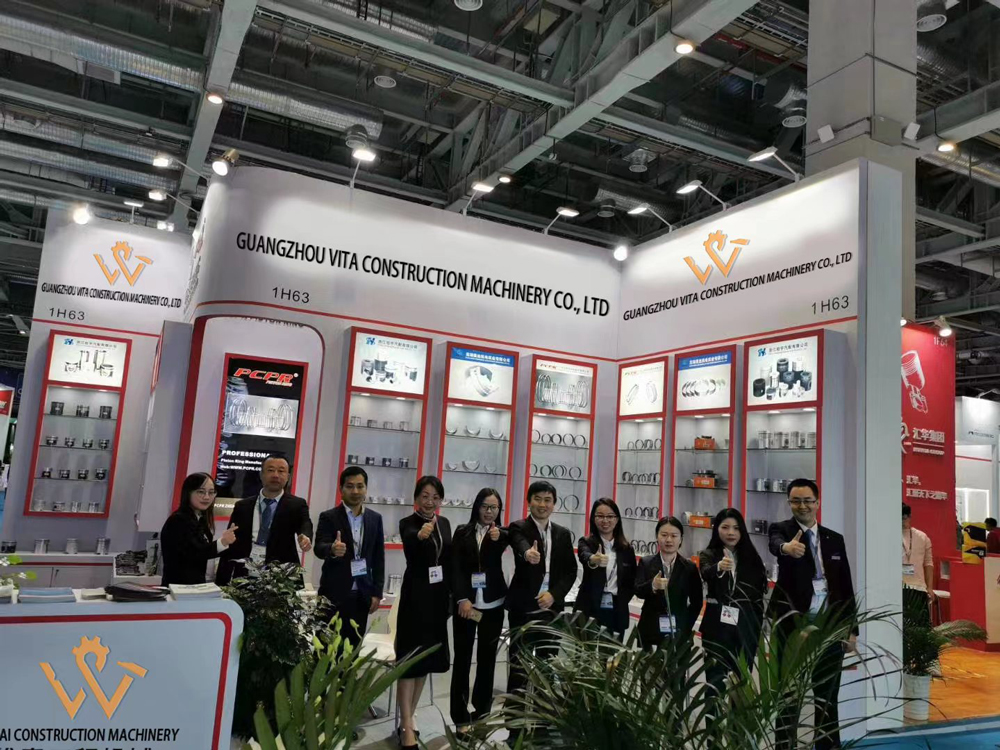
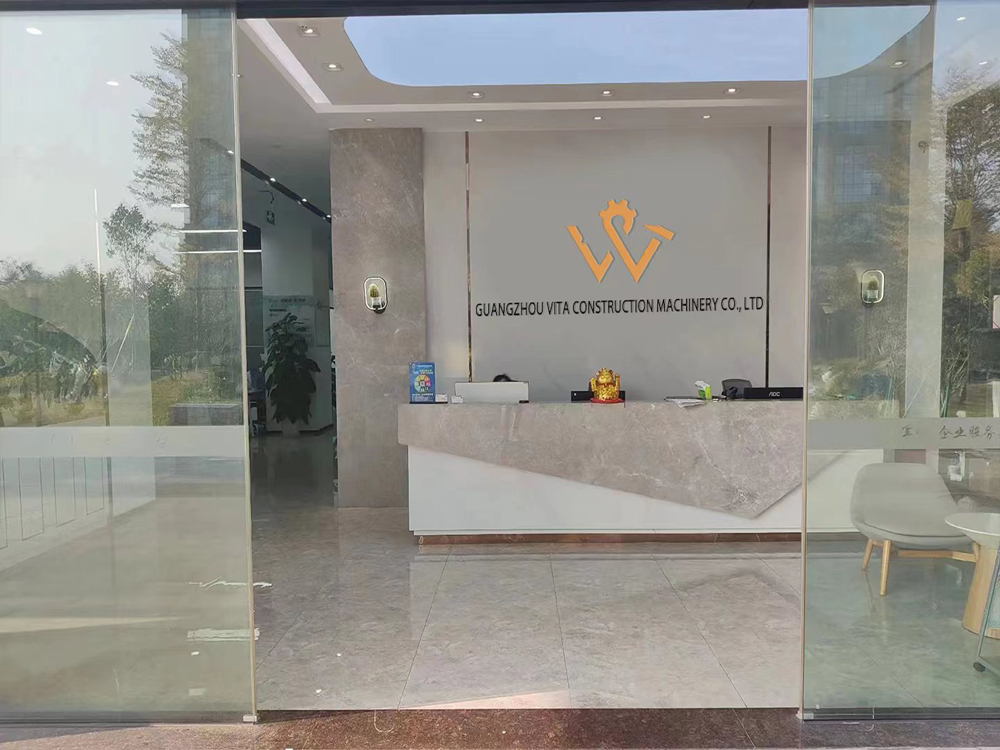
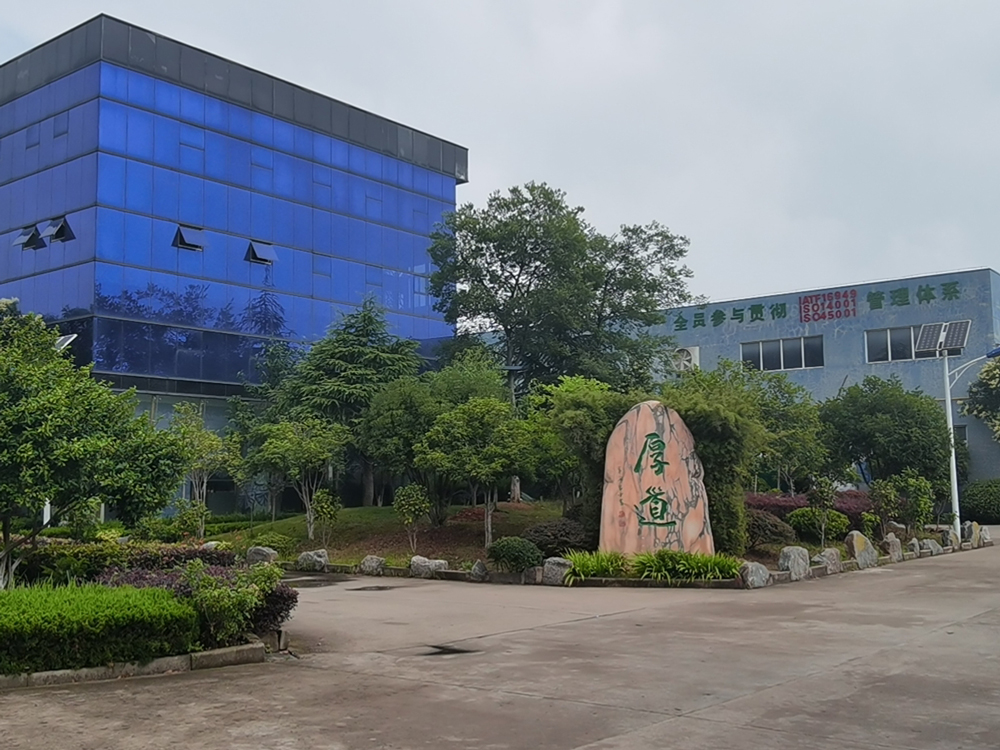
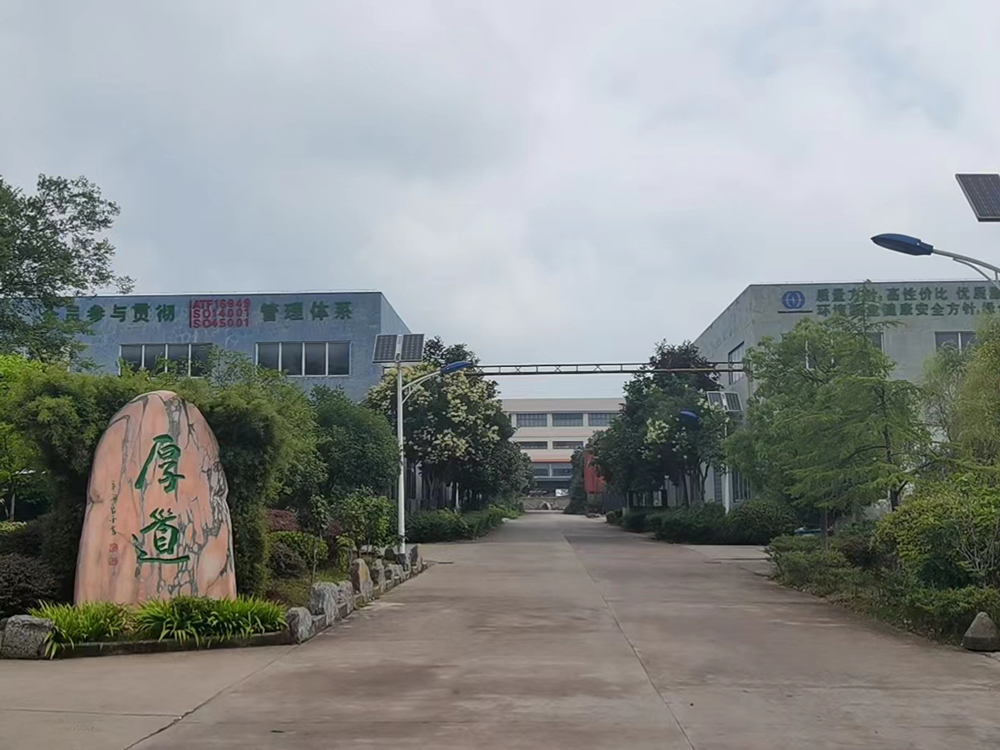
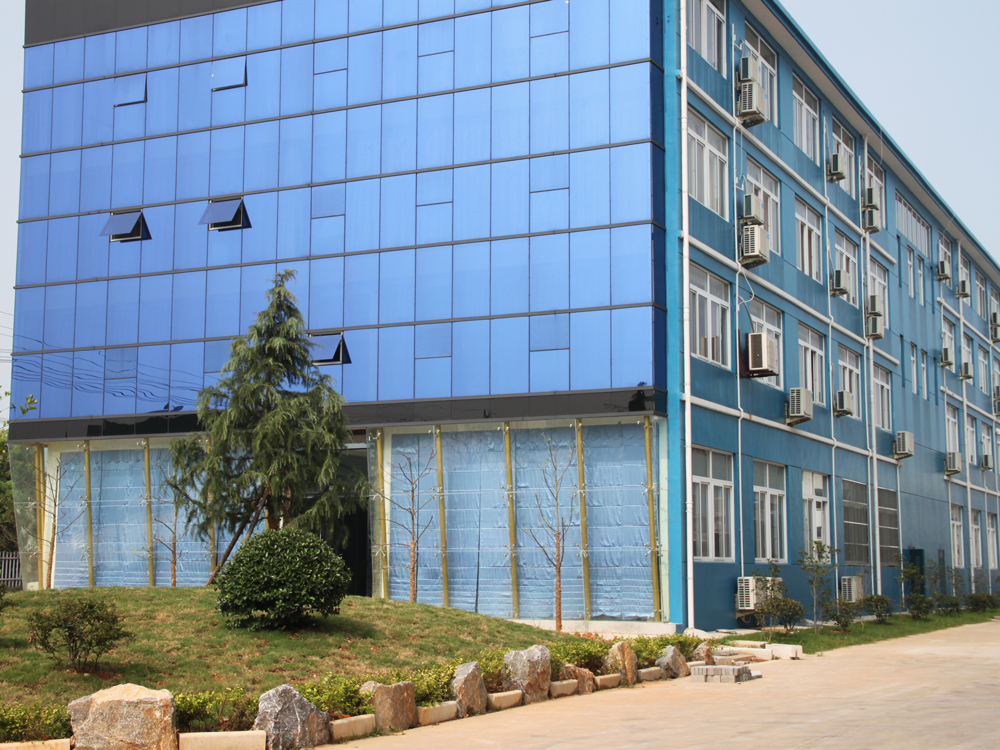
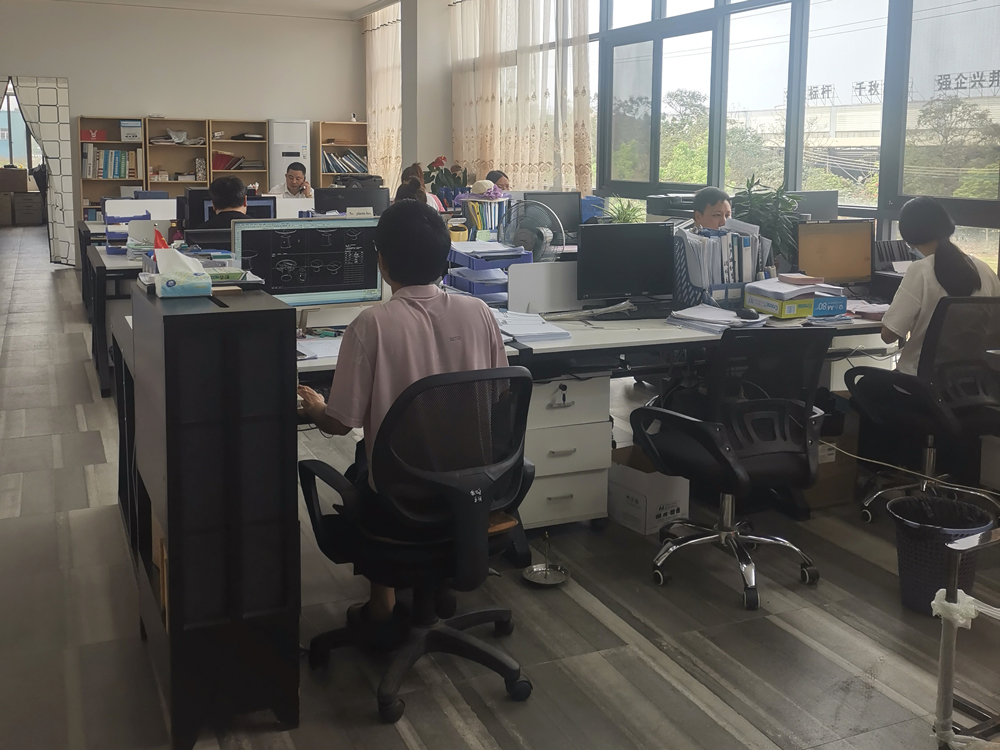
Guangzhou Vita Construction Machinery Co., Ltd. stands as a premier enterprise merging high-capacity industrial manufacturing with direct global distribution. Headquartered in Guangzhou with a dedicated state-of-the-art production facility in Xiangyang City, Hubei Province, our operations span an expansive 18,000 square meter workshop.
Equipped with computerized high-precision machining centers, our facility is run by more than 278 well-trained, highly skilled operators and guided by an elite team of 8 experienced metallurgical and mechanical engineers. This structural strength allows us to guarantee exceptional quality control alongside rapid, reliable logistics schedules.
We specialize in the engineering, development, and wholesale distribution of an exhaustive catalog of heavy machinery replacement parts. Our core range includes:
Our precision components are engineered to serve as direct replacements for the industry's most trusted brands, including: Komatsu, Volvo, Sumitomo, Caterpillar, Kubota, Hitachi, John Deere, Kobelco, Hyundai, Kato, Sany, XCMG, Sunward, and many other leading manufacturers.
In construction, reliability is paramount. We build parts to strict tolerances so your machinery continues to operate smoothly under extreme stress.
Beyond supplying assemblies, our engineering team assists clients with complex technical issues, troubleshooting operating clearances and alignment challenges.
We maintain an expert field support team that can travel globally to assist key fleet clients with complex engine rebuilds and maintenance tasks.
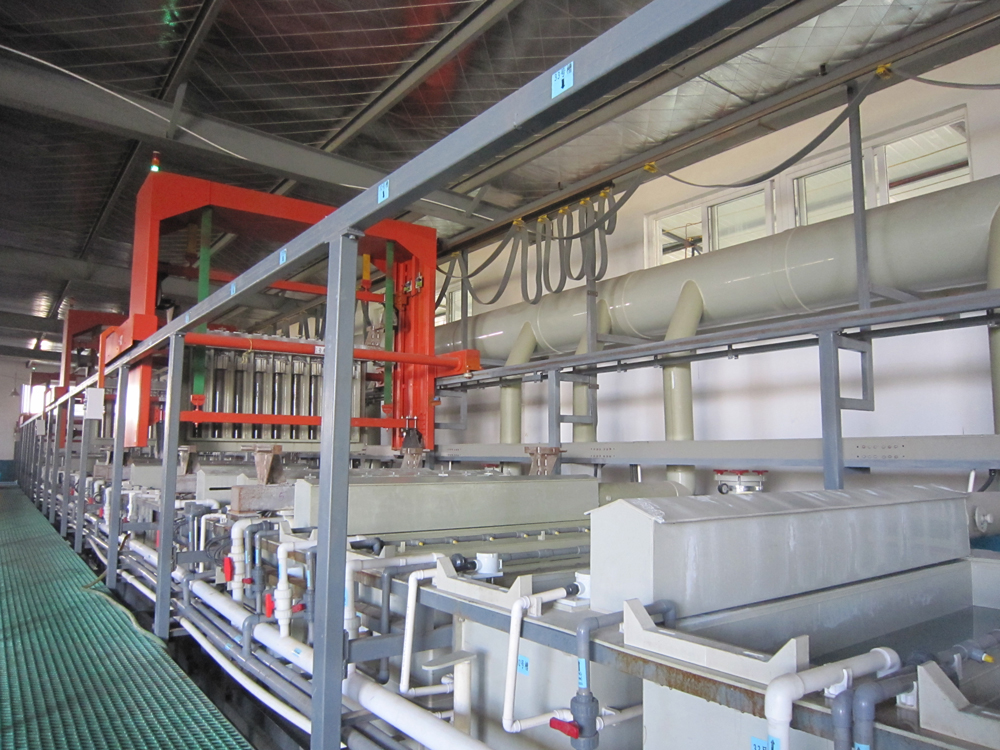
An inside look at our advanced production facilities and strict quality control operations
Technical answers to common questions about connecting rod bearing issues
The earliest indicator is usually a sudden drop in engine oil pressure, as worn bearings create larger clearances that bleed off oil pressure. Under load, this is often accompanied by a metallic knocking noise (rod knock) originating from the lower engine block. Periodic oil analysis showing elevated levels of copper, lead, or aluminum is also a strong indicator of bearing wear.
Standard practice requires replacing the entire set of rod bearings, along with the main bearings, if one has failed. A single bearing failure suggests systemic issues like oil contamination, pressure loss, or age-related fatigue that likely affected all journals. Replacing only one bearing can create clearance imbalances, leading to rapid failure on the other journals.
Bearing crush refers to the slight outward extension of the bearing halves beyond the rod cap mating faces when placed in the bore. When the rod cap bolts are torqued, this crush forces the outer steel backing of the bearing tight against the housing bore. This solid contact is necessary to prevent the bearing from spinning, and it facilitates proper heat transfer from the bearing to the connecting rod and oil cooling channels.
Trimetal copper-lead bearings offer higher load-bearing capacity and better fatigue resistance under extreme, cyclic high-torque conditions, making them ideal for heavy-duty industrial diesel engines. Aluminum-tin bearings (bimetal) are lead-free and highly resistant to corrosion from acidic oil breakdown, making them well-suited for light to medium-duty engines.
Any dust, grit, or metal particles trapped between the bearing back and the connecting rod bore will create high spots on the bearing face. These high spots disrupt the oil film and lead to direct metal contact and rapid localized wear. Ensuring clean components and oil paths is one of the most effective ways to prevent premature bearing failure.
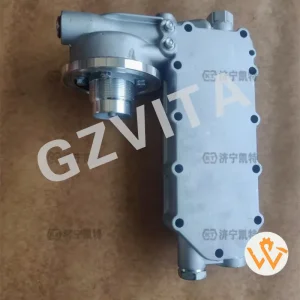
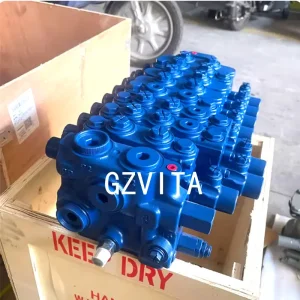
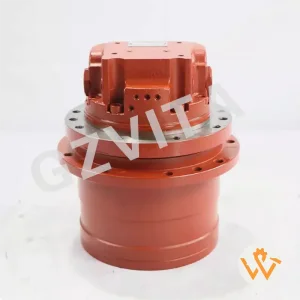
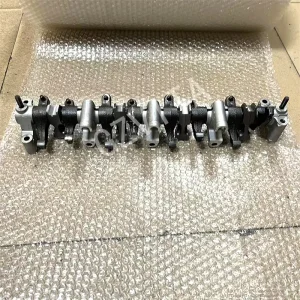
Heavy Equipment Control Valves, Motors, and Wear Components
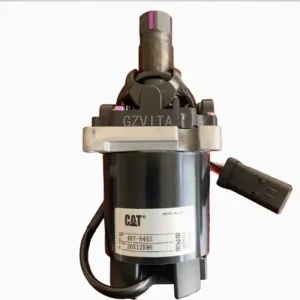
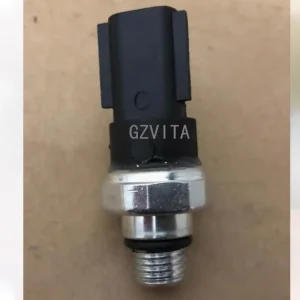
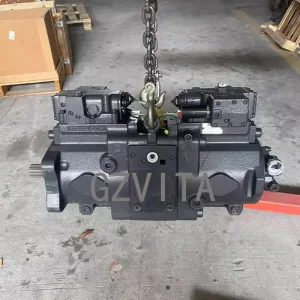
 Vita Construction