Engineered to deliver exceptional mechanical performance and durability under severe operating conditions.
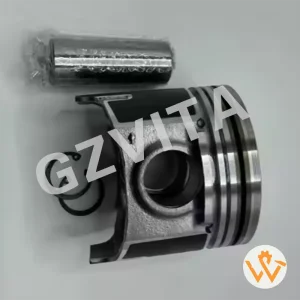
Within heavy-duty combustion engines, the main bearings operate as the critical interface supporting the crankshaft under extreme gas expansion pressures. Specifically, for diesel engine platforms like the ISC series, these bearings handle cyclic loading profiles exceeding 150 MPa. As modern emission standards compress tolerances and push combustion pressures higher, the tribological science behind ISC main bearing design has adapted to match these demands.
Traditional bimetal bearings, typically constructed from aluminum-tin alloys, are increasingly replaced by high-performance tri-metal structures. These assemblies integrate a structural steel back, a copper-lead-tin intermediate lining, and an electroplated overlay. This configuration provides the fatigue resistance, conformability, and embeddability required to prevent catastrophic crankshaft failure during high-torque operation.
Combines steel backing, copper-lead base, nickel diffusion barriers, and soft lead-tin-copper overlays for optimal loading capacity.
Formulated to support high dynamic oil film pressures under high mechanical stress and low shear rates.
Advanced chemical overlays minimize adhesion and seizure risks during critical dry cold-start conditions.
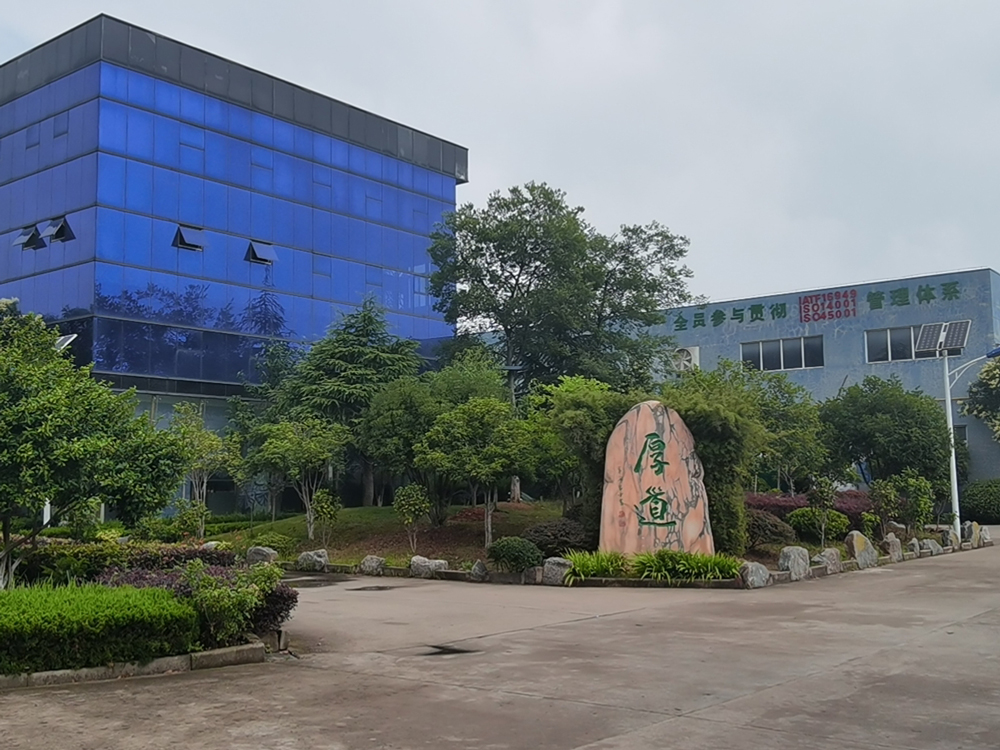
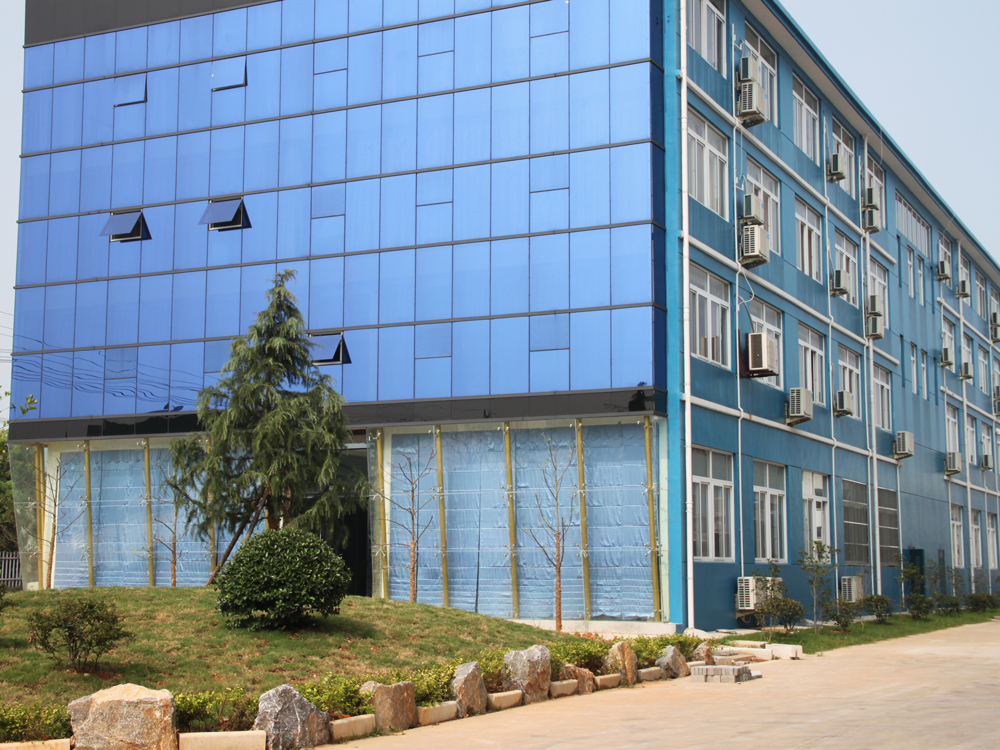
Enterprise capacity and manufacturing footprint supporting machinery fleets across Europe, Asia, and the Americas.
Analyzing logistics, material compliance, and strategic sourcing requirements for heavy industrial components.
Global procurement teams must balance component cost against lead-time risks. Relying on integrated manufacturers who manage casting, machining, and logistics minimizes delivery disruptions and maintains component consistency.
Aftermarket failure analysis shows that 74% of premature bearing failures result from metallurgical inclusions or incorrect layering thickness. Strict adherence to ISO 9001 and IATF 16949 standards ensures consistency across production runs.
Navigating global chemical laws (such as EU REACH and RoHS exemptions for heavy industrial machinery bearings) requires transparent material documentation, chemical reporting, and reliable compliance verification.
Refined micro-grooving controls oil flow, dampening high-frequency pressure waves that cause cavitation erosion in the overlay.
Precisely calibrated crush height ensures uniform heat transfer to the housing and prevents bearing rotation under load.
Soft overlays safely capture and embed foreign particulate debris, preventing scratches to the crankshaft journal.
Engine bearings operating in industrial environments, such as mining excavators and heavy earthmovers, face challenges beyond normal wear. High particulate loads, engine vibration, and variable fuel quality accelerate bearing wear. Effective solutions must address these problems at the chemical and micro-structural levels.
Applying a hard nickel or cobalt barrier dam between the copper intermediate layer and the soft overlay prevents tin migration. Tin migration forms brittle intermetallic compounds, leading to overlay peeling. In high-debris conditions, using aluminum-tin-silicon alloys offers high wear resistance because the silicon particles act as an integrated wear-prevention layer.
Additionally, optimizing the bearing oil groove profile ensures consistent oil delivery. Modifying standard partial grooving designs to full-grooved structures with contoured exits stabilizes oil pressure across the crankshaft journal, lowering operating temperatures and extending maintenance intervals.
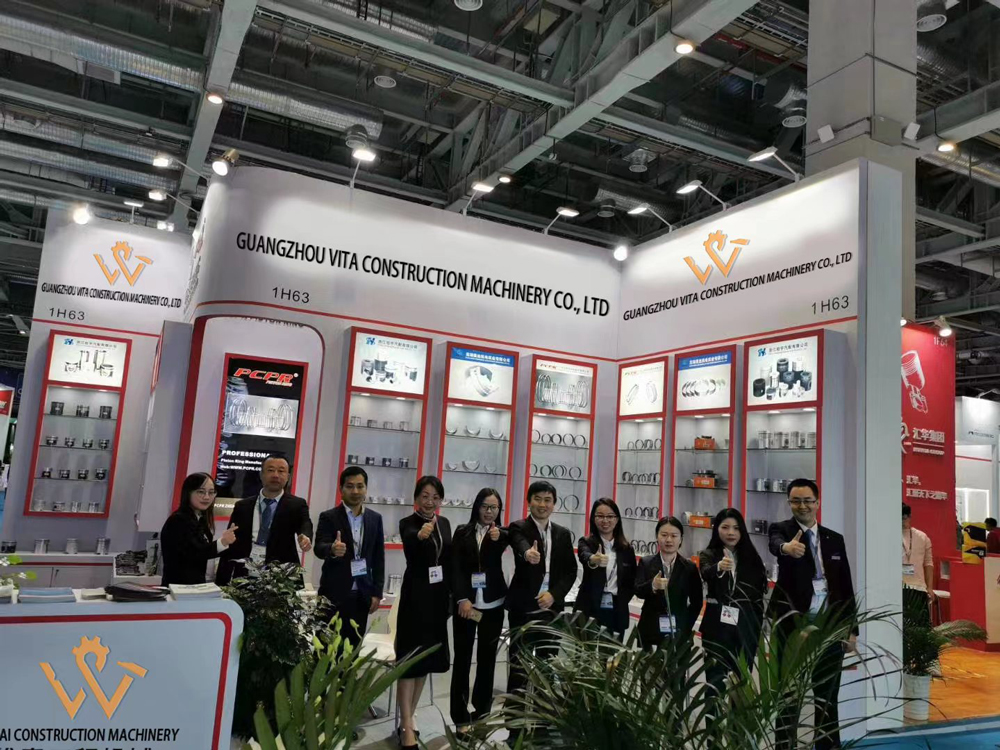
High-precision manufacturing processes and technical support services for global infrastructure machinery.
In the construction sector, equipment uptime is critical to project profitability. We focus on providing high-quality replacement parts to keep your engines and machinery running efficiently.
To support our customers, our service team assists with engine diagnostics and technical challenges encountered during engine rebuilding and assembly.
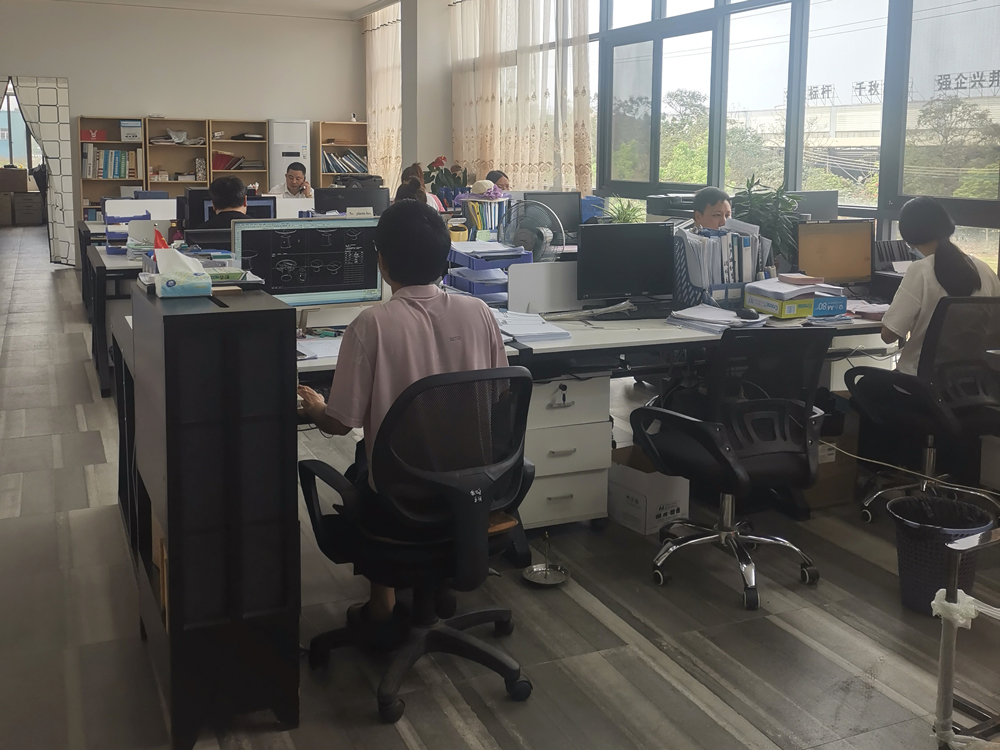
We maintain an in-house team of maintenance technicians and support staff, available to travel internationally to assist clients with on-site engine diagnostics and repair projects.
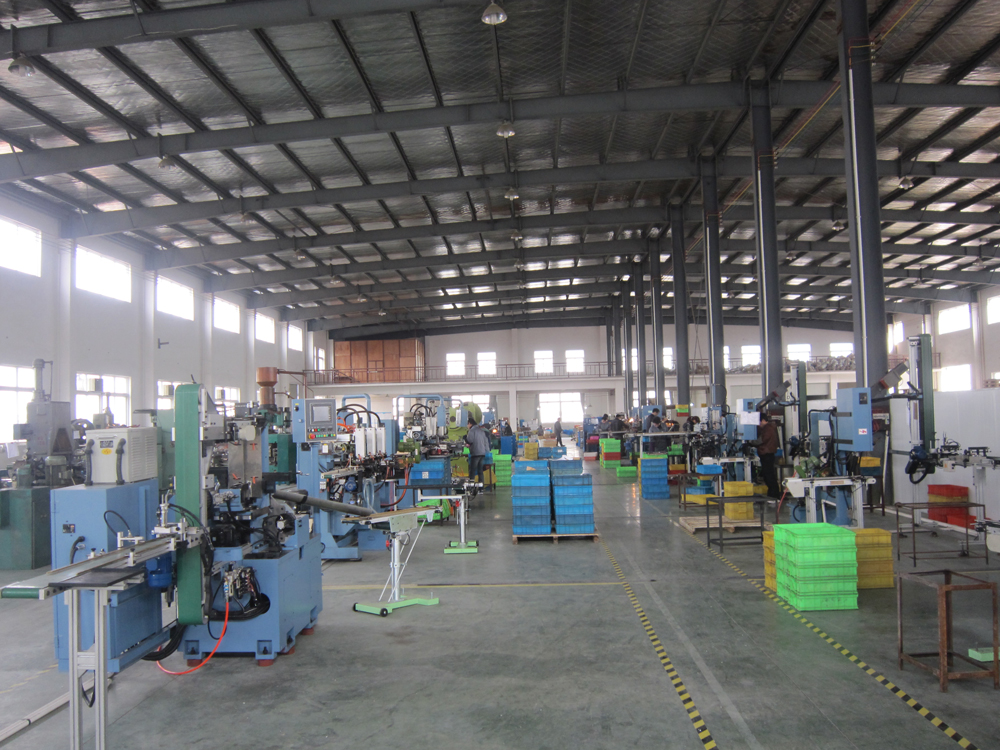
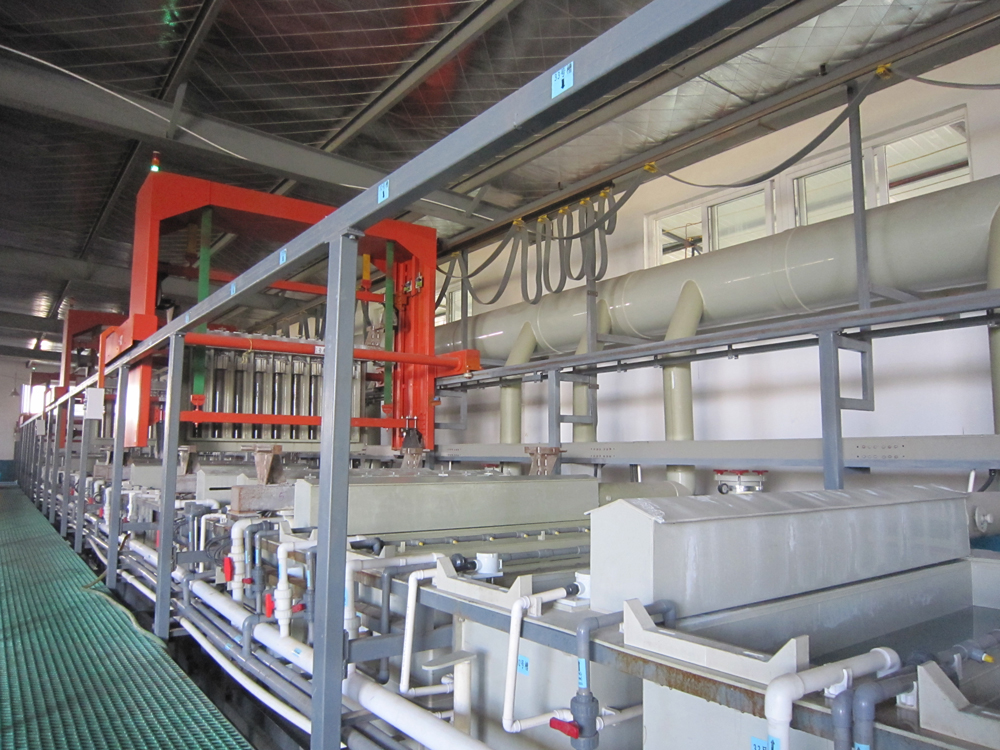
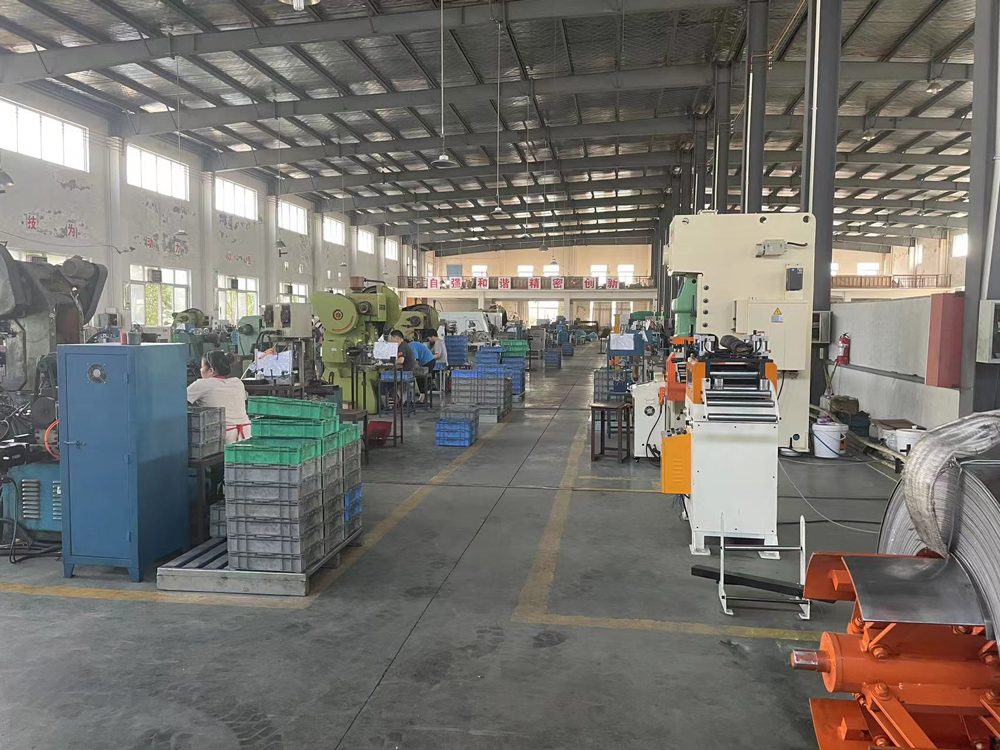

How materials science and design engineering adapt to next-generation powertrains and environmental demands.
With the growth of hybrid off-highway machinery, engines experience frequent stop-start cycles. Standard copper-lead main bearings can wear quickly during these cycles due to brief lubrication delivery delays. Next-generation ISC bearings feature resin-bonded polymer coatings filled with solid lubricants like molybdenum disulfide (MoS2) and graphite. These coatings protect the bearing during boundary lubrication phases.
Environmental standards are driving a shift away from lead-based engine components. Sourcing and engineering teams are focused on developing lead-free aluminum-tin-silicon-copper alloys and bronze backings. These materials match the fatigue limits and chemical resistance of traditional tri-metal lead-bronze options.
To improve fuel economy, modern industrial engines use ultra-low viscosity oils (such as 5W-20 or 0W-20). These thin oils form a thinner hydrodynamic film, requiring smoother bearing surfaces (with a roughness limit of Ra < 0.1 µm) and tighter geometric tolerances to prevent metallic contact.
Achieved using thin-film PVD sputtering techniques.
Achieved using solid lubricant-impregnated polymers.
Transitioning to aluminum-tin-bronze alloys.
Common questions from industrial buyers and maintenance engineers regarding heavy-duty engine bearings.
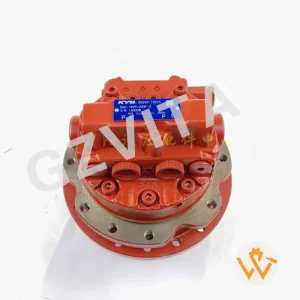
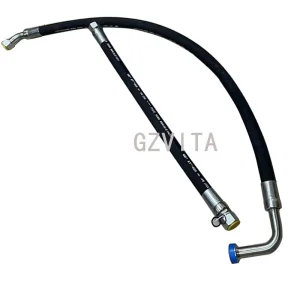
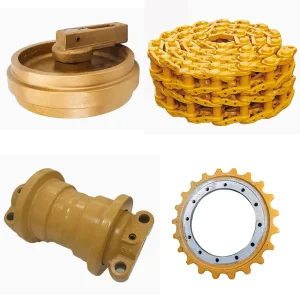
Durable replacements for excavator, loader, and tractor components.
 Vita Construction