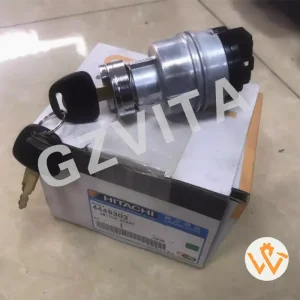
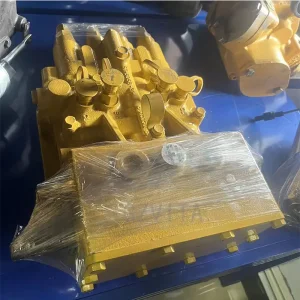
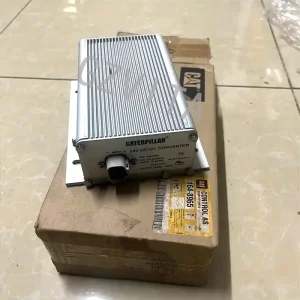
Explore our engineering-grade spare parts tailored for high-load hydraulic systems and heavy diesel performance.
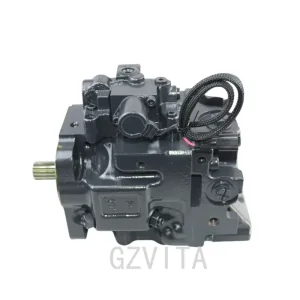
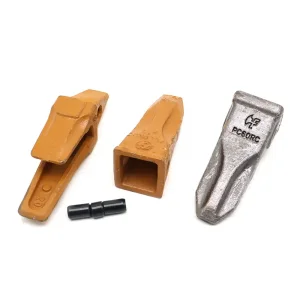
In the global arena of heavy automotive design, construction machinery, and power plant distribution grids, thermal containment represents the ultimate threshold of mechanical endurance. The radiator reservoir hose, often called the coolant overflow or bypass return line, serves as the critical safety valve that dynamically regulates pressure between the radiator header tank and the expansion reservoir.
With the rapid adoption of high-efficiency common-rail diesel engines and Stage V emission compliance standards, engine compartment layouts have become exceptionally dense. This density drives ambient operational temperatures higher, necessitating high-performance elastomer configurations. Today, global supply chains depend heavily on specialized manufacturing hubs capable of delivering components that resist structural fatigue, chemical erosion, and severe mechanical vibration.
Continuous Temp Rating
Dynamic Burst Limit
OAT Coolant Proof
How modern polymer engineering prevents electrochemical degradation and high-pressure hose failure.
We build our radiator reservoir hoses with a high-tensile aramid (Kevlar) or high-denier polyester spiral knit inner matrix. This prevents physical ballooning or kinking when the engine cycles between extreme pressure differentials.
Modern coolants act as an electrolyte, creating micro-currents that can degrade standard rubber compounds. Our peroxide-cured EPDM prevents micro-cracking, splitting, and inner tube erosion caused by electrochemical stress.
Engineered to withstand prolonged contact with organic acid technology (OAT) coolants, standard ethylene glycol mixtures, engine oils, and diesel vapors without swelling or loss of physical elasticity.
A comparison of heavy-duty reservoir hose classes across standard commercial grades.
| Specification Parameters | Standard EPDM Hoses | Reinforced Heavy EPDM (Vita Standard) | High-Grade Silicone Bypass Lines |
|---|---|---|---|
| Working Temperature Range | -30°C to +110°C | -40°C to +150°C | -55°C to +230°C |
| Wall Structure | Single Extrusion (Unreinforced) | Peroxide-Cured EPDM with Knit Aramid | Multi-ply Silicone with Polyester Fabric |
| ECD Vulnerability | Moderate to High | Extremely Low (ECD Resistant) | Negligible |
| Maximum Test Pressure | 1.5 Bar (21 PSI) | 3.5 Bar (50 PSI) | 8.0 Bar (116 PSI) |
| Standards Compliance | SAE J20 Class D-2 | SAE J20 Class D-1 (High Perf) | SAE J20 Class A |
Whether deployed on a civil construction project in the humid climate of Southeast Asia, an open-pit mine in the freezing reaches of Northern Canada, or a remote desert infrastructure project in the Middle East, cooling system components face distinct environmental stresses.
In sub-zero conditions, poor elastomer compounds suffer from "glass transition transition phase," where the polymer hardens, turns brittle, and cracks. Vita’s formulation retains its elasticity down to -40°C, ensuring leak-free connections during cold engine starts. Conversely, in hot desert conditions, ambient heat combined with high engine loads can trigger localized boiling of the coolant, generating steam inside the return loop. Our high burst-rated, multi-ply reservoir hoses prevent wall failures under pressure spikes.
Over 40% of engine downtime in major civil engineering projects stems directly from cooling loop anomalies. A simple coolant return line failure can cause rapid coolant loss, resulting in head gasket warpage, piston seizure, and expensive engine overhauls. Installing robust, heavy-duty reservoir hoses significantly lowers unplanned downtime.
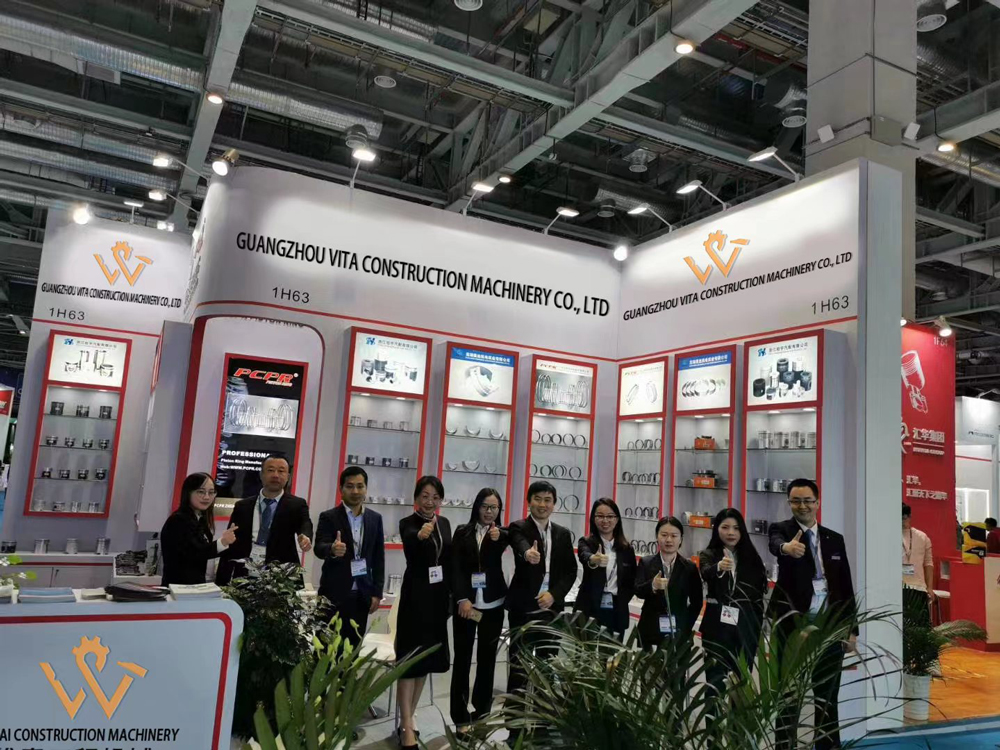
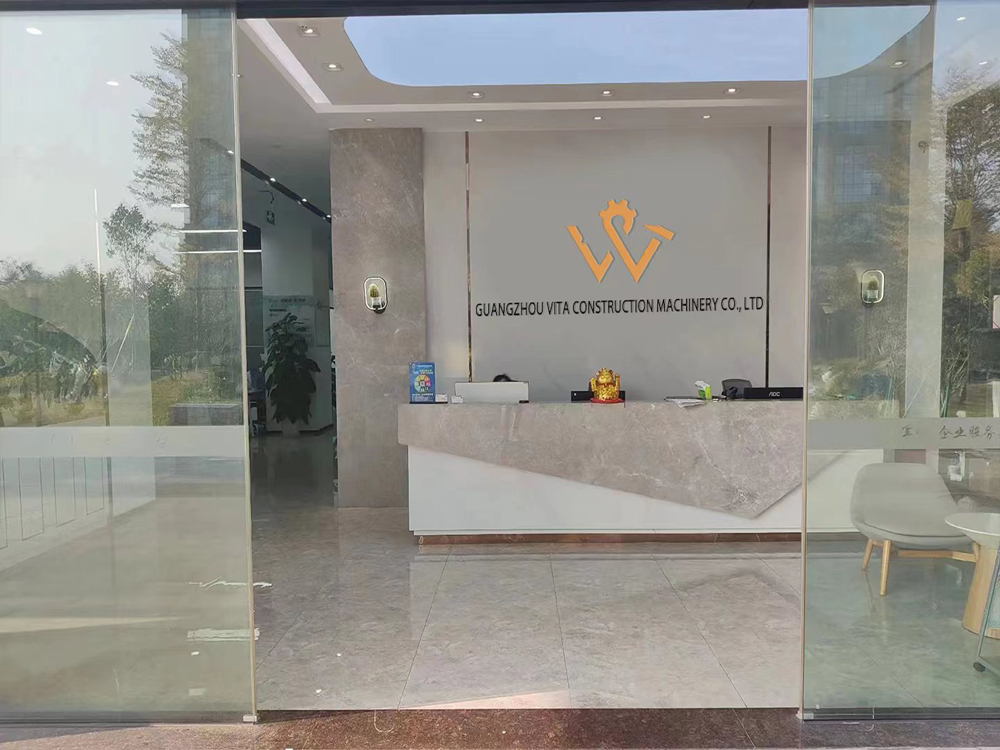
Learn more about Guangzhou Vita Construction Machinery Co., Ltd. - your manufacturing and trade partner.
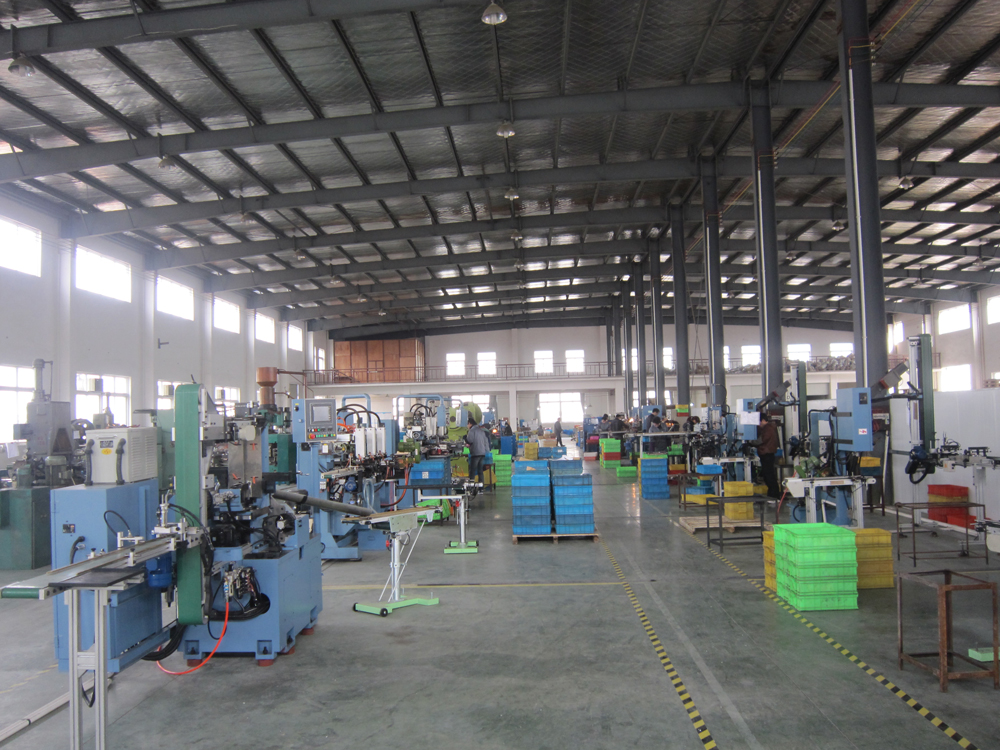
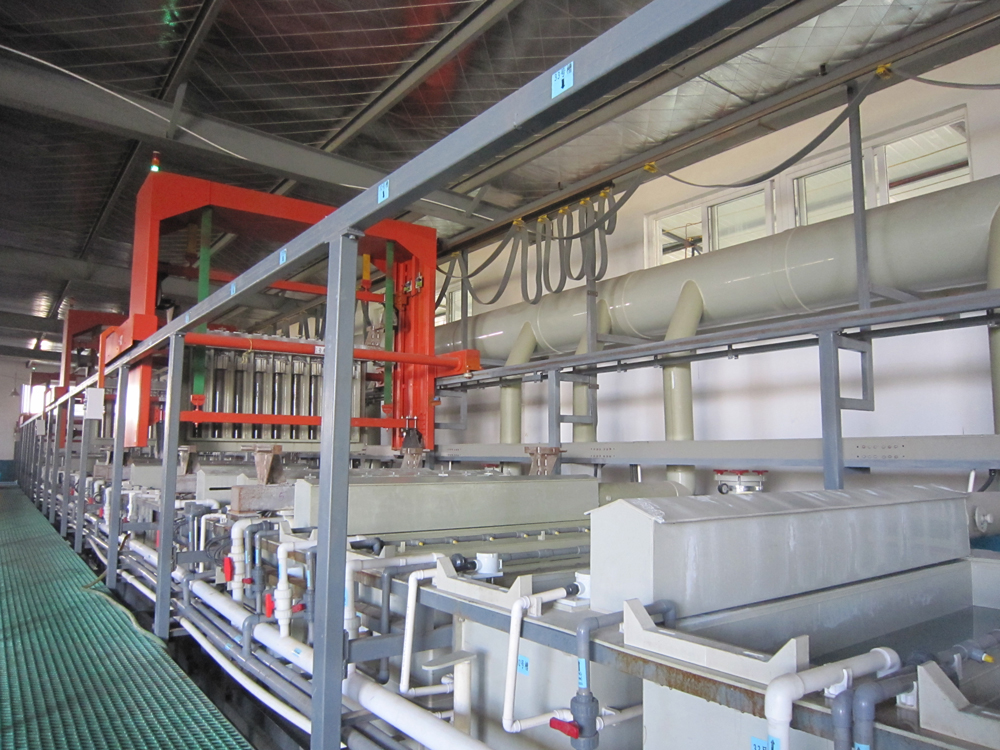
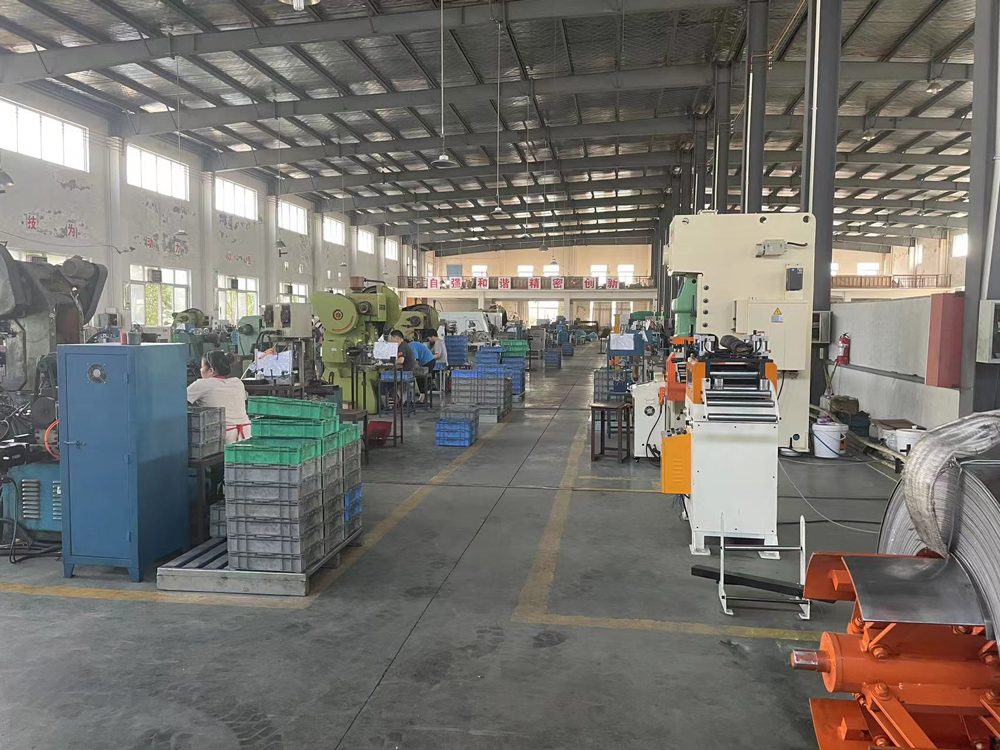
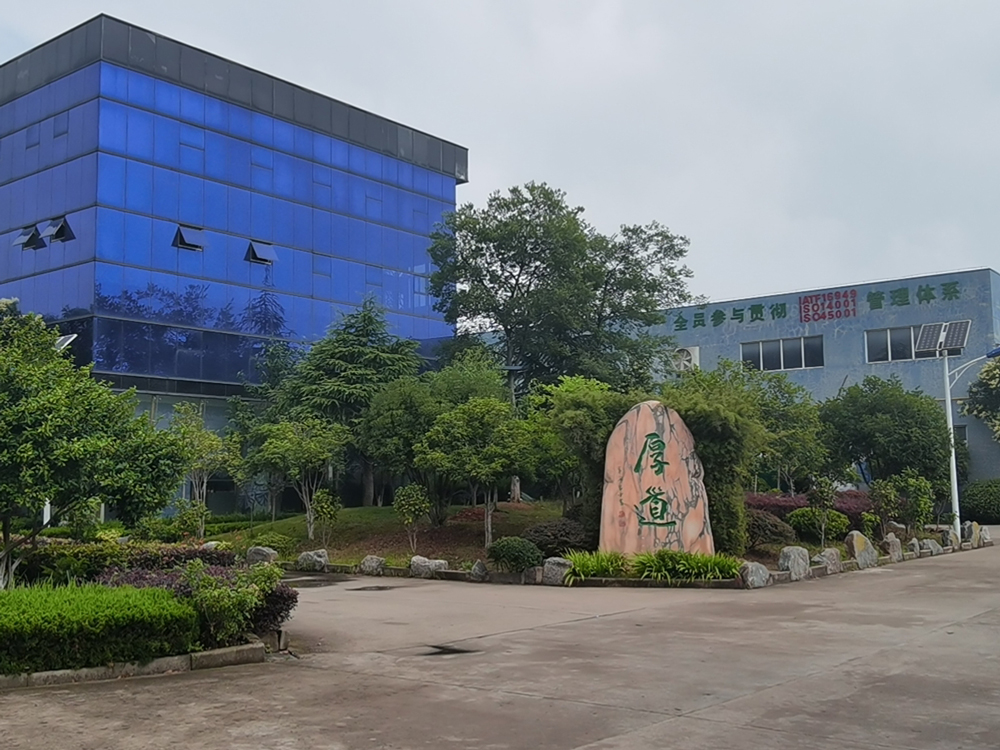
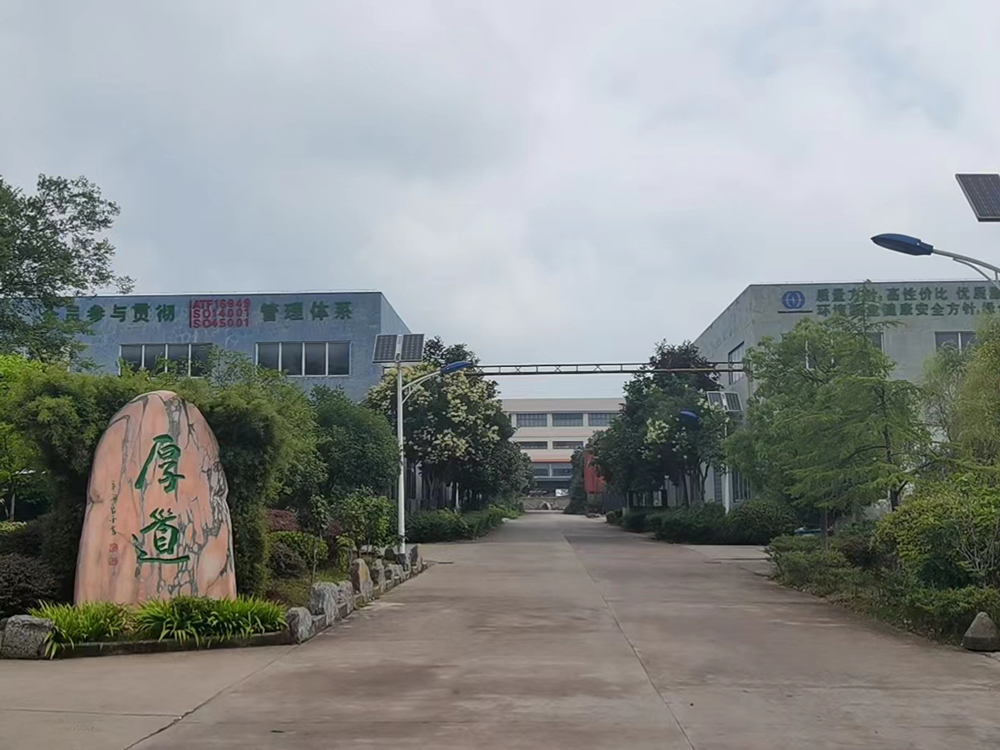
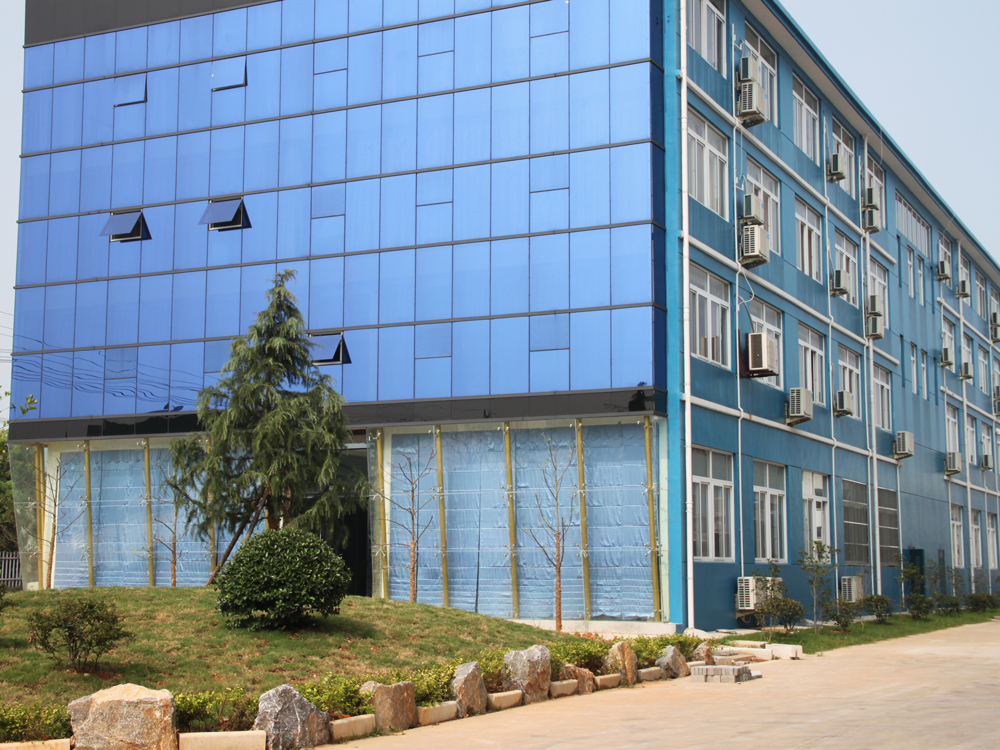
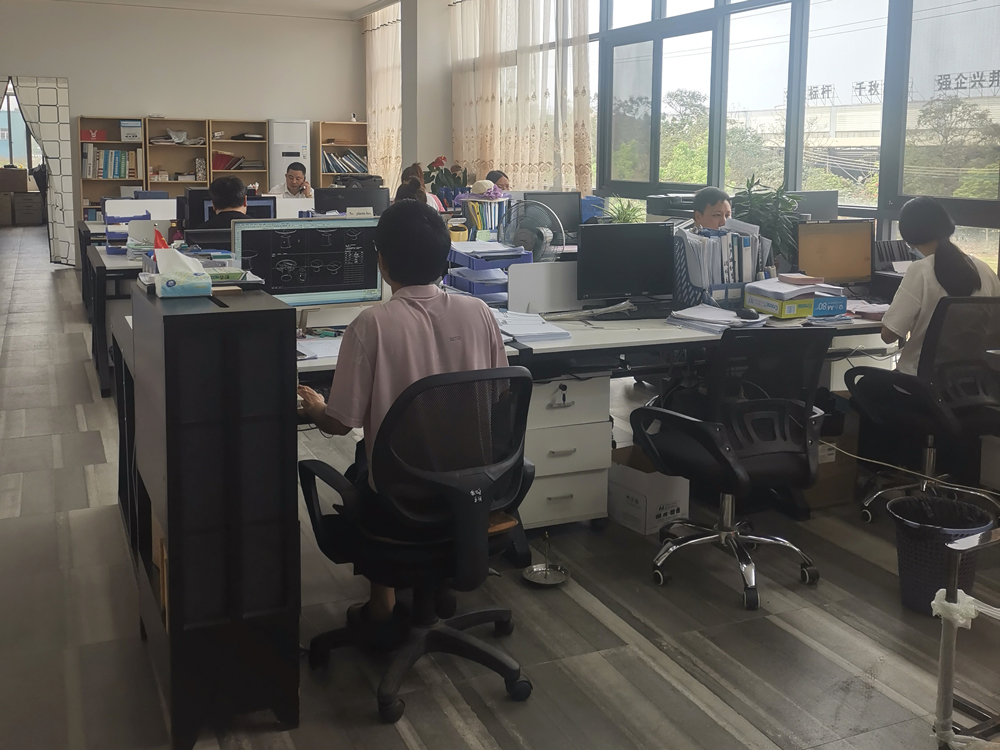
Guangzhou Vita Construction Machinery Co., Ltd. is one of the largest companies combining factory production and international trade. Our manufacturing facility in Xiangyang, Hubei Province, spans over 18,000 square meters. The plant features advanced production machinery, operated by 278 skilled workers and supported by 8 experienced engineers. This setup ensures consistent product quality and fast, reliable delivery schedules.
We specialize in manufacturing, developing, and exporting a comprehensive range of construction machinery replacement parts. Our catalog includes complete engine assemblies, hydraulic pump assemblies, final drives, electric generators, engine bearing sets (including main bearings and connecting rod bearing series), crankshafts, engine valves, gear pumps, cylinder heads, filters, excavator buckets, and undercarriage components. These parts serve as reliable replacements for equipment from major global brands, including Komatsu, Volvo, Sumitomo, Caterpillar, Kubota, Hitachi, John Deere, Kobelco, Hyundai, Kato, Sany, XCMG, and SUNWARD.
Reliability and efficiency make or break a project. We provide high-quality replacement parts built to withstand the demands of heavy construction environments.
In addition to supply, we help customers troubleshoot technical issues encountered during engine assembly, maintenance, and fleet integration.
We maintain our own professional maintenance division, capable of deploying skilled technicians to support overseas repair projects.
Optimizing entire heavy machinery cooling loops through system diagnostics and components integration.
Modern radiator systems rely on balanced coolant flow. When a heavy-duty excavator engine works under high hydraulic loads, it requires a steady return loop to the expansion tank. If the return hose collapses or becomes clogged, it disrupts pressure relief, leading to localized hotspot boiling and cavitational damage in the main engine block.
At Guangzhou Vita, we address these performance bottlenecks through complete system integration. Our components are designed to work together, matching the fluid dynamics and pressures of modern engines. This ensures that replacement parts integrate smoothly with existing radiators, pumps, and water jacket configurations to keep equipment operating efficiently.
Optimized for industrial equipment operating in high-stress thermal environments.
Adapting replacement parts for next-generation hybrid systems and alternative fuel machinery.
Future cooling systems will incorporate smart sensors. We are exploring reservoir bypass lines with molded-in sensor ports to track temperature and pressure variations directly in the coolant return loop.
Hydrogen internal combustion engines and diesel-electric hybrids run under high thermal loads. We are developing silicone-elastomer hoses designed for the demands of zero-emission machinery.
We are researching bio-derived polymers to lower carbon emissions during production while maintaining the durability and performance of our replacement hoses.
Expert insights on selecting, installing, and maintaining heavy-duty cooling loop hoses.
Failures are typically caused by Electrochemical Degradation (ECD), thermal hardening from high engine bay heat, physical wear from vibration, or swelling due to oil exposure. Our peroxide-cured EPDM hoses resist these conditions to prevent premature cracking and splits.
Yes, silicone is excellent for temperature resistance. However, it requires multi-ply polyester or aramid reinforcing layers to handle high pressures, and must be rated to prevent coolant permeation through the hose wall.
Heavy-duty cooling hoses are designed to meet specifications like SAE J20. Class A covers high-grade silicone, Class D-1 handles high-performance EPDM, and Class D-2 regulates standard EPDM applications.
Select hose diameters that match the engine's original layout. Undersized hoses restrict fluid expansion, while oversized hoses can cause air pockets. Check your equipment's manual or consult our engineering team for advice.
Lead times depend on the order size and custom specifications. Standard sizes are shipped quickly from our 18,000-square-meter facility in Xiangyang, Hubei. Custom runs are scheduled through our engineering and production teams.
Peroxide-cured EPDM offers superior thermal stability, lower compression set, and better resistance to chemical coolants than sulfur-cured varieties, making it ideal for heavy-duty construction machinery.
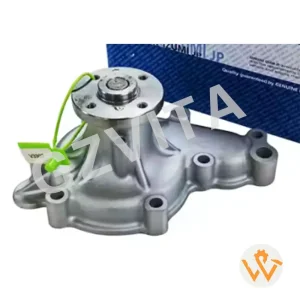
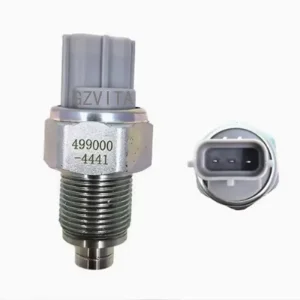
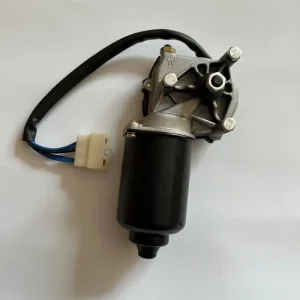
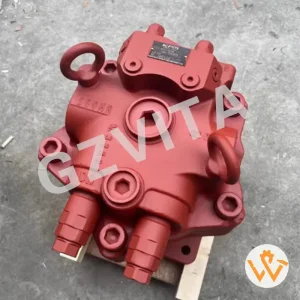
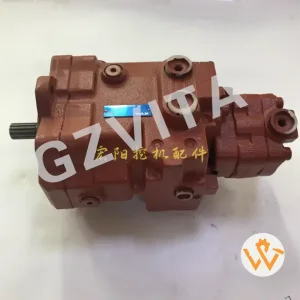
Complete your fleet maintenance with our selection of replacement valves, sensors, water pumps, and engine parts.
 Vita Construction