 Vita Construction
1 / 3
Ensure that you are working in a clean, well-lit environment. Gather all necessary tools and materials. Review the service manual for your specific CAT truck model to understand the assembly requirements and torque specifications.
Before assembly, inspect all components of the Control AS for any signs of damage or wear. Replace any damaged parts as necessary.
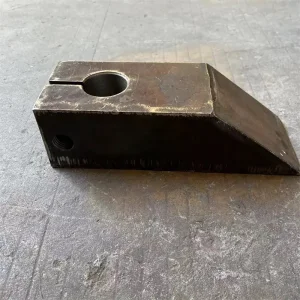
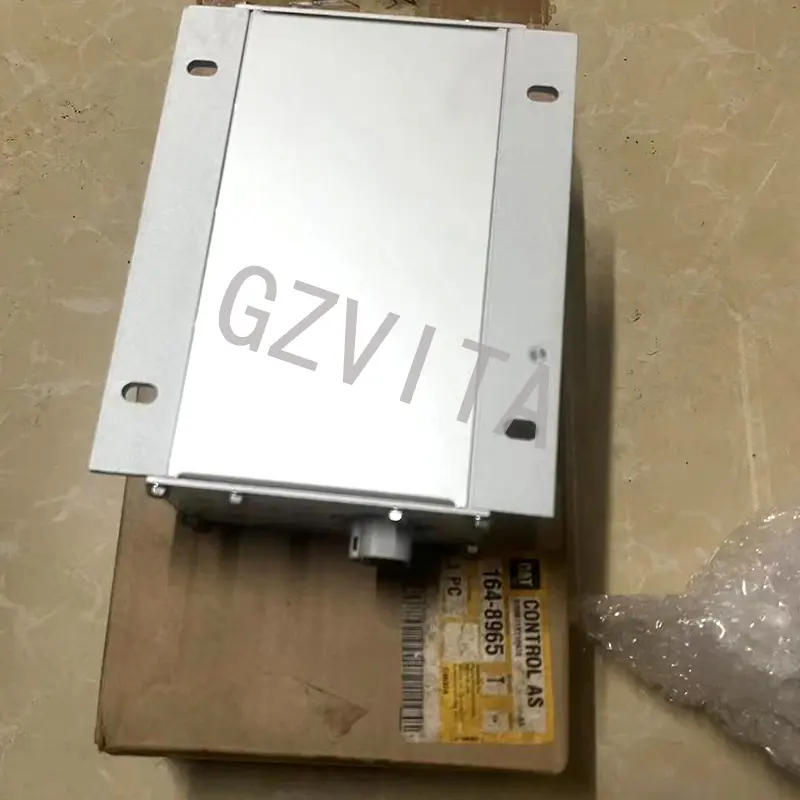
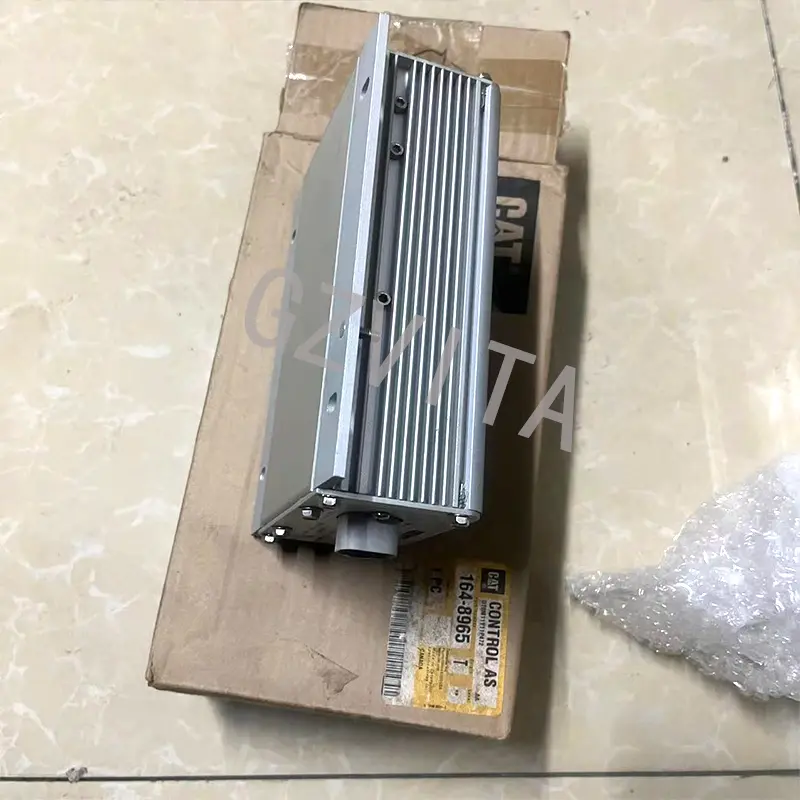
Start by securing the base plate of the Control AS to the designated mounting location on the truck chassis. Use the appropriate bolts and ensure they are tightened to the specified torque.
Position the control module onto the base plate. Align the mounting holes and secure it using the provided screws or bolts. Ensure that the module is seated properly and that all connections are accessible.
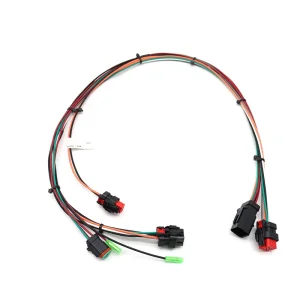
Carefully connect the wiring harness to the control module. Ensure that all connectors are securely fastened and that there are no loose wires. Follow the color-coding or labeling on the connectors to ensure proper connections.
Make any final connections, including hydraulic lines or additional wiring, as specified in the service manual. Ensure that all connections are secure and free from leaks.
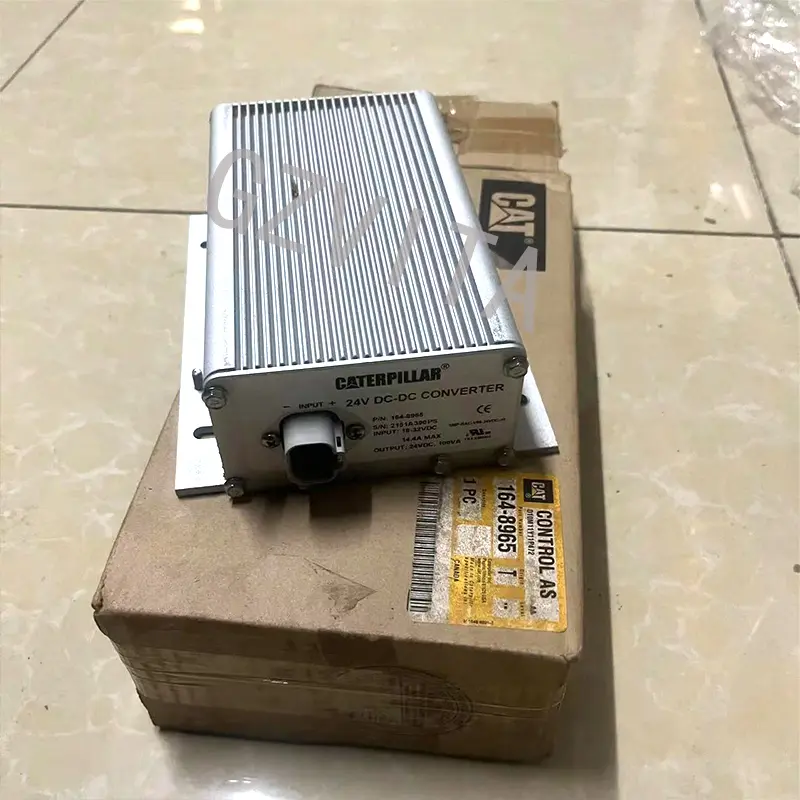
The Control AS (Control Assembly) is responsible for managing vital operations of the CAT truck, which include engine performance, transmission systems, and other central operating configurations.
Securing the base plate to the specified torque prevents loose mounting or vibration damage, which could cause calibration issues or physical damage to the internal electronics of the Control AS.
Handle the harness gently without pulling on individual wires. Align the pins carefully, matching any color-coded or labeled markers, and push until the connector clicks securely into position.
You should only use assembly lubricant if it is specifically required by your CAT truck's service manual. Excessive or unapproved lubricants can attract dirt or damage rubber seals.
Always replace worn or damaged parts before starting the assembly. Reusing compromised components can lead to system failures, unsafe driving conditions, and costly repairs later.