Explore our premium range of heavy machinery spares, engineered for optimal durability and extreme thermal efficiency.
A macroeconomic analysis of key technical shifts, environmental regulations, and commercial demands shaping the worldwide engine parts ecosystem.
Modern internal combustion engines require optimal thermal conductivity. Wet type cylinder liners, directly exposed to engine coolant, support intense power outputs without structural cracking.
Global regulations demand reduced particulate matter. Precision plateau-honed wet liners optimize oil film control, contributing directly to lower oil consumption and reduced blow-by.
Accelerated mining activities in Australia, South America, and infrastructural expansions in North America are escalating the replacement rate of heavy excavator power units.
In the heavy-duty machinery sector, the cylinder liner is the heart of internal combustion engine durability. Unlike dry liners, which press directly against the cast iron cylinder block, wet type cylinder liners remain in immediate contact with the liquid coolant. This structural design offers unprecedented heat dissipation but also demands superior sealing technologies and high-tensile casting integrity to prevent coolant leaks into the crankcase.
As industrial giants such as Komatsu, Volvo, Sany, and Caterpillar push the boundaries of brake mean effective pressure (BMEP), the mechanical stresses acting on cylinder liners have reached historic levels. Consequently, procurement agencies are transitioning away from local low-spec replacement sleeves toward globally accredited wholesale wet type cylinder liner manufacturers capable of guaranteeing metallurgical consistency and micron-level dimensional tolerances.
Integrating manufacturing excellence, foreign trade operations, and global technical consultancy under one roof.
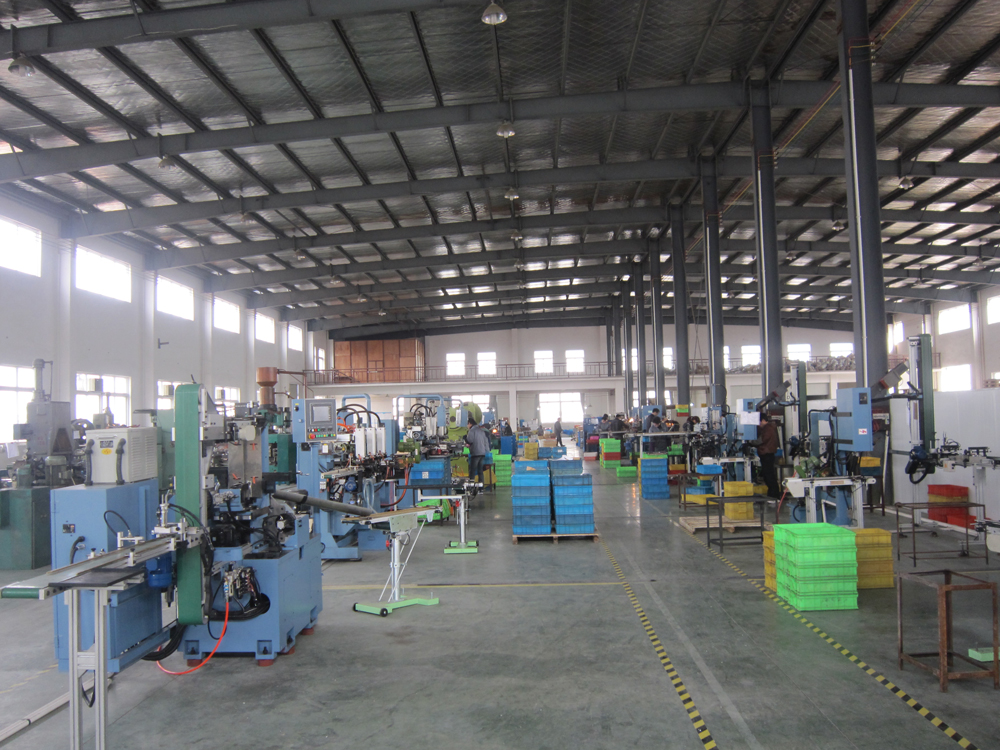
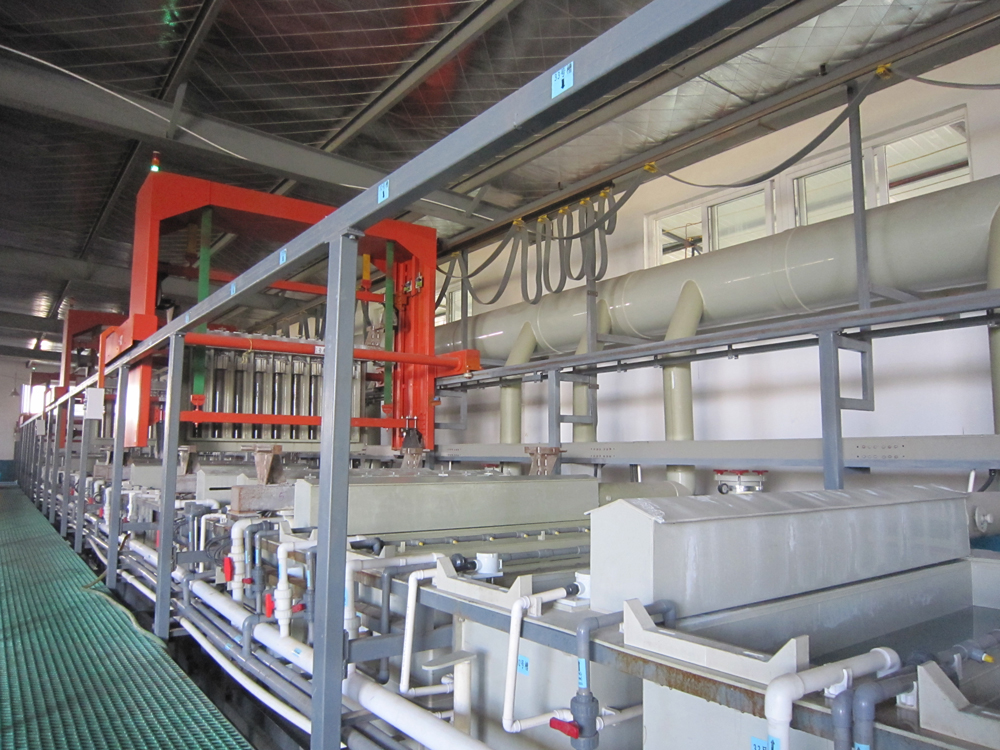
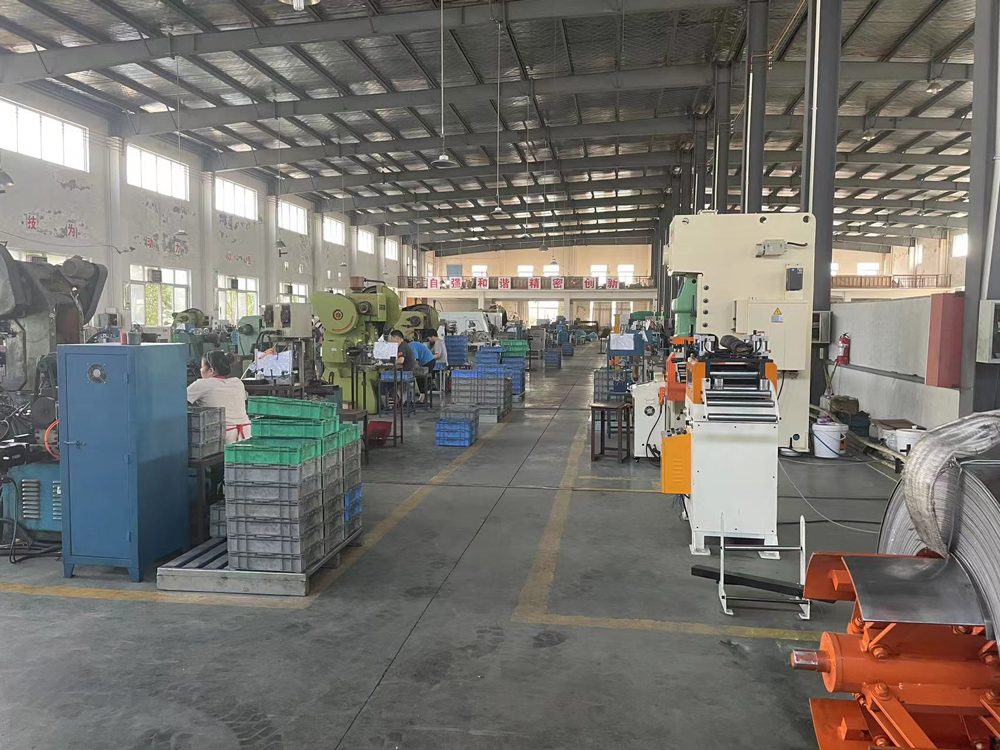
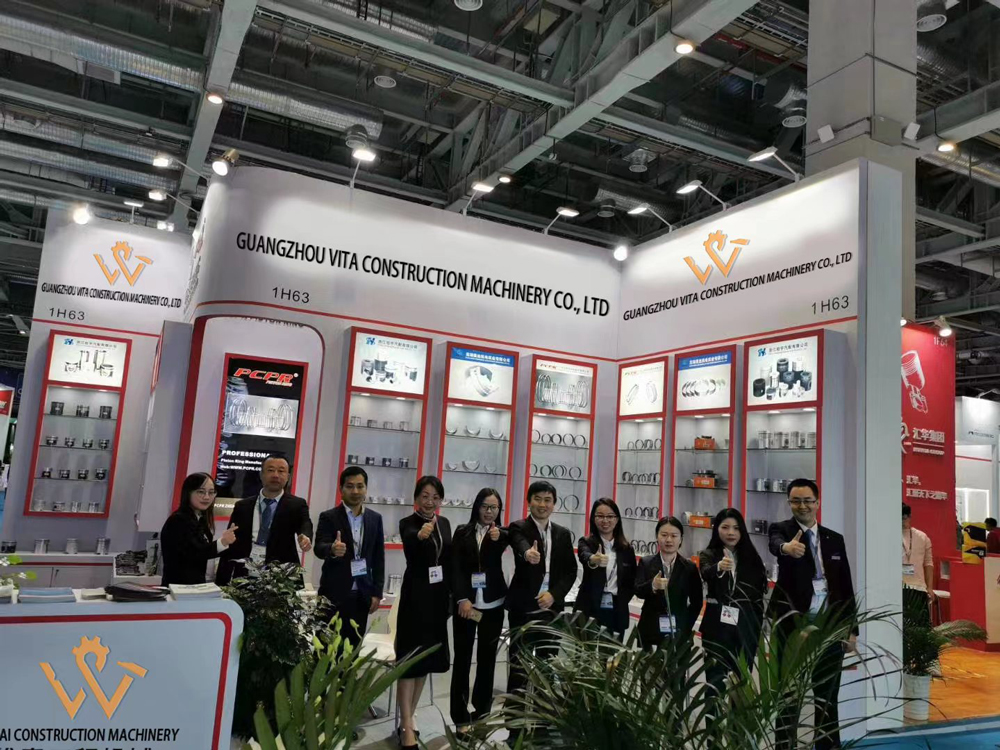
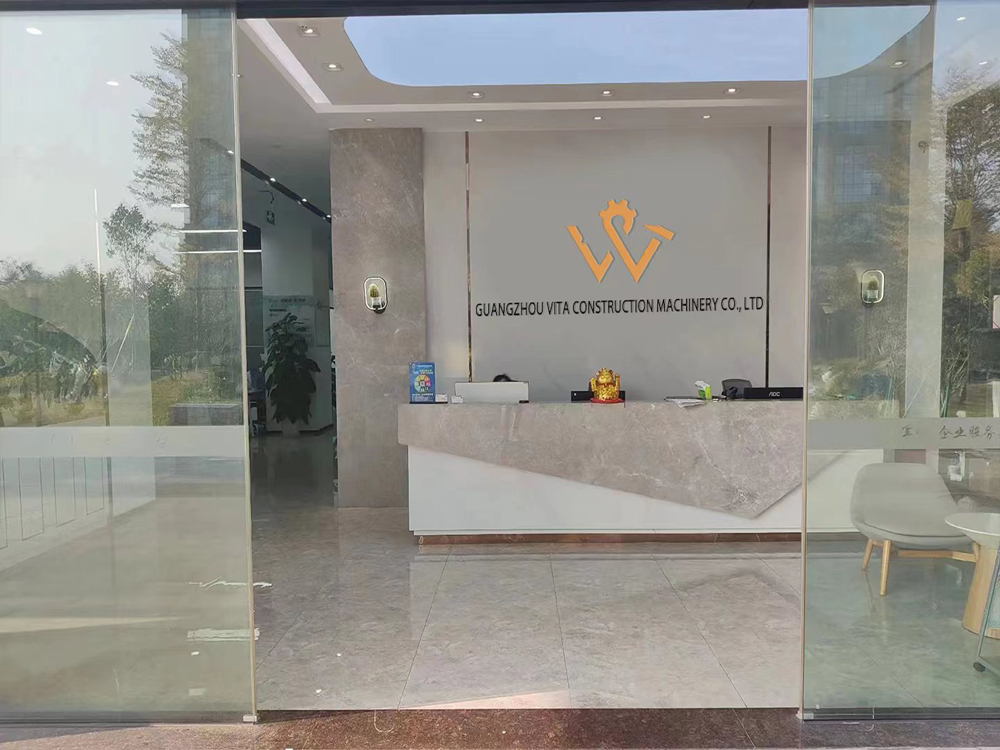
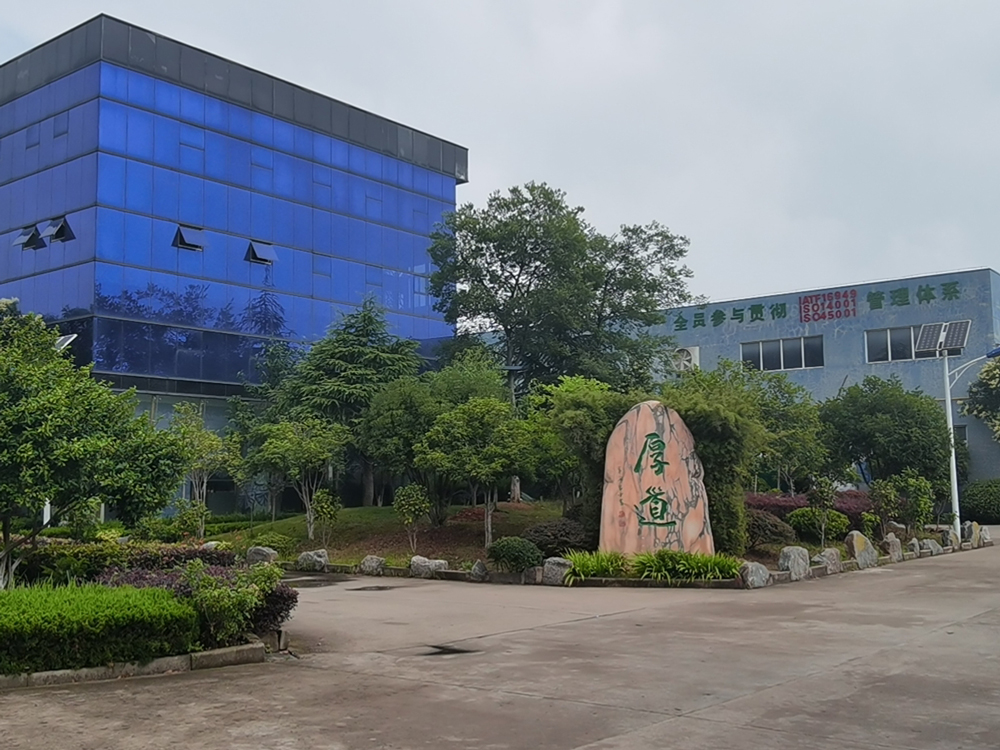
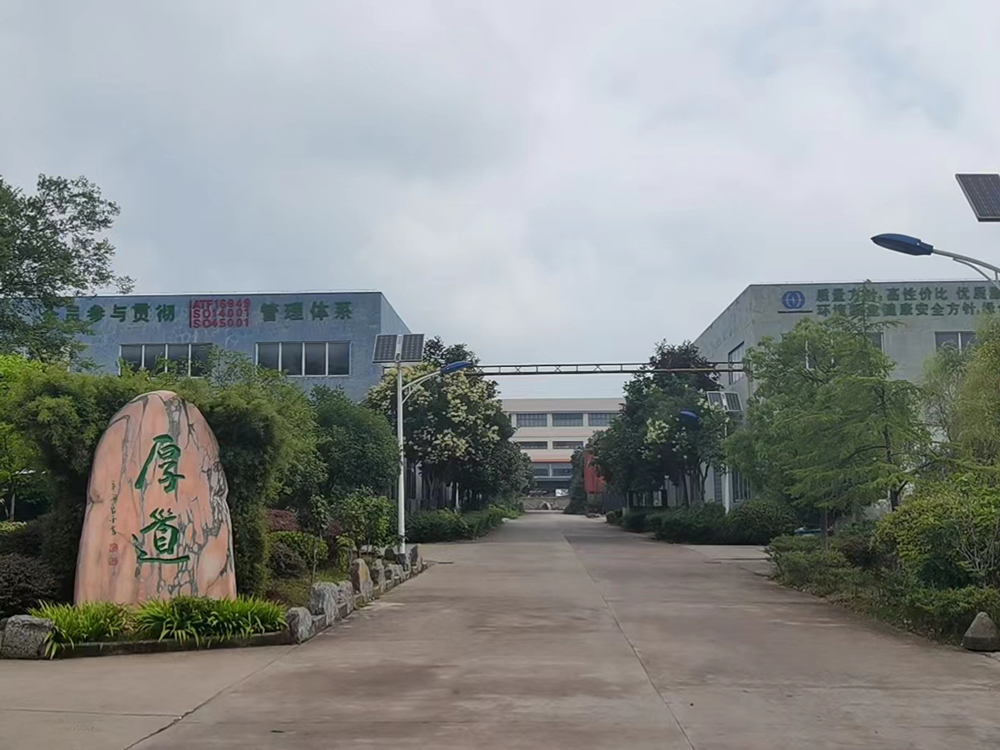
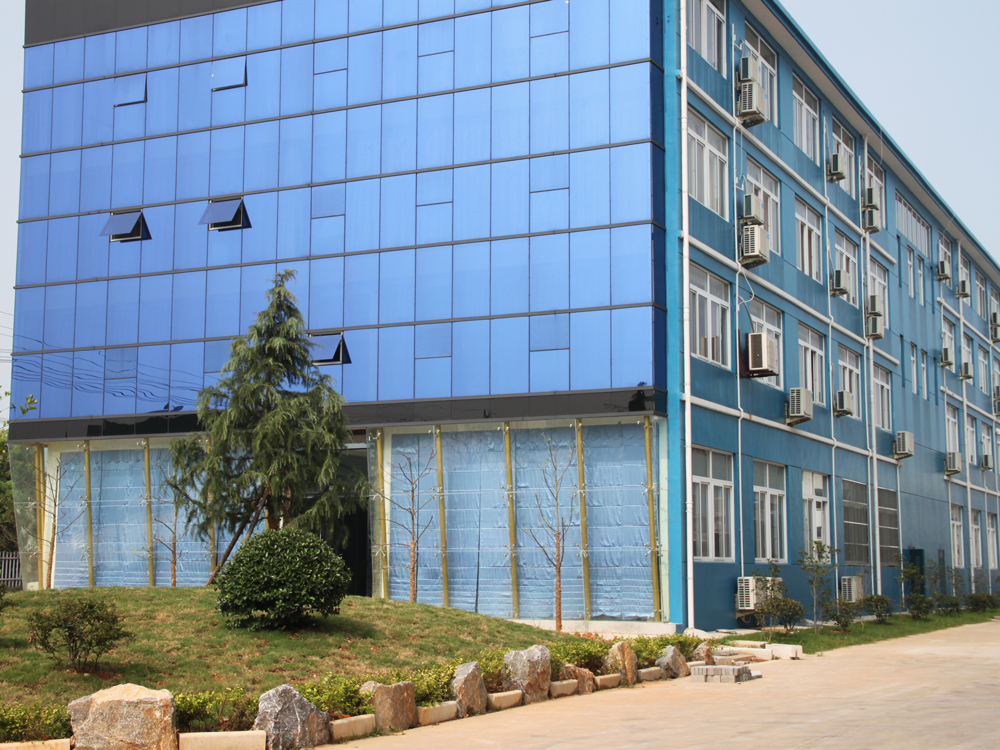
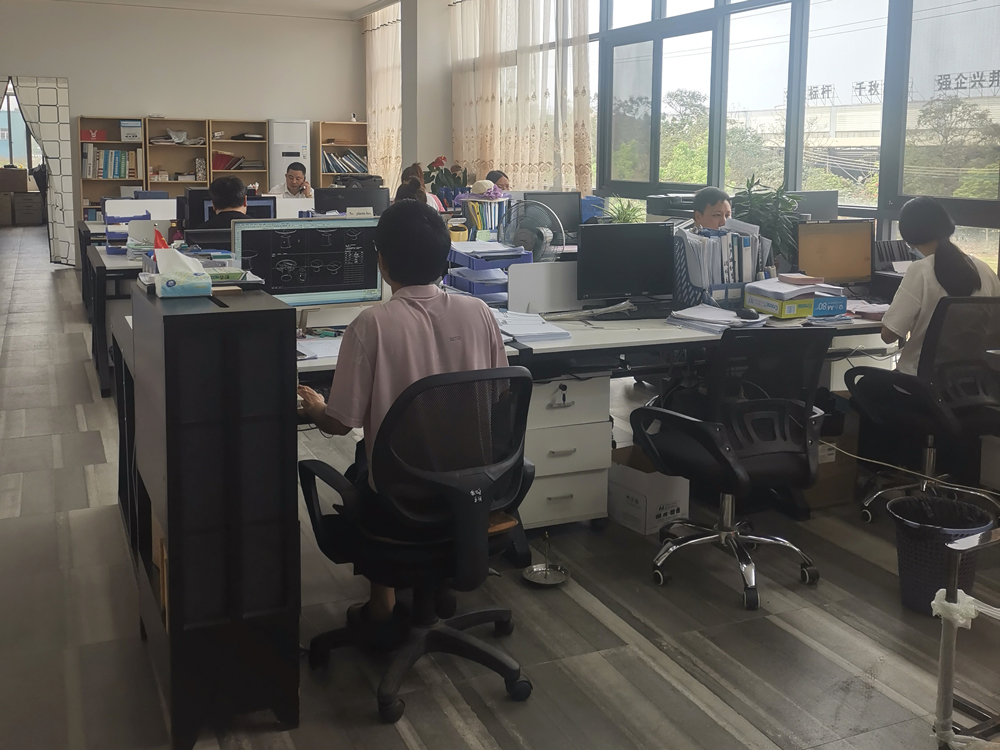
Guangzhou Vita Construction Machinery Co., Ltd. stands as one of the largest combined factory and foreign trade entities in the industrial spares space. Our primary production facility, situated in Xiangyang City, Hubei Province, spans a state-of-the-art 18,000-square-meter workshop equipped with specialized heavy casting, high-precision machining, and computerized honing machinery. Over 278 highly skilled employees work alongside a core engineering team of 8 veteran engine designers to assure exceptional consistency, accurate deliveries, and deep product reliability.
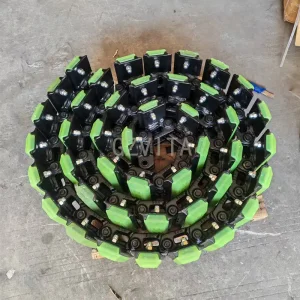
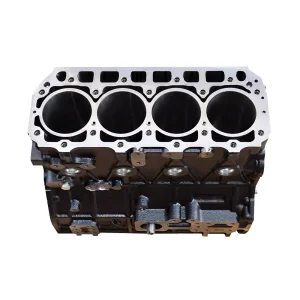
We specialize in the complete life cycle of machinery parts, including engine block assemblies, hydraulic pumps, final drives, crankshafts, engine valves, gear pumps, and undercarriage components. Our designs are fully compatible as drop-in replacements for global machinery brands such as Komatsu, Volvo, Sumitomo, Caterpillar, Kubota, Hitachi, John Deere, Kobelco, Hyundai, Kato, Sany, XCMG, and SUNWARD.
Machinery downtime stalls cash flow. We manufacture components using advanced metallurgical formulas to withstand abrasive wear, high thermal fluctuations, and chemical cavitation erosion.
Beyond parts supply, we troubleshoot engine assembly faults. Our engineers diagnose engine tolerances, clearance metrics, and mechanical vibrations to prevent repetitive component failures.
Our dedicated machinery maintenance team is prepared for international travel. If you run into complex field assembly or diagnostic issues, we dispatch technical support direct to your site.
An optimized wet cylinder liner must balance heat dissipation with mechanical strength. Standard gray cast iron is generally insufficient under high-performance criteria. Premium wet liners utilize alloyed cast iron containing precise volumes of Chromium (Cr), Molybdenum (Mo), and Nickel (Ni). These additions ensure a fine pearlitic matrix interspersed with type-A graphite flakes, which provides optimal wear resistance and vibration-damping capabilities.
The honing profile of the inner diameter represents a key element of modern cylinder liner engineering. Using a process called plateau honing, our production line shears away the sharp peaks of the hone pattern, leaving a flat plateau surface supported by deep valleys. These valleys serve as microscopic oil reservoirs that retain lubrication during the piston stroke, minimizing friction at Top Dead Center (TDC) where hydrodynamic lubrication collapses.
The global power generation and logistics industries are prioritizing carbon-neutral technologies. As alternative fuels—such as green hydrogen, ammonia, and biofuels—are integrated into internal combustion architectures, the combustion environment will become increasingly corrosive. Hydrogen combustion, for instance, leads to water condensation within the cylinder, increasing the risk of hydrogen embrittlement.
Our forward-looking development roadmap focuses on laser alloying treatments and physical vapor deposition (PVD) coatings on the inner bore. These thin-film barrier coatings resist acidic corrosion while preserving thermal conductivity. Additionally, the development of smart cylinder liners integrated with piezo-resistive sensor arrays allows for real-time monitoring of cylinder wear, liner temperature, and oil degradation, assisting fleet operators in moving from scheduled maintenance to predictive diagnostics.
Wet cylinder liners are particularly vulnerable to cavitation erosion on their coolant-contact sides. When the piston oscillates during combustion, the cylinder wall vibrates against the coolant, creating low-pressure pockets that form microscopic bubbles. As these bubbles collapse, they generate high-pressure micro-jets that pit the metal surface over time, leading to cylinder wall perforation and catastrophic oil-coolant mixing.
Our comprehensive engineering solution combats cavitation through three distinct methods:
Expert answers addressing the selection, maintenance, failure modes, and installation of wet type cylinder liners.
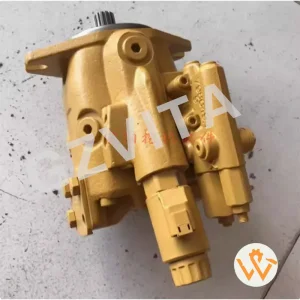
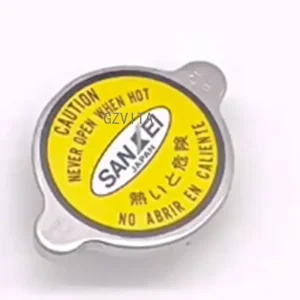
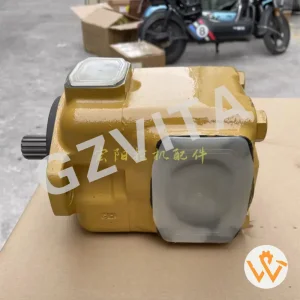
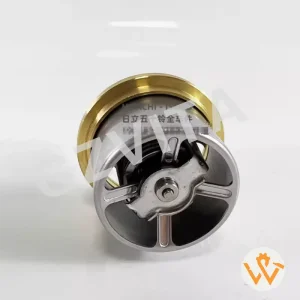
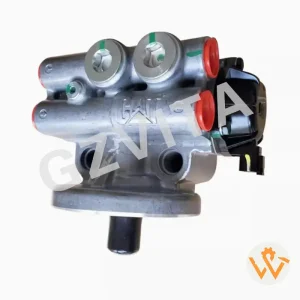
Explore our underlying product inventory, offering high-durability seals, switches, and pumps for heavy-duty earthmovers.
 Vita Construction